
Classic Vanilla Panna Cotta: GlutenFree, Dairy or Vegan Options

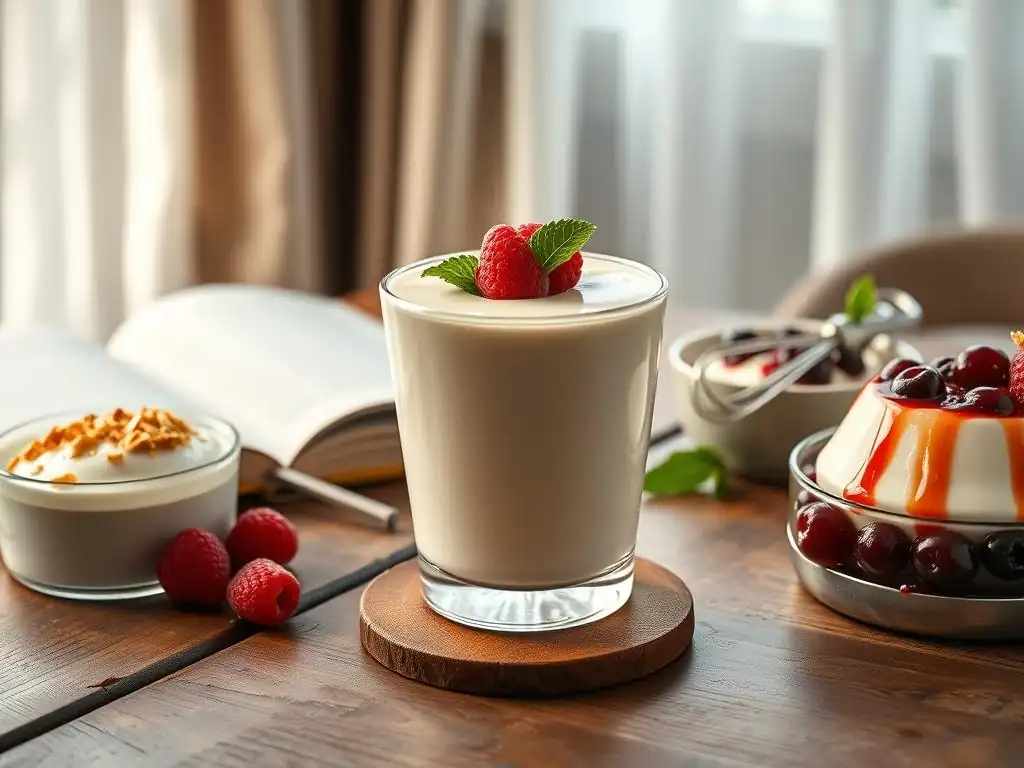
Welcome to BakeWithEase, your kitchen companion for all things baking!
Craving a dessert that's both elegant and effortless? Dive in and discover our Gluten-Free Vanilla Panna Cotta recipe! This creamy, classic Italian dessert is surprisingly simple to make, and we'll show you how to adapt it for dairy-free or vegan diets. Intrigued? Let's unlock the secrets to this delightful treat and explore how you can create a stunning panna cotta that caters to your specific needs.
- Classic Vanilla Panna Cotta: Gluten-Free, Dairy-Free, and Vegan Options
- Introduction to Vanilla Panna Cotta
- Classic Vanilla Panna Cotta Recipe (Gluten-Free)
- Dairy-Free Vanilla Panna Cotta Adaptation
- Vegan Vanilla Panna Cotta: A Plant-Based Recipe
- Tips and Tricks for Perfect Panna Cotta
- Serving Suggestions and Variations
- Storing and Preparing Ahead
- BakeWithEase.com's Baking Resources
- Frequently Asked Questions
- Final Reflection: The Enduring Allure of Panna Cotta
- Unlock the Creamy Secrets of Panna Cotta!
Classic Vanilla Panna Cotta: Gluten-Free, Dairy-Free, and Vegan Options
Introduction to Vanilla Panna Cotta
What is Panna Cotta and Why Consider Dietary Adaptations?
Panna Cotta, meaning "cooked cream" in Italian, is a classic dessert renowned for its silky-smooth texture and delicate flavor. Traditionally made from dairy cream, sugar, and gelatin, it's gently heated and then chilled until set. Its simplicity is its charm, allowing the quality of ingredients, especially the vanilla, to shine through. While inherently gluten-free, its reliance on dairy and gelatin means it's not suitable for those with lactose intolerance, dairy allergies, or those following a vegan lifestyle.
Considering dietary adaptations for panna cotta opens up this delightful dessert to a wider audience. For individuals with celiac disease or gluten sensitivity, the standard recipe is already safe, but variations often introduce elements like toppings that might contain gluten, so confirming the base recipe's status is helpful.
More importantly, adapting for dairy-free and vegan needs involves substituting the cream and gelling agent, which requires careful consideration of ingredient ratios and techniques to achieve the desired creamy, wobbly consistency that defines a great panna cotta. These adaptations ensure everyone can enjoy this elegant treat, regardless of dietary restrictions or choices.
BakeWithEase.com's Focus on Inclusive Dessert Recipes
At BakeWithEase.com, our mission is to make baking accessible and enjoyable for everyone, regardless of skill level or dietary needs. We understand that navigating allergies and dietary preferences can sometimes feel limiting in the kitchen, especially when it comes to classic desserts. That's why we are committed to developing and sharing recipes that offer delicious, reliable alternatives to traditional favorites.
Our approach to inclusive baking means providing clear instructions and tested substitutions that yield results comparable to their conventional counterparts. Whether you're looking for a glutenfree vanilla panna cotta, a dairy-free delight, or a completely plant-based dessert, we aim to provide recipes that don't compromise on taste or texture. We believe that baking should be a source of joy and creativity, and by offering adaptable recipes, we empower our community to bake with confidence for themselves, their friends, and their families, ensuring no one misses out on the sweet moments.
Classic Vanilla Panna Cotta Recipe (Gluten-Free)
Ingredients for Gluten-Free Vanilla Panna Cotta
Crafting a classic glutenfree vanilla panna cotta requires just a few key ingredients, but their quality makes all the difference. The base is typically heavy cream, sweetened with sugar, and set with gelatin. Using high-quality ingredients ensures the best flavor and texture for this simple yet elegant dessert. Since panna cotta doesn't traditionally use flour or gluten-containing thickeners, a standard recipe is naturally gluten-free, making it a fantastic option for those avoiding gluten.
Here are the core ingredients needed for a classic glutenfree vanilla panna cotta:
- Heavy cream: About 2 cups (480ml)
- Granulated sugar: Approximately 1/2 cup (100g)
- Gelatin: 1 packet (about 7g) of unflavored gelatin powder
- Cold water: 1/4 cup (60ml) for blooming gelatin
- Vanilla: 1-2 teaspoons of high-quality vanilla extract or 1 vanilla bean
High-Quality Vanilla Extract/Bean: Enhancing Flavor
The flavor of your glutenfree vanilla panna cotta hinges almost entirely on the vanilla you use. A high-quality pure vanilla extract, preferably Madagascar bourbon vanilla, offers a rich, complex flavor profile that complements the creamy base beautifully. Avoid imitation vanilla extract, as it lacks the depth and nuance of real vanilla and can leave an artificial aftertaste. Investing in a good extract makes a significant difference in the final dish.
Alternatively, using a whole vanilla bean provides the most intense and authentic vanilla flavor and adds those beautiful little black specks that signal its presence. To use a vanilla bean, split it lengthwise with a sharp knife and scrape out the tiny seeds using the back of the knife. You'll add both the seeds and the pod to the cream mixture as it heats to infuse it fully. Remember to remove the pod before chilling the panna cotta.
Gluten-Free Gelatin: Knox Unflavored Gelatin
Gelatin is the gelling agent that gives panna cotta its signature wobble. Standard unflavored gelatin powder, like Knox Unflavored Gelatin, is derived from animal collagen and is naturally gluten-free. One standard packet typically sets about 2 cups of liquid to a firm, yet delicate consistency suitable for panna cotta. It's crucial to use the correct amount, as too little will result in a runny dessert, and too much will make it rubbery.
When working with gelatin powder for your glutenfree vanilla panna cotta, it's essential to "bloom" it first. This involves sprinkling the powder over a small amount of cold liquid (usually water) and letting it sit for about 5-10 minutes. The gelatin granules absorb the liquid and swell, preventing lumps when it's later dissolved in the warm cream mixture. This step ensures a smooth, uniform texture in your finished panna cotta.
Sugar: Granulated Sugar
Granulated sugar provides the sweetness for the panna cotta. The amount can be adjusted slightly to personal preference, but the quantity listed in the recipe provides a balanced sweetness that doesn't overpower the delicate vanilla and cream flavors. Standard white granulated sugar is perfectly suitable and dissolves easily when heated with the cream.
While other sugars like caster sugar (finer grain) can be used and dissolve even faster, granulated sugar is widely available and works effectively. Avoid using brown sugar or other strongly flavored sugars in a classic vanilla panna cotta, as they will mask the vanilla flavor. The goal is a subtle sweetness that enhances, not dominates, the other ingredients in your glutenfree vanilla panna cotta.
Step-by-Step Guide to Making Gluten-Free Panna Cotta
Making glutenfree vanilla panna cotta is a straightforward process involving gentle heating and patient chilling. Following these steps will help you achieve a perfectly set, creamy dessert. Precision in measurements, especially for the gelatin, is key to success.
Step 1: Blooming the Gelatin
Begin by blooming the gelatin. Measure 1/4 cup of cold water into a small bowl. Sprinkle the 1 packet (about 7g) of unflavored gelatin powder evenly over the surface of the cold water. Do not stir it in immediately; let the powder absorb the water on its own. This process typically takes about 5 to 10 minutes. You will notice the gelatin swell and become translucent and jelly-like. This step is vital to ensure the gelatin dissolves smoothly without lumps when added to the warm cream.
If you skip the blooming step or add gelatin directly to hot liquid, it can clump, resulting in an unevenly set or grainy panna cotta. Ensure the water is cold; hot water can partially dissolve the gelatin too quickly on the surface, preventing the rest of the powder from hydrating properly. Patience here pays off for a smooth texture in your classic glutenfree vanilla panna cotta.
Step 2: Infusing the Cream with Vanilla
In a medium saucepan, combine the heavy cream and granulated sugar. If using a vanilla bean, split it, scrape the seeds into the pot, and add the pod as well. If using vanilla extract, you will add this later. Place the saucepan over medium heat, stirring occasionally until the sugar dissolves and the cream is warm. Avoid boiling the cream vigorously; a gentle simmer is sufficient to infuse the vanilla flavor.
Heat the mixture until it's hot but not scalding. The goal is to dissolve the sugar completely and warm the cream enough to melt the bloomed gelatin later. This typically takes about 5-7 minutes. If using a vanilla bean, let the cream steep for a few minutes off the heat after warming to allow the flavor to deepen before proceeding. This infusion step is crucial for a fragrant and flavorful glutenfree vanilla panna cotta.
Step 3: Combining and Cooking the Mixture
Once the cream mixture is warm and the sugar is dissolved, remove the vanilla bean pod if you used one. Gently squeeze any remaining cream from the pod back into the saucepan. Add the bloomed gelatin to the warm cream mixture. Stir continuously over low heat until the gelatin is completely dissolved. This should only take a minute or two. It's important not to boil the mixture once the gelatin is added, as high heat can degrade the gelling properties of gelatin.
To check if the gelatin is fully dissolved, lift your spoon and let the mixture drip back in; you shouldn't see any grainy particles. Alternatively, rub a small amount of the mixture between your fingers (be careful, it's warm) to feel for any undissolved granules. If using vanilla extract, stir it in now, after removing the mixture from the heat to preserve its delicate flavor. This ensures your glutenfree vanilla panna cotta has a smooth texture and strong vanilla aroma.
Step 4: Chilling and Setting the Panna Cotta
Carefully pour the warm panna cotta mixture into individual serving molds, ramekins, or glasses. You can pour it through a fine-mesh sieve first if you want to ensure an extra-smooth texture and remove any potential specks from the vanilla bean or undissolved sugar/gelatin, though this is often unnecessary if steps were followed carefully.
Allow the filled molds to cool at room temperature for about 15-20 minutes before transferring them to the refrigerator. This prevents condensation from forming excessively on the surface. Chill the panna cotta for at least 4 hours, but preferably overnight, until it is fully set and firm to the touch. For best results and easy unmolding (if desired), chilling overnight is recommended. A properly chilled glutenfree vanilla panna cotta will hold its shape beautifully when served.
Dairy-Free Vanilla Panna Cotta Adaptation
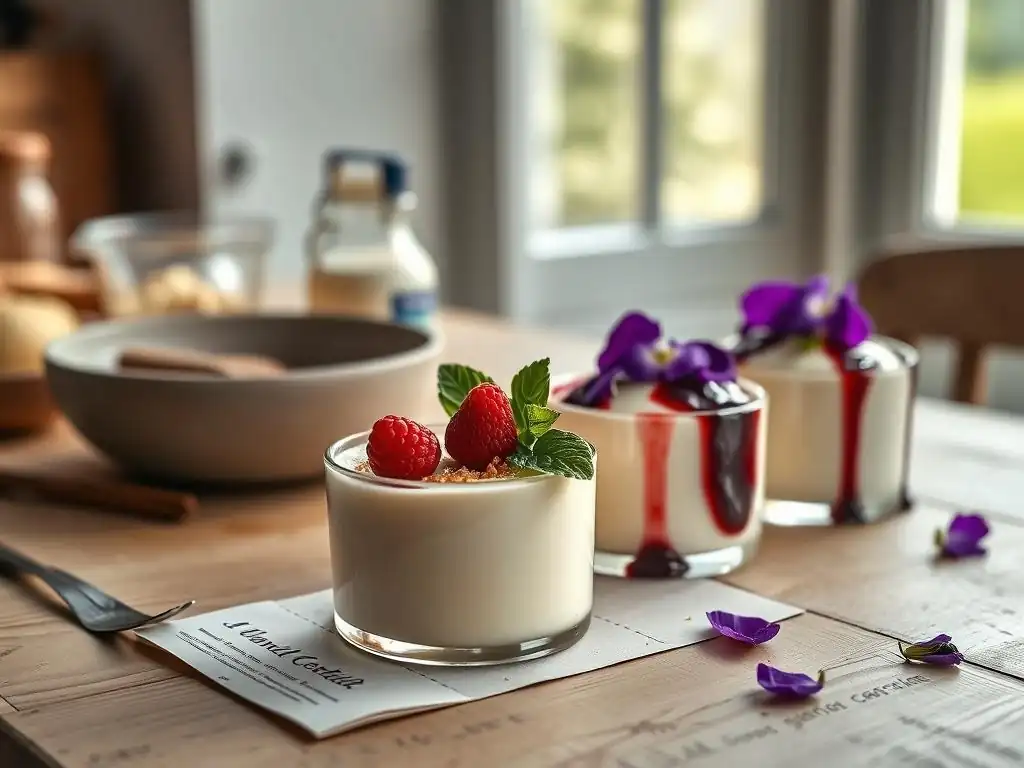
Creating a dairy-free version of glutenfree vanilla panna cotta involves substituting the heavy cream with a plant-based alternative. The goal is to maintain the luxurious creaminess and delicate texture of the classic while accommodating dietary needs. Coconut milk is a popular choice due to its richness and relatively neutral flavor when paired with vanilla, though other options exist.
This adaptation allows those with lactose intolerance or dairy allergies to enjoy a dessert very similar to the traditional version. While the base ingredient changes, the principles of blooming gelatin (or a plant-based gelling agent) and gentle heating remain the same. Careful selection of dairy-free ingredients is key to achieving a delicious and satisfying dairy-free glutenfree vanilla panna cotta.
Coconut Milk Panna Cotta: A Creamy Alternative
Full-fat canned coconut milk is an excellent substitute for heavy cream in panna cotta. Its high-fat content provides a similar richness and mouthfeel to dairy cream. When using coconut milk, shake the can well before opening to recombine the cream and liquid, ensuring a uniform texture and fat distribution. Light coconut milk is not recommended as it will result in a much less creamy and potentially watery panna cotta that may not set properly.
While coconut milk has a distinct flavor, it pairs wonderfully with vanilla. The vanilla helps to mellow the coconut taste, creating a harmonious profile. Some recipes might suggest adding a small amount of other plant milks (like almond or soy) to adjust the richness, but using solely full-fat coconut milk often yields the best results for a creamy, dairy-free glutenfree vanilla panna cotta.
Dairy-Free Ingredient Substitutions
Beyond coconut milk, several other ingredients need consideration for a truly dairy-free glutenfree vanilla panna cotta. While the gelatin itself is dairy-free (though not vegan), ensuring all other components are free from dairy is important. This typically involves checking the sugar source (though most granulated sugar is fine) and any toppings or garnishes.
If using gelatin, ensure it's just the plain unflavored powder. If opting for a vegan version (discussed later), a plant-based gelling agent like agar-agar will be used instead of gelatin. For flavor, pure vanilla extract is naturally dairy-free. When serving, opt for dairy-free toppings such as fresh berries, fruit compotes made with water and sugar, or a dairy-free whipped topping made from coconut cream.
Achieving the Right Consistency with Coconut Milk
Achieving the perfect creamy, wobbly consistency with coconut milk can sometimes be slightly different than with dairy cream. Coconut milk tends to set a bit firmer than dairy cream when using the same amount of gelatin. This is partly due to its composition. Therefore, you might find you need to slightly reduce the amount of gelatin used compared to a dairy recipe, perhaps using closer to 6g of gelatin per 2 cups of coconut milk instead of the standard 7g, depending on your desired texture.
Experimentation might be necessary based on the specific brand of coconut milk and gelatin used. If your first attempt is too firm, try reducing the gelatin next time. If it's too soft, increase it slightly. Chilling time is also critical; allow ample time, ideally overnight, for the coconut milk panna cotta to set fully. The result should be a smooth, luscious dessert that stands up beautifully when unmolded or spooned from a glass, offering a delightful dairy-free glutenfree vanilla panna cotta.
Vegan Vanilla Panna Cotta: A Plant-Based Recipe
Creating a vegan glutenfree vanilla panna cotta requires replacing both the dairy cream and the animal-derived gelatin with plant-based alternatives. This opens the dessert up to those following a strictly vegan diet while still maintaining its naturally gluten-free status. The key challenge is replicating the creamy texture and delicate set without traditional ingredients.
This adaptation is a fantastic way to showcase the versatility of plant-based ingredients. By using rich plant milks and effective vegan gelling agents, it's entirely possible to achieve a dessert that rivals the classic in elegance and taste, providing a delicious glutenfree vanilla panna cotta suitable for vegans.
Agar-Agar as a Vegan Gelling Agent
The most common and effective vegan substitute for gelatin in panna cotta is agar-agar. Derived from seaweed, agar-agar is a powerful plant-based gelling agent. It sets more firmly than gelatin and requires boiling to activate its gelling properties, unlike gelatin which only needs to be heated gently. This difference in activation is crucial when adapting recipes.
When using agar-agar powder (the most common form), you typically need less than gelatin. A common ratio is 1-2 teaspoons of agar-agar powder per 2 cups of liquid, depending on how firm you want the set. Agar-agar sets at room temperature and doesn't melt as readily as gelatin, which can affect the melt-in-your-mouth quality if too much is used. It's essential to dissolve agar-agar thoroughly by boiling it with the liquid for a few minutes to ensure it sets correctly in your vegan glutenfree vanilla panna cotta.
Vegan Ingredient Substitutions
For a vegan glutenfree vanilla panna cotta, both the liquid base and the gelling agent must be plant-based. Instead of heavy cream, a combination of full-fat coconut milk and perhaps some cashew cream or a rich oat milk can provide the necessary richness. Full-fat canned coconut milk is often the primary base for its high-fat content. Sweeteners like granulated sugar are generally vegan, but some strict vegans check if bone char was used in processing; alternatives include organic cane sugar, maple syrup, or agave nectar, though liquid sweeteners can slightly affect the consistency.
The gelatin is replaced with agar-agar powder. Pure vanilla extract is vegan, but check the label to be absolutely sure. For added richness without dairy, a tablespoon or two of vegan butter or refined coconut oil can sometimes be incorporated into the warm mixture. These substitutions ensure your glutenfree vanilla panna cotta is entirely plant-based and delicious.
Achieving a Creamy Texture in Vegan Panna Cotta
Achieving a texture in vegan panna cotta that mimics the creamy wobble of the dairy version can be tricky, as agar-agar tends to create a firmer, slightly more brittle set than gelatin. The key lies in using the right amount of agar-agar and selecting a rich liquid base. Using full-fat coconut milk is paramount for richness. Some recipes also benefit from blending the cooled, but not yet set, mixture briefly before pouring into molds to incorporate air and create a lighter texture.
Careful measurement of agar-agar is critical; start with the lower end of the recommended range (e.g., 1 teaspoon per 2 cups) and adjust in future attempts if you prefer a softer set. Boiling the mixture with agar-agar for the specified time (usually 2-3 minutes) is necessary for activation. Chilling time is also important, though agar-agar sets faster than gelatin. Allow at least 2-3 hours for a firm set. With practice, you can achieve a wonderfully creamy and delicate vegan glutenfree vanilla panna cotta.
Tips and Tricks for Perfect Panna Cotta
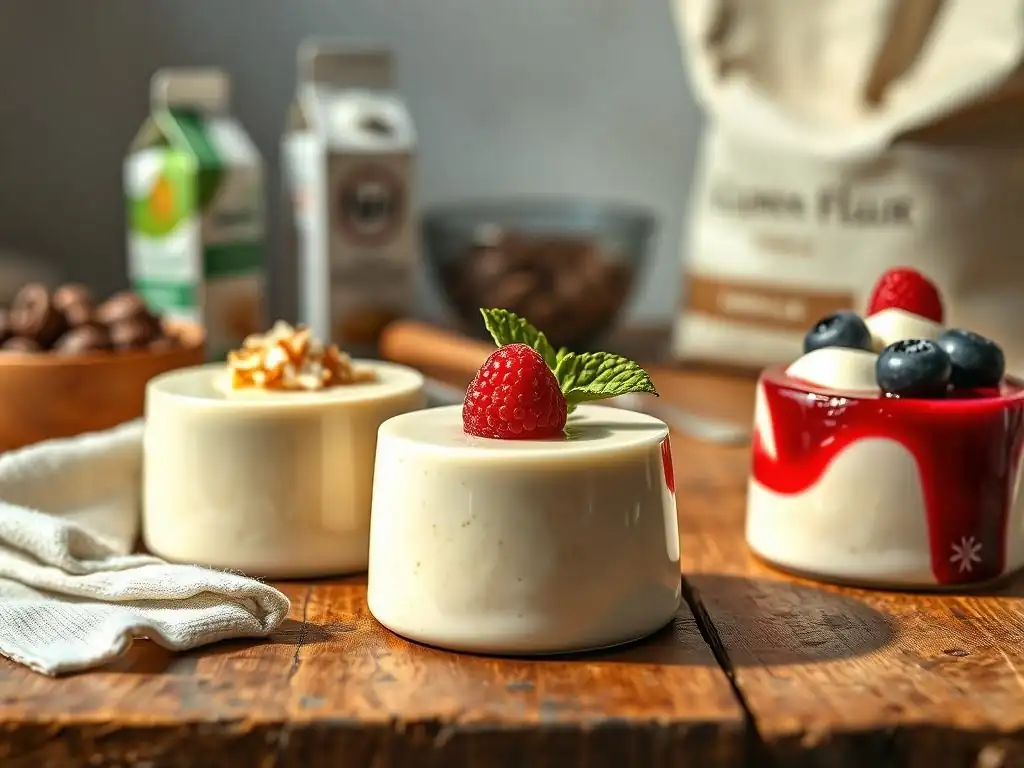
Making delicious panna cotta, whether classic glutenfree vanilla panna cotta, dairy-free, or vegan, involves a few key techniques to ensure a smooth, creamy, and perfectly set dessert. Avoiding common pitfalls can elevate your results from good to outstanding.
Ensuring Proper Gelatin/Agar-Agar Hydration
Properly hydrating (blooming) gelatin is the first crucial step for a smooth panna cotta. Sprinkle the gelatin powder evenly over cold water and let it sit undisturbed for 5-10 minutes until it swells. If you add it directly to hot liquid or stir it in too soon, it can clump, leading to a grainy texture. For agar-agar, hydration is different; it needs to be whisked into the cold liquid and then brought to a rolling boil for 2-3 minutes to fully dissolve and activate its gelling power. Simply warming it isn't enough.
Ensuring the gelling agent is fully dissolved before chilling is non-negotiable for a smooth texture. After adding bloomed gelatin to the warm cream mixture, stir gently over low heat until absolutely no granules remain. For agar-agar, boil it with the liquid for the recommended time, whisking to prevent scorching. Undissolved gelling agent is a primary cause of grainy or unevenly set panna cotta, affecting your lovely glutenfree vanilla panna cotta.
Preventing a Skin from Forming
A common issue with panna cotta is the formation of a thin skin on the surface as it cools and chills. While not affecting the taste, it can impact the aesthetic and texture. To prevent this, you can cover the surface of the warm mixture directly with plastic wrap before chilling. Press the plastic wrap gently onto the surface of the liquid, ensuring no air bubbles are trapped between the liquid and the wrap.
Alternatively, after pouring the mixture into molds, let them cool slightly at room temperature, then cover each mold tightly with plastic wrap before refrigerating. This creates a barrier that prevents the surface from drying out and forming a skin. This simple step helps maintain a smooth, glossy finish on your glutenfree vanilla panna cotta.
Achieving a Smooth and Creamy Texture
Beyond proper gelling agent handling, several factors contribute to a smooth and creamy panna cotta. Using a high-fat liquid base (heavy cream or full-fat coconut milk) is essential for richness. Avoid over-boiling the mixture, especially after adding gelatin, as excessive heat can damage the protein structure and affect the set. Gentle heating is key.
Straining the mixture through a fine-mesh sieve before pouring it into molds can help remove any small lumps or impurities, resulting in a silkier texture. Finally, patient chilling is paramount. Allowing the panna cotta to chill for the full recommended time, ideally overnight, ensures it sets completely and develops its characteristic smooth, wobbly texture. Rushing the chilling process can result in a runny or unevenly set glutenfree vanilla panna cotta.
Troubleshooting Common Panna Cotta Problems
- Panna Cotta didn't set: This is usually due to insufficient gelling agent, not blooming gelatin properly, not boiling agar-agar long enough, or adding the gelling agent to a boiling liquid which degrades its properties. You might be able to salvage it by gently reheating the mixture (don't boil gelatin!) and whisking in a bit more properly prepared gelling agent, then re-chilling.
- Panna Cotta is rubbery: This indicates too much gelling agent was used. There's no fix once set, but make a note to reduce the amount next time.
- Panna Cotta is grainy: This is almost always caused by undissolved gelling agent. Ensure gelatin is fully bloomed and dissolved gently, or agar-agar is boiled thoroughly. Straining can help, but prevention is better.
- Panna Cotta separated: This can happen if the mixture gets too hot after adding gelatin or if it freezes during chilling. Ensure gentle heating and consistent refrigeration temperatures.
By understanding these common issues and their causes, you can troubleshoot and refine your technique to consistently produce perfect glutenfree vanilla panna cotta.
Serving Suggestions and Variations
While classic glutenfree vanilla panna cotta is delightful on its own, pairing it with a complementary sauce or garnish can elevate the dessert experience. The subtle sweetness and creamy texture of panna cotta provide a versatile canvas for a variety of flavors.
Here are a few popular and delicious serving suggestions:
Panna Cotta with Raspberry Coulis
A vibrant raspberry coulis is a classic pairing for vanilla panna cotta. The tartness of the raspberries cuts beautifully through the richness of the cream, creating a balanced and refreshing dessert. To make a simple coulis, simmer fresh or frozen raspberries with a touch of sugar and a squeeze of lemon juice until they break down. Strain the mixture through a fine-mesh sieve to remove the seeds, then chill until ready to serve. Drizzle the bright red coulis generously over the pale glutenfree vanilla panna cotta before serving.
Panna Cotta with Balsamic Glaze and Strawberries
For a sophisticated twist, serve your panna cotta with fresh strawberries and a balsamic glaze. The slightly tangy, sweet reduction of balsamic vinegar adds an unexpected depth of flavor that pairs surprisingly well with vanilla. To make the glaze, simply simmer good quality balsamic vinegar in a small saucepan until it reduces and thickens into a syrupy consistency. Arrange sliced fresh strawberries around or on top of the panna cotta and drizzle with the cooled balsamic glaze just before serving. This combination offers a delightful contrast in flavors and textures with your glutenfree vanilla panna cotta.
Panna Cotta with Espresso Drizzle
Coffee lovers will appreciate a simple espresso drizzle over their vanilla panna cotta. The slight bitterness and robust flavor of coffee provide a wonderful contrast to the sweet, creamy base. Brew a strong shot of espresso or make some very concentrated coffee. You can sweeten it slightly with a tiny bit of sugar if desired. Let it cool completely, then drizzle it over the chilled panna cotta just before serving. This is a quick and easy way to add a punch of flavor to your glutenfree vanilla panna cotta.
Panna Cotta with Toasted Almonds
Adding a textural element can enhance the panna cotta experience. Toasted slivered almonds provide a delightful crunch that contrasts with the smooth creaminess. Simply spread slivered almonds on a baking sheet and toast them in a preheated oven at about 350°F (175°C) for 5-10 minutes, or until golden brown and fragrant. Let them cool completely before sprinkling them over the panna cotta just before serving. Other toasted nuts like pistachios or hazelnuts also work well, adding both texture and a subtle nutty flavor to your glutenfree vanilla panna cotta.
Storing and Preparing Ahead
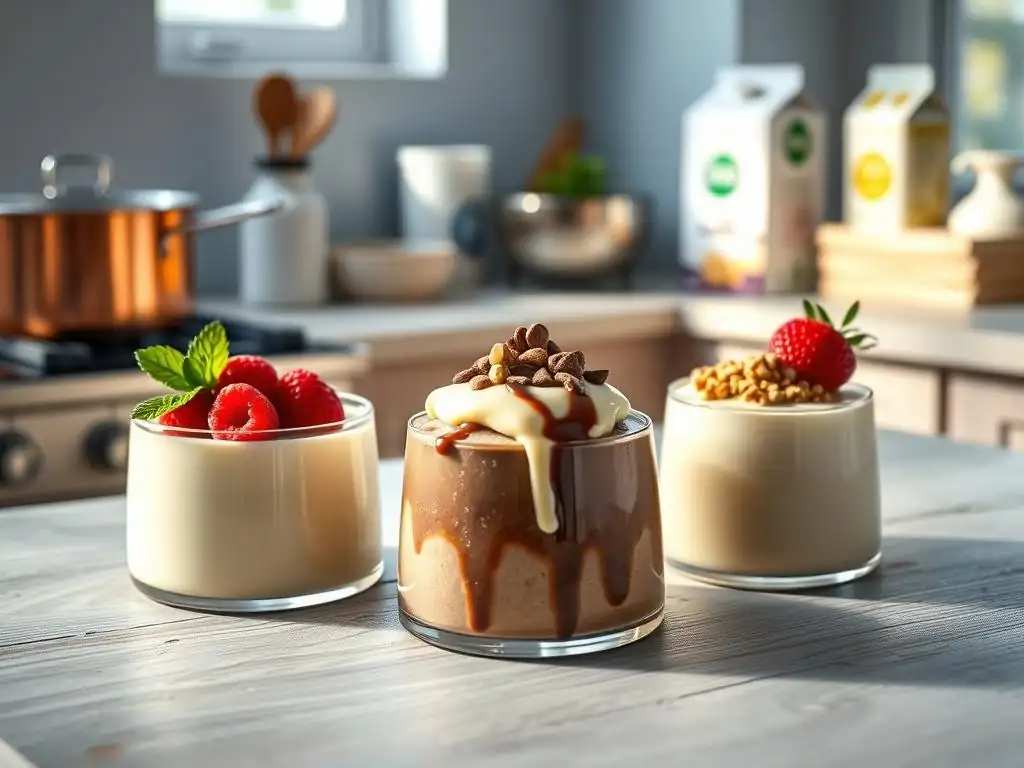
One of the great advantages of panna cotta is that it must be made ahead of time to set properly. This makes it an ideal dessert for entertaining, as it frees up your time closer to serving. Proper storage ensures your beautiful glutenfree vanilla panna cotta remains fresh and delicious.
Storing Panna Cotta for Freshness
Once the panna cotta has set, it should be stored in the refrigerator. If they are in individual molds or glasses, cover each one tightly with plastic wrap to prevent them from absorbing odors from the fridge and to keep the surface moist and smooth. If you made the panna cotta in a large mold, cover the mold tightly before refrigerating.
Properly stored panna cotta will last in the refrigerator for about 3 to 4 days. Beyond this time, the texture might start to degrade slightly, or the surface could dry out even with covering. For the best taste and texture, aim to serve it within 2-3 days of making it. Keep it chilled until just before serving for optimal consistency.
Making Panna Cotta in Advance
Panna cotta is the perfect make-ahead dessert. You can prepare the mixture, pour it into serving dishes, and refrigerate it a day or two before you plan to serve it. This allows ample time for it to set completely and for the flavors to meld. Making it the day before serving is often ideal, ensuring it's perfectly set and fresh.
Avoid making panna cotta too far in advance (more than 3-4 days), as mentioned, to maintain optimal texture and flavor. Preparing the components like fruit coulis or glazes can also be done ahead of time and stored separately in the refrigerator. This planning makes serving your elegant glutenfree vanilla panna cotta effortless on the day of your event.
Tips for Serving After Refrigeration
When it's time to serve your chilled panna cotta, remove it from the refrigerator about 15-20 minutes before serving. This allows it to warm up just slightly from the intense cold of the fridge, which can enhance its creamy texture and allow the flavors to be more pronounced. However, don't leave it out for too long, especially in a warm environment, as it will start to soften.
If you plan to unmold the panna cotta, dip the bottom of the mold briefly in hot water (just for a few seconds!) and then invert it onto a serving plate. The slight warmth helps release the sides. Serve immediately after unmolding and adding your desired toppings. Serving your glutenfree vanilla panna cotta at the right temperature ensures the best possible eating experience.
BakeWithEase.com's Baking Resources
At BakeWithEase.com, we are passionate about sharing our love for baking and helping you create delicious treats in your own kitchen. This glutenfree vanilla panna cotta recipe is just one example of the many resources we offer to make baking accessible and fun for everyone.
Explore More Dessert Recipes
If you enjoyed making this classic glutenfree vanilla panna cotta and its variations, we invite you to explore the vast collection of other dessert recipes available on our website. From simple cookies and cakes to more elaborate pastries, we have something for every taste and skill level. Discover new favorites and expand your baking repertoire with our easy-to-follow guides.
Baking Tips and Techniques
Beyond recipes, BakeWithEase.com is packed with helpful tips and techniques to improve your baking skills. Learn about ingredient substitutions, troubleshooting common issues, mastering different baking methods, and much more. Our goal is to empower you with the knowledge to bake confidently and successfully, whether you're whipping up a batch of cookies or perfecting your glutenfree vanilla panna cotta.
Join Our Community
Become part of the BakeWithEase.com community! Connect with other baking enthusiasts, share your creations, ask questions, and find inspiration. Follow us on social media and subscribe to our newsletter to stay updated on the latest recipes, tips, and baking news. We love seeing what you bake and are here to support you on your baking journey, from your first simple cake to mastering a glutenfree vanilla panna cotta and beyond!
Frequently Asked Questions
What makes this vanilla panna cotta recipe gluten-free?
This recipe is naturally gluten-free because it doesn't use any wheat-based ingredients like flour. The thickening agent is gelatin or agar-agar, both gluten-free options.
Can I make this vanilla panna cotta dairy-free?
Yes! You can easily make it dairy-free by substituting the cream and milk with plant-based alternatives like coconut cream and almond milk. Just be sure to choose unsweetened versions for the best results.
What is panna cotta and what does it taste like?
Panna cotta is an Italian dessert that translates to "cooked cream." It has a smooth, silky texture and a delicate vanilla flavor.
What are the key ingredients needed for this recipe?
The key ingredients are heavy cream, milk (or dairy-free alternative), sugar, vanilla extract, and a gelling agent (gelatin or agar-agar). These simple ingredients create a delicious and elegant dessert.
How do I ensure my panna cotta sets properly?
Make sure you use the correct amount of gelatin or agar-agar for the liquid ratio. Also, allow the panna cotta to chill in the refrigerator for at least 4 hours to fully set.
Final Reflection: The Enduring Allure of Panna Cotta
The seemingly simple panna cotta, a testament to the power of quality ingredients and elegant simplicity, remains a culinary cornerstone in a world increasingly obsessed with complex flavors and techniques. Its adaptable nature, showcased through the exploration of gluten-free, dairy-free, and vegan options, speaks volumes about its enduring appeal and its capacity to cater to diverse dietary needs. This adaptability isn't just a trend; it's a reflection of our growing awareness of food sensitivities and a desire for inclusive culinary experiences.
The journey of creating the perfect panna cotta, whether classic or adapted, is a journey of understanding balance and texture. It's a process that mirrors life itself – requiring patience, attention to detail, and a willingness to experiment. The subtle nuances of each ingredient, the careful control of temperature, and the final, satisfying jiggle all contribute to an experience that transcends mere sustenance. Simplicity is the ultimate sophistication.
– Leonardo da Vinci. This quote perfectly captures the essence of panna cotta's enduring charm; its beauty lies in its unassuming elegance.
Now, consider your own culinary journey. What simple pleasures bring you joy? What seemingly small acts of creation bring you a sense of accomplishment? Perhaps it's not about mastering complex recipes, but about mastering the fundamentals, finding joy in the process, and sharing the results with those you love. Take the time to experiment with your own panna cotta variations, embracing the freedom to adapt and personalize this timeless dessert. Let the creamy smoothness and delicate vanilla flavor transport you to a moment of pure culinary bliss.
Unlock the Creamy Secrets of Panna Cotta!
Thanks for joining us on this creamy journey! You've just unlocked the secrets to crafting the perfect panna cotta, whether you prefer classic, dairy-free, or gluten-free. Now it's time to put your newfound knowledge into action.
- Whip up your dream panna cotta: Choose your favorite recipe variation (classic, dairy-free, or gluten-free) and get cooking! Let us know how it turns out!
- Share your panna cotta masterpiece: Post a picture on social media and tag us @BakeWithEase - we love to see your creations!
- Explore more delightful dessert recipes: Discover other amazing gluten-free and vegan options on our website - your culinary journey doesn't have to end here!
What unique twist will you add to your next panna cotta creation?