
LowSugar Baking Problems Solved: Troubleshooting Common Issues

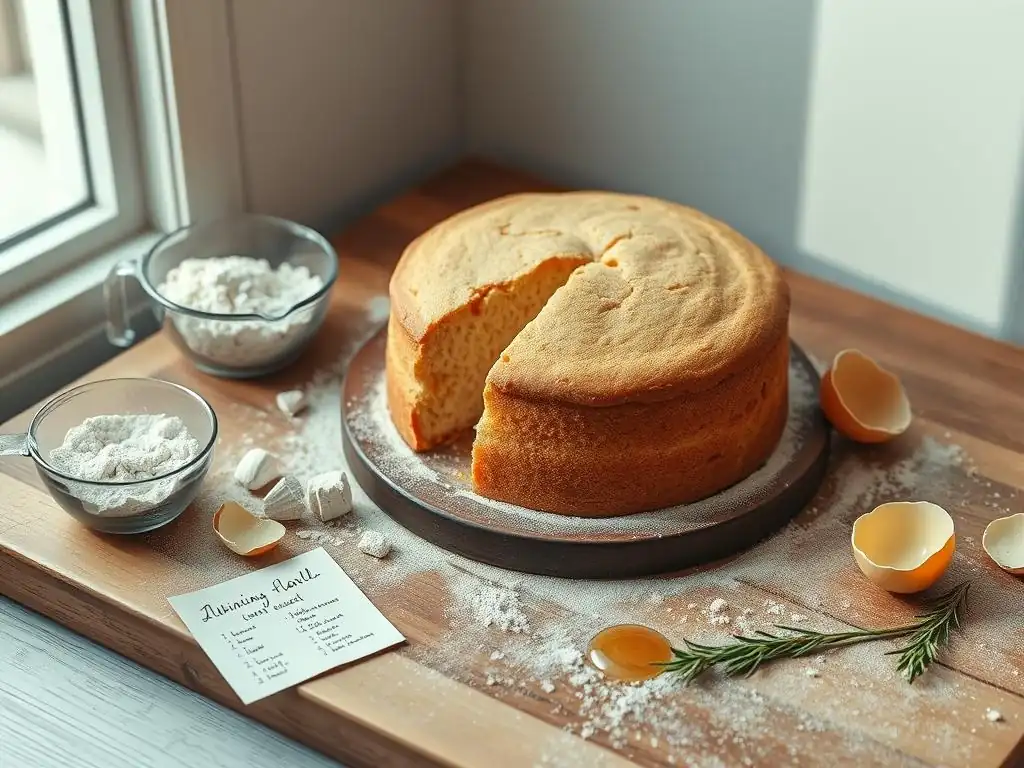
Welcome to BakeWithEase, your trusted guide in the delightful world of baking! Are you ready to explore the healthier side of your passion? Dive into our article, " Low Sugar Baking Problems Solved: Troubleshooting Common Issues," and discover how to overcome the unique challenges of reducing sugar in your favorite treats. Unlocking the secrets to delicious, guilt-free baking starts here! Learn how to achieve the perfect texture, flavor, and rise, even with less sugar. Get ready to transform your baking and create healthier, irresistible delights!
- Introduction to Low-Sugar Baking Challenges
- Problem 1: Dry and Crumbly Baked Goods in Low Sugar Recipes
- Problem 2: Lack of Browning and Caramelization in Sugar-Free Baking
- Problem 3: Flat or Dense Texture in Reduced Sugar Cakes and Cookies
- Problem 4: Artificial Sweetener Aftertaste Issues in Low Sugar Treats
- Problem 5: Difficulty Achieving the Right Sweetness Level
- General Tips for Successful Low-Sugar Baking
- Conclusion: Mastering the Art of Low-Sugar Baking
-
Frequently Asked Questions
- What are some common problems encountered when baking with low sugar?
- How does reducing sugar affect the rise of baked goods, especially in yeast breads?
- Can sugar substitutes always be used in a 1:1 ratio with sugar in baking recipes?
- What can I do to improve the browning of low-sugar baked goods?
- How can I prevent my low-sugar baked goods from becoming too dry?
- Final Reflection: The Sweet Success of Low-Sugar Baking
- Unlock Your Low-Sugar Baking Potential!
Introduction to Low-Sugar Baking Challenges
Why Low-Sugar Baking Can Be Tricky
Baking without the full amount of sugar called for in traditional recipes presents a unique set of challenges. Sugar is far more than just a sweetener; it's a critical structural ingredient that affects everything from texture and moisture to browning and shelf life. When you significantly reduce or eliminate sugar, you disrupt this delicate balance, leading to common frustrations like dry cakes, flat cookies, or pale crusts. Understanding these roles is the first step in tackling typical low sugar baking problems.
The complexity arises because sugar interacts with other ingredients in specific ways. It tenderizes gluten, helps cream fats, stabilizes egg foams, and lowers the freezing point. Removing it requires careful substitution and technique adjustments to mimic these functions. Many bakers new to this realm encounter unexpected results, finding their favorite recipes don't translate directly when sugar is swapped out or reduced, highlighting the need for specific strategies to overcome these hurdles.
Common Pitfalls in Reduced Sugar Baking
One of the most frequent low sugar baking problems bakers face is a lack of moisture. Sugar is hygroscopic, meaning it attracts and holds onto water molecules, contributing significantly to the moistness and tenderness of baked goods. Without sufficient sugar, recipes can turn out dry, crumbly, and stale quickly. This is particularly noticeable in cakes and muffins.
Another widespread issue is poor browning and caramelization. Sugar undergoes complex chemical reactions when heated, such as the Maillard reaction (with proteins) and caramelization (sugar breaking down), which create appealing golden-brown crusts and contribute rich flavor notes. Reduced sugar inhibits these reactions, often resulting in pale, less flavorful baked goods. Tackling these specific low sugar baking problems requires targeted solutions beyond simply adjusting the sweetener level.
Problem 1: Dry and Crumbly Baked Goods in Low Sugar Recipes
The Role of Sugar in Moisture Retention
Sugar acts as a humectant in baking, which is a substance that attracts and retains moisture. This is one of its most crucial functions beyond just providing sweetness. As sugar melts during baking, it creates a syrup-like consistency that helps keep the final product soft and moist. A typical cup of granulated sugar can hold onto a significant amount of liquid, preventing baked goods from drying out too quickly both during and after baking.
Furthermore, sugar interferes with gluten development. In recipes like cakes and muffins, excessive gluten can lead to a tough texture. Sugar coats the flour particles, inhibiting gluten formation and resulting in a more tender crumb. When sugar is reduced, gluten can develop more freely, potentially leading to a tougher, drier texture if not compensated for with other ingredients or techniques. This hygroscopic property and gluten-inhibiting effect are key reasons why reducing sugar often leads to dry, crumbly results, a classic example of low sugar baking problems.
Solution: Adding Moisture-Rich Ingredients to Low Sugar Bakes
To combat dryness when troubleshooting low sugar baking problems, incorporating ingredients that naturally add moisture is essential. These ingredients can help compensate for the moisture-retaining properties lost with the reduction of sugar. Using fruits, dairy, or specific fats can significantly improve the texture and mouthfeel of your low-sugar creations.
Consider ingredients like mashed fruits (apple, banana, pumpkin), unsweetened applesauce, yogurt, sour cream, or even cooked and pureed vegetables like sweet potato. These additions not only contribute moisture but can also add natural sweetness and beneficial fiber, enhancing the overall nutritional profile of your bake. Experimenting with different combinations allows you to find the best balance for specific recipes.
Using Applesauce as a Sugar Substitute and Moisturizer
Unsweetened applesauce is a popular choice for tackling low sugar baking problems related to dryness. It naturally contains pectin and water, which help retain moisture in baked goods. It can often be substituted for a portion of the sugar and fat in recipes, though a 1:1 substitution for sugar might require other adjustments due to differences in volume and sweetness.
For instance, substituting half the sugar with applesauce in a standard muffin recipe (e.g., replacing 1/2 cup sugar with 1/2 cup applesauce) can dramatically improve moisture. Start by replacing about 1/4 to 1/2 of the sugar called for and potentially reducing the liquid in the recipe slightly, as applesauce adds moisture. This strategy helps mitigate the common low sugar baking problems of dry texture while adding a subtle fruity flavor.
Incorporating Yogurt or Sour Cream for Added Moisture
Adding dairy products like plain yogurt or sour cream is another effective method to combat dryness and improve texture in low-sugar bakes. Their fat and protein content contribute to richness and tenderness, while their moisture content helps keep the product from becoming crumbly. The slight acidity in yogurt or sour cream can also react with baking soda, aiding in leavening and producing a lighter texture.
A common approach is to substitute a portion of the fat or liquid with yogurt or sour cream, perhaps replacing 1/4 cup of oil or butter with 1/4 cup of yogurt. This addition works particularly well in cakes, muffins, and quick breads, addressing the low sugar baking problems of dense or dry texture. Using full-fat versions will yield a richer, more tender result than non-fat options.
Adding Mashed Banana for Sweetness and Moisture
Ripe mashed banana is an excellent ingredient for low-sugar baking, providing both natural sweetness and significant moisture. The natural sugars in ripe bananas offer sweetness, reducing the need for added sweeteners, while the fruit's structure holds onto moisture effectively. This makes it ideal for muffins, quick breads, and even some cookie recipes.
Using mashed banana (e.g., adding 1/2 to 1 cup of mashed banana to a standard loaf cake recipe) can significantly improve the final texture and sweetness. Be aware that banana has a distinct flavor, so it works best in recipes where that flavor is welcome. It also adds density, so you might need to adjust leavening agents slightly. This strategy is particularly effective in solving low sugar baking problems where a moist, fruit-flavored result is desired.
Problem 2: Lack of Browning and Caramelization in Sugar-Free Baking
Sugar's Impact on Browning Reactions
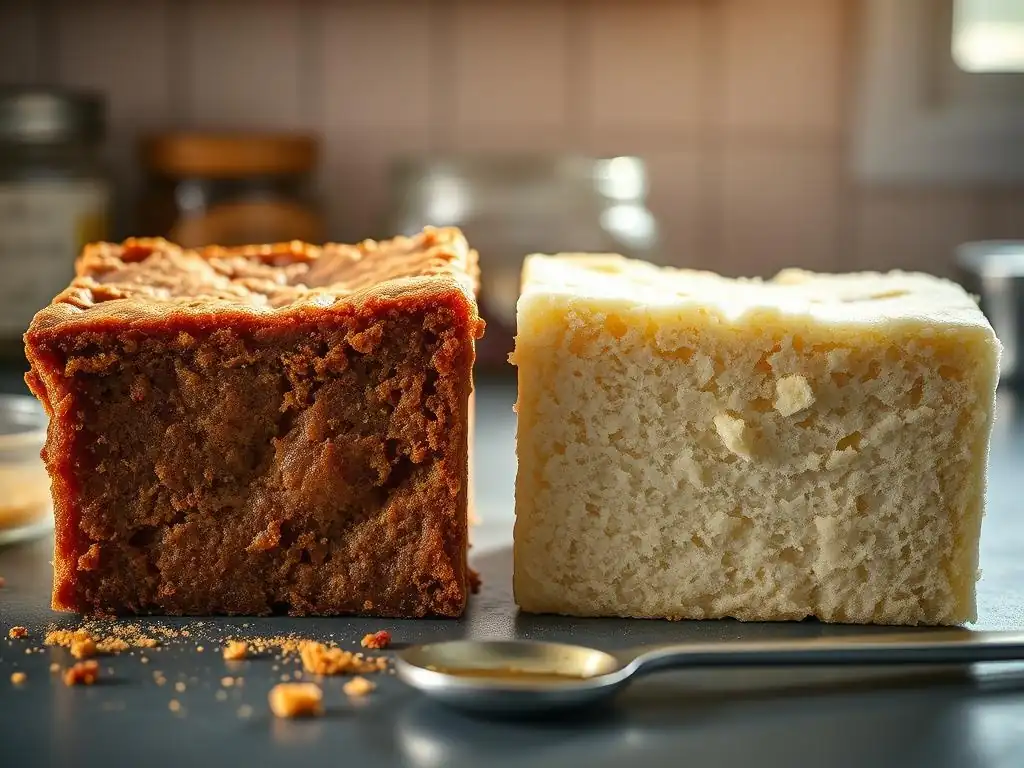
Sugar is a key player in the reactions that give baked goods their appealing golden-brown crust and complex flavors. The Maillard reaction, which occurs between amino acids and reducing sugars at high temperatures (typically above 300°F or 150°C), is responsible for the browning of crusts on bread, cakes, and cookies, as well as the development of hundreds of flavor compounds. Caramelization, the browning of sugars themselves when heated above their melting point (around 320°F or 160°C for sucrose), contributes rich, toasty notes and a brown color.
When sugar is significantly reduced or replaced with non-caloric sweeteners that do not participate in these reactions, the Maillard reaction is inhibited, and caramelization is absent. This results in baked goods that remain pale even when fully cooked, lacking the visual appeal and depth of flavor associated with traditional recipes. Addressing this lack of browning is a common hurdle when dealing with low sugar baking problems.
Solution: Enhancing Browning in Low-Sugar Baked Goods
Since the natural browning mechanisms are hindered in low-sugar recipes, bakers must employ alternative techniques to achieve a desirable color and flavor depth. These methods often involve adding ingredients or using surface treatments that facilitate browning through different chemical processes or simply by providing a colored coating.
Strategies range from applying washes to the surface before baking to incorporating ingredients within the dough or batter that brown more readily than sugar substitutes. Combining a few different techniques can often yield the best results, helping to overcome the low sugar baking problems related to pale, lackluster bakes.
Using Egg Washes for a Golden Crust
Applying an egg wash to the surface of doughs or batters before baking is a classic technique to promote browning and add a glossy finish. An egg wash is typically made by whisking a whole egg, egg yolk, or egg white with a small amount of water or milk. The proteins and fats in the egg brown beautifully when exposed to the heat of the oven.
For items like scones, biscuits, pie crusts, or even some muffins, brushing the tops with an egg wash (e.g., 1 egg whisked with 1 tablespoon water) before baking can create a lovely golden-brown crust where a low-sugar dough might otherwise remain pale. This is a simple yet effective way to solve the browning issue in many low sugar baking problems.
Adding a Touch of Honey or Maple Syrup (Consider Glycemic Index)
While the goal is low added sugar, sometimes incorporating a small amount of natural liquid sweetener like honey or maple syrup can aid browning significantly. These sweeteners contain a mix of sugars (fructose, glucose, sucrose) that participate in browning reactions more readily than many non-caloric alternatives. Even a small quantity can make a difference.
For example, adding just 1-2 tablespoons of honey or maple syrup to a batch of cookies or a cake batter that uses a sugar substitute can help achieve better color. However, it's important to consider that these are sugars and will impact the glycemic index and calorie count. This solution is best for those aiming for reduced sugar rather than strictly sugar-free bakes, offering a workaround for persistent low sugar baking problems with browning.
Utilizing Milk Powder for Browning
Milk powder contains lactose (a sugar) and proteins that contribute to the Maillard reaction. Adding a small amount of dry milk powder to your dry ingredients can help promote browning throughout the baked good, not just on the surface. This is particularly effective in bread and cake recipes.
Incorporating 2-3 tablespoons of dry milk powder per cup of flour in your recipe can enhance overall browning and add a subtle richness to the flavor. The lactose will brown during baking, and the proteins will participate in the Maillard reaction. This is a less common but effective trick to address the browning aspect of low sugar baking problems.
Sugar's Contribution to Leavening and Structure
Sugar plays a vital role in the texture of baked goods, influencing both leavening and structure. In recipes where butter and sugar are creamed together, sugar crystals cut into the fat, creating tiny air pockets. These air pockets expand during baking, contributing to a light and airy texture. This creaming process is fundamental for lift in many cakes and cookies.
Furthermore, sugar helps tenderize the crumb by interfering with gluten development, as mentioned before. It also raises the temperature at which proteins and starches set, allowing leavening gases more time to expand in the oven before the structure solidifies. Without sufficient sugar, the creaming process is less effective, gluten can become tougher, and the structure sets too quickly, often resulting in flat cookies or dense cakes – common low sugar baking problems.
Solution: Improving Texture in Low-Sugar Baking
Addressing the textural issues in low-sugar baking requires focusing on alternative ways to incorporate air, control gluten development, and ensure proper leavening. Since sugar isn't helping with creaming or delaying setting as much, other ingredients and techniques must compensate.
This involves careful attention to mixing methods, leavening agents, and even the type of flour used. Implementing these solutions helps build a structure that is light and airy, overcoming the typical low sugar baking problems of density and flatness.
Beating Eggs Properly for Air Incorporation
Since the creaming method with sugar and butter is less effective in low-sugar recipes, relying more heavily on eggs for leavening is crucial. Eggs, particularly egg whites, can incorporate and hold a significant amount of air when beaten properly. This trapped air expands in the oven, providing lift.
For cakes and muffins, consider separating eggs and beating the whites to soft or stiff peaks before gently folding them into the batter. For cookies, ensure you beat the whole eggs or yolks into the creamed (sugar substitute and fat) mixture for a full 1-2 minutes until light and fluffy. This technique helps build structure and lightness, counteracting the density common in low sugar baking problems.
Adjusting Baking Powder/Soda Ratios
Leavening agents like baking powder and baking soda are responsible for producing the gases (carbon dioxide) that cause baked goods to rise. In traditional recipes, sugar can affect the pH balance and the rate at which these leaveners react. When sugar is reduced, the pH balance can shift, potentially affecting the leavener's performance.
You might need to slightly increase the amount of baking powder or baking soda (if an acid is present) in low-sugar recipes to ensure adequate lift. For example, if a recipe calls for 1 teaspoon of baking powder, you might try 1.25 teaspoons. Also, ensure your leavening agents are fresh. Using expired baking powder (check by adding a teaspoon to hot water; it should bubble vigorously) is a common reason for flat results in any baking, including low-sugar. Proper leavener adjustment is key to solving the density aspect of low sugar baking problems.
Using Gluten-Free Flour Blends Effectively
While not strictly a low-sugar issue, using gluten-free flour blends can compound texture problems in low-sugar baking. Many gluten-free blends lack the structural support of wheat gluten, potentially leading to crumbly or dense results when combined with reduced sugar. However, some gluten-free flours or starches, like rice flour or tapioca starch, can absorb moisture differently.
If you're tackling low sugar baking problems and using gluten-free flours, look for blends that contain binders like xanthan gum or psyllium husk, or add them yourself (typically 1/4 to 1/2 teaspoon per cup of flour for cakes/muffins, 1/2 to 1 teaspoon for cookies). These binders mimic some of the structural properties of gluten and help hold the baked good together, improving texture and preventing crumbling.
Problem 4: Artificial Sweetener Aftertaste Issues in Low Sugar Treats
Understanding Different Types of Sweeteners
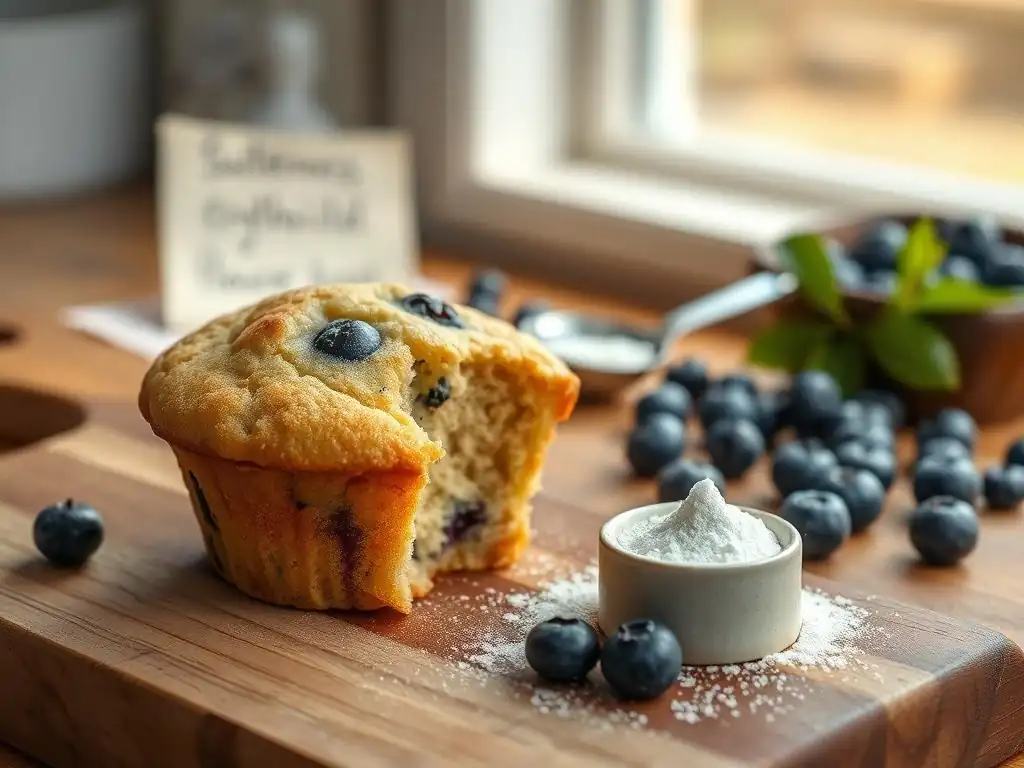
The world of sugar substitutes is vast, encompassing everything from artificial sweeteners like aspartame and saccharin to sugar alcohols like erythritol and xylitol, and natural high-intensity sweeteners like stevia and monk fruit. Each type has a different chemical structure, metabolic pathway, sweetness intensity (often many times sweeter than sugar), and sensory profile, including potential aftertastes.
Artificial sweeteners are non-caloric but can sometimes leave a bitter or chemical aftertaste, particularly when used in large quantities or heated. Sugar alcohols are less sweet than sugar and can have a cooling sensation but may cause digestive upset in some individuals. Natural high-intensity sweeteners are very sweet and derived from plants but can also have distinct off-flavors (e.g., licorice notes from stevia) that become more pronounced when concentrated. Understanding these differences is crucial when addressing low sugar baking problems related to flavor.
Solution: Minimizing Aftertaste with Strategic Sweetener Use
Dealing with the off-flavors associated with sugar substitutes is a common challenge in creating palatable low-sugar treats. The key is often not just what sweetener you use, but how you use it. Strategic blending and masking techniques can significantly improve the flavor profile.
The goal is to achieve the desired sweetness without the unpleasant lingering taste. This involves careful selection, combination, and sometimes the clever use of other ingredients to complement or cover up the less desirable notes, effectively resolving this aspect of low sugar baking problems.
Blending Sweeteners for a Balanced Flavor
Using a single sugar substitute often concentrates its specific off-flavor. A more effective strategy is to blend two or more different types of sweeteners. This can help distribute the sweetness and dilute the unique aftertaste of any single substitute, resulting in a more sugar-like flavor profile.
For example, combining erythritol with a small amount of stevia or monk fruit can provide bulk and sweetness without the cooling effect of erythritol dominating or the stevia/monk fruit bitterness becoming too strong. Experiment with different ratios (e.g., a blend that is 70% erythritol, 30% stevia blend) to find what works best in your specific recipe and for your palate. This blending technique is a powerful tool for minimizing low sugar baking problems related to taste.
Using Natural Sweeteners in Moderation
While natural sweeteners like stevia and monk fruit are popular, they are often intensely sweet and can have noticeable aftertastes if overused. Because they are so much sweeter than sugar (stevia extract can be 200-400 times sweeter), only a tiny amount is needed. Using just the minimum required to achieve the desired sweetness is vital.
Start with a smaller amount than the recipe or package suggests and taste the batter or dough (if safe to do so) to adjust. Remember that sweetness can be perceived differently after baking. Using high-quality extracts or blends specifically designed for baking can also help, as they are formulated to minimize off-flavors. Moderation is key to avoiding the aftertaste aspect of low sugar baking problems.
Masking Aftertaste with Flavors like Vanilla or Citrus
Sometimes, the best way to deal with a subtle aftertaste is to mask it with other strong, complementary flavors. Ingredients like vanilla extract, citrus zest or juice, spices (cinnamon, nutmeg, ginger), cocoa powder, or coffee can help cover up or distract from the less desirable notes of a sugar substitute.
Adding a generous amount of pure vanilla extract (e.g., 1-2 teaspoons in a standard cake recipe) or the zest of half a lemon or orange can significantly improve the perceived flavor and reduce awareness of any lingering aftertaste. This is a simple yet effective trick for enhancing the palatability of low-sugar baked goods and tackling the flavor low sugar baking problems.
Problem 5: Difficulty Achieving the Right Sweetness Level
Finding the Right Sweetness Balance
Determining the correct amount of sugar substitute to use is one of the most challenging aspects of low-sugar baking. Unlike sugar, which adds bulk and affects texture, most high-intensity sweeteners provide sweetness without significant volume. Their sweetness intensity varies greatly, not only compared to sugar but also between different types and brands of sweeteners. What tastes right in a small amount of raw batter might change during baking.
Furthermore, personal preference for sweetness varies widely. What tastes perfectly sweet to one person might be too sweet or not sweet enough for another. Finding the sweet spot requires careful measurement, testing, and sometimes iteration. Getting the sweetness level right is fundamental to solving low sugar baking problems related to taste.
Solution: Techniques for Sweetness Control in Baking
Since sugar substitutes behave differently than sugar, a different approach is needed to control sweetness accurately. Relying solely on a 1:1 volume or weight conversion is often insufficient. Instead, focus on tasting and adjusting, understanding the properties of your chosen sweetener, and using other ingredients to enhance perceived sweetness.
These techniques empower you to customize the sweetness level to your liking and ensure your low-sugar bakes are satisfying without being overly sweet or bland, effectively managing this common low sugar baking problem.
Start with a Small Amount of Sweetener and Taste Test
Because sugar substitutes are often much sweeter than sugar by volume or weight, it's always safer to start with less than you think you need and add more. This is especially true when converting traditional recipes. Use the sweetener manufacturer's guidelines as a starting point, but be prepared to adjust.
For batters and doughs that are safe to taste raw (like cookie dough or muffin batter without raw egg), take a small sample and see if the sweetness level is approaching what you desire. Remember that flavors can mellow or change slightly during baking. For recipes that aren't safe to taste raw, you might need to bake a small test batch (e.g., a single muffin or cookie) to check the sweetness before baking the whole batch. This iterative process is key to dialing in the correct sweetness for your low sugar baking problems.
Consider the Sweetness of Other Ingredients
The overall sweetness of a baked good isn't solely determined by the added sugar or substitute. Ingredients like ripe fruits (bananas, applesauce, dates), dried fruits (raisins, cranberries), dairy (milk contains lactose), and even spices like cinnamon and nutmeg can contribute perceived sweetness.
When formulating or adapting a low-sugar recipe, take into account the natural sweetness provided by these other components. If your recipe already includes a significant amount of mashed banana or applesauce, you will likely need less added sweetener than a recipe that doesn't. Adjusting the added sweetener based on these other ingredients helps achieve a balanced flavor profile and solves the sweetness level aspect of low sugar baking problems.
Use Extracts and Spices to Enhance Perceived Sweetness
Certain flavorings can trick your brain into perceiving more sweetness than is actually present. Vanilla extract is a prime example; its rich, aromatic profile enhances the perception of sweetness and rounds out flavors. Similarly, spices like cinnamon, nutmeg, cardamom, and cloves add warmth and complexity that can make a baked good taste sweeter and more satisfying even with less sugar.
Don't be shy about using a good quality vanilla extract (pure vanilla extract is recommended over imitation) and fresh spices in your low-sugar baking. A pinch of salt can also help balance flavors and enhance sweetness. These simple additions are effective tools for managing the sweetness level and improving the overall flavor of your low-sugar bakes, addressing low sugar baking problems related to blandness.
General Tips for Successful Low-Sugar Baking
Measuring Ingredients Accurately
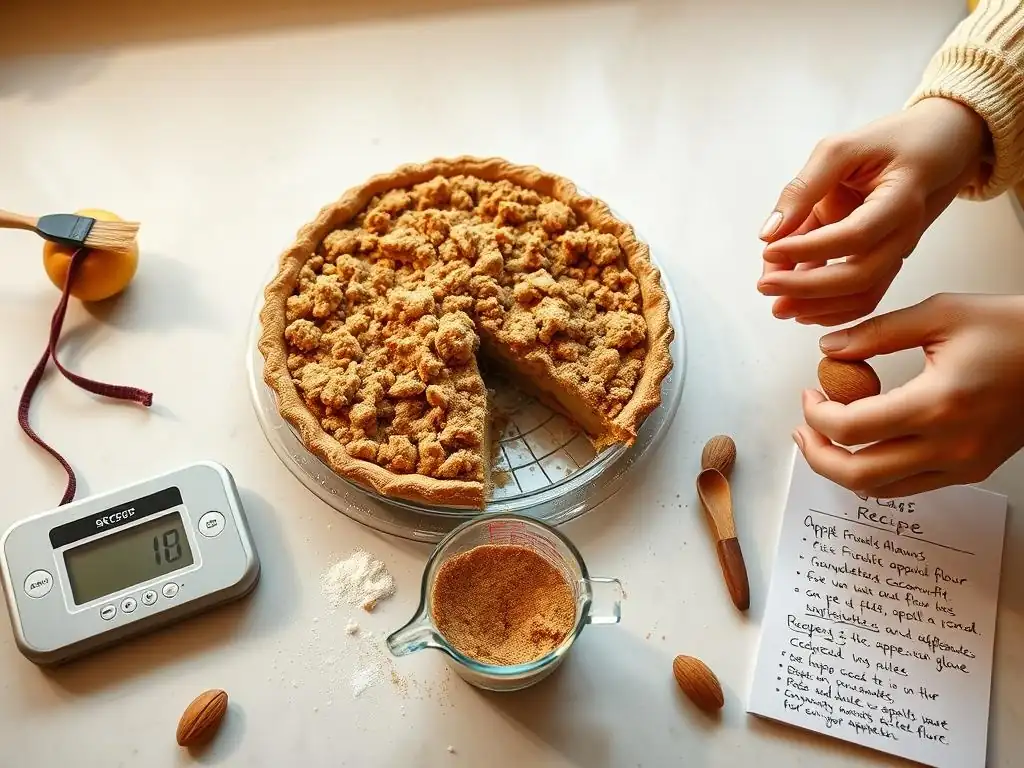
Precision is paramount in all baking, but it becomes even more critical when dealing with the nuances of low-sugar recipes and sugar substitutes. Unlike sugar, which contributes significant bulk and weight, many substitutes are used in much smaller quantities, and their impact is highly concentrated. Using too much or too little can drastically alter the taste and texture.
Always use proper measuring techniques: level off dry ingredients with a straight edge, use liquid measuring cups for liquids, and ideally, use a kitchen scale for accuracy, especially for low-volume ingredients like high-intensity sweeteners. Even a slight mismeasurement of a powerful sweetener can lead to an unpleasant aftertaste or insufficient sweetness, exacerbating low sugar baking problems.
Understanding Ingredient Substitutions
Successful low-sugar baking often involves substituting sugar with alternatives, but it's not always a simple 1:1 swap. As discussed, sugar performs multiple functions. When substituting, consider not just the sweetness level but also the impact on moisture, texture, and browning. Different substitutes have different properties.
- Bulking Agents: Sugar alcohols (erythritol, xylitol) provide some bulk, closer to sugar than high-intensity sweeteners.
- Moisture: Applesauce, yogurt, and mashed fruits add moisture missing from reduced sugar.
- Browning: Egg washes, milk powder, or a touch of honey can aid browning.
Research the properties of the specific sweetener you are using and how it behaves in baking. Look for recipes specifically developed for that substitute or for low-sugar baking, as they will have already accounted for these differences, helping you avoid common low sugar baking problems.
Adjusting Baking Times and Temperatures
Reduced sugar content can affect how quickly and evenly baked goods cook and brown. Since sugar lowers the freezing/setting point, its absence can sometimes mean the product sets faster or browns less quickly.
You might find that low-sugar baked goods require slightly lower oven temperatures or slightly longer baking times to cook through without burning the surface (if you've added browning aids). Conversely, if using ingredients like applesauce or banana for moisture, the bake time might increase slightly. Always rely on visual cues (like golden edges or a toothpick test) rather than just the clock. Keep a close eye on your oven as you experiment to perfect your approach to low sugar baking problems.
Check if leavening agents are fresh.Measure all ingredients precisely.Consider blending different sweeteners.Don't forget vanilla and spices.Monitor baking time closely.
Conclusion: Mastering the Art of Low-Sugar Baking
Embrace Experimentation and Adaptation
Tackling low sugar baking problems is an ongoing learning process. It requires patience, a willingness to experiment, and the flexibility to adapt recipes. Your first attempt at converting a favorite sugary treat might not be perfect, and that's okay! Every bake is an opportunity to learn more about how different ingredients and techniques interact in the absence of traditional sugar.
Keep notes on what worked and what didn't. Did the cookies spread too much? Was the cake too dry? Did the sweetener leave an aftertaste? Use these observations to make adjustments for your next attempt. Over time, you'll develop an intuition for how to modify recipes and anticipate potential low sugar baking problems before they happen. Think of yourself as a culinary scientist in your own kitchen!
Enjoy Healthier, Delicious Baked Goods
Despite the challenges, mastering low-sugar baking opens up a world of possibilities. You can enjoy your favorite treats with less added sugar, making them a healthier option for yourself and your family. Whether you're managing dietary restrictions, aiming for a lower-sugar lifestyle, or simply curious, successfully solving low sugar baking problems is incredibly rewarding.
The result is delicious cakes, cookies, breads, and pastries that satisfy your sweet tooth without relying on excessive sugar. With practice and the troubleshooting tips outlined here, you can confidently bake delightful low-sugar goods that are moist, flavorful, and beautifully textured. Happy baking!
Frequently Asked Questions
What are some common problems encountered when baking with low sugar?
Baking with less sugar often leads to drier baked goods and a lack of browning. The texture can also be significantly altered, becoming more dense or crumbly.
How does reducing sugar affect the rise of baked goods, especially in yeast breads?
Sugar provides food for yeast, so reducing it can slow down or inhibit the rise. You may need to adjust the proofing time or add a sugar substitute that feeds yeast.
Can sugar substitutes always be used in a 1:1 ratio with sugar in baking recipes?
No, not always. Different sugar substitutes have varying levels of sweetness and moisture content. Consult conversion charts and recipe guidelines for accurate substitutions.
What can I do to improve the browning of low-sugar baked goods?
You can try brushing the surface with milk or an egg wash before baking. Alternatively, consider using a small amount of honey or maple syrup to promote browning.
How can I prevent my low-sugar baked goods from becoming too dry?
Adding moisture is key. Consider using applesauce, mashed banana, or yogurt to compensate for the lack of moisture from sugar. Also, avoid over-baking.
Final Reflection: The Sweet Success of Low-Sugar Baking
The quest for healthier, low-sugar baked goods is no longer a niche pursuit; it's a mainstream movement. The demand for delicious treats without the sugar crash is undeniable, and understanding the unique challenges involved is crucial for both bakers and consumers alike. This article has explored the common pitfalls of low-sugar baking, offering solutions to help everyone achieve sweet success.
The shift towards mindful baking, prioritizing both flavor and health, is profoundly impacting our culinary landscape. It's a reflection of a broader societal shift towards wellness and conscious consumption. This isn't just about avoiding sugar; it's about understanding the science behind baking and how we can adapt traditional recipes to create healthier alternatives without sacrificing taste. The best things in life are worth fighting for, and a delicious, low-sugar cake is definitely one of them.
This sentiment, though playfully stated, underscores the dedication and creativity required in this field.
You, the reader, now hold the key to unlocking the potential of low-sugar baking. Don't be intimidated by the challenges; embrace them as opportunities to learn and experiment. Try out the solutions presented in this article, adapt them to your own preferences, and most importantly, enjoy the process of creating delicious and healthy treats for yourself and your loved ones. The journey to mastering low-sugar baking is a rewarding one, filled with delicious discoveries and the satisfaction of creating something truly special.
Unlock Your Low-Sugar Baking Potential!
Thanks for diving into the world of delicious, low-sugar baking! We hope you've gained valuable insights and are ready to tackle those tricky baking challenges head-on. Now it's time to put your newfound knowledge into action.
- Bake your dream low-sugar treat today! Grab that recipe you've been eyeing and get baking. Experiment with substitutions and techniques discussed in the article—you might be surprised at the results!
- Share your baking adventures! Post a picture of your creation on social media using #BakeWithEaseLowSugar and tag us—we'd love to see your success!
- Explore more low-sugar recipes on BakeWithEase.com (This line is not linked, as per instructions). Discover hidden gems and expand your baking repertoire with our extensive collection.
Ready to transform your baking routine and create healthier, equally delightful desserts? What's the first low-sugar recipe you’ll tackle?