
Sweetened Naturally: Baking with Dates and Other Whole Food Alternatives

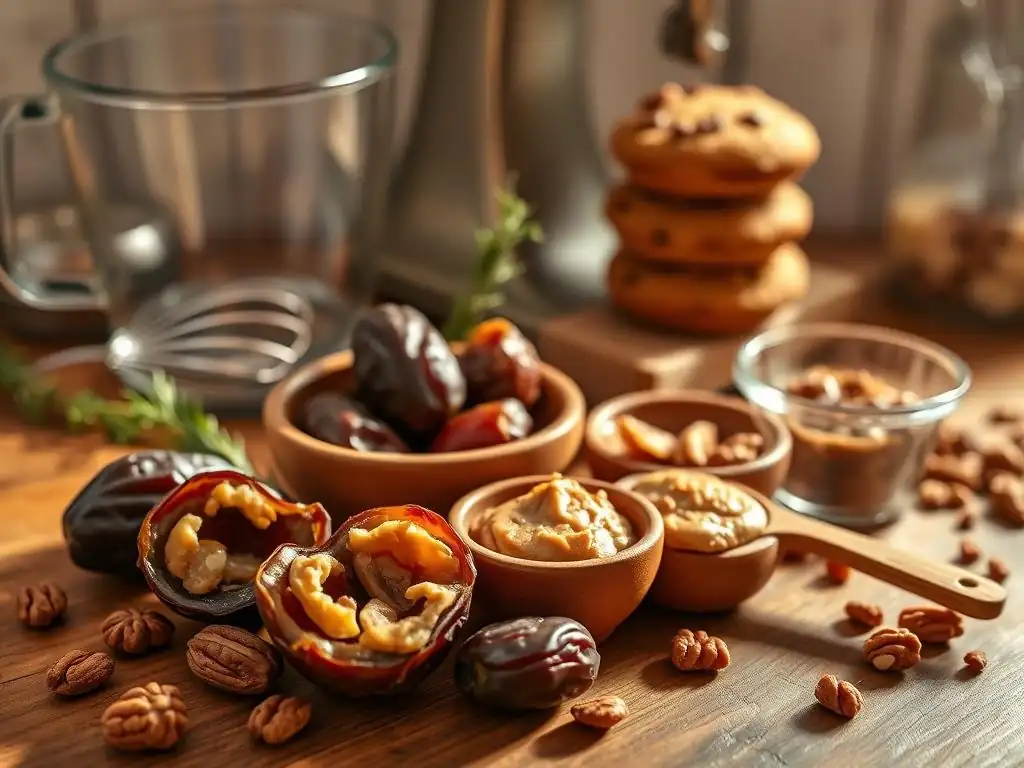
Welcome to BakeWithEase, your companion on a journey to delectable delights! Ever wondered if you could sweeten your favorite treats naturally? This week, we're diving deep into the world of dates for baking recipes, exploring how these sweet gems and other whole food alternatives can transform your baking while adding a touch of wholesome goodness. Discover the secrets to creating healthier, yet undeniably delicious, baked goods. Intrigued? Let's get baking!
- Sweetened Naturally: Baking with Dates and Other Whole Food Alternatives for BakeWithEase
- Introduction to Natural Sweeteners in Baking
- Dates for Baking Recipes: A Deep Dive
- Using Dates Effectively in Baking: Techniques and Tips
- Other Whole Food Alternatives to Refined Sugar in Baking
- Recipe Adaptations: Baking with Dates and Natural Sweeteners
- Troubleshooting: Common Issues When Baking with Dates
- The Health Benefits of Baking with Dates and Whole Foods
- Conclusion: Embrace Natural Sweetness in Your Baking
- Frequently Asked Questions
- Final Reflection: The Enduring Sweetness of Natural Baking
- Unlock Your Inner Pastry Chef: Bake Sweet & Healthy Today!
Sweetened Naturally: Baking with Dates and Other Whole Food Alternatives for BakeWithEase
Introduction to Natural Sweeteners in Baking
Why Choose Natural Sweeteners Over Refined Sugar?
Opting for natural sweeteners in baking offers several advantages beyond simply reducing the amount of highly processed sugar consumed. Whole food alternatives, like dates for baking recipes, fruit purees, and maple syrup, often contain nutrients that are stripped away during the refining process of white sugar. For instance, dates provide fiber, potassium, and magnesium, contributing more than just sweetness to your baked goods. This nutritional contribution can make your treats slightly more wholesome, although it's still important to remember they are treats.
Furthermore, natural sweeteners can offer more complex flavor profiles than refined sugar. Instead of a simple, one-dimensional sweetness, you might get notes of caramel from dates or coconut sugar, molasses hints from maple syrup, or fruitiness from applesauce. These nuances can enhance the overall taste and depth of your baked goods, creating unique and delightful results. Choosing natural sweeteners is a step towards exploring new flavors and potentially adding a touch more nutritional value to your favorite baked goods.
Exploring the World of Whole Food Sweeteners
The realm of whole food sweeteners extends far beyond the sugar bowl, offering a diverse palette of flavors and textures for bakers. This category includes ingredients derived directly from plants that have undergone minimal processing. Think of concentrated fruit sources like date paste, apple butter, or banana puree, or liquid sweeteners like pure maple syrup and raw honey. Each offers a distinct character and sweetness level that can significantly impact the final product.
Beyond fruit and tree saps, other options like coconut sugar, derived from the sap of the coconut palm, provide a granulated alternative with a lovely caramel note. While some debate what constitutes "whole food," the focus here is on sweeteners that retain more of their original plant matrix and nutrients compared to isolated sugar crystals. Experimenting with these different natural sweeteners allows bakers to achieve varied results, from chewy date-sweetened cookies to moist, maple-glazed muffins, expanding the possibilities of low-sugar baking.
Dates for Baking Recipes: A Deep Dive
Dates: The Ultimate Natural Sweetener for Bakers?
Dates are often hailed as a prime natural sweetener, particularly for their ability to provide both sweetness and a desirable chewy texture in baked goods. When processed into a paste, dates offer a thick, viscous consistency that can replace some or all of the sugar and fat in a recipe, contributing moisture and binding power. This makes them exceptionally versatile for everything from energy bars and no-bake treats to cookies, cakes, and muffins. The rich, caramel-like flavor of many date varieties complements a wide range of spices and ingredients, making dates for baking recipes a popular choice.
One of the key benefits of using dates is their fiber content, which helps moderate the absorption of their natural sugars compared to refined sugar. While still a concentrated source of sugar, the presence of fiber, vitamins (like B6), and minerals (like potassium and copper) means you're adding more than just empty calories. Their natural stickiness also acts as a binder, which can be particularly useful in recipes aiming for a softer, chewier crumb or in recipes reducing or omitting eggs. Their popularity in health-conscious baking speaks to their effectiveness and beneficial properties.
Understanding Different Types of Dates for Baking (Medjool, Deglet Noor, and Zahidi)
Not all dates are created equal when it comes to baking; their moisture content, sweetness, and texture vary significantly by type. Medjool dates, often called the "king of dates," are large, soft, and have a rich, caramel-like flavor. Their high moisture content and creamy texture make them ideal for creating smooth date paste, perfect for moist cakes, chewy cookies, and binding energy balls. They are generally the easiest to work with for most baking applications due to their softness.
Deglet Noor dates are smaller, firmer, and less sweet than Medjools, with a slightly nutty flavor. They have a lower moisture content, which means they might require a longer soaking time when making paste. While they can be used for paste, their firmer texture also makes them suitable for chopping and adding directly to batters or doughs for little pockets of sweetness and chewiness, similar to raisins.
Zahidi dates are even drier and less sweet, with a more fibrous texture. They are typically not the first choice for date paste but can be used if thoroughly soaked and blended, or chopped very finely for texture in specific recipes. Understanding these differences helps you choose the best dates for baking recipes depending on your desired outcome.
Using Dates Effectively in Baking: Techniques and Tips
How to Make Date Paste: A Step-by-Step Guide
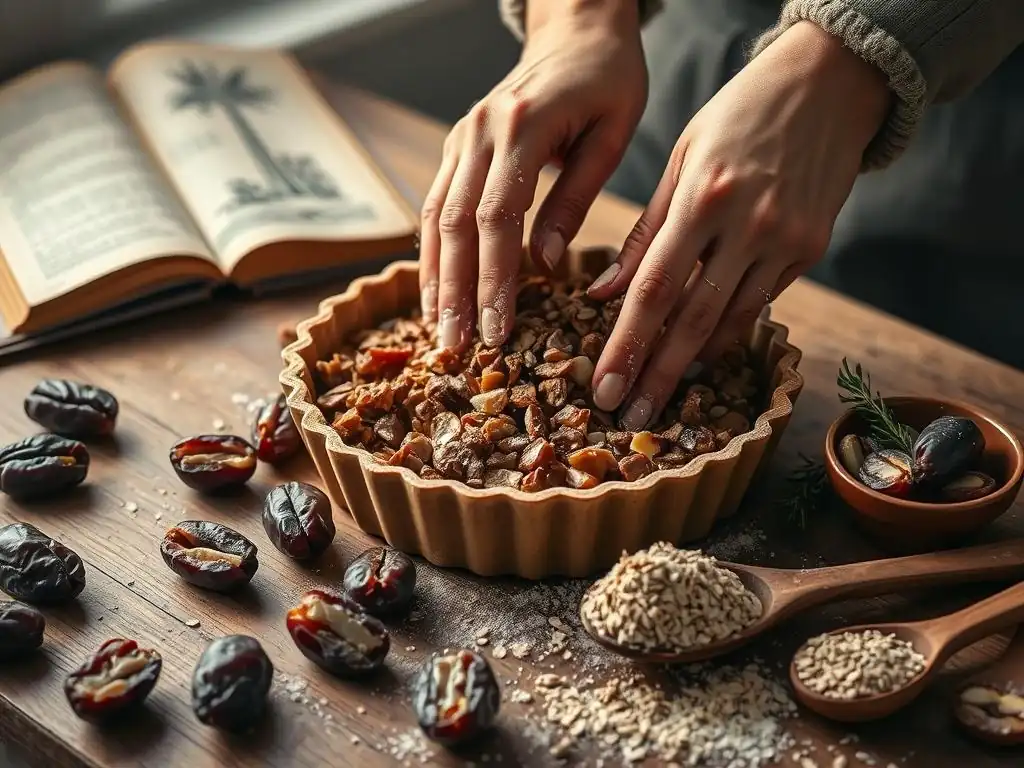
Making date paste is a fundamental skill for anyone wanting to use dates for baking recipes as a primary sweetener. Start with pitted dates – Medjool are highly recommended for their softness. If your dates seem dry (especially if using types other than Medjool), soak them in hot water for 15-30 minutes until softened. Drain the soaked dates, reserving the soaking liquid. Place the drained dates in a high-powered blender or food processor.
Begin processing the dates, adding the reserved soaking liquid one tablespoon at a time until you reach your desired consistency. For a thick, spreadable paste (good for brownies or bars), you might need less liquid. For a smoother, more pourable consistency (better for cakes or muffins), you'll need more. Scrape down the sides as needed and process until completely smooth. Store the date paste in an airtight container in the refrigerator for up to 2-3 weeks, or freeze for longer storage. This homemade paste is the most common way to incorporate dates for baking recipes.
Substituting Dates for Sugar: Conversion Ratios and Considerations
Substituting date paste for refined sugar in traditional recipes requires careful consideration, as dates add moisture and bulk in addition to sweetness. A common starting ratio is to replace 1 cup of granulated sugar with approximately 1 cup of thick date paste. However, the exact amount can vary based on the desired sweetness level and the moisture content of your paste and the original recipe. Since date paste is much wetter than granulated sugar, you will likely need to reduce the amount of other liquids in the recipe.
A general rule of thumb is to reduce the main liquid (like milk, water, or oil) by about 1/4 cup for every cup of date paste used. You may also need to adjust baking time or temperature. Recipes made with date paste might brown faster due to the natural sugars caramelizing, so lowering the oven temperature slightly (e.g., by 25°F) and baking for a bit longer can help prevent burning while ensuring the inside is cooked through. Experimentation is key when adapting recipes with dates for baking recipes; start with a partial substitution and adjust in subsequent batches.
Enhancing Flavor with Dates: Complementary Ingredients
The rich, caramel-like flavor of dates pairs beautifully with a variety of spices and ingredients, allowing you to build complex flavor profiles in your baked goods. Warm spices like cinnamon, nutmeg, cloves, and cardamom are natural companions, enhancing the inherent sweetness and depth of dates. Consider adding a teaspoon of cinnamon to your date-sweetened oatmeal cookies or a pinch of nutmeg to a date-sweetened quick bread.
Chocolate, especially dark chocolate or cocoa powder, also works exceptionally well with dates. The slight bitterness of cocoa provides a lovely contrast to the sweetness of the dates, creating a decadent flavor combination often seen in date-sweetened brownies or energy bites. Nuts (like walnuts, pecans, or almonds), citrus zest (orange or lemon), and even a touch of sea salt can further elevate the taste of baked goods using dates for baking recipes, bringing out their unique characteristics and adding layers of flavor.
Other Whole Food Alternatives to Refined Sugar in Baking
Fruit Purees: Applesauce, Banana, and Pumpkin Puree
Fruit purees like unsweetened applesauce, mashed ripe banana, and pumpkin puree are excellent whole food alternatives that contribute moisture, sweetness, and often a subtle flavor to baked goods. Applesauce is a classic substitute, frequently used to replace some or all of the oil or butter and a portion of the sugar in muffins, cakes, and quick breads. It adds moisture and a gentle sweetness without overpowering other flavors. Approximately 1/2 cup of unsweetened applesauce can replace 1 cup of sugar and 1/4 cup of fat in some recipes, but significant liquid reduction is necessary.
Mashed ripe banana provides intense sweetness and a distinct flavor, perfect for banana bread, muffins, and some cookie recipes. Its natural sugars and moisture mean you can often reduce added sweeteners significantly. About 1/2 to 1 cup of mashed banana can replace 1 cup of sugar in certain recipes, though the banana flavor will be prominent.
Pumpkin puree, while less sweet, adds incredible moisture and a lovely color to baked goods like muffins, scones, and pies, often allowing for a reduction in added sugar and fat. Using these purees is another way to explore natural sweeteners beyond dates for baking recipes.
Maple Syrup and Honey: A Natural Sweetness
Pure maple syrup and raw honey are popular liquid natural sweeteners that add distinct flavors and moisture to baked goods. Maple syrup, typically graded based on color and flavor intensity, brings a unique earthy sweetness and subtle caramel notes. It works well in pancakes, muffins, granola, and certain cakes and cookies. As a liquid, it replaces both the sweetener and some of the liquid volume in a recipe. A common substitution is replacing 1 cup of granulated sugar with about 3/4 cup of maple syrup, while also reducing other liquids by 2-3 tablespoons.
Raw honey varies widely in flavor depending on the floral source, offering notes from delicate to robust and floral. It is generally sweeter than maple syrup and has unique properties that can affect texture, sometimes making baked goods chewier. Like maple syrup, it replaces granulated sugar at a ratio of roughly 3/4 cup honey for 1 cup of sugar, requiring a reduction in other liquids.
Both maple syrup and honey can cause baked goods to brown more quickly due to their fructose content, so monitoring baking time is important. While dates for baking recipes offer texture, these liquids primarily offer sweetness and moisture.
Coconut Sugar: A Granulated Option
Coconut sugar, produced from the sap of the coconut palm flower, is a granulated natural sweetener that offers a texture similar to brown sugar. It has a pleasant caramel flavor and can often be substituted for white or brown sugar in recipes on a 1:1 basis by volume, though it is slightly less sweet than refined sugar. This makes it one of the easier natural sweeteners to incorporate into existing recipes without major structural adjustments, compared to using date paste or liquid sweeteners.
While often marketed as a healthier alternative, coconut sugar is still composed primarily of sucrose (about 70-80%), with smaller amounts of glucose and fructose. It does retain some minerals like iron, zinc, calcium, and potassium, and contains a fiber called inulin, which may contribute to a slightly lower glycemic impact compared to refined sugar, although research is ongoing and its effect on blood sugar is still significant. Its ease of use and appealing flavor make it a convenient option when seeking natural sweeteners that behave similarly to traditional sugar, complementing the options provided by dates for baking recipes.
Stevia and Monk Fruit: Considerations for Use
Stevia and monk fruit are high-intensity natural sweeteners derived from plants. Unlike dates, fruit purees, or syrups, they provide sweetness with virtually no calories and do not add bulk or moisture to recipes. They are often used in very small quantities, sometimes combined with bulking agents like erythritol or allulose in commercial products to make them easier to measure and handle like sugar. These sweeteners are popular in very low-sugar or ketogenic baking.
Using stevia or monk fruit in baking requires specific recipes formulated for them, or careful adaptation. Because they provide no structure or moisture, simply substituting them for sugar in a traditional recipe will result in a dense, dry, and potentially flat product. You need to account for the missing bulk and moisture by adding ingredients like applesauce, yogurt, or other low-carb bulking agents. Some people also detect a distinct aftertaste with these sweeteners, which can vary by product and individual palate. They offer sweetness without the nutritional benefits or textural contributions of options like dates for baking recipes.
Recipe Adaptations: Baking with Dates and Natural Sweeteners
Adapting Traditional Recipes for Low-Sugar Baking
Adapting traditional recipes to use natural sweeteners like dates or fruit purees requires more than a simple swap; it's about understanding how the new ingredient affects the chemistry of baking. When substituting wet sweeteners like date paste, applesauce, or maple syrup, you must account for the added moisture. This typically means reducing other liquids in the recipe – milk, water, or even oil. The exact reduction depends on the consistency of your natural sweetener and the original recipe's hydration level.
Beyond moisture, consider the impact on texture, browning, and structure. Dates and fruit purees add chewiness and can make baked goods denser. Liquid sweeteners like maple syrup can make them spread more.
Because natural sugars caramelize differently than refined sugar, you might need to adjust baking times and temperatures to prevent burning while ensuring the center is cooked. Start by making small adjustments, perhaps replacing only half the sugar initially, and take detailed notes on your results to refine the recipe in future attempts. Mastering adaptation allows you to transform many favorite treats using dates for baking recipes or other alternatives.
Recipe Example: Date-Sweetened Brownies
Consider adapting a classic fudgy brownie recipe to use dates for baking recipes as the primary sweetener. A typical recipe might call for 1 to 1.5 cups of granulated sugar. To adapt it, you would replace this with approximately 1 to 1.5 cups of smooth date paste. Since the date paste adds significant moisture and some fat (dates contain natural oils), you would likely need to reduce the amount of butter or oil and potentially any liquid like milk or water called for in the original recipe.
For example, if the original recipe used 1 cup sugar and 1/2 cup butter, an adapted version might use 1.25 cups date paste and reduce the butter to 1/4 cup, possibly omitting any extra liquid entirely. The date paste provides the sweetness and contributes to a wonderfully chewy texture, while the reduced fat still allows for a fudgy consistency.
You might find the brownies take slightly longer to bake at a slightly lower temperature (e.g., 325°F instead of 350°F) to achieve the desired doneness without burning the edges. The result is a rich, naturally sweet brownie with deep flavor notes from the dates.
Recipe Example: Apple Sauce Spice Cake
Adapting a traditional spice cake recipe offers another opportunity to use natural sweeteners, specifically applesauce, which pairs perfectly with warming spices. A standard spice cake might use 1.5 cups of sugar and 1/2 cup of oil or butter. To make it naturally sweetened, you could replace the sugar with about 1 cup of unsweetened applesauce and potentially reduce the oil or butter significantly, perhaps to just 1/4 cup, as applesauce adds moisture.
The applesauce provides moisture and a subtle sweetness, while complementing the cinnamon, nutmeg, and cloves. Because applesauce adds bulk and moisture, you might need to slightly increase the dry ingredients (like flour) by a tablespoon or two, or reduce other liquids (like milk) to maintain the correct batter consistency. The cake will likely be very moist and tender.
Baking time might be similar, but checking for doneness with a toothpick is crucial, as browning might occur differently than with refined sugar. This adaptation yields a delightfully moist spice cake with a less intense, more natural sweetness profile, showcasing how fruit purees can be used alongside or instead of dates for baking recipes.
Troubleshooting: Common Issues When Baking with Dates
Texture and Moisture Adjustments
One of the most common challenges when using dates for baking recipes is managing the increased moisture and density they bring. Date paste is essentially a concentrated fruit puree, which is significantly wetter than granulated sugar. If you simply swap sugar for date paste cup-for-cup without adjusting other ingredients, your baked goods will likely turn out overly dense, heavy, and potentially gummy or undercooked in the center.
To counteract this, remember to reduce the amount of other liquids in the recipe when using date paste. As suggested earlier, reducing the primary liquid by about 1/4 cup per cup of date paste is a good starting point. You might also need to slightly increase the amount of dry ingredients, such as flour or cocoa powder, by a tablespoon or two, especially in cakes or muffins, to absorb the extra moisture and provide structure. Achieving the right balance requires a bit of trial and error, but focusing on reducing liquid is the most critical adjustment for proper texture.
Balancing Sweetness Levels
Dates are naturally sweet, but their sweetness level can vary depending on the type of date and your personal palate. When using dates for baking recipes as the sole sweetener, you might find that the finished product is less sweet than a version made with refined sugar. This isn't necessarily a problem if you prefer less sweet treats, but it can be unexpected if you're aiming for a similar sweetness intensity.
If your date-sweetened baked goods aren't sweet enough, you have a few options. You can increase the amount of date paste slightly in future batches, though be mindful of the texture impact. Alternatively, you can supplement the date paste with a small amount of another natural sweetener, like a touch of maple syrup or a sprinkle of coconut sugar, to boost the sweetness without relying solely on dates. Another strategy is to enhance flavors that perceive as sweet, like vanilla extract, cinnamon, or salt, which can make the existing sweetness more prominent.
Date Paste Consistency Problems
The consistency of your homemade date paste can significantly affect the outcome when using dates for baking recipes. If the paste is too thick and dry, it won't distribute evenly in the batter or dough and won't provide adequate moisture, potentially resulting in a dry or crumbly product. If it's too thin and watery, it will add excessive liquid, leading to the density issues discussed earlier.
Ensure your dates are adequately softened before blending, especially if they aren't soft Medjools. Soaking in hot water is key. When blending, add the soaking liquid gradually, only adding enough to achieve a smooth, thick, yet scoopable paste. Avoid adding too much liquid too quickly. If your paste is too thin after blending, you can try heating it gently in a saucepan to reduce some of the moisture, stirring constantly. If it's too thick, blend in a little more liquid. Aim for a consistency similar to thick applesauce or peanut butter for best results in most baking applications.
The Health Benefits of Baking with Dates and Whole Foods
Lower Glycemic Index Options
Compared to refined white sugar, many natural sweeteners, including dates and fruit purees, tend to have a lower glycemic index (GI). The glycemic index is a measure of how quickly a food causes blood sugar levels to rise after consumption. While dates are still high in sugar, their fiber content helps slow down the absorption of these sugars into the bloodstream, potentially leading to a more gradual rise in blood sugar compared to pure sucrose or high-fructose corn syrup.
Ingredients like apple sauce or pumpkin puree also contribute fiber and have a lower overall sugar concentration per serving compared to granulated sugar. Using these alternatives, or dates for baking recipes, can be a strategy for those looking to mitigate sharp spikes in blood sugar, although individual responses can vary, and portion control remains important. It's a step towards choosing sweeteners that have a slightly less dramatic impact on glycemic response.
Nutrient-Rich Sweeteners
One of the primary health benefits of choosing whole food sweeteners over refined sugar is the presence of beneficial nutrients. Refined sugar is essentially empty calories, providing energy but lacking vitamins, minerals, or fiber. Dates, on the other hand, contain dietary fiber, potassium, magnesium, vitamin B6, and copper. While the quantities aren't massive in a single serving of a baked good, they contribute more nutritional value than refined sugar.
Similarly, fruit purees like applesauce or banana puree provide fiber, vitamins (like Vitamin C and B6), and antioxidants. Maple syrup contains trace amounts of minerals like manganese and zinc, and honey offers small amounts of antioxidants and minerals. By incorporating these natural options, including dates for baking recipes, you're adding ingredients that bring more to the table than just sweetness, offering a slight nutritional boost to your homemade treats.
Reducing Refined Sugar Intake
Ultimately, the goal of baking with dates and other whole food alternatives is often to reduce overall consumption of refined sugar. Refined sugar has been linked to various health issues when consumed in excess. By consciously choosing natural sweeteners, bakers can create delicious treats that rely less on processed sugars and more on the inherent sweetness and nutritional profile of whole foods.
This shift isn't necessarily about making baked goods "health food," but rather about making them less unhealthy by replacing empty calories with options that offer at least some nutritional benefit and potentially a gentler impact on blood sugar. It encourages a greater awareness of where our sweetness comes from and promotes the use of less processed ingredients in our kitchens. Embracing dates for baking recipes and other natural options is a positive step towards a more mindful approach to baking and eating.
Conclusion: Embrace Natural Sweetness in Your Baking
The Future of Low-Sugar Baking
The trend towards low-sugar baking and the use of natural sweeteners like dates is growing, driven by increasing health awareness and a desire for less processed foods. As bakers become more comfortable experimenting with alternatives to refined sugar, we're likely to see even more innovative recipes and techniques emerge. The versatility of ingredients like date paste, fruit purees, and liquid sweeteners opens up a world of possibilities for creating delicious baked goods that cater to various dietary preferences and health goals.
This movement isn't just about restriction; it's about expanding our baking repertoire and discovering new flavors and textures. The unique characteristics of dates for baking recipes, for example, can create treats that are distinctively chewy and rich in a way that refined sugar alone cannot. As more research highlights the impacts of sugar consumption, the demand for accessible and effective ways to bake with natural alternatives will continue to shape the future of home baking.
Experimenting with Natural Sweeteners: A Call to Action
Embarking on the journey of baking with natural sweeteners, including dates for baking recipes, can be incredibly rewarding. It allows you to take control of the ingredients you use and tailor your baked goods to your taste and health preferences. Don't be intimidated by the need for adjustments; think of it as a delicious science experiment in your own kitchen.
Start small – perhaps try replacing half the sugar in a favorite muffin recipe with date paste or applesauce, or experiment with a recipe specifically designed for natural sweeteners. Pay attention to how the dough or batter looks and feels, and note the texture, sweetness, and browning of the finished product. Keep a baking journal to track your substitutions and results. With practice and patience, you'll gain confidence in using dates and other whole food alternatives, creating naturally sweetened treats that you and your loved ones can enjoy. Get started today and explore the wonderful world of natural sweetness!
Frequently Asked Questions
What makes dates a good alternative sweetener in baking?
Dates offer a natural sweetness and act as a binder due to their moisture content. They also add nutrients and fiber to your baked goods, unlike refined sugars.
How do I incorporate dates into baking recipes?
Dates can be used in several forms: date paste, date syrup, or finely chopped. Adjust the amount based on your desired sweetness and the recipe's existing liquid content.
Can I substitute dates for sugar in any baking recipe?
While possible, it's not always a 1:1 substitution. Consider the recipe's liquid and texture. Some recipes might require adjustments to maintain the desired consistency and prevent dryness.
What are some popular baking recipes that use dates as a sweetener?
Popular choices include date-sweetened brownies, energy bars, cookies, and cakes. Many vegan and gluten-free recipes also utilize dates effectively.
Are there any downsides to using dates in baking?
Dates can alter the color and texture of baked goods, making them darker and sometimes chewier. Also, dates have a distinct flavor that might not complement every recipe.
Final Reflection: The Enduring Sweetness of Natural Baking
The resurgence of whole-food baking isn't just a trend; it's a conscious shift towards healthier, more sustainable practices in the kitchen. We've explored the versatility and surprising deliciousness of dates as a natural sweetener, showcasing how this ancient ingredient can elevate baked goods while minimizing refined sugar's negative impact. This isn't merely about swapping one ingredient for another; it's about reconnecting with the inherent goodness of food.
The journey of discovering alternative sweeteners has been deeply personal for me. It's about more than just taste; it's about understanding the impact our food choices have on our bodies and the environment. We are what we eat,
a simple phrase, yet profoundly true. By embracing natural sweeteners like dates, we're not only improving our health but also supporting more sustainable agricultural practices. The shift towards mindful baking is a movement towards a healthier and more conscious lifestyle, one delicious recipe at a time.
Now, it's your turn. Consider the ingredients you use in your baking. Are you consciously choosing options that nourish your body and respect the planet? Experiment with dates – their rich caramel notes and natural sweetness will surprise you. Embrace the challenge of creating healthier, more delicious baked goods, and share your creations with others. Let's build a community of bakers committed to mindful, naturally sweetened treats.
Unlock Your Inner Pastry Chef: Bake Sweet & Healthy Today!
Thanks for exploring the delicious world of naturally sweetened baking! We hope you're feeling inspired to create healthier, yet equally decadent, treats. Ready to get started?
- Begin with our favorite date-sweetened recipe: Find your new go-to recipe for wholesome baking (we suggest the Chocolate Date Muffins!). You can find it in our extensive recipe archive.
- Share your baking journey: Tag us on social media with your creations – we love seeing what you make!
- Challenge yourself to swap one refined sugar recipe for a healthier alternative this week: It's easier than you think and you might discover a new favorite ingredient!
What delicious whole-food sweetener will you experiment with next?