
Boost Flavor in LowSugar Baking: Techniques Beyond Sweetness

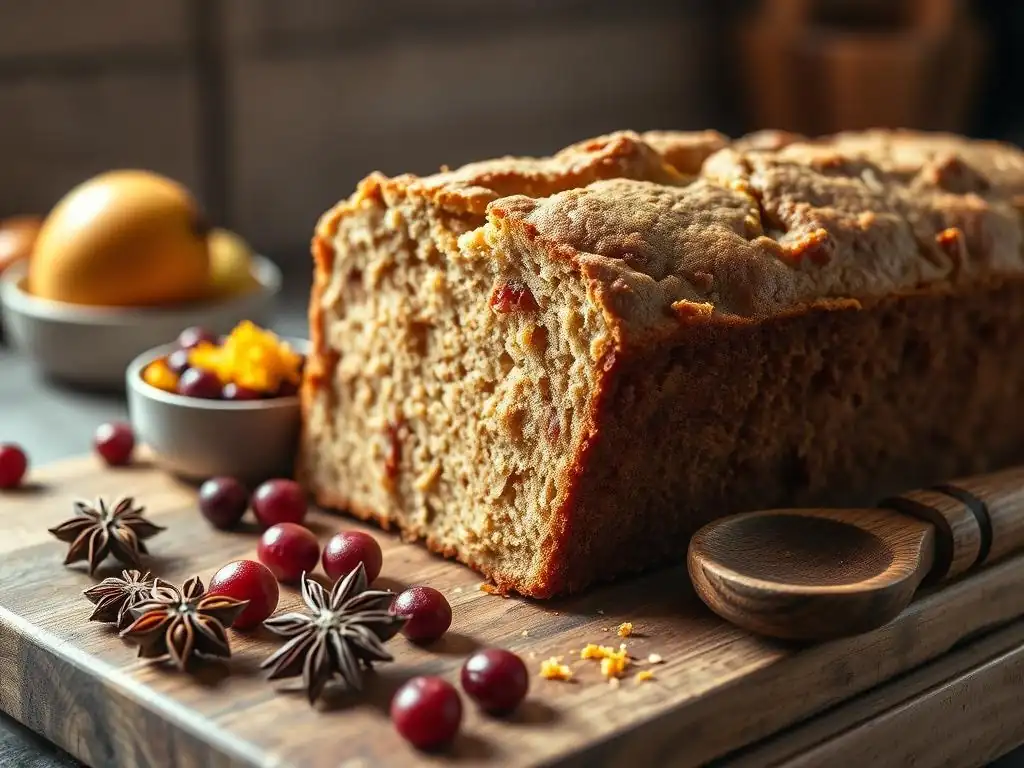
Welcome to BakeWithEase, your companion in the delightful world of baking! Are you ready to unlock the secrets to creating delectable treats without relying heavily on sugar? This article dives into low sugar baking tips, revealing how to boost flavor and create irresistible desserts that are both delicious and mindful. Discover innovative techniques and ingredient swaps that will revolutionize your approach to baking, one delectable bite at a time. Intrigued? Let's get baking!
- Boost Flavor in Low-Sugar Baking: Techniques Beyond Sweetness (BakeWithEase.com)
- Understanding the Challenges of Low-Sugar Baking
- Key Low-Sugar Baking Techniques for Enhanced Flavor
- Recipes and Applications: Putting Low-Sugar Baking Tips into Practice
- Tips for Converting Traditional Recipes to Low-Sugar Alternatives
- Low-Sugar Baking FAQ: Addressing Common Concerns
- Conclusion: Enjoying Delicious and Flavorful Low-Sugar Baked Goods
- Frequently Asked Questions
- Final Reflection: Redefining Delicious: Beyond Sugar's Sweet Embrace
- Unlock the Secret to Delicious Low-Sugar Baking!
Boost Flavor in Low-Sugar Baking: Techniques Beyond Sweetness (BakeWithEase.com)
Introduction: Embracing Flavor in Low-Sugar Baking
Embarking on a low-sugar baking journey doesn't mean sacrificing deliciousness. While sugar plays a significant role in traditional recipes, contributing moisture, tenderness, browning, and, of course, sweetness, reducing it opens up a world of other flavors waiting to be explored. The goal is not just to remove sugar but to replace its functional properties and enhance the inherent flavors of other ingredients.
This article delves into practical low sugar baking tips and techniques that go far beyond simply swapping sugar substitutes. We'll explore how to layer flavors using spices, extracts, fruits, and even seemingly non-sweet ingredients like salt and acid, transforming your low-sugar baked goods into flavorful masterpieces that satisfy the palate in new and exciting ways.
Understanding the Challenges of Low-Sugar Baking
The Impact of Sugar on Texture and Flavor
Sugar is more than just a sweetener in baking; it's a critical functional ingredient. It helps tenderize baked goods by interfering with gluten development, leading to softer cakes and cookies. Sugar also attracts and holds moisture, contributing to a moist crumb and extending shelf life. Furthermore, it's essential for browning through processes like caramelization (sugar heated alone) and the Maillard reaction (sugar reacting with proteins), which creates desirable crusts and complex flavors in cookies, breads, and cakes.
When you reduce sugar, you directly impact these functions. Baked goods may become tougher, drier, and paler. Cookies might not spread as much, and cakes might have a less tender crumb. The overall flavor profile can also fall flat, as the intense sweetness is no longer there to mask subtle off-notes or round out the other ingredients. Understanding these challenges is the first step to successful low sugar baking tips and techniques.
Why Reduce Sugar in Baking? Health and Taste Considerations
There are compelling reasons why many people seek out low sugar baking tips. Health is often the primary driver, with concerns around managing blood sugar levels, reducing calorie intake for weight management, and minimizing the risk of chronic diseases associated with high sugar consumption. Health organizations like the American Heart Association recommend significantly limiting added sugars – for reference, they suggest no more than about 24 grams (6 teaspoons) per day for most women and 36 grams (9 teaspoons) for most men. Reducing sugar in baked goods is a practical way to stay within these guidelines.
Beyond health, reducing sugar can actually improve your appreciation of other flavors. An overly sweet dessert can overwhelm the palate, masking the nuances of chocolate, fruit, nuts, or spices. By lowering the sweetness level, you allow these other ingredients to shine, leading to a more complex and satisfying taste experience. It's about training your taste buds to enjoy a broader spectrum of flavors.
Key Low-Sugar Baking Techniques for Enhanced Flavor
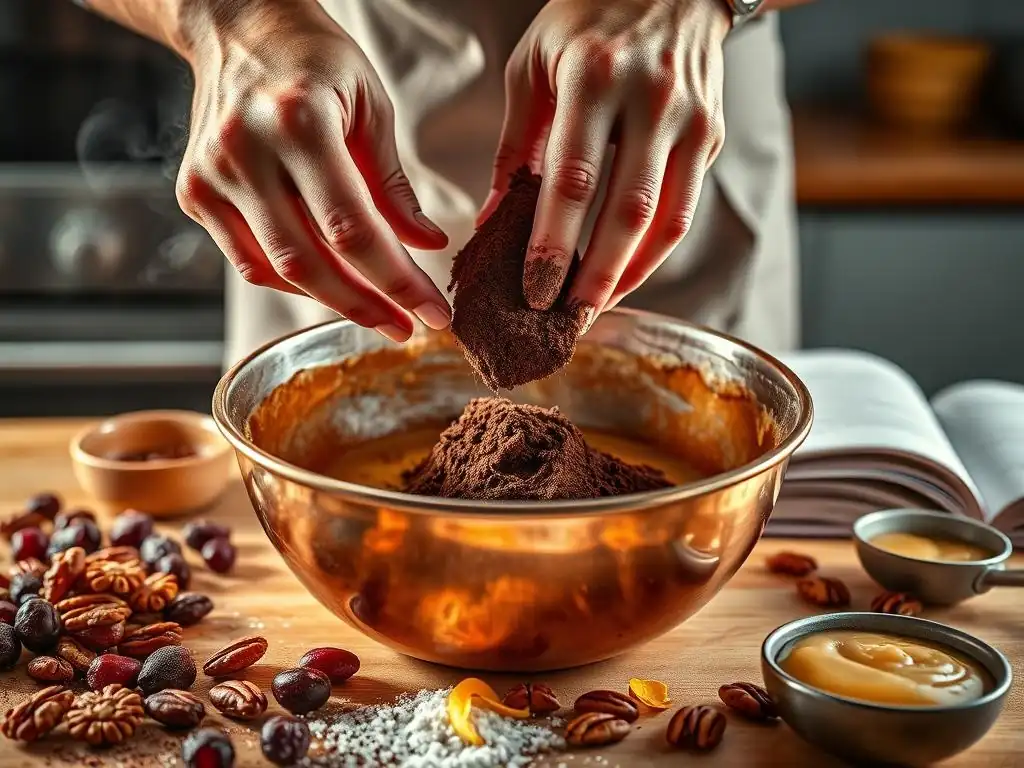
Leveraging Natural Sweeteners: Beyond Refined Sugar
Exploring Natural Sweetener Options: Stevia, Erythritol, Monk Fruit
While the goal is to reduce overall sweetness, sometimes a little is needed. Natural, non-caloric or low-calorie sweeteners can be useful tools in low-sugar baking, though they behave differently than sugar. Stevia, derived from the Stevia rebaudiana plant, is incredibly sweet, often 200-400 times sweeter than sugar, but can have a distinct aftertaste for some people.
Erythritol is a sugar alcohol with about 70% the sweetness of sugar and provides some bulk, but it can have a cooling sensation in the mouth and may cause digestive upset in large amounts. Monk fruit extract, from the monk fruit, is also very sweet (150-200 times sugar) and has a clean taste for many, but like stevia, it provides no bulk.
Using these sweeteners effectively requires understanding their properties. They don't caramelize or contribute to browning like sugar. They also don't provide the same moisture or tenderizing effects. Often, a blend of different non-nutritive sweeteners or a combination of a non-nutritive sweetener with a small amount of a sugar alcohol like erythritol is used to mimic sugar's bulk and texture more closely. Always check the conversion ratios on the specific product you are using, as they can vary widely.
Using Natural Sweeteners Effectively in Baking Recipes
Successful use of natural sweeteners in low-sugar baking requires careful consideration. Because many are intensely sweet without providing bulk, you often need to compensate for the lost volume of sugar. This might involve slightly increasing dry ingredients like flour or adding ingredients that provide structure and moisture, such as eggs, yogurt, or fruit purees. It's often best to start with recipes specifically developed for these sweeteners, as direct substitution in traditional recipes can be tricky.
When substituting, consider the function of sugar in the original recipe. If it's primarily for sweetness, a concentrated sweetener might suffice. If it's for texture, browning, or moisture, you'll need to employ other low sugar baking tips discussed later, such as adding moisture-rich ingredients or adjusting baking time/temperature. Starting with a blend designed for baking is often easier than using pure extracts. For example, a blend of erythritol and stevia might mimic sugar's bulk and sweetness profile better than either alone.
Enhancing Flavor with Spices and Extracts
The Power of Warm Spices: Cinnamon, Nutmeg, Ginger, and Allspice
Spices are powerful allies in low-sugar baking. They add depth, warmth, and complexity that can make up for the lack of intense sweetness. Warm spices like cinnamon, nutmeg, ginger, and allspice work particularly well. Cinnamon, with its comforting aroma and slightly sweet note, pairs beautifully with fruits like apples and bananas. Nutmeg adds a subtle earthiness, while ginger provides a gentle warmth or spicy kick, depending on whether it's fresh or ground. Allspice, a single spice that tastes like a blend of cinnamon, nutmeg, and cloves, is incredibly versatile.
By increasing the amount of these spices slightly in a recipe (e.g., adding an extra half teaspoon of cinnamon to a batch of muffins), you can significantly boost the overall flavor profile. These spices can also create a psychological perception of sweetness, making the baked good feel more satisfying even with less sugar. Don't be afraid to experiment with combinations; a pinch of cardamom can elevate fruit tarts, or a touch of cloves can deepen chocolate flavors.
Vanilla Extract and Other Flavorful Extracts: Almond, Lemon, Orange
Vanilla extract is arguably the most important flavor enhancer in baking, and its role is even more critical in low-sugar recipes. Pure vanilla extract rounds out and enhances the flavors of other ingredients, preventing baked goods from tasting bland or one-dimensional. It adds a subtle sweetness perception and a rich aroma that is universally appealing. Always use pure vanilla extract for the best flavor; imitation vanilla lacks the complexity.
Beyond vanilla, other extracts can add specific flavor notes that shine in low-sugar contexts. Almond extract pairs wonderfully with nuts and fruits. Lemon or orange extract adds a bright, citrusy note that can lift heavy flavors and provide a sense of freshness. Maple extract can provide a hint of maple flavor without the added sugar of syrup. A few drops of a high-quality extract can make a significant difference in the overall flavor complexity of low-sugar cookies, cakes, or muffins.
Spice Blends for Low-Sugar Baking: Pumpkin Pie Spice, Apple Pie Spice
Using pre-made or custom spice blends is an easy way to layer multiple flavors effectively. Blends like pumpkin pie spice (typically cinnamon, ginger, nutmeg, cloves, and sometimes allspice) or apple pie spice (similar, often heavier on cinnamon) are perfect for low-sugar baked goods featuring these fruits. These blends are designed to create a harmonious flavor profile that is comforting and aromatic.
You can also create your own custom blends tailored to specific recipes or preferences. For instance, a blend for a low-sugar chocolate cake might include cinnamon, a pinch of cayenne, and instant espresso powder to deepen the chocolate flavor. For berry muffins, a blend of lemon zest and a touch of cardamom could be ideal. Experimenting with different ratios and combinations is a fun way to personalize your low sugar baking tips and recipes.
Mastering Fruit Purees and Zests for Natural Sweetness and Aroma
Incorporating Fruit Purees: Applesauce, Banana, Pumpkin
Naturally sweet fruit purees are invaluable in low-sugar baking. They not only add moisture and natural sweetness but also contribute fiber and nutrients. Unsweetened applesauce is a popular choice, often used to replace some of the fat and sugar in muffins, quick breads, and cakes. Mashed ripe banana is excellent in banana bread and muffins, providing significant sweetness and a moist, tender texture. Pumpkin puree adds moisture, a beautiful color, and its distinct flavor to quick breads and muffins.
When using fruit purees, you can often reduce the added sugar in a recipe by a significant amount (e.g., 25-50% or more, depending on the puree's sweetness and the recipe). They also help keep baked goods moist, combating the dryness often associated with reduced sugar. For example, using 1/2 cup of unsweetened applesauce in a muffin recipe can allow you to reduce the added sugar by about 1/4 cup while keeping the texture moist.
Citrus Zest: Adding Brightness and Complexity
Citrus zest – the colored outer layer of the peel from lemons, oranges, limes, or grapefruits – is packed with aromatic oils but contains no sugar. These oils provide intense flavor and a bright, slightly tangy note that can significantly enhance the perceived flavor of baked goods, making them taste fresher and more vibrant. Lemon zest, in particular, can cut through richness and add a refreshing counterpoint to sweetness, even reduced sweetness.
Adding the zest of one lemon or orange to a batch of low-sugar muffins, cakes, or glazes can dramatically lift the flavor profile. It works well in combination with fruit purees or spices. For instance, orange zest pairs beautifully with chocolate and warm spices, while lemon zest is excellent with berries or in simple pound cakes. Be careful to only grate the colored part of the peel, avoiding the bitter white pith underneath.
The Importance of Salt in Low-Sugar Baking
Balancing Sweetness and Enhancing Flavor with Salt
While counterintuitive, salt is absolutely essential in low-sugar baking. Its primary role isn't just to add saltiness, but to enhance and balance all the other flavors present, including sweetness (even minimal sweetness). A pinch of salt prevents baked goods from tasting flat or bland. It makes the flavors of chocolate, spices, fruit, and even the sugar substitutes more pronounced and pleasant.
Without adequate salt, a low-sugar baked good can taste dull and uninteresting, regardless of how many other flavorings you add. It's a critical component of building a complex flavor profile. Think of it as the ingredient that ties everything together and makes the other flavors pop.
Types of Salt for Baking: Sea Salt, Kosher Salt
For baking, fine sea salt or kosher salt are generally preferred over standard iodized table salt. They have a cleaner taste and dissolve more easily into batters and doughs. Standard table salt often contains anti-caking agents and iodine, which can sometimes impart a slightly metallic or chemical taste.
Using unsalted butter in your recipes allows you to control the amount and type of salt precisely. A small amount of fine sea salt sprinkled on top of low-sugar cookies or brownies just before baking can also provide little bursts of flavor and a pleasant textural contrast.
Using Acidic Ingredients to Brighten Flavors
Lemon Juice and Vinegar: Apple Cider Vinegar
Acidic ingredients might seem out of place in baking, but they are powerful flavor enhancers, especially in low-sugar contexts. Just like salt, acidity can balance flavors and add brightness. Lemon juice is a prime example; a tablespoon added to a cake batter or glaze can lift the flavor and prevent it from being too heavy. It also reacts with baking soda to provide leavening.
Vinegar, particularly apple cider vinegar, is often used in vegan baking to react with baking soda, but it also adds a subtle tang that can enhance fruit flavors or add complexity to chocolate baked goods. Don't worry, you typically won't taste the vinegar itself in the final product when used in small amounts (like 1 teaspoon per cup of flour).
Yogurt and Sour Cream: Adding Tang and Moisture
Dairy products like yogurt (plain, Greek, or regular) and sour cream add richness, moisture, and tenderness to baked goods. Crucially, they also contribute a pleasant tanginess due to their acidity. This tang can brighten flavors and create a more complex taste profile that feels satisfying even with less sweetness.
Using yogurt or sour cream in muffins, cakes, or quick breads can help compensate for the moisture and tenderness lost when reducing sugar and fat. The slight acidity also interacts with leavening agents, contributing to a better rise. For example, replacing some of the milk or fat with Greek yogurt in a low-sugar muffin recipe adds moisture, richness, and a subtle tang that enhances fruit or spice flavors.
Recipes and Applications: Putting Low-Sugar Baking Tips into Practice
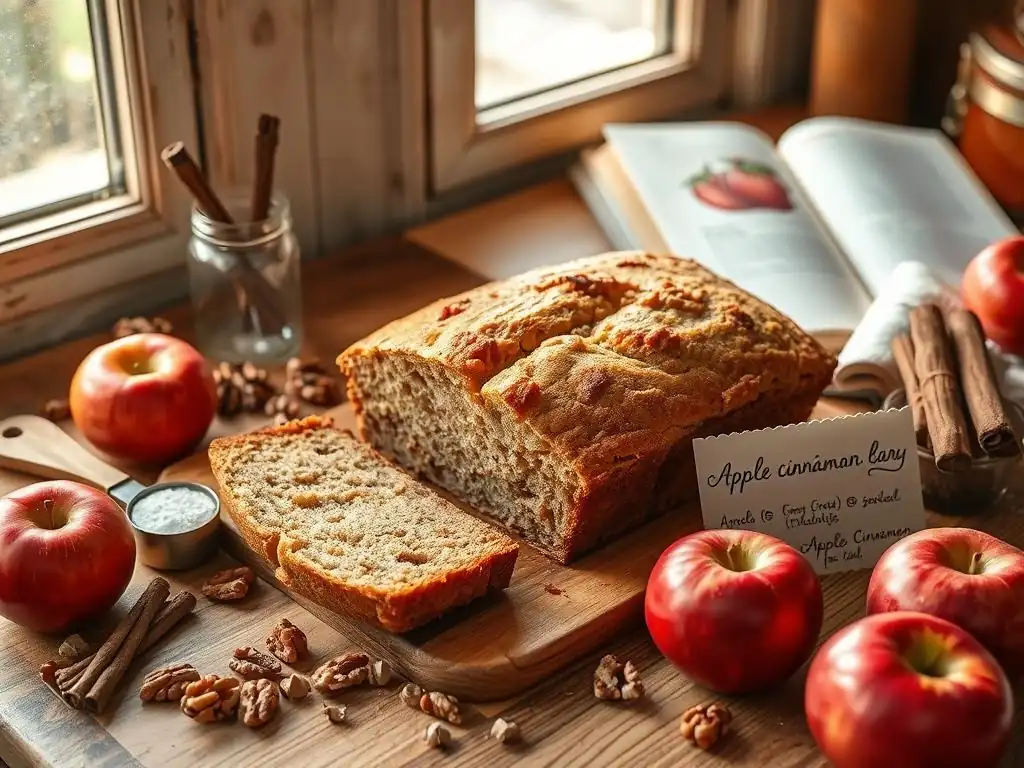
Creating flavorful low-sugar chocolate chip cookies requires focusing on ingredients beyond the sweetener. The key is to use high-quality chocolate with a higher cocoa percentage (e.g., 70% cacao or more) for intense chocolate flavor rather than relying on sweetness. Add a generous amount of pure vanilla extract and a crucial pinch of sea salt to enhance the chocolate and balance the flavor. Using brown butter can also introduce nutty, caramel notes that add complexity without added sugar.
Instead of a direct sugar swap, consider using a blend of a sugar substitute that provides bulk (like erythritol) combined with a small amount of a flavor-contributing sweetener like molasses or a touch of brown sugar substitute for depth. Ensure you chill the dough; this allows flavors to meld and helps control spread, resulting in a chewier cookie texture often provided by sugar. Incorporating different types of chocolate chips (dark, sugar-free dark) adds varying levels of intensity.
Low-Sugar Banana Bread: Enhancing Natural Sweetness
Ripe bananas are a low-sugar baker's best friend. The riper they are (think heavily spotted or even brown peels), the sweeter and more flavorful they become, allowing you to drastically reduce or even eliminate added sugar in some recipes. For a standard loaf using 2-3 very ripe bananas, you might only need a few tablespoons of added sweetener, if any.
Enhance the banana's natural sweetness and flavor with warm spices like cinnamon, nutmeg, and a hint of allspice. A splash of vanilla extract is also essential. Adding chopped nuts (walnuts, pecans) provides texture and nutty flavor. You can also stir in a small amount of high-cocoa dark chocolate chips for bursts of intense flavor that complement the banana and spices beautifully.
Low-Sugar Apple Crumble: A Spice-Infused Delight
Low-sugar apple crumble is a perfect vehicle for showcasing how spices and fruit can carry the flavor. Start with naturally sweet apple varieties like Fuji, Honeycrisp, or Gala. Toss the sliced apples generously with warm spices – think cinnamon, ginger, and a pinch of cloves or cardamom. A squeeze of lemon juice brightens the apple flavor without adding sweetness.
For the crumble topping, focus on texture and nutty flavors. Use rolled oats, whole wheat flour, chopped nuts (almonds, walnuts), and a minimal amount of sweetener (perhaps a blend of erythritol and a tiny bit of maple extract for flavor). Ensure the topping is well-buttered (with cold butter cut in) and baked until golden brown and crisp. The combination of tender, spice-infused apples and the crunchy, flavorful topping creates a satisfying dessert with significantly less sugar.
Tips for Converting Traditional Recipes to Low-Sugar Alternatives
Reducing Sugar Gradually: A Step-by-Step Approach
Converting a beloved traditional recipe to a low-sugar version can be challenging, but it's a valuable skill for low sugar baking tips. Don't aim for zero sugar on your first attempt. Start by reducing the sugar by a smaller percentage, perhaps 25%. Bake the recipe and note the changes in flavor, texture, and appearance. Was it sweet enough? Was it dry? Did it brown properly?
Based on your observations, you can then attempt a larger reduction (e.g., 50%) and make adjustments to other ingredients or techniques based on what you learned. This iterative process helps you understand how sugar reduction impacts that specific recipe and allows you to fine-tune your approach. Keep detailed notes on your adjustments and results.
Adjusting Liquid and Dry Ingredients for Optimal Texture
When you remove sugar, you remove bulk and moisture. To compensate, you may need to adjust other ingredients. Sometimes, slightly decreasing the amount of dry ingredients (like flour) is necessary to maintain the correct ratio of wet to dry. More often, you'll need to increase the liquid components. This could mean adding an extra egg, a splash more milk or buttermilk, or incorporating moisture-rich ingredients like fruit purees (applesauce, yogurt, sour cream) as discussed earlier.
Consider the role of sugar in structure. In some recipes, sugar helps create tenderness. Adding ingredients like extra egg yolks or using cake flour instead of all-purpose flour can help maintain a tender crumb. Sugar substitutes often don't contribute to browning, so you might need to rely on other ingredients (like molasses in small amounts) or adjust baking methods.
Considering Baking Time and Temperature
Baked goods with less sugar tend to brown more slowly than their full-sugar counterparts because caramelization and the Maillard reaction are reduced. This means you might need to adjust your baking time or temperature. Simply baking for the same amount of time might result in a pale exterior and potentially undercooked interior, or conversely, a dry interior if you bake until it looks "done" by traditional browning standards.
Often, baking at a slightly lower temperature (e.g., 325°F instead of 350°F) for a slightly longer time helps ensure the interior cooks through evenly while allowing the exterior to develop some color without burning. Rely on visual cues specific to low-sugar baking (like edges pulling away from the pan) and use a cake tester or thermometer (e.g., quick breads are typically done when internal temperature reaches 190-200°F) to check for doneness rather than solely relying on the clock or traditional browning.
Low-Sugar Baking FAQ: Addressing Common Concerns
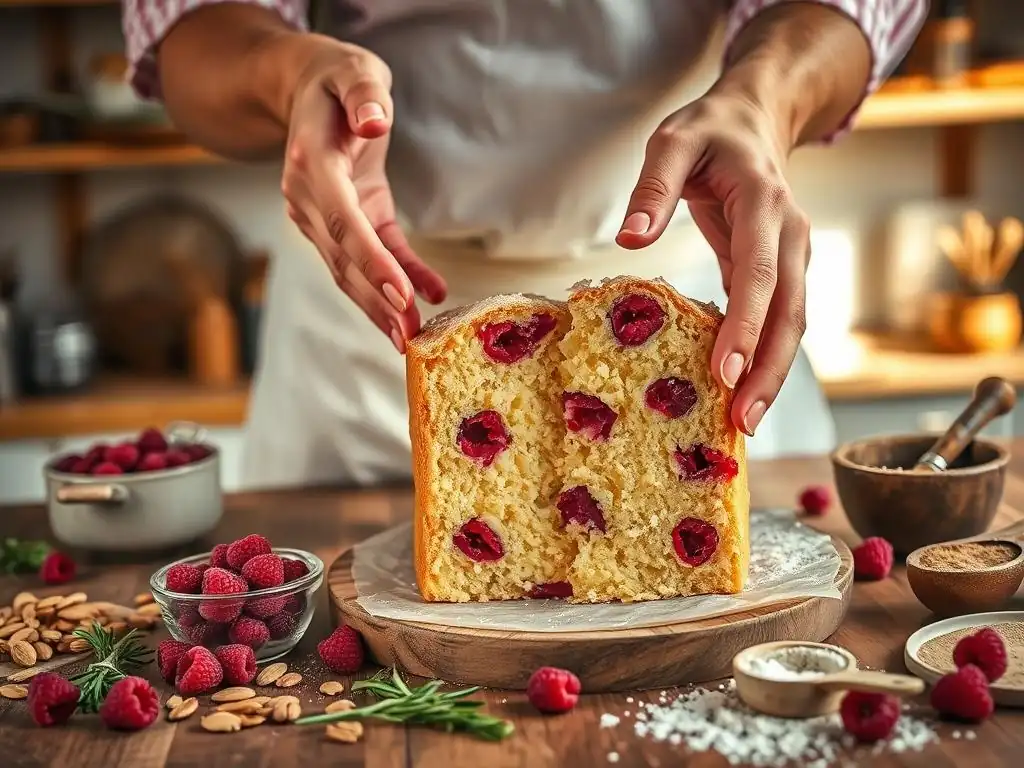
What are the best sugar substitutes for baking?
The "best" sugar substitute depends heavily on the specific recipe and your personal preferences regarding taste and digestive tolerance.
- Erythritol: Provides bulk similar to sugar, good for volume, but can have a cooling effect and cause digestive issues in some.
- Stevia/Monk Fruit: Very sweet, no calories, but provide no bulk and can have aftertastes. Often used in small amounts or blended.
- Allulose: Behaves more like sugar (browns, provides moisture), but is often more expensive and less widely available.
Many bakers find that a blend of different substitutes works best to mimic sugar's multiple functions (sweetness, bulk, texture). Always check the packaging for conversion ratios, as they vary greatly.
How do I prevent my low-sugar baked goods from being dry?
Preventing dryness is one of the most common challenges in low-sugar baking, as sugar holds moisture. Here are some key low sugar baking tips:
- Add Moist Ingredients: Incorporate ingredients like unsweetened applesauce, mashed banana, pumpkin puree, yogurt, sour cream, or extra eggs.
- Increase Liquid: Slightly increase milk, buttermilk, or other liquid in the recipe.
- Add Fat: Ensure adequate fat (butter, oil) is used, as fat also contributes to moisture and tenderness.
- Don't Over-Bake: Low-sugar goods can dry out quickly. Test for doneness using a cake tester or thermometer and remove from the oven promptly when done.
- Store Properly: Store baked goods in airtight containers at room temperature or in the refrigerator to maintain moisture.
Can I use honey or maple syrup in low-sugar recipes?
Honey and maple syrup are often perceived as healthier because they are less processed than refined sugar and contain trace nutrients. However, they are still concentrated sources of sugar (fructose and glucose) and calories, and they impact blood sugar levels similarly to table sugar.
Therefore, while they can be used in baking for flavor, they are generally not suitable for recipes specifically aiming to be low-sugar from a health or glycemic perspective. Using them significantly adds back the sugar you're trying to reduce. If your goal is strictly low refined sugar, they could be used in moderation, but if the goal is low added sugar or low glycemic impact, it's best to rely on non-nutritive sweeteners or fruit for sweetness.
Conclusion: Enjoying Delicious and Flavorful Low-Sugar Baked Goods
Embracing low-sugar baking is a rewarding journey that challenges you to think differently about flavor. By moving beyond the reliance on intense sweetness, you unlock the potential of other ingredients to create complex, satisfying baked goods. The key low sugar baking tips involve leveraging the natural sweetness and moisture of fruits, enhancing flavors with aromatic spices and extracts, and understanding the critical roles of salt and acidity in balancing the palate.
Don't be discouraged if your first attempts aren't perfect. Baking is a science, and low-sugar baking adds new variables to the equation. Experiment with different sweeteners, adjust ingredient ratios gradually, and most importantly, focus on building layers of flavor using the techniques discussed. With practice and patience, you'll be creating delicious, flavorful low-sugar treats that you and your loved ones can enjoy with peace of mind. Happy baking!
Frequently Asked Questions
How can I enhance the flavor of my baked goods when reducing sugar?
Reducing sugar impacts flavor, but you can boost it through flavor extracts like vanilla or almond, and by using spices such as cinnamon or nutmeg. Also, fruit purees can add natural sweetness and depth.
What are some good sugar substitutes for baking?
Some popular sugar substitutes include erythritol, stevia, and monk fruit. Remember to adjust the recipe, as these may not behave exactly like sugar in terms of browning or moisture retention.
Does reducing sugar affect the texture of baked goods?
Yes, sugar contributes to the texture, so reducing it can result in a drier or less tender product. Compensate by adding moisture with fruit purees or yogurt, and adjusting the leavening agents.
Can I use different types of flour to improve the taste of low-sugar baked goods?
Absolutely! Using whole wheat flour or nut flours (like almond flour) adds nutty flavors and can complement other ingredients. They also increase nutritional value.
What role do acids play in low-sugar baking?
Acids, like lemon juice or vinegar, enhance the flavors of other ingredients and can balance the sweetness. They also help with leavening when combined with baking soda, improving texture.
Final Reflection: Redefining Delicious: Beyond Sugar's Sweet Embrace
The pursuit of healthier baking isn't about sacrificing flavor; it's about reinventing it. Low-sugar baking, once perceived as a bland compromise, is now a vibrant culinary landscape brimming with exciting possibilities. This article has explored various techniques to elevate the taste experience without relying heavily on refined sugar, proving that delicious and healthy can coexist beautifully.
The shift towards mindful sugar consumption is more than just a diet trend; it's a cultural awakening. We're increasingly aware of the impact of sugar on our health and well-being, prompting a demand for alternatives that don't compromise on taste. This movement resonates deeply with me, as I've witnessed firsthand the transformative power of exploring flavor profiles beyond the simple sweetness of sugar. The best things in life are not sweet, but they are good.
This quote, while not directly about baking, encapsulates the essence of this journey: discovering the rich tapestry of flavors that exist beyond the familiar sweetness.
Now, it's your turn. Consider the techniques explored in this article – from enhancing spices and extracts to utilizing the natural sweetness of fruits and alternative sweeteners – and experiment with them in your own kitchen. Don't be afraid to get creative, to push boundaries, and to discover your own signature low-sugar masterpieces. The journey of flavor exploration is a personal one, and the rewards are both delicious and deeply satisfying. Embrace the challenge, and redefine what "delicious" means to you.
Unlock the Secret to Delicious Low-Sugar Baking!
Thanks for taking the time to explore the world of low-sugar baking with us! You've now got the tools to create amazing treats without relying on excessive sweetness. Ready to put your new knowledge into practice?
- Master your first low-sugar recipe: Choose one recipe from the article and try it out! Note your observations and adjustments. This is where the real magic happens.
- Share your baking journey: Snap a picture of your creation and post it on social media, tagging #BakeWithEaseLowSugar. Let's inspire each other!
- Experiment with flavor combinations: Think outside the box! Try combining unexpected spices or extracts to create unique low-sugar flavor profiles. What unexpected taste combination will you try next?
What exciting low-sugar recipe will you bake first?