
Achieve Perfect Moistness: LowSugar Cake Techniques Revealed

Welcome to BakeWithEase, your companion on the journey to baking bliss! Ever dreamt of indulging in a guilt-free slice of cake that doesn't compromise on flavor or texture? This is where your quest begins. Uncover the secrets to achieving exceptional low-sugar cake moistness, and prepare to be amazed by how delicious (and healthy!) your creations can be. Dive in and discover the techniques that will transform your baking!
- BakeWithEase' Guide to Moist Low-Sugar Cakes
- Understanding the Challenge: Maintaining Moistness in Low-Sugar Cakes
- Techniques for Enhancing Low Sugar Cake Moistness
- Low-Sugar Cake Recipe Adaptations for Increased Moistness
- Expert Tips for Baking Delicious and Moist Low-Sugar Cakes
- Troubleshooting Dry Low-Sugar Cakes: Common Issues and Solutions
- Recipes Showcase: Moist Low-Sugar Cake Recipes
- Conclusion: Enjoying Delicious and Moist Low-Sugar Cakes
-
Frequently Asked Questions
- How can I achieve a moist cake while significantly reducing the sugar content?
- What ingredients can I substitute for sugar to maintain moistness in a low-sugar cake recipe?
- Does the type of flour I use affect the moistness of a low-sugar cake?
- What baking techniques are crucial for keeping a low-sugar cake moist?
- How does adding fat impact the moistness of a low-sugar cake?
- Final Reflection: The Enduring Quest for Moist, Low-Sugar Delight
- Unlock Your Inner Baker: Master the Art of Moist Cakes!
BakeWithEase' Guide to Moist Low-Sugar Cakes
Baking a cake with reduced sugar can often feel like a balancing act, especially when striving for that coveted moist texture. Sugar plays a significant role in the structure and moisture of traditional cakes, and removing or reducing it requires thoughtful adjustments. This guide from BakeWithEase is designed to help you navigate the challenges and master the techniques needed to achieve delightful low sugar cake moistness, ensuring your baked goods are both healthier and incredibly palatable. We'll explore the science behind why low-sugar cakes can turn dry and share practical, effective strategies to keep your creations wonderfully moist.
Whether you're baking for dietary reasons, managing blood sugar, or simply opting for a less sweet treat, you don't have to compromise on texture. By understanding the properties of different sweeteners, incorporating moisture-rich ingredients, and fine-tuning your baking process, you can consistently bake moist and delicious low-sugar cakes that everyone will enjoy. Let's dive into the secrets of maintaining low sugar cake moisture.
Understanding the Challenge: Maintaining Moistness in Low-Sugar Cakes
The Role of Sugar in Cake Moisture
Sugar is far more than just a sweetener in baking; it's a hygroscopic ingredient, meaning it attracts and holds onto water. In a cake batter, sugar dissolves and binds with water molecules, preventing them from evaporating during baking. This interaction contributes significantly to the cake's final moisture level and tender crumb. For example, a standard pound cake recipe often contains a sugar-to-flour ratio close to 1:1 by weight, contributing significantly to its dense, moist texture.
Furthermore, sugar interferes with gluten development and protein coagulation, resulting in a softer, more tender crumb. It also lowers the freezing point of water, which helps baked goods stay soft and moist longer after cooling. When you reduce sugar, you lose these crucial functions, making it more challenging to maintain low sugar cake moistness. Without sugar holding onto water, the cake is more prone to drying out during baking and staling more quickly afterward.
Why Low Sugar Recipes Often Result in Dry Cakes
The primary reason low-sugar cakes can be dry is the absence of sugar's hygroscopic properties. As mentioned, sugar effectively locks in moisture. When you use less sugar or replace it with non-nutritive sweeteners that lack this property, there's less free water retained in the cake structure. Consider a recipe where sugar is reduced by 50%; that's a significant amount of water-binding capacity lost.
Another factor is the impact on the cake's structure. Sugar helps create a tender crumb by inhibiting gluten formation and protein setting. With less sugar, the batter might develop stronger gluten networks, leading to a tougher, drier texture. Additionally, some sugar substitutes can behave differently in terms of how they interact with other ingredients and how they caramelize or brown, sometimes leading to a less desirable texture and appearance alongside the dryness issue. Achieving good low sugar cake moistness requires addressing these structural and moisture-retention challenges.
Identifying the Key to Moistness: Understanding Water Activity
Water activity (aw) is a measure of the "free" water available in a food product that can support microbial growth and chemical reactions, including those that lead to staling. While not exactly the same as moisture content (total water), water activity is a critical factor in texture and shelf life. Sugar effectively lowers water activity by binding water molecules. In traditional cakes, the high sugar content results in lower water activity, contributing to moistness and inhibiting spoilage.
In low-sugar cakes, the water activity is generally higher because there's less sugar to bind the water. This higher water activity can potentially lead to faster staling and a perception of dryness, even if the total water content is similar. Therefore, techniques to enhance low sugar cake moistness must focus on either replacing the water-binding function of sugar or incorporating other ingredients that contribute to a perception of moisture and tenderness, effectively managing the available water.
Techniques for Enhancing Low Sugar Cake Moistness
Choosing the Right Low-Sugar Sweeteners for Moist Cakes
The Impact of Different Sweeteners on Cake Texture
Not all low-sugar sweeteners are created equal when it comes to baking performance. Some sugar substitutes, like high-intensity sweeteners (e.g., sucralose, saccharin), are hundreds of times sweeter than sugar but provide no bulk or moisture. Using these alone will result in a significant loss of volume and a very dry cake. Polyols (sugar alcohols) like erythritol, xylitol, and maltitol add some bulk and can contribute slightly to moisture retention, but often less effectively than sugar. For example, erythritol is about 70% as sweet as sugar but has minimal impact on moisture retention compared to sugar.
Other sweeteners, like allulose, a rare sugar, behave more similarly to sugar in baking. Allulose is about 70% as sweet as sugar but is hygroscopic, meaning it can attract and hold moisture, much like sugar. This property makes it particularly useful for improving low sugar cake moistness. Blends of sweeteners are also common, combining bulk sweeteners with high-intensity ones to achieve the desired sweetness level without excessive volume or cooling sensations sometimes associated with pure polyols. Understanding these differences is crucial for successful low-sugar baking.
Best Low-Sugar Sweetener Options for Moistness: Erythritol, Allulose, Stevia Blends
When prioritizing moistness in low-sugar cakes, certain sweeteners stand out. Allulose is arguably one of the best options due to its hygroscopic nature, mimicking sugar's ability to retain moisture. While it's less sweet than sugar, its functional properties are a strong advantage. A cake baked with allulose tends to stay softer and moister over time compared to one made solely with erythritol.
Erythritol is widely used because it has a low glycemic index and minimal calories, but it doesn't retain moisture well on its own. Often, bakers combine erythritol with other ingredients or sweeteners. Stevia blends, which often include erythritol or other bulking agents, can provide sweetness, but their impact on low sugar cake moisture depends heavily on the bulking agent used in the blend.
For optimal moistness, consider blends that include ingredients known for moisture retention, or use allulose where possible. A common approach is to use a blend of erythritol for bulk and sweetness, combined with a small amount of a hygroscopic ingredient or another sweetener like allulose.
Incorporating Moisture-Boosting Ingredients
Adding Fruit Purees for Natural Sweetness and Moisture
Fruit purees are excellent additions to low-sugar cakes, serving a dual purpose: they add natural sweetness and significantly boost moisture content. Ingredients like unsweetened applesauce, mashed bananas, pumpkin puree, or prune puree work wonders. These purees contain natural sugars (though less concentrated than granulated sugar) and a high percentage of water bound within their cellular structure. For instance, substituting half of the fat in a recipe with applesauce can reduce calories and add moisture.
Using fruit purees not only helps achieve great low sugar cake moistness but also contributes beneficial fiber and nutrients. When incorporating purees, you might need to slightly reduce the amount of liquid in the recipe to maintain the correct batter consistency. A general guideline might be to substitute up to half the amount of sugar called for with an equal amount of fruit puree by weight, adjusting other liquids as needed. This method is particularly effective in spice cakes, banana bread, or pumpkin cakes where the fruit flavor complements the overall profile.
Yogurt and Sour Cream: Dairy Secrets for Moist Low-Sugar Cakes
Dairy products like yogurt and sour cream are fantastic for adding richness, tenderness, and moisture to cakes, including low-sugar varieties. Their fat and protein content contribute to a softer crumb, while their inherent moisture keeps the cake from drying out. The acidity in yogurt and sour cream also reacts with baking soda, providing lift and contributing to a tender texture. Using full-fat versions often yields the best results in terms of moisture and richness, but low-fat or Greek yogurt can also be used, sometimes requiring a slight adjustment in other liquids.
Incorporating yogurt or sour cream can directly improve low sugar cake moistness by adding liquid and fat in a stable emulsion. A recipe might call for substituting milk or a portion of the butter with an equal amount of yogurt or sour cream. For example, replacing half a cup of milk with half a cup of sour cream in a standard cake recipe can make a noticeable difference in the final texture, resulting in a more tender and moist crumb.
Vegetable Purees: Sneaking in Extra Moisture and Nutrients
Just like fruit purees, certain vegetable purees can enhance low sugar cake moisture and add nutritional value without significantly altering the flavor profile in many cases. Cooked and pureed sweet potato, butternut squash, or even finely grated zucchini (with excess moisture squeezed out) are excellent examples. These vegetables are naturally moist and contain complex carbohydrates and fiber that help retain water during baking.
Vegetable purees blend seamlessly into cakes like spice cakes, chocolate cakes, or even vanilla cakes when used in moderation. They contribute a subtle sweetness and a creamy texture to the batter. For instance, adding half a cup of cooked sweet potato puree to a low-sugar chocolate cake recipe can significantly improve its moistness and richness. Ensure the purees are smooth and lump-free for an even texture throughout the cake.
Mastering the Baking Process for Optimal Moistness
Precise Measurements: The Key to Balanced Low-Sugar Recipes
Baking is a science, and precision is paramount, especially when working with the delicate balance of low-sugar recipes. Unlike traditional recipes where a slight variation might be forgiving, small errors in measuring ingredients in a low-sugar cake can drastically affect the outcome, leading to dryness or poor structure. Ingredients like flour, leaveners, fats, and liquids must be measured accurately, preferably by weight using a kitchen scale, rather than volume.
For instance, a cup of flour can vary in weight by up to 20% depending on how it's scooped and leveled. This variance can throw off the liquid-to-dry ingredient ratio, directly impacting low sugar cake moistness. Similarly, using too much flour or too little liquid will almost guarantee a dry cake. Always use level scoops and weigh ingredients like flour, sweeteners, and fats for consistent, reliable results.
Proper Mixing Techniques: Avoiding Overmixing
Mixing technique plays a crucial role in cake texture. Overmixing the batter, especially after adding flour, develops gluten. While some gluten structure is necessary, too much results in a tough, dry, and less tender cake. In low-sugar cakes, where sugar isn't there to inhibit gluten as effectively, overmixing is an even greater risk to low sugar cake moisture.
The goal is to mix until the ingredients are just combined. For most cake recipes using the creaming method (beating fat and sweetener), you cream until light and fluffy, add eggs one at a time, then alternate adding dry and wet ingredients, mixing only until no dry streaks remain. Over-beating after the flour is incorporated can turn a potentially moist cake into a dry crumbly one. Gentle folding is often preferred once the flour is in.
Oven Temperature and Baking Time: Preventing Dryness
Incorrect oven temperature and baking time are frequent culprits behind dry cakes. An oven that runs too hot or baking for too long will evaporate too much moisture from the cake, leading to a dry texture. Low-sugar cakes are particularly susceptible to this because they retain less moisture inherently.
It's highly recommended to use an oven thermometer to verify your oven's actual temperature, as they can often be off by 25°F or more. Bake at the temperature specified in the recipe, and start checking for doneness at the earliest time indicated. Baking just until the cake is done is key to preserving low sugar cake moistness. Overbaking by even a few minutes can make a significant difference.
The Importance of Storage for Maintaining Moistness
Cooling Techniques for Moist Cakes
How a cake cools can impact its final moistness. Allowing a cake to cool gradually helps retain moisture. While some recipes suggest cooling completely in the pan, others recommend turning it out onto a wire rack after a short period (usually 10-15 minutes). Cooling on a wire rack allows air circulation, preventing the bottom from becoming soggy, but exposing the cake to air can also lead to moisture loss.
For low-sugar cakes, which are prone to drying, it's often beneficial to turn the cake out onto a rack after the initial pan cooling period and then wrap it loosely while still slightly warm (but not hot enough to cause condensation) to trap steam and moisture. Letting it cool completely on the counter exposed to air can lead to a drier cake. Proper cooling sets the stage for maintaining low sugar cake moistness during storage.
Proper Storage Methods: Airtight Containers
Once cooled, proper storage is essential for preserving low sugar cake moistness. Exposure to air is the enemy of a moist cake, causing it to dry out and become stale. An airtight container is your best friend.
Store the cooled cake (whole or sliced) in a container with a tight-fitting lid. If the cake is large, you can wrap individual slices or sections tightly in plastic wrap before placing them in the container for extra protection. For longer storage, freezing is an excellent option. Wrap the cooled cake or slices tightly in plastic wrap, then in foil or a freezer bag, and it can keep well for a couple of months, preserving its moistness when thawed correctly.
Low-Sugar Cake Recipe Adaptations for Increased Moistness
Converting Traditional Recipes to Low-Sugar Versions
Adapting a traditional high-sugar cake recipe to a low-sugar version requires more than just swapping the sugar 1:1 with a substitute. You need to account for the loss of bulk, sweetness, and moisture-retaining properties. A common strategy involves reducing the original sugar by 50-75% and replacing it with a blend of low-sugar sweeteners. For example, if a recipe calls for 1 cup (200g) of sugar, you might use 50g of erythritol and 50g of allulose, or a commercial blend designed for baking.
Beyond the sweetener swap, you'll likely need to adjust other ingredients. The loss of sugar's bulk might require adding a small amount of flour or a bulking agent like inulin or polydextrose (check labels on sweetener blends). Crucially, you'll need to increase the liquid or add moisture-boosting ingredients discussed earlier (purees, yogurt, etc.) to compensate for the loss of sugar's hygroscopic function and ensure good low sugar cake moistness. This often involves adding an extra splash of milk, buttermilk, or a couple of tablespoons of applesauce.
Calculating Sweetener Ratios for Optimal Results
Calculating the right amount of low-sugar sweetener involves considering both sweetness level and functional properties. Most sugar substitutes have different sweetness intensities compared to sugar. Erythritol is about 70% as sweet, while some stevia or sucralose blends can be significantly sweeter. You need enough sweetness without an unpleasant aftertaste or cooling effect.
A good starting point when adapting a recipe is to replace the sugar volume with a low-sugar blend designed for baking, or create your own blend. For instance, a blend of erythritol and a small amount of high-intensity sweetener might work for sweetness, but you'll still need to address moisture separately. If using allulose, you might use closer to a 1:1 replacement by volume, but adjust for sweetness preference.
Experimentation is key, starting with manufacturer recommendations on sweetener packaging and adjusting based on taste and how well the cake retains low sugar cake moisture. Keep detailed notes of your adjustments.
Hydration Adjustments for Low-Sugar Cakes: Adding Extra Liquid
As highlighted earlier, low-sugar cakes inherently have less free water bound by sugar. To counteract this and improve low sugar cake moistness, you almost always need to increase the liquid content or add ingredients that contribute significant moisture. This might involve adding an extra tablespoon or two of milk, buttermilk, or water to the batter.
Alternatively, incorporating ingredients like applesauce, yogurt, or sour cream naturally boosts hydration and tenderness. For example, if a recipe calls for 1 cup of liquid, you might increase it to 1 cup plus 2 tablespoons, or replace 1/4 cup of the liquid with 1/4 cup of yogurt. The exact adjustment will depend on the specific recipe, the types of sweeteners used, and other ingredients. The batter consistency should generally be similar to a traditional cake batter – pourable but not watery.
Expert Tips for Baking Delicious and Moist Low-Sugar Cakes
Don't Overbake: The Most Common Mistake
Seriously, this is the golden rule for achieving low sugar cake moistness. Because low-sugar cakes don't brown the same way as traditional cakes (due to the lack of caramelization), it can be harder to tell when they're done. Many bakers leave them in too long, just in case, resulting in a dry crumb.
Start checking for doneness at the earliest time suggested in the recipe. Use the toothpick test, but look for moist crumbs attached, not a completely clean toothpick. The edges should look set, and the center should spring back slightly when gently pressed. When in doubt, err on the side of slightly underbaking rather than overbaking, as the cake will continue to cook slightly from residual heat after it's removed from the oven.
Using Cake Strips for Even Baking
Cake strips are fabric bands that you soak in water and wrap around the outside of your cake pan. They work by insulating the sides of the pan, causing the cake to rise more evenly and preventing the edges from setting and drying out before the center is done. This technique is particularly useful for thicker cakes or those baked in larger pans.
Using cake strips helps ensure the entire cake bakes at a more consistent temperature, which is crucial for achieving uniform low sugar cake moistness from edge to center. Without them, the edges can become overbaked and dry while the middle finishes cooking. You can buy commercial cake strips or make your own from old towels or fabric scraps.
Testing for Doneness: The Toothpick Test and Beyond
The toothpick test is a classic, but it's important to interpret the results correctly, especially for low-sugar cakes aiming for maximum low sugar cake moisture. Insert a toothpick into the center of the cake.
- For a traditional cake: A few moist crumbs attached generally indicates it's done. A clean toothpick means it's likely overbaked.
- For a low-sugar cake: Aim for a toothpick that comes out with a few very moist crumbs clinging to it, or even a slight smear if the cake is meant to be very tender or contains ingredients like chocolate or fruit puree. A completely clean toothpick is a strong indicator of dryness.
Other signs of doneness include the cake pulling slightly away from the sides of the pan and the top springing back when gently touched. Trust these visual and tactile cues alongside the toothpick test for the best results.
Troubleshooting Dry Low-Sugar Cakes: Common Issues and Solutions
Identifying the Cause of Dryness
If your low-sugar cake turned out dry, it's time to play detective. Review your process and ingredients. Was the oven temperature accurate? Did you bake too long? Did you measure your ingredients precisely, especially the flour and liquid? What type of low-sugar sweetener did you use, and was it a 1:1 replacement for sugar without other adjustments? Did you overmix the batter?
Common causes for lack of low sugar cake moistness include:
- Overbaking.
- Too much flour or not enough liquid.
- Using a sugar substitute that doesn't retain moisture without compensating.
- Overmixing the batter.
- Improper cooling and storage.
Pinpointing the likely culprit helps you make targeted adjustments next time.
Adjusting Recipes for Future Success
Based on your troubleshooting, make specific changes for your next baking attempt. If you suspect overbaking, reduce the baking time and check for doneness earlier. If the batter seemed too thick, add a tablespoon or two more liquid next time or incorporate a moisture-boosting ingredient like yogurt or applesauce.
If your sweetener swap seemed problematic, try a different type (like allulose) or add a known moisture-retainer to your recipe, such as a fruit puree or extra fat. For example, if your low-sugar vanilla cake was dry, next time you might add 2 tablespoons of sour cream or replace 1/4 cup of the milk with buttermilk to improve low sugar cake moisture. Keep track of the changes you make so you know what works.
Salvaging a Dry Cake: Simple Syrup Soak
If you've already baked a cake that turned out drier than desired, don't despair! You can often salvage it by adding moisture after baking. A simple syrup soak is a classic trick. Prepare a thin syrup by heating equal parts water and sweetener (you can use a low-sugar sweetener like erythritol or a small amount of regular sugar if acceptable) until the sweetener dissolves.
Once the cake has cooled slightly but is still warm, poke holes all over the top with a skewer or toothpick. Gently brush or pour the warm syrup over the cake, allowing it to soak in. Don't drown it, but add enough to hydrate the crumb. This infusion can significantly improve low sugar cake moistness, making an otherwise dry cake palatable. Flavored syrups (like lemon or vanilla) can also add an extra layer of taste.
Recipes Showcase: Moist Low-Sugar Cake Recipes
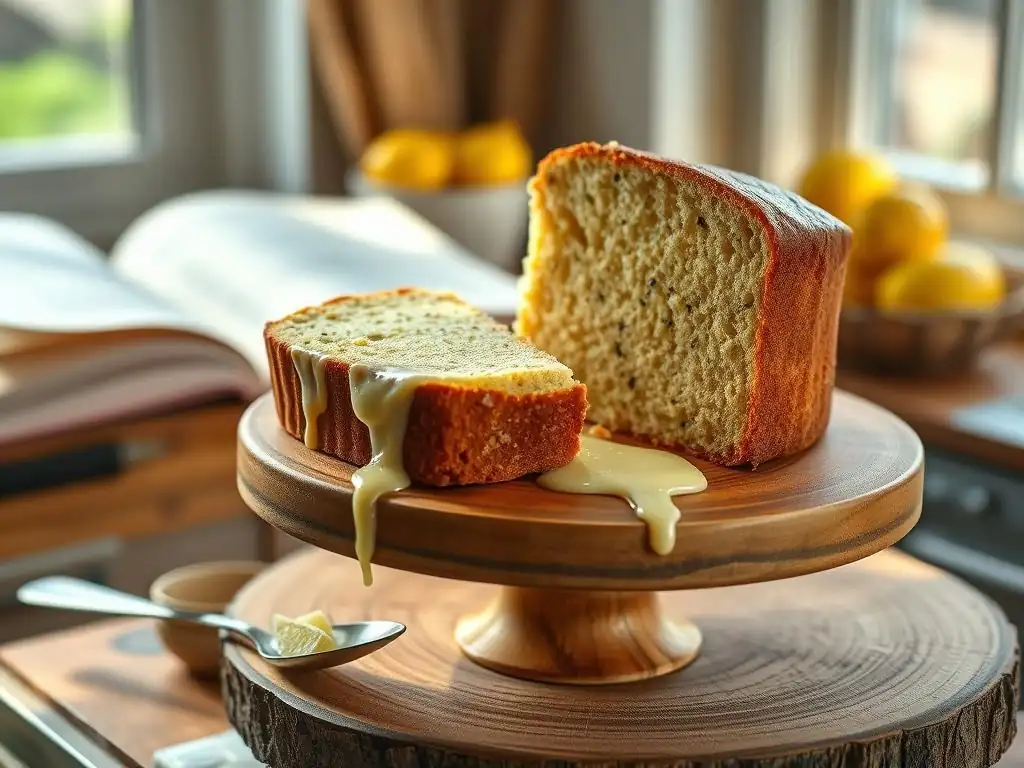
While detailed recipes are beyond the scope here, these titles represent examples of low-sugar cakes designed with techniques to enhance moisture. They typically incorporate ingredients like fruit, dairy, or specific sweeteners known for their moisture-retaining properties.
Low-Sugar Apple Spice Cake
Often uses unsweetened applesauce to provide natural sweetness and significant moisture, paired with warm spices.
Low-Sugar Chocolate Cake with Yogurt
Leverages the richness and moisture of yogurt, combined with cocoa powder, which can sometimes be drying, to ensure a tender, moist crumb.
Low-Sugar Lemon Cake with Almond Flour
Almond flour's higher fat content compared to wheat flour can contribute to a moister texture, often combined with lemon zest and juice for flavor and a touch of acidity.
Conclusion: Enjoying Delicious and Moist Low-Sugar Cakes
Baking delicious, moist cakes while keeping the sugar low is absolutely achievable with the right knowledge and techniques. By understanding how sugar affects texture and moisture, choosing appropriate sweeteners and moisture-boosting ingredients like fruit purees or yogurt, and mastering your baking process, you can overcome the challenges of dry low-sugar bakes. Remember the importance of precise measurements, avoiding overmixing, and baking just until done.
Proper cooling and storage are also key to preserving that wonderful low sugar cake moistness you worked so hard to achieve. Experiment with different ingredients and techniques, keep notes on your results, and soon you'll be consistently baking low-sugar cakes that are not only healthier but also incredibly tender and moist. Happy baking!
Frequently Asked Questions
How can I achieve a moist cake while significantly reducing the sugar content?
Reducing sugar can dry out cakes. Combat this by adding moisture-rich ingredients like applesauce or yogurt. Also, consider using natural sweeteners that contribute to moistness, like honey or maple syrup in moderation.
What ingredients can I substitute for sugar to maintain moistness in a low-sugar cake recipe?
Applesauce, mashed banana, or pureed pumpkin are excellent substitutes because they add natural sweetness and moisture. Greek yogurt or buttermilk can also improve cake texture and hydration.
Does the type of flour I use affect the moistness of a low-sugar cake?
Yes, it does. Cake flour has a lower protein content, resulting in a more tender and moist crumb. Using all-purpose flour may require more liquid to achieve the desired level of moistness.
What baking techniques are crucial for keeping a low-sugar cake moist?
Avoid over-baking, as this dries out the cake. Check for doneness using a toothpick; it should come out with a few moist crumbs. Let the cake cool completely before frosting to retain its moisture.
How does adding fat impact the moistness of a low-sugar cake?
Fat plays a vital role in cake moistness and tenderness. Using oil or butter in moderation helps prevent the cake from becoming dry, especially when sugar is reduced. Remember to consider the overall nutritional profile.
Final Reflection: The Enduring Quest for Moist, Low-Sugar Delight
The pursuit of a perfectly moist low-sugar cake isn't just a culinary challenge; it's a testament to our desire for healthier, delicious treats. This article has explored various techniques, from ingredient selection to baking methods, all aimed at achieving that elusive, tender crumb without compromising on flavor. The quest for moistness in low-sugar baking is more relevant than ever, as consumers increasingly seek healthier alternatives without sacrificing taste.
The journey to mastering moist low-sugar cakes has been a fascinating exploration of culinary science and creativity. It's highlighted the importance of understanding the role of each ingredient, the delicate balance between structure and moisture, and the impact of subtle adjustments on the final product. This pursuit resonates deeply with the growing awareness of mindful eating and the desire for healthier lifestyle choices. The best things in life are worth fighting for, and a perfectly moist low-sugar cake is certainly one of them.
This sentiment, while playful, underscores the dedication and passion many bakers invest in this pursuit.
Now, it's your turn. Consider the techniques discussed – the careful selection of fats, the strategic use of liquids, the importance of proper baking time and temperature. Experiment, adapt, and discover your own path to achieving that perfect, moist low-sugar cake. Don't be afraid to fail; each attempt brings you closer to mastering this delightful art, and the reward – a slice of healthy, delicious cake – is well worth the effort. Embrace the journey, and let your creativity flourish in the kitchen!
Unlock Your Inner Baker: Master the Art of Moist Cakes!
Thanks for joining us on this delicious journey into the world of perfectly moist, low-sugar cakes! You've now got the secrets to achieving that delightful texture everyone craves. Ready to put your new skills to the test?
- Bake your dream cake today! Try out one of the recipes mentioned, tweaking it to your taste and sharing your results.
- Share your baking triumph! Post a picture of your creation on social media using #BakeWithEaseMoistMagic and tag us – we'd love to see it!
- Explore our other low-sugar baking recipes for even more delicious possibilities.
What delicious low-sugar masterpiece will you create next?