
No Yeast? No Problem! Simple Quick Breads for New Bakers

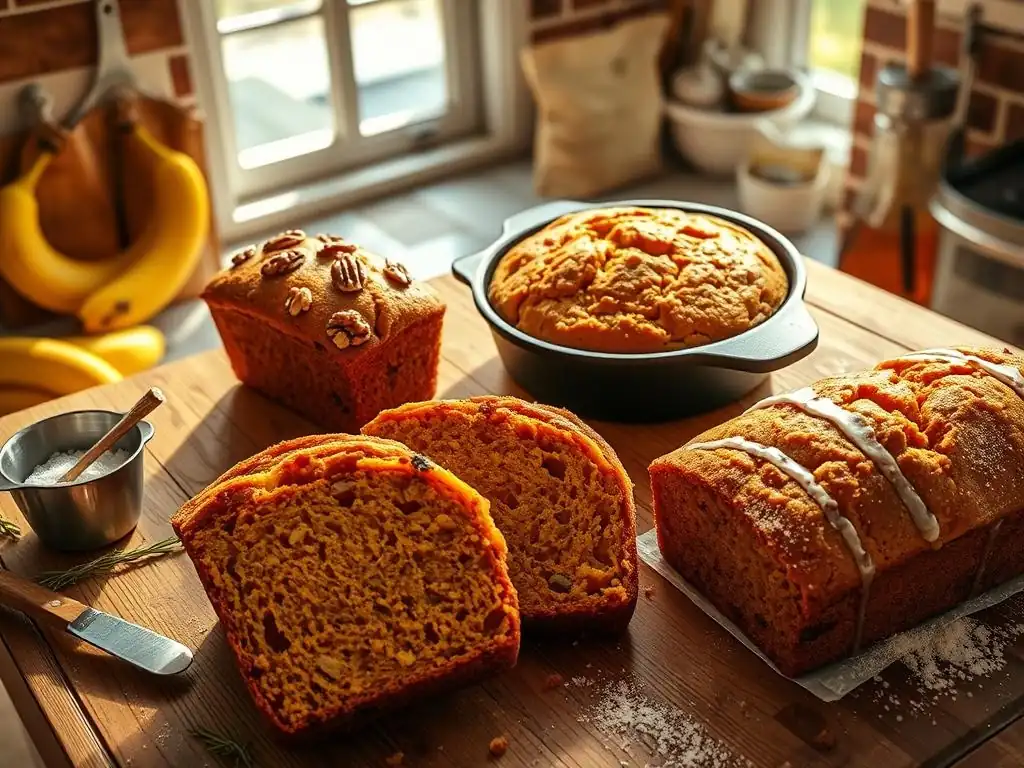
Welcome to BakeWithEase, your friendly guide to the delicious world of baking! Ever dreamed of fresh-baked bread without the fuss of yeast? Discover how to make easy yeast-free quick bread that’s surprisingly simple and undeniably satisfying. Intrigued? Let's unlock the secrets to baking success, one effortless recipe at a time.
- Quick & Easy Baking: Mastering Yeast-Free Breads
- BakeWithEase: Discover the Simplicity of Quick Breads
- Unlock Deliciousness: Yeast-Free Quick Bread Recipes for Beginners
- Essential Ingredients for Successful Yeast-Free Baking
- Top 3 Foolproof Yeast-Free Quick Bread Recipes
- Mastering Quick Bread Techniques: Tips for Baking Success
- Storing Your Delicious Yeast-Free Quick Breads
- Expanding Your Quick Bread Horizons: Variations and Beyond
- Bake with Confidence: Enjoy the World of Yeast-Free Quick Breads
- Frequently Asked Questions
- Final Reflection: The Joy of Yeast-Free Baking
- Unleash Your Inner Baker: Easy Breads Await!
Quick & Easy Baking: Mastering Yeast-Free Breads
BakeWithEase: Discover the Simplicity of Quick Breads
Welcome to BakeWithEase, your friendly guide to unlocking the joys of baking! Today, we're diving into the wonderful world of quick breads – a fantastic starting point for anyone new to the kitchen, especially if you're looking for an easy yeastfree quick bread experience. Unlike traditional loaves that rely on yeast and require hours of rising time, quick breads live up to their name, offering delicious results in a fraction of the time. They are the perfect solution when you crave fresh-baked goodness without the wait.
Whether you're a complete novice or just seeking a faster route to homemade treats, mastering a basic yeast-free quick bread is a rewarding skill. We'll walk you through the fundamentals, explore essential ingredients, share some foolproof recipes, and provide tips to help you bake with confidence. Get ready to discover just how simple and satisfying baking can be with these easy yeastfree quick bread recipes!
Unlock Deliciousness: Yeast-Free Quick Bread Recipes for Beginners
What are Quick Breads and Why Choose Yeast-Free?
Quick breads are baked goods that use chemical leavening agents, such as baking powder or baking soda, instead of yeast to rise. This is the key difference that makes them "quick" – there's no need for the lengthy fermentation and proofing steps required when working with yeast. Think muffins, scones, biscuits, and many types of loaves like banana bread or zucchini bread; these are all classic examples of quick breads. They offer immediate gratification, often ready to bake shortly after mixing the batter or dough.
Choosing yeast-free options is particularly appealing for new bakers because it removes a common variable that can be tricky: yeast activation and proofing. Yeast is a living organism sensitive to temperature and time, and getting it right requires a bit of practice. By opting for an easy yeastfree quick bread, you bypass this complexity.
You simply combine your wet and dry ingredients (often in separate bowls before mixing), and the chemical leaveners get to work as soon as they are moistened and exposed to heat in the oven, providing a reliable rise every time. This makes baking incredibly accessible and reduces the chances of a flat, dense result often associated with inactive yeast.
Benefits of Quick Breads: Speed, Simplicity, and Flavor
The most obvious benefit of baking an easy yeastfree quick bread is speed. You can often go from gathering ingredients to having a warm, baked good ready to eat in under an hour, sometimes even less for smaller items like muffins or biscuits. This makes them ideal for busy weeknights, last-minute guests, or when a sudden craving strikes.
For instance, a batch of simple drop biscuits can be mixed and baked in about 20-25 minutes total. A standard quick bread loaf, while taking longer in the oven (typically 50-60 minutes), requires very little hands-on time for mixing compared to a yeasted loaf which might need hours of rising.
Beyond speed, the simplicity of the process is a major draw for beginners. Most easy yeastfree quick bread recipes follow a straightforward method: combine dry ingredients, combine wet ingredients, mix them gently until just combined, and bake. There's no kneading required, which simplifies things immensely.
The forgiving nature of many quick bread batters also makes them beginner-friendly; even if your mixing isn't absolutely perfect, you're likely to end up with a delicious result. Furthermore, the versatility of quick breads is boundless. They serve as a fantastic base for incorporating all sorts of flavors – fruits, nuts, chocolate chips, cheese, herbs, and spices – allowing you to easily customize your bake and explore different tastes.
Essential Ingredients for Successful Yeast-Free Baking
Must-Have Pantry Items for Quick Breads
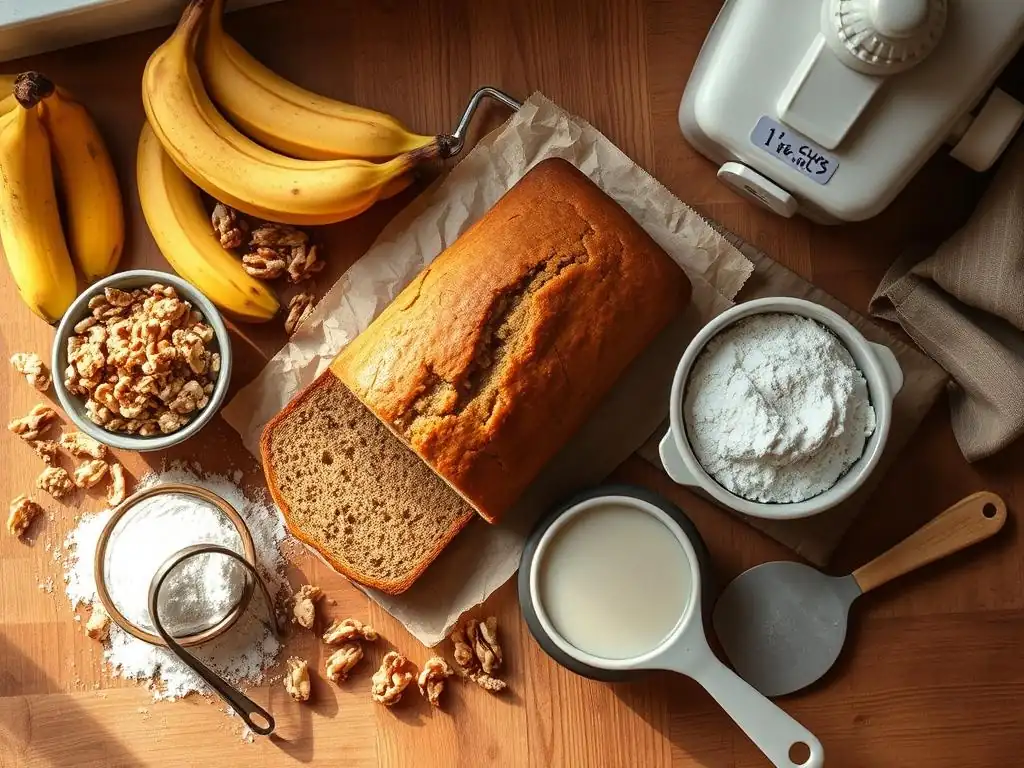
Building a foundation for easy yeastfree quick bread baking starts with stocking your pantry with a few key ingredients. All-purpose flour is the standard base for most recipes, providing structure. Granulated sugar or brown sugar adds sweetness and helps with browning and moisture retention. Salt is crucial for enhancing flavor; even in sweet quick breads, a pinch of salt makes a significant difference. Eggs act as a binder, helping the ingredients hold together and contributing to richness and structure.
Liquids like milk, buttermilk, or yogurt provide moisture and can interact with leavening agents. Fats such as butter (melted or softened), oil, or even applesauce contribute tenderness and flavor. And of course, the stars of the yeast-free show are the chemical leaveners: baking powder and/or baking soda. Having these staples on hand means you're always just a few steps away from whipping up a delicious easy yeastfree quick bread whenever the mood strikes. It's wise to check the expiration dates on your leaveners periodically, as their effectiveness diminishes over time.
Understanding Chemical Leaveners: Baking Powder vs. Baking Soda
Baking soda (sodium bicarbonate) is a single-acting leavener that requires an acid to activate and produce carbon dioxide bubbles, which cause batter to rise. Common acidic ingredients in quick breads include buttermilk, yogurt, sour cream, molasses, brown sugar, honey, fruit purees (like banana or applesauce), vinegar, or citrus juice. The reaction happens immediately upon mixing the soda with the acid and liquid, so it's important to get the batter into the oven quickly to capture the bubbles.
Baking powder, on the other hand, is a complete leavening system containing both an alkali (baking soda) and an acid, along with a filler like cornstarch. Most baking powders sold today are "double-acting," meaning they produce gas in two stages: first when mixed with liquid at room temperature, and again when heated in the oven. This double action provides a more sustained lift and offers a bit more flexibility if there's a slight delay between mixing and baking.
Recipes will specify which leavener(s) to use based on the other ingredients present and the desired outcome. Understanding this difference is key to successfully baking easy yeastfree quick bread recipes.
Top 3 Foolproof Yeast-Free Quick Bread Recipes
Ready to put your pantry staples to work? Here are three simple, delicious, and foolproof easy yeastfree quick bread recipes perfect for beginners.
Recipe 1: Zesty Lemon Loaf - A Bright and Flavorful Treat
This Lemon Loaf is incredibly moist, bursting with bright citrus flavor, and topped with a simple, tangy glaze. It's a delightful afternoon treat or a lovely addition to brunch. The recipe uses baking powder for its reliable rise.
#### Step-by-Step Lemon Loaf Recipe: From Batter to Glaze

*   **Yields:** 1 standard loaf (approx. 8-10 slices)
*   **Prep time:** 15 minutes
*   **Bake time:** 50-60 minutes

**Ingredients:**

*   1 and 1/2 cups all-purpose flour
*   1 teaspoon baking powder
*   1/2 teaspoon salt
*   1 cup granulated sugar
*   Zest of 1-2 large lemons (about 1 tablespoon)
*   1/2 cup (1 stick) unsalted butter, softened
*   2 large eggs
*   1/2 cup milk (whole or 2%)
*   1/4 cup fresh lemon juice

**For the Glaze:**

*   1 cup powdered sugar
*   2-3 tablespoons fresh lemon juice

**Instructions:**

*   Preheat your oven to 350°F (175°C). Grease and flour a 9x5 inch loaf pan.
*   In a medium bowl, whisk together the flour, baking powder, and salt.
*   In a large bowl, cream together the softened butter and sugar until light and fluffy. Add the lemon zest and mix to combine.
*   Beat in the eggs one at a time, mixing well after each addition.
*   In a small bowl, whisk together the milk and lemon juice.
*   Alternately add the dry ingredients and the milk mixture to the wet ingredients, beginning and ending with the dry ingredients (e.g., add 1/3 of flour mixture, mix, add 1/2 of milk mixture, mix, add 1/3 of flour mixture, mix, add remaining milk mixture, mix, add remaining flour mixture, mix). Mix until just combined, being careful not to overmix. A few small lumps are okay.
*   Pour the batter into the prepared loaf pan and spread evenly.
*   Bake for 50-60 minutes, or until a wooden skewer inserted into the center comes out clean.
*   Let the loaf cool in the pan for 10-15 minutes before inverting it onto a wire rack to cool completely.
*   While the loaf cools, make the glaze: Whisk together the powdered sugar and lemon juice in a small bowl until smooth. Add more juice for a thinner glaze, or less for a thicker one.
*   Once the loaf is completely cool, pour the glaze over the top, letting it drip down the sides.
*   Let the glaze set for about 15-20 minutes before slicing and serving.
Tips for the Perfect Tangy Lemon Loaf
Getting that vibrant lemon flavor and moist crumb in your easy yeastfree quick bread loaf is simple with a few pointers. Firstly, make sure your butter is truly softened – it should yield easily to pressure but not be melted. This helps it cream properly with the sugar, incorporating air for a lighter texture. Using fresh lemon zest and juice is non-negotiable for the best flavor; bottled juice simply doesn't compare. Zest contains potent oils that carry much of the lemon essence.
Do not overmix the batter once you add the wet and dry ingredients together. Overmixing develops gluten in the flour, which can lead to a tough loaf. Mix only until the dry ingredients are just incorporated. A few streaks of flour are perfectly fine. Baking time can vary depending on your oven, so rely on the skewer test rather than just the clock. If the top seems to be browning too quickly before the inside is done, you can loosely tent the loaf with foil for the last 15-20 minutes of baking.
Recipe 2: Cheddar & Chive Biscuits - Savory and Flaky
These savory biscuits are incredibly easy to make and deliver a tender, flaky texture with bursts of cheesy and herby flavor. They are fantastic served warm with butter, alongside soup or chili, or as a base for breakfast sandwiches. This easy yeastfree quick bread uses baking powder for lift and cold butter for flakiness.
#### Quick & Easy Cheddar Biscuit Recipe: A Comfort Food Classic

*   **Yields:** 8-10 biscuits
*   **Prep time:** 10 minutes
*   **Bake time:** 18-22 minutes

**Ingredients:**

*   2 cups all-purpose flour
*   1 tablespoon baking powder
*   1/2 teaspoon salt
*   1/4 teaspoon black pepper
*   1/2 cup (1 stick) cold unsalted butter, cut into small cubes
*   3/4 cup shredded sharp cheddar cheese
*   2 tablespoons chopped fresh chives
*   3/4 cup milk or buttermilk (buttermilk adds tang and tenderness)

**Instructions:**

*   Preheat oven to 400°F (200°C). Line a baking sheet with parchment paper.
*   In a large bowl, whisk together the flour, baking powder, salt, and pepper.
*   Cut in the cold butter using a pastry blender, forks, or your fingertips until the mixture resembles coarse crumbs with some pea-sized pieces of butter remaining.
*   Stir in the shredded cheddar cheese and chopped chives.
*   Pour in the milk or buttermilk and stir with a fork or rubber spatula until the dough just comes together. Do not overmix.
*   Turn the dough out onto a lightly floured surface. Knead gently 3-4 times – just enough to bring it together.
*   Pat or roll the dough to about 1/2 inch thickness.
*   Cut out biscuits using a biscuit cutter or a sharp knife (for squares). Try to cut straight down without twisting the cutter for the best rise.
*   Place biscuits on the prepared baking sheet, leaving a little space between them.
*   Bake for 18-22 minutes, or until golden brown and risen.
*   Serve warm.
Variations on Biscuits: Adding Herbs, Spices, and Cheese
The beauty of an easy yeastfree quick bread like biscuits is how easily you can customize them. While cheddar and chive is a classic, feel free to experiment! For a different cheesy twist, try using Gruyère, Parmesan, or a spicy Pepper Jack cheese. You can use roughly the same amount of cheese, around 3/4 cup to 1 cup.
Instead of chives, consider adding other fresh herbs like rosemary, thyme, or dill, using about 1-2 tablespoons chopped. Dried herbs can also work, but use about 1/3 the amount of fresh (e.g., 1-2 teaspoons dried). Spices like a pinch of cayenne pepper for heat, garlic powder, or onion powder can also be mixed into the dry ingredients for extra flavor dimension. For a sweeter biscuit, you can omit the cheese and herbs, add a tablespoon or two of sugar to the dry mix, and perhaps include some dried cranberries or blueberries.
Recipe 3: Double Chocolate Chip Muffins - Indulgent and Easy
Who doesn't love a warm, chocolatey muffin? These Double Chocolate Chip Muffins are incredibly moist, rich, and satisfy any chocolate craving. They are a perfect example of an easy yeastfree quick bread in muffin form, relying on baking soda and baking powder for their fluffy texture.
#### Simple Chocolate Chip Muffin Recipe: A Decadent Delight

*   **Yields:** 12 standard muffins
*   **Prep time:** 10 minutes
*   **Bake time:** 20-25 minutes

**Ingredients:**

*   1 and 3/4 cups all-purpose flour
*   1/2 cup unsweetened cocoa powder
*   1 teaspoon baking soda
*   1/2 teaspoon baking powder
*   1/4 teaspoon salt
*   1 cup granulated sugar
*   1 large egg
*   1 cup milk (whole or 2%)
*   1/2 cup vegetable oil (or other neutral oil)
*   1 teaspoon vanilla extract
*   1 cup chocolate chips (semi-sweet, milk, or dark)

**Instructions:**

*   Preheat oven to 375°F (190°C). Line a 12-cup muffin tin with paper liners or grease and flour the cups.
*   In a large bowl, whisk together the flour, cocoa powder, baking soda, baking powder, salt, and sugar.
*   In a separate medium bowl, whisk together the egg, milk, oil, and vanilla extract.
*   Pour the wet ingredients into the bowl with the dry ingredients. Stir with a spatula or wooden spoon until just combined. Do not overmix. The batter will be thick.
*   Gently fold in the chocolate chips.
*   Divide the batter evenly among the prepared muffin cups, filling each about two-thirds full.
*   Bake for 20-25 minutes, or until a wooden skewer inserted into the center of a muffin comes out with moist crumbs attached, but not wet batter.
*   Let the muffins cool in the tin for 5-10 minutes before transferring them to a wire rack to cool slightly more before serving.
Serving Suggestions for Warm Chocolate Chip Muffins
These easy yeastfree quick bread muffins are absolutely divine served warm, perhaps just a few minutes after they come out of the oven. The chocolate chips will still be slightly gooey and melted. Enjoy them as they are, or consider adding a little something extra. A pat of butter melts beautifully into the warm crumb, enhancing the richness.
For an extra indulgent treat, serve them with a scoop of vanilla ice cream or a dollop of whipped cream. A sprinkle of powdered sugar or a light drizzle of chocolate syrup can also elevate their presentation and taste. They pair wonderfully with a glass of cold milk, a cup of coffee, or a warm mug of tea. While they are best enjoyed fresh, these muffins make a quick and easy breakfast or snack throughout the week.
Mastering Quick Bread Techniques: Tips for Baking Success
Achieving the Right Texture: Mixing Techniques for Quick Breads
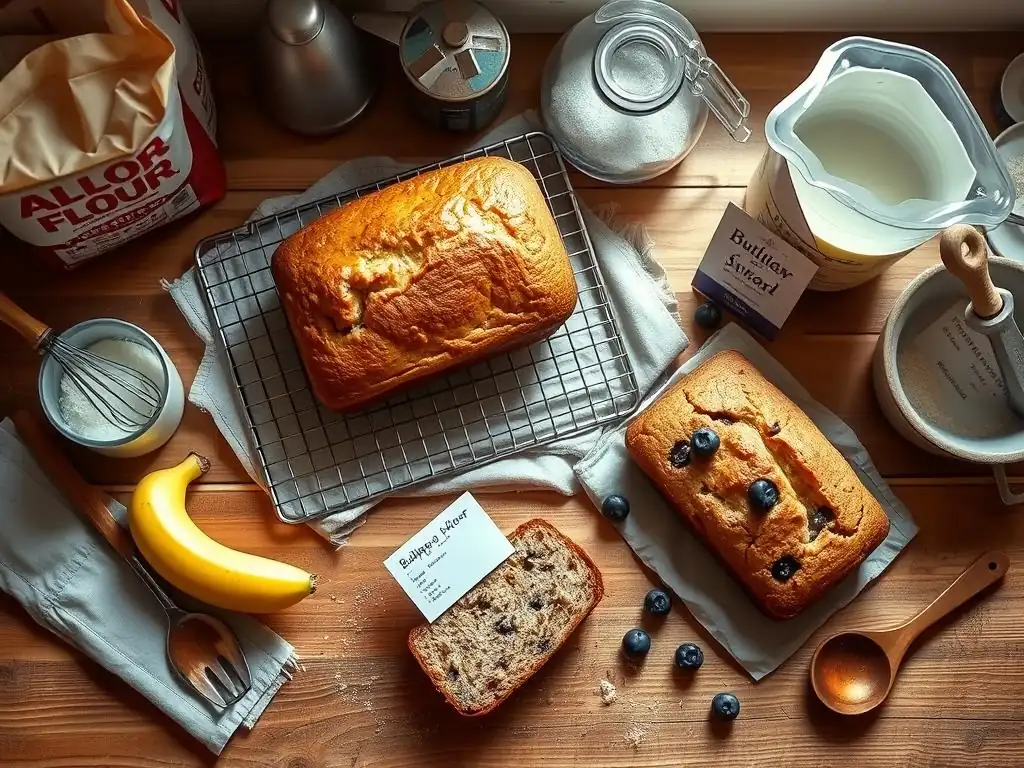
The key to a tender, moist easy yeastfree quick bread lies heavily in how you mix the ingredients. Unlike yeast doughs that require kneading to develop gluten for structure, quick breads aim to minimize gluten development. Gluten provides chewiness, which is desirable in bread but not typically in a soft muffin or tender loaf. The standard method, often called the "muffin method" or "quick bread method," involves combining dry ingredients in one bowl, wet ingredients in another, and then quickly combining the two.
When combining the wet and dry mixtures, use a light hand and a spatula or wooden spoon. Stir only until the dry ingredients are just incorporated – meaning you no longer see significant pockets of dry flour. The batter or dough will likely look lumpy, and that's exactly what you want!
Overmixing, even for just a few extra seconds, can activate too much gluten, resulting in a tough or rubbery texture. For biscuits and scones, which are a type of quick bread, the technique involves cutting in cold fat before adding liquid and mixing minimally, often just until the dough comes together.
Optimizing Baking Time and Temperature for Perfect Results
Getting the baking time and temperature right is crucial for ensuring your easy yeastfree quick bread is cooked through without being dry or burnt. Most quick bread recipes call for a moderate oven temperature, typically between 350°F (175°C) and 400°F (200°C), depending on the type and size of the bake.
Loaves usually bake at a lower temperature for a longer time (like 350°F for 50-60 minutes) to allow the heat to penetrate to the center without overbrowning the crust. Muffins and biscuits, being smaller, bake at a slightly higher temperature for a shorter duration (like 375-400°F for 18-25 minutes) to help them rise quickly and achieve a good crust.
Always preheat your oven fully before putting your quick bread in. An oven thermometer can be helpful to ensure your oven's temperature is accurate. Baking time is always an estimate; the best way to check for doneness is the toothpick or skewer test. Insert a wooden skewer or toothpick into the center of the loaf or muffin.
If it comes out clean or with just a few moist crumbs attached (not wet batter), it's done. If it comes out with wet batter, continue baking for a few more minutes and test again. Overbaking is a common cause of dry quick breads.
Troubleshooting Common Quick Bread Issues: [Toughness, Uneven Baking, etc.]
Even with easy yeastfree quick bread recipes, you might encounter occasional issues. Don't worry, they are usually simple to diagnose and fix for next time!
- Tough Texture: This is almost always due to overmixing the batter. Remember to mix only until the dry ingredients are just combined. Using melted butter instead of softened or oil when a recipe calls for creaming butter can also contribute to toughness.
- Uneven Baking: Check your oven temperature with an oven thermometer – it might be running hot or cold. Also, ensure your quick bread is placed in the center of the oven rack for even heat distribution. Sometimes, dense add-ins like heavy fruit can sink and cause the bottom to cook differently; try tossing fruit in a tablespoon of flour before adding to the batter.
- Flat Tops / Poor Rise: This could be due to inactive leavening agents (check expiration dates! ), under-mixing (not quite enough lift generated), or opening the oven door too early during baking, causing a sudden drop in temperature. Ensure your baking powder/soda is fresh and resist the urge to peek for at least the first two-thirds of the baking time.
- Dry Quick Bread: Most often caused by overbaking. Use the skewer test! Using too much flour or not enough fat or liquid can also result in a dry crumb. Measuring flour accurately (spooning it into the measuring cup and leveling off) is important; scooping directly can pack it down, adding too much.
By understanding these common pitfalls, you can easily improve your easy yeastfree quick bread baking skills with each attempt.
Storing Your Delicious Yeast-Free Quick Breads
Maintaining Freshness: Proper Storage Techniques
Once your easy yeastfree quick bread has cooled completely (this is important to prevent condensation), proper storage is key to keeping it fresh and moist. For most quick bread loaves, muffins, or biscuits, storing them at room temperature is best for the first 1-2 days. Wrap loaves tightly in plastic wrap, then place them in an airtight container or a resealable plastic bag. Muffins and biscuits can be stored in an airtight container.
If your quick bread contains perishable ingredients like fresh fruit or cream cheese (though less common in basic quick breads), it's safer to store it in the refrigerator. Regardless of where you store it, minimizing exposure to air is crucial to prevent it from drying out. For longer storage, freezing is an excellent option.
Freezing Quick Breads for Longer Enjoyment
Freezing is a fantastic way to preserve your easy yeastfree quick bread for several weeks or even months, allowing you to enjoy your baking efforts long after they're made. Ensure the quick bread is completely cooled before freezing. For loaves, you can freeze the whole loaf, half a loaf, or slice it before freezing. Wrap the quick bread tightly in plastic wrap, then wrap it again in aluminum foil or place it in a freezer-safe bag or container. This double layer helps prevent freezer burn.
Muffins and biscuits can be frozen individually. Place them on a baking sheet and freeze until solid (about 1-2 hours), then transfer them to a freezer-safe bag or container. Freezing individually prevents them from sticking together. Most quick breads can be frozen for up to 2-3 months. To thaw, simply unwrap the quick bread and let it sit at room temperature for a few hours (loaves will take longer than muffins or biscuits). For a warm treat, you can gently reheat slices or individual portions in a toaster oven or microwave.
Expanding Your Quick Bread Horizons: Variations and Beyond
Exploring Flavor Combinations: [Spices, Extracts, Citrus Zest, etc.]
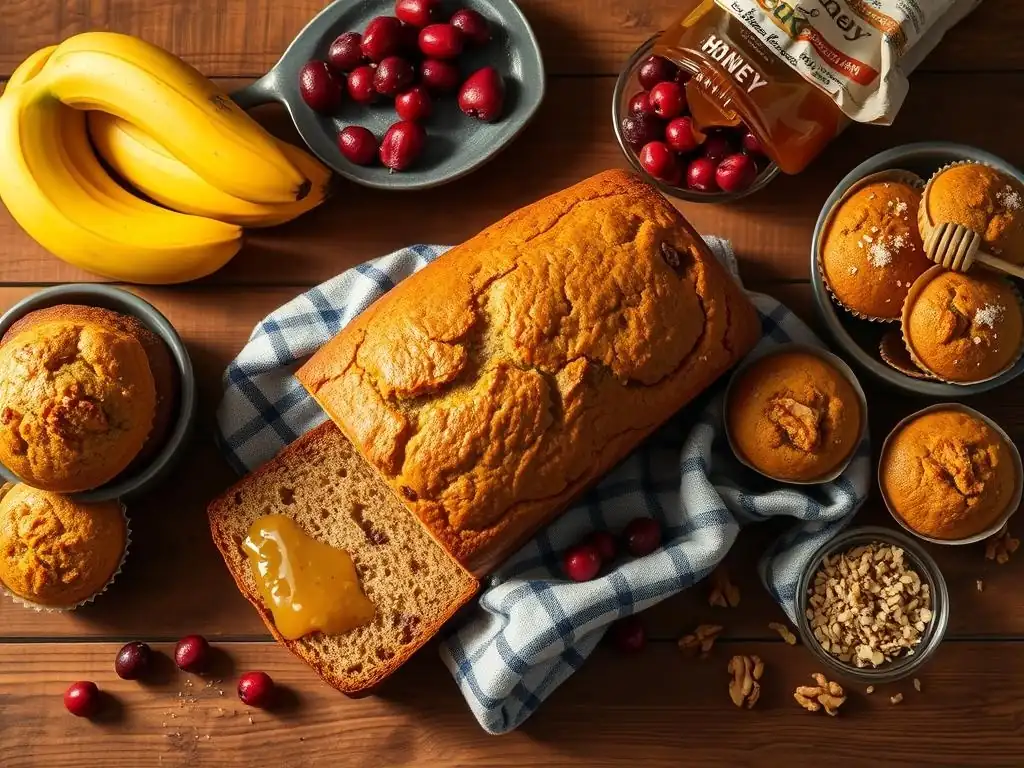
The basic framework of an easy yeastfree quick bread is incredibly versatile, inviting you to play with a vast array of flavor combinations. Beyond the lemon, cheese, and chocolate examples, consider adding warming spices like cinnamon, nutmeg, ginger, or cardamom to your batters. Vanilla extract is a staple, but almond extract, maple extract, or even peppermint extract can introduce exciting new dimensions.
Citrus zest from oranges, limes, or grapefruits can replace or complement lemon zest for different bright notes. Incorporating different fruits – fresh or dried blueberries, cranberries, chopped apples, mashed bananas, grated zucchini or carrots – adds moisture, sweetness, and texture. Nuts like walnuts, pecans, or almonds provide crunch. Don't forget savory options beyond cheese and chives; sun-dried tomatoes, olives, or cooked bacon bits can transform a simple biscuit or scone into a delicious savory snack. The possibilities for customizing your easy yeastfree quick bread are almost endless!
Experimenting with Different Quick Bread Forms: [Loaves, Muffins, Scones, etc.]
While we've focused on loaves, muffins, and biscuits, the world of quick breads includes many other delightful forms. Scones are a close cousin to biscuits, often containing egg and sometimes cream, resulting in a richer dough that's typically cut into wedges. Cobblers and crumbles often feature a quick bread-like topping baked over fruit. Dumplings cooked in stews are another form of quick bread.
Once you feel comfortable with basic easy yeastfree quick bread recipes, try adapting your favorite flavors into different shapes. A banana bread batter can easily become banana muffins. A basic scone dough can be flavored with herbs and cheese for a savory treat. Experimenting with different pan sizes and shapes (like mini loaf pans or bundt pans) will require adjusting baking times, but the fundamental principles remain the same. This opens up a whole new realm of easy yeastfree quick bread possibilities to explore in your kitchen.
Bake with Confidence: Enjoy the World of Yeast-Free Quick Breads
You've now taken your first steps into the accessible and rewarding world of quick breads. With just a few pantry staples and some simple techniques, you can whip up delicious, homemade treats in a fraction of the time it takes to bake with yeast. From sweet loaves and muffins to savory biscuits and scones, the variety of easy yeastfree quick bread recipes available is vast and exciting.
Remember the key principles: accurate measuring, gentle mixing, and baking until just done. Don't be afraid to try variations and make these recipes your own. Baking an easy yeastfree quick bread is a fantastic way to build confidence in the kitchen and share delicious moments with friends and family. Happy baking!
Frequently Asked Questions
What exactly is a "quick bread" and how does it differ from regular bread?
Quick breads are leavened using chemical leaveners like baking powder or baking soda, instead of yeast. This means they require no proofing time and are much faster to make than traditional yeast breads.
Why are quick breads a good option for beginner bakers?
They're remarkably simple! Quick breads typically involve minimal ingredients and straightforward mixing methods, making them less intimidating for those new to baking.
Can I substitute ingredients in quick bread recipes?
While some substitutions are possible, it's important to be careful. Certain ingredients, like eggs, contribute to the structure, so altering them significantly can affect the final result.
What are some common mistakes to avoid when making quick bread?
Overmixing the batter is a big one! This can lead to a tough, dense bread. Also, ensure your leavening agents are fresh for proper rising.
How do I store quick bread to keep it fresh?
Wrap it tightly in plastic wrap or store it in an airtight container at room temperature. For longer storage, freezing is an excellent option, preserving its flavor and texture.
Final Reflection: The Joy of Yeast-Free Baking
The accessibility of baking is often underestimated, with many believing that delicious breads require complex techniques and lengthy processes. But as this article has demonstrated, creating wonderfully flavorful and satisfying quick breads is surprisingly simple, even without the use of yeast. This opens up a world of baking possibilities for everyone, regardless of skill level or time constraints.
The ease and speed of yeast-free baking have profoundly impacted my own approach to cooking. It's allowed me to experiment with different flavors and textures without the pressure of precise timing and temperature control often associated with yeast-based recipes. This newfound freedom has been incredibly rewarding. The best things in life are simple,
a sentiment that rings especially true when considering the uncomplicated joy of a perfectly baked, yeast-free loaf.
Now, it's your turn. Don't be intimidated by the idea of baking; embrace the simplicity and versatility of yeast-free quick breads. Experiment with different flours, add-ins, and spices to create your own signature loaves. The satisfaction of creating something delicious and nourishing from scratch is a truly rewarding experience, and with these simple recipes, it's more accessible than you might think. So, gather your ingredients, preheat your oven, and discover the joy of yeast-free baking for yourself!
Unleash Your Inner Baker: Easy Breads Await!
Thanks for joining us on this baking adventure! We hope you've discovered the joy of creating delicious quick breads without the fuss of yeast. Ready to take your newfound skills to the next level?
- Bake your first no-yeast loaf today! Choose your favorite recipe from the article and get baking. Let the aroma fill your kitchen!
- Share your baking triumph! Snap a picture of your creation and share it on social media using #BakeWithEaseNoYeast. Let's inspire others!
- Explore our other easy baking recipes: Dive deeper into the BakeWithEase library for even more delightful treats.
What delicious flavor combination will you create next?