
Sugar Secrets for Beginner Classic Cookies

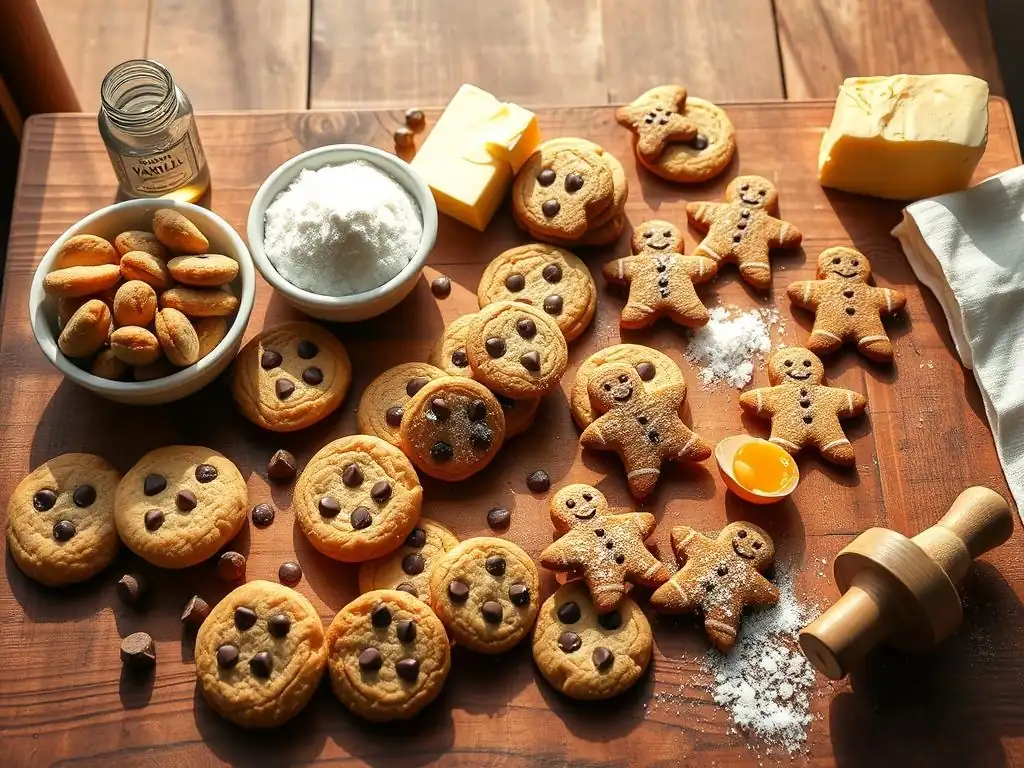
Welcome to BakeWithEase, where baking becomes a joy, not a chore! Ready to unlock the secrets to perfect cookies? Dive into our guide on easy classic cookie recipes and discover the simple steps to baking success. What if we told you incredible cookies were just a few ingredients and a little know-how away? Let's get baking!
- Sugar Secrets for Beginner Classic Cookies: BakeWithEase
- Mastering Easy Classic Cookie Recipes: A Beginner's Guide
- Understanding Sugar's Role in Classic Cookie Baking
- Sugar Ratios for Perfect Classic Cookies: Bake With Ease
- Easy Classic Cookie Recipes & Sugar Variations
- Troubleshooting Common Sugar-Related Cookie Problems
- Storing Your Classic Cookies: Maintaining Sugar Freshness
-
Frequently Asked Questions
- What makes BakeWithEase recipes "easy"?
- Are the cookie recipes on BakeWithEase suitable for beginners?
- What types of classic cookie recipes can I find on BakeWithEase?
- Does BakeWithEase offer tips for troubleshooting cookie baking problems?
- What ingredients are typically required for BakeWithEase's "easy classic cookie recipes"?
- Final Reflection: The Enduring Sweetness of Simple Cookies
- Unlock Your Inner Cookie Master!
Embarking on the journey of baking is exciting, and classic cookies are often the first delightful destination for many novice bakers. These easy classic cookie recipes provide a fantastic foundation, teaching fundamental techniques that build confidence. From the simple joy of scooping dough to the anticipation as they bake golden brown, mastering these basic treats is incredibly rewarding. Understanding the role of each ingredient is key to success, especially sugar, which is far more than just a sweetener in these beloved recipes.
Sugar significantly impacts the texture, spread, color, and flavor of your cookies. Learning how different types of sugar behave and how varying their proportions affects the final outcome will elevate your baking from simply following instructions to truly understanding the craft. This guide will demystify sugar's function, helping you consistently bake perfect easy classic cookie recipes right from your first attempt.
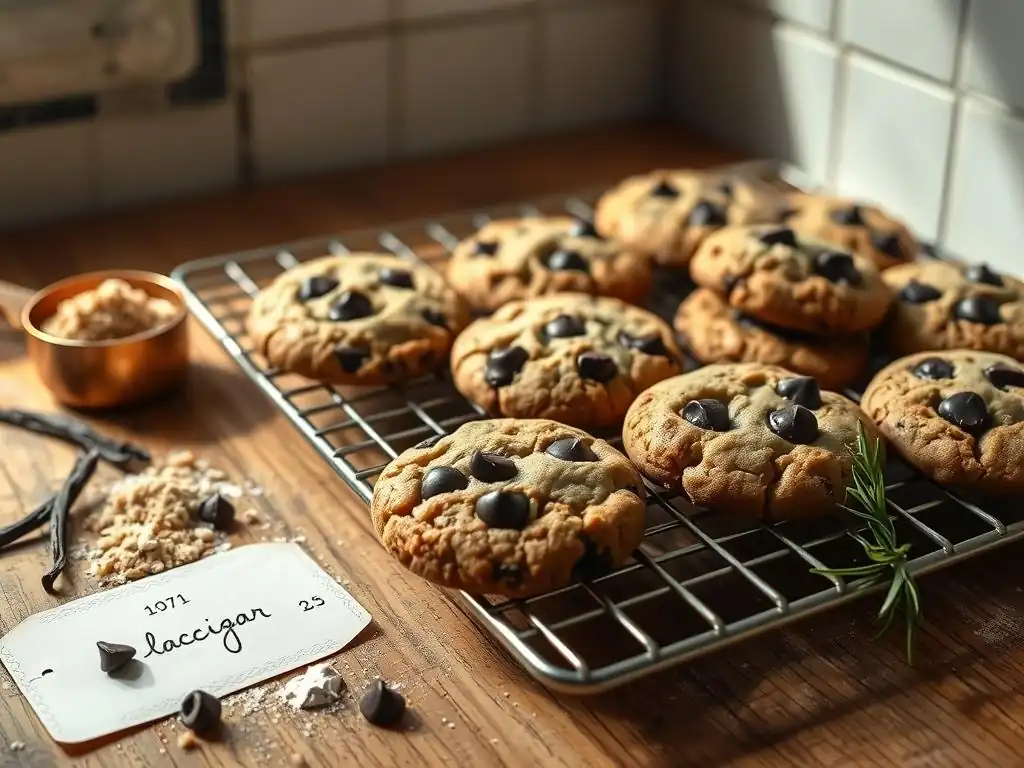
Sugar is a powerhouse ingredient in easy classic cookie recipes, contributing much more than just sweetness. It plays a critical role in the physical and chemical transformations that occur during baking, influencing everything from how your cookies spread on the baking sheet to their final chewiness or crispness. Think of sugar as a foundational building block that interacts with other ingredients like flour, butter, and eggs to create that desirable cookie texture and appearance.
Beyond its structural contributions, sugar also aids in browning through processes like caramelization and the Maillard reaction, giving cookies their appealing golden edges and rich, developed flavors. It also helps to keep cookies moist by attracting and holding onto water molecules, contributing to a tender crumb. For beginners tackling easy classic cookie recipes, grasping these core functions of sugar is essential for predicting and controlling your baking results.
When you bake cookies, sugar undergoes several transformations. As the dough heats up, granulated sugar crystals begin to melt at temperatures typically around 320°F (160°C). This melting sugar contributes to the spread of the cookie dough on the baking sheet. If there's too much sugar or not enough flour to provide structure, the cookies can spread excessively thin. The molten sugar also interacts with proteins and amino acids (from ingredients like milk or eggs) and fats, facilitating the Maillard reaction, which is responsible for savory flavors and browning in many baked goods, including the edges of your cookies.
As temperatures rise further, especially near the edges of the cookie where moisture evaporates faster, the sugar can start to caramelize, typically above 340°F (170°C). Caramelization adds complex, slightly bitter, and nutty flavors and contributes to the cookie's golden-brown color and crisp texture. The ratio of sugar to other ingredients, particularly flour and fat, dictates the degree of spread, browning, and the balance between chewiness and crispiness. A higher sugar content generally leads to a crispier, more spread-out cookie, while less sugar often results in a softer, cakier texture, crucial nuances for any easy classic cookie recipe.
Different Types of Sugar for Baking: Choosing the Right One
The type of sugar you use profoundly impacts the outcome of your easy classic cookie recipes. While seemingly similar, different sugars vary in crystal size, moisture content, and flavor profile, each lending unique characteristics to the final product. Understanding these differences helps you select the best sugar for the desired texture and taste in your simple cookie recipes.
For instance, substituting one type of sugar for another without considering its properties can drastically alter the cookie's spread, chewiness, and overall structure. A classic chocolate chip cookie recipe typically calls for a blend of granulated and brown sugar precisely because this combination provides a balance of crisp edges from the granulated sugar and a moist, chewy center from the brown sugar's molasses content. Knowing which sugar to use is a key step in mastering easy classic cookie recipes.
Granulated Sugar: The Classic Choice for Cookies
Granulated sugar, often called white sugar, is the most common sugar used in easy classic cookie recipes. Its fine, uniform crystals dissolve relatively easily during mixing and melting during baking. When it melts, granulated sugar contributes to the spread of the cookie dough and, upon cooling, recrystallizes, which is crucial for creating a crisp texture, especially around the edges of the cookie.
Beyond texture, granulated sugar provides a clean, pure sweetness that allows other flavors, like vanilla or chocolate, to shine. Recipes relying primarily on granulated sugar, such as many shortbread or basic sugar cookies, tend to be flatter and crisper compared to those using other sugar types. It's a fundamental ingredient in countless easy classic cookie recipes for a reason – it delivers reliable sweetness and structure.
Brown Sugar: Adding Moisture and Molasses Flavor
Brown sugar is essentially granulated sugar with molasses added back in. The molasses content is what gives brown sugar its characteristic color, moist texture, and distinct flavor. Light brown sugar contains about 3.5% molasses, while dark brown sugar contains about 6.5%. This molasses is hygroscopic, meaning it attracts and retains moisture, which directly impacts cookie texture.
When used in easy classic cookie recipes, brown sugar contributes to a softer, chewier texture and helps keep cookies moist for longer. The molasses also adds a subtle, complex flavor that pairs wonderfully with ingredients like chocolate, oats, and spices. Recipes that use a higher proportion of brown sugar compared to granulated sugar, like many chewy chocolate chip cookies, will typically spread less and remain softer after baking.
Powdered Sugar (Confectioners' Sugar): For Delicate Textures
Powdered sugar, also known as confectioners' sugar or icing sugar, is granulated sugar that has been finely ground into a powder and typically mixed with a small amount of cornstarch (usually around 3%) to prevent clumping. Its extremely fine texture affects how it interacts with other ingredients, particularly fats.
In easy classic cookie recipes like shortbread or certain tender butter cookies, powdered sugar is sometimes used in the dough. Because it doesn't have large crystals that need to melt and spread like granulated sugar, it can result in a more tender, crumbly texture. However, its most common use in beginner cookie recipes is for dusting or creating simple glazes and icings, like the classic glaze for sugar cookies, dissolving easily to create a smooth finish without a grainy texture.
The ratio of sugar to other key ingredients, especially flour and fat, is a fundamental determinant of cookie texture and spread in easy classic cookie recipes. It's not just about how much sugar you add, but how that amount compares to the other structural components. Understanding these ratios allows you to predict, and even manipulate, the outcome of your baking.
For instance, a recipe with a high sugar-to-flour ratio (like 1 part sugar to 1 part flour) will likely produce a cookie that spreads significantly and is crisp. Conversely, a lower sugar-to-flour ratio (perhaps 1 part sugar to 2 parts flour) tends to result in a thicker, softer, or cakier cookie with less spread. For beginners, following recommended ratios in easy classic cookie recipes is crucial, but knowing why those ratios work provides valuable insight for future baking adventures.
The Importance of Accurate Sugar Measurements
Precise measurement is paramount in baking, and sugar is no exception in easy classic cookie recipes. Using too much or too little sugar, even by a small amount, can significantly alter the chemistry and structure of the dough. For example, adding an extra quarter cup of sugar to a standard batch of chocolate chip cookies could cause them to spread much thinner than intended, potentially resulting in a crisp, lacy cookie instead of a chewy one.
Conversely, reducing the sugar significantly without adjusting other ingredients can lead to a cookie that doesn't spread enough, is dry, and lacks the desired sweetness and browning. Using standard measuring cups, leveling off granulated and brown sugar (packing brown sugar firmly), and ideally, using a kitchen scale for accuracy (e.g., weighing 1 cup of granulated sugar typically around 200g) will ensure consistent results every time you bake easy classic cookie recipes.
Once you understand the basics, you can subtly adjust sugar ratios in easy classic cookie recipes to achieve different textures. For a chewier cookie, increase the proportion of brown sugar relative to granulated sugar. The molasses keeps the cookie moist and soft. A common ratio for chewy chocolate chip cookies might be equal parts brown and granulated sugar, or even slightly more brown sugar.
To achieve a crispier cookie, increase the overall sugar content relative to flour and use more granulated sugar than brown sugar. The higher sugar content promotes spread and, upon cooling, recrystallizes into a firm structure. For a softer, cakier cookie, reduce the overall sugar content slightly and ensure the dough isn't overmixed, which can develop too much gluten. Many easy classic cookie recipes provide guidelines for achieving a specific texture, and sugar plays a leading role in that outcome.
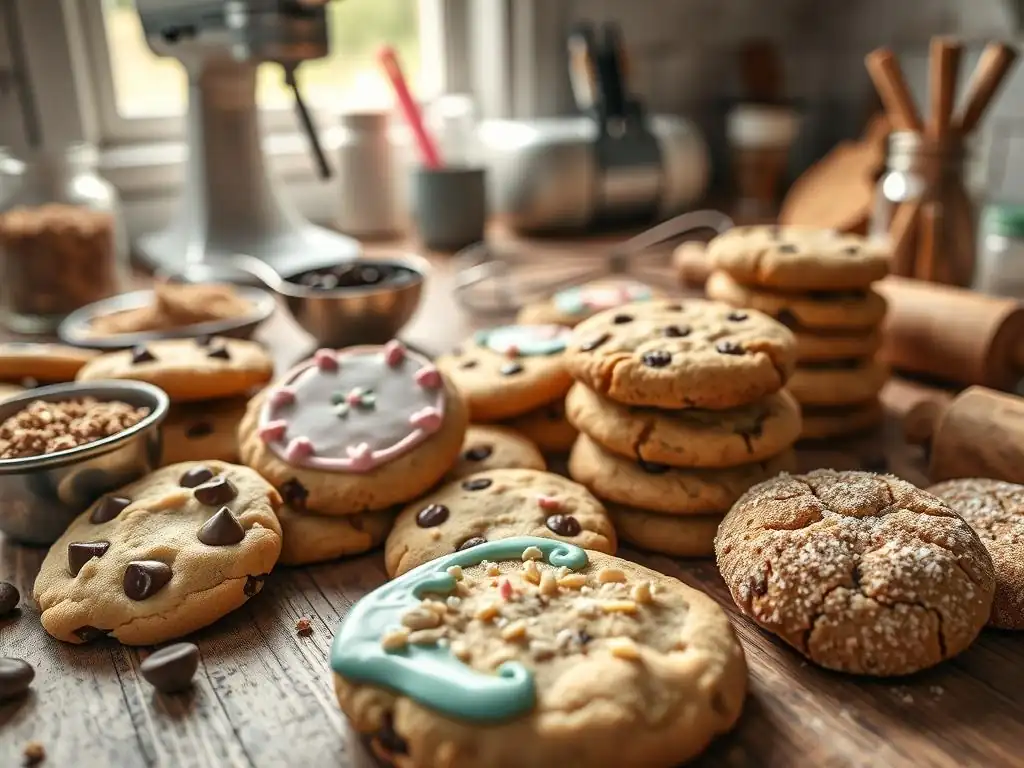
Let's look at how sugar works in some specific easy classic cookie recipes that are perfect for beginners. Understanding the sugar choices in these popular recipes provides practical examples of the principles we've discussed. Each recipe utilizes sugar in a way that contributes to its signature texture and flavor profile, making them excellent case studies for learning.
By examining common variations within these recipes, like swapping sugar types or adjusting amounts, you can see firsthand how these small changes yield different results. This hands-on experience is invaluable for building your baking intuition and confidently tackling new easy classic cookie recipes in the future.
Classic chocolate chip cookies are a staple for anyone learning easy classic cookie recipes. The standard recipe typically calls for a combination of granulated and brown sugar, usually in roughly equal amounts or with slightly more brown sugar. This blend is key to achieving the beloved texture: a slightly crisp edge with a soft, chewy center. The granulated sugar promotes spread and crispness, while the brown sugar adds chewiness and moisture due to its molasses content.
The ratio of sugars can be tweaked to lean towards one texture or another. For instance, increasing the brown sugar creates a chewier cookie, while increasing the granulated sugar yields a crispier result. Baking time and temperature also play a role, but the sugar blend is a primary driver of texture in these iconic easy classic cookie recipes.
Using Brown Sugar for Chewier Chocolate Chip Cookies
If your goal is a decidedly chewy chocolate chip cookie from your easy classic cookie recipes, focus on using a higher proportion of brown sugar. A common ratio for maximum chewiness might be to use twice as much brown sugar as granulated sugar (e.g., 1 cup packed brown sugar and ½ cup granulated sugar). The extra molasses retains more moisture throughout the baking process and after cooling, preventing the cookie from drying out and becoming brittle.
This emphasis on brown sugar also imparts a richer, deeper flavor profile thanks to the molasses. Remember to pack your brown sugar firmly into the measuring cup to ensure you're using the correct amount; loosely packed brown sugar will result in less sugar by weight and a potentially drier, less chewy cookie. Mastering this brown sugar technique is a great step in expanding your easy classic cookie recipes repertoire.
Granulated Sugar for Crispier Chocolate Chip Cookies
For those who prefer a crispier chocolate chip cookie from their easy classic cookie recipes, increasing the proportion of granulated sugar is the way to go. You might use more granulated sugar than brown sugar, or even use only granulated sugar in some variations. A ratio like 1 cup granulated sugar to ½ cup packed brown sugar, or even eliminating brown sugar entirely (though this significantly changes the flavor), will lead to a crispier outcome.
The higher percentage of granulated sugar encourages more spread during baking as the crystals melt. Upon cooling, these melted sugars recrystallize into a harder, more brittle structure, resulting in that satisfying snap. While some chewiness might still be present in the center depending on thickness and baking time, the overall texture will be much firmer compared to a brown sugar-heavy version. Experimenting with this ratio is a simple way to customize your easy classic cookie recipes.
Simple sugar cookies are a fantastic canvas for beginners exploring easy classic cookie recipes. These recipes often rely primarily on granulated sugar, sometimes with a small amount of powdered sugar. The granulated sugar provides structure and a clean sweetness, allowing the buttery flavor to shine. The ratio of sugar to butter and flour is key here, influencing how much the cookie spreads and whether it holds its shape for cutting.
A typical sugar cookie recipe might use roughly equal parts sugar and butter by weight, and slightly more flour. For example, 1 cup (200g) granulated sugar, ½ cup (113g) butter, and 1 ½ cups (180g) flour. This ratio ensures a dough that is firm enough to roll and cut shapes while still baking into a tender cookie. Getting this ratio right is fundamental to successful easy classic cookie recipes like sugar cookies.
Powdered Sugar Glaze for Sugar Cookies: A Beginner's Delight
While the dough often uses granulated sugar, powdered sugar is indispensable for finishing many easy classic cookie recipes, particularly sugar cookies. A simple glaze made from powdered sugar and a liquid (like milk, water, or lemon juice) creates a smooth, sweet coating that dries firm. This is an easy decorative technique perfect for beginners.
Making a basic glaze involves whisking about 1 cup (120g) of powdered sugar with 1-2 tablespoons of liquid until smooth. The cornstarch in the powdered sugar helps the glaze set. This simple addition not only adds sweetness but also a pleasing texture contrast to the cookie itself, making decorating your easy classic cookie recipes both fun and delicious.
Oatmeal raisin cookies are another classic among easy classic cookie recipes, known for their chewy texture and comforting flavor. Like chocolate chip cookies, they typically use a blend of brown and granulated sugar. The brown sugar is particularly important here, contributing significantly to the moist chewiness that pairs so well with the oats and raisins.
The sweetness from the sugar also balances the earthy flavor of the oats and the natural sweetness and slight tang of the raisins. A common ratio might lean heavily on brown sugar, perhaps using 1.5 parts brown sugar to 1 part granulated sugar, ensuring a soft, moist cookie that doesn't dry out easily. Getting this sugar balance right is key to the signature texture and taste of these easy classic cookie recipes.
Reducing Sugar in Oatmeal Raisin Cookies: Healthier Options
For those looking to make their easy classic cookie recipes slightly healthier, oatmeal raisin cookies offer a good opportunity to experiment with reducing sugar. Because raisins are naturally sweet, you can often slightly decrease the total amount of sugar in the recipe without a drastic loss of flavor. However, be mindful that reducing sugar will impact texture and spread.
Reducing the sugar by 10-20% is often possible without completely changing the cookie's structure, resulting in a less sweet but still delicious treat. For example, if a recipe calls for 1 ½ cups of sugar, you might try using 1 ¼ cups instead. Be aware that significantly reducing sugar (e.g., by half) will likely result in a thicker, cakier cookie that doesn't spread as much and may not brown as well. It's a balance between sweetness, texture, and achieving your desired outcome in your easy classic cookie recipes.
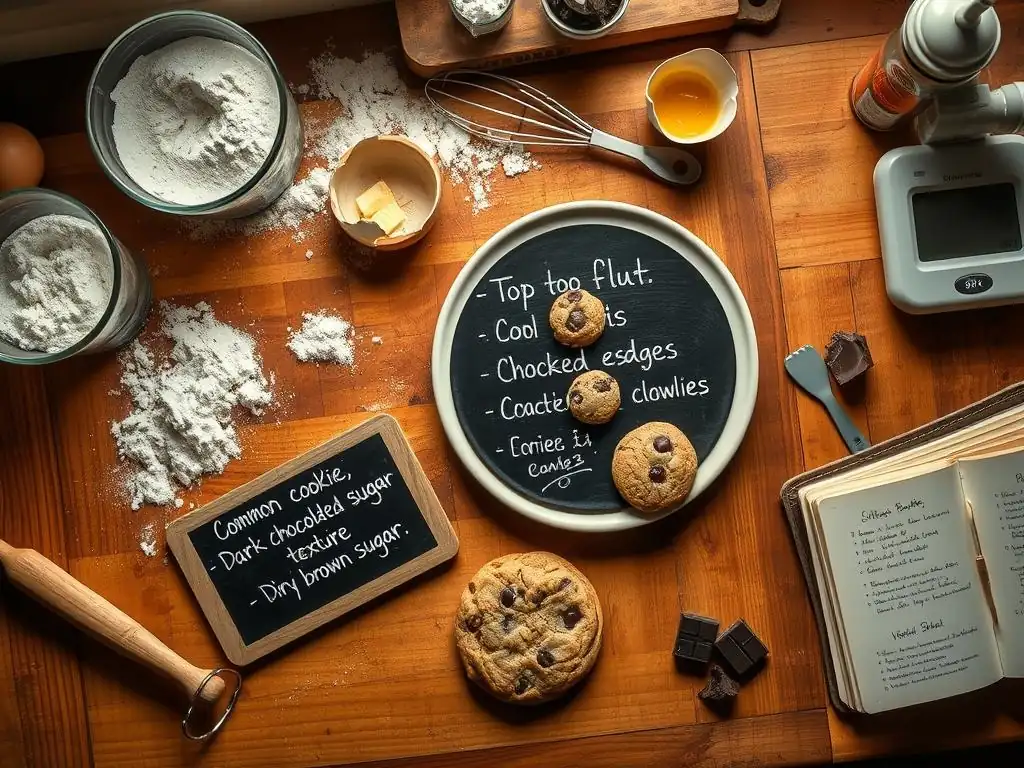
Even with the best easy classic cookie recipes, sometimes things don't go exactly as planned. Many common cookie issues can be traced back to sugar – either the amount, the type, or how it interacted with other ingredients during mixing and baking. Learning to identify these problems and understand their sugar-related causes is empowering for any beginner baker.
We'll look at a few frequent issues and how sugar plays a role, offering simple solutions or adjustments you can make next time. Knowing how sugar affects spread, dryness, and sweetness will equip you to fix your cookies when they don't turn out perfectly, making your journey through easy classic cookie recipes smoother.
If your cookies spread into flat, thin discs instead of holding a pleasant shape, excess sugar is a likely culprit in your easy classic cookie recipes. A high ratio of sugar to flour, especially granulated sugar, causes the cookie to spread rapidly as the sugar melts in the oven before the flour and eggs have a chance to set the structure. Using too much butter or creaming the butter and sugar for too long can also contribute, as this incorporates air that causes spread.
To fix this for next time, try slightly reducing the amount of sugar (perhaps by 1-2 tablespoons per batch), especially the granulated sugar. Ensure your butter isn't too soft (it should be cool, not melted) and avoid over-creaming the butter and sugar – cream just until combined and slightly fluffy, not until significantly increased in volume. Chilling the dough for at least 30 minutes before baking also helps prevent excessive spread by firming up the fat. These small tweaks can significantly improve the shape of your easy classic cookie recipes.
Cookies that turn out dry, crumbly, or hard can sometimes be a result of insufficient sugar, particularly brown sugar, in easy classic cookie recipes. Sugar, especially brown sugar with its molasses content, is hygroscopic and helps the cookie retain moisture. If there isn't enough sugar, or if the recipe relies too heavily on granulated sugar without sufficient liquid or fat, the cookie can become dry and brittle upon cooling.
Ensure you are measuring sugar accurately, especially packing brown sugar firmly. If you've intentionally reduced sugar for health reasons and the cookies are too dry, you might need to make other adjustments in your easy classic cookie recipes, such as slightly increasing the amount of fat (butter or oil) or adding an extra egg yolk, which adds richness and moisture. Sometimes, slightly underbaking the cookies can also help retain moisture for a softer result.
Occasionally, easy classic cookie recipes can turn out simply too sweet for your preference. While sugar is essential for texture and structure, the level of sweetness can be adjusted slightly in many recipes. However, significant reductions (more than 20-30%) can negatively impact the cookie's texture and appearance, as sugar contributes to spread, browning, and moisture retention.
To balance excessive sweetness without drastically changing the recipe structure, consider adding other flavor components. A pinch of salt is crucial in most cookie recipes as it enhances other flavors and cuts sweetness – ensure you haven't accidentally omitted it. Adding a splash of vanilla extract or a bit of spice like cinnamon or nutmeg can also provide complexity that balances the sugariness in your easy classic cookie recipes. For recipes where you want to reduce sugar significantly, look for recipes specifically formulated as "reduced sugar" to ensure the ratios of other ingredients are adjusted accordingly.
Proper storage is key to keeping your delicious easy classic cookie recipes fresh and maintaining their texture, which is influenced by how the sugar interacts with moisture over time. Whether you've baked chewy, crispy, or soft cookies, how you store them will determine how long they retain their desired characteristics.
Airtight containers are your best friend when storing cookies. Exposure to air causes cookies to stale and can affect their texture – crispy cookies can become soft as they absorb moisture from the air, while soft cookies can dry out. Storing different types of cookies separately is also recommended to prevent textures and flavors from transferring. Following these simple storage tips will help you enjoy your easy classic cookie recipes for days after baking.
To keep soft and chewy easy classic cookie recipes from drying out, store them in an airtight container at room temperature. Avoid refrigerating cookies made with butter, as the butter can harden and make the cookies seem less tender. A classic tip is to place a slice of soft bread (like a piece of sandwich bread) in the container with the cookies. The cookies will absorb moisture from the bread, helping them stay soft. Replace the bread slice every couple of days as it dries out.
Make sure the cookies are completely cooled before storing them. Storing warm cookies will create condensation in the container, making them soggy. For longer storage, soft cookies can be frozen in an airtight container or freezer bag for up to 3-4 months. Thaw them at room temperature before enjoying. Implementing these simple storage methods ensures your easy classic cookie recipes remain delightful treats long after they come out of the oven.
Frequently Asked Questions
What makes BakeWithEase recipes "easy"?
BakeWithEase focuses on simple recipes with easy-to-find ingredients and step-by-step guides, making baking accessible for all skill levels.
Yes, our "Sugar Secrets for Beginner Classic Cookies" and other recipes are designed specifically for beginners, offering clear instructions and helpful tips to ensure success.
You can explore a variety of classic cookies, including sugar cookies, chocolate chip cookies, peanut butter cookies, and more. We provide variations and helpful hints for each recipe.
Absolutely! We offer articles and guides dedicated to common baking issues and troubleshooting techniques, helping you avoid pitfalls and achieve perfect cookies.
Our recipes generally use basic pantry staples like flour, sugar, butter, eggs, and vanilla extract, making them accessible and affordable for everyone.
The pursuit of the perfect classic cookie remains a timeless endeavor, a testament to the enduring power of simple pleasures in a complex world. These recipes, while seemingly straightforward, offer a gateway to culinary creativity and the joy of sharing homemade treats. The ease of execution belies the depth of satisfaction found in the process, from the comforting aroma of baking spices to the warm smiles elicited by a perfectly crisp edge and chewy center.
The impact of these simple recipes extends far beyond the kitchen; they represent a connection to tradition, a shared experience across generations, and a comforting ritual in a fast-paced life. Baking is at once child's play and adult joy. And love, of course.
This quote perfectly encapsulates the magic of classic cookie baking, transforming simple ingredients into expressions of care and connection. The recipes shared here are not just instructions; they are invitations to create memories, to build bonds, and to savor the sweetness of life's simpler moments.
Now, I invite you to roll up your sleeves, gather your ingredients, and embark on your own cookie-baking adventure. Don't be afraid to experiment, to adapt, to personalize these recipes to reflect your own unique tastes and preferences. The most important ingredient, after all, is the love and intention you pour into each batch. Let the aroma of warm cookies fill your home, and let the joy of sharing your creations with loved ones be your sweetest reward.
Thanks for joining us on this delicious journey into the world of classic cookies! We hope you've gained valuable insights into mastering the perfect sugar cookie. Now it's time to put your new knowledge into practice.
- Bake a batch today! Use your newfound sugar expertise to create a stunning batch of cookies, and enjoy the sweet rewards of your hard work. This is your chance to experiment with different flavors and decorations.
- Share your creations! Show off your baking prowess on social media using #BakeWithEaseSugarSecrets – we can't wait to see what you come up with!
- Leave a comment below and tell us about your favorite cookie decorating tip or flavor combination. Let's build a community of cookie enthusiasts together!
What exciting flavor adventure will your first batch take you on?