
How to Prevent CrossContamination in NutFree Baking: Kitchen Setup Tips

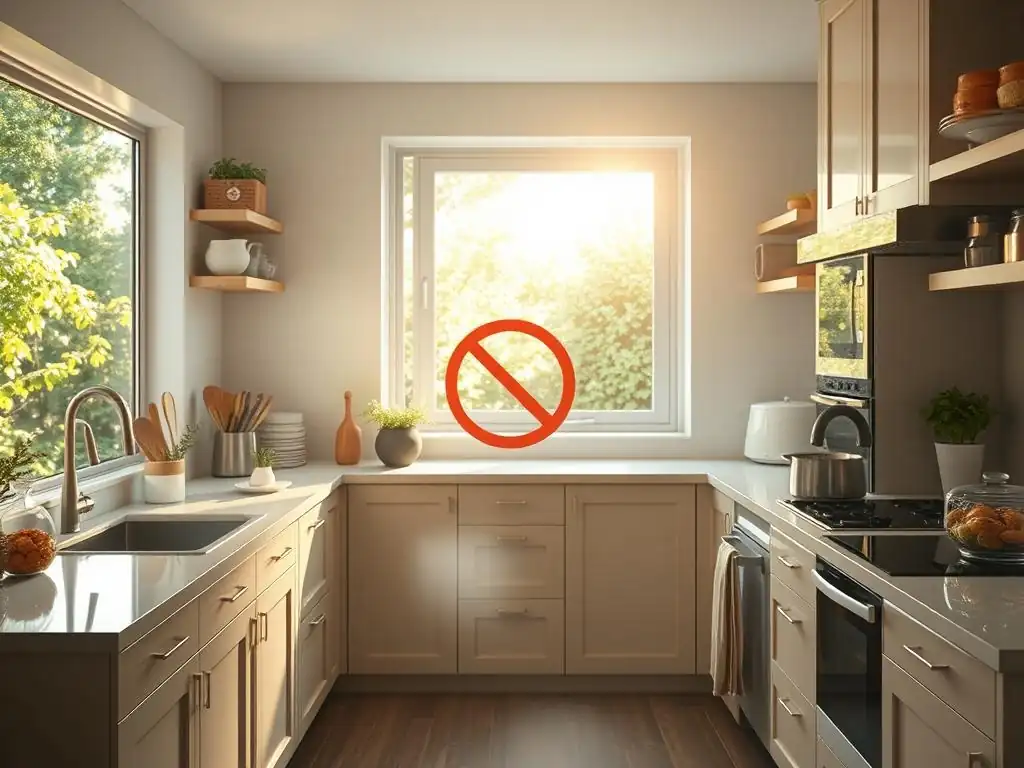
Welcome to BakeWithEase, your trusted guide to a delightful baking journey! Are you ready to create scrumptious treats in a safe and inclusive environment? Then dive in! This week, we're tackling a crucial aspect of allergen-friendly baking: setting up your kitchen for success. Discover expert tips and tricks on Nutfree baking kitchen setup, ensuring that every creation is not only delicious but also safe for everyone to enjoy. Curious how to transform your space into an allergen-free haven? Let's get started!
- How to Prevent Cross-Contamination in Nut-Free Baking: Kitchen Setup Tips for BakeWithEase
- Understanding Cross-Contamination in Nut-Free Baking
- Essential Nut-Free Baking Kitchen Setup Strategies
- Nut-Free Baking Equipment: Choosing and Maintaining Safe Tools
- Sourcing Nut-Free Ingredients: Ensuring Safety and Quality
- Preventing Cross-Contamination During the Baking Process
- Maintaining a Nut-Free Kitchen: Ongoing Practices
- Troubleshooting Common Cross-Contamination Issues in Nut-Free Baking
- Mastering Nut-Free Baking: A Safe and Delicious Experience with BakeWithEase
-
Frequently Asked Questions
- How critical is a dedicated nut-free baking space?
- What are the key cleaning steps for a nut-free baking kitchen?
- Which baking equipment should be kept separate for nut-free baking?
- What are the best storage practices for nut-free ingredients?
- How often should a nut-free baking kitchen be deep cleaned?
- Final Reflection: A Nut-Free Haven: Building Confidence in Your Kitchen
- Unlock Your Nut-Free Baking Confidence!
How to Prevent Cross-Contamination in Nut-Free Baking: Kitchen Setup Tips for BakeWithEase
Understanding Cross-Contamination in Nut-Free Baking
What is Cross-Contamination and Why is it a Serious Concern for Nut Allergies?
Cross-contamination in baking refers to the accidental transfer of allergens, in this case, nuts or nut-derived particles, from nut-containing ingredients or surfaces to nut-free ingredients or finished baked goods. For individuals with nut allergies, even trace amounts of allergens can trigger severe, potentially life-threatening reactions, including anaphylaxis. This isn't just about large pieces of nuts; it includes invisible residues on surfaces, utensils, or even in the air. The severity of reactions varies, but the unpredictable nature makes preventing exposure paramount.
Preventing cross-contamination is the cornerstone of safe nut-free baking. Imagine a scenario where you've just baked cookies containing peanuts on a baking sheet. If that sheet isn't meticulously cleaned, residual peanut protein can transfer to the next batch of cookies, even if they are made with entirely nut-free ingredients. Studies show that nut proteins can persist on surfaces for significant periods if not properly removed, making diligence in your nut-free baking kitchen setup absolutely critical.
The Impact of Nut Allergies and the Importance of Safe Baking Practices
Nut allergies are among the most common and dangerous food allergies, affecting millions worldwide. In the United States alone, tree nut and peanut allergies affect approximately 3 million people, with reactions ranging from hives and digestive issues to severe respiratory distress and anaphylactic shock. For families managing these allergies, baked goods often represent a high-risk category due to the frequent use of nuts or nut oils in traditional recipes and the prevalence of cross-contamination in shared environments like commercial bakeries or even home kitchens.
Safe baking practices are not merely a preference but a necessity for those with nut allergies. Creating a secure nut-free baking environment allows individuals with allergies to enjoy baked treats without fear. It fosters inclusivity and ensures that baking remains a source of joy, not anxiety. Implementing a robust nut-free baking kitchen setup is the first and most vital step in achieving this safety, providing peace of mind for both the baker and the person with the allergy.
Essential Nut-Free Baking Kitchen Setup Strategies
Creating a Dedicated Nut-Free Baking Zone
Designating a Specific Area for Nut-Free Baking
Establishing a distinct area in your kitchen for nut-free baking significantly reduces the risk of cross-contamination. This doesn't necessarily require a separate room; it could be a specific counter space that is always cleaned before use, a particular shelf in the pantry designated for nut-free ingredients, or even a designated baking sheet and mixing bowl set stored separately. The key is consistency and clear boundaries. For instance, if your family regularly uses peanut butter, designating a counter far from where peanut butter is handled is a practical step.
Having a dedicated zone minimizes the chance of nut particles coming into contact with your nut-free ingredients or equipment. Think of a small kitchen where space is limited; you might designate the far end of the main counter as your nut-free zone. Before starting any nut-free baking project, this zone is cleared and thoroughly cleaned. This simple act creates a safe buffer zone, making your nut-free baking kitchen setup much more reliable.
Minimizing Contact with Nut-Containing Ingredients
Beyond the dedicated zone, strategic ingredient management is crucial. If your household uses nuts, store them separately and ideally below nut-free ingredients to prevent dust or spills from contaminating the nut-free items. For example, storing a jar of almonds on a high shelf above your nut-free flour risks airborne particles or spills falling onto the safe ingredients. A better approach is to store nuts in airtight containers on a low shelf or in a separate cupboard entirely.
Consider the flow of ingredients in your kitchen. If you frequently bake with nuts for some family members and nut-free for others, handle the nut-free baking first, before any nut-containing ingredients are opened or used. This chronological separation is a powerful tool in minimizing contact. Ensuring all nut-containing items are sealed and put away before you even begin your nut-free baking process dramatically enhances the safety of your nut-free baking kitchen setup.
Cleaning and Sanitizing Your Nut-Free Baking Kitchen
Thoroughly Cleaning Surfaces and Equipment
Cleaning is non-negotiable in a nut-free baking kitchen setup. Surfaces like countertops, tables, and even floors must be meticulously cleaned to remove any residual nut proteins. A simple wipe with water is often insufficient. Studies on allergen removal indicate that washing with soap and water is effective in breaking down and removing protein residues. Pay close attention to seams, cracks, and porous surfaces like wooden cutting boards (which are often best avoided entirely for nut-free use).
For example, after preparing a snack containing nuts on a countertop, that surface should be washed with hot, soapy water, rinsed thoroughly, and then dried. The same principle applies to all equipment that might potentially come into contact with nut allergens. This level of detail in cleaning is fundamental to a safe nut-free baking kitchen setup.
Choosing the Right Cleaning Products for Nut Residue Removal
While many general-purpose cleaners are effective at removing dirt and grease, the primary goal when dealing with allergens is protein removal. Soap and water are generally recommended as effective for removing protein residues. Some specialized allergen-removal products exist, but for home baking, thorough washing with hot water and standard dish soap is usually sufficient if done correctly and consistently. Avoid cleaning products that might leave behind a residue that could interact with food.
The method is as important as the product. Use clean cloths or sponges dedicated only to cleaning food preparation surfaces. Wash these cloths frequently. For instance, after cleaning a surface potentially exposed to nuts, the cloth should be laundered immediately or discarded if disposable. This prevents re-depositing allergens you just cleaned away.
Best Practices for Washing Baking Utensils
Washing utensils is another critical step in preventing cross-contamination for a nut-free baking kitchen setup. All items that will touch your nut-free ingredients or batter – bowls, whisks, spatulas, measuring cups, baking sheets – must be thoroughly washed. Hand washing with hot, soapy water is effective, ensuring you scrub all surfaces, including handles and crevices where residues can hide. Dishwashers, especially on a hot cycle, can also be very effective, provided no nut-containing items were washed in the same load.
To be extra cautious, some families run an empty rinse cycle before washing nut-free items if the dishwasher was recently used for items that touched nuts. A dedicated drying rack or clean towels for nut-free items can also prevent contamination from other dishes. For example, if you used a whisk to make peanut butter cookies, it must be scrupulously cleaned before being used for nut-free chocolate chip cookies.
Nut-Free Baking Equipment: Choosing and Maintaining Safe Tools
Dedicated Utensils and Tools for Nut-Free Baking
Color-Coding Your Baking Equipment
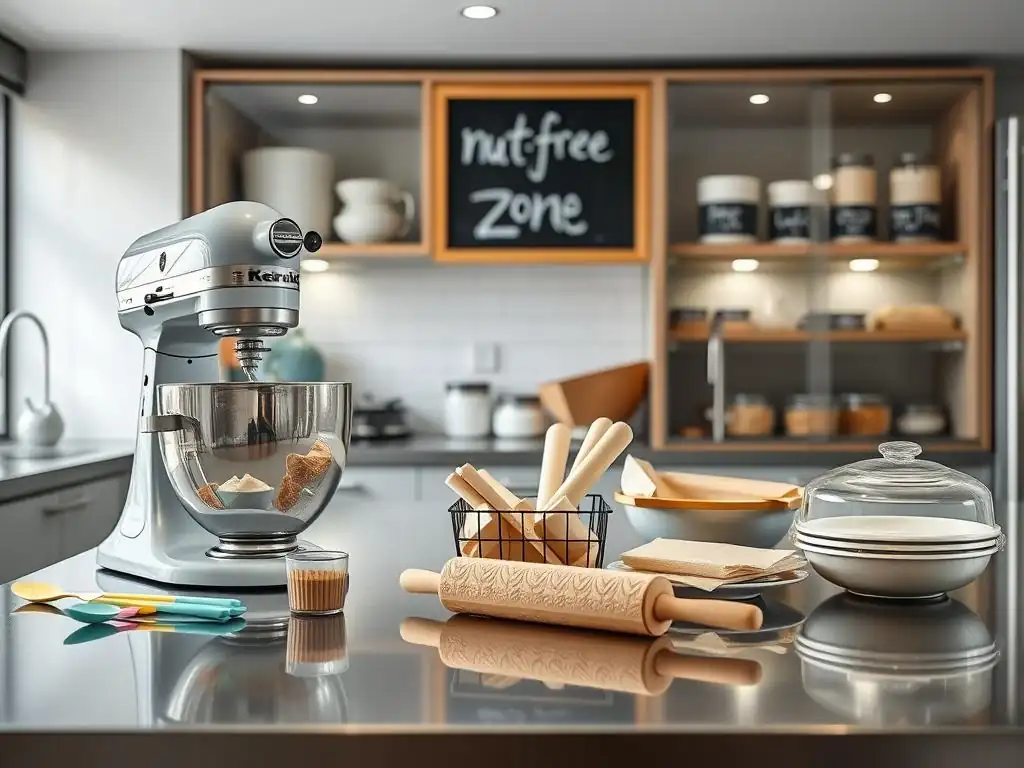
One highly effective strategy for a nut-free baking kitchen setup is to use dedicated equipment that never touches nuts. To make this easy to identify, consider color-coding. For instance, all your nut-free spatulas, mixing spoons, and measuring cups could have blue handles, while regular kitchen utensils have different colors. This visual cue helps prevent accidental grabs of contaminated tools.
This method is particularly helpful in busy households or when multiple people use the kitchen. Imagine reaching for a wooden spoon; if your designated nut-free spoons are clearly marked (perhaps with a dab of blue paint on the handle or by being stored in a specific blue container), you reduce the risk of picking up one that was recently used with nuts. This simple system adds an extra layer of safety to your nut-free baking kitchen setup.
Avoiding Porous Materials That Can Harbor Nut Residues
Certain materials are more likely to absorb and retain allergens than others. Porous materials like wood and some plastics can trap nut proteins deep within their structure, making them difficult to clean completely. Wooden cutting boards, wooden spoons, and scratched plastic containers fall into this category.
For nut-free baking, it's best to opt for materials that are easy to clean thoroughly and are non-porous. Stainless steel, glass, ceramic, and non-scratched plastic are excellent choices. If you have a beloved wooden spoon, consider designating it only for use with nuts or retiring it from your nut-free baking endeavors entirely. A stainless steel whisk, for example, is much easier to ensure is completely free of nut residue than a wooden one.
Proper Storage of Nut-Free Ingredients
Airtight Containers for Nut-Free Flours and Other Ingredients
The way you store your nut-free ingredients is paramount in preventing airborne contamination and cross-contact from other items in your pantry. All nut-free flours, sugars, baking soda, baking powder, and other dry goods should be stored in clearly labeled, airtight containers. Glass or sturdy plastic containers with tight-fitting lids are ideal. Cardboard bags or boxes are not sufficient as they can be easily penetrated by dust or spills.
Consider a scenario where a bag of almond flour is accidentally torn near your open bag of nut-free all-purpose flour. Storing your nut-free flour in a sealed container prevents this type of contamination. This simple step is a fundamental part of a secure nut-free baking kitchen setup.
Labeling and Organizing Your Pantry to Prevent Mix-Ups
Clear labeling and organized storage are crucial, especially if your pantry contains both nut-free and nut-containing items. Label all your nut-free ingredients clearly with "NUT-FREE" or a specific color-coded label. Store all nut-free items together on designated shelves, preferably higher up than any nut-containing items to minimize the risk of spills or crumbs falling onto them.
For instance, you might dedicate the top two shelves of your pantry to only nut-free baking ingredients. All containers on these shelves are labeled "NUT-FREE". Any items containing nuts are stored on lower shelves or in a separate area entirely. This visual and spatial separation is a straightforward yet effective tactic for maintaining a safe nut-free baking kitchen setup and preventing costly mix-ups.
Sourcing Nut-Free Ingredients: Ensuring Safety and Quality
Reading Labels Carefully and Identifying Potential Nut Sources
The safety of your nut-free baking starts with the ingredients you purchase. It is absolutely essential to read every ingredient label, every time. Nuts can appear in unexpected places, sometimes listed under different names (e.g., "arachis" for peanut). Look for explicit mentions of nuts or nut products in the ingredient list.
Beyond the ingredient list, check for precautionary allergen labeling, such as "May contain nuts," "Processed in a facility that also processes nuts," or "Manufactured on equipment shared with nuts." While these statements are voluntary and their meaning can vary, they indicate a risk of cross-contamination during manufacturing. For individuals with severe allergies, ingredients with these warnings should generally be avoided. For example, some chocolate chips or sprinkles might carry a "may contain nuts" warning even if nuts aren't an ingredient.
Choosing Certified Nut-Free Ingredients
To minimize risk, prioritize ingredients that are certified nut-free. Certification programs involve rigorous testing and facility audits to ensure that products meet strict standards for allergen absence. Look for seals or logos on packaging that indicate third-party certification for being nut-free or processed in a dedicated nut-free facility.
While not every ingredient needs to be certified (e.g., plain sugar or salt are low risk if handled properly), opting for certified nut-free flour, chocolate, and baking mixes significantly reduces the potential for hidden contamination from the manufacturing process itself. This is a key component of a reliable nut-free baking kitchen setup and ingredient sourcing strategy.
Trusted Suppliers for Nut-Free Baking Essentials
Building relationships with trusted brands and suppliers known for their commitment to allergen safety is invaluable. Many companies specialize in allergen-free foods and have robust protocols in place to prevent cross-contamination in their own facilities. Research brands, read reviews, and if possible, contact companies directly to ask about their allergen handling procedures.
Some online retailers or specialty stores focus specifically on allergen-free products, offering a curated selection of ingredients with lower risk profiles. Relying on known safe sources for high-risk ingredients like flour blends, chocolate chips, or baking mixes reduces the burden of scrutinizing every single label from unfamiliar brands. This diligence in sourcing ensures your nut-free baking kitchen setup starts with safe raw materials.
Preventing Cross-Contamination During the Baking Process
Best Practices for Handling Ingredients to Avoid Cross-Contact
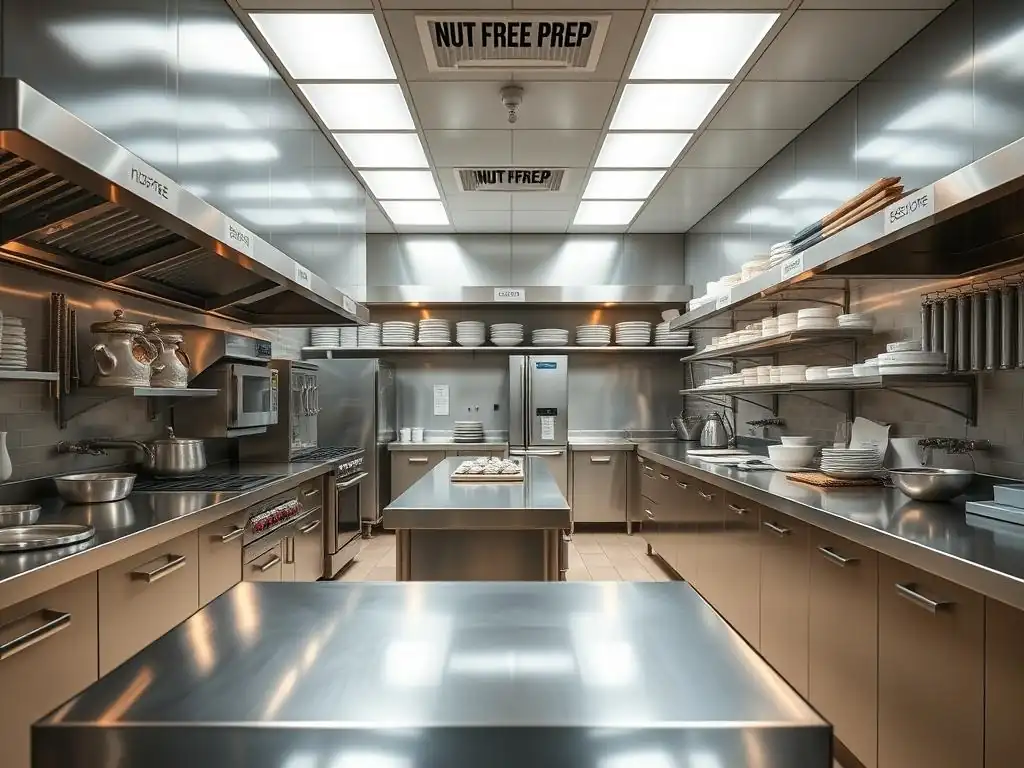
Even with a well-organized nut-free baking kitchen setup and safe ingredients, careful handling during the baking process is vital. Always wash your hands thoroughly with soap and water before beginning to bake, especially if you've recently handled nuts or other foods. Avoid touching surfaces or items that have not been designated nut-free.
When measuring or adding ingredients, use dedicated nut-free measuring cups and spoons. Never scoop nut-free flour with a cup that was just used for almond meal. Pour dry ingredients carefully to avoid creating dust clouds that could settle on contaminated surfaces and then be transferred back into your mix. For example, if you need 1 cup of nut-free flour, scoop it directly from the airtight container using a clean, dedicated measuring cup.
Using Separate Mixing Bowls and Utensils
Using mixing bowls, whisks, spatulas, and other utensils that are exclusively used for nut-free baking is a cornerstone of preventing cross-contamination. As discussed earlier, color-coding or storing these items separately makes this practice easier to maintain. Even if an item appears clean, residual nut proteins can be invisible.
Imagine you want to bake nut-free cookies. You should use a mixing bowl and spatula that have either been designated nut-free or have been meticulously washed immediately before use, ideally in a dishwasher or with very hot, soapy water. Using the same wooden spoon you used yesterday to stir granola containing nuts is a significant risk.
Preventing Airborne Contamination from Nut-Containing Foods
Airborne particles are a real concern, particularly with finely ground nut flours or during processes that create dust, like grinding nuts. If possible, avoid preparing nut-containing foods in the same kitchen at the same time you are doing nut-free baking. If this isn't feasible, ensure excellent ventilation and keep nut-containing ingredients securely sealed and far away from your nut-free workspace.
For example, if someone in your household is making almond flour cookies, it's best to postpone your nut-free baking project until they are finished, the kitchen has been thoroughly cleaned, and the air has cleared. Grinding nuts in a food processor can release fine particles into the air that can settle on surfaces and ingredients. A truly safe nut-free baking kitchen setup considers these less obvious routes of contamination.
Maintaining a Nut-Free Kitchen: Ongoing Practices
Regular Cleaning and Inspection
Maintaining a nut-free baking kitchen setup isn't a one-time task; it requires ongoing vigilance. Establish a routine for cleaning surfaces and equipment. After every baking session, whether nut-free or not (if nuts are present in the home), thorough cleaning of the entire workspace is recommended. Periodically inspect your storage areas, containers, and equipment for any signs of potential contamination or items that might have been misplaced.
For example, schedule a deep clean of your pantry shelves designated for nut-free items every few months. Check the seals on your airtight containers to ensure they are still functioning correctly. This proactive approach helps catch potential issues before they lead to accidental exposure.
Training Family Members or Housemates on Nut-Free Baking Protocols
If you share your kitchen, educating everyone who uses the space about the importance of preventing cross-contamination is critical. Clearly communicate your nut-free baking kitchen setup protocols, including dedicated zones, specific cleaning procedures, and the identification of nut-free equipment. Ensure they understand the severity of nut allergies.
Hold a brief "kitchen safety" meeting to walk through the procedures. Post simple reminders near the nut-free zone or storage area. For instance, a sign above the nut-free ingredient shelf that reads "NUT-FREE ZONE - Wash hands before handling!" can serve as a constant reminder. Collaboration from everyone in the household is essential for a truly safe nut-free baking environment.
Reviewing and Updating Your Nut-Free Kitchen Setup Regularly
As your baking habits change, or as new products enter your kitchen, it's wise to periodically review and update your nut-free baking kitchen setup. Are your storage solutions still effective? Are there new ingredients you need to source from certified suppliers? Has a family member started using a new nut product that requires adjusting your protocols?
For example, if you decide to start grinding your own spices, consider whether the grinder will be used for both spices and nuts, and if so, plan for a dedicated nut-free grinder. Stay informed about product recalls related to allergen contamination. Regularly assessing your setup ensures it remains effective and adapts to your household's evolving needs.
Troubleshooting Common Cross-Contamination Issues in Nut-Free Baking
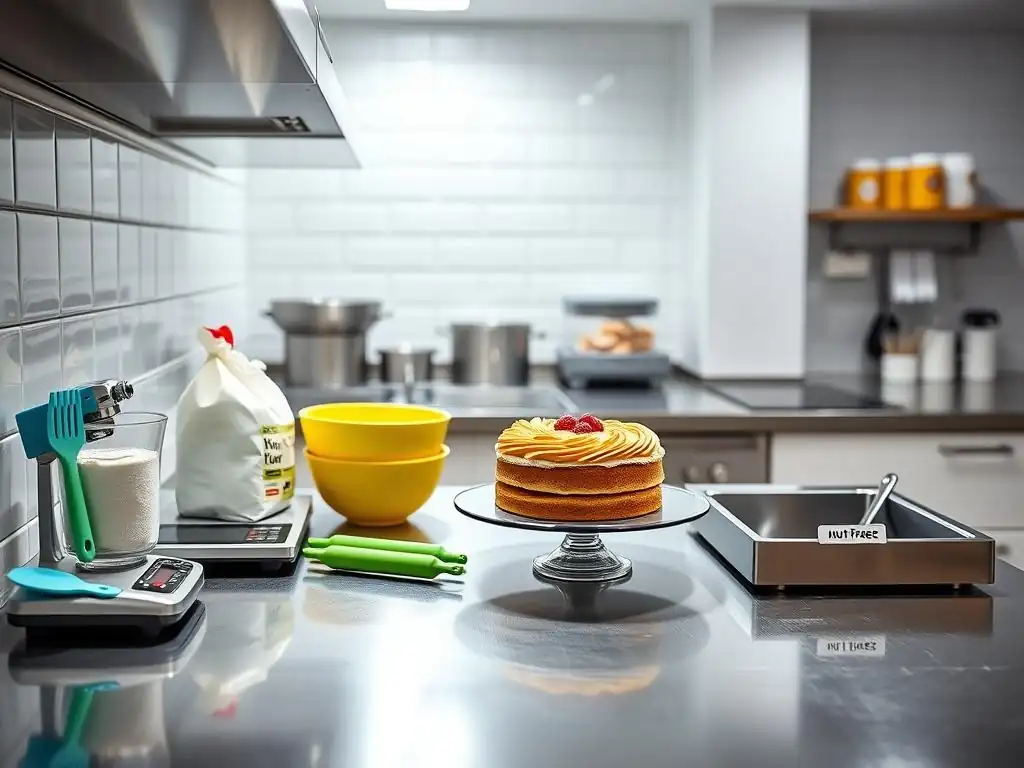
Nuts can hide in unexpected places like natural flavorings, spice blends, baking mixes that aren't certified nut-free, or even in shared bulk bins at grocery stores. Always be skeptical and verify ingredients from reputable sources. Even seemingly safe items like sprinkles or colored sugars can sometimes be processed on equipment shared with nuts.
If you are unsure about an ingredient, it's safer to find an alternative from a trusted nut-free source. For example, instead of generic chocolate chips, seek out brands explicitly labeled or certified nut-free. This diligence is key to a successful nut-free baking kitchen setup.
Dealing with Accidental Cross-Contamination
Despite the best precautions, accidents can happen. If you suspect a nut-containing ingredient has come into contact with your nut-free ingredients or workspace, it's crucial to act decisively. Do not proceed with baking if contamination is suspected. Discard any ingredients that may have been affected.
Thoroughly clean and re-sanitize the affected area and equipment according to your established protocols. For example, if a bag of walnuts accidentally spills near your nut-free flour container, discard the flour, clean the entire area meticulously, and wash all nearby containers. Better to waste a few ingredients than risk a severe allergic reaction.
What to Do If You Suspect Cross-Contamination
If you have baked goods that you suspect might be contaminated with nuts, the safest course of action is to discard them. Do not consume them or offer them to someone with a nut allergy. Clearly label them as unsafe or dispose of them in a way that prevents accidental consumption.
Reflect on how the contamination might have occurred and adjust your nut-free baking kitchen setup or protocols to prevent it from happening again. This could involve stricter storage rules, reinforcing cleaning procedures, or reviewing your ingredient sourcing. Learning from incidents, even near misses, strengthens your safety practices.
Mastering Nut-Free Baking: A Safe and Delicious Experience with BakeWithEase
Enjoying the Benefits of Baking Without Nuts
Mastering nut-free baking opens up a world of delicious possibilities for those with nut allergies and their families. It means being able to enjoy classic treats like cookies, cakes, and brownies without the constant worry of a reaction. Nut-free baking allows everyone to share in the joy of homemade goods, fostering a sense of inclusion and normalcy.
Furthermore, nut-free baking encourages creativity in exploring alternative ingredients like seeds (sunflower seeds, pumpkin seeds - handled carefully if there are sesame allergies too), oats, or dedicated nut-free baking blends to achieve similar textures and flavors. It proves that delicious baking is entirely possible without relying on nuts.
Expanding Your Nut-Free Baking Repertoire with BakeWithEase Recipes
BakeWithEase is dedicated to providing simple, safe, and delicious recipes for bakers of all levels, including a growing collection specifically designed for nut-free baking. Our recipes are developed with allergen safety in mind, focusing on techniques and ingredients that minimize risk when combined with a proper nut-free baking kitchen setup.
Whether you're looking for a simple nut-free chocolate chip cookie or a more elaborate nut-free cake, BakeWithEase offers tested recipes that guide you step-by-step. Exploring these recipes can help you build confidence and expand the range of treats you can safely bake at home, making your nut-free baking journey exciting and rewarding.
Celebrating Safe and Inclusive Baking
Ultimately, creating a safe nut-free baking kitchen setup and mastering nut-free baking practices is about celebrating the joy of food and community in an inclusive way. It allows everyone, regardless of allergies, to participate in the pleasure of baking and sharing homemade treats.
By implementing the strategies discussed – from dedicated zones and rigorous cleaning to careful sourcing and ongoing vigilance – you create an environment where safe and delicious nut-free baking can thrive. This commitment to safety not only protects those with allergies but also enriches the baking experience for everyone involved. BakeWithEase is here to support you on this journey, helping you bake with ease and confidence, knowing that your creations are safe for everyone at the table.
Frequently Asked Questions
How critical is a dedicated nut-free baking space?
A dedicated space is highly recommended for those with severe allergies. It significantly reduces the risk of cross-contamination and ensures safer baking.
What are the key cleaning steps for a nut-free baking kitchen?
Thoroughly clean all surfaces and equipment with hot, soapy water, paying special attention to crevices. Consider using dedicated cleaning supplies to avoid transferring allergens.
Which baking equipment should be kept separate for nut-free baking?
Baking sheets, bowls, utensils, and measuring cups should be exclusively used for nut-free recipes. This prevents the transfer of nut residue.
What are the best storage practices for nut-free ingredients?
Store nut-free ingredients in airtight containers labeled clearly and kept separate from any nut-containing products. Consider using separate shelves in your pantry.
How often should a nut-free baking kitchen be deep cleaned?
A deep clean should be performed regularly, ideally every few months, or after any accidental exposure to nuts. This ensures a consistently safe environment.
Final Reflection: A Nut-Free Haven: Building Confidence in Your Kitchen
The meticulous setup of a nut-free baking kitchen isn't just about avoiding allergens; it's about building trust and ensuring the safety of those with severe nut allergies. A single cross-contamination incident can have devastating consequences, highlighting the critical importance of the strategies discussed throughout this article. This isn't just about following recipes; it's about creating a safe space for everyone.
The impact of nut allergies extends far beyond the individual. It shapes family gatherings, social events, and even the simple act of enjoying a baked good. It forces a constant vigilance and awareness that many of us take for granted. Food allergies are not just a medical issue; they are a social and emotional one, impacting every aspect of life.
This quote underscores the profound implications of a well-organized, nut-free baking environment, transforming a potentially stressful situation into one of confidence and inclusivity.
Now, consider your own kitchen. What steps can you take today to enhance its nut-free safety? Perhaps it's dedicating specific utensils, investing in airtight containers, or simply re-evaluating your workflow. Don't let the fear of cross-contamination limit your baking passion or your ability to share delicious treats with loved ones. Embrace the challenge, implement these strategies, and experience the rewarding feeling of creating a truly safe and inclusive baking space. The journey to a nut-free haven begins with a single, deliberate step.
Unlock Your Nut-Free Baking Confidence!
Thanks for taking the time to learn about preventing cross-contamination in your nut-free baking! We hope you now feel equipped to create a safer and more delicious baking experience. Ready to put your new knowledge into practice?
- Prioritize your dedicated nut-free zone: Completely redesignate a specific area in your kitchen solely for nut-free baking. This is your primary step to success.
- Deep clean your designated space: Give your nut-free zone a thorough cleaning, paying special attention to hard-to-reach areas. Consider using a specialized cleaning solution designed to eliminate traces of nuts.
- Share your newfound expertise! Spread the word to other nut-allergy-conscious bakers by sharing this article on your favorite social media platform.
What's your biggest challenge in maintaining a truly nut-free baking environment, and how will you tackle it?