
Troubleshooting EggFree Baking: How to Fix Dense, Gummy, or Cracking Treats

Welcome to BakeWithEase, your trusted companion in the baking journey! Are you tired of dense, gummy, or cracking results in your eggfree baking adventures? Unlock the secrets to perfectly textured, delicious treats. This article dives deep into troubleshooting common issues, providing practical solutions to ensure your egg-free creations rise to every occasion. Curious to learn how to achieve light, airy, and flawless egg-free bakes? Let's get started!
- Troubleshooting Gluten-Free Baking: How to Fix Crumbly, Gummy, or Flat Treats
- Introduction to Gluten-Free Baking Challenges
- Understanding the Role of Gluten in Baking
- Troubleshooting Crumbly Gluten-Free Baked Goods
- Fixing Gummy Texture in Gluten-Free Baking
- Preventing Flatness in Gluten-Free Baked Goods
- Gluten-Free Baking Ingredient Substitutions and Their Impact
- Gluten-Free Baking Recipe Adjustments for Success
- Conclusion: Mastering Gluten-Free Baking
-
Frequently Asked Questions
- Why are my egg-free baked goods turning out so dense?
- What ingredients can I use to replace eggs and avoid a gummy texture?
- How can I prevent my egg-free baked goods from cracking on top?
- Are there specific flour blends that work best for egg-free baking to avoid density?
- How do I adjust baking times when using egg substitutes in dense recipes?
- Final Reflection: The Sweet Science of Egg-Free Baking
- Unlock Your Egg-Free Baking Potential!
Troubleshooting Gluten-Free Baking: How to Fix Crumbly, Gummy, or Flat Treats
Introduction to Gluten-Free Baking Challenges
Why Gluten-Free Baking Can Be Tricky
Baking without gluten presents a unique set of challenges compared to traditional wheat-based baking. Gluten, a protein found in wheat, rye, and barley, plays several crucial roles: it provides structure, elasticity, and helps baked goods rise by trapping gases. When you remove gluten, you lose these essential functions, requiring alternative ingredients and techniques to achieve desirable textures and results. Many bakers accustomed to the predictability of wheat flour find gluten-free baking frustrating initially, encountering issues like crumbly muffins, gummy breads, or flat cookies.
The difficulty often lies in replicating the intricate gluten network. Gluten develops when flour is mixed with liquid and agitated, forming a stretchy matrix that holds shape and allows expansion. In gluten-free baking, a blend of different flours and starches is typically used, which don't form this same network. Therefore, bakers must rely on other ingredients, often called binders, to hold everything together and prevent common pitfalls. Mastering these substitutions and understanding how different gluten-free flours behave is key to successful gluten-free baking.
Common Problems in Gluten-Free Recipes: Crumbly, Gummy, and Flat Textures
Three of the most frequently encountered issues in gluten-free baking are crumbly, gummy, and flat textures. Crumbly baked goods lack cohesion, falling apart easily, similar to dry sand. This often happens in recipes like scones or biscuits where the structure is weak. Gummy textures, on the other hand, result in a dense, often wet-looking interior that feels sticky or chewy in an unpleasant way, commonly seen in breads or cakes.
Flatness is another common frustration, particularly with cookies, cakes, and muffins that fail to rise or spread excessively. These problems stem from various factors, including incorrect flour blends, insufficient binding, improper leavening, or errors in mixing and baking time. Addressing these specific issues requires understanding the underlying cause and applying targeted solutions, which differ significantly from troubleshooting in traditional baking.
Understanding the Role of Gluten in Baking
Gluten as a Binding Agent: Replacing Its Function
In traditional baking, gluten acts as the primary binding agent, holding ingredients together to form a cohesive dough or batter. When wheat flour is mixed with water, the gluten proteins (glutenin and gliadin) hydrate and link up, creating a viscoelastic network. This network provides structure and prevents baked goods from simply crumbling apart. Think of it as the internal scaffolding of your bread or cake.
Without gluten, this natural binding is absent. Gluten-free recipes must introduce alternative binders to mimic this function. Common examples include xanthan gum, psyllium husk, chia seeds, flax seeds, eggs (though we are discussing egg-free approaches, other binders are crucial here), and even mashed fruits or vegetables like banana or apple sauce in some cases.
The type and amount of binder needed depend heavily on the specific flour blend used and the desired texture of the final product, whether it's a delicate cookie or a sturdy loaf of bread. For instance, a typical ratio might be about 1 teaspoon of xanthan gum per cup of gluten-free flour blend for cakes, or slightly more for breads.
Gluten for Structure and Elasticity: Achieving the Right Texture Without Gluten
Beyond just binding, gluten provides elasticity and structure. This elasticity allows doughs to be kneaded and shaped without tearing, and it gives baked goods a desirable chewiness, like in a good loaf of bread or a chewy cookie. The gluten network forms a flexible framework that supports the structure of the baked item as it rises and bakes, preventing collapse.
In gluten-free baking, achieving this balance of structure and elasticity requires a combination of ingredients. While binders like xanthan gum provide some structure and prevent crumbliness, they don't replicate the elastic chew of gluten. Using a blend of gluten-free flours with varying protein and starch content can help.
For example, almond flour or sorghum flour can add some structural protein, while starches like tapioca or potato starch contribute to tenderness and a slight chew. Techniques like creaming butter and sugar properly to incorporate air, or whipping egg whites (if not egg-free) also contribute significantly to structure and lift in the absence of gluten.
Gluten for Leavening and Rise: Mimicking Its Effects
Gluten's elastic network is crucial for trapping the gases produced by leavening agents like yeast or baking powder. As the dough or batter rests or bakes, these gases expand, causing the mixture to rise. The stretchy gluten network expands with the gases, holding the shape and volume. Without this network, the gases would escape, resulting in a dense or flat product.
Gluten-free doughs and batters often struggle to hold onto these gases effectively. While leavening agents like baking powder, baking soda, or yeast are still used, the lack of a gluten network means the structure needs extra support to capture and retain the bubbles.
This is where binders again play a critical role; they help provide enough viscosity and structure to trap the gases. Additionally, using proper mixing techniques to incorporate air (like whipping or creaming) and ensuring the leavening agents are fresh and correctly measured are even more critical in gluten-free baking than in traditional baking to achieve adequate rise and avoid issues like dense or eggfree baking dense recipes.
Troubleshooting Crumbly Gluten-Free Baked Goods
Identifying the Causes of Crumbly Gluten-Free Recipes
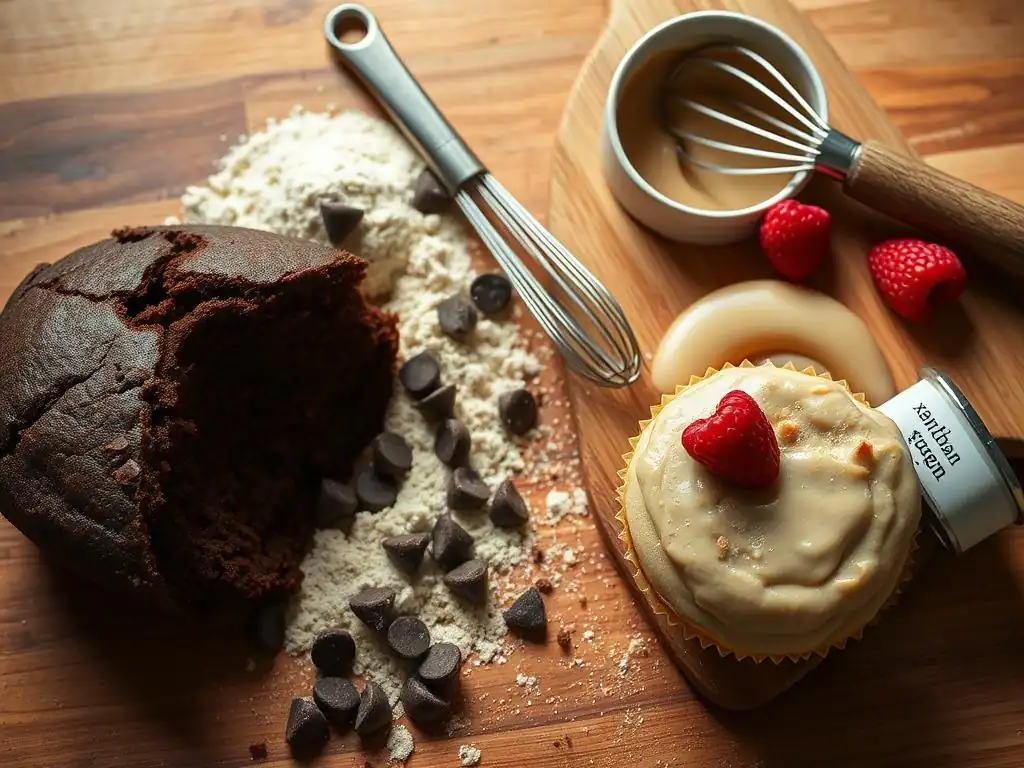
Crumbly textures are a frequent complaint in gluten-free baking, leaving you with baked goods that fall apart at the slightest touch. One primary culprit is insufficient binding agents. Without adequate xanthan gum, psyllium husk, or other binders, the disparate gluten-free flours and ingredients lack the necessary "glue" to hold together, resulting in a fragile structure that easily breaks apart. For instance, a gluten-free shortbread made without any binder might be excessively sandy and impossible to handle.
Another common cause is too little moisture in the gluten-free recipe. Gluten-free flours, especially starches and some grain flours like rice flour, tend to absorb more liquid than wheat flour. If the liquid ratio isn't adjusted accordingly, the dough or batter can be too dry, leading to a crumbly texture in the finished product. This is often seen in muffins or quick breads that turn out dry and fall apart when sliced.
Finally, overbaking gluten-free treats can also cause them to become excessively dry and crumbly. High heat or extended baking times evaporate too much moisture, leaving a brittle structure. A gluten-free cookie baked for too long will often be hard and disintegrate when picked up.
Solutions for Crumbly Gluten-Free Baking
To combat crumbliness, the most effective solution is incorporating effective binding agents in gluten-free recipes. If a recipe yields crumbly results, try adding a small amount of a binder like xanthan gum or psyllium husk. A general guideline is about ¼ to ½ teaspoon of xanthan gum or psyllium husk per cup of gluten-free flour blend for cookies or muffins, potentially slightly more for breads. Hydrating psyllium husk in a small amount of liquid before adding it to the dough can also improve its binding capabilities.
Adjusting liquid ratios for optimal moisture in gluten-free baking is also crucial. If a recipe seems dry, increase the amount of liquid (milk, water, oil, etc.) incrementally, perhaps by 1-2 tablespoons at a time, until the dough or batter reaches a consistency similar to its gluten-containing counterpart. The dough should be moist enough to hold together but not overly wet or sticky.
For example, a good gluten-free muffin batter should be thick but pourable, not stiff and crumbly. Monitoring baking time to prevent overbaking of gluten-free treats is the third key solution. Use visual cues like golden-brown edges or a toothpick inserted into the center coming out clean (with moist crumbs, not wet batter, for cakes/muffins) to determine doneness. Start checking for doneness a few minutes before the recipe's suggested minimum baking time, as gluten-free goods can sometimes bake faster or slower depending on the blend and oven.
Fixing Gummy Texture in Gluten-Free Baking
Understanding Gumminess in Gluten-Free Baked Goods
Gummy texture is another undesirable outcome in gluten-free baking, resulting in a dense, sometimes heavy, and unpleasant chewiness. One common cause is the overuse of starches or gums in gluten-free recipes. Starches like tapioca, potato, or cornstarch gelatinize when heated in the presence of liquid. While necessary for tenderness and structure, using too much starch, especially relative to grain flours, can lead to an overly gelatinous, gummy texture, particularly noticeable in the center of baked goods. Similarly, using excessive amounts of binders like xanthan gum or psyllium husk can also impart a slightly gummy or slimy mouthfeel.
Underbaking gluten-free treats is a significant contributor to gumminess. If a cake, bread, or muffin isn't baked through, the starches won't fully set, and the moisture won't evaporate correctly, leaving a dense, wet, and gummy interior. This is perhaps one of the most frequent reasons for a gummy result. Finally, using an incorrect flour blend in gluten-free recipes can also lead to gumminess.
Some pre-mixed blends might be too high in starches or certain types of flours that tend towards gumminess. Using single-source flours without balancing them appropriately can also cause issues; for instance, using only rice flour and tapioca starch without a balancing grain flour could easily result in a gummy texture. This is a common issue when trying to avoid eggfree baking dense recipes that might rely too heavily on starch.
Remedies for Gummy Gluten-Free Baking
To remedy gumminess, it's essential to focus on balancing starch and gum content in gluten-free formulas. If you suspect your blend is too starchy, try reducing the amount of pure starch (like tapioca or cornstarch) and increasing the proportion of a grain flour (like rice, sorghum, or millet). If you're using a binder, ensure you're using the correct amount—typically 1 teaspoon of xanthan gum or psyllium husk per cup of flour blend for cakes or muffins, and slightly more for breads. Using too much binder is a common cause of gumminess.
Baking gluten-free recipes to the right doneness is critical for avoiding gumminess. Ensure your oven temperature is accurate (an oven thermometer is a good investment). Bake cakes, muffins, and breads until a toothpick inserted into the center comes out clean or with only a few moist crumbs, and the internal temperature reaches appropriate levels (e.g., around 200-210°F for bread, 205-210°F for muffins). Allowing baked goods to cool properly according to the recipe instructions is also important, as some internal setting occurs during cooling.
Selecting the right gluten-free flour blend for the recipe is also key. Opt for commercially available blends designed for the specific type of baking (e.g., a blend for cakes versus a blend for bread), or if mixing your own, ensure a good balance of grain flours, starches, and potentially a protein flour. Avoid relying too heavily on a single type of flour or starch.
Preventing Flatness in Gluten-Free Baked Goods
Why Gluten-Free Baked Goods Fall Flat
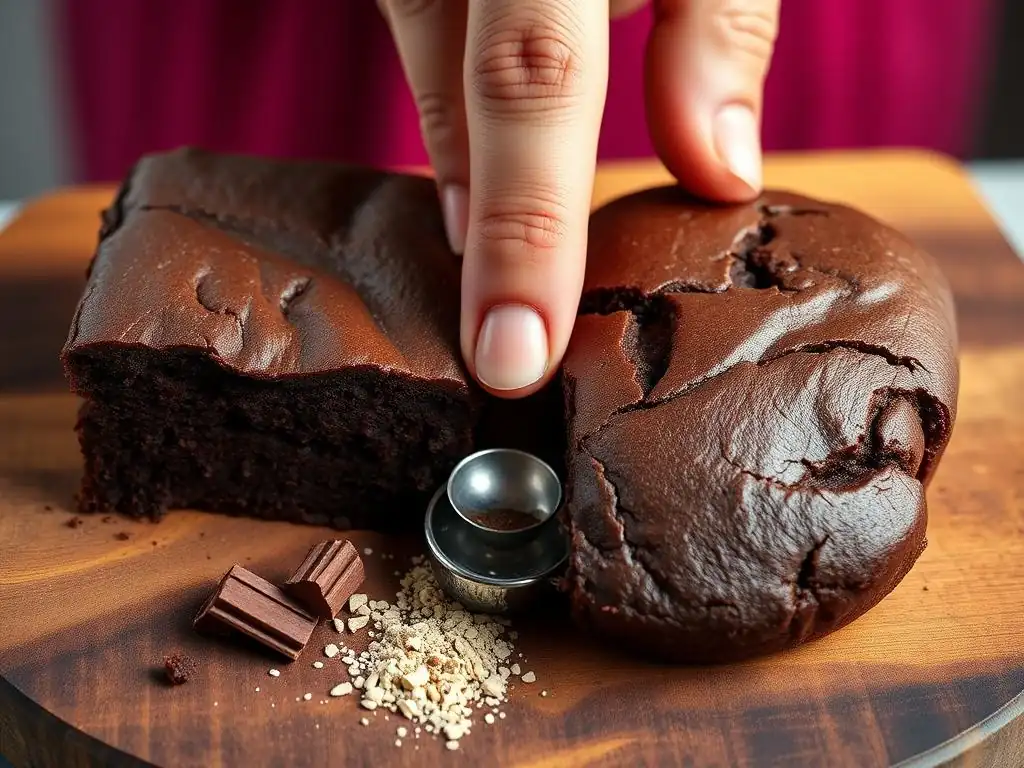
Flatness is a disappointing outcome, turning potential lofty cakes or plump muffins into dense, squat versions of themselves. One primary reason is insufficient leavening in gluten-free recipes. Leavening agents like baking powder, baking soda, and yeast are responsible for creating the gases that make baked goods rise. If these agents are old, inactive, or used in incorrect quantities, they won't produce enough gas, resulting in minimal or no rise. Baking powder, for instance, loses its potency over time, especially if not stored correctly.
Another major factor is a lack of structure builders in gluten-free dough or batter. Even if enough gas is produced, there needs to be a structure capable of trapping and holding onto these gases as the item expands and bakes. Without the gluten network, gluten-free items rely on binders, proteins (like those from almond flour or eggs, if used), and the structure created by properly creaming fats and sugars. If the binder amount is too low, the flour blend is too weak, or initial air incorporation is insufficient, the structure will fail to hold the rise.
Improper mixing techniques for gluten-free doughs can also contribute to flatness. Overmixing can sometimes break down the fragile structure provided by binders or incorporated air. Undermixing might not properly activate leavening agents or distribute structure-building ingredients evenly.
Tips to Avoid Flatness in Gluten-Free Baking
To prevent flatness, boosting leavening power for gluten-free baking is often necessary. Ensure your baking powder and baking soda are fresh; you can test baking powder by adding a teaspoon to hot water – it should fizz vigorously. For baking soda, add a teaspoon to vinegar – it should also fizz.
Use the amount of leavening specified in the recipe, and if you're adapting a recipe, you might need slightly more than a wheat-based version, as the structure is less efficient at trapping gas. Using double-acting baking powder can also help provide lift both during mixing and in the oven.
Adding structure with protein and other ingredients in gluten-free recipes is also vital. Ensure your recipe includes an appropriate amount of binder (xanthan gum, psyllium husk). Incorporating ingredients higher in protein, like almond flour, sorghum flour, or even a small amount of collagen powder, can add stability. Techniques like creaming butter and sugar until light and fluffy incorporate air bubbles that act as initial leavening and build structure.
Using proper mixing techniques to develop structure in gluten-free doughs is the final piece. Most gluten-free batters benefit from gentle mixing until just combined. For items requiring creaming, ensure the butter and sugar are beaten sufficiently to incorporate air. For yeasted doughs, while there's no gluten to develop through kneading, proper mixing helps activate the yeast and distribute ingredients; focus on bringing the dough together without overworking it, which could potentially make it tough or break down binders.
Gluten-Free Baking Ingredient Substitutions and Their Impact
Rice Flour in Gluten-Free Baking: Pros and Cons
Rice flour, available as white or brown rice flour, is a staple in many gluten-free flour blends due to its neutral flavor and widespread availability. White rice flour is finely ground and generally results in a lighter texture, while brown rice flour retains the bran, offering more nutrients and a slightly nuttier flavor.
However, rice flour has its drawbacks. When used alone or in high proportions, it can lead to a gritty texture. It also doesn't absorb liquid or bind as effectively as wheat flour, often resulting in baked goods that are dry or crumbly if not balanced with other flours and binders. For example, a simple cookie recipe using only rice flour might spread excessively and crumble easily. It works best as part of a blend, providing bulk and a neutral base, but it needs partners like starches and binders to achieve desirable results.
Tapioca Starch in Gluten-Free Baking: Achieving the Right Consistency
Tapioca starch, derived from the cassava root, is a very fine, white powder that is commonly used in gluten-free baking blends. Its key property is its ability to add chewiness and a slight crispness to crusts, making it valuable in items like pizza crusts, bread, or cookies. It also helps lighten the texture of denser flours.
While beneficial for texture, tapioca starch can cause gumminess if used in excess, particularly in the interior of baked goods. It gelatinizes readily when heated with liquid, and too much can result in a sticky, dense crumb. It's typically used in smaller proportions within a blend, often making up about 20-30% of the total flour mix, to balance out other flours and provide desirable texture without leading to gumminess.
Almond Flour in Gluten-Free Baking: Flavor and Texture
Almond flour, made from ground almonds, is a popular gluten-free option that brings distinct qualities to baking. It's higher in fat and protein than grain flours, which contributes to moisture, richness, and tenderness in baked goods. It also imparts a lovely nutty flavor. It works well in cakes, muffins, cookies, and even some breads, adding a pleasant density and structure.
However, almond flour's high fat content means it can make baked goods dense, greasy, or heavy, particularly if used as the sole flour or in large quantities in recipes not designed for it. It doesn't absorb liquid in the same way as grain flours, which can affect batter consistency and baking time. It's often combined with lighter flours or starches to balance its richness and density. For instance, a cake made entirely with almond flour might be too moist and heavy compared to one using a blend.
Other Gluten-Free Flours: Sorghum, Oat, and Buckwheat
Beyond the most common, several other gluten-free flours offer unique properties. Sorghum flour is a mild-flavored, slightly sweet grain flour that provides a soft, tender crumb, making it excellent for cakes, muffins, and quick breads. It's a good source of fiber and protein and works well as a replacement for some of the rice flour in a blend.
Certified gluten-free oat flour, made from ground oats, adds a slightly chewy texture and a pleasant, nutty flavor. It's versatile and can be used in cookies, muffins, and breads, contributing moisture and structure due to its beta-glucan content. Buckwheat flour, despite its name, is not related to wheat; it has a strong, earthy flavor and creates a denser texture. It's often used in pancakes, blinis, and some rustic breads, usually in combination with other flours due to its distinct taste and density. Understanding the characteristics of these different flours allows for creating balanced blends tailored to specific baking needs.
Gluten-Free Baking Recipe Adjustments for Success
Modifying Recipes for Gluten-Free Baking: A Step-by-Step Guide
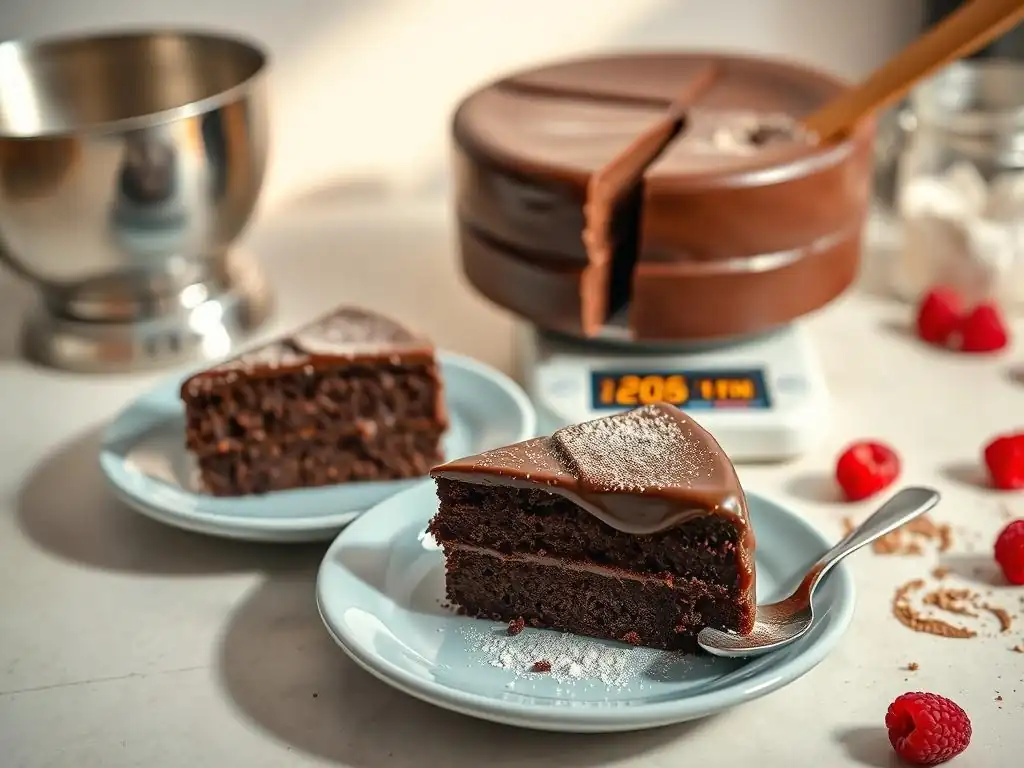
Successfully converting traditional recipes to gluten-free can be challenging, but following a structured approach improves your chances. Start by understanding the role of each ingredient in the original recipe. Identify the amount of wheat flour and determine how you will replace it, ideally with a tested gluten-free flour blend designed for the type of baking you're doing (e.g., a blend for cakes, or one for bread). If using a single-flour recipe (like almond flour cookies), ensure the gluten-free flour is appropriate for that specific application.
Next, consider the binder. If your gluten-free blend doesn't contain a binder, or if the recipe seems to require more structure, add an appropriate amount of xanthan gum or psyllium husk. Pay close attention to liquid ratios; gluten-free flours often absorb more liquid, so you might need to increase the hydration slightly compared to the original recipe.
Add liquid gradually until the batter or dough reaches the correct consistency. Finally, be prepared to adjust leavening; sometimes a little extra baking powder or baking soda is needed to achieve adequate rise in the absence of the gluten network. Start by keeping leavening amounts the same, but note that adjustments may be necessary during testing.
Testing and Experimenting with Gluten-Free Baking: Finding Your Perfect Recipe
Gluten-free baking often involves a degree of trial and error, even with well-written recipes. Ingredients vary between brands, and oven temperatures can be inconsistent. Once you've modified a recipe or are trying a new one, it's essential to test it. Start with a small batch if possible to avoid wasting ingredients. Bake as directed, but pay close attention to visual and tactile cues for doneness, as baking times can vary.
Keep detailed notes about your process and results. Record the exact ingredients used (including brands of flour blends or binders), any adjustments made (e.g., added 1 tbsp milk), baking time, temperature, and the outcome (texture, rise, flavor, whether it resulted in eggfree baking dense recipes). If the result isn't perfect (too crumbly, gummy, flat, etc. ), consult troubleshooting guides like this one and make small, targeted adjustments for your next attempt. Patience and persistence are key to finding the ingredient ratios and techniques that work best in your kitchen with your specific ingredients.
Conclusion: Mastering Gluten-Free Baking
Embracing the Art of Gluten-Free Baking: Tips and Tricks
Mastering gluten-free baking is an achievable goal that opens up a world of delicious possibilities. It requires patience, a willingness to learn, and an understanding that it's different from traditional baking. Key tips include investing in a good quality, balanced gluten-free flour blend or learning how to create your own. Understanding the role of binders and using them correctly is crucial for preventing crumbly or flat results. Always ensure your leavening agents are fresh for optimal rise.
Precision in measuring ingredients, especially flour and binders, is more important in gluten-free baking than in wheat baking. Use a kitchen scale for accuracy whenever possible. Pay attention to the consistency of your batter or dough – it should feel similar to its gluten-containing counterpart, neither too dry nor too wet. Don't be afraid to experiment and adjust recipes based on your results. Every oven is different, and every blend behaves slightly uniquely. By embracing the nuances and learning from each bake, you'll build confidence and consistently produce delicious gluten-free treats.
Resources for Further Gluten-Free Baking Exploration on GlutenFreeGourmet.com
To continue your journey in mastering gluten-free baking and exploring new recipes and techniques, there are many valuable resources available. Websites dedicated specifically to gluten-free cooking and baking offer a wealth of tested recipes and expert advice. For further exploration and a wide variety of gluten-free recipes designed for success, consider visiting GlutenFreeGourmet.com. You'll find detailed guides, ingredient breakdowns, and recipes ranging from simple cookies to complex breads, helping you refine your skills and avoid common pitfalls like crumbly, gummy, or flat results, and prevent issues like finding eggfree baking dense recipes in the gluten-free world.
Frequently Asked Questions
Why are my egg-free baked goods turning out so dense?
Dense egg-free baking often results from insufficient leavening or too much gluten development. You might need to adjust your flour blend or add more baking powder/soda.
What ingredients can I use to replace eggs and avoid a gummy texture?
Good egg substitutes include applesauce, flaxseed meal, or mashed banana. The key is using the correct amount and considering how they affect moisture levels in the recipe.
How can I prevent my egg-free baked goods from cracking on top?
Cracking can be due to overbaking or a too-dry batter. Try reducing the oven temperature slightly or adding a bit more liquid to the recipe.
Are there specific flour blends that work best for egg-free baking to avoid density?
Yes, using a gluten-free flour blend or a combination of low-protein flours (like cake flour) with a starch (like tapioca starch) can help create a lighter texture.
How do I adjust baking times when using egg substitutes in dense recipes?
Egg-free baked goods often bake slightly faster than traditional recipes. Check for doneness a few minutes earlier than the recipe suggests, using a toothpick test.
Final Reflection: The Sweet Science of Egg-Free Baking
The quest for perfect egg-free baking is far from over, but understanding the common pitfalls—dense textures, gummy interiors, and cracking surfaces—is a crucial first step. This journey into the world of egg substitutes reveals not just a collection of recipes, but a deeper understanding of the science behind baking itself. Mastering these techniques empowers bakers to create delicious and satisfying treats, regardless of dietary restrictions.
The impact of egg-free baking extends beyond simply accommodating allergies. It represents a growing movement towards inclusivity and mindful eating. It's a testament to human ingenuity, constantly seeking creative solutions to meet diverse needs. The best way to find yourself is to lose yourself in the service of others.
While not directly about baking, this quote speaks to the spirit of innovation and problem-solving that drives the egg-free baking community. The desire to create delicious treats for everyone fuels a constant evolution of techniques and recipes, enriching the culinary landscape for all.
Now, it's your turn. Don't be discouraged by a dense cake or a cracked cookie. Use this knowledge as a springboard for your own experimentation. Embrace the challenges, tweak the recipes, and discover the joy of creating delightful egg-free treats that are both delicious and satisfying. The journey of mastering egg-free baking is a personal one, filled with learning, adaptation, and ultimately, the sweet reward of success. So, grab your mixing bowls, and let's bake!
Unlock Your Egg-Free Baking Potential!
Thanks for joining us on this egg-cellent journey into the world of egg-free baking! We hope you now feel more confident in tackling those tricky texture issues. Ready to put your newfound knowledge into practice?
- Master your next egg-free masterpiece: Try out one of the recipes we mentioned, adapting it to your favorite flavors. Remember, practice makes perfect!
- Share your baking triumphs (and challenges!): Let's build a supportive community! Post pictures of your creations and share tips on our social media channels.
- Explore advanced egg-free techniques: Dive deeper into the science of egg replacement – find out what works best for different baked goods.
What’s your favorite egg-free baking swap, and what challenges are you most excited to conquer next?