
GlutenFree French Opera Cake: Layered Elegance with Rice Flour

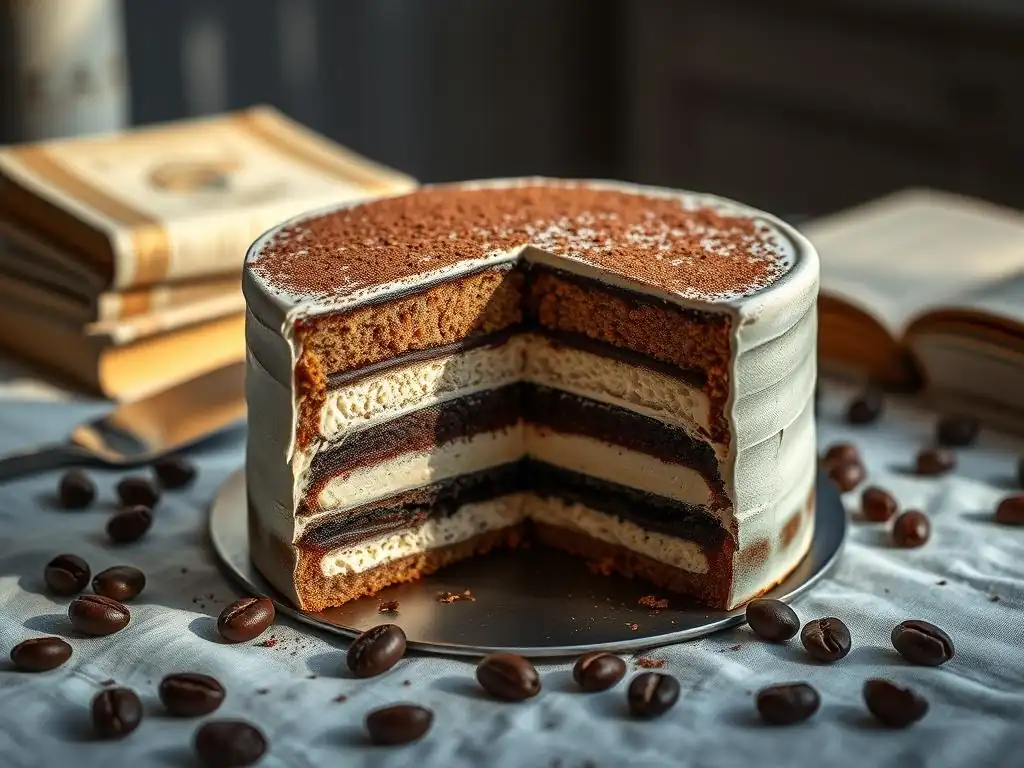
Welcome to BakeWithEase, where baking becomes a joy, not a chore! Are you ready to experience the layered elegance of a classic French dessert, reimagined for gluten-free enjoyment? Dive into our guide to crafting a delectable Gluten-Free French Opera Cake using rice flour and discover how simple substitutions can unlock a world of flavor. But that's just the beginning... What secrets lie within each delicate layer, and how can you achieve that perfect, melt-in-your-mouth texture? Read on to find out!
- Chocolate Raspberry Opera Cake: A Decadent Gluten-Free Delight
- Introduction to Gluten-Free Opera Cake
- Understanding the Traditional French Opera Cake
- Crafting a Gluten-Free Opera Cake: Ingredient Substitutions
- Gluten-Free Opera Cake Recipe: Step-by-Step Guide
- Assembling Your Gluten-Free Opera Cake
- Decorating Your Gluten-Free French Opera Cake
- Tips and Tricks for a Perfect Gluten-Free Opera Cake
- Storing and Serving Your Gluten-Free Opera Cake
- Variations on the Gluten-Free Opera Cake Theme
- Conclusion: Enjoying Your Gluten-Free French Opera Cake
-
Frequently Asked Questions
- How does this Gluten-Free French Opera Cake recipe differ from a traditional one?
- What are the key components of a French Opera Cake, and how does this recipe address them in a gluten-free context?
- What kind of rice flour is recommended for achieving the best results in this Gluten-Free French Opera Cake?
- Can I substitute any of the ingredients in the coffee buttercream or chocolate ganache to make this recipe dairy-free or vegan?
- Is this Gluten-Free French Opera Cake recipe suitable for beginner bakers, or is it more complex?
- Final Reflection: The Enduring Allure of Gluten-Free Elegance
- Unleash Your Inner Pâtissier: Master the Gluten-Free Opera Cake!
Chocolate Raspberry Opera Cake: A Decadent Gluten-Free Delight
Introduction to Gluten-Free Opera Cake
Discover a Rich and Flavorful Twist on a Classic
The French Opera cake is a masterpiece of patisserie, known for its elegant layers of almond sponge (Joconde), coffee buttercream, chocolate ganache, and coffee syrup, all topped with a glossy chocolate glaze. Adapting such a classic for a gluten-free diet presents a unique challenge, primarily centered around replicating the delicate, moist texture of the sponge cake without wheat flour. However, with careful ingredient selection and precise technique, creating a stunning and delicious gluten-free Opera cake is entirely possible.
This process involves understanding the function of each traditional component and finding suitable alternatives that maintain the integrity and luxurious feel of the original. Crafting a Glutenfree French Opera cake allows those with gluten sensitivities to enjoy this iconic dessert.
Successfully substituting gluten requires more than just swapping flours cup-for-cup. Gluten provides structure and elasticity, which must be compensated for using other ingredients like eggs, fats, and alternative flours. For a gluten-free Opera cake, the almond sponge is often the most straightforward layer to adapt, as almond flour naturally lends itself to a moist, tender crumb.
Other layers, like the buttercream and ganache, are typically gluten-free by nature but require attention to ensure all ingredients, such as extracts or chocolate, are certified gluten-free to avoid cross-contamination. The goal is to achieve the same complex harmony of textures and flavors – light sponge, smooth cream, rich chocolate, and moist layers – in this gluten-free layered cake.
Baking Bliss Presents: A Chocolate Raspberry Opera Cake Recipe
Welcome to our take on the elegant Opera cake, reimagined for gluten-free enjoyment with a delightful twist of raspberry and chocolate. This recipe focuses on building layers of flavor and texture that rival the traditional version, ensuring no one misses the gluten. Instead of the classic coffee, we'll infuse our layers with vibrant raspberry, paired with a rich chocolate buttercream and a decadent raspberry-infused ganache.
This Glutenfree French Opera cake variation offers a bright, fruity counterpoint to the deep chocolate, creating a truly special dessert perfect for celebrations or simply indulging in a moment of baking bliss. The process, while requiring patience and precision, is broken down into manageable steps, making this sophisticated bake accessible.
Our version starts with a tender almond flour sponge, soaked in a bright raspberry syrup. This is followed by layers of smooth chocolate buttercream and a luscious raspberry ganache, all culminating in the signature glossy glaze. The key to success lies in meticulous preparation and chilling time between layers, ensuring clean cuts and a beautiful presentation.
We'll guide you through selecting the best gluten-free ingredients and techniques specifically tailored for this gluten-free Opera cake, addressing potential pitfalls and offering tips for a perfect finish. Get ready to create a showstopping dessert that proves gluten-free baking can be every bit as luxurious and delicious as its traditional counterpart.
Understanding the Traditional French Opera Cake
What Makes an Opera Cake Unique?
The distinctiveness of a French Opera cake lies in its precise architecture and the interplay of its specific flavors and textures. It is not just a cake but a carefully constructed stack of complementary components. Traditionally, it features thin layers of Joconde biscuit (an almond sponge made with whole eggs and egg whites beaten separately), soaked in coffee syrup. These layers are then interleaved with classic French buttercream (often coffee-flavored) and a rich chocolate ganache.
The entire cake is typically finished with a smooth chocolate glaze and often decorated with the word "Opera" in chocolate. This multi-layered structure, requiring significant skill and precision to assemble neatly, is what sets it apart from simpler cakes. The combination of coffee, chocolate, and almond is the classic signature flavor profile.
The traditional Opera cake's appeal also stems from its elegant, rectangular shape and its relatively flat profile compared to taller layer cakes. The visual presentation, with its sharp edges and glossy top, is as important as the taste. Each slice reveals the beautiful striations of the different layers, showcasing the baker's skill.
The texture contrast between the moist, airy sponge, the smooth, creamy buttercream, and the denser, richer ganache creates a complex sensory experience. Mastering the traditional Opera cake is a benchmark for many pastry chefs, and adapting this complex structure to create a Glutenfree French Opera cake requires an understanding of how each layer contributes to the final result and how gluten-free ingredients might alter these contributions.
The Classic Layers: A Breakdown
A traditional French Opera cake is composed of typically six or seven distinct layers, stacked in a specific order:
- Joconde Biscuit: A light, flexible almond sponge cake made with ground almonds, flour, sugar, and eggs (whole eggs and whipped egg whites). It's baked in thin sheets.
- Coffee Syrup: A simple syrup infused with strong coffee or espresso, used to moisten the sponge layers, adding flavor and keeping the cake moist.
- French Buttercream: A rich, smooth buttercream made with egg yolks, sugar syrup, and butter, traditionally flavored with coffee extract or instant coffee.
- Chocolate Ganache: A mixture of chocolate and cream, used as a filling layer and sometimes incorporated into the glaze.
- Chocolate Glaze: A glossy coating, often a ganache montèe (whipped ganache) or a simple chocolate glaze made with chocolate, butter, and sometimes a bit of oil or corn syrup for shine.
These layers are assembled in a precise sequence: sponge, syrup, buttercream, sponge, syrup, ganache, sponge, syrup, buttercream, then the final glaze. The precision in spreading layers evenly and chilling between steps is paramount for achieving the characteristic clean lines when the cake is sliced. Replicating this structure for a gluten-free Opera cake means ensuring each substituted layer performs its function correctly – the gluten-free sponge must be sturdy enough to handle soaking and layering, the gluten-free buttercream and ganache must set properly, and the flavors must harmonize.
Crafting a Gluten-Free Opera Cake: Ingredient Substitutions
The Key: Almond Flour for a Delicate Texture
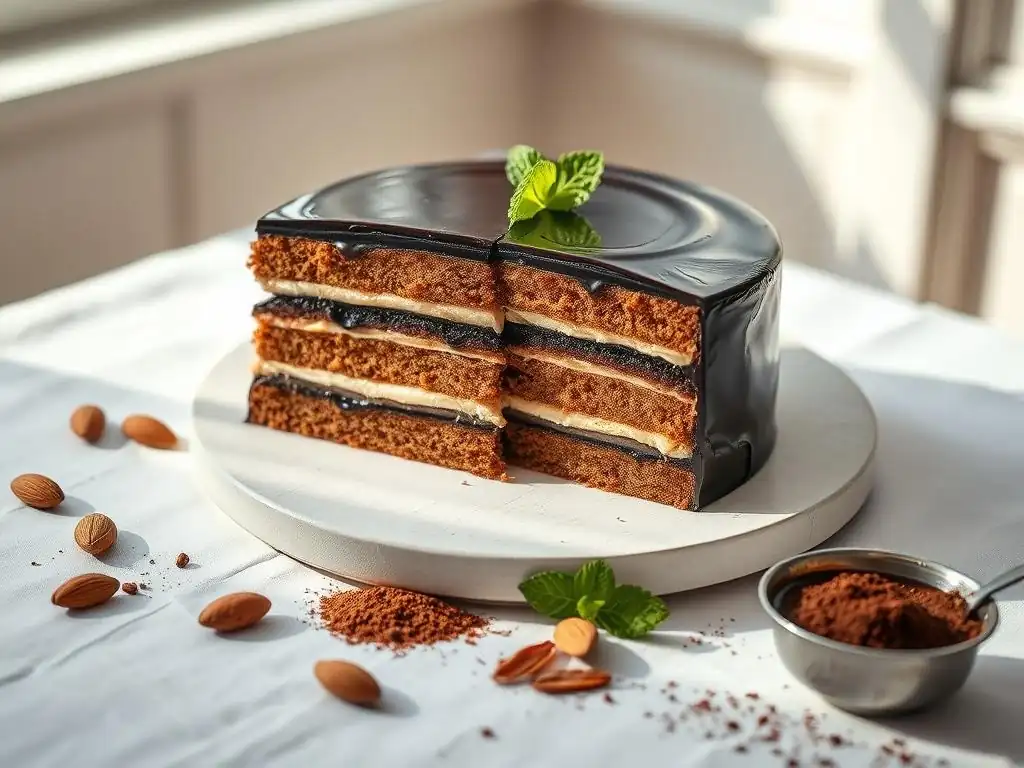
When adapting the classic Joconde biscuit for a Glutenfree French Opera cake, almond flour is often the hero ingredient. Traditional Joconde uses a mix of wheat flour and almond flour, but a successful gluten-free version can rely solely on finely ground blanched almonds (almond flour). Almond flour provides a wonderful moistness and richness to the sponge, compensating for the lack of gluten's binding properties.
It also contributes a subtle nutty flavor that pairs beautifully with chocolate and raspberry. Because almond flour doesn't contain gluten, the structure of the cake relies heavily on the eggs, particularly the whipped egg whites, which provide lift and stability.
Using almond flour requires careful handling of the batter. It's crucial not to overmix once the dry ingredients are added, even though there's no gluten to develop. Overmixing can still deflate the airy structure created by the whipped egg whites.
A typical recipe for a gluten-free Opera cake sponge might use a higher proportion of eggs relative to the dry ingredients compared to a wheat-based sponge, sometimes featuring a significant amount of egg whites folded in gently. For instance, a standard gluten-free almond sponge recipe for a 9x13 inch pan might call for 6-8 eggs, separated, with the whites whipped to stiff peaks, and around 150-200 grams of fine almond flour. This balance ensures a tender, moist, and structurally sound layer capable of supporting the weight of the fillings and soaking up the syrup without falling apart.
Other Gluten-Free Flour Options for Opera Cake
While almond flour is excellent for the sponge in a Glutenfree French Opera cake, other gluten-free flour options can be considered, although they may slightly alter the texture and flavor. A blend of gluten-free flours, such as rice flour, tapioca starch, and potato starch, could be used. However, using a simple blend like this for a sponge cake can sometimes result in a slightly drier or more crumbly texture compared to almond flour. Rice flour, for example, absorbs less moisture than almond flour, potentially leading to a less tender crumb unless compensated with additional fat or liquid.
Another option is to use a pre-mixed gluten-free all-purpose flour blend. These blends often contain a mix of different flours and starches, sometimes with added binders like xanthan gum. If using a blend, choose one specifically formulated for cakes or pastries, as general-purpose blends might be too dense. You might need to adjust the liquid slightly, as different blends absorb moisture differently.
For instance, a blend heavy on rice flour might require a bit more liquid than one based on sorghum or oat flour. Hazelnut flour is another appealing alternative, offering a stronger, nuttier flavor profile that could work well with chocolate, though it might be slightly denser than almond flour. Regardless of the flour choice, the goal is a thin, flexible sponge that can be easily handled and layered in this gluten-free Opera cake.
Adapting the Recipe for Gluten Sensitivity
Adapting a classic recipe like the French Opera cake for gluten sensitivity goes beyond just swapping flour. It involves scrutinizing every ingredient and step to ensure no hidden sources of gluten are present and that the structural and textural integrity of the cake is maintained.
For a Glutenfree French Opera cake, this means checking labels on chocolate (some cheaper chocolates can contain malt or wheat fillers), extracts (vanilla or almond extract are usually fine, but flavored extracts should be checked), and powdered sugar (some brands contain anti-caking agents that might contain wheat starch, though this is less common now). Using certified gluten-free ingredients whenever possible is the safest approach, especially for those with Celiac disease.
Beyond ingredients, the technique needs careful consideration. Gluten-free sponges can be more delicate than their wheat counterparts. Handling the thin layers requires gentleness to prevent tearing. Soaking the layers with syrup is crucial for moisture, but over-soaking can make the gluten-free sponge soggy and difficult to handle.
Finding the right balance is key. Using a firm buttercream and a well-set ganache is also vital, as these layers provide much of the structure in a gluten-free layered cake. Chilling the cake properly between adding layers allows each component to firm up, making assembly easier and ensuring clean, defined layers when sliced, which is the hallmark of any Opera cake.
Gluten-Free Opera Cake Recipe: Step-by-Step Guide
Preparing the Almond Flour Sponge Cake (Gluten-Free)
The foundation of our Glutenfree French Opera cake is the almond flour sponge. This recipe uses the classic method of separating eggs and whipping whites to create a light, airy base. You'll need fine blanched almond flour, powdered sugar, granulated sugar, whole eggs, and egg whites.
Start by sifting together the almond flour and powdered sugar to remove any lumps; this step is crucial for a smooth batter. In a large bowl, whisk the whole eggs with a portion of the granulated sugar until pale and thick, about 5-7 minutes with an electric mixer. This mixture, known as the pâte à bombe base in some recipes, provides richness and stability.
In a separate clean bowl, whip the egg whites until soft peaks form. Gradually add the remaining granulated sugar while continuing to whip until stiff, glossy peaks form. Gently fold about one-third of the whipped egg whites into the egg yolk mixture to lighten it. Then, carefully fold in the sifted almond flour and powdered sugar mixture in two additions.
Finally, gently fold in the remaining whipped egg whites in two additions, being careful not to deflate the batter. The goal is a light, airy batter. Spread this batter thinly and evenly onto baking sheets lined with parchment paper. A standard recipe often yields enough batter for two 9x13 inch sheets or one large 12x18 inch sheet, depending on your desired cake size, which will later be cut into the required layers for your gluten-free Opera cake.
Baking the Almond Flour Sponge
Baking the almond flour sponge for your Glutenfree French Opera cake requires a relatively hot oven and a short baking time to keep it moist and pliable. Preheat your oven to around 375°F (190°C). Spread the sponge batter as evenly as possible to a thickness of about 1/4 inch (approx. 0.6 cm) on the prepared baking sheets. Use an offset spatula to smooth the surface right to the edges. The thinness is key to achieving the classic Opera cake layers.
Bake for 8 to 12 minutes, depending on your oven and the thickness of the batter. The sponge is done when it's lightly golden brown around the edges and springs back gently when touched. It should not be overly browned or crisp, as this indicates it's dried out.
Remove from the oven and immediately invert the sponge onto a wire rack or another sheet of parchment paper dusted lightly with powdered sugar. Carefully peel off the parchment paper it was baked on. Allow the sponge to cool completely before cutting it into the layers needed for your gluten-free layered cake assembly.
Making the Chocolate Buttercream (Dairy-Free Options)
For our Glutenfree French Opera cake with a raspberry twist, we'll make a delicious chocolate buttercream. While classic Opera cakes use a French buttercream (egg yolk based), an American or Swiss meringue buttercream can also work and might be simpler for home bakers. For a rich chocolate American buttercream, you'll need softened butter (or dairy-free butter substitute), powdered sugar, unsweetened cocoa powder, a pinch of salt, a splash of milk (or plant-based milk), and vanilla extract. Ensure your cocoa powder is pure and unsweetened.
Cream the softened butter using an electric mixer until pale and fluffy. Gradually add the sifted powdered sugar and cocoa powder, alternating with small amounts of milk or plant-based milk, until you reach a smooth, spreadable consistency. Add vanilla extract and salt, mixing until just combined. If using a dairy-free butter substitute, choose one specifically formulated for baking or frosting, as some can result in a greasier texture.
For a Swiss meringue chocolate buttercream, you'll make a meringue with egg whites and sugar heated over a double boiler, then whip it and gradually add softened butter and melted, cooled chocolate. This results in a lighter, less sweet buttercream. Both options provide a creamy layer for your gluten-free Opera cake.
Achieving the Perfect Buttercream Consistency
The consistency of your chocolate buttercream is crucial for a smooth, even layer in your Glutenfree French Opera cake. It needs to be firm enough to hold its shape when spread but soft enough to spread easily without tearing the delicate sponge.
If your buttercream is too stiff, add milk or plant-based milk, one teaspoon at a time, beating well after each addition until it reaches the desired consistency. If it's too soft, you can beat in a little more sifted powdered sugar or, preferably, chill it in the refrigerator for 15-20 minutes to firm up, then re-whip it before using.
Temperature plays a significant role. Ensure your butter (or substitute) is truly softened, not melted, before you begin. If using a Swiss meringue buttercream, the butter should be soft but cool, and the meringue should be cooled to room temperature before adding the butter. The final buttercream should be smooth, lump-free, and easily spreadable with an offset spatula. Testing a small amount on a piece of the cooled sponge can help you gauge if the consistency is right before you start assembling your gluten-free layered cake.
Raspberry Ganache: A Decadent Gluten-Free Layer
A key component of our raspberry-chocolate Glutenfree French Opera cake is the raspberry ganache layer. Ganache is a simple mixture of chocolate and a liquid, typically cream. For a raspberry version, we'll use chocolate and a concentrated raspberry puree or reduction instead of or in addition to cream. This adds intense fruit flavor and a beautiful color. You'll need good quality chocolate (couverture or high-quality bar chocolate) and fresh or frozen raspberries.
To make the raspberry component, puree the raspberries and strain them through a fine-mesh sieve to remove seeds. Gently heat the strained raspberry puree in a saucepan until it reduces slightly and the flavor concentrates. This also helps evaporate some of the excess liquid.
Chop your chocolate finely and place it in a heatproof bowl. Heat the reduced raspberry puree (and a little cream or plant-based cream if desired for richness) until it's hot but not boiling. Pour the hot raspberry mixture over the chopped chocolate.
Let it sit for a few minutes to allow the heat to melt the chocolate, then gently whisk from the center outwards until smooth and emulsified. For a firmer ganache layer suitable for spreading, use a higher ratio of chocolate to liquid, perhaps 2:1 chocolate to raspberry puree/cream by weight. Allow the ganache to cool and thicken at room temperature until it's spreadable, like a soft frosting, before using it in your gluten-free Opera cake.
Choosing the Right Chocolate for Ganache
The quality of chocolate you use directly impacts the flavor and texture of your raspberry ganache in this Glutenfree French Opera cake. Opt for high-quality chocolate with a cocoa content between 50% and 70% for a balanced flavor that pairs well with raspberry. Semi-sweet or bittersweet chocolate works well. Avoid chocolate chips, as they contain stabilizers that prevent them from melting smoothly into a ganache. Look for baking bars or couverture chocolate. Ensure the chocolate is certified gluten-free if you have sensitivities.
For the glaze on top of the cake, a slightly different type of chocolate or preparation might be used to achieve a very glossy finish. Sometimes, a bit of butter or a neutral oil is added to the melted chocolate for the final glaze to enhance shine and prevent cracking when cut.
However, for the internal ganache layer, the focus is on a smooth, rich texture and intense flavor derived from the chocolate and raspberry. Using finely chopped chocolate helps it melt quickly and evenly when the hot liquid is poured over it, leading to a smoother ganache for your gluten-free layered cake.
Raspberry Syrup: Imbue with Flavor
The raspberry syrup is essential for moistening the almond sponge layers in our Glutenfree French Opera cake and infusing them with bright raspberry flavor. It replaces the traditional coffee syrup. To make it, you'll need fresh or frozen raspberries, sugar, and water. Combine equal parts sugar and water in a saucepan (e.g., 1 cup sugar, 1 cup water) and add about 1 cup of raspberries. Heat gently, stirring until the sugar dissolves and the raspberries break down.
Simmer the mixture for about 5-10 minutes, allowing the flavors to meld and the syrup to thicken slightly. Strain the syrup through a fine-mesh sieve, pressing on the solids to extract as much liquid and flavor as possible. Discard the solids. You should have a vibrant, flavorful raspberry syrup. Let it cool completely before using it to soak the sponge layers. Some recipes might call for adding a splash of raspberry liqueur for extra depth of flavor, but this is optional. This syrup is key to ensuring the gluten-free Opera cake layers are moist and flavorful throughout.
Making a Rich Raspberry Infusion
To achieve a truly rich raspberry infusion for both the syrup and potentially the ganache in your Glutenfree French Opera cake, starting with ripe, flavorful raspberries is important. If using frozen raspberries, they often have a more intense flavor than fresh ones that are out of season. When making the syrup, don't rush the simmering process; allowing it to gently cook helps concentrate the raspberry flavor.
For an even richer infusion, especially for the ganache, you could reduce the strained raspberry puree significantly over low heat until it's almost a thick paste. This concentrates the flavor intensely. For example, starting with 2 cups of puree and reducing it to 1/2 cup can create a powerful raspberry element. This reduced puree can then be incorporated into the chocolate for a more pronounced raspberry ganache layer in your gluten-free layered cake. Ensure the infusion is warm when added to the chocolate for the ganache to facilitate melting.
Assembling Your Gluten-Free Opera Cake
Layering Techniques for a Professional Finish
Assembling a Glutenfree French Opera cake requires patience and precision to achieve those signature clean layers. First, ensure all your components – the cooled almond sponges, cooled raspberry syrup, chocolate buttercream, and cooled, thickened raspberry ganache – are ready. Cut your cooled sponge sheets into the required rectangular layers for your cake size. Typically, you'll need three identical rectangles of sponge. Using a ruler and a sharp knife helps ensure straight edges.
Place the first sponge layer on your serving platter or cake board. Use a pastry brush to generously soak this layer with the cooled raspberry syrup. Don't oversaturate, but ensure it's evenly moistened. Next, spread a layer of the chocolate buttercream evenly over the syrup-soaked sponge using an offset spatula. Aim for an even thickness, about 1/4 inch (0.6 cm).
Place the second sponge layer on top of the buttercream, pressing down gently to level it. Soak this layer with raspberry syrup. Then, spread the raspberry ganache evenly over the syrup-soaked second sponge. Ensure the ganache is spreadable but not too soft; chilling it briefly if needed helps.
Achieving Even Layers with Precision
Precision is key to the beautiful appearance of a Glutenfree French Opera cake. After adding the ganache layer, place the third and final sponge layer on top. Soak this layer generously with the remaining raspberry syrup. Finally, spread a layer of the chocolate buttercream evenly over the top sponge layer. Use an offset spatula to smooth the top and also apply a thin layer of buttercream or ganache around the sides to create a "crumb coat" that seals in any loose crumbs. This step, though optional, makes applying the final glaze much smoother.
Once the cake is fully assembled up to the top buttercream layer, the most critical step is chilling. Refrigerate the cake for at least 1 to 2 hours, or ideally longer, until all the layers are firm. This chilling period allows the buttercream and ganache to set completely, making it much easier to apply the final glaze and, more importantly, to slice the cake cleanly later, revealing those perfect layers. Don't rush this step in your gluten-free layered cake assembly.
The Importance of Chilling
Chilling is not just a suggestion; it's a mandatory step when assembling a Glutenfree French Opera cake. After each layer (especially the buttercream and ganache) is applied, a period of refrigeration is essential. Chilling allows the fats in the buttercream and ganache to firm up, creating stable layers that won't squeeze out or shift when the next layer is added. Without proper chilling, the cake can become a wobbly mess, and the layers will not be distinct when sliced.
The final long chill (1-2+ hours after all layers are stacked) is paramount before applying the final glaze. A cold cake surface ensures the warm glaze sets quickly and smoothly on top, resulting in that characteristic glossy finish without melting the layers underneath. Furthermore, the chilling process helps the flavors meld together. Trying to slice a gluten-free Opera cake that hasn't been adequately chilled will result in squashed layers and a messy presentation, ruining the elegant look this cake is known for. Ensure your refrigerator has enough space to accommodate the cake during these crucial chilling periods.
Decorating Your Gluten-Free French Opera Cake
Classic Opera Cake Decoration Ideas
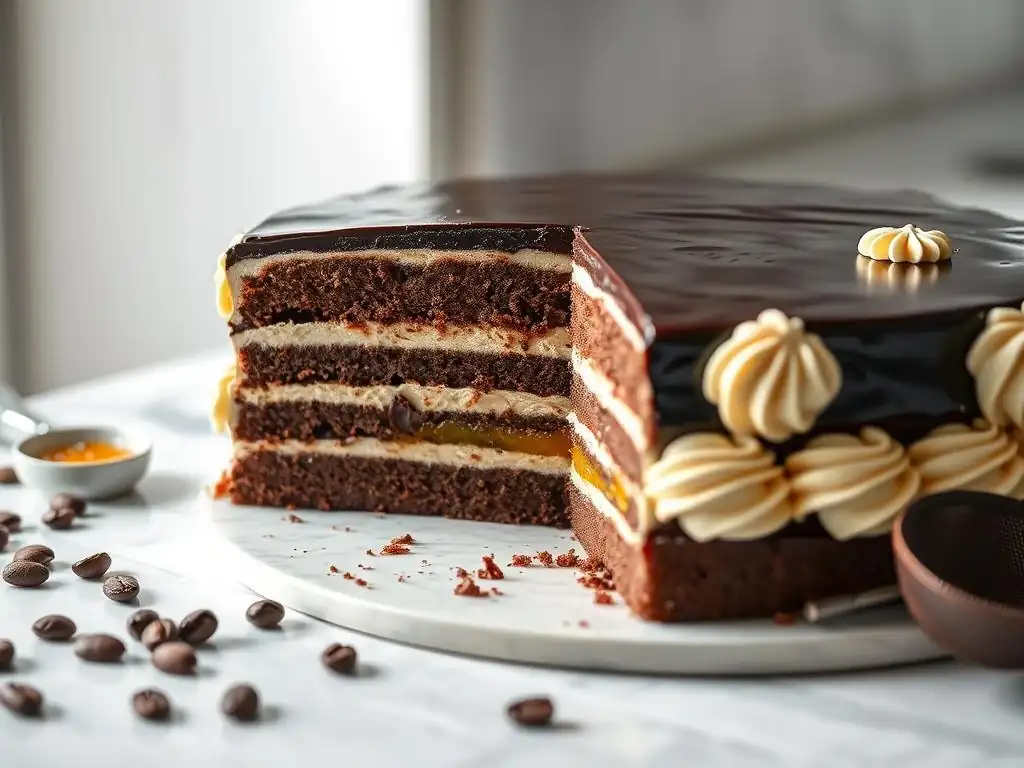
The classic decoration for a French Opera cake is simple yet elegant: a smooth, glossy chocolate glaze topped with the word "Opera" written in chocolate or a decorative chocolate pattern. For your Glutenfree French Opera cake, replicating this classic look is a wonderful way to pay homage to the original.
Once the cake is fully chilled and firm, prepare your chocolate glaze (often a slightly different consistency than the internal ganache, perhaps thinner or with added butter/oil for shine). Pour the glaze over the top of the cold cake, spreading it quickly and evenly with an offset spatula to cover the entire surface and letting it drip down the sides naturally, or smoothing the sides if you applied a crumb coat.
For the "Opera" inscription, melt a small amount of chocolate, put it in a piping bag with a fine tip, and carefully write the word on the set glaze. Alternatively, you can create a pattern, like waves or swirls, using a comb or fork dragged through the wet glaze. Another classic decoration is to use gold leaf sparingly for a touch of luxury.
The key is to work relatively quickly once the glaze is applied, as it will start to set on the cold cake. A simple, clean finish is often the most elegant for this type of gluten-free layered cake.
Gluten-Free Chocolate Glaze Options
For the glossy topping of your Glutenfree French Opera cake, several gluten-free chocolate glaze options exist. A simple ganache made with chocolate and cream (or plant-based cream) can work, using a ratio that results in a pourable consistency when warm (e.g., 1:1 or slightly more liquid). Ensure both the chocolate and cream are certified gluten-free. Another option is a miroir (mirror) glaze, though these are more complex and often contain gelatin or pectin, which are naturally gluten-free but require careful preparation for a smooth, bubble-free finish.
A straightforward and reliable gluten-free glaze can be made by melting high-quality chocolate with a small amount of neutral oil (like vegetable or canola oil) or butter. For example, melt 200 grams of chopped chocolate with 2-3 tablespoons of oil or butter gently over a double boiler or in the microwave (stirring frequently). This mixture will be smooth and glossy when warm and will set firmly but cut cleanly when cold.
Ensure any added butter or oil is also free from gluten cross-contamination if that is a concern. Apply the warm glaze over the very cold assembled gluten-free Opera cake for the best results.
Adding a Personal Touch
While classic decoration is beautiful, feel free to add your personal touch to your Glutenfree French Opera cake. Since this version features raspberry, you could garnish with fresh raspberries or chocolate curls dusted with freeze-dried raspberry powder. Chocolate shards or geometric patterns made from tempered chocolate can add modern flair. Edible flowers or a dusting of cocoa powder through a stencil can also create an appealing look.
Consider the occasion: for a birthday, a simple "Happy Birthday" piped in chocolate is fitting. For a holiday, seasonal decorations can be incorporated. Remember that the elegance of the Opera cake lies in its clean lines and layers, so try not to overpower it with too much decoration. A few well-placed elements can enhance the beauty of your homemade gluten-free layered cake.
Tips and Tricks for a Perfect Gluten-Free Opera Cake
Avoiding Common Mistakes
Making a Glutenfree French Opera cake can be challenging, but being aware of common pitfalls helps ensure success. One frequent mistake is overmixing the almond sponge batter after adding the dry ingredients or folding in the egg whites too roughly; this can deflate the batter and result in a dense sponge. Fold gently! Another error is not chilling the cake adequately between layers and before glazing. This leads to messy, uneven layers and a poor finish. Patience with chilling is crucial.
Using ingredients that are too warm can also cause issues; ensure butter for buttercream is merely softened (not melted) and that ganache is cooled to a spreadable consistency before using. Applying warm glaze to a non-chilled cake will result in the glaze running off or melting the layers. Finally, not cutting the cake cleanly after it's fully set is a common presentation issue. Use a sharp knife dipped in hot water and wiped dry before each cut to achieve those coveted sharp lines in your gluten-free Opera cake slices.
Ensuring a Moist and Flavorful Cake
Moisture is key to a great Opera cake, and this is especially true for a Glutenfree French Opera cake, as gluten-free sponges can sometimes lean towards dryness. The raspberry syrup is your primary tool for ensuring moisture. Don't be shy when soaking the layers; aim for a generous, even application with a pastry brush, ensuring the entire surface of each sponge layer is moistened. The almond flour also contributes significantly to the cake's moisture due to its fat content.
Using high-quality ingredients throughout also enhances flavor. Good chocolate makes a noticeable difference in the ganache and glaze. Ripe, flavorful raspberries yield a more vibrant syrup and ganache. Allowing the finished gluten-free layered cake to sit in the refrigerator for several hours, ideally overnight, after the glaze has set allows the flavors to meld and the moisture to distribute evenly throughout the layers, resulting in a more cohesive and delicious final product.
Troubleshooting Your Bake
Even experienced bakers encounter issues. If your almond sponge for the Glutenfree French Opera cake is too dry, it might have been overbaked or not soaked sufficiently. Next time, reduce baking time slightly or increase the amount of syrup used. If your buttercream is grainy, the sugar may not have dissolved properly (especially in French or Swiss meringue types) or the butter was added too quickly or at the wrong temperature. Gently warming a small portion and whisking it back in can sometimes help.
If your ganache layer is too hard, it might have been over-chilled or made with too high a chocolate-to-liquid ratio; let the cake sit at room temperature briefly before serving. If the glaze isn't glossy, the chocolate quality might be low, or it was applied to a cake that wasn't cold enough, causing it to set too slowly. Ensure your cake is very cold and the glaze is applied quickly and smoothly. Practice makes perfect when creating a complex gluten-free Opera cake like this.
Storing and Serving Your Gluten-Free Opera Cake
Optimal Storage Conditions
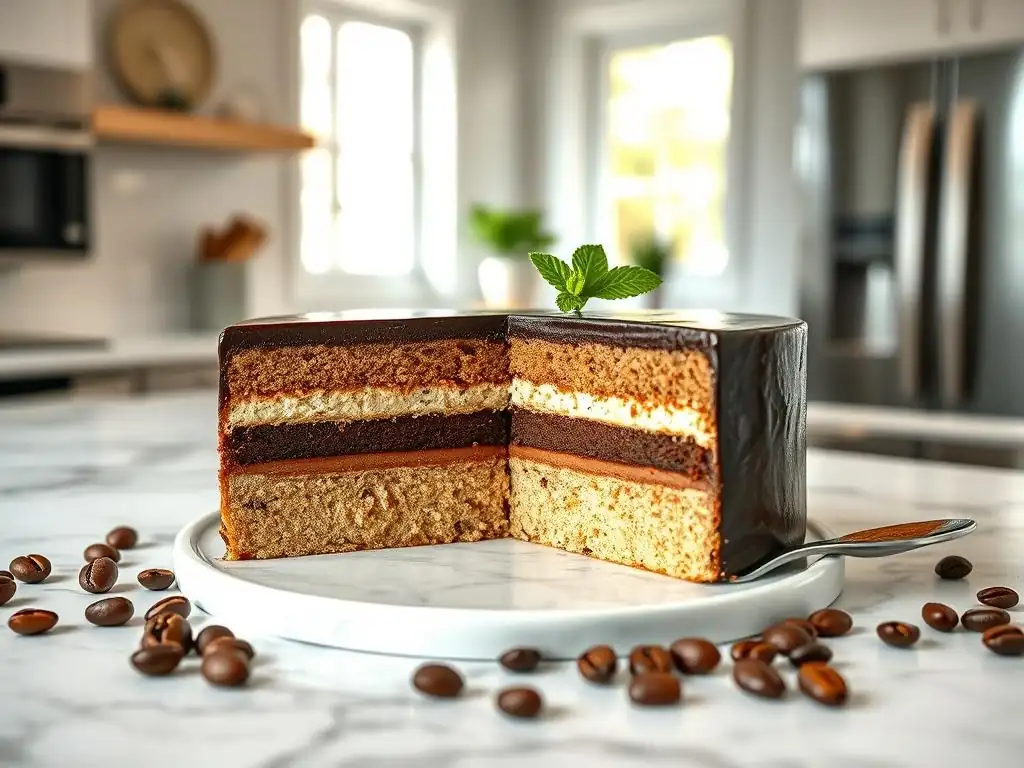
Due to its components like buttercream and ganache, your finished Glutenfree French Opera cake must be stored in the refrigerator. Once the final glaze has set completely, transfer the cake to an airtight container. This prevents it from drying out or absorbing odors from the refrigerator. If the cake is too large for a container, cover it tightly with plastic wrap, ensuring the wrap doesn't touch the glossy glaze if possible (using toothpicks inserted into the top can help suspend the wrap).
Properly stored, the gluten-free layered cake will keep well in the refrigerator for 3 to 4 days. For longer storage, Opera cake freezes beautifully. Cut the cake into individual slices or larger portions, wrap each piece tightly in plastic wrap, and then place them in a freezer-safe container or bag. Frozen gluten-free Opera cake can last for up to 1-2 months. Thaw frozen slices overnight in the refrigerator before serving.
Serving Suggestions and Pairings
To best appreciate the textures and flavors of your Glutenfree French Opera cake, it's ideal to serve it slightly chilled but not ice-cold. Remove the cake from the refrigerator about 15-20 minutes before slicing and serving. This allows the buttercream and ganache layers to soften slightly, providing a creamier mouthfeel and allowing the complex flavors to come through more fully. Use a sharp knife, heated in hot water and wiped clean between slices, to get the cleanest cuts.
Serve slices on elegant dessert plates. This rich cake is wonderful on its own, but can be paired with a few simple accompaniments. A fresh raspberry or a small dollop of whipped cream (dairy or non-dairy) can complement the flavors. For beverages, consider a strong cup of coffee (if you enjoy that pairing, even with the raspberry twist), a glass of dessert wine, or even a refreshing sparkling water with a twist of citrus. The intense flavors of this gluten-free Opera cake make it a satisfying end to a meal.
Variations on the Gluten-Free Opera Cake Theme
Experimenting with Different Flavors
While our recipe features a delicious chocolate and raspberry combination, the framework of a Glutenfree French Opera cake is incredibly versatile, allowing for exciting flavor variations. Instead of raspberry, you could explore other fruit profiles. A lemon curd buttercream with a blueberry ganache layer, paired with a lemon-soaked almond sponge, would create a bright and tangy gluten-free layered cake. Or, use a passion fruit syrup and passion fruit white chocolate ganache for a tropical twist.
For those who prefer the traditional coffee, simply swap the raspberry syrup for strong coffee syrup and infuse the buttercream with coffee extract instead of chocolate and raspberry. Nutty variations are also possible; a hazelnut sponge (using hazelnut flour) paired with a praline buttercream and chocolate ganache creates a "Paris-Brest" inspired gluten-free Opera cake. The key is to ensure the flavors complement each other across the different layers.
Dairy-Free and Vegan Adaptations
Creating a dairy-free Glutenfree French Opera cake is relatively straightforward using widely available substitutes. Swap the butter in the buttercream for a good quality dairy-free butter substitute designed for baking. Use full-fat coconut cream or other plant-based creams (like cashew or oat cream) in place of dairy cream for the ganache. Ensure your chocolate is dairy-free (many dark chocolates are, but check labels). Plant-based milk can be used in the syrup if needed, though water works fine.
A fully vegan gluten-free Opera cake is more challenging but achievable. The almond sponge would need to be made without eggs, using a combination of aquafaba (whipped chickpea brine) for lift, and perhaps a flax egg or commercial egg replacer for binding. The buttercream would need to be vegan (using dairy-free butter and powdered sugar, or a vegan meringue base). The ganache would be dairy-free as described above. While more complex, a vegan gluten-free layered cake inspired by the Opera structure is possible with careful recipe development.
Lemon Blueberry Opera Cake
Imagine a Glutenfree French Opera cake with a zesty, fruity profile: a Lemon Blueberry Opera Cake. The sponge would be a lemon-infused almond sponge, perhaps with some lemon zest added to the batter. The syrup would be a bright lemon syrup, maybe with a hint of elderflower. The buttercream could be a smooth lemon curd buttercream (using lemon curd folded into a gluten-free and potentially dairy-free buttercream base). The ganache layer would be a vibrant blueberry ganache, made with white chocolate and a concentrated blueberry puree.
Assembled in the classic Opera structure, this variation offers a refreshing alternative to the traditional coffee-chocolate combination. The layers would be: lemon almond sponge, lemon syrup, lemon buttercream, lemon almond sponge, lemon syrup, blueberry ganache, lemon almond sponge, lemon syrup, lemon buttercream, finished with a simple lemon glaze or white chocolate glaze. This example shows how the fundamental structure of the gluten-free Opera cake can be adapted to create entirely new flavor experiences while maintaining the elegant form.
Conclusion: Enjoying Your Gluten-Free French Opera Cake
Celebrate with a Classic, Now Gluten-Free
You've successfully navigated the layers and techniques to create a stunning Glutenfree French Opera cake. This journey from understanding the classic structure to adapting each component with gluten-free ingredients culminates in a dessert that is not only safe for those with gluten sensitivities but is also a truly decadent and impressive bake in its own right. The combination of tender almond sponge, rich chocolate buttercream, and vibrant raspberry ganache, all brought together by the moistening syrup and glossy glaze, creates a harmonious symphony of flavors and textures.
Sharing this beautiful gluten-free layered cake is a joyous occasion. It's a testament to the fact that dietary restrictions don't have to mean sacrificing elegance or deliciousness in baking. Whether you stuck to our raspberry-chocolate version or experimented with other flavors, you've mastered a challenging yet rewarding patisserie classic. So, slice into your creation, admire the beautiful layers, and savor every bite of your homemade Glutenfree French Opera cake. You've earned it!
Frequently Asked Questions
How does this Gluten-Free French Opera Cake recipe differ from a traditional one?
This recipe substitutes traditional wheat flour with rice flour to make it gluten-free. While the flavor profile remains similar, the texture may be slightly different due to the absence of gluten.
What are the key components of a French Opera Cake, and how does this recipe address them in a gluten-free context?
The key components are almond joconde, coffee buttercream, chocolate ganache, and coffee syrup. This recipe uses gluten-free alternatives for the almond joconde, ensuring each layer maintains its integrity and flavor.
What kind of rice flour is recommended for achieving the best results in this Gluten-Free French Opera Cake?
A finely ground rice flour is recommended for optimal results. Coarse rice flour can result in a grainy texture. Consider using a blend of rice flour with other gluten-free flours for added texture.
Can I substitute any of the ingredients in the coffee buttercream or chocolate ganache to make this recipe dairy-free or vegan?
Yes, you can substitute the butter in the coffee buttercream with a dairy-free butter alternative. Similarly, you can use dairy-free chocolate and cream for the ganache.
Is this Gluten-Free French Opera Cake recipe suitable for beginner bakers, or is it more complex?
While visually impressive, this recipe involves multiple steps, making it more suitable for intermediate bakers. However, beginners can attempt it by carefully following the step-by-step instructions.
Final Reflection: The Enduring Allure of Gluten-Free Elegance
The pursuit of delicious, sophisticated desserts needn't exclude those with dietary restrictions; the gluten-free French Opera cake proves this beautifully. This recipe demonstrates that adapting classic techniques to accommodate specific needs doesn't diminish the artistry or the exquisite taste. The rich layers of almond dacquoise, coffee buttercream, and chocolate ganache, all crafted with rice flour, stand as a testament to culinary innovation and inclusivity.
Creating this gluten-free masterpiece wasn't just about adapting a recipe; it was about challenging the notion that dietary restrictions limit culinary creativity. The process itself was a journey of discovery, highlighting the subtle differences in texture and technique required for successful gluten-free baking. It reinforced the importance of understanding the role of gluten and finding suitable substitutes to achieve the desired results. The best things in life are worth fighting for, and a truly delicious gluten-free cake is certainly one of them.
This sentiment, while not a direct quote, encapsulates the spirit of this endeavor – a dedication to excellence regardless of dietary limitations.
Now, I invite you to consider your own culinary adventures. Don't be afraid to experiment, to adapt, and to push the boundaries of what you think is possible. Perhaps this recipe will inspire you to tackle another classic dessert, making it your own by incorporating gluten-free ingredients. The world of gluten-free baking is vast and exciting, brimming with opportunities to create beautiful and delicious treats that everyone can enjoy. Embrace the challenge, and savor the rewards.
Unleash Your Inner Pâtissier: Master the Gluten-Free Opera Cake!
Thanks for joining us on this delicious journey into the world of gluten-free baking! We hope you've gained some valuable tips and inspiration for creating a truly elegant and impressive dessert. Ready to take your baking skills to the next level?
- Bake your own masterpiece! Use our recipe as a springboard and experiment with different flavor combinations. What unique twist will you add?
- Share your creation! Show us your gluten-free Opera Cake on social media using #BakeWithEaseOpera. We'd love to see your baking triumphs!
- Explore more gluten-free recipes on BakeWithEase.com – discover a world of delicious possibilities.
Now, tell us: What exciting flavor profile will you try in your next gluten-free baking adventure?