
Easter Hot Cross Buns Reimagined: GlutenFree Sweet Bread

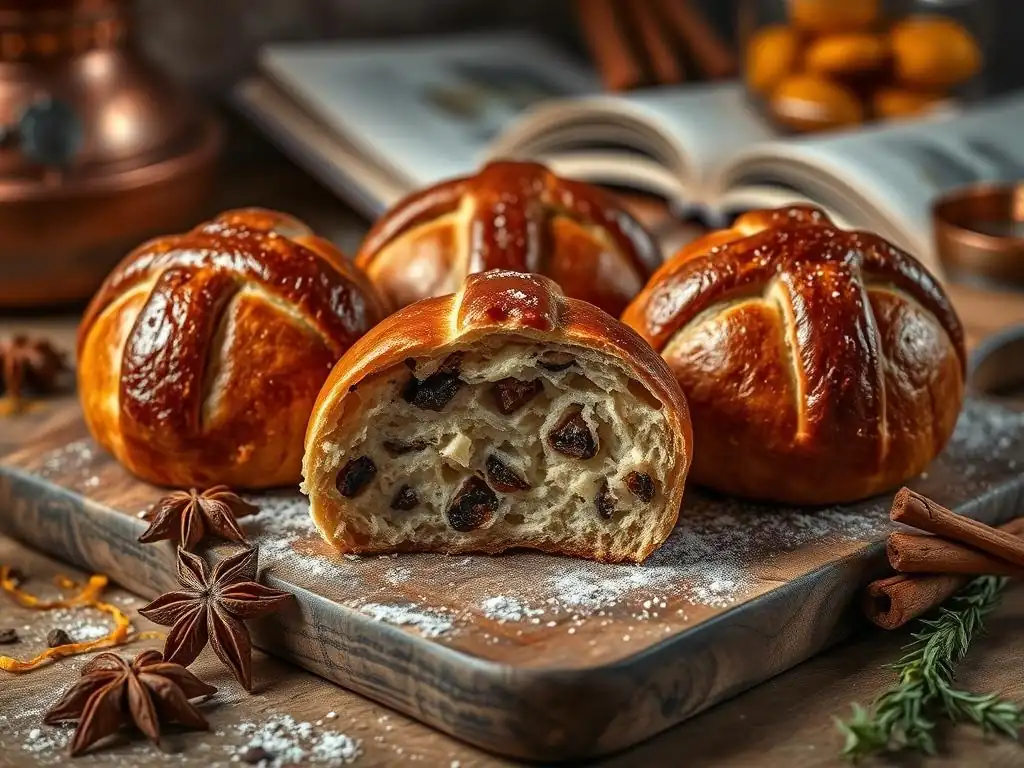
Welcome to BakeWithEase, your haven for baking brilliance! Are you ready to indulge in the Easter spirit without compromising your dietary needs? This year, we're diving into the delightful world of Gluten-Free Hot Cross Buns – a reimagined classic that's sure to tantalize your taste buds. But how do we achieve that perfect blend of spice, sweetness, and fluffy texture, all without gluten? Discover our secrets below and unlock a whole new level of deliciousness. We promise, you won't even miss the gluten!
- Bake Gluten-Free Hot Cross Buns This Easter with BakeWithEase
- Why Gluten-Free Hot Cross Buns? A Delicious Easter Treat for Everyone
- Mastering the Art of Gluten-Free Hot Cross Bun Baking: A Step-by-Step Guide
- Gluten-Free Hot Cross Bun Recipe Variations: Explore New Flavors
- Tips for Perfecting Your Gluten-Free Hot Cross Buns
- Enjoy Your Homemade Gluten-Free Easter Hot Cross Buns!
-
Frequently Asked Questions
- What makes these hot cross buns from BakeWithEase different?
- Are these gluten-free hot cross buns difficult to make?
- What kind of flour is used in the BakeWithEase gluten-free hot cross buns?
- Can I customize the spices in these gluten-free hot cross buns?
- Where can I find more baking tips and recipes like this?
- Final Reflection: The Enduring Appeal of Gluten-Free Goodness
- Unleash Your Inner Baker: Gluten-Free Easter Delights Await!
Bake Gluten-Free Hot Cross Buns This Easter with BakeWithEase
Easter is a time for cherished traditions, and for many, that includes the delightful scent and taste of hot cross buns. At BakeWithEase, we believe everyone should be able to partake in these festive treats, regardless of dietary needs. This guide is dedicated to helping you create delicious, soft, and perfectly spiced gluten-free hot cross buns right in your own kitchen. Say goodbye to missing out and hello to a batch of warm, fragrant buns ready to be shared.
Mastering gluten-free baking can sometimes feel daunting, but with the right guidance and ingredients, it's entirely achievable. Our goal is to simplify the process, offering clear instructions and helpful tips tailored specifically for gluten-free dough. By following these steps, you'll discover that making gluten-free hot cross buns from scratch is not only possible but also incredibly rewarding, bringing the joy of Easter baking to all.
Why Gluten-Free Hot Cross Buns? A Delicious Easter Treat for Everyone
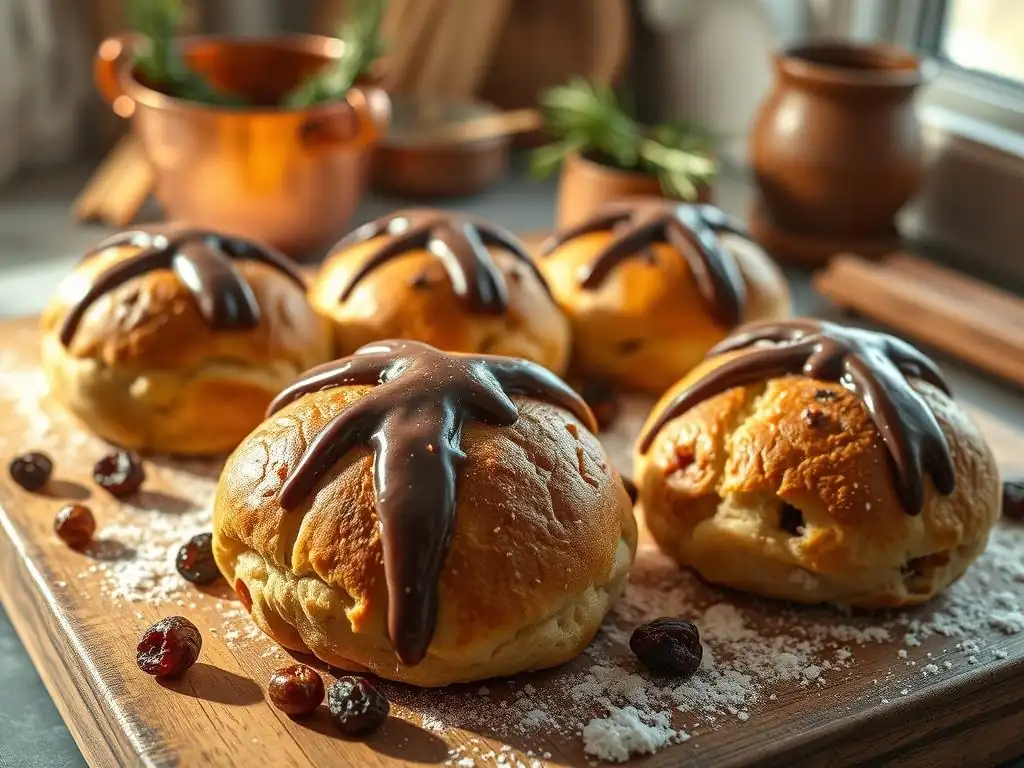
Easter celebrations often revolve around food, and traditional hot cross buns hold a special place. However, for individuals with celiac disease, gluten sensitivity, or those choosing a gluten-free lifestyle, enjoying these classic pastries can be a challenge. Developing a reliable recipe for gluten-free hot cross buns ensures that everyone at the table can enjoy this symbolic and tasty treat, fostering inclusion and shared enjoyment during the holiday.
The growing awareness of dietary restrictions means that offering gluten-free options is more important than ever. A batch of homemade gluten-free hot cross buns demonstrates care and consideration for guests or family members who need them. Plus, a well-made gluten-free bun can be just as moist, flavorful, and satisfying as its traditional counterpart, proving that dietary needs don't have to mean compromising on taste or texture.
Catering to Dietary Needs: Enjoying Easter Traditions Gluten-Free
Approximately 1% of the global population has celiac disease, requiring a strict gluten-free diet for health reasons. Many more individuals experience non-celiac gluten sensitivity or choose to avoid gluten for other health or lifestyle preferences. This means that in a typical gathering, there's a significant chance someone will benefit from gluten-free options. Providing delicious gluten-free hot cross buns ensures that these individuals don't feel excluded from iconic Easter food traditions.
For instance, a family hosting Easter brunch might have one child with celiac disease. Without a gluten-free alternative, that child would miss out on the shared experience of warm, spiced buns straight from the oven. By preparing a batch of gluten-free hot cross buns, everyone gets to enjoy the same festive food, making the holiday more inclusive and joyful. It's a simple act that makes a big difference in ensuring everyone feels welcome and catered to.
The Appeal of Homemade Gluten-Free Easter Baking
Baking gluten-free hot cross buns at home offers numerous advantages over store-bought options. Firstly, you have complete control over the ingredients, ensuring they are truly gluten-free and of high quality. Many commercial gluten-free products can contain hidden allergens or additives, whereas baking from scratch allows for transparency and customization based on specific needs or preferences, such as using organic spices or specific types of dried fruit.
Furthermore, the process of baking itself is a rewarding part of the Easter tradition. The aroma of cinnamon, nutmeg, and citrus filling your home creates a wonderful festive atmosphere. Sharing warm, freshly baked gluten-free hot cross buns with family is a special moment that store-bought versions simply cannot replicate. It's an opportunity to connect with the process, enjoy the sensory experience, and create lasting memories around the holiday table.
Mastering the Art of Gluten-Free Hot Cross Bun Baking: A Step-by-Step Guide
Baking gluten-free hot cross buns requires understanding how gluten-free flours behave differently from wheat flour. Gluten provides structure and elasticity, which are crucial in traditional bread making. Without it, dough can be crumbly or dense. However, by using the right blend of flours, binders, and techniques, you can achieve a beautifully soft and springy bun. This guide will walk you through each stage, from selecting ingredients to the final glaze, helping you bake perfect gluten-free hot cross buns.
The key to success lies in precision and patience. Gluten-free dough often requires a different hydration level and handling compared to wheat dough. It might feel stickier or less pliable. Don't be discouraged! By following the steps outlined below, focusing on accurate measurements, proper mixing, and allowing adequate proving time, you will be well on your way to baking delightful gluten-free hot cross buns that are worthy of any Easter celebration.
Essential Gluten-Free Ingredients for Perfect Hot Cross Buns
Selecting the right ingredients is the foundation of successful gluten-free baking. For gluten-free hot cross buns, this means choosing a suitable flour blend, a reliable binder like xanthan gum, and fresh yeast, alongside the usual suspects like sugar, eggs, milk (or a dairy-free alternative), butter (or vegan butter), spices, and dried fruit. The quality and type of each ingredient will significantly impact the final texture and flavor of your buns.
Using room temperature ingredients, particularly eggs and milk, is also important. This helps the dough come together more smoothly and supports proper yeast activity. Ensure your spices are fresh for maximum flavor impact. Common spices include cinnamon, nutmeg, and sometimes ground cloves or allspice. Zest from an orange or lemon can also add a lovely bright note to your gluten-free hot cross buns.
Choosing the Right Gluten-Free Flour Blend for Sweet Breads
A good gluten-free flour blend for sweet breads like hot cross buns typically contains a mix of starchy flours (like rice flour, tapioca starch, or potato starch) and protein flours (like sorghum flour, brown rice flour, or almond flour). Using a pre-mixed commercial blend designed for baking can be convenient, but ensure it's balanced – too much starch can make buns gummy, while too much protein flour can make them dry. A common ratio in effective blends might be around 60-70% starch to 30-40% protein/whole grain flour.
Alternatively, you can create your own blend. A simple effective blend could be 40% brown rice flour, 30% white rice flour, and 30% tapioca starch. Experimentation is key to finding a blend that works best for your preferred texture. The goal is a blend that provides structure without being heavy or gritty, allowing the gluten-free hot cross buns to rise and hold their shape during baking.
The Importance of Xanthan Gum in Gluten-Free Dough
Xanthan gum is a crucial binder in many gluten-free baking recipes, especially those aiming for a bread-like texture. It mimics the elasticity and binding properties of gluten, preventing the dough from becoming crumbly. Without it, your gluten-free hot cross buns would likely fall apart. For sweet bread recipes like this, a typical ratio is about 1 teaspoon of xanthan gum per cup (approximately 120-140 grams) of gluten-free flour blend.
Adding xanthan gum helps create a cohesive dough that can trap the gases produced by the yeast, allowing the buns to rise properly and develop a lighter texture. It also contributes to a softer crumb and helps the buns retain moisture, preventing them from drying out quickly. Make sure to measure it accurately, as too much can result in a gummy or slightly slimy texture.
Preparing the Dough: A Gentle Approach to Gluten-Free Baking
Unlike wheat dough, which benefits from extensive kneading to develop gluten, gluten-free dough requires a more gentle touch. The goal is to combine the ingredients thoroughly without overworking them. Often, gluten-free bread dough has a consistency closer to a thick batter or a very soft, sticky dough rather than a firm, elastic one. Using a stand mixer with a paddle attachment or a dough hook can make this process easier.
Start by combining the dry ingredients, including the flour blend, xanthan gum, sugar, spices, and salt. In a separate bowl, mix the wet ingredients: warm milk, activated yeast, melted butter, and eggs. Then, gradually add the wet ingredients to the dry, mixing until just combined. Scrape down the sides of the bowl as needed to ensure everything is incorporated. Don't expect a smooth, elastic ball like traditional dough; a slightly sticky, cohesive mass is what you're aiming for.
Activating the Yeast: Setting the Stage for a Light and Airy Bun
Properly activating the yeast is vital for ensuring your gluten-free hot cross buns rise. Use active dry yeast or instant yeast. If using active dry yeast, you'll need to "proof" it first. Warm the milk (or dairy-free alternative) to a temperature between 105°F and 115°F (40°C to 46°C). This temperature range is optimal for yeast activity – too cold and it won't activate, too hot and it can kill the yeast. Stir in a pinch of sugar (the yeast's food) and sprinkle the yeast over the top.
Let the mixture sit for 5-10 minutes. You should see foam or bubbles forming on the surface, indicating the yeast is alive and active. If nothing happens, your yeast may be old or the milk temperature was off, and you'll need to start this step again with fresh yeast. If using instant yeast, you can often mix it directly with the dry ingredients, but proofing it first in warm liquid is still a good way to verify its viability.
Mixing and Kneading Gluten-Free Dough: Tips and Tricks
As mentioned, gluten-free dough doesn't require traditional kneading. The mixing process is more about hydration and ensuring the binder (xanthan gum) is evenly distributed. After combining wet and dry ingredients, mix on medium speed for about 5-7 minutes if using a stand mixer. This helps the xanthan gum develop its binding properties and distributes the liquids evenly throughout the flour blend.
The dough will likely be quite sticky. Resist the urge to add too much extra flour, as this will result in dry, dense buns. A good test is to see if the dough holds its shape roughly when scooped. If it's too wet, add a tablespoon of flour blend at a time; if too dry, add a teaspoon of milk. Use a rubber spatula or oiled hands to handle the dough, as it tends to cling.
Shaping and Proving Your Gluten-Free Easter Buns
Once the dough is mixed, it's time to shape the individual buns. Due to the stickiness, lightly oiling your hands and work surface is often more effective than flouring, which can make the dough dry. Divide the dough into equal portions. For medium-sized buns, aiming for portions around 60-70 grams each is a good starting point, yielding perhaps 10-12 buns from a standard recipe.
Gently shape each portion into a smooth ball. Avoid excessive handling; work quickly and lightly. Place the shaped buns onto a baking sheet lined with parchment paper, spacing them about 1-2 inches apart to allow for expansion during proving and baking. The goal is to create neat, round buns that will rise evenly.
Creating the Perfect Bun Shape: A Visual Guide
Shaping gluten-free dough can feel different from wheat dough. Instead of tensioning the dough like you might with a traditional bun, focus on gently tucking the edges underneath to create a smooth top surface. Imagine cupping the dough ball in your hand and rotating it against the counter surface (lightly oiled) with gentle pressure, allowing it to form a round shape.
Another technique is to flatten the portion slightly, gather the edges towards the center, pinch them together, and then flip the dough over, using the palms of your hands to gently cup and round the bun against the counter. The stickiness of the dough actually helps it adhere to itself as you tuck the edges, creating a sealed bottom and a smooth top for your gluten-free hot cross buns.
Proving for Optimal Texture: Achieving Softness and Fluffiness
Proving, or allowing the dough to rise, is a critical step for developing a light and airy texture in gluten-free hot cross buns. Cover the shaped buns loosely with oiled plastic wrap or a damp tea towel to prevent them from drying out. Place the baking sheet in a warm, draft-free place. An oven with just the light on is often ideal, providing a temperature around 80-90°F (27-32°C).
Allow the buns to prove for 45-60 minutes, or until they have visibly increased in size, perhaps by about 50-75%. They won't double in size like traditional wheat buns, but they should look plumper and feel lighter. Over-proving can cause them to collapse, while under-proving will result in dense buns. Watch for the visual cues of increased volume and a slightly softer feel.
Baking Your Gluten-Free Hot Cross Buns to Golden Perfection
Preheating your oven to the correct temperature is essential for even baking. For most gluten-free hot cross bun recipes, an oven temperature of around 375°F (190°C) is effective. This allows the buns to continue rising slightly (oven spring) before the crust sets, while also ensuring they cook through without burning the exterior. Make sure the oven is fully preheated before placing the buns inside.
Bake the buns for approximately 20-25 minutes. The exact time will depend on your oven and the size of your buns. They are ready when they are golden brown on top and sound hollow when tapped on the bottom. If they seem to be browning too quickly on top, you can loosely tent them with aluminum foil. Baking them correctly ensures a soft interior and a pleasant, slightly firm crust.
Oven Temperature and Baking Time: Achieving the Ideal Crust
A common issue in baking, particularly with gluten-free goods, is achieving the right balance of internal cooking and external browning. Starting at 375°F (190°C) provides a good initial heat boost. For larger buns, you might need an extra few minutes of baking time. Using an internal thermometer can give you confidence; the center of a fully baked bun should register around 200-210°F (93-99°C).
If your buns are browning unevenly, try rotating the baking sheet halfway through the baking time. Some ovens have hot spots, and rotating helps ensure all the gluten-free hot cross buns receive the same amount of heat exposure, leading to a uniform golden finish across the batch.
The Cross: A Symbolic and Delicious Addition
The cross is the defining feature of hot cross buns, traditionally representing the crucifixion. It's typically applied before baking. There are two main methods: using a paste or making cuts and filling them. A paste is more common and reliable for gluten-free dough, as cutting can sometimes cause the delicate dough to spread or tear during proving or baking.
The cross paste is usually made from a simple mix of flour (either gluten-free flour blend or rice flour) and water. It should be thick enough to hold its shape but thin enough to pipe. A common ratio is about 3-4 tablespoons of flour to 2-3 tablespoons of water, mixed into a smooth paste.
Making the Cross Paste: A Simple Recipe
A basic gluten-free cross paste can be made with just two ingredients. Combine 4 tablespoons of gluten-free flour blend (a plain rice flour works well here too) with 3 tablespoons of cold water in a small bowl. Whisk until completely smooth and there are no lumps. The consistency should be like thick toothpaste or piping icing – able to hold a line without spreading excessively.
If the paste is too thick, add water a teaspoon at a time. If it's too thin, add a little more flour. This simple paste is easy to make and provides a clear, white cross on top of your baked gluten-free hot cross buns.
Applying the Cross: Techniques for a Professional Finish
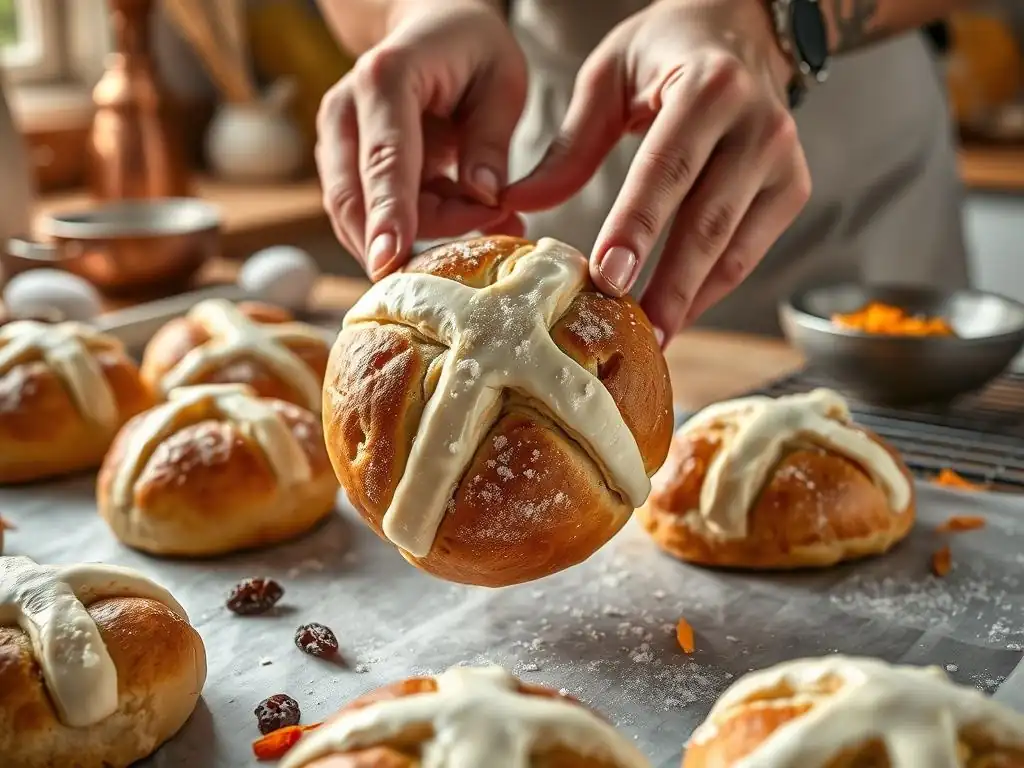
Once your gluten-free hot cross buns have finished proving and are ready to bake, it's time to add the cross. The easiest way to apply the paste is using a piping bag fitted with a small, plain round tip. If you don't have a piping bag, you can use a small plastic zip-top bag and snip off a tiny corner.
Pipe a straight line across the top of each bun, then pipe another line perpendicular to the first, forming a clear cross. Work gently to avoid deflating the proved buns. Apply the cross paste just before placing the buns in the preheated oven. As the buns bake and expand, the paste will set into the characteristic cross shape.
Glazing and Finishing: Adding the Final Touch of Sweetness
Once your gluten-free hot cross buns emerge from the oven, golden and fragrant, they are traditionally brushed with a sweet glaze while still warm. This adds shine, moisture, and an extra layer of sweetness. The heat of the buns helps the glaze melt and absorb slightly, creating a beautiful finish.
A simple glaze can be made from sugar and water, while more flavorful options might include apricot jam or a spiced sugar syrup. Applying the glaze generously immediately after baking gives your gluten-free hot cross buns a professional look and enhances their overall appeal.
Creating a Luscious Glaze: Recipes and Variations
A classic hot cross bun glaze is a simple sugar syrup. Heat equal parts sugar and water (e.g., 1/4 cup sugar and 1/4 cup water) in a small saucepan over medium heat, stirring until the sugar dissolves completely. Bring to a gentle simmer for 1-2 minutes until slightly thickened. You can add a splash of vanilla extract or a pinch of spice to the syrup for extra flavor.
Another popular option is to warm apricot jam with a tablespoon or two of water until it's liquid and brushable. Strain it first if you want a perfectly smooth glaze. This adds a lovely fruitiness and a beautiful shine to your gluten-free hot cross buns.
Achieving a Shiny Finish: Glazing Techniques for Visual Appeal
For the best results, brush the warm glaze onto the tops of the gluten-free hot cross buns immediately after they come out of the oven. Use a pastry brush and apply a generous, even layer over the entire top surface of each bun, including the cross.
Work quickly, as the glaze will start to set as the buns cool. Applying the glaze while the buns are hot allows it to soak in slightly, creating a moist top and a beautiful, professional-looking shine that makes your homemade gluten-free hot cross buns even more appealing.
Gluten-Free Hot Cross Bun Recipe Variations: Explore New Flavors
While the classic spiced fruit gluten-free hot cross bun is a timeless favorite, there's plenty of room to experiment with variations. Adding different types of dried fruit, nuts, or even chocolate can transform the basic recipe into exciting new treats. These variations allow you to cater to different tastes and make your Easter baking even more diverse and fun.
Exploring variations is also a great way to use up ingredients you have on hand or to personalize the buns for specific preferences. Whether you prefer something fruity, decadent, or completely allergen-free, the base gluten-free hot cross bun recipe provides a versatile canvas for culinary creativity.
Spiced Apple Gluten-Free Hot Cross Buns: A Fruity Twist
For a delightful twist, try adding finely diced dried apple to your gluten-free hot cross buns dough along with or instead of the traditional currants or raisins. About 1/2 cup of dried apple pieces works well for a batch of 10-12 buns. The apple adds a different kind of sweetness and a slightly chewy texture.
Enhance the apple flavor by adding a pinch more cinnamon or a dash of ground allspice to the spice mix. You could even add a tablespoon of finely grated fresh apple (squeeze out excess moisture) to the wet ingredients for extra moisture and flavor. Spiced apple gluten-free hot cross buns are particularly lovely served warm with butter.
Chocolate Chip Gluten-Free Hot Cross Buns: A Decadent Indulgence
Who doesn't love chocolate? Adding chocolate chips to your gluten-free hot cross buns turns them into a truly decadent treat. Use about 1/2 to 3/4 cup of good quality gluten-free chocolate chips (check labels for dairy if needed) and fold them into the dough during the final stages of mixing.
Dark, milk, or white chocolate chips can be used depending on your preference. The melting chocolate pockets within the warm, soft bun are absolutely divine. Chocolate chip gluten-free hot cross buns are a guaranteed hit, especially with younger family members, offering a modern take on the classic.
Vegan Gluten-Free Hot Cross Buns: An Allergen-Friendly Option
To make your gluten-free hot cross buns suitable for those avoiding dairy and eggs, simple substitutions can be made. Replace dairy milk with a plant-based milk like almond, soy, or oat milk. Use a vegan butter substitute (look for one that works well in baking, often block-style rather than spread).
For the eggs, use an egg replacer like flax eggs (1 tbsp ground flaxseed + 3 tbsp water per egg, let sit for 5 mins), commercial egg replacer powder, or unsweetened applesauce (about 1/4 cup per egg, though this can affect texture slightly). These substitutions allow you to create delicious vegan gluten-free hot cross buns that are free from common allergens, ensuring even more people can enjoy them.
Tips for Perfecting Your Gluten-Free Hot Cross Buns
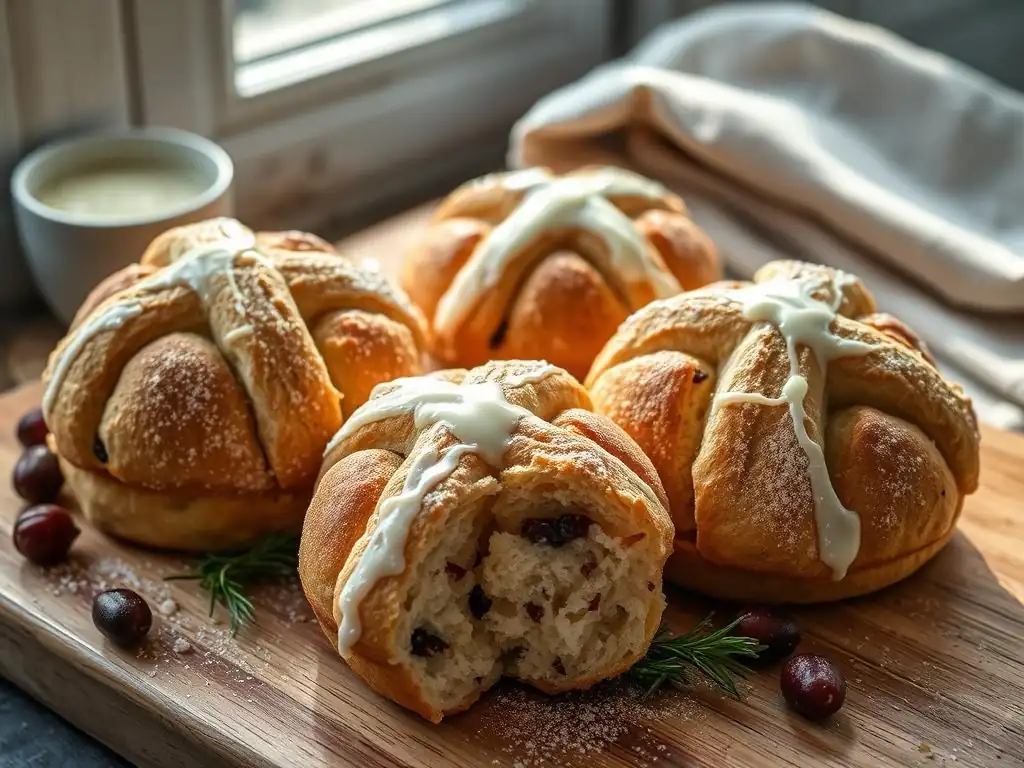
Even with a great recipe, gluten-free baking can sometimes present unique challenges. Understanding common pitfalls and how to troubleshoot them can save you frustration and lead to better results. Patience and observation are key when working with gluten-free dough.
Don't be afraid to adjust slightly based on the specific gluten-free flour blend you use, as different blends absorb liquid differently. Pay close attention to the dough consistency described in the recipe – it's often your best indicator of whether you're on the right track.
Troubleshooting Common Gluten-Free Baking Issues
- Buns are dense: This could be due to inactive yeast, under-proving, or adding too much flour. Ensure your yeast proofs correctly, allow sufficient proving time in a warm spot, and measure your flour accurately, preferably by weight (1 cup gluten-free blend is typically 120-140g).
- Buns are crumbly: This usually indicates insufficient binder (xanthan gum) or not enough moisture. Double-check the xanthan gum measurement and ensure the dough isn't too dry before shaping.
- Buns spread too much: The dough might be too wet or over-proved. If the dough feels very wet, add a little more flour blend. Ensure your proving environment isn't too warm, which can cause rapid, unstable rising.
- Cross paste runs: The paste is likely too thin. Add a little more gluten-free flour to thicken it before piping.
By identifying the potential cause, you can make adjustments for your next batch and improve your gluten-free hot cross buns. Keep notes as you bake to track what works best with your specific ingredients and oven.
Storing and Reheating Gluten-Free Buns: Maintaining Freshness
Gluten-free baked goods can sometimes dry out more quickly than those made with wheat flour. To keep your gluten-free hot cross buns fresh, store them in an airtight container at room temperature for 2-3 days. For longer storage, they freeze beautifully. Once completely cool, wrap individual buns or the whole batch tightly in plastic wrap, then place in a freezer-safe bag or container for up to 3 months.
To reheat, thaw frozen buns overnight at room temperature or gently warm them from frozen in a microwave for 30-60 seconds. For best results with fresh or thawed buns, warm them in a preheated oven at 300°F (150°C) for 5-10 minutes. This restores their soft texture and brings back that lovely aroma, making them taste almost as good as fresh from the oven.
Enjoy Your Homemade Gluten-Free Easter Hot Cross Buns!
Baking gluten-free hot cross buns is a wonderful way to participate in Easter traditions while accommodating dietary needs. The effort put into creating these special buns is well worth it when you see the smiles on faces as people enjoy them. Serve them warm, split and buttered, or simply as they are with a cup of tea or coffee.
Celebrate your baking success! You've mastered a classic Easter treat, making it accessible for everyone. These delicious gluten-free hot cross buns are perfect for Easter breakfast, brunch, or an afternoon snack.
One of the most rewarding aspects of baking is sharing the finished product. Offering homemade gluten-free hot cross buns to friends and family, especially those who follow a gluten-free diet, is a thoughtful gesture that shows you care. The ability to share a traditional holiday food with loved ones who might otherwise miss out makes the baking process even more meaningful.
Consider packaging a few buns in a decorative bag as a small Easter gift. It's a personal touch that highlights the effort and care you've put into baking these special gluten-free hot cross buns. Sharing your baking brings people together and spreads holiday cheer.
More Gluten-Free Baking Recipes from BakeWithEase
If you've enjoyed baking these gluten-free hot cross buns, there are many more delicious gluten-free recipes waiting for you at BakeWithEase. From cakes and cookies to breads and pastries, we offer a wide range of guides and tips to help you confidently explore the world of gluten-free baking. Keep practicing your skills and discover new favorites!
Frequently Asked Questions
What makes these hot cross buns from BakeWithEase different?
These are Easter Hot Cross Buns Reimagined, meaning they are a gluten-free take on the traditional recipe. BakeWithEase focuses on simple recipes and easy-to-find ingredients.
Are these gluten-free hot cross buns difficult to make?
No, BakeWithEase aims to provide recipes for all skill levels. The recipe uses step-by-step guides to make the process manageable even for beginners.
What kind of flour is used in the BakeWithEase gluten-free hot cross buns?
The recipe utilizes a gluten-free flour blend specifically formulated for baking. Details of the blend may be found on BakeWithEase.com.
Can I customize the spices in these gluten-free hot cross buns?
Yes, you can adjust the spices to your liking. BakeWithEase encourages experimentation and provides a base recipe to personalize to your taste.
Where can I find more baking tips and recipes like this?
Visit BakeWithEase.com for a wide range of recipes, techniques, and tips. You'll find resources for pastries, breads, cakes, cookies, and more, catered to bakers of all levels.
Final Reflection: The Enduring Appeal of Gluten-Free Goodness
The resurgence of gluten-free baking isn't just a trend; it's a testament to the power of inclusivity and delicious innovation. More and more people are seeking delicious alternatives to traditional recipes, and the demand for gluten-free treats that don't compromise on flavor is higher than ever. This means that recipes like our reimagined Easter Hot Cross Buns are not just satisfying a niche market, but are actively shaping a more accessible and enjoyable culinary landscape for everyone.
The journey of creating a truly satisfying gluten-free hot cross bun has been a personal one, highlighting the importance of experimentation and the rewarding feeling of success when traditional recipes are adapted for a wider audience. The best things in life are worth fighting for, and a truly delicious gluten-free bun is certainly one of them.
This sentiment reflects not only my own experience, but the dedication of many bakers who are constantly striving to perfect gluten-free recipes, proving that deliciousness knows no dietary restrictions.
So, as you consider your own baking adventures, remember the power of adaptation and the joy of sharing delicious food with everyone. Don't be afraid to experiment, to tweak recipes, and to create your own versions of classic treats. This Easter, and beyond, embrace the challenge of making delicious, inclusive food, and let the joy of baking – and sharing – fill your home with warmth and the sweet aroma of success. Let's continue to reimagine our favorite recipes, making them accessible and enjoyable for all.
Unleash Your Inner Baker: Gluten-Free Easter Delights Await!
Thanks for joining us on this delicious journey into gluten-free Easter baking! We hope you've gained some inspiring ideas and newfound confidence in creating delectable treats for your celebrations. Ready to take your baking skills to the next level?
- Bake a batch of our reimagined hot cross buns: This is your chance to impress friends and family with a delightful, allergy-friendly twist on a classic. Follow the recipe again (or try adapting it!)
- Share your creations: Tag us on social media with your baking masterpieces! We'd love to see your gluten-free Easter buns.
- Explore more gluten-free recipes on BakeWithEase.com to discover more delicious possibilities for future celebrations.
What exciting gluten-free treats will you be baking next?