
Are Natural Sweeteners Truly Better for Baking? An Honest Look

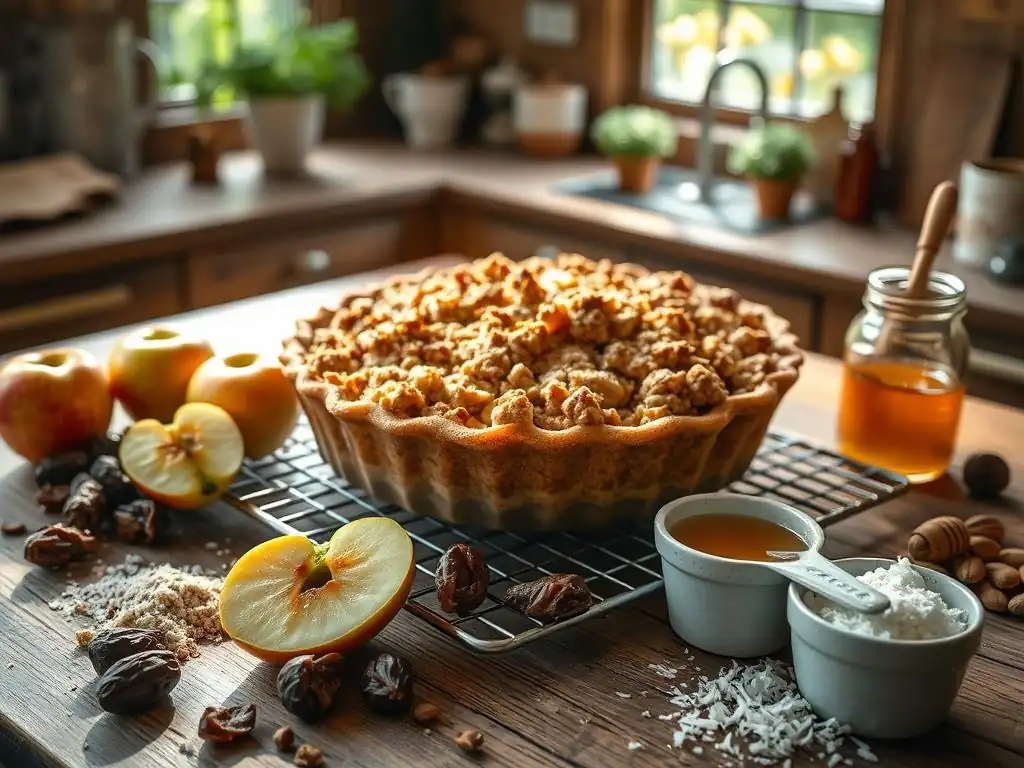
Welcome to BakeWithEase, where every recipe is a journey to baking bliss! Curious about swapping refined sugar for alternatives in your favorite treats? Dive into our latest article and uncover the truth about natural sweeteners baking benefits. Discover if they truly live up to the hype and how they can transform your baking, one delicious bite at a time. Are you ready to bake healthier and tastier? Let's explore!
- Natural Sweeteners in Baking: A Baker's Guide
- Introduction: Exploring Sugar Alternatives in Baking
- Understanding Sugar Alternatives: A Baker's Guide
- Sugar Alternatives Baking Benefits: A Deep Dive
- The Challenges of Baking with Sugar Alternatives
-
Common Sugar Alternatives in Baking: Pros and Cons
- Stevia: Advantages and Disadvantages for Baking
- Monk Fruit: Is It the Ideal Sugar Substitute for Baked Goods?
- Erythritol: Baking with Erythritol - Key Considerations
- Maple Syrup: Using Maple Syrup in Baking - Flavor and Texture Insights
- Honey: Baking with Honey - A Sweet and Versatile Option
- Coconut Sugar: A Sugar Alternative with a Distinct Taste
- Allulose: Baking with Allulose - Considerations and Best Practices
- Converting Recipes: Baking with Sugar Alternatives Successfully
- Sugar Alternatives vs. Refined Sugar: A Side-by-Side Comparison for Baking
- Debunking Myths About Sugar Alternatives in Baking
- Practical Tips for Baking with Sugar Alternatives
- Conclusion: Making Informed Choices About Sugar Alternatives in Baking
-
Frequently Asked Questions
- What are some common natural sweeteners that can be used in baking?
- Do natural sweeteners always provide the same results as refined sugar in baking?
- What are the potential baking benefits of using natural sweeteners instead of refined sugar?
- How do I adjust baking recipes when substituting natural sweeteners for refined sugar?
- Are natural sweeteners universally healthier than refined sugar, regardless of baking application?
- Final Reflection: Rethinking Sweetness in the Kitchen
- Unleash Your Inner Baking Alchemist!
Natural Sweeteners in Baking: A Baker's Guide
Introduction: Exploring Sugar Alternatives in Baking
The Shift Towards Sugar Alternatives: Health Concerns and Culinary Trends
In recent years, there's been a significant movement away from traditional refined sugar in baking. This shift is largely driven by growing awareness of the potential health implications associated with excessive sugar consumption, including concerns about weight gain, blood sugar levels, and dental health. As consumers become more health-conscious, they are actively seeking out alternative ways to sweeten their baked goods without compromising on taste or texture. This has spurred innovation in the baking industry and home kitchens alike, leading to a wider acceptance and availability of various sugar substitutes.
This culinary trend is transforming the landscape of baking. It's no longer just about replicating classic recipes but about adapting them to meet modern dietary preferences and health goals. Bakers are experimenting with everything from plant-derived extracts to sugar alcohols and natural syrups, exploring how these ingredients behave differently in doughs, batters, and frostings.
The focus is on finding alternatives that not only reduce sugar content but also offer unique flavor profiles and potential natural sweeteners baking benefits. This exploration is opening up exciting new possibilities for creating delicious treats that can be enjoyed by a broader audience, including those managing specific health conditions or simply looking to reduce their sugar intake.
Exploring Low-Sugar Baking Options
Low-sugar baking encompasses a variety of techniques and ingredients aimed at reducing the amount of refined sugar in recipes. This can range from simply cutting back on the sugar slightly to replacing it entirely with alternative sweeteners. The goal is often to maintain the desired sweetness, texture, and structure of baked goods while minimizing the impact on blood sugar levels and overall calorie intake. It requires understanding how sugar functions in baking beyond just providing sweetness – it contributes to moisture, tenderness, browning, and leavening.
Successful low-sugar baking involves more than just a simple swap. It often requires adjusting other ingredients to compensate for the sugar's functional properties. For instance, if using a zero-calorie sweetener that doesn't add bulk, you might need to increase flour or add a small amount of a bulking agent.
If using a liquid sweetener like maple syrup, you'll need to reduce other liquids in the recipe. Exploring these low-sugar baking options allows bakers to create everything from sugar-free cookies and cakes to reduced-sugar breads and pastries, making beloved treats accessible to those following low-sugar or ketogenic diets, or simply aiming for a healthier lifestyle. The natural sweeteners baking benefits are a key part of achieving these goals deliciously.
Understanding Sugar Alternatives: A Baker's Guide
Defining Sugar Alternatives: Natural vs. Artificial
When we talk about sugar alternatives, it's important to distinguish between "natural" and "artificial" options, although the lines can sometimes feel blurred. Generally, natural sugar alternatives are derived from plants or other natural sources and undergo minimal processing. Examples include stevia leaf extract, monk fruit extract, maple syrup, honey, coconut sugar, and sugar alcohols like erythritol and xylitol, which are found naturally in fruits and vegetables. These alternatives often offer natural sweeteners baking benefits like lower glycemic impact or additional nutrients (though often in small amounts).
Artificial sweeteners, on the other hand, are synthetic compounds created in a lab. They are typically many times sweeter than sugar and contain zero or very few calories. Common examples include saccharin, aspartame, sucralose, and neotame. While they provide sweetness without calories, they don't offer the same functional properties as sugar in baking (like browning or bulk) and their long-term health effects are sometimes debated. For the purposes of discussing natural sweeteners baking benefits, we will focus primarily on the naturally derived options that are commonly used in baking.
Common Sugar Alternatives for Baking: A Comparison Chart
Comparing common sugar alternatives helps illustrate their diverse properties. Here's a look at some popular choices and their general characteristics relevant to baking:
- Stevia:
- Source: Stevia rebaudiana plant leaves.
- Sweetness: 50-400 times sweeter than sugar (depending on form/purity).
- Calories: Zero.
- Glycemic Index (GI): 0.
- Form: Powder, liquid drops.
- Baking Use: Often used in small amounts due to high sweetness; may have a slight aftertaste; doesn't provide bulk or aid browning.
- Monk Fruit:
- Source: Luo Han Guo fruit.
- Sweetness: 150-250 times sweeter than sugar.
- Calories: Zero.
- GI: 0.
- Form: Powder, liquid drops.
- Baking Use: Similar to stevia; very sweet, no bulk, poor browning; generally less aftertaste than stevia for some people.
- Erythritol:
- Source: Sugar alcohol, often produced by fermentation. Found naturally in some fruits.
- Sweetness: About 70% as sweet as sugar.
- Calories: Very low (approx. 0.2 calories per gram).
- GI: 0.
- Form: Granular, powdered.
- Baking Use: Provides some bulk; doesn't caramelize; can cause a cooling sensation; may not dissolve completely, leading to a slightly gritty texture.
- Maple Syrup:
- Source: Sap from maple trees.
- Sweetness: Slightly less sweet than sugar (approx. 2/3 as sweet per volume).
- Calories: Moderate (approx. 52 calories per tablespoon).
- GI: Approx. 54.
- Form: Liquid.
- Baking Use: Adds moisture and distinct flavor; browns well; requires reducing other liquids in recipes.
- Honey:
- Source: Produced by bees.
- Sweetness: Slightly sweeter than sugar (approx. 1.2 times per volume).
- Calories: Moderate (approx. 64 calories per tablespoon).
- GI: Approx. 55 (varies by type).
- Form: Liquid.
- Baking Use: Adds moisture and distinct flavor; browns well; requires reducing other liquids; can affect texture (chewier).
- Coconut Sugar:
- Source: Sap from coconut palm flowers.
- Sweetness: Similar to sugar (1:1 replacement).
- Calories: Similar to sugar (approx. 15-16 calories per teaspoon).
- GI: Often cited as lower than sugar (approx. 54 vs. sugar's ~65), but this is debated and can vary.
- Form: Granular.
- Baking Use: Behaves much like brown sugar; adds a slight caramel flavor; can be a 1:1 replacement for sugar in many recipes regarding bulk and moisture.
- Allulose:
- Source: Rare sugar found naturally in small amounts in wheat, figs, and raisins. Often produced commercially.
- Sweetness: About 70% as sweet as sugar.
- Calories: Very low (approx. 0.4 calories per gram).
- GI: Very low, near 0.
- Form: Granular, liquid.
- Baking Use: Provides bulk and some browning; dissolves well; doesn't have the cooling effect of erythritol; considered a promising alternative for texture.
Understanding these differences is crucial when exploring natural sweeteners baking benefits and deciding which alternative is best suited for a particular recipe.
Sugar Alternatives Baking Benefits: A Deep Dive
Glycemic Index and Load: Understanding the Impact on Blood Sugar
One of the primary natural sweeteners baking benefits often cited is their lower impact on blood sugar levels compared to refined sugar. This is typically measured using the Glycemic Index (GI) and Glycemic Load (GL). The GI is a value assigned to foods based on how quickly and how high they cause blood glucose levels to rise after consumption. Pure glucose has a GI of 100. Refined white sugar (sucrose) has a GI of around 65. Honey and maple syrup have GIs around 55. Coconut sugar is often cited with a GI around 54, though this can vary.
In contrast, many non-caloric or low-calorie natural alternatives like stevia, monk fruit, erythritol, and allulose have a GI of 0 or very close to 0. This means they have little to no immediate impact on blood glucose levels. The Glycemic Load takes into account both the GI of a food and the amount of carbohydrates consumed in a typical serving size.
Baking with low-GI/GL sweeteners can help create treats that are more suitable for individuals managing diabetes or insulin resistance, or simply those looking to avoid the sugar "spike and crash". While even low-GI baked goods should be consumed in moderation, this is a significant health advantage for many.
Potential Health Benefits of Specific Sugar Alternatives [Example: Inulin, Allulose]
Beyond glycemic control, some natural sugar alternatives offer additional potential health benefits. For example, Inulin, a type of dietary fiber often used in conjunction with high-intensity sweeteners like stevia or monk fruit to provide bulk and some sweetness, is a prebiotic. Prebiotics feed beneficial bacteria in the gut, contributing to a healthier digestive system. Including inulin in baked goods can thus add fiber and support gut health, which is a direct natural sweeteners baking benefit not found in refined sugar.
Allulose is another interesting case. Classified as a "rare sugar," it's absorbed by the body but not significantly metabolized, meaning it contributes very few calories and doesn't appear to raise blood glucose or insulin levels in most people. Some preliminary studies have even explored its potential role in blood sugar management and fat metabolism, though more research is needed.
Unlike many zero-calorie sweeteners, allulose provides some of the functional properties of sugar, like browning and bulk, making it easier to use in baking while still offering the natural sweeteners baking benefits of minimal glycemic impact and very low calories. These examples highlight how choosing specific alternatives can potentially add more than just sweetness to your baked goods.
Exploring Unique Flavor Profiles of Sugar Alternatives
While refined sugar provides a clean, universally accepted sweetness, natural alternatives bring their own unique flavor profiles to the table. This can be a delightful natural sweeteners baking benefit, adding complexity and depth to your creations. Maple syrup, for instance, imparts a distinct earthy, caramel note that pairs beautifully with nuts, oats, and spices in muffins, cookies, and granola. Honey offers a floral or sometimes slightly tangy sweetness depending on the source nectar, which can enhance bread, cakes, and certain pastries.
Coconut sugar has a flavor similar to brown sugar, with hints of caramel, making it an excellent substitute in recipes where that warm, molasses-like taste is desired, such as chocolate chip cookies or gingerbread. Even alternatives like stevia or monk fruit, often described as purely sweet, can have subtle undertones – some detect a slight licorice note with stevia, while monk fruit can sometimes have a fruity hint.
Erythritol is generally considered neutral but can leave a cooling sensation. Learning how these distinct flavors interact with other ingredients is part of the art of baking with alternatives and allows for a wider range of taste experiences than just using sugar.
The Challenges of Baking with Sugar Alternatives
Texture and Consistency: How Sugar Alternatives Affect Baked Goods
One of the biggest hurdles in low-sugar baking is replicating the texture and consistency that sugar provides. Sugar is hydrophilic, meaning it attracts and holds onto water, contributing to moisture and tenderness in baked goods like cakes and muffins. It also interferes with gluten development and protein coagulation, resulting in a softer crumb. When you remove or significantly reduce sugar, especially granular sugar, and replace it with a non-caloric or low-bulk sweetener, you lose these crucial functions.
Using high-intensity sweeteners like stevia or monk fruit alone often results in baked goods that are dry, tough, or crumbly because they provide no bulk and don't retain moisture in the same way. Sugar alcohols like erythritol add some bulk but can lead to a denser texture and may crystallize upon cooling, resulting in a gritty mouthfeel.
Liquid sweeteners like maple syrup or honey add moisture but can make items too dense or heavy if not balanced correctly with other ingredients. Achieving the desired light, tender, and moist texture requires careful recipe adjustment and understanding how your chosen alternative impacts the structure of the bake.
Moisture Content: Adjusting Recipes for Optimal Results
Managing moisture is critical when baking with sugar alternatives. Refined sugar contributes significantly to the moisture content of baked goods, keeping them soft and extending shelf life. When using dry, low-calorie sweeteners that don't attract moisture, you often need to add extra liquid or fats to compensate. This might involve increasing milk, yogurt, oil, or butter slightly, or adding ingredients like applesauce, mashed banana, or pumpkin puree, which provide moisture and some natural sweetness or bulk.
Conversely, when using liquid sweeteners like maple syrup or honey, you are introducing a significant amount of liquid into the recipe. A common rule of thumb is to reduce the total amount of other liquids in the recipe by about 1/4 cup for every cup of liquid sweetener used. For instance, if a cookie recipe calls for 1 cup of sugar and 1/2 cup of milk, and you substitute 1 cup of maple syrup, you might reduce the milk to 1/4 cup.
Failing to adjust liquids can lead to baked goods that are too wet, dense, and may not bake through properly. Balancing moisture is key to unlocking the natural sweeteners baking benefits related to texture.
Browning and Caramelization: Understanding the Differences
Sugar plays a vital role in the Maillard reaction and caramelization, processes responsible for the appealing golden-brown crust on cookies, cakes, and bread. Caramelization occurs when sugars are heated to high temperatures (around 320°F or 160°C), breaking down and developing complex flavors and colors. The Maillard reaction, which happens at lower temperatures, is a complex chemical reaction between amino acids and reducing sugars, also contributing to browning and flavor development.
Many low-calorie sugar alternatives, such as stevia, monk fruit, and erythritol, do not caramelize or participate in the Maillard reaction because they are not chemically sugars (or are sugar alcohols). This means baked goods made solely with these alternatives will remain pale and may lack the depth of flavor that browning provides.
Alternatives like allulose do brown to some extent, and natural syrups like maple syrup and honey contain natural sugars that do caramelize and contribute to browning. To achieve a golden crust with non-browning sweeteners, bakers might need to increase baking time slightly at a lower temperature, use browning agents like milk washes or egg glazes, or accept a paler finished product.
Common Sugar Alternatives in Baking: Pros and Cons
Stevia: Advantages and Disadvantages for Baking
Stevia is a popular zero-calorie sweetener derived from the Stevia rebaudiana plant. One of its main advantages for baking is its high potency, meaning only a tiny amount is needed to achieve significant sweetness, drastically reducing calorie and sugar content. It has a glycemic index of 0, making it excellent for low-carb and sugar-free diets. This is a key natural sweeteners baking benefit for many.
However, baking with stevia presents challenges. Its intense sweetness can be difficult to measure accurately, and using too much can result in a bitter or licorice-like aftertaste. Because it provides no bulk, recipes need to be adjusted significantly to maintain structure and moisture – often requiring added ingredients like fiber, applesauce, or protein powder. It also doesn't contribute to browning or caramelization, leaving baked goods pale. Stevia works best when used in conjunction with other sweeteners or bulking agents, or in recipes where texture and browning are less critical, like mousses or puddings.
Monk Fruit: Is It the Ideal Sugar Substitute for Baked Goods?
Monk fruit, extracted from the Luo Han Guo fruit, is another potent, zero-calorie natural sweetener. Like stevia, its high sweetness (150-250 times sweeter than sugar) means only small quantities are needed, offering significant natural sweeteners baking benefits in terms of calorie and sugar reduction and a GI of 0. Many people find monk fruit to have a cleaner taste profile than stevia, with less of a noticeable aftertaste, which is a major advantage in baking.
Despite its pleasant taste, monk fruit shares many of stevia's functional drawbacks in baking. It adds no bulk, moisture, or aid in browning or caramelization. This means it doesn't contribute to the structure or texture of baked goods in the way sugar does. For successful baking, monk fruit is often blended with other ingredients like erythritol, inulin, or allulose to provide necessary volume and improved texture. While not an ideal sole sugar substitute for all baking applications due to these functional limitations, its clean sweetness makes it a favored component in low-sugar sweetener blends.
Erythritol: Baking with Erythritol - Key Considerations
Erythritol is a sugar alcohol found naturally in some fruits and fermented foods, though commercially produced through fermentation. It's about 70% as sweet as sugar but contains very few calories (around 0.2 per gram) and has a GI of 0. A significant natural sweeteners baking benefit of erythritol is that it provides some bulk and can be measured more similarly to sugar than high-intensity sweeteners, often used in 1:1 ratio by weight with sugar, though slightly more by volume is needed due to lower density.
However, there are key considerations when baking with erythritol. It does not caramelize or brown. It can also cause a distinctive cooling sensation in the mouth, which is pleasant in some applications (like minty frostings) but undesirable in others (like warm cookies).
A common issue is its tendency to recrystallize upon cooling, leading to a gritty texture, particularly in baked goods with a fine crumb or smooth finish. Using powdered erythritol or blending it with other sweeteners like allulose can help mitigate this issue. It's often used in combination with stevia or monk fruit to achieve a higher level of sweetness without excessive cooling or grittiness.
Maple Syrup: Using Maple Syrup in Baking - Flavor and Texture Insights
Maple syrup is a liquid natural sweetener tapped from maple trees. Unlike calorie-free alternatives, it contains calories and natural sugars (primarily sucrose and glucose/fructose), giving it a moderate GI of around 54. Its main natural sweeteners baking benefit lies in its unique, rich flavor profile and its contribution to moisture and browning. It imparts a distinct caramel-like taste that complements whole grains, nuts, and spices beautifully.
When using maple syrup in baking, recipe adjustments are essential. As a liquid, it adds significant moisture, so other liquids in the recipe usually need to be reduced (typically by about 1/4 cup for every cup of maple syrup). Its sweetness is slightly less intense than sugar by volume, so you might need slightly more, or accept a less sweet result.
Maple syrup also causes baked goods to brown more quickly due to its sugar content, so monitoring baking time is important. It tends to produce a slightly denser, chewier texture than granulated sugar. It's an excellent alternative in recipes like pancakes, muffins, granola, and certain cakes where its flavor and moisture contribution are desirable.
Honey: Baking with Honey - A Sweet and Versatile Option
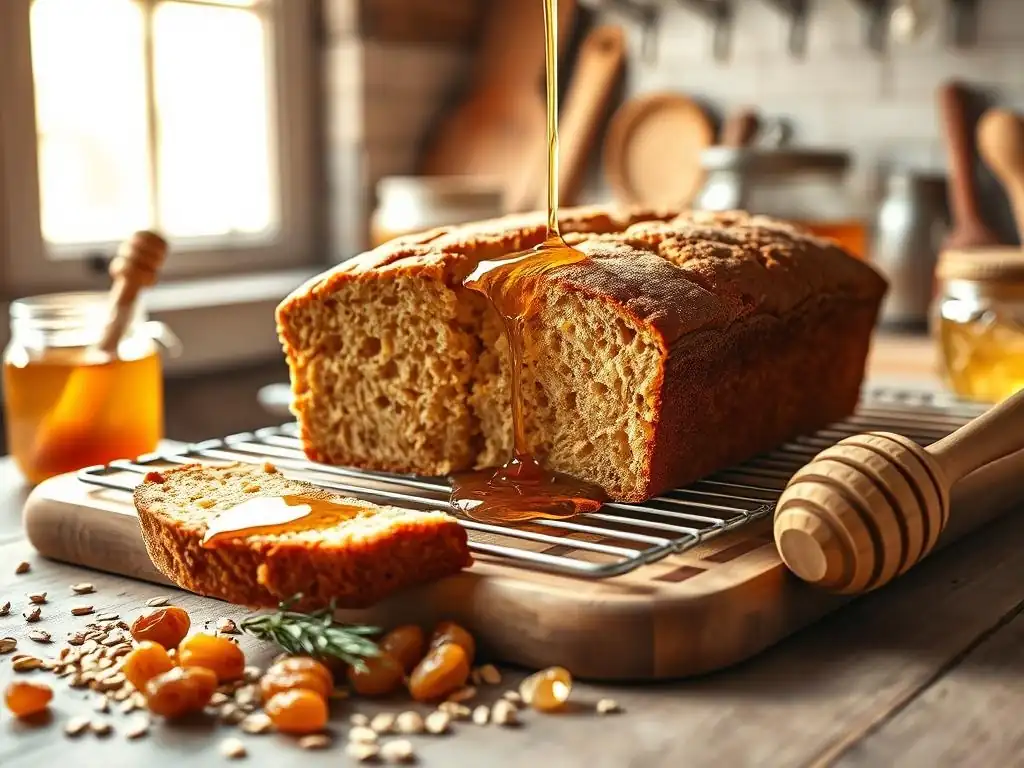
Honey is a classic natural sweetener produced by bees. Like maple syrup, it's a liquid sweetener containing natural sugars (primarily fructose and glucose) and calories, with a GI around 55. Honey is typically sweeter than sugar by volume (about 1.2 times) and offers a range of flavors depending on the floral source, from mild clover to robust buckwheat. This versatility in flavor is a key natural sweeteners baking benefit.
Baking with honey requires similar adjustments to maple syrup: reduce other liquids in the recipe. Because it's sweeter, you might use slightly less than the volume of sugar called for, depending on desired sweetness. Honey contributes moisture and aids in browning, often resulting in a softer, chewier texture than sugar.
Baked goods made with honey also tend to stay moist longer. However, honey has a distinct flavor that may not be suitable for all recipes, and its acidity can sometimes interact with leavening agents like baking soda, requiring careful balancing. It's a fantastic option for breads, muffins, cakes, and cookies where its unique flavor and texture contributions are welcome.
Coconut Sugar: A Sugar Alternative with a Distinct Taste
Coconut sugar is made from the sap of the coconut palm flower. It contains natural sugars (primarily sucrose) and has a calorie count similar to refined sugar (around 15-16 calories per teaspoon). While often marketed as having a lower GI (around 54 compared to sugar's 65), this can vary, and its glycemic impact is still significant compared to zero-calorie options. Its primary natural sweeteners baking benefit is its flavor and its ability to function much like brown sugar in recipes.
Coconut sugar has a rich, caramel-like taste and granulated texture that makes it a near 1:1 substitute for refined sugar or brown sugar in many recipes regarding bulk and moisture. It contributes to browning and structure similarly to sugar. This makes it one of the easiest natural alternatives to swap into existing recipes with minimal adjustments.
However, its distinct flavor may not be desired in delicate baked goods, and despite claims of higher mineral content, the amounts are generally too small to offer significant nutritional advantages over sugar in typical serving sizes. It's best used in recipes where a brown sugar flavor is complementary, such as cookies, muffins, and crumbles.
Allulose: Baking with Allulose - Considerations and Best Practices
Allulose is a rare sugar gaining popularity for its unique properties. It's about 70% as sweet as sugar but provides very few calories (around 0.4 per gram) and has a negligible impact on blood sugar (GI near 0). A major natural sweeteners baking benefit of allulose is its functional similarity to sugar; it provides bulk, dissolves well, contributes to browning (though often less intensely than sugar), and helps retain moisture without the cooling effect of erythritol or the grittiness.
Considerations when baking with allulose include its slightly lower sweetness compared to sugar, meaning you might need to use slightly more (e.g., 1.3 cups of allulose for every cup of sugar) to achieve the same sweetness level, depending on the recipe and desired result. It can sometimes cause baked goods to brown more quickly than sugar, so monitoring oven temperature and time is advisable.
Due to its unique structure, using very large amounts might affect digestion in some individuals, though it's generally well-tolerated. Allulose is particularly useful in recipes where sugar's functional properties (bulk, texture, browning) are important, such as cakes, cookies, and sauces, making it a promising option for low-sugar baking.
Converting Recipes: Baking with Sugar Alternatives Successfully
Sweetness Conversion Charts: Finding the Right Ratio
Converting a traditional recipe that calls for refined sugar to use a natural alternative requires understanding the sweetness difference. Since alternatives vary greatly in potency, a simple 1:1 volume or weight swap is rarely appropriate for high-intensity sweeteners like stevia or monk fruit. Even alternatives like erythritol or allulose are slightly less sweet than sugar. This is where sweetness conversion charts become invaluable tools in achieving natural sweeteners baking benefits without sacrificing taste.
While conversion ratios can vary slightly between brands and product forms (e.g., liquid stevia vs. powder), general guidelines exist. For example, 1 cup of sugar might be equivalent in sweetness to:
- 1/2 to 1 teaspoon of concentrated liquid stevia or monk fruit extract.
- 1 to 3 tablespoons of powdered stevia or monk fruit blend (often mixed with erythritol or inulin).
- About 1 1/4 cups of erythritol.
- About 1 1/3 cups of allulose.
- About 3/4 cup of maple syrup or honey (while also reducing liquids).
- 1 cup of coconut sugar (for sweetness, but GI differs).
It's always best to start with the conversion recommended by the specific product you are using, as concentrations vary. Keep in mind that these charts primarily address sweetness, and you'll still need to account for the alternative's impact on texture and moisture.
Recipe Adjustments: Tips for Achieving Perfect Texture and Flavor
Beyond sweetness conversion, successful baking with sugar alternatives often requires further recipe adjustments to compensate for the functional differences. If using a zero-calorie, non-bulking sweetener like stevia or monk fruit, you'll need to add ingredients for structure and moisture. Consider adding:
- Extra flour (a tablespoon or two).
- A small amount of a bulking agent like inulin or resistant starch.
- Pureed fruit (applesauce, banana) or vegetables (pumpkin, zucchini).
- Extra egg or egg white for structure.
- Increased fat (butter, oil, yogurt) for moisture.
When using liquid sweeteners, remember to reduce other liquids. If a recipe relies on sugar for creaming with butter (which incorporates air for leavening), and you replace it with a liquid or a non-creaming alternative like erythritol, the final product might be denser. In these cases, relying more on chemical leaveners (baking powder/soda) or mechanical leavening (whipping eggs) might be necessary. For browning issues, consider baking at a slightly lower temperature for longer, or using an egg wash. Experimentation with small batches is key to perfecting the technique and maximizing natural sweeteners baking benefits.
Let's consider a simple example: converting a standard chocolate chip cookie recipe that calls for 1 cup (200g) of granulated sugar. A typical recipe might use 1/2 cup butter, 1 egg, 1 teaspoon vanilla, 1 1/2 cups flour, 1/2 teaspoon baking soda, and chocolate chips.
- Original: 1 cup Sugar (for sweetness, bulk, moisture, browning, spread)
- Using Stevia Blend (e.g., Stevia + Erythritol):
- Replace 1 cup sugar with maybe 1/2 to 3/4 cup of a stevia-erythritol blend (adjusting based on blend's sweetness relative to sugar). This replaces sweetness and some bulk from the erythritol.
- Add a tablespoon or two of extra flour or a tiny amount of a bulking fiber like inulin (e.g., 1-2 tsp) to compensate for lost volume and structure not provided by the blend.
- Perhaps slightly increase butter or add a tablespoon of applesauce or yogurt for moisture lost by not using granulated sugar.
- The cookies might not spread as much or brown as deeply; flattening slightly before baking or baking slightly longer at a lower temperature could help.
This is a simplified example, but it illustrates that replacing sugar with a high-intensity/low-bulk alternative like stevia requires more than just a direct swap. You need to consider how the alternative impacts the entire structure and composition of the baked good to successfully unlock the natural sweeteners baking benefits while maintaining desirable results.
Sugar Alternatives vs. Refined Sugar: A Side-by-Side Comparison for Baking
Nutritional Value: Comparing the Benefits
When comparing the nutritional value of natural sugar alternatives versus refined sugar, significant differences become apparent, highlighting potential natural sweeteners baking benefits. Refined white sugar is essentially pure sucrose, providing calories (about 16 per teaspoon, or 48 per tablespoon) with virtually no vitamins, minerals, or fiber – often referred to as "empty calories".
Many low-calorie or zero-calorie natural alternatives like stevia, monk fruit, erythritol, and allulose provide very few to no calories and have minimal to no impact on blood sugar, which is a major nutritional advantage, especially for those managing weight or diabetes. Some, like inulin (often used in blends), add dietary fiber. Liquid sweeteners like maple syrup and honey do contain calories (around 17-20 per tablespoon) and natural sugars, so their caloric and glycemic impact is closer to refined sugar, though they may contain trace amounts of minerals or antioxidants not found in white sugar.
Coconut sugar also has a similar calorie count and glycemic impact to refined sugar, despite often being perceived as healthier. Ultimately, the natural sweeteners baking benefits in terms of nutrition are most pronounced with the zero-calorie, low-glycemic options.
Baking Performance: Which Sweetener Wins?
From a purely functional baking perspective, refined granulated sugar is hard to beat. It excels at providing sweetness, bulk, moisture retention, tenderness, spread, creaming ability (for aeration), and browning/caramelization. It's the benchmark against which all alternatives are measured in terms of performance.
Sugar alternatives each have strengths and weaknesses in baking performance. Liquid sweeteners (maple syrup, honey) add moisture and flavor and brown well, but require liquid adjustments and can affect texture. Coconut sugar performs very similarly to brown sugar in terms of bulk, moisture, and browning. Sugar alcohols (erythritol) provide some bulk but can cause cooling and crystallization issues and don't brown.
High-intensity sweeteners (stevia, monk fruit) provide sweetness with zero calories but offer no bulk, moisture, or browning, requiring significant recipe re-engineering. Allulose is arguably one of the better performers among low-calorie options, providing some bulk and browning. The "winner" in baking performance depends entirely on the desired outcome and the specific type of baked good. Often, a blend of alternatives performs better than a single one, combining the sweetness of high-intensity options with the functional properties of others.
Cost and Availability: Factors to Consider
Cost and availability are practical factors that influence the choice of sweetener. Refined white sugar is typically the most inexpensive and widely available sweetener globally. Brown sugar and powdered sugar are also relatively low-cost and easy to find.
Natural alternatives often come at a higher price point per unit of weight or volume compared to refined sugar. High-intensity sweeteners like stevia and monk fruit can be quite expensive, though less is needed per recipe. Sugar alcohols like erythritol are moderately priced and increasingly available. Liquid sweeteners like pure maple syrup and honey are generally more expensive than sugar.
Allulose is currently one of the pricier options, although its cost may decrease as production scales up. Availability varies; while maple syrup and honey are common, alternatives like allulose might only be found in larger supermarkets or specialty health food stores. When considering natural sweeteners baking benefits, the higher cost and sometimes limited availability of alternatives are practical considerations for the home baker.
Debunking Myths About Sugar Alternatives in Baking
Myth 1: Sugar Alternatives are Calorie-Free
A common misconception is that all sugar alternatives are calorie-free. While it's true that high-intensity sweeteners like stevia and monk fruit extracts provide virtually no calories in the tiny amounts used, this is not universally true for all natural alternatives. This myth overlooks sweeteners like maple syrup, honey, and coconut sugar, which contain calories comparable to or slightly lower than refined sugar. Maple syrup has about 52 calories per tablespoon, honey has about 64, and coconut sugar has around 48 calories per tablespoon – very similar to white sugar's 48 calories.
Even some low-calorie alternatives contribute a small number of calories. Erythritol, while often rounded down to zero, technically contains about 0.2 calories per gram (or about 0.8 per teaspoon), significantly less than sugar (about 4 calories per gram or 16 per teaspoon), but not strictly zero. Allulose contains about 0.4 calories per gram. While these low-calorie options offer significant natural sweeteners baking benefits by drastically reducing overall calorie count compared to sugar, it's important to be aware that not every "sugar alternative" is synonymous with "zero calorie." Always check the nutritional label.
Myth 2: All Sugar Alternatives are Created Equal
Another prevalent myth is that all sugar alternatives behave the same way in baking and can be used interchangeably. This is far from the truth. As discussed earlier, different alternatives have vastly different properties beyond just sweetness. They vary in:
- Sweetness Intensity: From 70% of sugar (erythritol, allulose) to hundreds of times sweeter (stevia, monk fruit).
- Physical Form: Granular powders, fine powders, liquids.
- Bulk and Volume: Some provide volume similar to sugar (coconut sugar, erythritol, allulose), others provide none (stevia, monk fruit).
- Moisture Contribution: Liquids add moisture (maple syrup, honey), dry powders don't (stevia, monk fruit, erythritol).
- Ability to Brown/Caramelize: Some do (maple syrup, honey, coconut sugar, allulose), others don't (stevia, monk fruit, erythritol).
- Texture Impact: Can cause grittiness (erythritol), chewiness (honey), or dryness (stevia/monk fruit alone).
- Flavor Profile: Neutral, cooling, caramel, floral, bitter aftertaste.
Attempting a 1:1 substitution of sugar with just any alternative will likely result in a failed bake with incorrect texture, structure, sweetness level, and appearance. Understanding the unique properties of each alternative is essential for successful low-sugar baking and realizing the true natural sweeteners baking benefits.
Myth 3: Sugar Alternatives Don't Affect Blood Sugar
While many low-calorie and zero-calorie sugar alternatives have a minimal or negligible impact on blood sugar compared to refined sugar, it's a myth to assume they never affect blood sugar or overall metabolic response in any way. Alternatives like stevia, monk fruit, erythritol, and allulose generally have a GI of 0 or very close to it, meaning they don't cause a significant spike in blood glucose. This is a key natural sweeteners baking benefit for managing blood sugar.
However, the context of the baked good is important. Even if the sweetener itself doesn't raise blood sugar, the other ingredients in a cake or cookie (like flour, fats, and eggs) still contribute calories and can affect the metabolic response. Furthermore, some studies suggest that the taste of sweetness, even from non-caloric sources, might trigger physiological responses related to insulin release in some individuals, although the long-term impact of this is still an area of research.
For liquid natural sweeteners like maple syrup and honey, which contain natural sugars, there is a definite impact on blood sugar, similar to or slightly less than refined sugar. Therefore, while many alternatives are excellent for minimizing glycemic impact, it's inaccurate to make a blanket statement that all sugar alternatives never affect blood sugar whatsoever.
Practical Tips for Baking with Sugar Alternatives
Start Small: Experimenting with Small Batch Recipes
When venturing into the world of baking with natural sugar alternatives, it's wise to start small. Instead of committing to a large cake or a dozen cookies with an untested alternative or conversion method, try halving or quartering a recipe. This allows you to experiment with different sweeteners or blends and adjust ratios without wasting a large quantity of ingredients if the results aren't quite right.
Baking is part science, part art, and mastering the use of alternatives requires practice. By making small batches, you can evaluate the outcome in terms of sweetness, flavor, texture, and appearance. Did the cookies spread too much or not enough? Is the cake dry or gummy? Is there an off-flavor? Note your observations and make small adjustments in subsequent test batches. This iterative process of testing and tweaking is the most effective way to learn how different natural sweeteners baking benefits and challenges play out in practice and build confidence in your low-sugar baking skills.
Combine Sweeteners: Achieving Balanced Flavor and Texture
Often, the best results in low-sugar baking are achieved not by relying on a single alternative, but by combining two or more. This strategy allows you to leverage the strengths of different sweeteners while mitigating their weaknesses. For example:
- Combine a high-intensity sweetener (stevia or monk fruit) for potent sweetness with a bulking sweetener (erythritol or allulose) to replace the volume and functional properties of sugar. A common blend might be erythritol with a small amount of stevia or monk fruit to boost sweetness without excessive cooling effect or grittiness.
- Use a liquid sweetener (maple syrup, honey) for moisture, flavor, and browning in conjunction with a zero-calorie sweetener to reduce the overall sugar content while maintaining some traditional baking characteristics.
- Blend erythritol with allulose to get bulk and easier dissolving from allulose and cost-effectiveness from erythritol, minimizing the cooling effect and grittiness often associated with erythritol alone.
Experimenting with blends allows you to fine-tune the sweetness level, improve texture, and achieve a more balanced flavor profile, ultimately enhancing the natural sweeteners baking benefits of your recipes. Many commercial low-sugar baking blends are already formulated based on this principle.
Read Labels Carefully: Understanding Sweetener Blends
The market for sugar alternatives is vast, and many products are actually blends of different sweeteners and other ingredients. To make informed choices and ensure successful baking, it's crucial to read product labels carefully. A product marketed as "Stevia Baking Blend" might contain stevia extract along with erythritol, inulin, dextrose, or maltodextrin (which can impact blood sugar). A "Monk Fruit Sweetener" might be primarily erythritol with a small amount of monk fruit extract for potency.
Understanding the composition of a blend tells you what functional properties it will bring (bulk from erythritol/inulin, sweetness intensity from stevia/monk fruit) and whether it contains ingredients that might affect calorie count or blood sugar (dextrose, maltodextrin). The label should also provide a conversion ratio relative to sugar, which is essential for adapting recipes. Paying close attention to the ingredients list and nutritional information helps you select the right product for your needs and accurately predict how it will perform in your baking experiments, maximizing the intended natural sweeteners baking benefits.
Conclusion: Making Informed Choices About Sugar Alternatives in Baking
Embrace Experimentation: Finding Your Perfect Sugar Alternative
The journey into baking with natural sugar alternatives is one of exploration and experimentation. There is no single "best" alternative, as the ideal choice depends heavily on the specific recipe, desired outcome (texture, flavor, appearance), and individual dietary goals and preferences. Whether you prioritize zero calories, low glycemic impact, specific flavors, or ease of substitution, there's likely an alternative or blend that can work for you.
Don't be discouraged by initial results that aren't perfect. Baking is a skill that improves with practice, and adapting recipes to sugar alternatives is a learning process. Start with simple recipes, try different sweeteners and blends, make small adjustments based on your observations, and keep notes on what works. Embrace the opportunity to get creative in the kitchen and discover new ways to enjoy your favorite baked goods with reduced sugar content. Finding your perfect natural sweeteners baking benefits comes through this hands-on experience.
The Future of Low-Sugar Baking
The field of low-sugar baking is continuously evolving. As consumer demand for healthier options grows, research and development into new natural sweeteners and functional ingredients are expanding. We are seeing more innovative blends specifically designed for baking, aiming to replicate sugar's functional properties more closely while keeping calories and glycemic impact low. Ingredients like allulose are becoming more accessible, and bakers are sharing more sophisticated techniques and recipes online.
This ongoing innovation means that baking delicious, low-sugar treats will likely become easier and yield even better results in the future. The focus will remain on harnessing the natural sweeteners baking benefits – whether that's reduced calories, lower glycemic load, or unique flavors – while overcoming the technical challenges of replicating sugar's role in structure and texture. The future promises an exciting landscape for bakers looking to create healthier versions of classic favorites and invent entirely new kinds of baked goods.
Further Resources: Exploring More Low-Sugar Baking Techniques
To deepen your understanding and improve your skills in low-sugar baking, there are many resources available. Look for cookbooks specifically focused on low-sugar, keto, or diabetic-friendly baking, as these often provide recipes developed and tested with alternative sweeteners. Websites and blogs dedicated to dietary baking are excellent sources for recipes, tips, and troubleshooting advice from experienced bakers.
Consider exploring resources that explain the science of baking, as understanding the role of each ingredient will help you anticipate how substituting sugar will affect the final product. Many sweetener manufacturers also provide detailed guides and recipes for using their specific products. By utilizing these resources, you can continue to learn, experiment, and successfully incorporate natural sugar alternatives into your baking repertoire, fully exploring the range of natural sweeteners baking benefits they offer.
Frequently Asked Questions
What are some common natural sweeteners that can be used in baking?
Common natural sweeteners include honey, maple syrup, agave nectar, and dates. These offer alternatives to refined sugars in baking recipes.
Do natural sweeteners always provide the same results as refined sugar in baking?
No, they don't always. Natural sweeteners can affect the texture and moisture content of baked goods differently due to their varying composition and properties.
What are the potential baking benefits of using natural sweeteners instead of refined sugar?
Some benefits include added nutrients, a lower glycemic index (potentially), and enhanced flavor profiles depending on the sweetener used.
How do I adjust baking recipes when substituting natural sweeteners for refined sugar?
You may need to adjust the liquid content and oven temperature. Some natural sweeteners are sweeter than sugar, so you might need to use less.
Are natural sweeteners universally healthier than refined sugar, regardless of baking application?
Not necessarily. While they may offer some advantages, moderation is key. Natural sweeteners are still sugars and should be consumed in moderation as part of a balanced diet.
Final Reflection: Rethinking Sweetness in the Kitchen
The quest for healthier baking is far from over, and the debate surrounding natural sweeteners remains a crucial conversation in our increasingly health-conscious world. The information presented in this article highlights the complexities of simply swapping refined sugar for alternatives, revealing that "natural" doesn't automatically equate to "better." Understanding the nuances of each sweetener—their impact on texture, flavor, and glycemic response—is key to making informed choices.
This exploration into the world of natural sweeteners has profoundly shifted my own baking practices. I've learned to appreciate the subtle differences between honey, maple syrup, and agave, recognizing that each offers unique benefits and drawbacks depending on the recipe and desired outcome. The best sweetener is the one that best suits your needs and tastes, while also aligning with your health goals.
This quote encapsulates the essence of responsible baking, moving beyond simplistic good/bad dichotomies.
Now, it's your turn. Consider the recipes you bake most often. Are you using sweeteners mindfully? Experiment with different natural options, paying close attention to how they affect the final product. Don't be afraid to adjust recipes and discover your own perfect balance of flavor, texture, and health. The journey towards healthier, more delicious baking is a personal one, and this article is merely a starting point on your culinary adventure.
Unleash Your Inner Baking Alchemist!
Thanks for diving into the world of natural sweeteners with us! We hope you gained a clearer understanding of their benefits and limitations. Now it's time to put your newfound knowledge to the test!
- Experiment with a new recipe: Try substituting your favorite baked good recipe with a natural sweetener – maple syrup, honey, or coconut sugar – and see the results for yourself! Note the differences in texture and taste.
- Share your baking adventures: Snap a photo of your creation and post it on social media using #BakeWithEaseNaturalSweeteners – we'd love to see your masterpieces!
- Join our baking community: Head over to our forum to discuss your baking experiences and share tips on using natural sweeteners. Let's inspire each other!
What exciting natural sweetener will you be experimenting with first, and what delicious treat will you bake?