
Bake Sweet Treats with Monk Fruit: Your Guide to This Natural Alternative

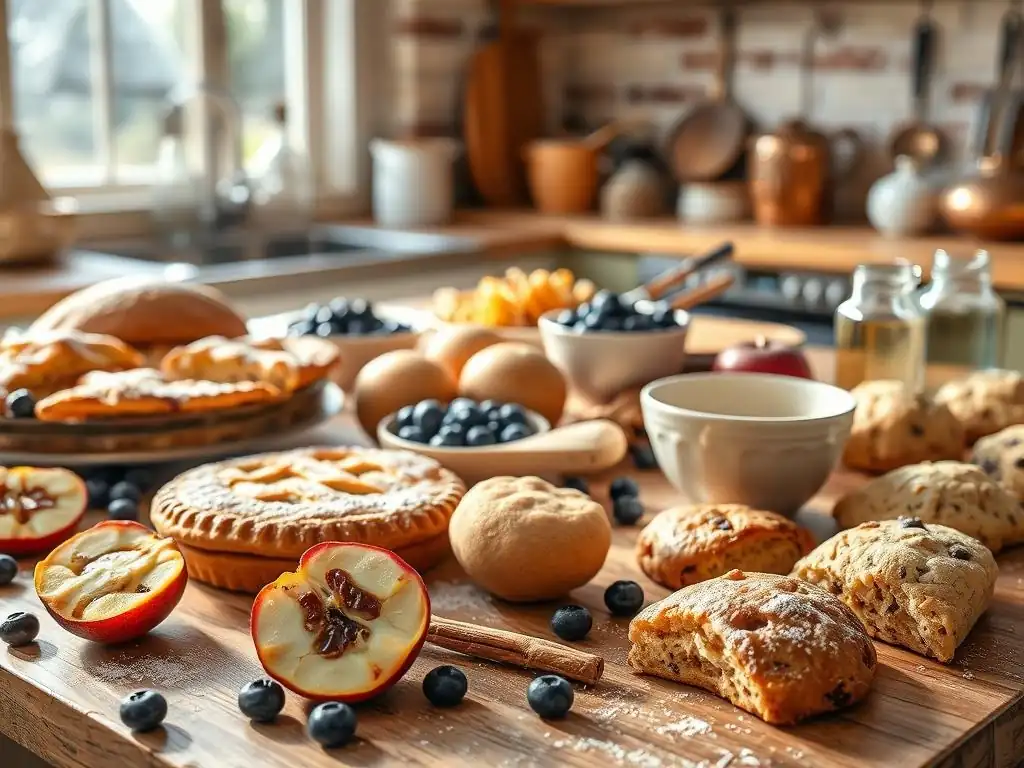
Welcome to BakeWithEase, your trusted guide to delicious and accessible baking! Are you ready to explore a world of guilt-free indulgence? Discover how you can enjoy your favorite sweet treats without compromising your health or taste. We're diving into the exciting realm of Monk Fruit Baking Recipes, offering a natural and delightful way to sweeten your creations. Intrigued? Keep reading to unlock the secrets of this amazing sweetener and elevate your baking to a whole new level!
- Introduction to Monk Fruit in Baking
- Monk Fruit Baking Recipes: Mastering Low-Calorie Treats
- Delicious Monk Fruit Baking Recipes
- Tips and Tricks for Successful Monk Fruit Baking
- Monk Fruit and Other Sweeteners: A Comparison
- Where to Buy Monk Fruit for Baking
- Conclusion: Embrace Monk Fruit for Healthier Baking
-
Frequently Asked Questions
- What is monk fruit and why is it a good alternative for baking?
- Can I substitute monk fruit for sugar in all baking recipes?
- Does monk fruit baking affect the texture of baked goods?
- Where can I find monk fruit baking recipes?
- Are there different forms of monk fruit sweetener, and which is best for baking?
- Final Reflection: The Sweet Revolution of Monk Fruit Baking
- Unlock Your Sweetest Creations with Monk Fruit!
Introduction to Monk Fruit in Baking
What is Monk Fruit and Why Use it in Baking?
Monk fruit, also known as Siraitia grosvenorii or luohan guo, is a small, round fruit native to Southeast Asia. It has been cultivated for centuries and traditionally used in herbal medicine and as a natural sweetener. The sweetness comes from natural compounds called mogrosides, which are extracted from the fruit.
This extract is then processed into various forms, including powders and liquids, which are significantly sweeter than table sugar – often cited as being 150 to 200 times sweeter. Unlike sugar, monk fruit extract contains zero calories and zero carbohydrates, making it a popular choice for those looking to reduce sugar intake.
The primary appeal of using monk fruit in monk fruit baking recipes is its ability to provide intense sweetness without contributing calories or impacting blood sugar levels. This makes it an excellent alternative for individuals managing diabetes, following ketogenic or low-carb diets, or simply aiming for healthier versions of their favorite baked goods. Furthermore, monk fruit extract is heat stable, which is a crucial property for sweeteners used in baking, as it means the sweetness won't degrade under oven temperatures. Its natural origin also appeals to those preferring plant-based sweeteners over artificial ones.
Benefits of Monk Fruit for Low-Calorie Baking
One of the most significant benefits of incorporating monk fruit into your baking is the dramatic reduction in calories and carbohydrates. Traditional sugar is calorie-dense, providing about 16 calories per teaspoon and 4 grams of carbohydrates. By replacing sugar with a zero-calorie, zero-carb sweetener like monk fruit, you can create delicious treats that fit within restricted dietary plans. For example, a cookie recipe that typically uses half a cup of sugar (roughly 385 calories and 100g carbs) could use a monk fruit blend with negligible calories and carbs, substantially lowering the nutritional impact of the finished product.
Beyond calorie reduction, monk fruit has a glycemic index of zero. This means it does not cause a spike in blood glucose levels after consumption, unlike refined sugar which has a high glycemic index (around 65). This makes monk fruit an ideal sweetener for people with diabetes or insulin resistance, allowing them to enjoy baked goods without negatively affecting their blood sugar control. Its low-glycemic nature also supports weight management efforts by avoiding the blood sugar roller coaster often associated with high-sugar foods.
Monk Fruit Baking Recipes: Mastering Low-Calorie Treats
Understanding Monk Fruit Forms for Baking
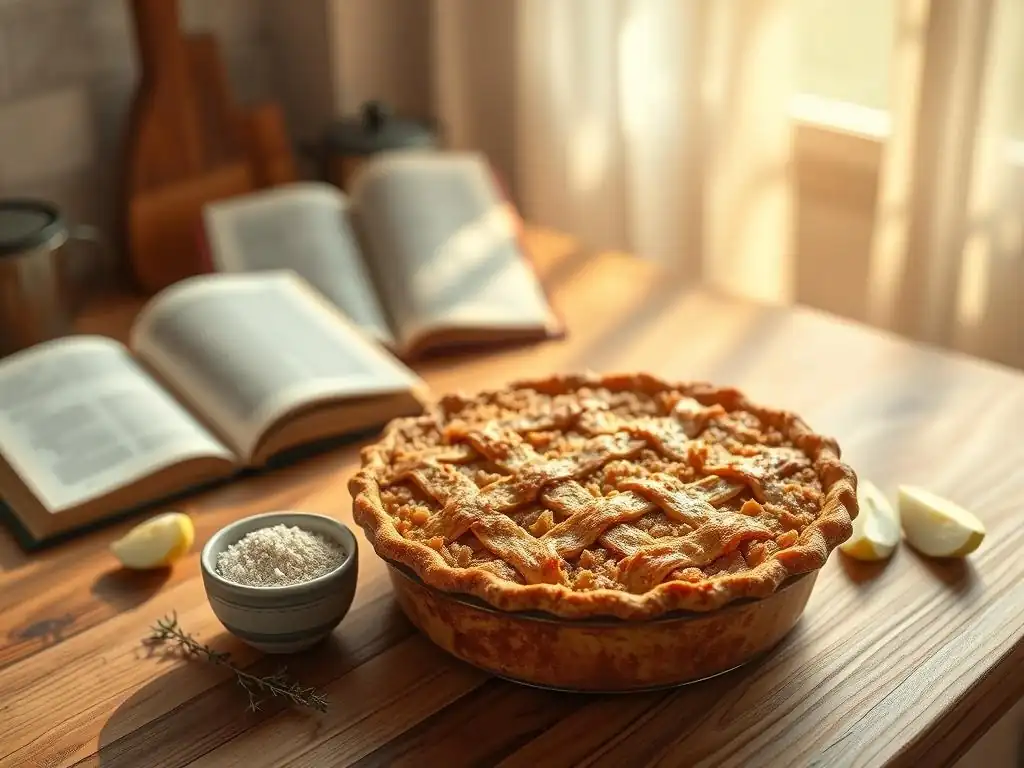
Monk fruit sweetener comes in several forms, each with different properties that affect how they behave in monk fruit baking recipes. The most common forms are granulated and liquid extracts. Understanding the differences is key to successful sugar substitution. Granulated forms are often blends designed to mimic the volume and handling properties of sugar, while liquid extracts are highly concentrated and used in much smaller quantities.
Granulated Monk Fruit vs. Monk Fruit Liquid Extracts: Choosing the Right Form
Granulated monk fruit is typically a blend of monk fruit extract with a bulking agent, most commonly erythritol or allulose. These blends are popular because they offer a 1:1 volumetric replacement for sugar in many recipes, making conversion straightforward. The bulking agent provides the volume that pure monk fruit extract lacks, which is essential for the structure of baked goods like cakes and cookies.
For instance, in a classic cookie recipe calling for 1 cup of sugar, you would often use 1 cup of a granulated 1:1 monk fruit blend. Be aware that blends containing erythritol might impart a slight cooling sensation.
Liquid monk fruit extracts are much more concentrated than granulated forms and are usually sold in small bottles with droppers. A few drops can provide the sweetness equivalent of a tablespoon or more of sugar. These are best used in applications where volume is not critical, such as sweetening frostings, glazes, sauces, or beverages. They are not suitable for recipes where sugar provides significant bulk or structure, like in cakes or breads, as using enough liquid extract for sweetness would add too much moisture and provide none of the necessary volume.
Converting Sugar to Monk Fruit in Baking Recipes
Converting traditional monk fruit baking recipes that use sugar requires careful consideration of the monk fruit product you are using. If you opt for a granulated monk fruit blend marketed as a 1:1 sugar substitute, the process is relatively simple: replace the sugar measure for measure. For example, if a recipe calls for 1 cup of sugar, use 1 cup of the 1:1 monk fruit blend. However, results may not be identical to sugar-based versions, particularly concerning texture and browning.
When using highly concentrated pure monk fruit extract (either powder or liquid), conversion is more complex. Because it's so much sweeter, you only need a tiny amount. This means you lose the bulk that sugar provides.
You'll need to significantly reduce the quantity of sweetener and potentially add a different ingredient to provide volume if the recipe relies on sugar for structure. Always follow the specific conversion guidelines provided by the manufacturer of your monk fruit product, as sweetness levels can vary between brands and forms. Taste-testing your batter or dough (if safe to do so) can help you adjust sweetness before baking.
Delicious Monk Fruit Baking Recipes
Shortbread cookies are wonderfully simple, relying on butter, flour, and sugar for their signature crumbly texture and delicate sweetness. Using a granulated monk fruit blend in monk fruit baking recipes for shortbread can yield a delightful low-sugar alternative. The granulated blend helps provide some of the bulk that sugar normally would. However, you might notice the dough feels slightly different, perhaps less cohesive, and the baked cookies may not spread or brown as much as their sugar-laden counterparts.
Achieving the perfect shortbread texture with monk fruit involves careful handling and potentially slight adjustments to butter or flour ratios to compensate for sugar's role in tenderness. The clean sweetness of monk fruit allows the rich butter flavor to truly shine through. While the classic golden edges might be harder to achieve, the delicate, melt-in-your-mouth quality characteristic of good shortbread is still possible, making these monk fruit baking recipes a satisfying option for a low-sugar treat.
Low-Calorie Monk Fruit Cake Recipe: Vanilla Bean Delight
Creating a light and moist cake using monk fruit requires understanding how sugar functions beyond just sweetness – it helps tenderize the crumb, retain moisture, and aids in leavening. Substituting sugar with a monk fruit blend in a vanilla bean cake recipe means finding ways to compensate for these functions. You might find that cakes made with monk fruit are slightly denser or drier if direct substitution is done without other recipe tweaks.
Successful monk fruit baking recipes for cakes often involve adding ingredients that boost moisture and tenderness, such as extra eggs, yogurt, applesauce, or oil. Creaming the butter and monk fruit blend thoroughly helps incorporate air for a lighter texture. The subtle, clean sweetness of monk fruit is a perfect partner for the fragrant notes of vanilla bean, allowing that primary flavor to be the star without the sometimes-overpowering sweetness of refined sugar. Expect a beautiful cake, but be prepared for subtle textural differences compared to traditional versions.
Monk Fruit Scones: Buttery and Light Breakfast Treats
Scones are relatively forgiving when converting to monk fruit baking recipes. Sugar in scones primarily adds sweetness and contributes slightly to tenderness. Using a granulated monk fruit blend can easily replace the sugar called for in most scone recipes. Mix the monk fruit blend in with your dry ingredients, cut in cold butter, and add your liquid as usual. You'll find the process very similar to making traditional scones.
The resulting monk fruit scones will have the same buttery flavor and light, flaky texture you expect, provided you handle the dough minimally and use cold ingredients. The main difference will be the lack of significant browning on the crust due to the absence of sugar caramelization. These are perfect for a low-sugar breakfast or snack, especially when paired with fresh berries or a sugar-free glaze made with liquid monk fruit extract.
Monk Fruit Sweetened Blondies: A Caramel-Flavored Indulgence
Blondies present a unique challenge for monk fruit baking recipes because their characteristic chewy texture and deep caramel flavor come largely from brown sugar and its molasses content. Simply substituting brown sugar with a monk fruit blend will provide sweetness but won't replicate that specific chewiness or the rich caramel notes. Blondies made purely with monk fruit might turn out more cake-like and lack the desired depth of flavor.
To create successful monk fruit sweetened blondies, bakers often employ strategies to mimic brown sugar's effects. This might involve using a granulated monk fruit blend alongside a small amount of sugar-free caramel flavoring, molasses extract (check carb content if strict keto), or a brown sugar substitute specifically designed for low-carb baking. Achieving the ideal chewy texture might also require careful monitoring of baking time to avoid over-drying. While they may differ slightly from traditional blondies, these monk fruit baking recipes can still offer a satisfyingly sweet and indulgent treat.
Tips and Tricks for Successful Monk Fruit Baking
Achieving the Right Texture and Browning in Monk Fruit Recipes
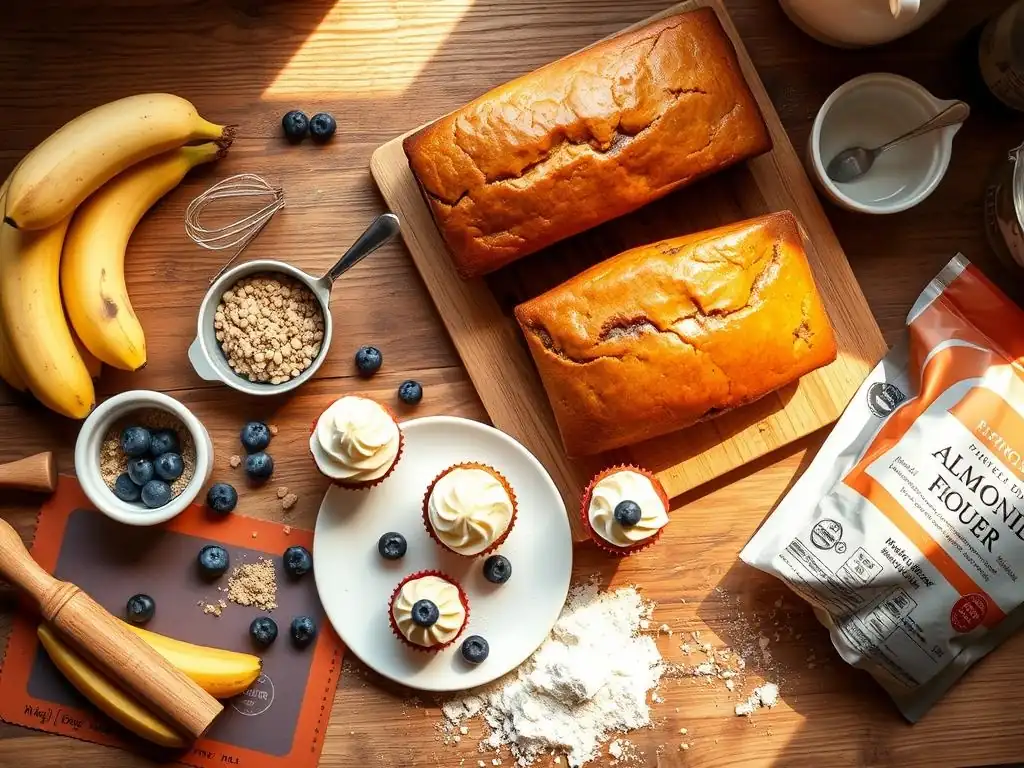
One of the most common challenges in monk fruit baking recipes is replicating the texture and browning achieved with sugar. Sugar helps baked goods brown through caramelization and the Maillard reaction, and it contributes to moisture retention and tenderness. Monk fruit does neither. Consequently, your monk fruit-sweetened cookies, cakes, and muffins might appear pale and could have a slightly different texture – potentially drier or less chewy.
To combat the lack of browning, you can try baking at a slightly higher temperature for a shorter duration, or using a silicone baking mat which can sometimes encourage base browning. For texture, incorporating ingredients known for adding moisture and tenderness, such as extra egg yolks, sour cream, yogurt, or a bit more fat (butter or oil), can help. Some bakers also find that using alternative low-carb flours like almond flour or coconut flour in conjunction with monk fruit requires careful liquid adjustments.
Common Mistakes to Avoid When Baking with Monk Fruit
A frequent error is using too much monk fruit extract, especially if it's a highly concentrated pure form. This can result in an overwhelmingly sweet taste and sometimes an undesirable aftertaste. Always start with the amount recommended by the product manufacturer and adjust to taste if necessary. Another mistake is expecting a 1:1 replacement with any monk fruit product – ensure you are using a blend specifically designed for 1:1 substitution if that's your goal, and recognize that even then, results won't be identical to sugar.
Ignoring the lack of bulk is another pitfall in monk fruit baking recipes. If a recipe relies on sugar for significant volume (like in cookies or cakes), simply using a tiny amount of pure extract will change the ingredient ratios dramatically and affect structure. Using a granulated blend helps mitigate this. Finally, over-baking is easy when goods don't brown as expected; rely on doneness tests (like the toothpick test for cakes) rather than visual color cues alone to prevent dry results.
Adjusting Baking Times and Temperatures for Monk Fruit
Due to the differences in how monk fruit behaves compared to sugar, you might need to make minor adjustments to baking times and temperatures. Since monk fruit doesn't caramelize or hold moisture in the same way, baked goods can sometimes cook faster or dry out more quickly, especially at higher temperatures.
Consider starting to check for doneness about 5 to 10 minutes earlier than the time specified in a traditional sugar recipe. If you find your baked goods are consistently drying out or becoming tough, try slightly reducing the oven temperature by 15-25°F (about 8-14°C) and extending the baking time slightly to allow them to cook through more gently. These adjustments are often necessary in monk fruit baking recipes to achieve optimal results.
Storing Your Monk Fruit Baked Goods for Optimal Freshness
Proper storage is key to maintaining the quality of your monk fruit baking recipes. Because monk fruit doesn't retain moisture quite like sugar does (sugar is hygroscopic, meaning it attracts and holds water), baked goods made with monk fruit can sometimes dry out faster.
For most cookies, brownies, and muffins, storing them in an airtight container at room temperature is usually sufficient for a few days. Cakes and other items with perishable fillings or frostings should be refrigerated in an airtight container. For longer storage, freezing is an excellent option. Ensure baked goods are completely cooled, then wrap them tightly in plastic wrap and aluminum foil or place them in a freezer-safe bag. Thaw at room temperature or gently warm before serving.
Monk Fruit and Other Sweeteners: A Comparison
Monk Fruit vs. Xylitol: Which is Better for Baking?
Comparing monk fruit to xylitol for monk fruit baking recipes involves looking at their properties and potential effects. Xylitol is a sugar alcohol derived from plants, offering a sweetness level similar to sugar (about 90%) with fewer calories (around 2.4 calories per gram vs. sugar's 4). It has a low glycemic index and can brown slightly in baking, unlike pure monk fruit. However, xylitol is highly toxic to dogs, which is a critical safety consideration for pet owners. It can also cause digestive upset in some individuals when consumed in large quantities.
Monk fruit, on the other hand, is a zero-calorie, zero-carb sweetener from a fruit extract. While pure extract is much sweeter than sugar, it's often blended with bulking agents like erythritol or allulose for 1:1 use in monk fruit baking recipes. Monk fruit is generally considered safe for pets and tends to cause less digestive distress than xylitol for many people, although blends with erythritol can still have this effect. For bakers prioritizing zero calories, zero net carbs, and pet safety, monk fruit (especially pure extract or blends without xylitol) is often the preferred choice.
Monk Fruit vs. Maltitol: Understanding the Differences
Maltitol is another sugar alcohol commonly used as a sugar substitute, particularly in commercial "sugar-free" candies and chocolates. It has a sweetness level similar to sugar (around 90%) and fewer calories (about 2.1 calories per gram). However, maltitol has a higher glycemic index (ranging from 35 to 52) compared to monk fruit's zero, meaning it can still affect blood sugar levels, albeit less than sugar.
The most significant difference lies in digestive tolerance. Maltitol is notorious for causing pronounced laxative effects and digestive discomfort in many people, even in moderate amounts. Monk fruit, especially pure extract or blends with erythritol or allulose, is generally better tolerated digestively. While monk fruit blends might not melt or caramelize exactly like maltitol in candy-making, for most monk fruit baking recipes aimed at creating low-sugar treats without significant digestive side effects or blood sugar impact, monk fruit is a much more favorable option.
Monk Fruit Blends: Combining Sweeteners for Baking
Monk fruit is frequently combined with other low-calorie or sugar-free sweeteners to create blends optimized for baking. The most common partners are erythritol and allulose. Erythritol, a sugar alcohol, provides significant bulk and has a clean taste, though it can have a cooling sensation. Allulose, a rare sugar, also provides bulk and behaves more like sugar in terms of texture and slight browning, although it contributes a few calories (around 0.4 per gram) and is less sweet than erythritol or sugar.
These blends offer several advantages for monk fruit baking recipes. They provide the necessary volume that pure monk fruit extract lacks, making them easy to substitute for sugar cup-for-cup. Combining sweeteners can also help mitigate potential off-flavors or aftertastes associated with using a single sweetener in large quantities. For instance, the slight aftertaste some perceive with pure monk fruit can be masked by blending it with erythritol. Similarly, monk fruit's intense sweetness can balance the less intense sweetness of erythritol or allulose, resulting in a well-rounded sweet profile closer to sugar.
Where to Buy Monk Fruit for Baking
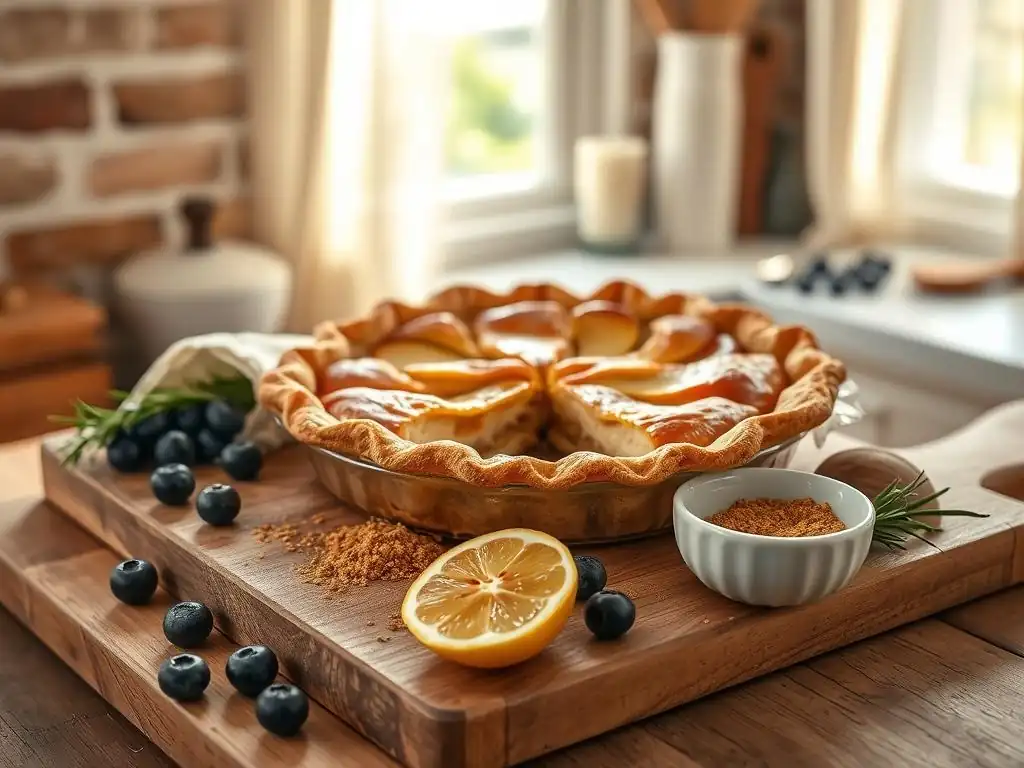
Finding monk fruit sweetener for your monk fruit baking recipes is becoming increasingly easy as its popularity grows. You can typically find various forms in the natural foods or baking aisle of major grocery stores. Health food stores and specialty dietary stores are also reliable sources, often carrying a wider selection of brands and blends.
Choosing Quality Monk Fruit Products
When selecting a monk fruit product, especially for monk fruit baking recipes, consider the form and any additional ingredients. If you need a 1:1 sugar replacement for traditional recipes, look for granulated blends specifically marketed for this purpose, often combined with erythritol or allulose. Check the ingredients list to understand what you're buying and avoid blends with added sugars or artificial ingredients if that's a concern for your diet.
For those seeking the most concentrated form or needing a sweetener for liquids and frostings, liquid extracts are available. Consider reputable brands known for quality control. Reading online reviews can also provide insight into how specific products perform in baking and whether users report any off-tastes. Prices can vary depending on the concentration of monk fruit and the blending agents used.
Conclusion: Embrace Monk Fruit for Healthier Baking
The Future of Low-Calorie Baking with Monk Fruit
Monk fruit has firmly established itself as a valuable tool for creating delicious low-sugar and low-calorie monk fruit baking recipes. Its natural origin, zero-calorie profile, and negligible impact on blood sugar make it an attractive alternative to traditional sugar for a wide range of dietary needs and health goals. While it presents some unique challenges in terms of texture and browning compared to sugar, these can often be overcome with simple adjustments and the use of well-formulated blends.
As the demand for healthier baked goods continues to rise, the role of sweeteners like monk fruit is set to expand. We can anticipate more innovative monk fruit baking recipes becoming widely available, along with improved blends that better mimic sugar's functional properties. Experimenting with monk fruit in your own kitchen, perhaps starting with simpler items like cookies or muffins, is a great way to discover how this natural sweetener can help you enjoy your favorite sweet treats while sticking to a low-sugar lifestyle. Embrace the possibilities and bake with ease!
Frequently Asked Questions
What is monk fruit and why is it a good alternative for baking?
Monk fruit is a natural sweetener derived from a fruit. It's a good alternative because it provides sweetness with little to no calories and doesn't significantly impact blood sugar levels, making it suitable for those watching their sugar intake.
Can I substitute monk fruit for sugar in all baking recipes?
While generally yes, you may need to adjust the recipe. Monk fruit is often much sweeter than sugar, so you'll typically use less. Consider starting with a smaller amount and taste-testing as you go.
Does monk fruit baking affect the texture of baked goods?
Yes, it can. Sugar contributes to moisture and browning. Baking with monk fruit may result in a slightly drier texture or less browning, requiring adjustments like adding extra moisture or a longer baking time at a lower temperature.
Where can I find monk fruit baking recipes?
You can find a variety of monk fruit baking recipes right here at BakeWithEase.com. We offer step-by-step guides and tips for using monk fruit in pastries, breads, cakes, and more.
Are there different forms of monk fruit sweetener, and which is best for baking?
Yes, monk fruit comes in granulated, liquid, and powdered forms. Granulated is often preferred for baking as it most closely resembles sugar in texture and volume, making conversions easier.
Final Reflection: The Sweet Revolution of Monk Fruit Baking
The rising tide of health-conscious baking is undeniable, and monk fruit stands at the forefront of this delicious revolution. Its ability to deliver intense sweetness without the blood sugar spike of traditional sweeteners makes it a game-changer for those seeking healthier alternatives without sacrificing taste. This isn't just a trend; it's a shift in how we approach indulgence.
The journey of discovering monk fruit and its potential in baking has been a personal one, revealing a world of possibilities beyond artificial sweeteners. I've been amazed by the versatility of this natural ingredient, its ability to seamlessly integrate into both familiar and innovative recipes. The positive feedback from friends and family who have tried these recipes has further solidified my belief in its potential. The best things in life are sweet, but not at the cost of our health.
– This sentiment perfectly encapsulates the essence of embracing monk fruit in our baking.
Now, it's your turn to embark on this sweet adventure. Experiment with the recipes provided, adapt them to your preferences, and discover the joy of creating delicious, healthier treats for yourself and your loved ones. Don't be afraid to explore – the possibilities are as limitless as your imagination. Let's bake a sweeter, healthier future, one monk fruit recipe at a time.
Unlock Your Sweetest Creations with Monk Fruit!
Thanks for joining us on this journey to discover the delicious world of monk fruit baking! You've learned how to create healthier, naturally sweet treats, and now it's time to put your new knowledge into practice.
Ready to transform your baking? Here's how:
- Bake a Monk Fruit Delight: Choose your favorite recipe (or try a new one!) and substitute monk fruit for traditional sweeteners. Share your creation with us—we’d love to see your results!
- Experiment with Sweetness Levels: Keep notes on how much monk fruit you use versus the original recipe's sugar amount. This will help you perfect your technique for future bakes!
- Join our Baking Community: Connect with other BakeWithEase enthusiasts on our social media channels and share your monk fruit baking triumphs (and even your challenges!). Let’s inspire each other!
What delicious recipe will you create with monk fruit first? Let us know in the comments below!