
Mastering Egg Replacements in NutFree Baking: Flax vs. Chia vs. Aquafaba

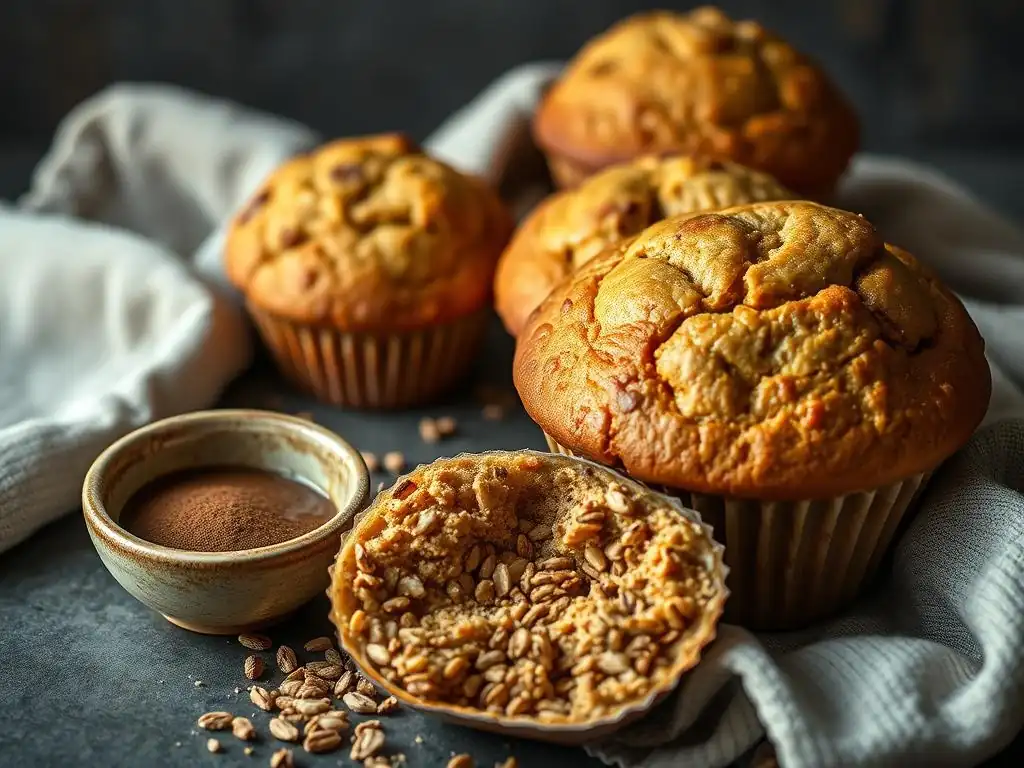
Welcome to BakeWithEase, your partner in creating delicious baked goods! Are you ready to unlock a world of egg-free baking possibilities? In this article, we dive deep into the secrets of flaxseed egg replacement baking, exploring how this versatile ingredient, along with chia seeds and aquafaba, can transform your recipes. Curious to know which egg replacement reigns supreme for nut-free delights? Let's get baking!
- Introduction to Nut-Free Baking and Egg Substitutes
- Understanding Flaxseed Egg Replacement for Baking
- Exploring Chia Seed Egg Replacement in Nut-Free Baking
- Aquafaba: A Unique Egg Replacement for Nut-Free Baking
- Flaxseed vs. Chia vs. Aquafaba: A Detailed Comparison for Nut-Free Baking
- Optimizing Nut-Free Baking with Egg Replacements: Key Considerations
- Nut-Free Baking Recipe Examples Using Flax, Chia, and Aquafaba
- Conclusion: Embracing Egg Replacements for Delicious Nut-Free Baking
-
Frequently Asked Questions
- What exactly is a flaxseed egg replacement, and why would I use it?
- How do I make a flaxseed egg replacement for baking?
- What types of baked goods work best with flaxseed egg replacements?
- Are there any baking recipes where I shouldn't use a flaxseed egg replacement?
- Can I substitute all the eggs in a recipe with flaxseed egg replacements?
- Final Reflection: The Humble Egg's Mighty Replacements
- Unlock Your Nut-Free Baking Potential!
Introduction to Nut-Free Baking and Egg Substitutes
Why Choose Egg Replacements in Nut-Free Baking?
Nut-free baking presents unique challenges, especially when addressing other common allergens like eggs. For individuals managing multiple allergies, finding reliable substitutes is paramount to creating safe and delicious treats. Egg replacements are crucial not just for those with egg allergies but also for vegans or anyone looking to reduce cholesterol. In nut-free environments, where cross-contamination is a constant concern, using dedicated egg substitutes minimizes the risk of introducing unexpected allergens, allowing bakers and consumers to enjoy baked goods with confidence.
Furthermore, integrating egg replacements opens up a world of recipe possibilities. Many traditional recipes rely heavily on eggs for structure, moisture, and binding. By understanding and utilizing effective substitutes like a flaxseed egg replacement for baking, you can successfully adapt a wide array of recipes to be entirely egg-free and nut-free. This empowers home bakers to cater to diverse dietary needs without sacrificing texture or flavor, making baked goods accessible to more people.
The Importance of Egg Substitutes for Allergy-Friendly Baking
In the realm of allergy-friendly baking, eggs serve multiple vital functions: they bind ingredients together, provide leavening, add moisture, contribute to richness, and help create structure. Without a suitable substitute, baked goods can turn out crumbly, dry, or flat. For someone with an egg allergy, even a tiny amount of egg can cause a severe reaction, making reliable egg substitutes non-negotiable.
Effective egg substitutes like flaxseed egg, chia seed egg, and aquafaba play a critical role in mimicking these functions. A well-chosen substitute can provide the necessary structure to prevent collapse, the binding power to hold cookies together, or the aeration needed for a fluffy cake. Mastering these replacements is essential for anyone baking for allergies or dietary preferences, transforming potential failures into successful, safe, and enjoyable baked goods.
Understanding Flaxseed Egg Replacement for Baking
What is a Flaxseed Egg and How Does it Work?
A flaxseed egg is a simple yet effective binder made by combining ground flaxseed (also known as flaxseed meal) with water. Typically, the ratio is one tablespoon of ground flaxseed to three tablespoons of water. When mixed, the soluble fiber and mucilage in the flaxseed absorb the water and create a gel-like consistency. This gel is what mimics the binding properties of an egg in baking. It's a popular choice for vegan and allergy-friendly recipes due to its simplicity and effectiveness.
The magic lies in the mucilage, a gummy substance found in flaxseeds. As the ground seeds hydrate, this mucilage is released, forming a viscous liquid that helps hold ingredients together in batters and doughs. While it doesn't provide leavening like a whipped egg white, its binding power is excellent for recipes where the primary function of the egg is to act as glue. This makes flaxseed egg replacement baking particularly successful in dense or moist baked goods.
Flaxseed Egg Baking: A Step-by-Step Guide
Creating a flaxseed egg is incredibly easy. Start with one tablespoon of finely ground flaxseed meal. It's important to use ground flaxseed, as whole seeds will not form the necessary gel. Add three tablespoons of water to the ground flaxseed in a small bowl. Stir the mixture well to combine the seed meal and water evenly.
Once stirred, let the mixture sit for about 5 to 10 minutes at room temperature. During this time, you'll observe the mixture transforming from a liquid into a thick, gelatinous substance resembling a slightly lumpy egg white. This gel is now ready to be used as a direct substitute for one large egg in most baking recipes. Simply add it to your wet ingredients as you would a regular egg.
Best Uses for Flaxseed Egg in Nut-Free Recipes
Flaxseed egg is a superb binding agent, making it ideal for recipes where the egg's main role is structure and moisture. It performs exceptionally well in items like muffins, quick breads (such as banana bread or zucchini bread), cookies (especially drop cookies), brownies, and certain types of cakes, particularly loaf cakes or dense sheet cakes. Its robust binding helps prevent crumbling, a common issue in egg-free baked goods.
This flaxseed egg replacement for baking is particularly effective in recipes that don't rely heavily on eggs for leavening. For example, in a recipe for nut-free oatmeal cookies, the flaxseed egg provides the perfect amount of stickiness to hold the oats and flour together. It also works well in savory applications like veggie burgers or meatless loaves, acting as a binder to prevent them from falling apart during cooking.
Flaxseed Egg Substitute: Tips for Success in Baking
For the best results when using a flaxseed egg substitute, ensure your flaxseed is freshly ground. Pre-ground flaxseed can lose potency over time, affecting its gelling ability. Grind whole flaxseeds in a coffee grinder or spice mill just before mixing with water for optimal performance. Using warm water can sometimes speed up the gelling process slightly, though room temperature water works just fine with a little patience.
Remember that a flaxseed egg adds a slightly nutty, earthy flavor and can give baked goods a slightly denser texture and darker appearance due to the color of the flaxseed meal. This works beautifully in rustic baked goods like whole-grain muffins or dark chocolate brownies, but might be noticeable in very light-colored or delicate recipes. If a recipe calls for more than two eggs, using only flaxseed eggs might result in a gummy texture; consider combining it with another leavening agent or substitute.
Exploring Chia Seed Egg Replacement in Nut-Free Baking
The Science Behind Chia Seed Egg Replacements
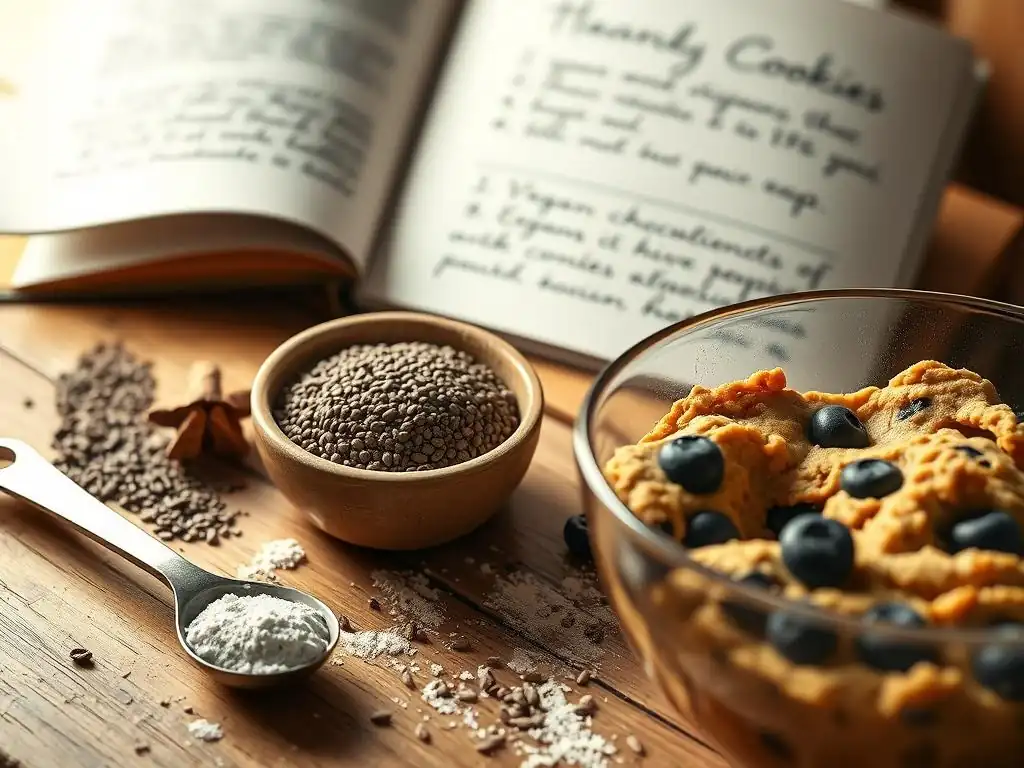
Similar to flaxseeds, chia seeds are hydrophilic, meaning they love water. When chia seeds, particularly ground chia seeds, are mixed with liquid, they form a gel-like consistency. This is due to the high amount of soluble fiber on the outer layer of the seed, which creates a mucilaginous coating as it absorbs water. This gel is the basis of a chia seed egg replacement. The standard ratio is also one tablespoon of chia seeds (whole or ground) to three tablespoons of water, left to sit for about 5-10 minutes.
The resulting chia gel functions similarly to a flaxseed egg in baking, primarily acting as a binder. The gel network traps water, adding moisture to baked goods, and helps hold ingredients together, preventing crumbling. While whole chia seeds will create a gel, grinding them first typically results in a smoother, more uniform gel that integrates more seamlessly into batters, much like using ground flaxseed for a flaxseed egg baking application.
Chia Seed Egg Baking: Easy Recipe and Instructions
To make a chia seed egg for nut-free baking, measure out one tablespoon of chia seeds. You can use whole seeds or ground chia seeds, depending on your preference for texture in the final product (ground seeds result in a smoother gel). Combine the chia seeds with three tablespoons of water in a small bowl.
Stir the mixture thoroughly to ensure all the seeds are submerged and no clumps form. Let the mixture rest for 5 to 10 minutes. As it sits, you'll notice the water being absorbed and a thick, gelatinous consistency forming. This chia egg is now ready to be used as a one-to-one replacement for one large egg in your nut-free baking recipes. Incorporate it into the wet ingredients as you would an egg.
Nut-Free Baking with Chia Seed Eggs: Recipe Adaptations
Chia seed eggs are highly versatile binders in nut-free baking. They work exceptionally well in dense baked goods like muffins, quick breads, pancakes, waffles, and cookies. Their binding power helps create chewy textures and prevents baked goods from falling apart. Using chia seeds in recipes for items like nut-free granola bars or energy bites is also effective, as the gel helps bind the ingredients together without the need for eggs.
When adapting recipes, consider that like flaxseed, chia seeds add small black or white flecks and a slightly earthy flavor, which might be more noticeable if you use whole seeds. This can be a desirable visual element in certain recipes, like berry muffins or dark bread. For recipes requiring a lighter crumb or significant lift, a chia egg alone might not suffice and could benefit from the addition of a chemical leavener like baking soda or powder, or combining with another substitute.
Chia Seed Egg vs. Flaxseed Egg: A Comparison for Nut-Free Bakers
When choosing between a chia seed egg and a flaxseed egg substitute for baking, both offer excellent binding capabilities for nut-free recipes. The primary differences lie in texture, appearance, and subtle flavor. Flaxseed eggs tend to be slightly smoother if using finely ground meal, while chia seed eggs made with whole seeds will have visible seeds and a slightly different gel texture.
From a nutritional standpoint, both are rich in omega-3 fatty acids and fiber. Chia seeds generally contain slightly more fiber and calcium than flaxseeds. In terms of flavor, both are relatively neutral but can impart a subtle earthy note. The choice often comes down to personal preference regarding texture and appearance in the final baked good. For many applications like cookies and muffins, they are interchangeable as a binding flaxseed egg replacement for baking.
Aquafaba: A Unique Egg Replacement for Nut-Free Baking
What is Aquafaba and its Benefits in Baking?
Aquafaba is the viscous liquid found in a can of chickpeas or other white legumes, or the cooking liquid from dried beans. It's a relatively new discovery in the vegan and allergy-friendly baking world, but its potential is enormous. Aquafaba is primarily composed of carbohydrates, proteins, and saponins that have leached from the legumes during cooking. These compounds give it emulsifying, binding, and thickening properties.
The most remarkable benefit of aquafaba is its ability to mimic egg whites, particularly their capacity to be whipped into a stiff foam. This opens the door to creating light and airy baked goods that were previously difficult to achieve with other egg substitutes. It's a versatile ingredient for nut-free baking, offering a solution for recipes needing aeration and volume, not just binding.
Using Aquafaba as an Egg Substitute: Whipping and Baking Techniques
Aquafaba can be used in two primary ways in baking: as a liquid binder or, more famously, whipped. To replace a whole egg primarily for binding and moisture, you can typically use about 2-3 tablespoons of unwhipped aquafaba. For recipes requiring the function of an egg white, aquafaba truly shines. Simply pour the liquid into a clean, grease-free bowl and whip it using an electric mixer (handheld or stand mixer).
Start on medium speed and gradually increase to high. It can take anywhere from 5 to 15 minutes to achieve stiff peaks, similar to whipping egg whites. You can add a pinch of cream of tartar or a few drops of lemon juice to stabilize the foam, just as you would with egg whites. Once whipped, this foam can be used in recipes like meringues, macarons, or as a leavening agent folded into batters.
Aquafaba Recipes for Nut-Free Baking: Meringues, Mousses, and More
Aquafaba excels in recipes that require the unique properties of whipped egg whites. This includes delightful nut-free meringues, light and airy chocolate mousses, fluffy marshmallows, and even certain types of macaron shells (though perfecting aquafaba macarons can take practice). For recipes needing whole eggs, like cakes or brownies, aquafaba can sometimes be used in combination with other binders (like a flaxseed egg substitute) to provide both moisture/binding and some lift.
A simple aquafaba meringue involves whipping aquafaba with sugar until stiff peaks form, then baking at a low temperature. Typically, you might use around 1/2 cup of aquafaba and gradually whip in 1/2 cup to 1 cup of sugar. This demonstrates its impressive capacity to hold air and structure, making previously challenging nut-free, egg-free desserts achievable.
Aquafaba in Nut-Free Baking: Troubleshooting and Tips
Working with aquafaba can sometimes require a bit of trial and error. The consistency of aquafaba can vary between different brands of canned chickpeas or even different batches cooked from dried beans. Thicker, more viscous aquafaba generally whips better. If your aquafaba seems thin, you can reduce it slightly on the stovetop by simmering it gently until it thickens, then letting it cool completely before whipping.
Ensure your whipping bowl and tools are completely grease-free, as any trace of oil will prevent the aquafaba from whipping properly. While aquafaba is relatively neutral in flavor, some people detect a faint bean-like taste, which is usually masked by other ingredients in baked goods. Using a pinch of cream of tartar or a small amount of acid (like lemon juice or vinegar) can help stabilize the foam and reduce any potential off-flavors.
Flaxseed vs. Chia vs. Aquafaba: A Detailed Comparison for Nut-Free Baking
Texture and Binding Properties: Comparing Egg Substitutes
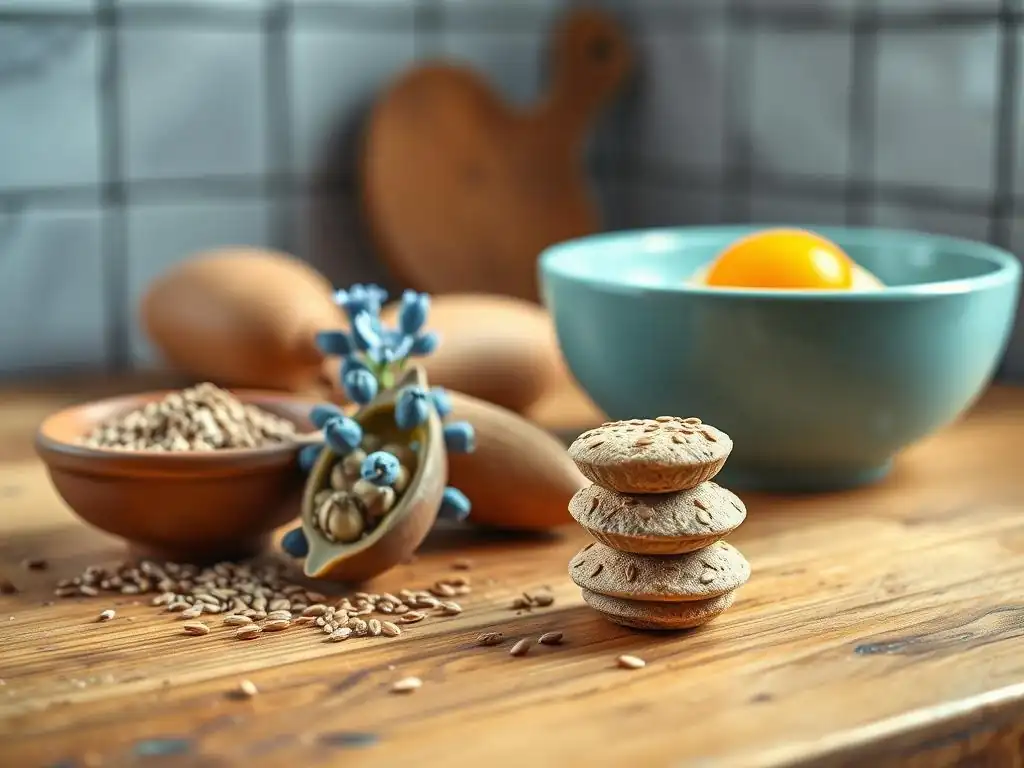
When it comes to texture and binding, flaxseed and chia seed eggs are quite similar. Both form a thick, gel-like substance that provides excellent binding for ingredients, helping to prevent crumbling and adding moisture. They tend to result in baked goods that are slightly denser or chewier compared to those made with eggs. This makes them ideal for cookies, muffins, and quick breads where a robust structure is desired.
Aquafaba, on the other hand, offers more versatility in texture. Unwhipped, it provides binding and moisture similar to flax or chia, though often with a lighter result. Its unique ability to be whipped into a foam allows for the creation of light and airy textures, mimicking the function of whipped egg whites. This makes it the go-to choice for meringues, mousses, and adding lightness to cakes, a function that flaxseed egg replacement for baking cannot easily replicate.
Flavor Profiles: Which Egg Replacement Works Best?
All three substitutes are relatively neutral in flavor compared to the distinct taste of eggs. However, subtle differences exist. Flaxseed egg can impart a slightly nutty or earthy flavor, which is often pleasant in whole-grain or rustic bakes but might be noticeable in delicate vanilla recipes. Chia seed egg has a similar earthy undertone, and if whole seeds are used, they add a slight seedy texture.
Aquafaba is perhaps the most neutral in flavor, especially when whipped with sugar or combined with other strong flavors like chocolate or vanilla. Some people detect a faint bean-like flavor in unwhipped aquafaba, but this is usually negligible in baked goods. For recipes where a clean, neutral taste is paramount, aquafaba often has a slight edge, though a well-made flaxseed egg substitute is also quite mild.
Nutritional Value: Flaxseed, Chia, and Aquafaba Compared
Nutritionally, flaxseed and chia seed eggs offer more than just binding. Both are excellent sources of dietary fiber and omega-3 fatty acids, contributing healthy fats and promoting digestive health. A typical flaxseed egg (1 tbsp flax + 3 tbsp water) contains about 37 calories, 3 grams of fat (mostly omega-3s), and 4 grams of fiber. A chia seed egg (1 tbsp chia + 3 tbsp water) is similar, with around 60 calories, 3 grams of fat (also omega-3s), and 5 grams of fiber.
Aquafaba, being primarily the liquid from cooking legumes, is significantly lower in calories and fat. The nutritional content can vary, but roughly 3 tablespoons (replacing one egg) contains only about 5-10 calories and minimal fat (less than 0.5g). It contains some protein (less than 1g per 3 tbsp) and carbohydrates. While it doesn't offer the fiber or omega-3 benefits of flax or chia, its low calorie and fat content can be advantageous in certain recipes or for specific dietary goals.
Availability and Cost Considerations
Flaxseeds and chia seeds are widely available in most grocery stores, health food stores, and online retailers. They are typically sold in bags and can be purchased whole or pre-ground. The cost is relatively low when considering how many "eggs" you can make from a single bag. A pound of flaxseeds or chia seeds can yield dozens of flaxseed eggs or chia eggs, making them a very economical egg replacement for baking.
Aquafaba is essentially a byproduct. If you regularly use canned chickpeas, the cost is practically zero, as you are simply utilizing the liquid you might otherwise discard. If you cook dried chickpeas from scratch, the cooking liquid is your aquafaba. Canned chickpeas are inexpensive and readily available globally. This makes aquafaba perhaps the most budget-friendly option among the three, provided you are already using the chickpeas.
Optimizing Nut-Free Baking with Egg Replacements: Key Considerations
Choosing the Right Egg Substitute for Your Nut-Free Recipe
Selecting the best egg replacement depends heavily on the specific role the egg plays in the original recipe and the desired outcome. For recipes where the egg acts primarily as a binder and moisture provider, such as dense cakes, muffins, cookies, or brownies, both flaxseed egg replacement for baking and chia seed eggs are excellent choices. They provide structure and prevent crumbling.
If the recipe relies on eggs for significant leavening and a light, airy texture, such as meringues, soufflés, or fluffy cakes, aquafaba is often the superior choice due to its ability to be whipped into a stable foam. For recipes requiring the properties of a whole egg (binding, moisture, and some leavening), you might need to experiment with combinations of substitutes or incorporate additional leavening agents like baking powder.
Adjusting Recipe Ratios for Optimal Results
While the standard ratio of 1 tablespoon seed + 3 tablespoons water (for flax or chia) or 2-3 tablespoons aquafaba per egg works for many recipes, slight adjustments might be needed. If your baked goods are turning out too dense or gummy with flax or chia, try reducing the amount slightly or increasing the liquid elsewhere in the recipe. Conversely, if they are too crumbly, you might need a touch more binder.
When using aquafaba as a binder, 2 tablespoons is often sufficient for smaller items like cookies, while 3 tablespoons might be better for cakes or quick breads. For whipped aquafaba, the ratio of sugar and whipping time is crucial, much like with egg whites. Pay attention to visual cues (soft, firm, or stiff peaks) rather than just time. Careful measurement and observation are key to success with any egg substitute.
Common Mistakes to Avoid When Using Egg Replacements in Baking
One common mistake when using flaxseed or chia seed eggs is not letting the mixture sit long enough to form a proper gel. Rushing this step means you won't get the necessary binding power. Another error is using whole flaxseeds instead of ground, which prevents the mucilage from being released effectively.
With aquafaba, the most frequent issue is trying to whip it in a bowl that isn't completely grease-free, which will inhibit foam formation. Over-whipping or under-whipping aquafaba for meringues can also cause problems with structure. Additionally, expecting flax or chia eggs to provide significant leavening in recipes where eggs were the sole leavener is a common pitfall; often, additional baking powder is required in such cases.
Nut-Free Baking Recipe Examples Using Flax, Chia, and Aquafaba
Nut-Free Chocolate Cake with Flaxseed Egg
In a nut-free chocolate cake recipe, a flaxseed egg replacement for baking works wonderfully to provide structure and moisture. Replacing two large eggs with two flaxseed eggs (2 tbsp ground flax + 6 tbsp water) helps create a moist, slightly dense crumb that pairs perfectly with rich chocolate flavors. The natural binding prevents the cake from becoming too crumbly, ensuring it holds together well when sliced. The subtle earthiness of the flaxseed complements the deep chocolate notes.
Nut-Free Muffins with Chia Seed Egg
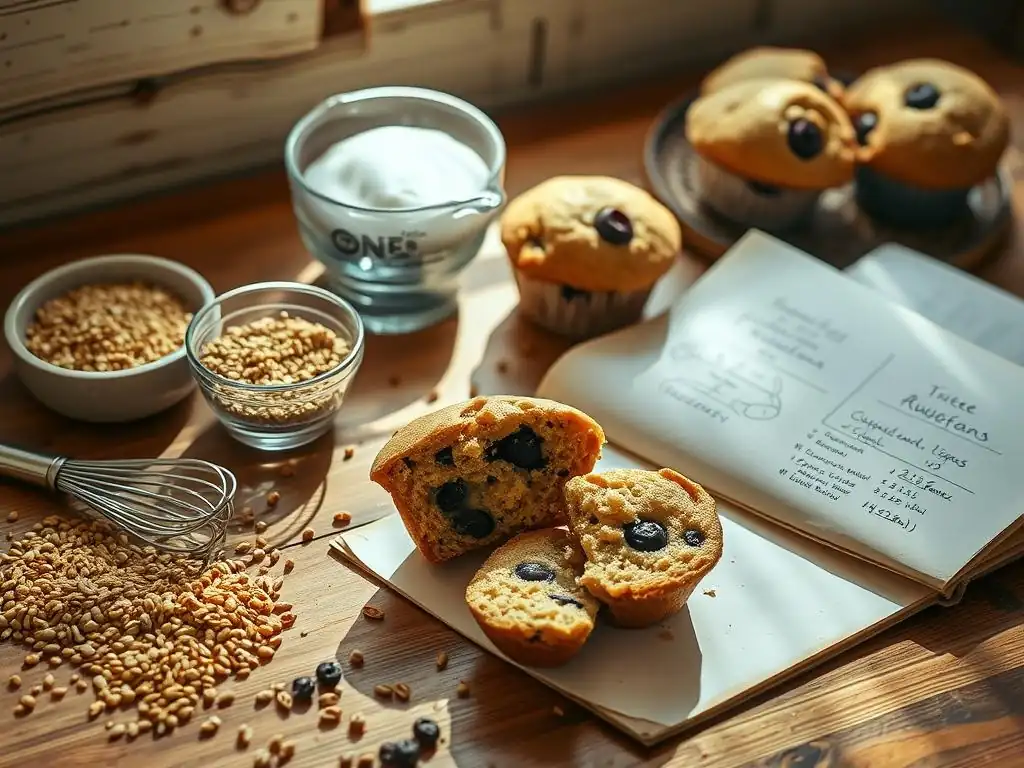
Chia seed eggs are excellent binders for nut-free muffins, whether they are fruit-filled, bran, or chocolate chip. Using one chia egg (1 tbsp chia + 3 tbsp water) per original egg in the recipe helps create a tender yet sturdy muffin that doesn't fall apart. The gel adds moisture, contributing to a pleasant texture. If using whole chia seeds, they add a fun visual element and a slight textural pop, while ground chia seeds blend in more seamlessly.
Aquafaba truly shines in nut-free meringue cookies. By whipping approximately 1/2 cup of aquafaba with gradually added sugar (around 1/2 to 1 cup) and a pinch of cream of tartar until stiff, glossy peaks form, you can pipe beautiful, crisp meringues just like those made with egg whites. These are naturally egg-free and, when made in a dedicated nut-free environment, provide a safe and delicious treat for those with multiple allergies.
Conclusion: Embracing Egg Replacements for Delicious Nut-Free Baking
The Future of Egg-Free and Nut-Free Baking
The world of allergy-friendly baking is constantly evolving, driven by innovation and necessity. The increasing popularity and understanding of substitutes like flaxseed egg replacement baking, chia seeds, and aquafaba are revolutionizing what's possible in nut-free and egg-free kitchens. As more home bakers and professional chefs experiment with these ingredients, techniques are refined, and new applications are discovered.
This growing knowledge base means that delicious, safe, and satisfying baked goods are becoming more accessible than ever for individuals managing allergies or following specific diets. The future promises even more sophisticated substitutes and easier-to-adapt recipes, making nut-free and egg-free baking not just a necessity, but a joyful and creative endeavor for everyone.
Resources for Nut-Free Baking and Egg Replacement Information
For those looking to dive deeper into nut-free baking and master egg replacements, a wealth of resources is available. Websites like BakeWithEase.com offer step-by-step guides, recipes, and tips specifically tailored to allergy-friendly baking. Many cookbooks are dedicated to vegan or allergy-free baking, providing tested recipes using various substitutes.
Online communities and forums offer valuable peer support, troubleshooting advice, and shared experiences from other bakers navigating similar dietary restrictions. Consulting with registered dietitians or allergists can also provide personalized guidance on safely incorporating these substitutes into a diet. By utilizing these resources and embracing experimentation, you can confidently create a wide range of delicious, nut-free baked goods using effective egg replacements.
Frequently Asked Questions
What exactly is a flaxseed egg replacement, and why would I use it?
A flaxseed egg replacement is a mixture of ground flaxseed and water used as a vegan substitute for eggs in baking. It's useful for those with egg allergies or following a plant-based diet.
How do I make a flaxseed egg replacement for baking?
Simply combine one tablespoon of ground flaxseed with three tablespoons of water. Let it sit for about 5 minutes until it forms a gelatinous consistency before adding it to your recipe.
What types of baked goods work best with flaxseed egg replacements?
Flaxseed egg replacements work well in cakes, muffins, cookies, and quick breads. They contribute to a moist and dense texture, but may impart a slightly nutty flavor.
Are there any baking recipes where I shouldn't use a flaxseed egg replacement?
Avoid using flaxseed egg replacements in recipes where eggs provide significant structure and leavening, such as meringues or soufflés. They are better suited for recipes where eggs act more as a binder or source of moisture.
Can I substitute all the eggs in a recipe with flaxseed egg replacements?
Generally, it's recommended to use flaxseed egg replacements for no more than three eggs in a single recipe. Using too much can result in a gummy or overly dense final product.
Final Reflection: The Humble Egg's Mighty Replacements
The quest for the perfect egg replacement in nut-free baking is far from over, but this exploration of flax, chia, and aquafaba has illuminated a crucial path forward for allergy-conscious bakers. The demand for inclusive recipes continues to grow, and understanding the nuances of these versatile substitutes is key to unlocking a world of delicious, accessible baked goods for everyone.
This journey into the world of egg alternatives has profoundly impacted my own baking practices, shifting my focus from simply achieving the desired texture to understanding the underlying chemical reactions at play. The best baker is the one who is always learning.
This quote resonates deeply, as each experiment with flax, chia, and aquafaba revealed new insights into the science of baking and the importance of careful ingredient selection. The subtle differences in each replacement's ability to bind, emulsify, and leaven have highlighted the need for adaptable recipes and a willingness to experiment.
Now, it's your turn. Consider the limitations you've faced in baking, particularly when accommodating dietary restrictions. Don't be afraid to experiment with these egg replacements, tweaking recipes to suit your preferences and the specific needs of your baking project. Embrace the challenge, celebrate the successes, and remember that every perfectly risen cake or chewy cookie is a testament to your dedication and culinary creativity. The world of nut-free baking awaits your exploration!
Unlock Your Nut-Free Baking Potential!
Thanks for exploring the world of egg replacements with us! We hope you now feel confident tackling nut-free baking with flax, chia, or aquafaba. Ready to put your newfound knowledge into practice?
- Bake your masterpiece: Choose your favorite nut-free recipe and try substituting eggs with your newfound preferred method. Share your results with us on social media using #BakeWithEaseNutFree!
- Experiment with different recipes: Don't be afraid to try substituting in different nut-free recipes to see which egg replacement works best. Think outside the box – what will you create?
- Share your experiences: Leave a comment below and tell us about your baking journey. Did you discover a new favorite egg replacement? What recipe will you tackle next?
What exciting nut-free creation will you bake today?