
Expert Recommended Stand Mixers: What Pros Use at Home

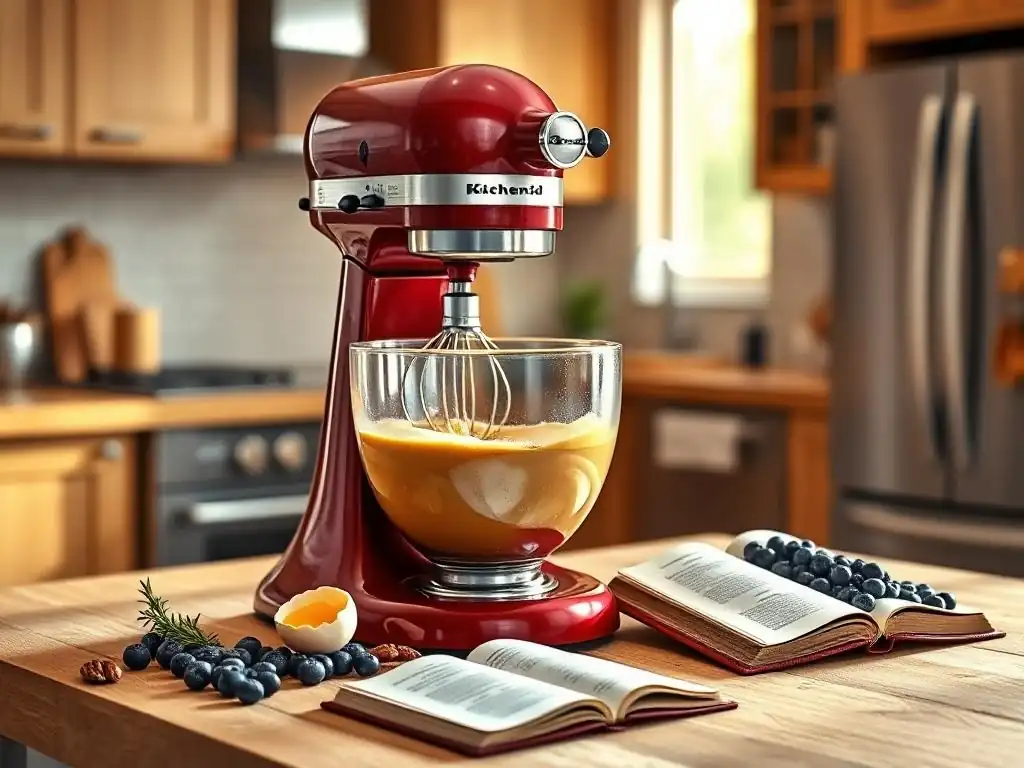
Welcome to BakeWithEase, your trusted partner in the delicious world of baking! Ever wondered which best stand mixer for beginners the professionals actually use at home? Prepare to uncover the secrets! We’ve compiled expert recommendations and insights into the equipment that will elevate your baking game, no matter your experience level. Dive in to discover the perfect stand mixer to kickstart your baking journey, and see why these models are staples in the kitchens of seasoned pros. Let the baking adventures begin!
- Finding the Best Stand Mixer for Beginners: A Pro Baker's Guide
- Top Stand Mixer Picks: Expert Recommendations for Home Bakers
- Stand Mixer Buying Guide: Key Factors to Consider
- Mastering Your Stand Mixer: Tips and Techniques for Beginners
- Conclusion: Choosing the Right Stand Mixer for Your Home Baking Success
-
Frequently Asked Questions
- What are the key features to look for in a stand mixer for beginners?
- Are expensive stand mixers always better for beginner bakers?
- What is the ideal size of a stand mixer bowl for someone new to baking?
- How important are different attachments when starting out with a stand mixer?
- How can I properly maintain my stand mixer to ensure it lasts a long time?
- Final Reflection: The Joy of Baking, One Stand Mixer at a Time
- Unleash Your Inner Baker: Mix It Up!
Finding the Best Stand Mixer for Beginners: A Pro Baker's Guide
Why Choose a Stand Mixer for Your Home Baking Adventures?
Stand mixers revolutionize home baking by automating labor-intensive tasks like kneading dough, whipping egg whites, and creaming butter and sugar. A quality stand mixer delivers consistent results in every batch—no more overworked arms or uneven textures. For the best stand mixer for beginners, look for models that balance power, capacity, and user-friendly features.
Beyond convenience, stand mixers enable you to tackle advanced recipes—from silky ganache to rustic sourdough—without breaking a sweat. Home bakers who invest in these appliances often see improved texture, more stable meringues, and more uniform doughs. When selecting your first stand mixer, consider the mixing power, bowl size, and attachment compatibility to ensure it grows with your baking ambitions.
Top Stand Mixer Picks: Expert Recommendations for Home Bakers
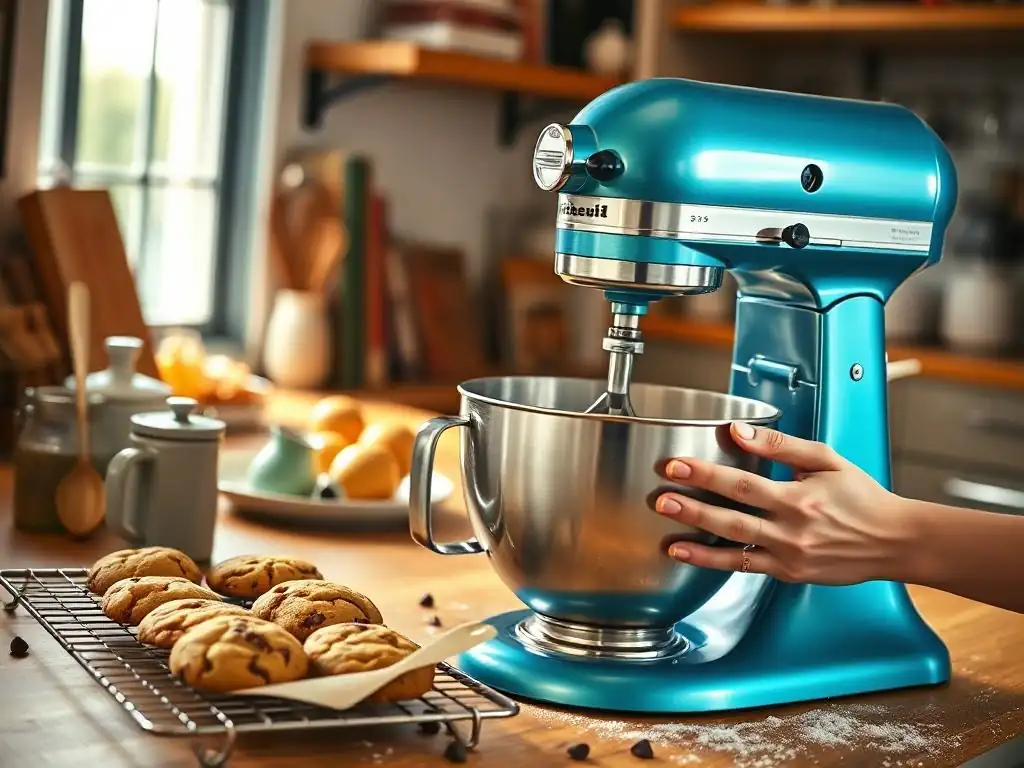
1. KitchenAid Artisan Series: The Timeless Classic for Aspiring Bakers
KitchenAid Artisan Stand Mixer Features and Benefits
KitchenAid’s Artisan Series boasts a 325-watt motor paired with a 5-quart stainless-steel bowl—enough capacity for up to 9 dozen cookies or a 4-loaf loaf of bread in one go. Its iconic planetary mixing action ensures thorough, consistent mixing at every speed setting. The tilt-head design provides easy access to the bowl and attachments, making ingredient changes seamless.
This series supports over 15 optional attachments, from pasta rollers to spiralizers, transforming the mixer into a multi-purpose kitchen workhorse. With 10 speed settings, it handles delicate whisking at speed 2 and heavy dough kneading at speed 6 effortlessly. Backed by a five-year warranty, it’s built to last in a busy home bakery environment.
KitchenAid Artisan Stand Mixer: Pros and Cons
A quick look at the Artisan’s strengths shows its durability and expansive accessory ecosystem:
-
Pros
• Time-tested reliability in home kitchens
• Wide range of attachment compatibility
• Generous 5-quart capacity -
Cons
• Premium price point (~$379)
• Slightly heavy (26 pounds) and takes up countertop space
While the Artisan’s heft can be a drawback for small kitchens, its stable base and consistent performance make it a favorite among seasoned home bakers.
Who Should Buy the KitchenAid Artisan?
If you plan to explore a variety of baking techniques—from bread making to cookie decorating—the Artisan is an ideal starting point. Its reputation as the best stand mixer for beginners stems from its intuitive controls, robust build, and ability to scale up for more ambitious recipes. Busy families, avid cookie bakers, and small-batch bread enthusiasts will appreciate its reliable performance.
2. Cuisinart SM-50 Stand Mixer: Power and Performance on a Budget
Cuisinart SM-50 Stand Mixer Features and Benefits
The Cuisinart SM-50 brings a 500-watt motor and a 5.5-quart mixing bowl to the countertop, offering more power and volume than many entry-level models. The tilt-back head design makes bowl and accessory changes a breeze. Five mixing attachments—stainless flat mixing paddle, dough hook, chef’s whisk, and a splatter shield—cover all the essentials for cakes, cookies, and bread.
This model’s planetary mixing action ensures that every nook of the bowl is reached, reducing the need to scrape the sides manually. With 12 speeds ranging from gentle stir to high-speed whip, the SM-50 adapts to both delicate egg whites and dense doughs. Retailing around $199, it offers excellent value for bakers seeking the best stand mixer for beginners on a tighter budget.
Cuisinart SM-50 Stand Mixer: Pros and Cons
Evaluating the SM-50 reveals:
-
Pros
• Robust 500W motor for dense doughs
• Larger 5.5-quart bowl
• Affordable price point -
Cons
• Limited attachment ecosystem
• Basic splash guard only; no advanced add-on ports
At roughly 22 pounds, it balances power and portability, making it a solid choice for those who bake regularly but have moderate space constraints.
Who Should Buy the Cuisinart SM-50?
Home bakers focused on bread, cookie batches, or small cake projects will find the SM-50 meets their needs without overspending. Beginners who want more mixing muscle than beginner-grade hand mixers provide will appreciate this model’s balance of power and capacity.
3. Ankarsrum Assistant Original: The Swedish Workhorse for Bread Baking
Ankarsrum Assistant Original Stand Mixer Features and Benefits
Ankarsrum’s Assistant Original hails from Sweden with a unique drum design and a powerful 600-watt motor. Its 7-quart mixer bowl and separate scraper arm tackle up to 11 pounds of dough—perfect for artisan loaves and large batches. The distinctive roller and scraper system mimics hand-kneading, promoting optimal gluten development for crusty, airy breads.
This machine includes attachments for pasta, meat grinding, and vegetable slicing, plus nine speed settings. The detachable bowl and high-capacity motor make it a favorite among home bakers who produce weekly sourdough loaves. With an average price of $849, it’s a more significant investment but geared toward serious bread enthusiasts seeking professional-grade results.
Ankarsrum Assistant Original Stand Mixer: Pros and Cons
Highlights and drawbacks:
-
Pros
• Exceptional dough-kneading performance
• Massive 7-quart capacity
• Versatile attachment library -
Cons
• Premium price tag
• Learning curve for unique mixing method
This mixer’s robust design and durability justify its higher cost for those committed to baking artisan bread at home.
Who Should Buy the Ankarsrum Assistant Original?
Serious bread bakers and large-batch home entrepreneurs will value the Assistant Original’s capacity and specialized dough-kneading action. If you regularly bake multiple loaves or aim to master sourdough from starter to crust, this Swedish workhorse is unmatched for home use.
4. Hamilton Beach Electric Stand Mixer: The Budget-Friendly Beginner's Mixer
Hamilton Beach Electric Stand Mixer Features and Benefits
For those dipping their toes into home baking, the Hamilton Beach Electric Stand Mixer offers a 300-watt motor and a 4-quart stainless bowl at a wallet-friendly $75. Three mixing attachments—whisk, flat beater, and dough hook—cover the basics, while seven speeds let you go from gentle stirring to vigorous whipping.
Compact and weighing just 10 pounds, this mixer is ideal for kitchens with limited counter space. Its tilt-up head simplifies bowl removal, and the splash guard helps reduce mess. While not as powerful as premium models, it’s perfectly capable of handling small cookie or cake batters, making it a strong contender for the best stand mixer for beginners on a strict budget.
Hamilton Beach Electric Stand Mixer: Pros and Cons
Here’s a quick breakdown:
-
Pros
• Extremely affordable
• Lightweight and compact
• Easy-to-use controls -
Cons
• Lower power (300W) limits heavy doughs
• Smaller 4-quart capacity
This mixer shines for casual bakers who make occasional desserts or small batches without requiring professional performance.
Who Should Buy the Hamilton Beach Electric Stand Mixer?
If you’re just starting out and want the simplest path to hands-free mixing, this model delivers. College students, apartment dwellers, or anyone baking in small quantities will find it an excellent entry point into stand mixers.
Stand Mixer Buying Guide: Key Factors to Consider
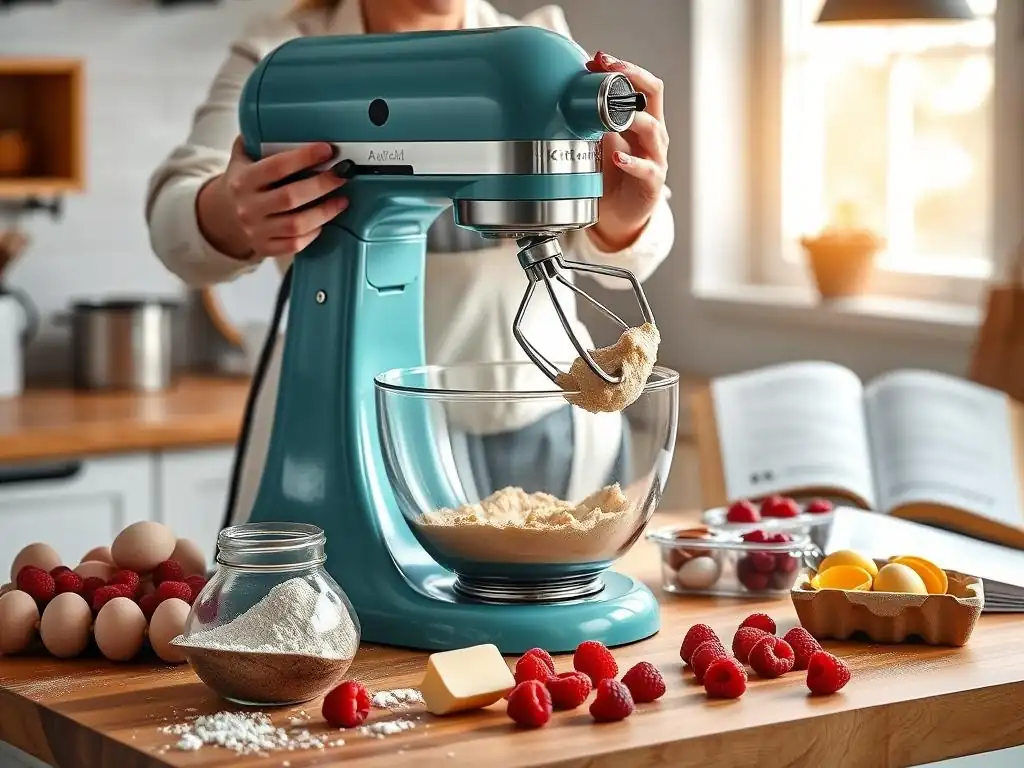
Power: How Much Power Do You Really Need?
Wattage determines how effortlessly your stand mixer can handle thick doughs and dense batters. Models under 350W—like the Hamilton Beach—are fine for light tasks (whipping cream, cake batter), but struggle with bread doughs over two pounds. If bread or pasta is on your menu, aim for at least 500W (Cuisinart SM-50) or above.
Professional-style mixers (600W+) tackle heavy doughs without stalling and maintain consistent speed under load. Remember, higher wattage often means a larger motor and potentially more noise, so balance your power needs with kitchen space and noise tolerance.
Bowl Size: Choosing the Right Capacity for Your Baking Needs
Bowl capacity dictates how much you can mix in one go. A 4-quart bowl (Hamilton Beach) suffices for 6 dozen cookies or a two-pound loaf. A 5-quart bowl (KitchenAid Artisan) covers 9 dozen cookies or a 4-loaf batch, while 7-quarts (Ankarsrum) allow 11-pound doughs.
Choose a bowl size that matches your typical batch. Larger bowls provide flexibility for scaling recipes, but if countertop real estate is limited, a compact 4–5 quart mixer may be more practical.
Attachments: Expanding Your Stand Mixer’s Capabilities
Beyond whisk, paddle, and dough hooks, many mixers accept specialty attachments—pasta rollers, meat grinders, spiralizers, and ice cream makers. KitchenAid’s hub has 15+ add-ons, while Ankarsrum’s range covers virtually every culinary task.
When seeking the best stand mixer for beginners, consider what future attachments you might need. If you dream of making homemade pasta, ensure the mixer’s power hub is compatible with pasta attachments that operate smoothly under load.
Price: Balancing Budget and Features
Entry-level mixers start around $75 (Hamilton Beach) and rise to $850+ (Ankarsrum). Mid-range options like KitchenAid Artisan (~$379) and Cuisinart SM-50 (~$199) offer excellent performance without breaking the bank. Determine which features—power, capacity, brand reputation—matter most, then find the model that best fits your price bracket.
Remember to factor in long-term costs like additional attachments, replacement parts, and electricity usage. A well-built mixer can last decades, making a higher upfront investment worthwhile for avid home bakers.
Mastering Your Stand Mixer: Tips and Techniques for Beginners
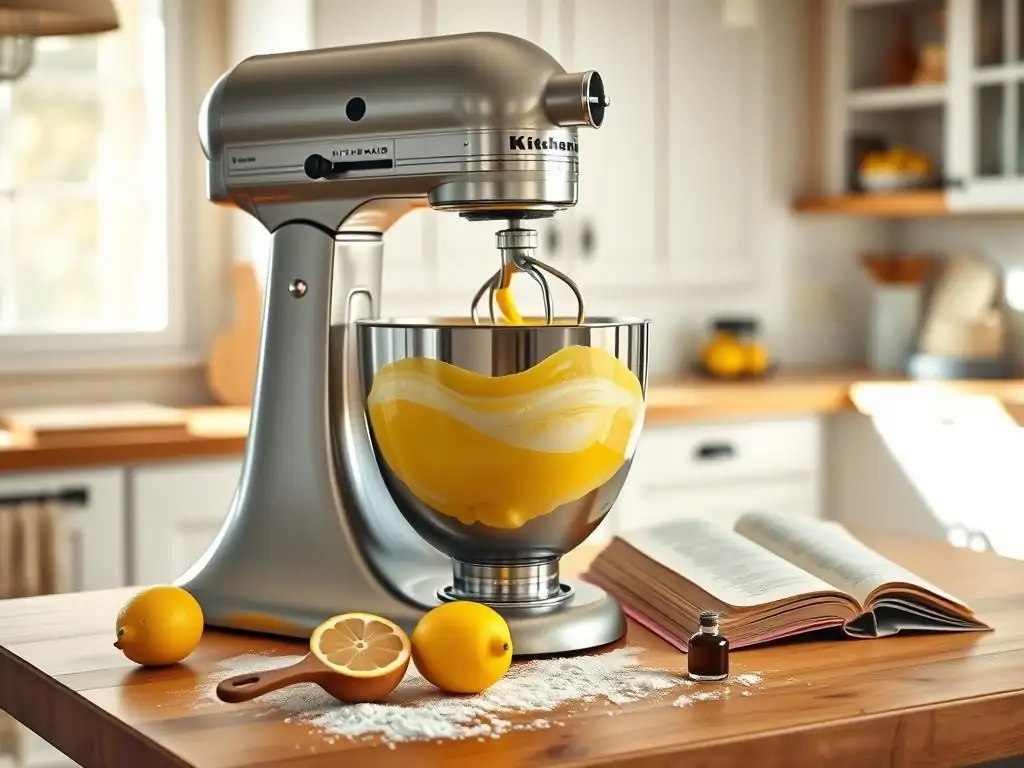
Understanding Speed Settings: A Guide to Mixing Perfection
Stand mixers typically offer 5–12 speed settings. Lower speeds ( 1–2) gently incorporate dry ingredients or stir fragile mixtures, medium speeds ( 3–6) cream butter-sugar blends and whip cream, while higher speeds ( 7–10+) aerate egg whites and frosting.
Speed 1–2: Stir and combine dry ingredients
Speed 3–6: Cream, beat, and blend batters
Speed 7–10: Whip and aerate
Starting at a low speed prevents flour from puffing out of the bowl. Gradually increase speed as ingredients come together for uniform texture.
Overmixing can develop excess gluten in cakes or flatten whipped toppings. Always follow recipe timing and visually monitor consistency—stop as soon as dry streaks disappear or stiff peaks form.
Troubleshooting Common Stand Mixer Problems
If your mixer vibrates excessively, ensure it’s on a stable, level surface. For dough that sticks to the hook, lightly dust the bowl or hook with flour. A mixer that overheats on heavy loads may need a rest period—avoid continuous kneading for more than 10 minutes.
Unusual noises often signal loose attachments or worn gears—tighten the attachment hub and inspect the drive coupling. Regular cleaning of the planetary shaft and occasional lubrication (per manufacturer instructions) will extend your mixer’s lifespan.
Conclusion: Choosing the Right Stand Mixer for Your Home Baking Success
Selecting the best stand mixer for beginners involves balancing power, capacity, attachments, and price. Whether you opt for the iconic KitchenAid Artisan, the value-packed Cuisinart SM-50, the heavy-duty Ankarsrum Assistant Original, or the budget-friendly Hamilton Beach, each model brings unique strengths to your kitchen.
Armed with this guide, you can choose a mixer that fits your current baking level and grows with your aspirations. Invest in quality, practice proper techniques, and soon your stand mixer will become the cornerstone of countless delicious home-baked creations.
Frequently Asked Questions
What are the key features to look for in a stand mixer for beginners?
Beginner-friendly stand mixers should prioritize ease of use and reliability. Look for models with simple speed controls, durable construction, and essential attachments like a dough hook, whisk, and flat beater.
Are expensive stand mixers always better for beginner bakers?
Not necessarily. While premium models offer more power and features, a mid-range mixer with good build quality and essential functionalities is often sufficient for beginners.
What is the ideal size of a stand mixer bowl for someone new to baking?
For beginners, a 4.5 to 5-quart bowl is usually sufficient. This size is versatile enough for small to medium-sized batches of most recipes without being overwhelming.
How important are different attachments when starting out with a stand mixer?
The dough hook, whisk, and flat beater are the essential attachments for most baking tasks. Specialized attachments can be added later as your baking skills and interests expand.
How can I properly maintain my stand mixer to ensure it lasts a long time?
Regularly clean the bowl and attachments after each use. Avoid overloading the mixer and follow the manufacturer's instructions for proper lubrication and motor maintenance to extend its lifespan.
Final Reflection: The Joy of Baking, One Stand Mixer at a Time
The perfect stand mixer isn't just a kitchen appliance; it's a gateway to culinary creativity and countless delicious possibilities. Choosing the right one, especially as a beginner, can feel overwhelming, but as this article has shown, understanding your needs and exploring the options available empowers you to find the perfect partner for your baking journey. The right tool truly can unlock a world of new recipes and experiences.
The impact of readily available, high-quality kitchen equipment on home cooking cannot be overstated. It's democratized the process, allowing anyone with a passion to explore complex recipes and techniques once reserved for professionals. This accessibility fosters a sense of community and shared experience, connecting bakers across generations and skill levels. The best things in life are homemade,
a sentiment that rings truer than ever in our increasingly fast-paced world, where the simple act of baking can be a powerful antidote to stress and a source of immense satisfaction.
So, what's next? Don't just read about the best stand mixers for beginners – go find yours. Consider your baking aspirations, your budget, and the advice offered within this article. Then, embrace the journey of learning, experimenting, and most importantly, enjoying the process of creating something delicious with your own two hands. The perfect cake, the fluffy bread, the satisfying cookie – these are not just the results of a good recipe, but the culmination of passion, practice, and the right tools. Let your baking adventure begin!
Unleash Your Inner Baker: Mix It Up!
Thanks for taking the time to explore the world of stand mixers with us! We hope you found the expert recommendations insightful and helpful in your search for the perfect kitchen companion. Now it's time to take the next step toward baking bliss.
- Find Your Perfect Match: Based on the reviews and features discussed, carefully consider which stand mixer best suits your baking needs and budget. Think about your most frequent recipes and the features that would make your baking experience easier and more enjoyable.
- Share Your Choice: Tell us (and fellow baking enthusiasts!) which stand mixer you've chosen – or are leaning toward – in the comments below! We'd love to hear your thoughts and experiences.
- Explore Baking Inspiration: Dive into our extensive recipe library on BakeWithEase.com to discover exciting new recipes that will inspire you to put your new mixer to the test! (This is not a live link, but an example)
Ready to create your culinary masterpiece? What's the first delicious treat you're planning to bake?