
GlutenFree Apple Pie with a Flaky Almond Flour Crust

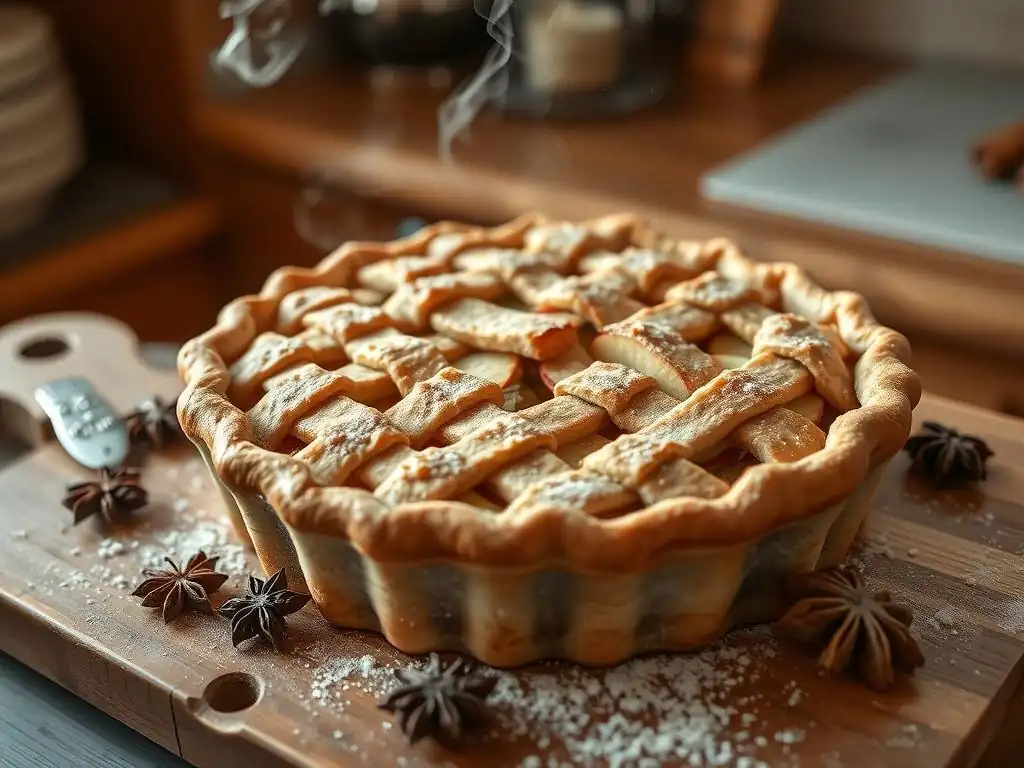
Welcome to BakeWithEase, your kitchen companion for all things baking! Ever dreamed of biting into a perfectly flaky apple pie, even with dietary restrictions? Imagine a GlutenFree Apple Pie so delicious, no one will believe it's free of gluten. We're about to unveil a recipe that will redefine your baking expectations. Intrigued? Let's dive in and discover the secrets to this irresistible treat...
- Spiced Apple Pie Recipe with Almond Flour Crust
- BakeWithEase.com Presents: The Ultimate Spiced Apple Pie
- Why This Spiced Apple Pie Recipe Stands Out
- Ingredients for Your Spiced Apple Pie
- Step-by-Step Guide: Baking Your Spiced Apple Pie
- Tips and Tricks for the Best Spiced Apple Pie
- Spiced Apple Pie Variations
- Storing and Serving Your Spiced Apple Pie
- Troubleshooting Common Spiced Apple Pie Problems
- Enjoy Your Delicious and Easy Spiced Apple Pie!
- Frequently Asked Questions
- Final Reflection: A Slice of Gluten-Free Delight and the Power of Adaptation
- Unleash Your Inner Baker: Master the Gluten-Free Apple Pie!
Spiced Apple Pie Recipe with Almond Flour Crust
BakeWithEase.com Presents: The Ultimate Spiced Apple Pie
Welcome to BakeWithEase, where we believe everyone can enjoy delicious baked goods, regardless of dietary needs. Today, we're diving into a classic comfort food: apple pie. But this isn't just any apple pie; it's a fabulous gluten-free apple pie recipe featuring a perfectly flaky almond flour crust. We understand the challenges of gluten-free baking, especially when it comes to achieving that coveted tender, buttery crust. This recipe has been tested and refined to bring you a glutenfree apple pie that doesn't compromise on taste or texture.
Whether you're baking for someone with gluten sensitivity, celiac disease, or simply exploring alternative flours, this spiced apple pie recipe is a winner. We'll guide you through each step, from preparing the delicate almond flour dough to crafting a luscious, spiced apple filling. Get ready to fill your kitchen with the warm, inviting aroma of cinnamon, nutmeg, and baked apples. This recipe is designed to be approachable for bakers of all skill levels, ensuring your glutenfree apple pie success.
Why This Spiced Apple Pie Recipe Stands Out
This specific gluten-free apple pie recipe distinguishes itself through its thoughtful combination of ingredients and techniques, specifically tailored for gluten-free baking. Unlike many gluten-free crusts that can turn out dense or crumbly, our almond flour base aims for a delicate flakiness that rivals traditional pastry. The use of almond flour provides a slightly nutty depth of flavor that complements the sweet-tart apple filling beautifully, offering a unique twist on a classic dessert.
Furthermore, the filling is expertly spiced to enhance the natural sweetness of the apples without overpowering them. We'll discuss how to select the best apples for texture and flavor balance, ensuring your filling isn't too watery or mushy. This glutenfree apple pie recipe is more than just a substitution; it's a carefully crafted dessert designed to be enjoyed by everyone, proving that dietary restrictions don't mean sacrificing deliciousness.
The Secret to a Tender Almond Flour Pie Crust
Achieving a tender and flaky gluten-free crust, especially with almond flour, requires understanding the properties of gluten-free flours. Almond flour lacks the gluten network that provides structure and elasticity in wheat-based doughs. To compensate, we rely on cold fat (like butter or a dairy-free alternative) cut into the flour, along with a binder like psyllium husk or a small amount of tapioca starch.
The cold fat creates steam pockets during baking, which results in flakiness. The binder helps hold the dough together, preventing excessive crumbling, a common issue with gluten-free pie crusts. Using about 1/4 teaspoon of psyllium husk per cup of almond flour is a good starting point for binding without making the crust gummy.
Temperature is also paramount. Keeping the ingredients and the dough very cold throughout the process is crucial. This means using ice water, chilling the mixed dough for at least 30-60 minutes before rolling, and even chilling the rolled dough before baking. The cold fat remains solid, creating those essential layers. Working quickly to prevent the dough from warming up is key. Unlike wheat dough, which can be overworked, almond flour dough is more forgiving in that regard, but warmth is its enemy when aiming for flakiness.
Delicious Spiced Apple Pie Filling: A Baker's Dream
The heart of any great apple pie is its filling. For this gluten-free apple pie recipe, we focus on creating a filling that is perfectly spiced and has just the right consistency – not too runny, not too dry. The choice of apples significantly impacts the final texture. A mix of varieties, such as tart Granny Smiths (which hold their shape well) and sweeter, softer apples like Honeycrisp or Fuji, provides a balanced flavor and texture profile. Using approximately 2-2.5 pounds (about 6-8 medium apples) is typical for a standard 9-inch pie.
Properly thickening the filling is also vital for a gluten-free pie, as a soggy bottom crust is a common pitfall. We use a combination of granulated sugar (or a natural sweetener like maple syrup at about 3/4 cup for this amount of apples) and a starch like cornstarch or tapioca starch (typically 2-3 tablespoons).
These starches activate as the pie bakes, absorbing the juices released by the apples and creating a thick, luscious filling that doesn't make the crust soggy. Adding warm spices like 1-2 teaspoons of cinnamon, 1/4 teaspoon of nutmeg, and a pinch of cloves enhances the flavor beautifully.
Ingredients for Your Spiced Apple Pie
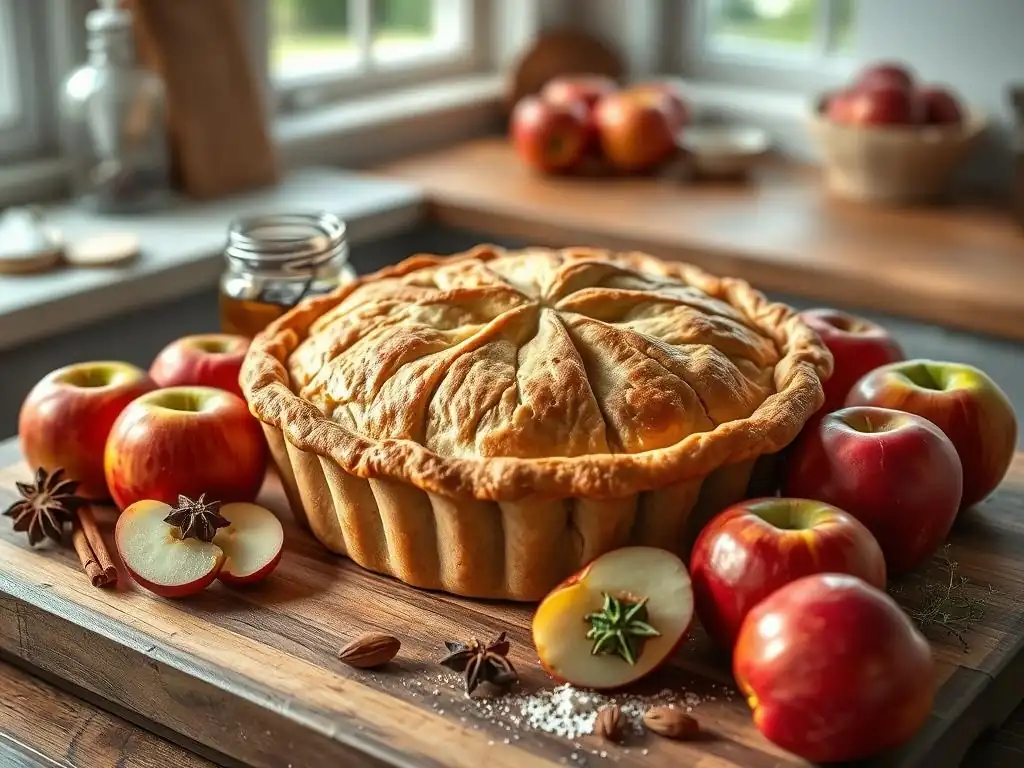
Almond Flour Pie Crust Ingredients
- 2 ½ cups superfine almond flour (about 250g)
- ¼ teaspoon salt
- 1 tablespoon granulated sugar (or coconut sugar)
- ½ teaspoon psyllium husk powder (optional, for binding)
- ½ cup cold unsalted butter, cut into small cubes (about 113g), or cold dairy-free butter alternative
- 3-4 tablespoons ice water
Spiced Apple Pie Filling Ingredients Checklist
- 6-8 medium apples (about 2-2.5 lbs), peeled, cored, and sliced ¼-inch thick
- ¾ cup granulated sugar (or maple syrup/coconut sugar)
- 2 tablespoons cornstarch or tapioca starch
- 1 ½ teaspoons ground cinnamon
- ¼ teaspoon ground nutmeg
- Pinch of ground cloves (optional)
- 1 tablespoon lemon juice
- 2 tablespoons cold butter or dairy-free alternative, cut into small pieces (for dotting)
Optional Additions for an Extra Special Apple Pie
- ¼ cup chopped walnuts or pecans added to the filling for crunch.
- A splash of vanilla extract (½ teaspoon) in the filling.
- A tablespoon of brandy or rum added to the apple mixture before baking.
- A sprinkle of coarse sugar on the top crust for sparkle.
- A lattice top crust or a crumb topping made from almond flour, sugar, and butter.
Step-by-Step Guide: Baking Your Spiced Apple Pie
Part 1: Preparing the Almond Flour Pie Crust
Creating a successful gluten-free almond flour crust involves careful steps to ensure the right texture. Begin by combining the dry ingredients: measure your superfine almond flour, salt, sugar, and psyllium husk (if using) into a large bowl. Whisk them together thoroughly. Ensuring these ingredients are well-mixed is the first step to a uniform crust texture.
Next, cut in the cold, cubed butter or dairy-free alternative. You can use a pastry blender, forks, or your fingertips. Work the butter into the dry ingredients until the mixture resembles coarse crumbs with some pea-sized pieces of butter still visible. This process is crucial for creating pockets of fat that will steam and create flakiness during baking. Avoid overworking the mixture at this stage.
Mixing the Almond Flour Crust Dough
Once the butter is cut in, gradually add the ice water, one tablespoon at a time. Mix with a fork or your hands until the dough just starts to come together. Almond flour dough tends to be more delicate than wheat dough, so avoid adding too much water; you want it to be moist enough to hold together when gently squeezed, but not sticky. Typically, 3-4 tablespoons are sufficient for this amount of flour.
Gather the dough into a ball, then flatten it into a disk. If you're making a double-crust pie, divide the dough in half and form two disks. Wrap the disk(s) tightly in plastic wrap. This careful mixing process ensures the fat is distributed correctly and the minimal amount of water is incorporated for the desired dough consistency.
Chilling the Pie Crust
Chilling the almond flour dough is a non-negotiable step for a flaky crust. Place the wrapped dough disk(s) in the refrigerator for at least 30 minutes, or up to 2 days. Chilling allows the fat to firm up again, making the dough easier to handle and roll out without becoming sticky or breaking apart excessively. A minimum of 30 minutes is essential, but an hour is ideal for optimal handling.
This chilling period also allows the liquid to hydrate the almond flour and any binder used, resulting in a more cohesive dough structure. Skipping this step can lead to a very difficult-to-roll dough that crumbles easily and won't produce flaky layers. The cold temperature is key to the success of this glutenfree apple pie crust.
Rolling Out the Almond Flour Pie Dough
When you're ready to roll, take one disk of dough out of the refrigerator and let it sit at room temperature for just 5-10 minutes if it's been chilling for a long time; it should still be quite cold but pliable. Place the dough between two sheets of parchment paper or plastic wrap. This is the easiest way to roll out gluten-free dough, which can be prone to sticking and cracking.
Using a rolling pin, roll the dough evenly from the center outwards, rotating the dough (with the parchment) as needed, until it's about 1/8 to 1/4 inch thick and large enough to fit your pie dish (usually about 12 inches in diameter for a 9-inch pie plate). Rolling between paper minimizes the need for extra flour, which can make the crust tough. If cracks appear, you can gently press them back together.
Fitting the Crust into the Pie Dish
Once rolled, carefully peel off the top layer of parchment or plastic wrap. Invert the dough over your 9-inch pie dish and gently peel off the second layer of paper. Ease the dough into the bottom and up the sides of the dish, being careful not to stretch it, which can cause it to shrink during baking. Trim any excess dough, leaving about a 1-inch overhang.
Tuck the overhang under and crimp the edges decoratively using your fingers or a fork. If you're only making a bottom crust for a crumb topping, you can stop here. If adding a top crust, repeat the rolling process with the second dough disk. For a double-crust glutenfree apple pie, chill the prepared bottom crust in the dish for another 15-20 minutes while you prepare the filling.
Blind Baking the Pie Crust (Optional)
For a truly non-soggy bottom crust in your glutenfree apple pie, especially with a wet filling like apples, blind baking is highly recommended. After fitting the crust into the dish and chilling, prick the bottom all over with a fork. Line the crust with parchment paper and fill it with pie weights, dried beans, or rice. Ensure the weights go up the sides to support the crimped edge.
Bake in a preheated oven at 375°F (190°C) for 15-20 minutes, or until the edges are set and lightly golden. Carefully remove the weights and parchment paper. If the recipe calls for a fully baked crust (less common for fruit pies), return the crust to the oven for another 5-10 minutes until the bottom looks dry and lightly golden. For this spiced apple pie recipe, a partial blind bake (just until set) is usually sufficient.
Part 2: Making the Spiced Apple Pie Filling
While your crust chills, it's time to prepare the delicious heart of your gluten-free apple pie. This step is straightforward but critical for flavor and texture.
Preparing the Apples for the Filling
Start by washing, peeling, coring, and slicing your chosen apples. Aim for slices about 1/4 inch thick. Uniform slices ensure even cooking. As you slice the apples, place them in a large bowl. To prevent browning, you can toss them gently with the tablespoon of lemon juice listed in the ingredients. This also adds a bright note to the finished pie.
The total volume of sliced apples should generously fill your pie dish when packed down slightly. Using approximately 2.5 pounds of apples usually yields enough slices for a full, slightly mounded 9-inch pie filling that bakes down nicely without leaving a large gap under the top crust.
Combining the Apple Pie Filling Ingredients
Add the sugar (granulated, coconut sugar, or maple syrup), cornstarch or tapioca starch, cinnamon, nutmeg, and cloves (if using) to the bowl with the sliced apples. Gently toss everything together using a spoon or your hands until the apple slices are evenly coated with the sugar and spice mixture. The starch will help thicken the juices released during baking.
Let the mixture sit for about 10-15 minutes. This allows the sugar to start drawing out moisture from the apples, creating a little juice at the bottom of the bowl. This juice will then interact with the starch during baking to form the thickened filling.
Pre-Cooking the Apple Filling (Optional)
For a fuller pie with less shrinkage and to ensure the apples are perfectly tender, you can pre-cook the filling slightly. Transfer the apple mixture to a large saucepan. Cook over medium heat, stirring occasionally, for about 5-10 minutes, or until the apples have softened slightly and the juices at the bottom of the pan have thickened into a light syrup.
Allow the mixture to cool slightly before assembling the pie. While this step adds a few minutes, it significantly reduces the likelihood of a large gap forming between the baked filling and the top crust, resulting in a more visually appealing and satisfying glutenfree apple pie. If you skip this step, the apples will cook down more in the oven, potentially leaving a space.
Part 3: Assembling and Baking Your Spiced Apple Pie
The final steps bring everything together before the magic happens in the oven. Proper assembly and baking technique are key to a golden crust and bubbling filling.
Filling the Almond Flour Crust with Apple Mixture
Retrieve your chilled or partially blind-baked almond flour pie crust from the refrigerator. Pour the prepared apple filling into the crust, arranging the slices evenly. If you pre-cooked the filling, it might be slightly warm; that's fine. Mound the apples slightly in the center, as they will cook down.
Dot the top of the apple filling with the small pieces of cold butter or dairy-free alternative. These small bits of fat will melt into the filling as it bakes, adding richness and helping the spices meld beautifully. Distribute them evenly over the surface of the apples.
Adding a Top Crust or Crumb Topping
If using a double crust, place the second rolled-out almond flour dough circle over the filling. Trim and crimp the edges to seal with the bottom crust. Cut several vents in the top crust with a knife to allow steam to escape during baking. This prevents the crust from puffing up excessively and allows the filling to bubble.
Alternatively, you can create a crumb topping. Combine about 1 cup of almond flour, 1/4 cup sugar (granulated or brown), 1/2 teaspoon cinnamon, and 1/4 cup cold butter (cubed) in a bowl. Use your fingers or a pastry blender to mix until crumbly. Sprinkle this mixture evenly over the apple filling.
Baking the Spiced Apple Pie to Golden Perfection
Place the assembled gluten-free apple pie on a baking sheet (to catch any drips) and bake in a preheated oven at 400°F (200°C). Bake for 15 minutes, then reduce the oven temperature to 375°F (190°C) and continue baking for another 35-50 minutes. The total baking time will be approximately 50-65 minutes.
You'll know the pie is done when the crust is golden brown and the filling is bubbling thickly through the vents or around the edges of the crumb topping. If the crust edges start to brown too quickly, you can loosely tent the pie with foil. Let the pie cool on a wire rack for at least 2-3 hours before slicing. This cooling time is essential for the filling to set properly.
Tips and Tricks for the Best Spiced Apple Pie
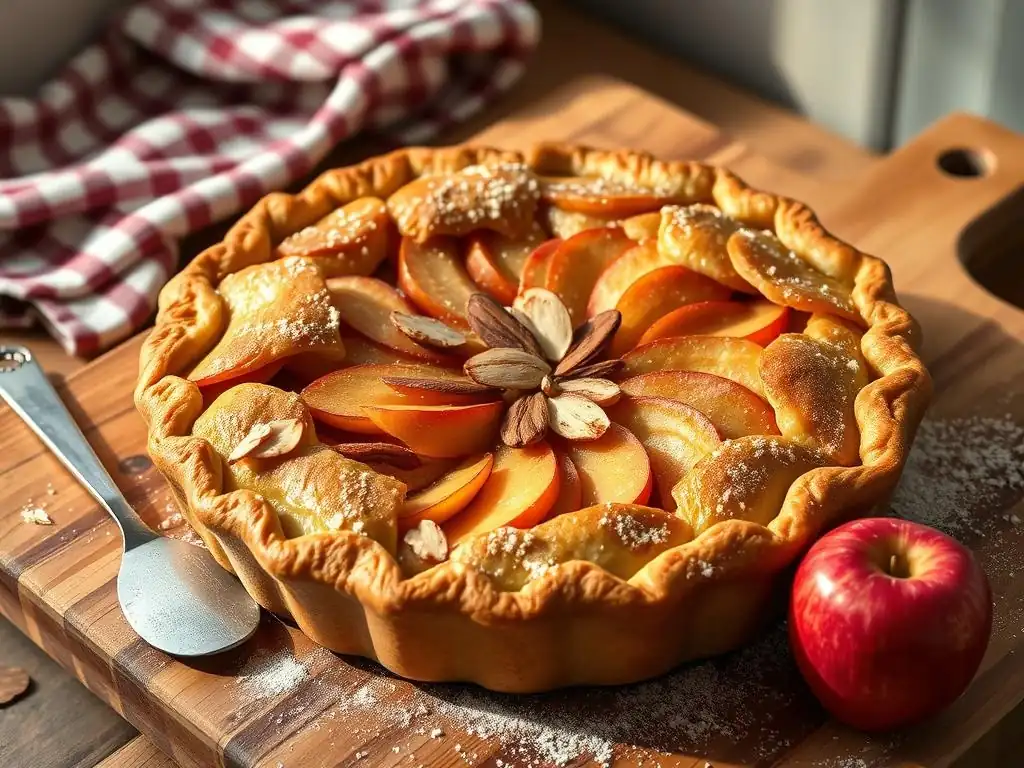
Achieving the Perfect Tender Crust Every Time
Mastering an almond flour crust for your glutenfree apple pie requires attention to detail, primarily focusing on temperature and handling. Always start with very cold ingredients – cold flour, cold fat, and ice water. Keeping the fat cold is what creates those desirable flaky layers as it melts and steams in the oven. Use a pastry blender or your fingertips to quickly cut the cold butter into the dry ingredients until it resembles coarse crumbs with some pea-sized pieces; avoid overworking it into a paste.
Handling the dough gently is also key. Almond flour dough is less elastic than wheat dough, so it can become crumbly if overworked or handled roughly. Roll it out between parchment paper to prevent sticking and make transferring easier. If cracks appear, gently press them back together. Ensure the dough is well-chilled (at least 30-60 minutes) before rolling and again after placing it in the pie dish before filling and baking. This chilling firms the fat and makes the dough more stable.
Choosing the Best Apples for Spiced Apple Pie
The type of apples you use significantly impacts the flavor and texture of your spiced apple pie filling. For a balance of sweetness and tartness, and to ensure the apples hold their shape during baking without turning to mush, it's best to use a mix of varieties. Good options include firm, tart apples like Granny Smith, which provide structure and a bright flavor, combined with sweeter, slightly softer apples like Honeycrisp, Fuji, Gala, or Braeburn. Using 60% firm/tart and 40% sweeter varieties is a common ratio that yields excellent results.
Avoid using only soft, sweet apples like Red Delicious or McIntosh, as they tend to break down too much during the long baking time, resulting in a mushy filling. Using only tart apples might require more sugar than desired. A blend ensures a complex flavor profile and a filling with varied, pleasant textures. Peel, core, and slice the apples uniformly, about 1/4 inch thick, so they cook evenly.
Preventing a Soggy Bottom Crust
A soggy bottom crust is a common challenge, particularly with gluten-free pies and wet fillings like apple. Several techniques can help prevent this in your glutenfree apple pie. Firstly, ensure your dough is properly made with cold fat cut into the flour, as detailed earlier, which creates a more robust crust structure. Using a reliable binder like psyllium husk in the almond flour can also help create a less permeable crust.
Blind baking the bottom crust is one of the most effective methods. Partially baking the crust with pie weights before adding the filling creates a barrier. Another important step is ensuring the filling isn't excessively wet. Using the correct amount of starch (cornstarch or tapioca starch, typically 2-3 tablespoons per standard pie) to thicken the apple juices is crucial.
Letting the apple mixture sit for 10-15 minutes after mixing with sugar and starch allows some juice to release, which the starch can then begin to absorb before baking. Pre-cooking the filling slightly can also help reduce excess moisture. Finally, make sure the pie bakes long enough for the filling to bubble and thicken properly, which usually takes 50-65 minutes total baking time for a 9-inch pie.
Sweetening Your Apple Pie Naturally [Maple Syrup, Coconut Sugar]
While granulated sugar is traditional, you can easily sweeten your glutenfree apple pie naturally using alternatives like maple syrup or coconut sugar. These options add slightly different flavor profiles that complement the apples and spices beautifully. If using coconut sugar, you can substitute it directly for granulated sugar in both the crust (though it will slightly alter the color) and the filling at a 1:1 ratio by volume. Coconut sugar has a lovely caramel-like note.
If using maple syrup for the filling, you'll need to adjust the quantity slightly and potentially the thickener. For a 9-inch pie with 2-2.5 lbs of apples, start with about 3/4 cup to 1 cup of pure maple syrup, adjusting to your sweetness preference. Because maple syrup is liquid, you might need to increase the starch slightly (e.g., use 3-4 tablespoons of cornstarch or tapioca starch) to achieve the desired thickness, or consider pre-cooking the filling to reduce some of the liquid. Maple syrup adds a distinct, warm flavor that pairs wonderfully with apple and cinnamon.
Spiced Apple Pie Variations
Dairy-Free Spiced Apple Pie Recipe
Adapting this glutenfree apple pie recipe to be dairy-free is quite simple. The primary substitution needed is for the butter in both the crust and the filling. Use a good quality dairy-free butter alternative that is specifically designed for baking. Look for stick-style vegan butter that is firm when cold, as soft or spreadable varieties won't work correctly for creating a flaky crust. Many brands offer plant-based butter that performs very similarly to dairy butter in baking applications.
Substitute the dairy butter in the almond flour crust ingredients (½ cup or 113g) with the same amount of cold, cubed dairy-free butter alternative. For the filling, swap the 2 tablespoons of cold butter used for dotting with 2 tablespoons of cold dairy-free butter alternative, cut into small pieces. The rest of the ingredients are typically dairy-free. This results in a delicious, entirely dairy-free and glutenfree apple pie.
Vegan Spiced Apple Pie Option
To make this spiced apple pie recipe completely vegan, you need to ensure it is both dairy-free (as mentioned above) and egg-free. Traditional pie recipes don't typically use eggs in the filling, but some may use an egg wash on the top crust for shine. Since this recipe uses an almond flour crust, an egg wash isn't necessary for browning; the crust will naturally brown as it bakes due to the sugars in the almond flour.
Therefore, making this recipe vegan primarily involves substituting the butter with a plant-based, dairy-free alternative as described for the dairy-free variation. Ensure all other ingredients, such as the sugar (some sugars are processed with bone char, though this is less common now), are vegan-friendly if that is a concern. The psyllium husk used as a binder in the crust is plant-based, and the filling ingredients are naturally vegan.
Adding Nuts for a Unique Texture [Walnuts, Pecans]
Adding nuts like chopped walnuts or pecans introduces a delightful crunch and nutty flavor that complements the spiced apple filling and the almond flour crust. This is an easy way to add an extra layer of texture and richness to your glutenfree apple pie. For a standard 9-inch pie, about 1/4 cup of roughly chopped nuts is a good amount – enough to be noticeable but not overwhelming.
You can stir the chopped nuts directly into the apple filling mixture before pouring it into the crust. The nuts will soften slightly as they bake, but they will still provide a pleasant bite against the soft apples. Alternatively, if you are using a crumb topping, you can add the chopped nuts to the crumb mixture for texture on top of the pie. Pecans offer a slightly sweeter, buttery flavor, while walnuts provide a more earthy, slightly bitter note.
Storing and Serving Your Spiced Apple Pie
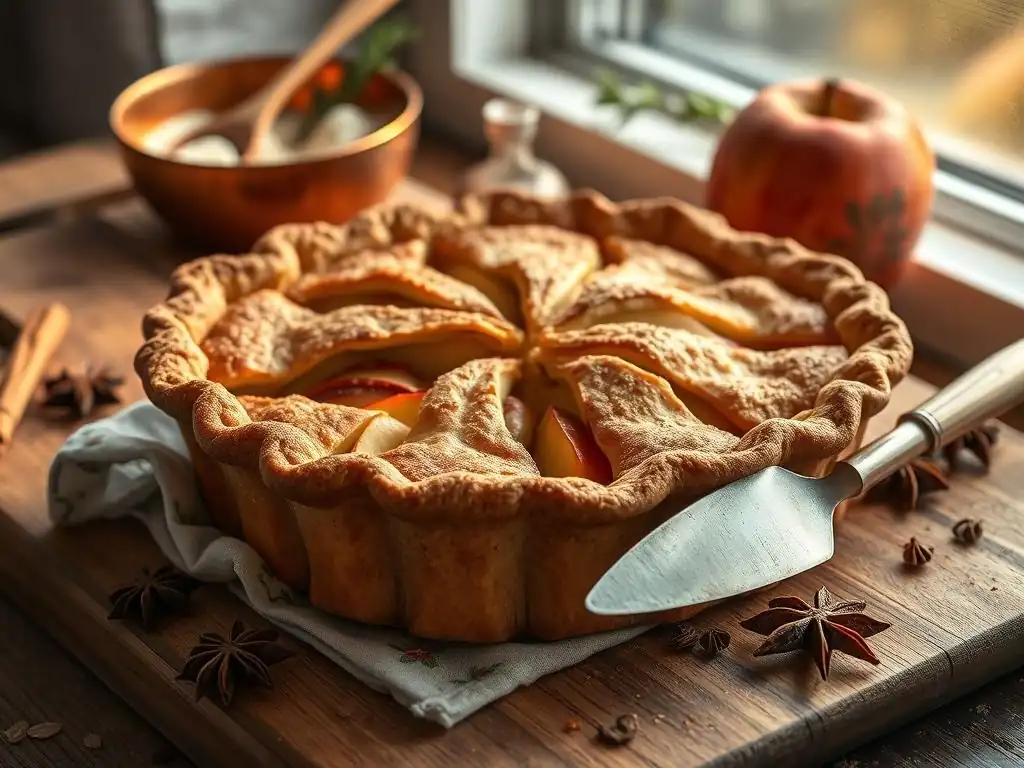
How to Store Leftover Spiced Apple Pie
Proper storage is key to keeping your glutenfree apple pie fresh and delicious. Once the pie has cooled completely to room temperature (this is important to prevent condensation), cover it loosely with plastic wrap or aluminum foil. If the pie is in its dish, you can simply cover the dish. For longer storage or if sliced, transfer slices to an airtight container.
The pie can be stored at room temperature for up to 1-2 days, especially if your kitchen is cool. For longer storage or in warmer conditions, it's best to refrigerate it. Refrigerated, the pie will keep well for 3-4 days. While you can freeze apple pie, the almond flour crust can become more crumbly after freezing and thawing compared to a traditional wheat crust. If freezing, wrap cooled, unsliced pie tightly in plastic wrap, then in foil. It can be frozen for up to 2-3 months. Thaw overnight in the refrigerator before reheating.
Reheating Your Spiced Apple Pie
To enjoy your stored spiced apple pie with a warm filling and a crispier crust, reheating is recommended. If the pie was refrigerated, let it sit at room temperature for 15-20 minutes while your oven preheats. For a whole pie or large slices, reheat in a preheated oven at 300-325°F (150-160°C) for about 15-25 minutes, or until the filling is warm and the crust has crisped up slightly. Tent with foil if the crust starts to brown too much.
Individual slices can also be reheated in a toaster oven or even briefly in a microwave, though the microwave will soften the crust. For a crispier crust from a single slice, a toaster oven at 350°F (175°C) for 5-10 minutes is ideal. Always ensure the filling is heated through before serving.
Serving Suggestions for Maximum Enjoyment [With Ice Cream, Whipped Cream]
Serving your warm, spiced glutenfree apple pie is the best part! The classic pairing is with a scoop of vanilla ice cream. The cold, creamy ice cream melts slightly into the warm, spiced apple filling, creating a truly decadent experience. For those keeping it dairy-free or vegan, there are many excellent plant-based vanilla ice creams available that work perfectly.
Another delightful option is a dollop of whipped cream. You can use traditional dairy whipped cream or easily make or purchase vegan whipped cream alternatives, often made from coconut cream or other plant bases. A sprinkle of cinnamon or nutmeg on top of the whipped cream adds an extra touch. For a simpler approach, the pie is also wonderful served on its own, perhaps with a hot cup of tea or coffee.
Troubleshooting Common Spiced Apple Pie Problems
Crust Too Crumbly? Here's the Fix.
If your almond flour pie crust turned out too crumbly, several factors could be the cause. One common reason is not enough moisture. Ensure you added enough ice water (typically 3-4 tablespoons for this recipe) to bring the dough together when gently squeezed. The dough should be moist enough to hold its shape, but not sticky.
Another factor is insufficient chilling. The chilling period is vital for the fat to firm up and for the minimal liquid to hydrate the almond flour and binder. If the dough is too warm during rolling, it will fall apart easily. Make sure you chill the dough for at least 30-60 minutes before rolling and handle it quickly while rolling. Using a binder like psyllium husk (about 1/2 teaspoon per batch) can also significantly improve the dough's structure and reduce crumbling.
Filling Too Runny? We've Got You Covered.
A runny apple pie filling is often due to insufficient starch or not enough baking time. Ensure you used the specified amount of cornstarch or tapioca starch (2-3 tablespoons for 2-2.5 lbs of apples). These starches are crucial for thickening the juices released by the apples during baking.
Make sure the pie bakes long enough for the filling to bubble thickly around the edges and through the vents. This bubbling indicates that the starch has activated and is thickening the juices. If the crust is browning too quickly, tent the pie with foil and continue baking until the filling is visibly thickened. Pre-cooking the apple filling slightly before baking can also help reduce excess moisture and ensure a thicker result.
Pie Crust Burning? Prevention Tips.
Almond flour crusts can brown faster than traditional wheat crusts due to their sugar and fat content. If the edges of your gluten-free apple pie crust are browning too quickly while the center or filling still needs more time, you can protect the edges. The easiest way is to use a pie crust shield, which is a silicone or aluminum ring that fits over the edge of the pie dish.
Alternatively, you can create a makeshift shield using aluminum foil. Tear off a piece of foil large enough to cover the pie, then cut out the center, leaving a ring that covers just the crimped edge of the crust. Place this foil ring over the pie edges about halfway through the baking time, or whenever you notice the edges are adequately browned. Remove it for the last 10-15 minutes if you want the very edge to crisp up slightly more, but often keeping it on until the end works best.
Enjoy Your Delicious and Easy Spiced Apple Pie!
Frequently Asked Questions
What makes this apple pie "gluten-free"?
The recipe uses almond flour for the crust, which is naturally gluten-free, instead of traditional wheat flour. This makes it suitable for individuals with gluten sensitivities or celiac disease.
Can I substitute the almond flour with another type of flour?
While possible, it's not recommended without adjustments. Almond flour has a unique texture and fat content. Other gluten-free flours like oat flour or a gluten-free blend might work, but may require modifications to the liquid or fat content in the recipe.
What type of apples are best for a gluten-free apple pie?
A mix of apples is ideal for complex flavor and texture. Try combining tart varieties like Granny Smith with sweeter ones like Honeycrisp or Fuji.
How do I prevent the almond flour crust from becoming too crumbly?
Ensure you use cold butter and cold water when making the crust. Also, avoid overworking the dough, which can develop the gluten (even though it's gluten-free it can make the texture tough) and result in a crumbly crust.
Can I freeze the gluten-free apple pie?
Yes, you can freeze either the unbaked pie or the baked pie. Wrap it tightly in plastic wrap and then foil. Thaw completely before baking (if unbaked) or reheating (if baked).
Final Reflection: A Slice of Gluten-Free Delight and the Power of Adaptation
The demand for delicious, inclusive recipes continues to rise, and this gluten-free apple pie stands as a testament to the power of culinary adaptation. It's not just about avoiding gluten; it's about creating a truly satisfying and celebratory dessert that everyone can enjoy, regardless of dietary restrictions. This recipe proves that deliciousness and inclusivity can, and should, go hand in hand.
The journey of creating this gluten-free apple pie has been a personal one, highlighting the importance of finding creative solutions to meet diverse needs. It's a reflection of the growing awareness surrounding food allergies and intolerances, and the increasing desire for accessible, flavorful alternatives. Food is symbolic of love when words are inadequate.
- Alan D. Wolfelt. This quote resonates deeply, as this recipe is a testament to the love and care put into creating something delicious and shareable for everyone.
Now, I invite you to take this recipe and make it your own. Experiment with different spices, add a scoop of vanilla ice cream, or share it with loved ones. Let this gluten-free apple pie be a symbol of your own ability to adapt, innovate, and create joy in the kitchen. The possibilities are as endless as the delicious aroma wafting from your oven. Go forth and bake!
Unleash Your Inner Baker: Master the Gluten-Free Apple Pie!
Thanks for taking the time to explore our gluten-free apple pie recipe! We hope you found the process as enjoyable as the taste. Now it’s time to put your newfound baking skills to the test.
- Bake your own masterpiece: Gather your ingredients and create your perfect gluten-free apple pie – the aroma alone will be worth it! Don't forget to share photos of your creation on social media using #BakeWithEaseGlutenFree.
- Experiment with flavors: Try adding different spices like cinnamon, nutmeg, or cardamom to customize the taste and create your signature pie.
- Join our baking community: Share your baking tips, questions, or experiences with other baking enthusiasts on our website's forum!
Ready to transform your kitchen into a haven of delicious gluten-free treats? What unique twist will you add to your apple pie?