
LowCarb Chaffle Variations: From Cheese to Sweet Treats

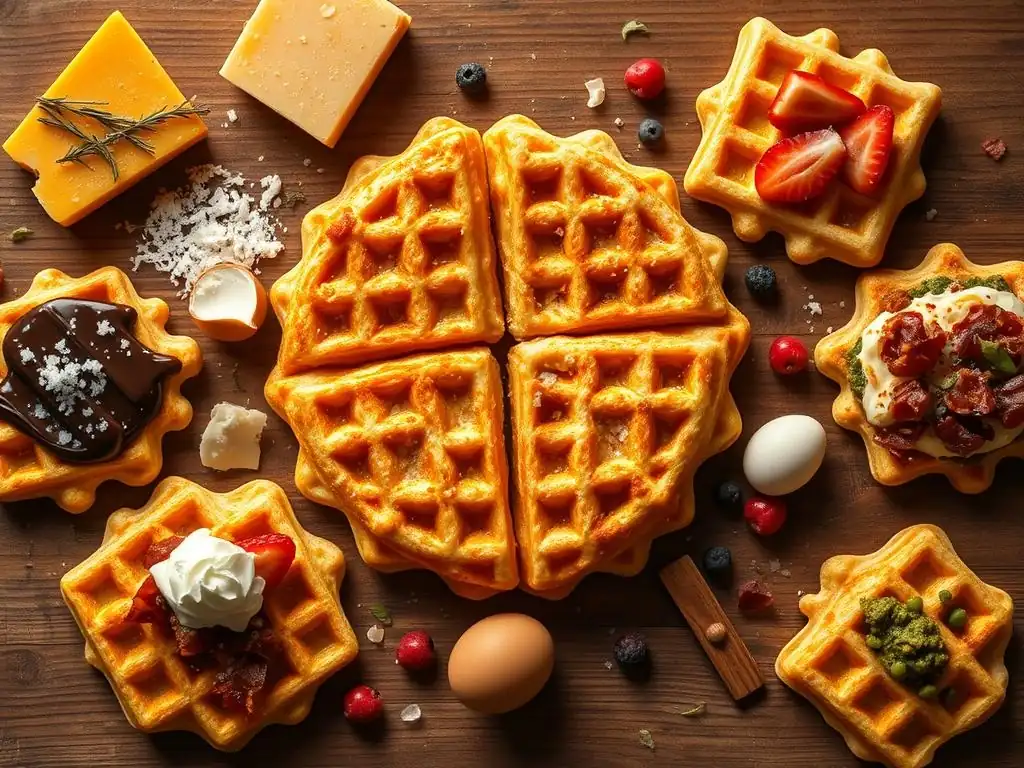
Welcome to BakeWithEase, your trusted companion in the world of delightful baking! Ever wondered if you could enjoy crispy, satisfying treats while staying true to your low-carb lifestyle? Prepare to be amazed! We're diving deep into the surprisingly versatile world of low carb chaffle recipes, showcasing how this simple dish can be transformed into both savory sensations and sweet indulgences. Get ready to unlock a whole new realm of baking possibilities, and discover how easy it is to create delicious, guilt-free creations. Intrigued? Let's get baking!
- Low-Carb Chaffle Variations: From Savory to Sweet Treats
- What is a Chaffle and Why Bake Low-Carb Chaffles?
- Mastering the Basic Keto Chaffle Recipe
- Savory Low Carb Chaffle Recipes: Beyond the Basic Cheese Chaffle
- Sweet Low Carb Chaffle Recipes: Indulgent Keto Desserts
- Chaffle Troubleshooting and Common Mistakes
- Low Carb Chaffle Recipes: Ingredient Substitutions & Variations
- Advanced Chaffle Techniques: Getting Creative with Your Keto Baking
- Conclusion: Embrace the Versatility of Low-Carb Chaffle Recipes
- Frequently Asked Questions
- Final Reflection: The Chaffle Revolution: A Deliciously Low-Carb Journey
- Unleash Your Inner Chaffle Chef!
Low-Carb Chaffle Variations: From Savory to Sweet Treats
What is a Chaffle and Why Bake Low-Carb Chaffles?
Understanding the Chaffle Craze: A Keto Baking Staple
The chaffle, a portmanteau of "cheese" and "waffle," exploded onto the low-carb and keto scene as a versatile and easy-to-make bread substitute. At its core, the basic chaffle recipe typically uses just two main ingredients: egg and cheese, cooked in a waffle maker. This simple combination yields a surprisingly bread-like texture, making it a popular foundation for countless low carb chaffle recipes. Its rise in popularity is directly linked to the demand for convenient, grain-free options that fit within ketogenic or low-carb dietary guidelines, offering a simple solution for cravings like sandwiches, pizza bases, or even sweet treats.
Unlike traditional waffles made with flour and sugar, chaffles are inherently low in carbohydrates and high in fat and protein, aligning perfectly with the macronutrient ratios sought after in a keto diet. A standard basic chaffle, using one egg and about 1/2 cup of shredded cheese, might contain roughly 1-2 grams of net carbs, compared to 15-20 grams or more in a traditional waffle or slice of bread. This significant difference allows individuals following a low-carb lifestyle to enjoy familiar food structures without derailing their dietary goals, opening up a world of possibilities for low carb chaffle recipes.
The Benefits of Low-Carb Baking with Chaffles
Baking low-carb chaffles offers numerous advantages beyond just fitting into a ketogenic diet. For starters, they are incredibly quick to prepare. Most chaffle recipes require minimal ingredients and can be cooked in a waffle maker in just a few minutes, making them ideal for busy mornings or last-minute meal components. This speed and simplicity contrast sharply with the often time-consuming process of traditional low-carb bread baking, which can involve specialized flours, rising times, and longer baking periods.
Furthermore, the adaptability of chaffles is a major benefit. The basic egg-and-cheese foundation serves as a neutral canvas that can be flavored and customized for both savory and sweet applications. This versatility means that mastering one simple technique unlocks a vast array of low carb chaffle recipes, from savory sandwich thins and pizza bases to sweet dessert waffles. They provide a convenient way to incorporate protein and healthy fats into meals while keeping carbohydrate intake low, supporting satiety and energy levels on a low-carb journey.
Mastering the Basic Keto Chaffle Recipe
Ingredients for a Simple Cheese Chaffle
Creating a foundational cheese chaffle is incredibly simple, requiring only two primary ingredients that are staples in most low-carb kitchens. The first is one large egg. The egg acts as a binder, helping to hold the chaffle together and providing structure as it cooks.
The second key ingredient is cheese, typically about 1/2 cup of shredded cheese. Mozzarella is a popular choice due to its neutral flavor and excellent melting properties, which contribute to a nice texture. However, cheddar, Monterey Jack, or a blend can also be used, each imparting a slightly different flavor profile to the basic low carb chaffle recipe.
Beyond the core egg and cheese, many basic chaffle recipes benefit from a small addition of leavening, such as 1/4 teaspoon of baking powder. This helps the chaffle become slightly lighter and fluffier, preventing it from being too dense. A pinch of salt is also often included to enhance the flavor, especially when using milder cheeses like mozzarella. Some variations might include a tablespoon or two of almond flour or coconut flour for added structure, though the purest form relies solely on egg and cheese for its low-carb credentials.
Step-by-Step Guide to Making the Perfect Basic Chaffle
Making a basic chaffle is straightforward and quick, perfect for when you need a low-carb bread alternative in minutes. Begin by preheating your waffle maker. It's crucial that the iron is hot before you add the batter to ensure a crispy exterior and prevent sticking. While the waffle maker heats, whisk together one large egg in a small bowl. Then, stir in about 1/2 cup of shredded cheese (like mozzarella or cheddar) and optionally a pinch of salt and 1/4 teaspoon of baking powder. Mix until just combined; overmixing isn't necessary.
Once the waffle maker is hot, lightly grease the plates if your model isn't non-stick, although the fat from the cheese often makes this unnecessary. Pour or spoon half of the chaffle mixture onto the center of the waffle iron. Close the lid and cook for typically 3-5 minutes. The exact time will vary depending on your waffle maker and how crispy you prefer your chaffle.
You'll know it's done when the steam subsides and the chaffle is golden brown and firm. Carefully remove the first chaffle and repeat with the remaining batter to make a second one. These simple steps yield delicious low carb chaffle recipes ready for various uses.
Tips for Achieving Crispy and Delicious Chaffles
Achieving a crispy exterior is often the goal for many low carb chaffle recipes, as it mimics the satisfying crunch of traditional bread or waffles. One of the most critical factors is ensuring your waffle maker is fully preheated before adding the batter. Putting the mixture onto a cool or only partially heated iron can result in a soggy chaffle that sticks. Allow the chaffle to cook for the full recommended time, or even slightly longer, until the steam stops escaping from the sides. This indicates that much of the moisture has cooked off, leading to a crispier result.
Another tip for crispiness is to use a hard or semi-hard cheese like cheddar, Monterey Jack, or a blend, as they tend to crisp up better than soft cheeses. Using a minimal amount of batter per chaffle can also help; don't overfill the waffle maker, as this can lead to a dense center. After removing the chaffle from the iron, place it on a wire rack for a minute or two instead of a plate.
This allows air to circulate around it, preventing condensation from forming and making the bottom soggy. These simple adjustments can elevate your basic low carb chaffle recipes significantly.
Savory Low Carb Chaffle Recipes: Beyond the Basic Cheese Chaffle
Cheesy Garlic Chaffle: A Flavorful Keto Bread Alternative
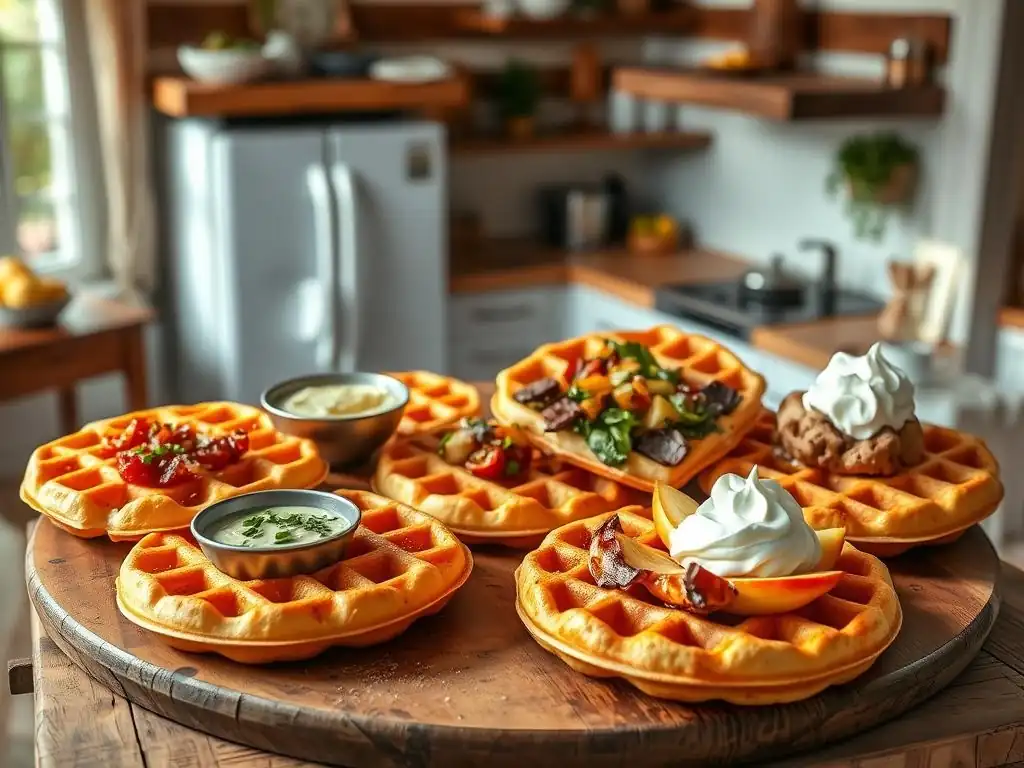
The basic cheese chaffle is a fantastic starting point, but infusing it with savory flavors transforms it into an even more versatile keto bread alternative. The cheesy garlic chaffle is a prime example, perfect for sandwiches, toast, or as a side with soup. To make this variation of a low carb chaffle recipe, simply add about 1/2 teaspoon of garlic powder and 1/4 teaspoon of dried parsley (or other herbs like chives) to your standard egg and cheese mixture before cooking. You can also experiment with a pinch of onion powder for added depth.
The garlic and herbs meld with the melted cheese and egg during cooking, creating a fragrant and flavorful base. This chaffle works wonderfully as a substitute for garlic bread; simply brush with a little melted butter after cooking. It holds up well as a sandwich bread for fillings like deli meat and cheese or even a keto-friendly BLT. Compared to traditional garlic bread which can contain upwards of 20-30 grams of carbs per slice, a cheesy garlic chaffle keeps carbs typically under 2-3 grams, making it an excellent low carb chaffle recipe choice.
Pizza Chaffle: A Quick and Easy Low-Carb Pizza Crust
Transforming a chaffle into a miniature low-carb pizza crust is one of the most popular applications of low carb chaffle recipes. It's incredibly fast and satisfies pizza cravings without the carb load of traditional dough. To create a pizza chaffle base, make a standard chaffle but consider adding a pinch of Italian seasoning to the batter. Cook it until it's firm and slightly crispy.
Once cooked, place the chaffle on a baking sheet or in a small oven-safe dish. Spread a thin layer of low-carb pizza sauce over the top, add your favorite keto-friendly pizza toppings (like pepperoni, mushrooms, peppers, onions, or cooked sausage), and sprinkle with extra mozzarella cheese. Broil it in the oven for a few minutes until the cheese is melted and bubbly and the toppings are heated through.
This method yields a personal-sized pizza with a carb count often below 5 grams, a stark contrast to the 20-30+ grams in a single slice of regular pizza. This specific low carb chaffle recipe variation offers a delicious and quick weeknight meal option.
Everything Bagel Chaffle: Topping Combinations for Savory Chaffles
Inspired by the beloved everything bagel seasoning, the everything bagel chaffle brings a burst of flavor to the basic low carb chaffle recipe. This variation is incredibly simple: prepare your standard chaffle batter (egg and cheese) and stir in about 1 teaspoon of everything bagel seasoning before cooking. Alternatively, you can sprinkle the seasoning directly onto the waffle iron plates before pouring the batter, or sprinkle it on top of the batter once it's in the iron. Cooking the seasoning into the chaffle infuses the flavor throughout.
An everything bagel chaffle is perfect served warm with cream cheese, smoked salmon, or mashed avocado, mimicking the experience of eating an everything bagel but with minimal carbs (typically 1-3 grams net carbs per chaffle). You can also use it as a base for an egg and cheese breakfast sandwich. Other savory topping combinations for chaffles include topping with a fried egg and bacon, using them as buns for sliders, or serving them alongside a steak instead of potatoes. The robust flavor of the everything bagel seasoning makes this low carb chaffle recipe a standout savory option.
Jalapeño Popper Chaffle: A Spicy and Cheesy Delight
For those who enjoy a bit of heat, the jalapeño popper chaffle is a fantastic savory low carb chaffle recipe. It combines the creamy, spicy flavors of the classic appetizer into a convenient waffle form. To make this variation, start with your basic chaffle batter. Finely mince 1-2 tablespoons of fresh or pickled jalapeño peppers (adjust quantity based on desired heat level) and add them to the egg and cheese mixture. For extra creaminess reminiscent of jalapeño poppers, you can also stir in 1-2 tablespoons of softened cream cheese or shredded cheddar cheese along with the mozzarella.
Cook the mixture in your preheated waffle maker until golden and firm. The jalapeño adds pockets of heat and flavor, while the extra cheese ensures a rich, gooey texture. This chaffle is delicious on its own, perhaps dipped in ranch dressing or sour cream. It also makes an excellent base for a spicy breakfast sandwich or can be served as a unique side dish. Compared to traditional jalapeño poppers which can contain breading, this low carb chaffle recipe keeps the carb count low, usually under 3 grams per chaffle, offering a satisfyingly spicy keto option.
Sweet Low Carb Chaffle Recipes: Indulgent Keto Desserts
Cinnamon Roll Chaffle: A Sweet and Spicy Keto Treat
Transitioning from savory to sweet, chaffles prove equally versatile in creating low-carb desserts. The cinnamon roll chaffle aims to capture the warm, spicy essence of a cinnamon roll without the high sugar and carb content. To make this sweet low carb chaffle recipe, you'll typically adapt the basic chaffle by omitting the savory cheese (or using a very neutral cheese like mozzarella in a smaller quantity) and adding a low-carb sweetener and cinnamon.
A common approach is to mix one egg with 1-2 tablespoons of almond flour, 1 tablespoon of a granular erythritol or monk fruit blend, 1/2 teaspoon of cinnamon, and a pinch of baking powder. Some recipes might still incorporate a small amount of cheese (like 1/4 cup mozzarella) to help with texture.
Cook this batter in your waffle maker until golden brown. The magic happens after cooking: while warm, drizzle with a simple keto-friendly glaze made from powdered erythritol/monk fruit sweetener and a splash of almond milk or cream cheese frosting made with softened cream cheese and sweetener. This chaffle offers the comforting flavors of a cinnamon roll with a significantly lower carb count, often around 3-5 grams net carbs depending on the sweetener and glaze used, making it a guilt-free sweet low carb chaffle recipe.
Chocolate Chaffle: A Decadent Low-Carb Dessert Option
For chocolate lovers, the chocolate chaffle is a simple yet decadent way to enjoy a low-carb dessert. This low carb chaffle recipe variation typically involves adding unsweetened cocoa powder and sweetener to the chaffle base.
A common ratio is one egg mixed with 1-2 tablespoons of almond flour, 1-2 tablespoons of unsweetened cocoa powder, 1-2 tablespoons of a low-carb sweetener blend, and a pinch of baking powder. Some recipes might still include a small amount of mozzarella (around 1/4 cup) to help with the chaffle structure and texture, which surprisingly doesn't impart a cheesy flavor when combined with cocoa and sweetener.
Cook the chocolate batter in your preheated waffle maker. The result is a rich, dark chaffle perfect for dessert. Serve warm topped with sugar-free whipped cream, a drizzle of sugar-free chocolate syrup, or fresh berries. You can also add a few sugar-free chocolate chips to the batter before cooking for melty pockets of chocolate. This chocolate low carb chaffle recipe typically contains around 4-6 grams of net carbs, offering a satisfying alternative to high-carb chocolate cakes or brownies.
Peanut Butter Chaffle: A Nutty and Satisfying Keto Snack
Combining the popular flavors of peanut butter with the chaffle structure creates a delicious and satisfying low-carb snack or dessert. The peanut butter chaffle is a straightforward variation that incorporates nut butter into the batter. A typical recipe involves mixing one egg with 1-2 tablespoons of natural peanut butter (ensure it's low in added sugar), 1 tablespoon of almond flour, 1-2 teaspoons of a low-carb sweetener, and a pinch of baking powder. Some versions might include a small amount of cheese (like 1/4 cup mozzarella) for texture, though it's often omitted in nut-butter-based sweet chaffles.
Cook the peanut butter mixture in your waffle maker until firm. The result is a dense, nutty chaffle with a distinct peanut butter flavor. It's excellent served warm, perhaps topped with a little extra peanut butter, sugar-free jam, or sugar-free chocolate chips. This low carb chaffle recipe offers a good source of healthy fats and protein, keeping you full. A peanut butter chaffle typically contains around 4-7 grams of net carbs, depending on the specific peanut butter and added ingredients, making it a great option for a keto-friendly treat.
Strawberry Shortcake Chaffle: A Berry Delicious Dessert
Inspired by the classic strawberry shortcake, this sweet low carb chaffle recipe provides a delightful berry-infused dessert option. The chaffle itself serves as the "shortcake" base. You can use a slightly sweetened basic chaffle recipe (perhaps with a small amount of sweetener added to the egg and mozzarella base) or a dedicated sweet chaffle recipe using almond flour, egg, and sweetener. The key is to create a relatively plain, slightly sweet chaffle that pairs well with the toppings.
Once the chaffle is cooked, the magic happens with the assembly. Top the warm chaffle with sliced fresh strawberries that have been lightly sweetened with a low-carb sweetener if desired. Then, dollop generously with sugar-free whipped cream. For an extra layer of flavor, you could add a tiny splash of vanilla extract to the chaffle batter. This low carb chaffle recipe captures the essence of strawberry shortcake with a fraction of the carbs, typically ranging from 5-8 grams net carbs depending on the chaffle base and toppings, offering a fresh and fruity keto dessert.
Chaffle Troubleshooting and Common Mistakes
Avoiding Soggy Chaffles: Tips and Tricks
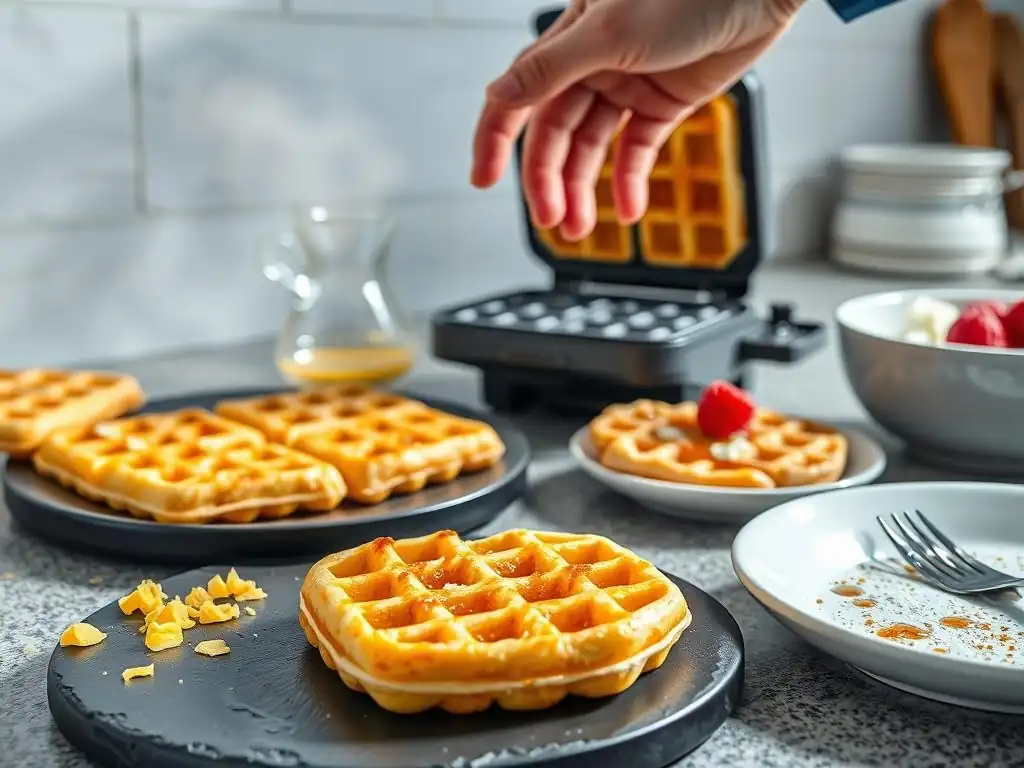
One of the most common frustrations when making low carb chaffle recipes is ending up with a soggy result instead of a crispy one. This usually stems from moisture retention. As mentioned earlier, ensuring your waffle iron is piping hot before adding the batter is crucial. A hot iron immediately starts cooking and crisping the exterior. Don't rush the cooking process; let the chaffle cook for the full duration until steam significantly reduces. This allows excess moisture from the egg and cheese to evaporate.
Additionally, the type of cheese can impact sogginess. Mozzarella tends to release more moisture than harder cheeses like cheddar or Monterey Jack. Using a blend or opting for primarily cheddar can help.
After cooking, never stack chaffles directly on top of each other while they are still warm; the trapped steam will make them soft. Always place cooked chaffles on a wire cooling rack for a few minutes to allow air circulation, which helps them crisp up as they cool slightly. If they aren't quite crispy enough straight from the iron, you can briefly pop them into a toaster or air fryer for a minute or two to enhance crispiness.
Adjusting the Recipe for Different Waffle Makers
Not all waffle makers are created equal, and the type you use can influence the outcome of your low carb chaffle recipes. Mini waffle makers, like the popular Dash Mini Waffle Maker, are often preferred for chaffles because they create smaller, thicker chaffles with deep pockets, which tend to cook through and crisp up efficiently. Standard-sized waffle makers work too, but you might need to adjust the cooking time. Thinner chaffles made in larger irons might cook faster but could be prone to breaking if not handled carefully.
Belgian waffle makers, which produce thicker waffles with deeper pockets, can also be used, but you may need to slightly increase the cooking time to ensure the thicker center is cooked through and the exterior is crispy. You might also find that the amount of batter needed per chaffle differs based on the size of your waffle maker's plates.
Start with half the batter for smaller irons and potentially the full amount for larger ones, adjusting based on whether the batter spreads to fill the plates without overflowing. Experimentation with cooking time and batter quantity is key to perfecting low carb chaffle recipes with your specific appliance.
Storing and Reheating Chaffles for Optimal Texture
Proper storage and reheating are essential if you plan to make low carb chaffle recipes ahead of time and maintain their desired texture. Once cooked and cooled completely on a wire rack, chaffles can be stored in an airtight container in the refrigerator for up to 3-4 days. For longer storage, they freeze exceptionally well. Place cooled chaffles in a single layer on a baking sheet and freeze until solid, then transfer them to a freezer-safe bag or container, separated by parchment paper to prevent sticking. Frozen chaffles can last for up to 2-3 months.
To reheat chaffles and restore their crispiness, avoid using a microwave, which will result in a rubbery texture. The best methods for reheating are a toaster, toaster oven, or air fryer. Pop refrigerated chaffles into a toaster or toaster oven for a few minutes until warm and crisp. Frozen chaffles can often be reheated directly from the freezer in a toaster or air fryer, requiring a few extra minutes. Reheating at around 350-400°F (175-200°C) for 3-6 minutes usually does the trick, bringing back that desirable crispy texture for your low carb chaffle recipes.
Low Carb Chaffle Recipes: Ingredient Substitutions & Variations
Dairy-Free Chaffle Options: Adapting the Recipe
For those who need dairy-free low carb chaffle recipes, adapting the basic formula is possible, though it requires substituting the cheese. The most common dairy-free binder and fat source is dairy-free shredded cheese alternatives. While these don't always melt and crisp up exactly like dairy cheese, many varieties work reasonably well. You'll typically use the same quantity as you would dairy cheese (around 1/2 cup per egg). Be aware that the flavor and texture can vary significantly between brands, so experimentation may be needed to find one you like.
Another approach for dairy-free chaffles, particularly savory ones, is to use nutritional yeast for a cheesy flavor combined with a binder like a small amount of coconut flour or psyllium husk powder mixed with the egg. For sweet dairy-free chaffles, you can often omit the cheese entirely and rely on egg, a small amount of nut or seed flour (like almond or sunflower seed flour), and a dairy-free milk alternative (like almond milk or coconut milk) to create the batter, along with sweetener and flavorings. These variations allow individuals with dairy restrictions to enjoy various low carb chaffle recipes.
Adding Protein to Your Chaffles: Protein Powder and More
Boosting the protein content of your low carb chaffle recipes is a great way to make them even more filling and supportive of muscle maintenance. One simple method is to add a scoop (about 15-30 grams) of unflavored or vanilla-flavored whey or plant-based protein powder to the chaffle batter. You might need to slightly increase the liquid (a tablespoon of water or almond milk) or decrease the flour (if using) to maintain the right batter consistency, as protein powder absorbs liquid. This addition significantly increases the protein per chaffle, often by 15-20 grams.
Other ways to add protein include incorporating collagen peptides into the batter, which dissolve easily and are flavorless, adding about 10-20 grams of protein per serving. For savory chaffles, you can mix in finely diced cooked meats like bacon bits, ham, or sausage, or add a tablespoon or two of nutritional yeast, which provides a small protein boost along with cheesy flavor. These additions transform basic low carb chaffle recipes into more robust, protein-packed meals or snacks, ideal for post-workout recovery or staying satiated longer.
Flavor Enhancements: Spices, Extracts, and Sweeteners
The neutral base of the basic chaffle makes it incredibly receptive to various flavor enhancements, allowing for endless customization of low carb chaffle recipes. For savory chaffles, common additions include garlic powder, onion powder, dried herbs (parsley, oregano, chives), everything bagel seasoning, smoked paprika, or a pinch of cayenne pepper for heat. You can also stir in grated Parmesan cheese for a sharper flavor or a dash of Worcestershire sauce (check carb content) for umami.
For sweet chaffles, flavor extracts are essential. Vanilla extract is a staple, but almond extract, coconut extract, or even maple extract (ensure it's sugar-free) can add depth. Spices like cinnamon, nutmeg, cardamom, or pumpkin pie spice work beautifully in sweet low carb chaffle recipes. Low-carb sweeteners like erythritol, monk fruit, stevia, or allulose blends are used to provide sweetness without the carbs of sugar. Experimenting with different combinations of these spices, extracts, and sweeteners allows you to tailor chaffles to specific dessert profiles, from apple pie to lemon poppy seed.
Advanced Chaffle Techniques: Getting Creative with Your Keto Baking
Layered Chaffles: Creating Chaffle Sandwiches and Stacks
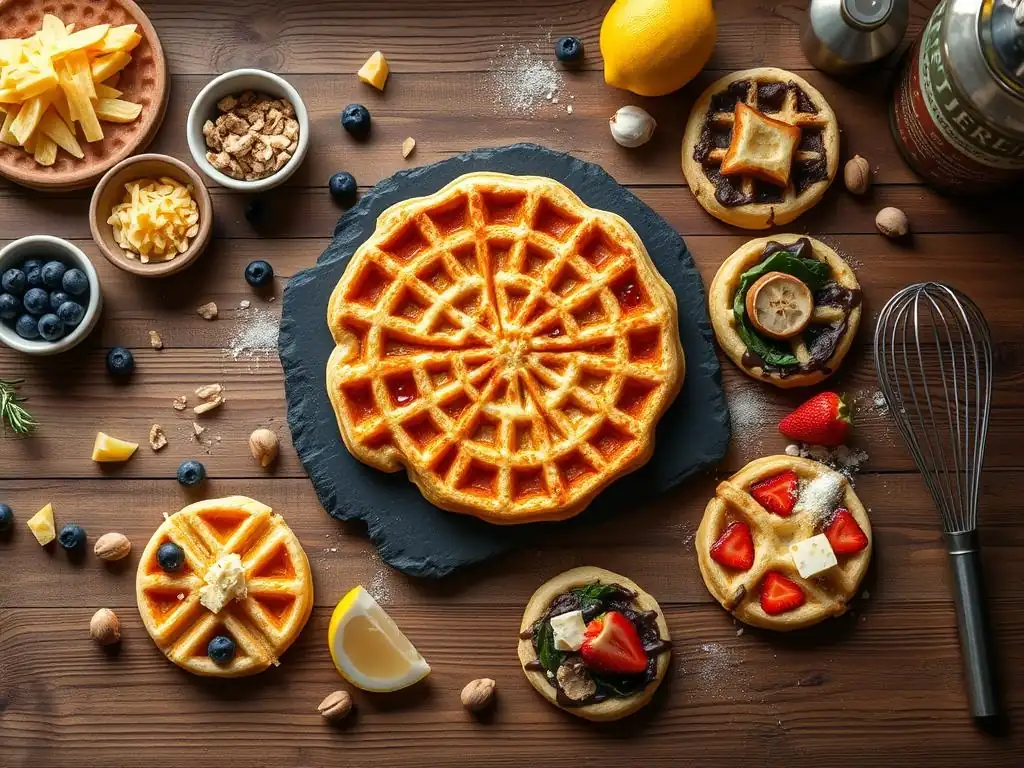
Moving beyond simple chaffle bases, layering opens up creative possibilities for low carb chaffle recipes, turning them into multi-component dishes. The most straightforward application is the chaffle sandwich. Make two chaffles using your preferred savory low carb chaffle recipe (like a basic cheese or everything bagel chaffle). Once cooled slightly, use them as you would slices of bread for a sandwich filled with deli meats, cheese, lettuce, tomato, avocado, or any other keto-friendly fillings.
You can also create impressive chaffle stacks, similar to layered cakes or savory towers. For a sweet stack, layer sweet chaffles (like chocolate or cinnamon) with sugar-free whipped cream, berries, or keto-friendly pudding. For a savory stack, layer chaffles with ingredients like cream cheese and smoked salmon, or use them as bases for mini burgers or pulled pork sliders, topping each chaffle layer before adding the next. This technique elevates low carb chaffle recipes from simple bases to complete, satisfying meals or desserts.
Chaffle Ice Cream Sandwiches: A Cool Keto Dessert
One of the most indulgent uses for sweet low carb chaffle recipes is creating chaffle ice cream sandwiches. This technique requires a slightly sturdier sweet chaffle, perhaps one made with a small amount of almond flour for better structure. Make your sweet chaffles (chocolate, vanilla, or plain sweetened work well) and let them cool completely. For the "ice cream," use a store-bought low-carb, keto-friendly ice cream or make your own.
Take a scoop of the firm, cold low-carb ice cream and place it between two cooled chaffles. Gently press the chaffles together to form a sandwich. You can roll the edges in sugar-free chocolate chips, chopped nuts, or keto-friendly sprinkles if desired. For best results, wrap the finished ice cream sandwich in parchment paper or plastic wrap and freeze for at least 30 minutes to allow the ice cream to firm up and the sandwich to set. This low carb chaffle recipe variation offers a refreshing and satisfying keto dessert, perfect for warm weather.
Turning Chaffles into Croutons: A Savory Keto Salad Topper
Savory low carb chaffle recipes can be repurposed into delicious keto-friendly croutons, adding crunch and flavor to salads or soups. Use any savory chaffle recipe, such as the basic cheese or garlic chaffle. Once cooked and cooled, slice the chaffles into small cubes, roughly 1/2 to 1 inch in size.
Toss the chaffle cubes with a little melted butter or olive oil and any desired seasonings like garlic powder, onion powder, Italian herbs, or a pinch of salt and pepper. Spread the seasoned cubes in a single layer on a baking sheet.
Bake in a preheated oven at around 350°F (175°C) for 10-15 minutes, or air fry at 375°F (190°C) for 5-8 minutes, stirring halfway through, until golden brown and crispy. These chaffle croutons provide a fantastic crunchy element to salads without the high carb count of traditional bread croutons, typically containing less than 1 gram of net carbs per serving of croutons, making them an excellent low carb chaffle recipe application.
Conclusion: Embrace the Versatility of Low-Carb Chaffle Recipes
Frequently Asked Questions
What exactly is a chaffle, and why is it considered low carb?
A chaffle is essentially a cheese waffle made with eggs and cheese. It's low carb because it avoids traditional flour-based batters, making it suitable for keto and low-carb diets.
Can I use different types of cheese in my chaffle recipes?
Yes! Experimenting with different cheeses is highly encouraged. Consider using cheddar, mozzarella, or even a blend for unique flavor profiles and textures.
Are there sweet chaffle recipes available, or are they always savory?
Absolutely! You can create sweet chaffles by adding sweeteners, extracts, and toppings like berries or sugar-free syrup. These recipes often include cream cheese or ricotta for a richer, sweeter base.
What type of waffle maker is best for making chaffles?
A mini waffle maker is often recommended for chaffles because it creates perfectly sized portions. However, a standard waffle iron can also be used; you may need to adjust the recipe accordingly.
How can I prevent my chaffle from being too soggy?
Ensure you're using well-drained ingredients and cooking the chaffle long enough to crisp up. Allowing the chaffle to cool slightly on a wire rack also helps prevent sogginess.
Final Reflection: The Chaffle Revolution: A Deliciously Low-Carb Journey
The humble chaffle, once a niche culinary curiosity, has exploded onto the low-carb scene, offering a versatile and satisfying alternative to traditional bread and pancakes. Its adaptability, showcased throughout this exploration of diverse recipes, proves its staying power far beyond a fleeting fad. The sheer variety of flavors and textures achievable with this simple egg and cheese base is truly remarkable.
This journey through cheese-based savory delights to decadent sweet creations has highlighted not only the culinary potential of the chaffle, but also the power of mindful eating within a low-carb lifestyle. The ability to enjoy comforting, familiar flavors without the carb-heavy consequences is incredibly empowering. The best way to find yourself is to lose yourself in the service of others,
while not directly about chaffles, speaks to the self-care aspect of choosing healthy, enjoyable alternatives. This simple recipe allows for creativity and self-expression, making the low-carb journey more sustainable and less restrictive.
Now, it's your turn. Consider the possibilities! Experiment with your own favorite flavors and ingredients. Don't be afraid to get creative and personalize your chaffle experience. Embrace the freedom of this versatile recipe, and let the deliciousness fuel your low-carb journey. The chaffle isn't just a recipe; it's a testament to the power of mindful eating and the joy of culinary exploration. What delicious adventure will your next chaffle take you on?
Unleash Your Inner Chaffle Chef!
Thanks for joining us on this delicious journey into the world of low-carb chaffles! We hope you've discovered some exciting new recipe ideas and are ready to experiment in the kitchen. Now it's time to put your newfound knowledge to the test!
- Master your first chaffle masterpiece: Try out one of the recipes from the article – perhaps that savory cheese chaffle or a decadent chocolate one! Let your creativity flow!
- Share your creations: Snap a photo of your chaffle triumph and post it on social media using #BakeWithEaseChaffles – let's inspire each other!
- Explore the endless possibilities: Think outside the box! What unique flavor combinations could you create? Let us know in the comments!
Ready to transform your breakfast, lunch, or dessert game with these versatile little delights?