
Slash the Sugar: Simple Ways to Reduce Sugar in Your Favorite Cookie Recipes

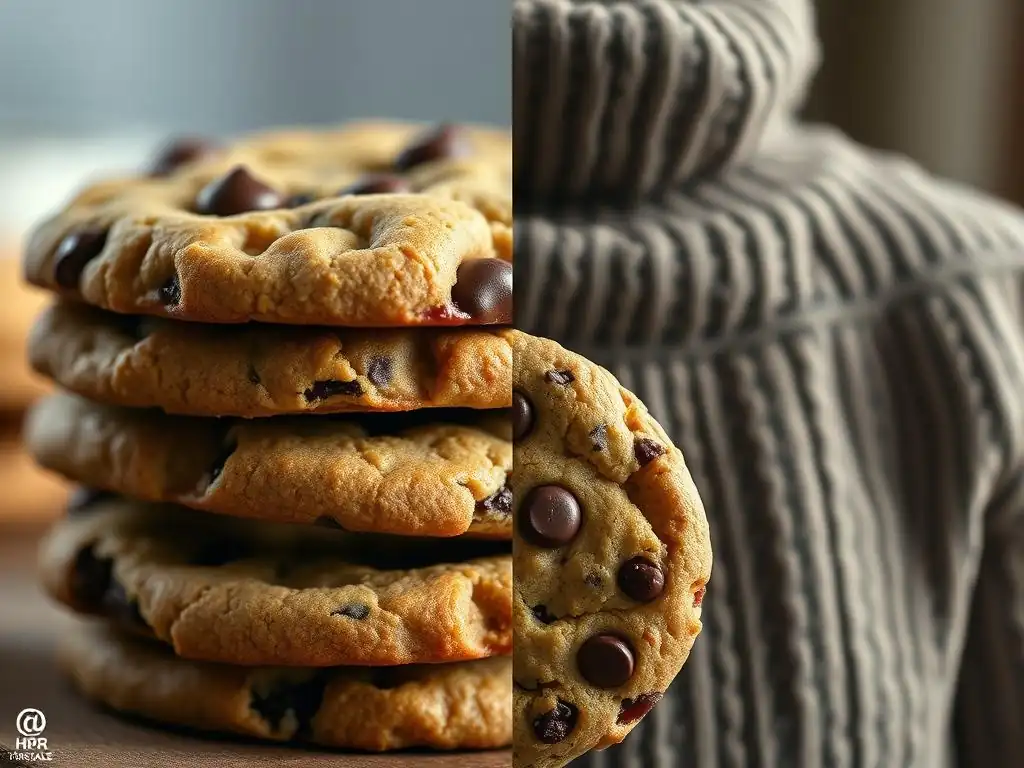
Welcome to BakeWithEase, your guide to delicious baking adventures! Ever wondered how to enjoy your favorite cookies without the guilt? Dive in and discover our simple yet effective techniques to reduce sugar in cookies without sacrificing flavor or texture. Let's unlock the secrets to healthier, equally satisfying treats together!
- Introduction: Baking Cookies with Less Sugar - A Healthier Baking Guide
- Understanding Sugar's Role in Cookie Baking
- Practical Techniques to Reduce Sugar in Cookies
- Specific Tips for Reducing Sugar in Different Types of Cookies
- Low-Sugar Cookie Recipe Adaptations: Examples and Inspiration
- Troubleshooting Low-Sugar Cookie Baking
- Conclusion: Enjoy Delicious Cookies with Less Sugar - A BakeWithEase.com Promise
-
Frequently Asked Questions
- How can I reduce sugar in cookies without significantly affecting the texture?
- Will using sugar substitutes drastically change the taste of my cookies?
- What other ingredients can I adjust to compensate for less sugar in my cookie dough?
- Can I still achieve a chewy texture in my cookies if I significantly reduce the sugar content?
- What are some healthier alternatives to traditional refined sugar that I can use in cookie recipes?
- Final Reflection: A Sweeter Future, One Cookie at a Time
- Unleash Your Inner Baking Maestro: Master Sugar-Reduced Sweets!
Reducing the amount of sugar in your cookie recipes isn't just about following a trend; it's a conscious choice that can significantly impact both your health and the flavor profile of your baked goods. Excessive sugar consumption has been linked to various health issues, including weight gain, increased risk of type 2 diabetes, and heart disease.
By choosing to reduce sugar in cookies, you're taking a step towards a more mindful approach to baking and eating, contributing to overall well-being without completely sacrificing the joy of a delicious treat. It allows you to enjoy your favorite cookies more often, or simply feel better about indulging occasionally.
Beyond the health benefits, lowering the sugar content can actually enhance the taste of your cookies. Often, a high amount of sugar can mask the subtle flavors of other ingredients like vanilla, chocolate, nuts, or spices. When you reduce sugar in cookies, these other flavors have a chance to shine through, creating a more complex and nuanced taste experience.
Instead of just tasting overwhelming sweetness, you might notice the rich cocoa notes in a chocolate chip cookie or the warm spice blend in an oatmeal cookie. This shift can lead to a more satisfying and less one-dimensional flavor, proving that less sugar doesn't mean less delicious.
BakeWithEase.com's Commitment to Lower-Sugar Baking Options
At BakeWithEase.com, we believe that everyone should be able to enjoy the pleasure of freshly baked goods, regardless of dietary needs or preferences. That's why we are committed to providing resources and recipes that make baking accessible and adaptable, including offering lower-sugar options. We understand that learning to reduce sugar in cookies and other desserts can feel daunting, as sugar plays several crucial roles beyond just sweetness. Our goal is to demystify this process, offering simple, tested methods and recipes that help you achieve delicious results with less added sugar.
Our platform is continuously evolving to include more recipes specifically developed or adapted to have reduced sugar content. We provide detailed guides on how to modify your own favorite recipes, offering practical tips and ingredient substitutions that work. Whether you're looking to make a small reduction for health reasons or are exploring options for diabetic-friendly baking, BakeWithEase.com is here to support your journey. We aim to empower you with the knowledge and confidence to successfully reduce sugar in cookies and other treats, proving that healthier baking can be just as rewarding and tasty.
The Science Behind Sugar: Sweetness, Texture, and Structure
Sugar is a seemingly simple ingredient, but its functions in cookie baking are complex and multifaceted. Primarily, sugar provides sweetness, which is its most obvious role. However, different types of sugar (like granulated sugar, brown sugar, or powdered sugar) contribute varying levels of sweetness and flavor due to their composition and moisture content. Beyond taste, sugar significantly impacts the physical properties of cookies. It is a tenderizer, interfering with gluten development in the flour and protein coagulation in eggs, resulting in a softer, more tender crumb. Without sufficient sugar, cookies can become tough or dry.
Furthermore, sugar plays a vital role in structure and spread. During baking, sugar melts at high temperatures (around 320°F or 160°C), contributing to the cookie's spread on the baking sheet. As the cookie cools, the melted sugar recrystallizes, which is crucial for achieving that desired crisp or chewy texture.
It also absorbs moisture, helping to keep cookies from drying out too quickly. For example, using brown sugar, which contains molasses, adds moisture and contributes to a chewier texture compared to granulated sugar alone. When you reduce sugar in cookies, you are altering this delicate balance of tenderness, spread, moisture retention, and texture, requiring careful adjustments to other ingredients.
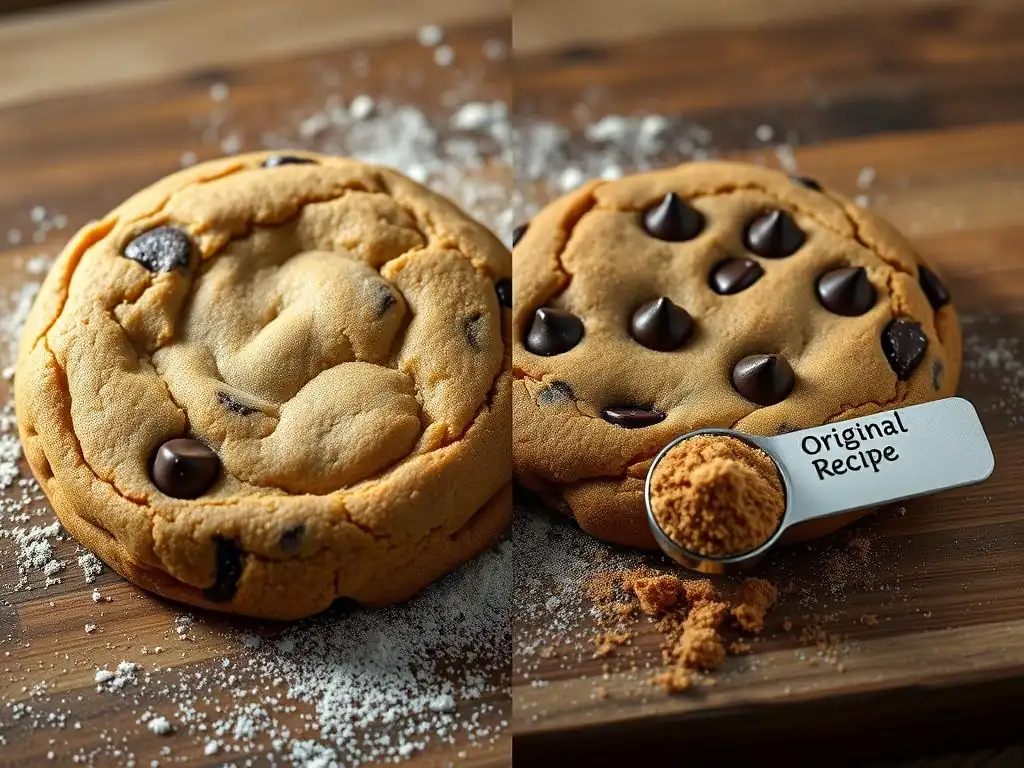
The amount and type of sugar used in a cookie recipe directly influence its spread during baking. Granulated sugar promotes more spread because its crystals are sharp and cut through the fat, allowing the cookie to flatten more easily as it melts. Brown sugar, being more acidic and containing molasses, tends to produce cookies that spread less and are thicker and chewier. Reducing the total amount of sugar in a recipe will generally result in cookies that spread less, are thicker, and may have a less uniform appearance compared to their full-sugar counterparts.
Sugar also critically affects the crispness and moisture of cookies. As mentioned, sugar melts and then recrystallizes upon cooling, creating a firm structure that contributes to crispness. A higher sugar content generally leads to a crispier cookie. Conversely, reducing sugar can result in a softer cookie.
Sugar is also hygroscopic, meaning it attracts and retains moisture. This property helps keep cookies soft and moist over time. When you reduce sugar in cookies, they may become dry or crumbly more quickly, and achieving the desired level of moistness and chewiness requires careful consideration of ingredient ratios and baking times. For instance, reducing sugar by 25-30% in a standard chocolate chip cookie recipe might significantly decrease spread and increase thickness and dryness unless other liquid ingredients or fats are slightly adjusted.
Gradual Sugar Reduction: A Step-by-Step Approach
One of the simplest and most effective ways to reduce sugar in cookies is to do it gradually. Instead of drastically cutting the sugar by half in your favorite recipe right away, start by reducing it by a smaller percentage, perhaps 10% to 15%. For example, if a recipe calls for 1 cup (about 200g) of granulated sugar, try using about 7/8 cup (around 175g) or even just 3/4 cup (about 150g) for your first attempt.
Bake the cookies as instructed and taste them. Note the differences in sweetness, texture, spread, and appearance. This incremental approach allows you to see how the reduction affects the final product without majorly compromising the outcome, and it helps your palate adjust to less intense sweetness over time.
After you've successfully reduced the sugar by a small amount and are happy with the result, you can try reducing it further in subsequent batches. Aim for another 10-15% reduction.
Many standard cookie recipes can tolerate a total sugar reduction of 25% to 35% without requiring significant changes to other ingredients or baking techniques, although the final cookie will likely be less sweet, thicker, and potentially softer or less spread out. This gradual method is particularly useful when you want to reduce sugar in cookies you bake frequently, allowing you to find the perfect balance of sweetness and texture that suits your taste and health goals.
Substituting Sugars: Exploring Natural and Alternative Sweeteners
Replacing some or all of the granulated sugar with alternative sweeteners is another popular method to reduce sugar in cookies. Natural liquid sweeteners like honey, maple syrup, and date syrup can add sweetness along with unique flavors and moisture. However, they are not a direct 1:1 substitute by volume due to their liquid nature and different sweetness levels.
Generally, you need to use less liquid sweetener than granulated sugar, and you may need to slightly reduce other liquids in the recipe to maintain the right consistency. For example, replacing 1 cup of granulated sugar might require about 2/3 to 3/4 cup of maple syrup, and you'd likely need to decrease another liquid (like milk or extract) by a tablespoon or two. Liquid sweeteners also contribute to chewier textures and darker browning.
For a zero-calorie or very low-calorie option when you want to drastically reduce sugar in cookies, non-nutritive sweeteners like stevia, erythritol, and monk fruit are common choices. These sweeteners vary greatly in sweetness intensity and how they behave in baking.
Erythritol, for instance, provides some bulk similar to sugar and measures close to a 1:1 replacement by volume with granulated sugar, but it is only about 70% as sweet and can leave a cooling sensation. Stevia and monk fruit are much sweeter than sugar and are typically used in very small amounts, often requiring a bulking agent (like a blend with erythritol or adding extra flour/fiber) to compensate for the lost volume of sugar.
Baking with these can affect texture, spread, and browning differently than sugar, sometimes resulting in less spread or a cakier texture. It often takes experimentation to find the right balance and combination for your desired cookie outcome.
Using Honey, Maple Syrup, and Date Syrup in Cookies
Honey, maple syrup, and date syrup are excellent natural options if you aim to reduce refined sugar in cookies while still using natural forms of sweetness. Honey is sweeter than granulated sugar and brings a distinct floral or earthy note depending on its type. Maple syrup offers a rich, caramel-like flavor and is slightly less sweet than granulated sugar.
Date syrup, made from cooked and blended dates, provides a deep, fruity sweetness and is usually about as sweet as granulated sugar by volume, though it's thicker. When using these liquid sweeteners, remember they add moisture. A common guideline is to substitute about 2/3 to 3/4 cup of liquid sweetener for every cup of granulated sugar called for, and reduce the total amount of other liquids in the recipe by about 1/4 cup.
Incorporating these syrups will affect the cookie's texture and appearance. Cookies made with honey or maple syrup tend to be chewier and spread more due to the presence of invert sugars. They also brown faster because of the sugars and minerals they contain.
Date syrup, being thicker, might result in a slightly less spread-out, denser cookie. It's advisable to lower the oven temperature slightly (by about 25°F or 15°C) and bake for a shorter time to prevent excessive browning. While these syrups do contain sugars, they often have a slightly lower glycemic index than refined sugar and contain trace minerals and antioxidants, making them a popular choice for those looking to reduce sugar in cookies while adding natural depth of flavor.
Stevia, Erythritol, and Monk Fruit: Pros and Cons for Cookie Baking
Stevia, erythritol, and monk fruit are popular non-nutritive sweeteners used to significantly reduce sugar in cookies and lower calorie counts. Stevia, derived from the stevia plant, is incredibly sweet (200-400 times sweeter than sugar) and is typically used in very small amounts, often in blended products to provide bulk. A pro is its zero calories and natural origin, but a con is that some people detect a slight bitter or licorice-like aftertaste, and using too much can ruin the flavor. It provides no bulk or browning properties like sugar.
Erythritol is a sugar alcohol that is about 70% as sweet as sugar and is a common base for many sugar-replacement blends. A pro is that it has very few calories (about 0.2 kcal/g) and is generally well-tolerated digestively compared to other sugar alcohols. It also provides some bulk and structure similar to sugar. However, a con is its cooling sensation in the mouth, which can be off-putting to some, and it does not caramelize or brown like sugar, potentially resulting in paler cookies.
Monk fruit extract is another highly concentrated sweetener (150-200 times sweeter than sugar) derived from the monk fruit. Like stevia, a pro is its zero calories, but cons include its intense sweetness requiring careful measurement and the potential for off-flavors if used excessively. Blends of these sweeteners are often used to balance sweetness profiles and baking properties when attempting to reduce sugar in cookies significantly.
Adjusting Other Ingredients to Compensate for Reduced Sugar
When you reduce sugar in cookies, you're not just removing sweetness; you're also affecting the cookie's structure, moisture, and spread. To compensate, you may need to make slight adjustments to other ingredients. For instance, if your cookies are spreading too little or are becoming too thick and dry, you might need to slightly increase the amount of fat (butter or oil) or liquid (milk, extract, or egg).
Fat promotes spread and tenderness, while liquid adds moisture and helps with dough consistency. Adding an extra tablespoon of butter or a splash more milk can sometimes help restore the desired texture and spread when sugar is reduced.
Another common issue when reducing sugar is dryness or a crumbly texture. Since sugar is hygroscopic and retains moisture, its absence means you need moisture from other sources. Increasing ingredients like eggs (particularly the yolks, which are rich in fat and emulsifiers) can add moisture and richness. Alternatively, incorporating moist add-ins like applesauce, mashed banana, or even a small amount of yogurt or sour cream can help maintain a tender, moist crumb. These additions also contribute some natural sweetness, further aiding your goal to reduce sugar in cookies.
Increasing Moisture with Applesauce or Mashed Banana
Incorporating moist ingredients like unsweetened applesauce or ripe mashed banana is an effective way to compensate for the moisture lost when you reduce sugar in cookies. These ingredients add liquid, natural sweetness, and fiber, which can help keep cookies from becoming dry and crumbly.
For example, replacing a portion of the fat (like butter or oil) with an equal amount of applesauce or mashed banana can add significant moisture while also reducing the overall fat content, contributing to a healthier cookie profile. A common substitution ratio is replacing up to half of the butter with an equal amount of applesauce or banana.
However, it's important not to add too much of these moist ingredients, as they can make the cookies cakey or gummy instead of achieving a traditional cookie texture. Start by substituting a small amount, perhaps 1/4 to 1/3 of the fat or adding a couple of tablespoons alongside the existing fat. The natural sweetness from the fruit will also help offset the reduced sugar, allowing you to enjoy delicious cookies with a lower overall sugar content. Remember that using mashed banana will impart a distinct banana flavor, which works well in certain cookie types like oatmeal or spice cookies.
Enhancing Flavor with Spices and Citrus Zest
When you reduce sugar in cookies, the overall sweetness level decreases, which can sometimes make the flavor seem less vibrant. A fantastic way to counteract this and boost the taste profile is by enhancing the flavor with aromatic ingredients like spices and citrus zest. Warm spices such as cinnamon, nutmeg, ginger, and cardamom add depth and complexity that can make cookies taste richer and more satisfying even with less sugar. For instance, adding an extra half teaspoon of cinnamon or a pinch of cardamom to your oatmeal cookies can significantly enhance their flavor.
Citrus zest, from lemons, oranges, or limes, provides bright, fragrant oils that lift the flavor and add a perception of freshness and sweetness without adding any actual sugar. The oils in the zest are potent, so a little goes a long way. Adding the zest of half a lemon or a full orange to your cookie dough can introduce a wonderful aromatic quality that complements other flavors and makes the cookie more enjoyable despite the reduced sweetness.
Using high-quality vanilla extract, almond extract, or other flavorings can also help ensure your low-sugar cookies are bursting with delicious taste. These techniques are key to successfully reduce sugar in cookies without sacrificing flavor.

Chocolate chip cookies are a beloved classic, and adapting them to reduce sugar in cookies is a common goal for many home bakers. Standard recipes often call for a significant amount of both granulated and brown sugar. A good starting point is to reduce the total sugar by 25-30%. For example, if a recipe uses 1 cup of granulated sugar and 3/4 cup of brown sugar, try using 3/4 cup granulated and 1/2 cup brown sugar instead. Brown sugar contributes moisture and chewiness, so maintaining a portion of it is often key to the desired texture.
To compensate for lost moisture and sweetness, consider using slightly more vanilla extract or adding a pinch of sea salt to enhance the chocolate flavor. You might also slightly increase the amount of chocolate chips, as they provide pockets of intense sweetness that can satisfy cravings even with less sugar in the dough. Using high-quality chocolate with a higher cocoa percentage (like 60% or 70% cacao) will provide richer flavor without added sugar from the chocolate itself.
Be prepared for the cookies to spread less and be a bit thicker than the full-sugar version. Baking for a minute or two less than usual can also help keep them softer.
Sugar cookies present a unique challenge when attempting to reduce sugar, as sugar is fundamental to their name and structure. Sugar contributes to their characteristic crisp edges and tender centers, as well as helping them hold their shape during baking, especially for cut-out cookies. Drastically reducing sugar can lead to cookies that spread excessively or, conversely, are too dry and crumbly and lose their defined edges. A moderate reduction of 15-20% is often the most successful approach if you still want a traditional sugar cookie texture and shape.
If a greater reduction is desired, using a sugar substitute blend specifically designed for baking (often containing erythritol and other sweeteners) can provide the necessary bulk and some structural support, though the texture will likely differ from a classic sugar cookie, potentially being softer or having a different crispness. Adding a small amount of baking powder (even if the original recipe doesn't call for it) can help with leavening and preventing excessive spread if sugar is significantly reduced.
Ensuring the dough is well-chilled before baking is also critical for maintaining shape with less sugar. While achieving a perfectly crisp, spread-out sugar cookie with drastically reduced sugar is difficult, you can still create delicious, less sweet versions by managing expectations and making careful adjustments.
Oatmeal cookies are naturally amenable to sugar reduction because the oats provide structure, moisture, and a nutty flavor that complements reduced sweetness. They also offer fiber, making them a slightly healthier cookie option from the start. You can often reduce the sugar in oatmeal cookies by 30-40% without a major impact on texture, especially if using brown sugar, which keeps them chewy. If a recipe calls for 1 cup of total sugar, try using 2/3 cup.
To enhance flavor and moisture when reducing sugar, consider adding extra cinnamon, a pinch of nutmeg, or even some ground cloves. Including add-ins like raisins, dried cranberries, or chopped nuts can also add sweetness and texture without relying solely on added sugar. If the dough seems a bit dry after reducing sugar, a tablespoon or two of milk or applesauce can help. Oatmeal cookies are forgiving, making them a great starting point if you're new to adapting recipes to reduce sugar in cookies.
Peanut butter cookies, with their rich, nutty flavor, can also handle a significant reduction in sugar, often up to 30-40%. The natural oils and protein in peanut butter provide moisture and bind the cookies together, reducing the reliance on sugar for structure and tenderness. A classic three-ingredient peanut butter cookie (peanut butter, sugar, egg) can be adapted by simply reducing the sugar amount. If using a recipe with more ingredients, focus the reduction on both granulated and brown sugars.
To enhance the flavor when you reduce sugar in cookies, use a high-quality, natural peanut butter that is just peanuts and salt (or unsalted). The intense peanut flavor stands up well to less sweetness. Adding a touch more salt can also help bring out the nuttiness.
Vanilla extract is a must for enhancing the overall flavor profile. If the dough is too dry or crumbly after reducing sugar, ensure your peanut butter isn't overly stiff, or add a tiny splash of milk or a touch more fat if needed. The signature criss-cross pattern pressed with a fork is still achievable even with less sugar, though the cookies might be slightly thicker.
Let's take a common chocolate chip cookie recipe as an example to illustrate how to reduce sugar in cookies. A standard recipe might call for 1 cup (200g) granulated sugar and 3/4 cup (150g) packed brown sugar, along with 1 cup (225g) unsalted butter, 2 eggs, 1 tsp vanilla, 2 1/4 cups (280g) flour, 1 tsp baking soda, and 1/2 tsp salt, plus chocolate chips. To make this low-sugar, we can reduce the sugars by about 30%.
Original Sugar Total: 1 cup + 3/4 cup = 1 3/4 cups (approx. 350g) Target Low-Sugar Total: Reduce by 30% -> 1 3/4 cups * 0.70 = approx. 1.225 cups (approx. 245g)
We can redistribute this, perhaps using 3/4 cup (150g) granulated sugar and 1/2 cup (100g) packed brown sugar. New Sugar Total: 3/4 cup + 1/2 cup = 1 1/4 cups (approx. 250g). This is close to our target reduction. Keep the butter, eggs, flour, baking soda, and salt the same. Increase vanilla to 1.5 tsp. Use dark chocolate chips (60% cacao or higher) for richer flavor with less sugar.
Method Adjustment: Cream butter with reduced sugars. Add eggs and vanilla. Mix in dry ingredients. Stir in chocolate chips. Chill dough for at least 30 minutes. Bake at 350°F (175°C) for a minute or two less than the original recipe, watching for edges to set but centers to remain slightly soft. This adaptation allows you to reduce sugar in cookies significantly while still enjoying a classic treat.
At BakeWithEase.com, we feature several recipes specifically designed with lower sugar content or easily adaptable for reduction. One popular choice is our "Healthy Oatmeal Raisin Cookies," which utilizes mashed banana and a smaller amount of maple syrup or honey alongside brown sugar for sweetness, allowing for a significant reduction in added granulated sugar. These cookies are naturally moist and flavorful due to the fruit and oats.
Another favorite are our "Almond Flour Chocolate Chip Cookies," which are naturally lower in carbohydrates and can easily have the added sugar reduced by 25-35% without compromising texture thanks to the fat content of the almond flour and butter. We also offer a guide on adapting classic peanut butter cookies, suggesting a reduction of up to 40% of the sugar and recommending the use of natural peanut butter for enhanced flavor. These examples demonstrate our commitment to helping you successfully reduce sugar in cookies while exploring diverse and delicious baking options available on our site.

Common Problems and Solutions: Dryness, Crumbly Texture, Lack of Sweetness
When you first attempt to reduce sugar in cookies, you might encounter a few common issues. One frequent problem is dryness or a crumbly texture. Since sugar holds moisture, reducing it can lead to a drier dough and a baked cookie that falls apart easily. Solution: Increase moisture by adding an extra tablespoon of milk, a bit more vanilla extract, or incorporating a small amount of applesauce or mashed banana into the dough. Ensuring you don't over-bake the cookies is also crucial; pull them from the oven when the edges are set but the centers still look slightly soft.
Another issue is a lack of perceived sweetness or a flat flavor. When sugar is reduced, other flavors need to step up. Solution: Enhance flavors with spices (cinnamon, nutmeg), citrus zest, or a pinch of sea salt. Using high-quality extracts and add-ins like dark chocolate or nuts can also boost overall taste satisfaction. If using alternative sweeteners, ensure you're using a blend that tastes good to you and doesn't have an unpleasant aftertaste. Experimentation may be needed to find the right balance.
Achieving the ideal texture when you reduce sugar in cookies requires attention to detail and sometimes a bit of trial and error. If your cookies are spreading too little and are too thick, it's often because the reduced sugar isn't promoting enough spread. Tip: Ensure your butter is properly softened (not melted) before creaming, as this incorporates air and aids spread. You can also try slightly increasing the amount of butter or using a mix of butter and oil, as oil promotes more spread than solid fat.
If your cookies are too soft or cakey, it might be due to too much moisture added to compensate for the sugar reduction, or not enough leavening relative to the reduced spread. Tip: Re-evaluate any added liquid or moist ingredients; you might have added too much. Ensure your leavening agent (baking soda or powder) is fresh.
Chilling the dough thoroughly before baking can also help control spread and result in a better texture. Remember that low-sugar cookies may naturally be softer than their full-sugar counterparts, and accepting a slight difference in texture is part of the process of adapting to healthier baking.
The Benefits of Mindful Baking and Reduced Sugar Consumption
Embracing mindful baking, especially when you choose to reduce sugar in cookies, brings numerous benefits. It encourages you to be more aware of the ingredients you use and how they impact your health and the final product. By actively seeking ways to lower sugar, you're making a positive choice for your well-being, contributing to better blood sugar management, reduced calorie intake, and potentially a lower risk of chronic diseases associated with excessive sugar consumption. It's a step towards a more balanced diet that doesn't require giving up the simple pleasure of a homemade cookie.
Furthermore, mindful baking with less sugar sharpens your palate, allowing you to appreciate the nuanced flavors of other ingredients beyond just overwhelming sweetness. You become more attuned to the quality of your chocolate, the warmth of your spices, or the richness of nuts. This process is not about deprivation but about enhancing your baking skills and enjoying treats in a way that nourishes both body and soul. Successfully adapting recipes to reduce sugar in cookies is a rewarding skill that opens up a world of healthier possibilities in your kitchen.
Further Resources and Recipes for Low-Sugar Baking on BakeWithEase.com
At BakeWithEase.com, we are dedicated to supporting your journey into low-sugar baking. Our website offers a growing collection of recipes specifically developed or adapted to feature reduced sugar content, from classic comfort cookies to new favorites. You'll find detailed guides on ingredient substitutions, tips for troubleshooting common low-sugar baking challenges, and inspiration for creating delicious treats that align with your health goals.
We encourage you to explore our "Low-Sugar Baking" section under the "Dietary & Allergen-Specific Baking" category for step-by-step instructions, ingredient breakdowns, and helpful hints. Our resources are designed to empower you to confidently reduce sugar in cookies and other baked goods, making healthier choices simple and enjoyable. Visit BakeWithEase.com today to discover new recipes and techniques that will help you bake delicious cookies with less sugar.
Frequently Asked Questions
Gradually reduce the sugar in your recipe by 1/4 to 1/3. You can also substitute some sugar with unsweetened applesauce or other fruit purees to retain moisture.
Some sugar substitutes can alter the flavor profile. Start by using half sugar, half substitute and experiment to find your preferred taste. Natural substitutes like stevia or monk fruit tend to be less noticeable.
Adding spices like cinnamon or nutmeg can enhance flavor and make up for the sweetness loss. A pinch of salt can also balance the flavors and improve the overall taste.
Brown sugar contributes to chewiness, so consider using a higher ratio of brown sugar to granulated sugar. Also, avoid overbaking the cookies, as this can lead to dryness.
Consider using natural sweeteners like honey or maple syrup, but remember they will add moisture and may affect the texture. Dates are also a great option to add sweetness and fiber.
Reducing sugar in our favorite treats isn't just a trend; it's a crucial step towards a healthier and more mindful approach to baking and eating. The journey to slash the sugar in your cookies, as explored in this article, is not about deprivation, but about empowerment—empowerment to control the sweetness and enhance the flavors of your beloved recipes. We've seen how simple substitutions and mindful adjustments can dramatically reduce sugar content without sacrificing taste or texture.
The impact of sugar on our overall health and well-being is undeniable, and its pervasive presence in our food culture is a significant factor. This article is a small contribution to a larger conversation about conscious consumption and the power of small changes. The greatest wealth is health.
– Ralph Waldo Emerson. This quote rings truer than ever in our modern world, saturated with processed foods and hidden sugars. Understanding the impact of sugar on our bodies, and actively seeking healthier alternatives, is a powerful act of self-care that extends beyond the kitchen.
Now, it's your turn. Consider the recipes you cherish, the cookies you bake, and the ingredients you use. Don't be afraid to experiment, to substitute, and to discover the delicious possibilities that lie beyond excessive sweetness. Take the lessons learned here and apply them to your own baking journey. Each cookie you bake with less sugar is a step towards a healthier you and a more mindful approach to food. Embrace the challenge, savor the results, and enjoy the sweeter, healthier future you are creating.
Unleash Your Inner Baking Maestro: Master Sugar-Reduced Sweets!
Thanks for taking the time to explore healthier baking with us! You've just unlocked the secrets to creating delicious cookies with significantly less sugar. Ready to put your new skills to the test?
- Experiment with a sugar-reduced version of your favorite cookie recipe today! Start small—maybe just reduce the sugar by 25% and see how it tastes.
- Share your sugar-slashing success stories (and any delicious results!) in the comments below. Let's inspire each other!
- Explore our other articles on healthy baking alternatives to discover even more ways to enhance your recipes.
What innovative sugar substitutes will you try in your next baking adventure?