
How to Get the Perfect Crust on Your Keto Pies

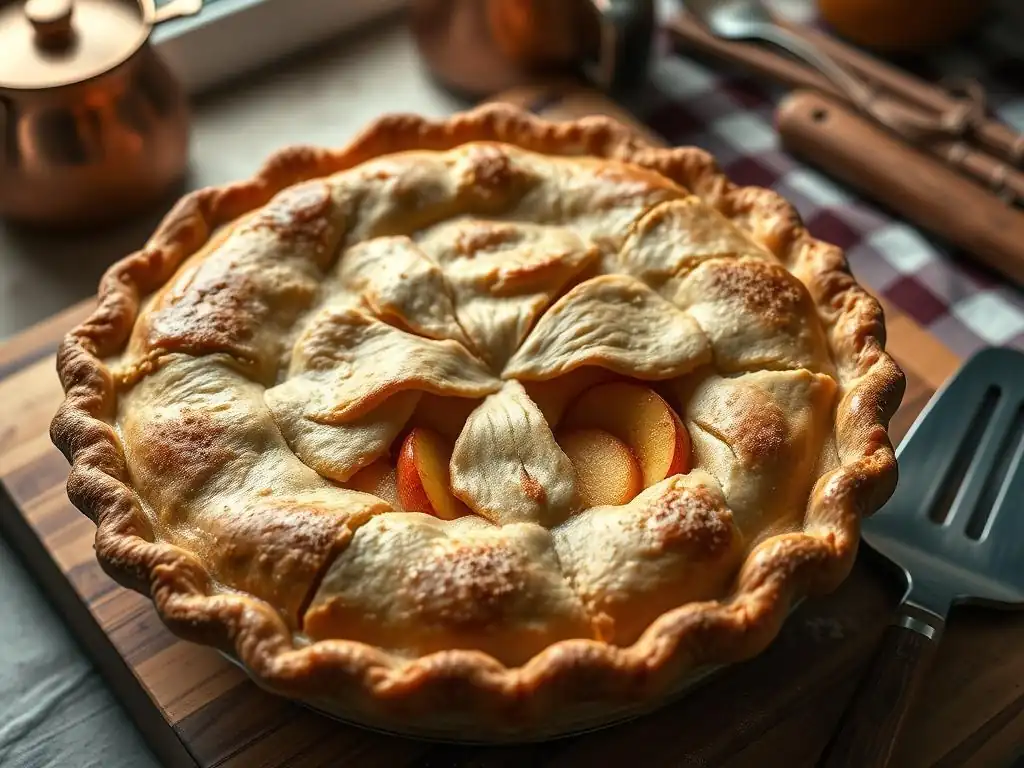
Welcome to BakeWithEase, your kitchen companion on the journey to baking brilliance! Are you ready to indulge in guilt-free deliciousness? Then you're in the right place! Discover the secrets to achieving that flaky, golden perfection with our easy keto pie crust recipe. But how do you ensure it stays crisp and doesn't crumble? Read on to unlock all the tips and tricks you need to bake irresistible, diet-friendly pies!
- How to Get the Perfect Crust on Your Keto Pies: Mastering the Technique
- Introduction: Achieving Keto Pie Crust Perfection
- Understanding the Key Ingredients
- Step-by-Step: The Keto Pie Crust Recipe
- Tips and Tricks for a Flawless Crust
- Keto Pie Crust Variations
- Troubleshooting: Common Problems and Solutions
- Keto Pie Filling Ideas
- Storing Your Keto Pie Crust
- Conclusion: Enjoy Delicious Keto Pies
- Frequently Asked Questions
- Final Reflection: Mastering the Keto Pie Crust: A Sweet Success
- Unleash Your Inner Keto Pastry Chef!
How to Get the Perfect Crust on Your Keto Pies: Mastering the Technique
Introduction: Achieving Keto Pie Crust Perfection
Why Keto Pie Crusts Can Be Tricky
Creating a delicious and flaky keto pie crust can feel like navigating a minefield compared to traditional wheat-based crusts. The primary challenge lies in the absence of gluten, the protein network that provides structure, elasticity, and that coveted flaky texture in conventional pastry. Without gluten, keto doughs, often based on nut or seed flours, tend to be more fragile, crumbly, and less forgiving. They can easily fall apart when rolling, crack during baking, or end up dense and tough if not handled correctly. Mastering an easy keto pie crust recipe requires understanding these fundamental differences.
Furthermore, the fat-to-flour ratio and the hydration levels needed for a successful keto crust differ significantly. Too little fat, and the crust is dry; too much, and it can be greasy. The absorption rate of common keto flours like almond and coconut flour is also much higher than wheat flour, demanding precise liquid measurements. A common pitfall is adding too much liquid too quickly, resulting in a sticky, unmanageable dough. Achieving that perfect balance is crucial for a flaky, easy keto pie crust recipe that holds its shape and provides a delightful contrast to your filling.
Secrets to a Flaky, Delicious Keto Pie Crust
The secret to a flaky, delicious keto pie crust recipe easy to make lies in a few key principles, mirroring some techniques used in traditional pastry but adapted for low-carb ingredients. Cold ingredients are paramount. Just like with wheat pastry, keeping the butter (or other fat) and even the mixing bowl cold helps create pockets of fat within the dough.
As the crust bakes, these fat pockets melt, releasing steam and creating separation between the layers of dough, which results in flakiness. Using chilled butter, often cut into small pieces or grated, and handling the dough minimally helps maintain this crucial cold state.
Another vital secret is the careful selection and combination of keto-friendly flours and binders. Relying solely on one type of flour, like almond flour, often results in a crumbly texture. Combining almond flour with a smaller amount of coconut flour can improve the dough's structure and absorption.
The addition of binding agents like xanthan gum or psyllium husk powder is also critical. These ingredients help mimic the binding properties of gluten, giving the dough enough cohesion to be rolled out and transferred without falling apart. A well-formulated easy keto pie crust recipe will balance these elements for optimal texture and handling.
Understanding the Key Ingredients
Almond Flour: The Foundation
Almond flour is the most common base for an easy keto pie crust recipe due to its mild flavor, relatively low carb count, and availability. It's made from ground blanched almonds, meaning the skins have been removed. There are two main types: super-fine and almond meal (which includes skins and is coarser). For a smooth, tender keto pie crust, super-fine blanched almond flour is generally preferred as it provides a finer texture and more consistent results. A standard cup of almond flour contains about 6 grams of net carbs, making it an excellent low-carb alternative to wheat flour.
Using almond flour effectively requires understanding its properties. It doesn't absorb liquid in the same way wheat flour does, and it lacks gluten, so it needs assistance to bind. Recipes often use between 1.5 to 2 cups of almond flour for a single pie crust, depending on the desired thickness and the other ingredients used. While it provides a good base, relying solely on almond flour can lead to a crumbly crust that's difficult to handle. Combining it with other ingredients, as discussed below, is key to a successful and easy keto pie crust recipe.
Coconut Flour: Binding Agent and Texture
Coconut flour is another popular keto baking ingredient, but it behaves very differently from almond flour. It is extremely absorbent, often requiring significantly less volume than almond flour in a recipe, sometimes as little as 1/4 to 1/3 cup for a standard pie crust. This high absorbency helps bind the dough and can improve the texture, preventing it from being overly greasy. However, using too much coconut flour can result in a dry, dense, or even gummy crust with a distinct coconut flavor, which may not be desirable for all fillings.
Incorporating a small amount of coconut flour into an easy keto pie crust recipe based primarily on almond flour can significantly improve the dough's workability and the final crust's structure. It helps absorb excess moisture from the fat and other wet ingredients, contributing to a more cohesive dough that is easier to roll and transfer. The ratio is important; typically, coconut flour is used in a much smaller proportion to almond flour, perhaps a 1:4 or 1:5 ratio, to leverage its binding properties without negatively impacting the flavor or texture.
Binding Agents: Xanthan Gum and Psyllium Husk
Since keto flours lack gluten, binding agents are often necessary to provide structure and elasticity to the dough, making it pliable enough to roll and preventing it from crumbling apart. Xanthan gum is a common additive in gluten-free and keto baking for this purpose. A small amount, usually just 1/2 to 1 teaspoon per crust recipe, can dramatically improve the dough's texture and handling, mimicking some of the properties of gluten. It helps hold the dough together during rolling and baking.
Psyllium husk powder is another effective binder, known for its ability to absorb large amounts of liquid and create a gel-like consistency. It can also contribute to a more bread-like or flaky texture in some keto baked goods. Like xanthan gum, only a small amount is needed, typically 1 to 2 teaspoons of the powder (or more if using whole husks). Some bakers prefer psyllium husk for its fiber content. Both xanthan gum and psyllium husk can be used in an easy keto pie crust recipe, sometimes even in combination, to achieve the desired dough consistency and prevent breakage.
Sweeteners: Choosing Keto-Friendly Options
For sweet keto pie crusts, incorporating a low-carb sweetener is essential. The choice of sweetener can affect not only the sweetness level but also the texture and browning of the crust. Erythritol, xylitol (use with caution around pets), and blends of erythritol with stevia or monk fruit are popular choices. Powdered or confectioners' style keto sweeteners are often preferred for pie crusts because they dissolve more easily into the dough, preventing a gritty texture. Granulated sweeteners can sometimes remain crystalline.
The amount of sweetener used in an easy keto pie crust recipe varies depending on personal preference and the intended filling. A typical recipe might use between 1 to 3 tablespoons of powdered sweetener. It's important to note that some keto sweeteners, particularly erythritol, do not caramelize or brown in the same way sugar does, which can impact the crust's color. Using a sweetener blend that includes monk fruit or stevia can sometimes help with browning, or techniques like a quick broil at the end can be used to achieve a golden finish.
Fat is Key: Butter and Coconut Oil
Fat is a critical component of any pie crust, and this holds true for an easy keto pie crust recipe. Fat provides flavor, tenderness, and contributes significantly to flakiness. Cold, unsalted butter is a classic choice, used in chilled pieces or grated into the dry ingredients. As the butter melts during baking, it creates steam, separating the layers of dough for that desirable flaky texture. Using cold butter is non-negotiable for achieving flakiness.
Coconut oil, particularly refined coconut oil (which has a neutral flavor), is another excellent fat option for keto pie crusts. It can be used in place of or in combination with butter. Like butter, it must be solid and cold when cut into the dry ingredients.
Some bakers prefer the texture achieved with a mix of butter and coconut oil. The amount of fat is crucial; too little results in a tough or dry crust, while too much makes the dough difficult to handle and the crust greasy. A standard easy keto pie crust recipe typically uses between 1/2 cup to 3/4 cup of cold fat.
Step-by-Step: The Keto Pie Crust Recipe
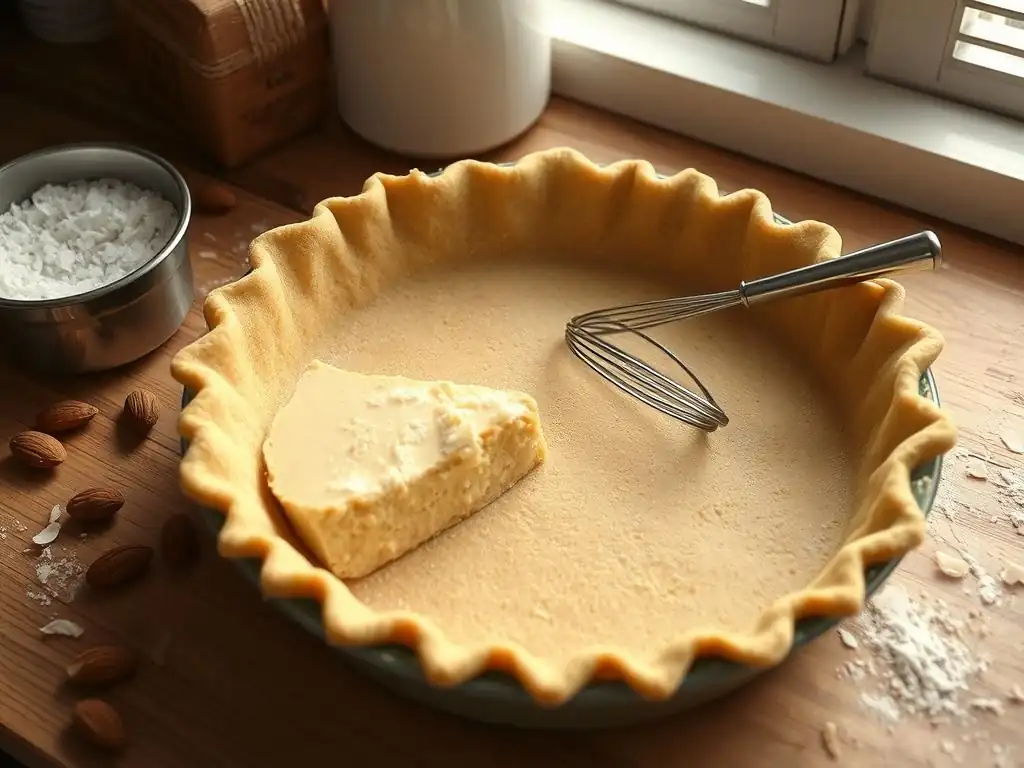
Step 1: Combining Dry Ingredients
The first step in creating an easy keto pie crust recipe is accurately measuring and combining your dry ingredients. This typically includes the primary keto flour (usually almond flour), any secondary flour like coconut flour, your chosen binding agent (xanthan gum or psyllium husk powder), a pinch of salt to enhance flavor, and sweetener if making a sweet crust. It's crucial to use a gentle hand here; whisking or sifting the dry ingredients together ensures they are evenly distributed.
Using proper measuring technique is important. For flours, spoon the flour lightly into the measuring cup and level it off with a straight edge rather than scooping directly from the bag, which can compact the flour and result in too much. Combine these dry elements in a medium to large bowl, ensuring the salt and binder are thoroughly mixed throughout the flour mixture. This initial step sets the stage for the fat incorporation and subsequent dough formation.
Step 2: Cutting in Fat
Cutting cold fat into the dry ingredients is a fundamental technique for achieving a flaky crust. The goal is to break the cold butter or coconut oil into small pieces, ranging in size from tiny crumbs to pea-sized lumps, distributed throughout the flour mixture. These pieces of fat will melt during baking, creating steam and separation. Use very cold butter, cut into small cubes, or even grate it using a box grater for easier incorporation.
You can cut the fat in using a pastry blender, two forks, or even your fingertips, working quickly to prevent the fat from warming up. Some people find a food processor makes this step incredibly easy, pulsing the cold fat with the dry ingredients until the mixture resembles coarse crumbs. The mixture should look sandy with visible pieces of fat throughout. This step is critical for the texture of your easy keto pie crust recipe.
Step 3: Adding Wet Ingredients and Forming Dough
Once the fat is cut in, it's time to add the wet ingredients. The most common wet ingredient is ice-cold water, sometimes mixed with a splash of apple cider vinegar or egg yolk for added richness and binding. Add the liquid gradually, usually starting with just a few tablespoons, and mix until the dough just begins to come together. The exact amount of liquid needed can vary depending on the humidity, the type of flour used, and how the fat was incorporated.
Mix the wet ingredients into the dry mixture using a fork or your hands until a cohesive dough forms. Be careful not to overwork the dough; mixing too much can develop the minimal structure provided by the binders too much, potentially leading to a tougher crust. The dough should be moist enough to hold together when gently squeezed but not sticky. It might still look a little crumbly, which is expected for an easy keto pie crust recipe.
Step 4: Chilling the Dough
Chilling the dough is a non-negotiable step for an easy keto pie crust recipe. This allows the fat to firm up again, making the dough much easier to handle and roll out without sticking or tearing. It also gives the flours and binders time to hydrate properly. After forming the dough, gather it into a disc shape, wrap it tightly in plastic wrap, and refrigerate for at least 30 minutes, but preferably for an hour or longer.
Chilling also helps prevent excessive shrinkage during baking. A well-chilled dough maintains its shape better in the oven. If the dough is too warm, the fat melts too quickly before the crust structure sets, causing it to slump. You can even chill the dough overnight; just let it sit at room temperature for a few minutes before attempting to roll it out if it's very firm.
Step 5: Rolling Out the Dough
Rolling out keto pie dough requires a gentle touch and a few tricks to manage its inherent fragility. Because it lacks gluten, it won't stretch like wheat dough. The easiest method is often rolling the dough between two sheets of parchment paper or plastic wrap. This prevents sticking and makes transferring the dough much simpler. Lightly dusting the parchment with a little extra almond flour can also help.
Roll the dough evenly to your desired thickness, typically around 1/8 to 1/4 inch. Work from the center outwards, turning the dough occasionally if not using parchment paper to ensure it doesn't stick. If the dough cracks around the edges, simply press it back together with your fingers. Aim for a circle large enough to fit your pie dish with some overhang for crimping. Don't force the dough if it's resisting; let it rest for a few minutes if it becomes too firm.
Step 6: Transferring to Pie Dish
Transferring the rolled keto pie dough to the pie dish is often the trickiest part of an easy keto pie crust recipe. If you rolled it between parchment paper, simply peel off the top layer of parchment, invert the dough over your pie dish, and gently peel off the second layer. The parchment makes this process significantly less stressful, minimizing the risk of tearing.
Alternatively, if you rolled it directly on a surface, you can carefully roll the dough loosely around your rolling pin and then unroll it over the pie dish. Once in the dish, gently press the dough into the contours of the pan, being careful not to stretch it, which can cause shrinkage. Repair any cracks by pressing the dough together or patching with small pieces of leftover dough. Trim the edges, leaving about a 1-inch overhang for crimping, or simply press the edges against the rim of the dish.
Step 7: Pre-Baking (Blind Baking)
Pre-baking, or blind baking, the keto pie crust is often necessary, especially for pies with wet fillings that don't require much baking time (like no-bake cheesecakes or puddings). This step helps set the crust, preventing a soggy bottom. To blind bake, first prick the bottom of the dough all over with a fork. This allows steam to escape and prevents the crust from puffing up.
Line the dough with parchment paper or foil and fill it with pie weights, dried beans, or rice. The weights help the crust maintain its shape and prevent the sides from collapsing. Bake in a preheated oven (often around 350-375°F or 175-190°C) for about 10-15 minutes, or until the edges are lightly golden. Remove the weights and parchment/foil and continue baking for another 5-10 minutes, or until the bottom looks dry and slightly golden. This sets the crust beautifully for your filling.
Tips and Tricks for a Flawless Crust
Preventing a Soggy Bottom
A soggy bottom is a common woe, even with an easy keto pie crust recipe. The most effective way to prevent it is through blind baking, as described in Step 7. Setting the crust first creates a barrier against moisture from the filling. For wet fillings that do bake, consider brushing the blind-baked crust with a thin layer of egg white before adding the filling and baking. The egg white cooks quickly and forms a seal.
Ensuring your filling isn't excessively watery is also key. Allow hot fillings to cool slightly before pouring them into the pre-baked crust. For fruit fillings, consider mixing in a small amount of a keto-friendly thickener like chia seeds, flax meal, or a tiny bit of xanthan gum to absorb excess liquid. Baking the pie on a preheated baking sheet can also help, as the direct heat helps the bottom crust cook faster.
Achieving a Golden-Brown Color
Keto pie crusts made with almond flour and keto sweeteners don't brown as readily as traditional wheat crusts with sugar. To achieve a more golden-brown color, you have a few options. One simple method is to give the crust a quick brush with an egg wash (a beaten egg mixed with a tablespoon of water or cream) before baking. This adds richness and promotes browning.
Another technique, especially after blind baking or towards the end of the final bake, is to carefully place the pie under a broiler for just a minute or two. Watch it very closely, as it can go from golden to burnt in seconds. Some recipes might also recommend slightly increasing the oven temperature for the last few minutes of baking to encourage browning, but again, monitor it constantly to avoid burning the delicate nut flours.
Dealing with Cracks and Tears
Cracks and tears are almost inevitable when working with an easy keto pie crust recipe, especially during rolling and transferring. Don't despair! Keto dough is very forgiving when it comes to patching. If you notice a crack while rolling, simply press the edges together with your fingers. If a tear occurs during transfer, gently push the edges back together in the pie dish.
For larger tears or holes, grab a small piece of leftover dough, press it into the gap, and smooth the edges with your fingers. You can even dip your finger in a little water to help smooth the patch. Once baked, these patches are usually invisible or blend seamlessly into the crust. Think of the dough as moldable clay; you can always fix imperfections before it goes into the oven.
Avoiding a Dry, Crumbly Crust
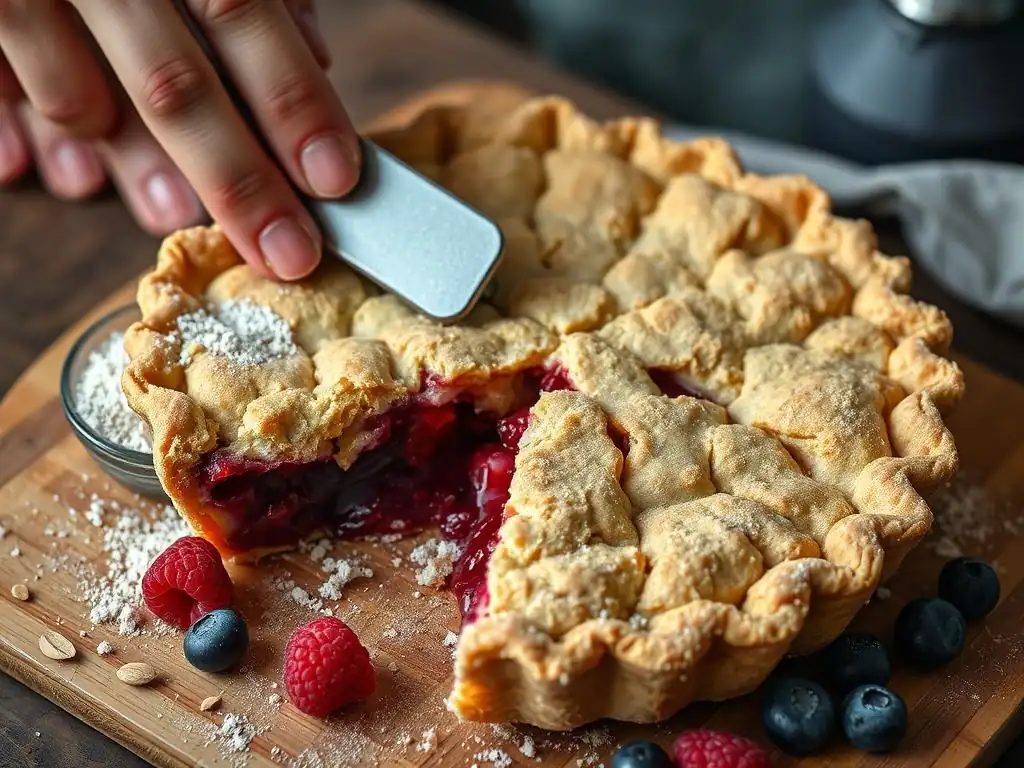
A dry, crumbly easy keto pie crust recipe is often the result of too little fat, too little liquid, or over-baking. Ensure you use the specified amount of cold fat and cut it in properly, leaving some visible pieces. Add the wet ingredients gradually until the dough just comes together – it should be cohesive but not wet. If your dough feels too dry when you're forming the disc, you can knead in a tiny bit more cold water or melted coconut oil (chilled until just solid) until it reaches the right consistency.
When baking, keep a close eye on the crust, especially if blind baking. Keto flours can brown and dry out quickly. Bake only until the crust is set and lightly golden, not dark brown. The total baking time will depend on your oven and the recipe, but typically ranges from 15 to 25 minutes for a blind bake. If the edges are browning too fast during the main bake with the filling, you can cover them with foil or a pie shield.
Perfecting the Edge: Crimping and Decorating
Even without gluten, you can still create beautiful edges for your easy keto pie crust recipe. The simplest method is pressing the dough overhang against the rim of the pie dish with a fork. For a fluted edge, use your thumb and index finger on one hand to pinch the dough from the inside, while using the index finger of your other hand to push the dough from the outside into the groove. Repeat around the edge.
If the dough is too soft or warm to crimp easily, pop the pie dish back into the refrigerator for 10-15 minutes to firm up the edges before attempting to shape them. You can also use cookie cutters to create decorative shapes from leftover dough to adorn the top of the crust or edge. Remember, chilled dough is easier to work with for decorative finishes.
Keto Pie Crust Variations
Chocolate Crust
Creating a chocolate version of your easy keto pie crust recipe is simple and adds a rich flavor profile perfect for chocolate, berry, or cream fillings. To make a chocolate keto crust, simply replace a small portion of the almond flour (typically 1/4 cup per standard crust) with unsweetened cocoa powder. Ensure the cocoa powder is unsweetened to keep the carb count low.
Mix the cocoa powder in with the dry ingredients in Step 1. Proceed with the rest of the recipe as usual. The resulting crust will have a lovely dark color and a deep chocolate flavor that pairs wonderfully with various keto fillings. Be mindful that the cocoa powder can make the dough slightly more delicate, so handle with care.
Nutty Crust (Walnut, Pecan, Macadamia)
For added flavor and texture, you can create a nutty variation of your easy keto pie crust recipe by incorporating finely ground nuts other than almond. Replace a portion of the almond flour, perhaps 1/2 to 1 cup, with finely ground walnuts, pecans, or macadamia nuts. Ensure the nuts are ground very finely, almost to a flour consistency, to integrate smoothly into the dough.
Walnuts and pecans offer a slightly more rustic texture and distinct flavor, while macadamias provide a rich, buttery note. Be aware that grinding nuts yourself can sometimes result in a coarser flour than store-bought almond flour, which might affect the dough's handling. Ensure the nuts are fresh and not rancid before grinding.
Herb-Infused Crust
A savory easy keto pie crust recipe can be elevated with the addition of dried herbs. This variation is perfect for quiches, tarts, or savory pot pies. Stir 1 to 2 teaspoons of dried herbs into the dry ingredients in Step 1. Good choices include Italian seasoning, dried rosemary, thyme, or a blend like Herbes de Provence.
The herbs infuse the crust with aromatic flavor as it bakes. You can also add a pinch of garlic powder or onion powder for extra savory depth. This simple addition transforms a basic keto crust into a flavorful base for savory dishes.
Spiced Crust
For sweet pies, especially fall and winter flavors, adding warm spices to your easy keto pie crust recipe creates an inviting aroma and taste. Mix 1 to 2 teaspoons of ground cinnamon, nutmeg, ginger, or a pumpkin pie spice blend into the dry ingredients.
Adjust the amount of spice based on your preference and the filling you plan to use. Cinnamon is a classic addition for apple or pumpkin keto pies, while ginger and nutmeg add warmth. Ensure the spices are fresh for maximum flavor impact.
Troubleshooting: Common Problems and Solutions
Crust is Too Crumbly
If your easy keto pie crust recipe dough is too crumbly and won't hold together, it likely needs more liquid or fat. Gently knead in a teaspoon of ice-cold water or melted (but chilled until solid) coconut oil at a time until the dough just comes together when squeezed. Avoid adding too much at once, which can make it sticky. Ensure your fat was sufficiently cold and properly cut into the flour.
Another reason could be using too much coconut flour relative to almond flour, as coconut flour absorbs a lot of liquid. Check your recipe's ratios. If the dough is still too crumbly after chilling, let it sit at room temperature for a few minutes to soften slightly before attempting to roll.
Crust is Too Tough
A tough keto pie crust, though less common than a crumbly one due to the lack of gluten, can happen if the dough is overworked or baked at too high a temperature for too long. Once the wet ingredients are added, mix the dough only until it just comes together. Avoid excessive kneading or handling.
Ensure you are baking the crust at the temperature specified in your easy keto pie crust recipe and for the correct duration. Over-baking will dry out the crust and can make it hard. If your oven runs hot, consider lowering the temperature slightly or reducing the baking time.
Crust Shrinks During Baking
Shrinkage is often a result of the fat melting too quickly before the crust structure sets, or stretching the dough when placing it in the pie dish. Ensure your dough is thoroughly chilled for at least 30-60 minutes before rolling and transferring. Cold fat melts slower.
When transferring the dough to the dish, press it gently into place without stretching it. Any stretching will cause it to snap back during baking. Using pie weights during blind baking also helps hold the crust against the sides of the dish, minimizing shrinkage.
Crust Sticks to the Dish
Sticking can occur if the pie dish is not properly greased or if the crust is very fragile. While many easy keto pie crust recipes don't explicitly call for greasing the dish when blind baking with weights, a light coating of butter or cooking spray can act as insurance, especially with delicate nut-based crusts.
Ensure the crust is fully baked and cooled slightly before attempting to remove slices. A warm crust is more likely to break and stick. Using a non-stick pie dish can also help.
Keto Pie Filling Ideas
Savory Filling Ideas
An easy keto pie crust recipe is a fantastic base for savory low-carb tarts and quiches. Consider fillings like:
- Spinach and Feta: Sautéed spinach, crumbled feta cheese, and perhaps some sun-dried tomatoes baked in an egg and cream custard.
- Broccoli and Cheddar: Steamed broccoli florets and sharp cheddar cheese blended with eggs and cream.
- Mushroom and Onion: Sautéed mushrooms and caramelized onions in a savory egg custard.
- Bacon and Leek: Crumbled cooked bacon and gently sautéed leeks in a classic quiche filling.
- Ground Meat and Vegetable: A mixture of seasoned ground beef or sausage with low-carb vegetables like peppers, onions, and zucchini, potentially topped with cheese.
These savory options turn your keto pie crust into a satisfying meal.
Sweet Filling Ideas
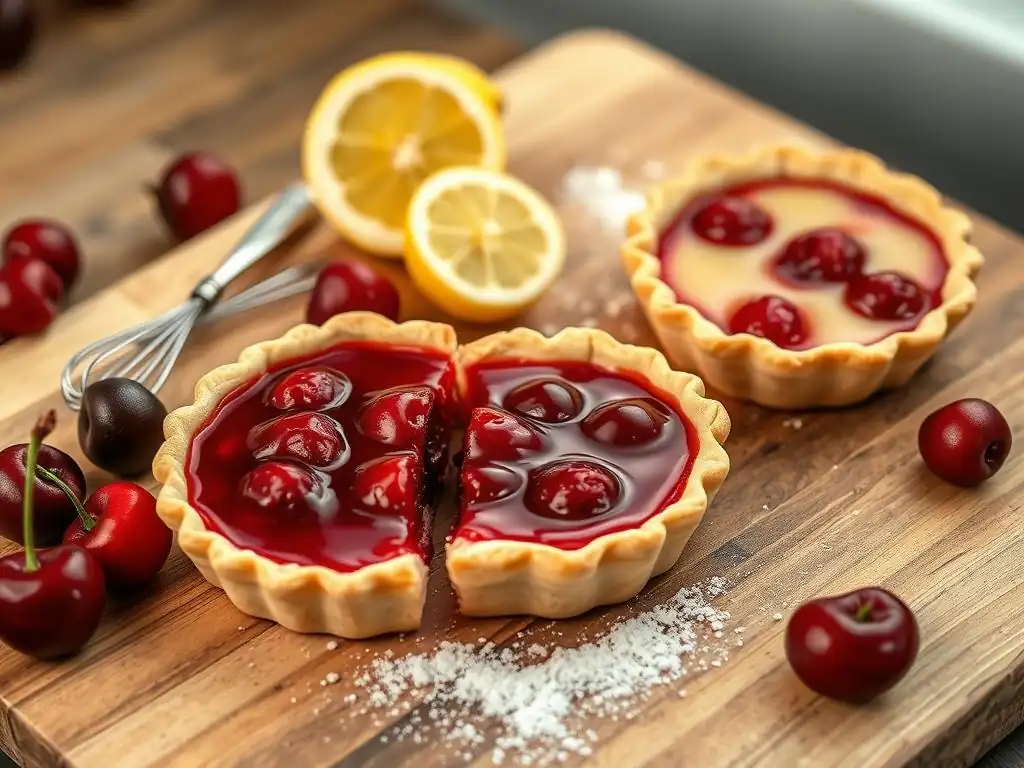
The possibilities for sweet keto pie fillings are vast and delicious, perfectly complementing an easy keto pie crust recipe:
- Keto Pumpkin Pie: A classic spiced pumpkin custard made with keto sweetener and cream.
- Keto Pecan Pie: A gooey, sweet filling made with sugar-free syrup, pecans, and eggs.
- Keto Berry Pie: A mixture of low-carb berries (strawberries, blueberries in moderation, raspberries, blackberries) thickened with chia seeds or a touch of xanthan gum.
- Keto Chocolate Cream Pie: A rich, sugar-free chocolate pudding filling topped with keto whipped cream.
- Keto Lemon Meringue Pie: A tangy sugar-free lemon curd topped with a fluffy baked meringue.
- Keto Cheesecake: A creamy, baked or no-bake cheesecake filling poured into a baked keto crust.
These sweet fillings allow you to enjoy your favorite pie flavors while staying low-carb.
Storing Your Keto Pie Crust
Storing Unbaked Dough
Unbaked easy keto pie crust recipe dough can be made ahead of time and stored for later use. After forming the disc and wrapping it tightly in plastic wrap, it can be kept in the refrigerator for up to 3-4 days. This allows you to prep components of your keto pie in advance, saving time on baking day.
If storing for longer, the dough freezes exceptionally well. Wrap the plastic-wrapped disc in an additional layer of foil or place it in a freezer-safe bag. Label with the date. Frozen dough can be stored for up to 2-3 months. Thaw it overnight in the refrigerator before rolling and baking.
Storing Baked Crust
If you've blind-baked an easy keto pie crust recipe ahead of time, you can store the cooled crust before adding the filling. Allow the crust to cool completely in the pie dish on a wire rack. Once cool, the crust can be covered loosely with plastic wrap or foil and left at room temperature for up to 1-2 days, especially if your environment is not humid.
For longer storage, the baked crust can be refrigerated for up to 3-4 days. Ensure it's well-covered to prevent it from drying out or absorbing odors from the refrigerator.
Freezing Crust for Later Use
Baked keto pie crusts can also be frozen, which is incredibly convenient for future pie-making endeavors. Once the blind-baked crust has cooled completely in the pie dish, wrap the entire dish tightly in plastic wrap, then wrap it again in foil or place it in a large freezer bag. Label with the date.
Frozen baked crusts can be stored for up to 2-3 months. To use, remove from the freezer and let it thaw completely at room temperature (this may take a couple of hours) before adding your filling and finishing the bake (if required) or serving with a no-bake filling.
Conclusion: Enjoy Delicious Keto Pies
Mastering the Recipe
Mastering an easy keto pie crust recipe opens up a world of low-carb dessert and savory options. While it presents unique challenges compared to traditional wheat pastry, understanding the role of key ingredients like almond flour, coconut flour, and binders, along with employing proper techniques like keeping ingredients cold and blind baking, is key to success. Don't be discouraged by initial attempts; practice makes perfect. Each time you make a keto pie crust, you'll learn more about how the dough behaves and how to handle it for the best results.
The journey to a perfect flaky, tender keto pie crust is rewarding. It involves patience, attention to detail, and a willingness to learn from each bake. With the right knowledge and a reliable easy keto pie crust recipe, you can consistently create delicious crusts that are the perfect foundation for your favorite keto fillings, allowing you to enjoy classic comfort foods while sticking to your dietary goals.
Celebrate Your Baking Success
There's immense satisfaction in pulling a perfectly baked keto pie from the oven, complete with a golden, flaky crust. Celebrate your baking success by sharing your delicious creations with friends and family, whether it's a classic keto pumpkin pie for the holidays or a savory keto quiche for brunch. Each successful easy keto pie crust recipe you conquer is a testament to your growing skills in the art of keto baking.
Embrace the process, experiment with different fillings and variations, and most importantly, enjoy the delicious results of your hard work. Baking should be a joyful experience, and creating beautiful, tasty keto pies is certainly something to be proud of. Keep baking, keep experimenting, and keep enjoying your low-carb culinary adventures!
Frequently Asked Questions
How does a keto pie crust differ from a traditional pie crust?
A keto pie crust typically uses almond flour and coconut flour instead of wheat flour, and a low-carb sweetener replaces sugar. This results in a crust with significantly fewer net carbohydrates than a traditional pie crust.
What are the key ingredients needed for an easy keto pie crust recipe?
The core ingredients usually include almond flour, coconut flour, butter or coconut oil, an egg or egg substitute, and a keto-friendly sweetener like erythritol or stevia.
Why is my keto pie crust crumbly?
Keto pie crusts can be crumbly due to the lack of gluten. Using a binder like xanthan gum and ensuring the butter is very cold can help improve the texture and prevent crumbling.
Can I freeze a keto pie crust?
Yes, you can freeze both baked and unbaked keto pie crusts. Wrap the crust tightly in plastic wrap and then foil for optimal protection and to prevent freezer burn.
What kind of fillings work best with a keto pie crust?
Fillings that are low in carbohydrates and high in fat pair well with keto pie crusts. Think sugar-free fruit fillings, creamy custard fillings made with almond milk, or savory fillings with cheese and vegetables.
Final Reflection: Mastering the Keto Pie Crust: A Sweet Success
The quest for the perfect keto pie crust is more than just a culinary challenge; it's a testament to the power of adaptation and delicious innovation. The recipes and techniques explored in this article demonstrate that embracing a low-carb lifestyle doesn't mean sacrificing the joy of a perfectly flaky, golden-brown pie crust. It simply requires a little ingenuity and a willingness to experiment.
The journey to mastering the keto pie crust reflects a larger cultural shift towards mindful eating and dietary flexibility. We're no longer bound by restrictive diets that eliminate pleasure; instead, we're finding creative ways to enjoy our favorite foods while meeting our health goals. This pursuit of deliciousness, even within dietary constraints, speaks to a deeper human need for comfort and celebration. Food is symbolic of love when words are inadequate.
- Alan D. Wolfelt. This sentiment rings true whether you're sharing a traditional apple pie or a keto-friendly pumpkin creation.
Now, it's your turn. Don't be intimidated by the seemingly complex world of keto baking. Take the techniques and recipes outlined in this article, experiment with different flours and fats, and most importantly, have fun! The perfect keto pie crust awaits – a testament to your culinary creativity and a delicious reward for your efforts. Embrace the challenge, and savor the sweet success.
Unleash Your Inner Keto Pastry Chef!
Thanks for taking the time to explore the secrets of the perfect keto pie crust! You've now got the knowledge to bake delicious, guilt-free desserts. Ready to put your new skills to the test?
- Bake your dream keto pie today! Use your newfound expertise to create a masterpiece—we can't wait to see it!
- Share your keto pie creation on social media using #BakeWithEaseKetoPies. Let's inspire others!
- Challenge yourself: Try experimenting with different keto-friendly fillings and crust variations. What exciting flavor combinations will you discover?
What unique twist will you add to your next keto pie creation?