
Healthy Keto Cake Frosting: Avocado, Coconut Cream & More

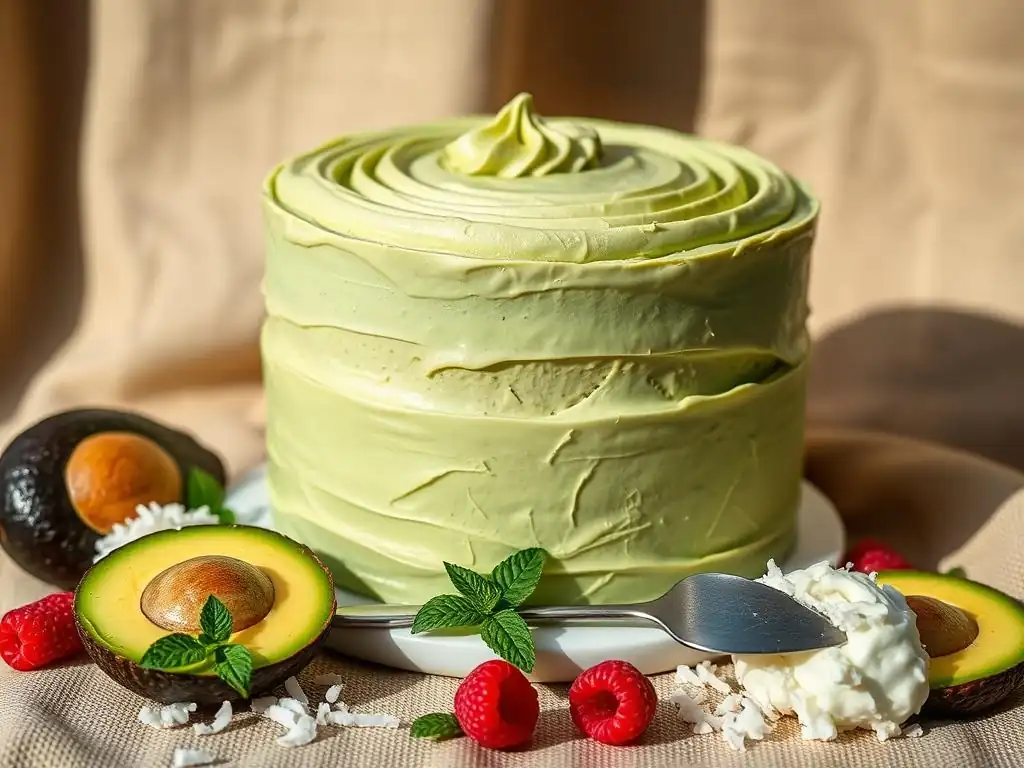
Welcome to BakeWithEase, your haven for effortless baking! Ever dreamed of a decadent cake frosting that aligns with your health goals? Prepare to have your expectations deliciously shattered. Dive into our guide and discover a healthy keto cake frosting recipe that utilizes surprising ingredients like avocado and coconut cream, proving that indulgence and well-being can beautifully coexist. Ready to frost your cake with guilt-free pleasure?
- Introduction to Healthy Keto Cake Frosting
- Why Choose Keto Frosting?
- Avocado Keto Frosting Recipe
- Coconut Cream Keto Frosting Recipe
- Other Healthy Keto Frosting Options
- Key Ingredients for Healthy Keto Frosting
- Tips for Decorating Keto Cakes with Healthy Frosting
- Storing Your Healthy Keto Cake Frosting
- Adapting and Customizing Your Keto Frosting
- Conclusion: Enjoy Guilt-Free Keto Cake with Healthy Frosting
- Frequently Asked Questions
- Final Reflection: The Sweetness of Healthy Indulgence
- Unlock Your Keto Baking Potential!
Introduction to Healthy Keto Cake Frosting
Discover Delicious and Guilt-Free Keto Frosting Recipes
Navigating the world of keto baking can sometimes feel like a challenge, especially when it comes to finding the perfect frosting that is both delicious and compliant with your low-carb lifestyle. Traditional frostings are loaded with sugar, which is a definite no-go on a ketogenic diet. However, embracing a healthy keto cake frosting recipe doesn't mean sacrificing taste or texture.
In fact, with the right ingredients and techniques, you can create frostings that are just as rich, creamy, and satisfying as their sugary counterparts, all while keeping net carbs low. This opens up a world of possibilities for enjoying celebratory cakes or simple sweet treats without derailing your progress.
This guide explores several fantastic options for crafting healthy keto cake frosting right in your own kitchen. We'll dive into unexpected ingredients like avocado, explore the versatility of coconut cream, and revisit keto classics like cream cheese frosting. Each recipe and tip is designed to be easy to follow, even for novice bakers.
Our goal is to empower you to whip up delightful low-carb frostings that pair perfectly with your keto cakes, cupcakes, or cookies, proving that healthy eating can absolutely include decadent desserts. Get ready to transform your keto baking with these simple yet effective healthy keto cake frosting ideas.
BakeWithEase's Guide to Sugar-Free Cake Frosting
At BakeWithEase, we believe that baking should be accessible and enjoyable for everyone, regardless of dietary restrictions. Our mission is to provide clear, step-by-step guidance and reliable recipes that help you achieve baking success. This comprehensive guide to sugar-free cake frosting is born from that philosophy. We've tested various approaches and ingredients to bring you the most effective methods for creating a healthy keto cake frosting that tastes incredible and fits seamlessly into a ketogenic diet. Forget complicated processes or hard-to-find ingredients; we focus on simplicity and delicious results.
We understand that switching to sugar-free baking can involve a learning curve. Sugar does more than just sweeten; it affects texture, moisture, and structure. Therefore, adapting traditional frosting concepts to a keto framework requires a thoughtful approach to sweeteners, fats, and thickeners.
This guide will walk you through the essential components of a great healthy keto cake frosting recipe, explaining the 'why' behind ingredient choices and offering practical tips for achieving the desired consistency and flavor. Whether you're looking for a vibrant green avocado frosting or a pure white coconut cream dream, BakeWithEase is here to help you master the art of sugar-free frosting.
Why Choose Keto Frosting?
The Benefits of Low-Carb Frosting for Keto Diets
Choosing a low-carb frosting is fundamental for anyone following a ketogenic diet, which emphasizes high fat, moderate protein, and very low carbohydrate intake. Traditional frostings are typically made with powdered sugar, which is essentially pure carbohydrate.
A single cup of powdered sugar contains over 200 grams of carbohydrates, with virtually no fiber, making it a direct source of glucose that can quickly kick you out of ketosis. Opting for a healthy keto cake frosting recipe made with keto-friendly sweeteners and fats allows you to enjoy a sweet treat without the massive carb load, helping you maintain metabolic ketosis and continue burning fat for energy.
Beyond maintaining ketosis, reducing sugar intake has numerous health benefits. High sugar consumption is linked to inflammation, weight gain, increased risk of type 2 diabetes, and other metabolic issues. By choosing a healthy keto cake frosting, you actively reduce your exposure to these risks.
Keto frostings often utilize healthy fats like butter, coconut cream, or avocado, which are satiating and provide beneficial fatty acids. For example, avocado is rich in monounsaturated fats and fiber, while coconut cream contains medium-chain triglycerides (MCTs). A typical serving of traditional frosting might contain 20-30g of net carbs, whereas a serving of a well-made healthy keto cake frosting recipe could have as little as 1-3g net carbs, a significant difference that supports overall health and dietary goals.
Sugar Alternatives in Keto Baking: A Healthier Choice
The cornerstone of any healthy keto cake frosting recipe is the sugar alternative used for sweetening. Unlike sugar, keto-friendly sweeteners have minimal to no impact on blood sugar levels, meaning they don't cause the sharp insulin spikes associated with consuming traditional sugar. This is crucial for individuals managing blood sugar, including those with diabetes or insulin resistance, and essential for maintaining ketosis. Common keto sweeteners include erythritol, xylitol, stevia, and monk fruit extract. Each has different properties, sweetness levels, and potential aftertastes, making the choice somewhat personal and dependent on the specific recipe.
Using sugar alternatives also contributes to better dental health, as they are not metabolized by oral bacteria in the same way sugar is, thus reducing the risk of cavities. While some artificial sweeteners exist, many people on keto prefer natural alternatives like stevia or monk fruit, or sugar alcohols like erythritol, due to concerns about potential health effects or aftertastes. For instance, erythritol is a popular choice for a healthy keto cake frosting recipe because it measures similarly to sugar and provides bulk, although some sensitive individuals may experience a cooling sensation.
Xylitol is another option, but it's highly toxic to dogs and should be used with extreme caution in households with pets. Understanding these alternatives is key to creating a delicious and truly healthy keto cake frosting.
Avocado Keto Frosting Recipe
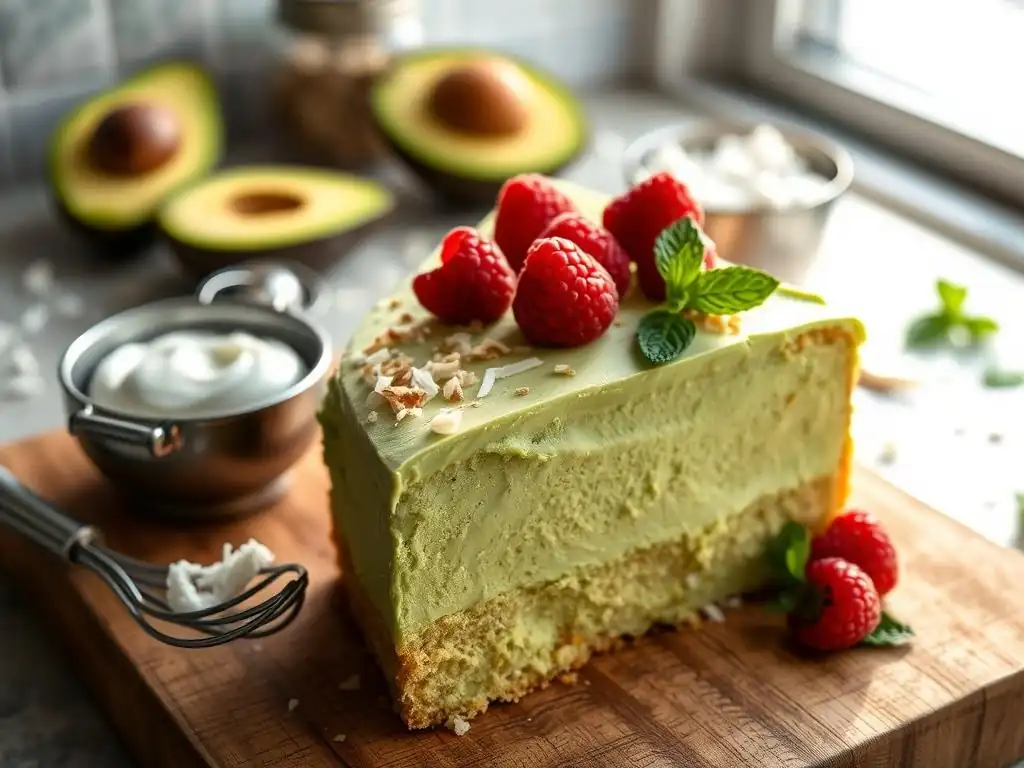
Creamy Avocado Frosting: A Surprisingly Delicious Keto Option
Avocado might not be the first ingredient that comes to mind when you think of cake frosting, but it's a secret weapon for creating a surprisingly creamy and nutrient-dense healthy keto cake frosting. The natural richness and smooth texture of ripe avocados make them an excellent base, mimicking the mouthfeel of traditional buttercream.
While avocados do have a distinct flavor, it can be easily masked with cocoa powder, extracts, and sweeteners, resulting in a decadent chocolate frosting or a vibrant green vanilla or mint version that's packed with healthy fats, fiber, potassium, and vitamins E and C. This type of healthy keto cake frosting recipe is particularly appealing for those looking for dairy-free or vegan options.
The key to a successful avocado frosting is using very ripe avocados to ensure maximum creaminess and minimal avocado flavor. The subtle green hue is a visual indicator of its wholesome base, and it can be a fun, natural food coloring for specific themes like St. Patrick's Day or nature-inspired cakes.
Don't be skeptical – when combined with the right ingredients, the avocado flavor is virtually undetectable, leaving you with a smooth, rich, and undeniably healthy keto cake frosting that's low in net carbs and high in beneficial nutrients. It's a fantastic way to add healthy fats to your dessert while keeping sugar and processed ingredients out.
Ingredients for Avocado Keto Frosting
Creating a delicious healthy keto cake frosting using avocado requires just a few simple ingredients. The base relies on the avocado's texture, while other components provide sweetness, flavor, and stability.
- 2 medium ripe avocados: Ensure they are soft to the touch for optimal creaminess.
- 1/2 cup powdered keto sweetener: Erythritol-based or a blend works well. Adjust to taste.
- 1/4 cup unsweetened cocoa powder (optional): For a chocolate version. Omit for vanilla/other flavors.
- 1/4 cup melted coconut oil or softened butter: Adds richness and helps it set slightly.
- 1/4 cup full-fat coconut milk or heavy cream: Adjust for desired consistency.
- 1 teaspoon vanilla extract: Essential for masking the avocado flavor.
- Pinch of salt: Enhances the sweetness.
These ingredients are readily available and relatively inexpensive. The resulting batch typically yields enough frosting to generously cover a 9-inch layer cake or about 12 cupcakes. Using powdered sweetener is crucial as granulated sweeteners will result in a grainy texture. For the best results with this healthy keto cake frosting recipe, gather all your ingredients before you begin.
Step-by-Step Guide to Making Avocado Keto Frosting
Making avocado keto frosting is incredibly simple, requiring minimal effort and equipment. A food processor or high-powered blender is recommended for achieving the smoothest texture, free from any avocado lumps.
- Prepare the Avocados: Cut the avocados in half, remove the pits, and scoop the flesh into the bowl of your food processor or blender.
- Add Wet Ingredients: Add the melted coconut oil (or softened butter), coconut milk (or heavy cream), and vanilla extract to the processor.
- Add Dry Ingredients: Add the powdered keto sweetener and salt. If making chocolate frosting, add the unsweetened cocoa powder now.
- Blend Until Smooth: Process the mixture on high speed. Scrape down the sides periodically with a spatula to ensure everything is incorporated. Continue blending until the frosting is completely smooth and no avocado chunks remain. This may take 2-3 minutes.
- Taste and Adjust: Stop the processor and taste the frosting. Add more sweetener if needed, a tiny pinch more salt, or an extra splash of liquid if it's too thick. Blend again briefly to incorporate.
- Chill: For best results and a firmer consistency, transfer the frosting to an airtight container and refrigerate for at least 30-60 minutes before using. Chilling allows the fats to firm up and the flavors to meld.
Following these steps will give you a beautiful, creamy, and healthy keto cake frosting that's ready to spread or pipe. The chilling step is particularly important for achieving a pipeable consistency, as the fats will solidify slightly when cold.
Tips for Perfect Avocado Frosting Consistency
Achieving the ideal consistency for your healthy keto cake frosting is key to its usability, whether you're spreading it smoothly or piping intricate designs. Avocado frosting can sometimes be a bit softer than traditional buttercreams due to the nature of the fruit.
- Use Ripe, Not Overripe Avocados: While ripe is good, overly brown or stringy avocados can affect both texture and flavor. Aim for avocados that yield gently to pressure.
- Blend Thoroughly: This is the most critical step. Any small lumps of avocado will ruin the smooth texture. Blend for longer than you think you need to, scraping down the sides multiple times.
- Adjust Liquid Slowly: If the frosting is too thick, add liquid (coconut milk or cream) one tablespoon at a time, blending after each addition, until you reach the desired consistency.
- Chill, Chill, Chill: Refrigeration is your best friend for firming up avocado frosting. If it's too soft to work with, a 30-60 minute stint in the fridge can make a significant difference. If you're piping, you might even need slightly longer.
- Add a Thickener (Optional): For extra stability, especially in warmer environments, you can try adding 1/2 to 1 teaspoon of xanthan gum or guar gum while blending. These keto-friendly thickeners can help create a firmer, more pipeable healthy keto cake frosting. Add them gradually as they can thicken quickly.
By paying attention to these details, you can ensure your healthy keto cake frosting made with avocado turns out perfectly every time, ready to adorn your keto baked goods.
Coconut Cream Keto Frosting Recipe
Rich and Decadent Coconut Cream Frosting: Keto-Friendly Indulgence
Coconut cream frosting is a wonderfully versatile and naturally dairy-free option for a healthy keto cake frosting. When whipped properly, chilled coconut cream transforms into a light yet rich and decadent topping that's perfect for cakes, cupcakes, and even fruit. It offers a subtle tropical flavor that pairs beautifully with chocolate, vanilla, or fruit-flavored keto cakes. Unlike some other keto frostings that rely heavily on butter or cream cheese, this version provides a distinct texture and taste profile, making it a popular choice for those with dairy sensitivities or those simply seeking a different kind of richness.
The magic of coconut cream frosting lies in the high-fat content of full-fat coconut milk. When chilled, the solid cream separates from the liquid. This solid cream is then whipped, much like heavy cream, to create a fluffy, spreadable frosting. It's a simple concept, but selecting the right product and ensuring proper chilling are absolutely essential for success. A well-made coconut cream healthy keto cake frosting recipe is surprisingly stable and holds its shape well, making it suitable for piping decorations. It's a truly indulgent option that doesn't compromise on your keto goals.
Selecting the Right Coconut Cream for Keto Frosting
The success of your coconut cream healthy keto cake frosting recipe hinges almost entirely on using the correct product. You need full-fat canned coconut milk or canned coconut cream. Avoid "light" versions, cartons of coconut milk (like those used for drinking), or products with added gums or stabilizers unless they are specifically labeled as suitable for whipping. Look for cans that list coconut extract and water as the primary ingredients. The higher the fat content (usually indicated by the thickness of the solid layer when chilled), the better it will whip.
Different brands vary significantly in their fat content and how well the cream separates. Some popular brands known for having a good solid cream layer include Aroy-D, Thai Kitchen (the full-fat version), and Native Forest (specifically the simple ingredient types). It's often a good idea to buy a couple of different brands to see which works best for you.
The absolute key is to chill the can undisturbed in the refrigerator for at least 24 hours, or ideally 48 hours. This allows the thick cream to rise to the top and solidify, making it easy to scoop out and whip, leaving the watery liquid behind.
How to Make Coconut Cream Keto Frosting: A Simple Recipe
Once you have your properly chilled coconut cream, making this healthy keto cake frosting is straightforward. The process is similar to making whipped cream.
- Chill Equipment: Place your mixing bowl and whisk attachment (from a stand mixer or hand mixer) in the freezer for 10-15 minutes before starting. Cold equipment helps the cream whip better.
- Scoop the Cream: Carefully open the chilled can of coconut milk/cream without shaking it. Scoop out the thick, solid cream layer from the top of the can into the chilled mixing bowl. Reserve the liquid at the bottom of the can for smoothies or other uses; you won't need it for the frosting.
- Whip the Cream: Begin whipping the coconut cream on medium speed. As it starts to break up, gradually increase the speed to high. Whip until soft peaks form, similar to whipped cream. This usually takes 3-5 minutes depending on your mixer and the cream.
- Add Sweetener and Flavor: Reduce the speed to low and gradually add powdered keto sweetener to taste (start with about 1/4 to 1/2 cup). Add vanilla extract or other flavorings (like cocoa powder for chocolate).
- Whip to Stiff Peaks: Increase the speed back to high and continue whipping until stiff peaks form. Be careful not to over-whip, or it might become grainy.
- Chill Again (Optional but Recommended): For a firmer frosting, especially for piping, cover the bowl and refrigerate for another 30 minutes before using.
This simple process yields a light, airy, and delicious healthy keto cake frosting that's perfect for instant gratification or chilling for later use.
Troubleshooting Common Coconut Cream Frosting Issues
While relatively simple, making coconut cream keto frosting can sometimes present challenges. Here are a few common issues and how to troubleshoot them to ensure your healthy keto cake frosting recipe is a success:
- Issue: The cream isn't whipping or is too liquidy.
- Cause: The coconut milk wasn't chilled long enough, or you didn't use a full-fat variety, or the brand has low fat content.
- Solution: Ensure cans are chilled for at least 24-48 hours. Use only full-fat canned coconut milk/cream. Try a different brand known for a thick cream layer. If already scooped, you can try adding a tiny pinch of xanthan gum (less than 1/4 teaspoon) and whipping again, but this can sometimes affect texture.
- Issue: The frosting is grainy.
- Cause: Using granulated sweetener instead of powdered, or over-whipping.
- Solution: Always use powdered keto sweetener. If over-whipped and slightly separated, sometimes adding a tablespoon of the reserved liquid from the can and gently whisking by hand can help, but it's hard to fully recover.
- Issue: The frosting tastes too much like coconut.
- Cause: Natural coconut flavor is strong in some products.
- Solution: Add strong flavorings like cocoa powder (for chocolate), lemon zest/juice, or other extracts (almond, mint). Ensure you use enough vanilla extract. Some brands have a milder coconut flavor than others.
With a little practice and these tips, you'll master making this delightful healthy keto cake frosting.
Other Healthy Keto Frosting Options
Cream Cheese Keto Frosting: A Classic Low-Carb Choice
Cream cheese frosting is perhaps the most popular low-carb frosting option, and for good reason. Its tangy flavor and creamy texture make it a perfect pairing for many keto cakes, especially red velvet, carrot cake, or even a simple vanilla or chocolate cake. It's relatively easy to make and holds its shape well, making it suitable for both spreading and piping. A basic healthy keto cake frosting recipe using cream cheese typically involves just three main ingredients: cream cheese, butter, and powdered keto sweetener, plus flavorings like vanilla extract.
The key to a smooth cream cheese frosting is ensuring both the cream cheese and butter are properly softened to room temperature before mixing. This prevents lumps and ensures everything whips together into a homogenous, spreadable consistency. While delicious, cream cheese frosting is dairy-based, so it's not suitable for those with dairy allergies or who follow a strict vegan diet.
However, for most keto dieters, it's a go-to healthy keto cake frosting due to its ease of preparation and classic taste. A standard batch using 8 ounces of cream cheese and 1/2 cup butter might contain around 1-2g net carbs per serving (approx. 2 tbsp), depending on the amount of sweetener used.
Chocolate Keto Frosting Recipe
A rich chocolate frosting is a must-have in any baker's repertoire, and creating a healthy keto cake frosting version is surprisingly simple. The base can vary – it can be butter and cocoa powder, cream cheese and cocoa, or even an avocado base as previously discussed. The essential elements are a source of fat, unsweetened cocoa powder, powdered keto sweetener, and a liquid like heavy cream or almond milk to achieve the right consistency. Using high-quality unsweetened cocoa powder will yield the best chocolate flavor. Dark cocoa powder can provide a deeper, more intense chocolate taste.
To make a simple butter-based chocolate healthy keto cake frosting: Cream together 1/2 cup softened butter with 1/2 cup powdered keto sweetener and 1/4 cup unsweetened cocoa powder. Gradually beat in 2-4 tablespoons of heavy cream or unsweetened almond milk until the desired consistency is reached. Add 1 teaspoon vanilla extract and a pinch of salt.
This versatile base can be adjusted in richness and sweetness. For a creamier version, start with softened cream cheese (4 oz) and half the amount of butter (1/4 cup), then add cocoa, sweetener, and liquid as needed. This type of healthy keto cake frosting recipe satisfies chocolate cravings without the sugar load.
Lemon Keto Frosting Recipe
Bright, tangy lemon frosting is a refreshing alternative to richer chocolate or vanilla options, and it translates beautifully into a healthy keto cake frosting. It pairs exceptionally well with keto lemon cakes or even a simple vanilla or almond cake. The primary ingredients are usually softened cream cheese or a mix of cream cheese and butter, powdered keto sweetener, lemon zest, and fresh lemon juice. The zest provides potent lemon flavor without adding much liquid, while the juice adds tanginess.
To create a zesty lemon healthy keto cake frosting: Beat together 8 oz softened cream cheese (and optionally 1/4 cup softened butter) until smooth. Gradually beat in 1/2 to 3/4 cup powdered keto sweetener (to taste). Add 1-2 tablespoons fresh lemon juice and 1-2 teaspoons finely grated lemon zest. Whip until light and fluffy.
You can adjust the amount of lemon juice for more or less tang. Be mindful that adding too much liquid (like juice) can make the frosting too soft, so start with a small amount and add more cautiously. This healthy keto cake frosting recipe is wonderfully flavorful and light.
Key Ingredients for Healthy Keto Frosting
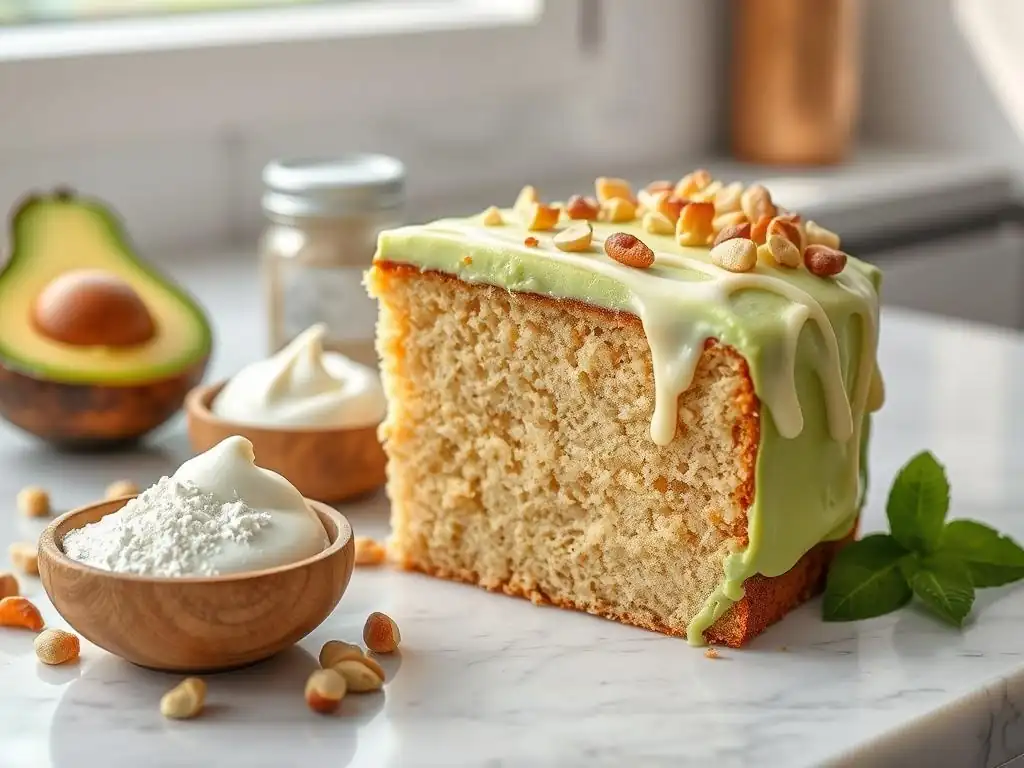
Understanding Keto-Friendly Sweeteners
Keto-friendly sweeteners are the backbone of any healthy keto cake frosting recipe, providing sweetness without the carbohydrates of sugar. They fall into several categories: sugar alcohols (like erythritol, xylitol, maltitol), natural sweeteners (like stevia, monk fruit), and sometimes fiber-based sweeteners (like allulose). Erythritol is very popular because it's about 70% as sweet as sugar, has minimal impact on blood sugar, and is generally well-tolerated digestively, though some people experience a cooling sensation or digestive upset in large amounts. Xylitol is equal in sweetness to sugar but has a slightly higher glycemic index than erythritol and is toxic to pets.
Stevia and monk fruit extracts are much sweeter than sugar (hundreds of times sweeter) and are often used in very small amounts or blended with erythritol to provide bulk. They have virtually no calories or carbs but can sometimes have a distinct aftertaste. Allulose is a "rare sugar" that tastes very much like sugar and has minimal metabolic impact, but it can be more expensive and harder to find.
When making a healthy keto cake frosting, using the powdered form of these sweeteners is crucial to avoid a gritty texture. Blends of sweeteners are common and often aim to mimic the taste and performance of sugar more closely while minimizing the drawbacks of any single sweetener. Experimenting with different types and brands can help you find your preferred taste for a healthy keto cake frosting recipe.
The Role of Healthy Fats in Keto Frosting
Fats are essential in a healthy keto cake frosting recipe, providing the necessary structure, richness, and creamy texture. On a keto diet, healthy fats are also a primary energy source. Common fats used include unsalted butter, cream cheese, coconut oil, and the natural fats found in avocado or coconut cream. Butter provides a classic rich flavor and firm texture when chilled. Cream cheese adds tanginess and creates a wonderfully smooth consistency, as seen in cream cheese frosting.
Coconut oil, particularly refined coconut oil which has a neutral flavor, can help frostings set more firmly, especially in warmer temperatures. It's often used in conjunction with other fats or in dairy-free recipes. As discussed, the fats in avocado and coconut cream are fundamental to those specific types of healthy keto cake frosting, providing creaminess without dairy.
Choosing the right fat or combination of fats is critical for achieving the desired texture and flavor profile for your healthy keto cake frosting recipe. These fats not only make the frosting delicious but also contribute to satiety, making a small serving feel more satisfying.
Adding Flavor to Your Keto Frosting: Extracts and Spices
While the base ingredients provide sweetness and texture, extracts and spices are what truly bring a healthy keto cake frosting recipe to life with vibrant flavor. Vanilla extract is almost universally used to enhance sweetness and provide a baseline flavor, especially important in masking potential off-notes from sweeteners or bases like avocado. Pure vanilla extract offers the best flavor compared to imitation vanilla.
Other popular extracts for keto frostings include almond extract, peppermint extract (great for chocolate frostings), lemon extract, or even coffee extract. A little goes a long way with these potent flavorings. Spices like cinnamon, nutmeg, or pumpkin pie spice can be wonderful additions, particularly to cream cheese or butter-based frostings, adding warmth and complexity.
For chocolate frostings, a tiny pinch of salt can significantly deepen the chocolate flavor, and a pinch of espresso powder can also enhance it without adding a coffee taste. Citrus zest, like lemon or orange, provides intense flavor without adding liquid, making it perfect for tangy frostings. Don't be afraid to experiment with different combinations to customize your healthy keto cake frosting.
Tips for Decorating Keto Cakes with Healthy Frosting
Achieving Professional-Looking Keto Cake Decorations
Decorating a keto cake with healthy keto cake frosting can be just as rewarding as decorating with traditional frosting. While some keto frostings, like pure whipped coconut cream, might be slightly less stable in very warm conditions compared to butter-heavy frostings, many can be piped and spread beautifully. Achieving a professional look starts with ensuring your cake is completely cooled before frosting. A warm cake will melt the frosting, creating a messy result. Applying a thin "crumb coat" of frosting first and chilling the cake helps seal in crumbs before applying the final layer of healthy keto cake frosting.
For smooth sides and top, use an offset spatula or a bench scraper, rotating the cake on a turntable if you have one. For piping, ensure your healthy keto cake frosting is the right consistency – often slightly chilled is best for holding shape. Practice piping on a piece of parchment paper first to get a feel for the pressure and movement needed. Don't be discouraged if it's not perfect initially; practice improves technique. Remember that the goal is deliciousness and enjoyment, and even simple swirls or dollops of healthy keto cake frosting can look elegant.
Keto-Friendly Toppings and Decorations Ideas
Once your healthy keto cake frosting is applied, keto-friendly toppings can add texture, flavor, and visual appeal. Avoid sugary sprinkles or candies. Instead, opt for low-carb alternatives that complement your healthy keto cake frosting recipe.
- Sugar-Free Chocolate: Shaved or chopped sugar-free dark chocolate (check carb count, aiming for >70% cocoa) is a classic topping.
- Nuts and Seeds: Chopped nuts like pecans, walnuts, or almonds add crunch. Toasted coconut flakes (unsweetened) are also great, especially with coconut cream frosting.
- Berries: Fresh berries like raspberries, strawberries (in moderation), blueberries (sparingly), or blackberries add color and a burst of flavor. They are lower in carbs than most fruits.
- Cocoa Nibs: These provide an intense chocolate flavor and a crunchy texture.
- Keto Candies: A growing market offers sugar-free gummies or chocolate candies specifically made with keto-friendly sweeteners. Use these sparingly.
- Citrus Zest: A sprinkle of fresh lemon or orange zest adds brightness.
- Edible Flowers: For a touch of elegance, ensure they are food-grade and pesticide-free.
These toppings allow you to customize the look and taste of your cake while keeping it compliant with your low-carb goals, perfectly complementing your healthy keto cake frosting.
Tools and Techniques for Applying Keto Frosting
Having the right tools can make applying your healthy keto cake frosting much easier and result in a cleaner finish. You don't need a professional setup to achieve good results.
- Offset Spatula: This is indispensable for spreading frosting smoothly on the top and sides of a cake. Available in various sizes.
- Bench Scraper/Icing Smoother: A flat, straight edge tool is excellent for smoothing the sides of a frosted cake.
- Piping Bags and Tips: For piping borders, swirls, rosettes, or writing. Disposable or reusable bags work. A few basic tips (like a star tip, round tip) are sufficient to start.
- Turntable (Optional): Makes rotating the cake while frosting or decorating much easier for an even finish.
- Spatulas: Rubber or silicone spatulas are useful for mixing and transferring frosting.
Techniques include the crumb coat mentioned earlier, applying a generous amount of healthy keto cake frosting and then smoothing it, or using the piping bag to apply an even layer of frosting around the cake before smoothing. For swirls on cupcakes, a large star tip and a simple circular or upward motion are effective. Practice makes perfect, and don't be afraid to experiment with your healthy keto cake frosting!
Storing Your Healthy Keto Cake Frosting
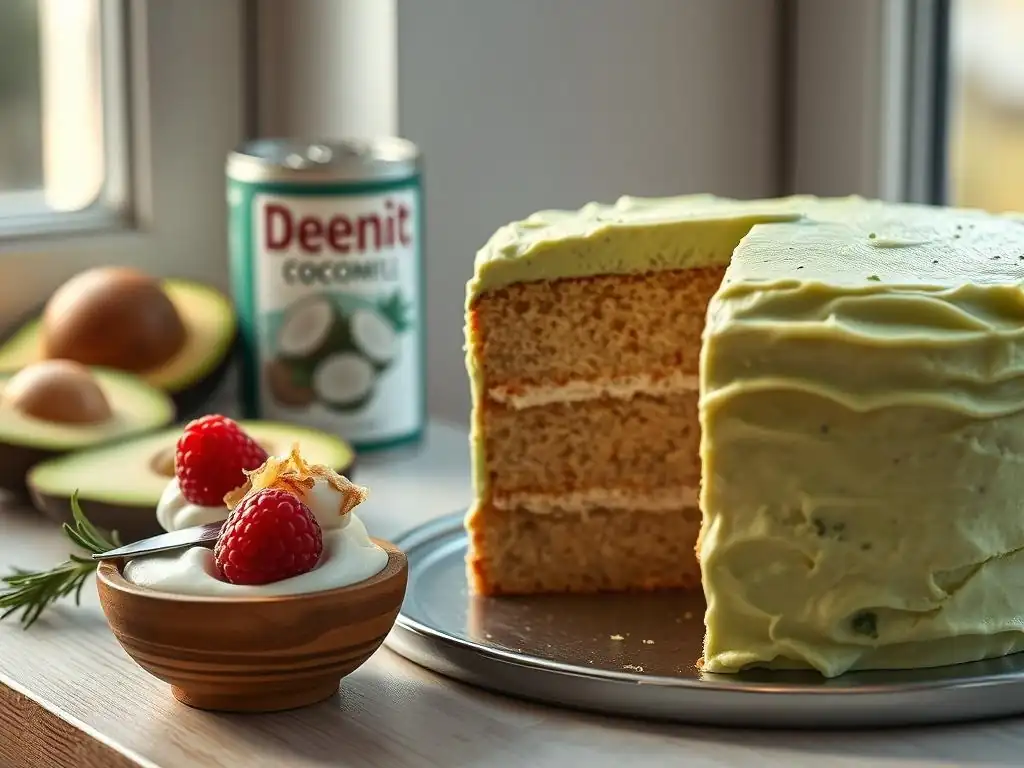
Best Practices for Refrigerating Keto Frosting
Proper storage is essential for maintaining the quality and safety of your healthy keto cake frosting. Due to the presence of dairy (cream cheese, butter, heavy cream) or ingredients like avocado and coconut cream, most keto frostings are perishable and must be refrigerated. Always store leftover frosting in an airtight container to prevent it from drying out, absorbing odors from the fridge, or coming into contact with contaminants.
Place the container in the main body of the refrigerator, not the door, where temperatures can fluctuate more. When you're ready to use refrigerated frosting again, especially cream cheese or butter-based types, you might need to let it sit at room temperature for 15-30 minutes to soften slightly before it's spreadable. Whipped coconut cream frosting is best used shortly after making or after a brief chill; prolonged refrigeration can sometimes alter its texture, making it denser.
Avocado frosting will inevitably oxidize and turn brown over time, even when covered, though a layer of plastic wrap pressed directly onto the surface can help slow this process. Aim to use avocado frosting within 1-2 days.
Freezing Keto Frosting: Can You Do It?
Yes, many types of healthy keto cake frosting can be frozen, which is great for meal prep or saving leftovers. Frostings made with a base of butter and/or cream cheese freeze particularly well. Frostings primarily made with whipped coconut cream or avocado may change texture upon thawing and might not whip up as light and fluffy again.
To freeze, transfer the healthy keto cake frosting to a freezer-safe airtight container or a heavy-duty freezer bag, pressing out as much air as possible. Label the container with the type of frosting and the date. It can typically be stored in the freezer for up to 1-2 months. When ready to use, thaw the frosting overnight in the refrigerator. Once thawed, butter or cream cheese-based frostings may need to be re-whipped briefly with a hand mixer or stand mixer to restore their smooth consistency. Add a tiny splash of cream or liquid if needed during re-whipping.
How Long Does Keto Frosting Last?
The shelf life of healthy keto cake frosting depends heavily on its ingredients.
- Butter/Cream Cheese Based Frosting: When stored properly in an airtight container in the refrigerator, this type of healthy keto cake frosting recipe can last for about 1-2 weeks.
- Whipped Coconut Cream Frosting: Best used within 3-5 days when refrigerated. It can lose some of its airy texture over time.
- Avocado Frosting: Due to oxidation, this is best consumed within 1-2 days, even when refrigerated. While still safe to eat after that, the color will likely change significantly.
- Frozen Frosting: As mentioned, frozen butter/cream cheese based frostings are good for 1-2 months.
Always use your best judgment. If the frosting develops an off smell, changes significantly in color (beyond avocado browning), or shows any signs of mold, it should be discarded. Proper storage is key to maximizing the lifespan of your delicious healthy keto cake frosting.
Adapting and Customizing Your Keto Frosting
Adjusting Sweetness Levels in Keto Frosting
One of the great advantages of making your own healthy keto cake frosting is the ability to fully control the sweetness level. Keto sweeteners vary in potency, and individual preferences for sweetness differ greatly. The recipes provided offer a starting point for the amount of powdered keto sweetener, but you should always taste and adjust.
It's easiest to adjust sweetness after the initial mixing but before the final whipping or chilling. Add a tablespoon or two of powdered sweetener at a time, blend briefly, and taste again. Remember that some sweeteners, like erythritol, can have a stronger taste when cold, so a frosting that tastes just right at room temperature might seem slightly less sweet when chilled.
Conversely, over-sweetening with certain sweeteners can lead to a cooling effect or digestive discomfort. Start with the recommended amount in a healthy keto cake frosting recipe and add slowly until you reach your personal perfect level of sweetness.
Adding Different Flavors to Your Base Keto Frosting
Beyond vanilla and cocoa, the possibilities for flavoring your healthy keto cake frosting are vast! Once you have a basic successful butter, cream cheese, or coconut cream base, you can easily introduce a wide array of flavors.
- Citrus: Add lemon, lime, or orange zest for a bright, fresh taste. A small amount of juice can also work, but be cautious with liquid quantity.
- Extracts: Almond, peppermint, maple, coconut, or coffee extracts can dramatically change the flavor profile. Use potent extracts sparingly.
- Spices: Cinnamon, cardamom, ginger, or even a pinch of cayenne can add warmth and complexity, especially in chocolate or cream cheese frostings.
- Fruit Purees/Reductions (in moderation): A very small amount of reduced berry puree (ensure net carbs are low) can add flavor and color, but be careful not to add too much liquid. Freeze-dried fruit powder can also be used.
- Nut Butters: A tablespoon or two of smooth, unsweetened almond or peanut butter can create a nutty frosting.
Experimenting with these additions allows you to create unique and exciting variations of a healthy keto cake frosting recipe, tailored to your taste preferences and the cake you're pairing it with.
Making Keto Frosting Dairy-Free or Vegan
Many healthy keto cake frosting recipes can be easily adapted to be dairy-free or fully vegan, which is essential for those with dietary restrictions or ethical choices.
- Coconut Cream Base: As explored earlier, whipped full-fat canned coconut cream is naturally dairy-free and vegan and makes an excellent healthy keto cake frosting.
- Vegan Butter: For recipes calling for butter (like a butter-based chocolate frosting), substitute with a high-quality vegan butter alternative that is keto-friendly (check ingredients for added sugars or high-carb fillers).
- Vegan Cream Cheese: Many brands now offer vegan cream cheese alternatives made from nuts or soy. These can often be substituted one-for-one in cream cheese frosting recipes, though the texture and tanginess may vary slightly. Ensure the carb count is low.
- Liquid Alternatives: Use unsweetened almond milk, coconut milk (from the carton), or other keto-friendly plant-based milks instead of heavy cream or milk.
- Avocado Base: As detailed, avocado frosting is inherently dairy-free and vegan, relying on the fruit's natural creaminess.
By selecting appropriate substitutes for dairy ingredients, you can enjoy a wide variety of healthy keto cake frosting options that fit a dairy-free or vegan lifestyle without compromising on taste or texture.
Conclusion: Enjoy Guilt-Free Keto Cake with Healthy Frosting
BakeWithEase: Your Destination for Delicious Keto Baking
At BakeWithEase, we're passionate about making baking accessible and enjoyable for everyone, including those following a ketogenic diet. We believe that dietary restrictions shouldn't mean sacrificing the joy of a delicious treat. This guide to healthy keto cake frosting is just one example of how we provide practical, easy-to-follow recipes and tips to help you succeed in your low-carb baking journey. From mastering a basic healthy keto cake frosting recipe to exploring creative flavor variations and decorating techniques, we aim to be your trusted resource every step of the way.
We understand that keto baking can sometimes feel complex with new ingredients and techniques, but our goal is to simplify the process. Whether you're looking for a simple healthy keto cake frosting recipe for your first keto cake or seeking inspiration for more elaborate creations, BakeWithEase offers the guidance and support you need. We constantly test and refine our recipes to ensure they deliver fantastic results that fit your lifestyle.
Mastering the Art of Healthy Keto Cake Frosting
Creating a delicious and healthy keto cake frosting is a skill that is easily mastered with a little practice and the right guidance. By understanding the role of keto-friendly sweeteners and healthy fats, and by exploring bases like avocado, coconut cream, and cream cheese, you open up a world of possibilities for enjoying low-carb desserts. Forget the idea that keto means boring or restrictive; with these healthy keto cake frosting recipes and tips, your keto cakes can be just as celebratory and indulgent as any others.
Whipping up a batch of sugar-free frosting allows you to enjoy your favorite baked goods while staying true to your health and wellness goals. Whether you prefer the tangy richness of cream cheese, the tropical lightness of coconut cream, or the surprising creaminess of avocado, there's a healthy keto cake frosting out there for you. We encourage you to try these recipes, experiment with flavors, and confidently decorate your keto creations. With BakeWithEase and these healthy keto cake frosting techniques, you're well on your way to becoming a keto baking pro!
Frequently Asked Questions
What makes this keto cake frosting recipe "healthy"?
This recipe prioritizes low-carb ingredients and natural sweeteners, avoiding refined sugars often found in traditional frostings. It utilizes healthy fats from avocado and coconut cream.
What are the main ingredients in this healthy keto frosting?
The primary ingredients include avocado for creaminess, coconut cream for richness, and a keto-friendly sweetener like erythritol or stevia.
Can I substitute the avocado in this frosting recipe?
While avocado contributes to a smooth texture, you could try using mascarpone cheese or cream cheese as an alternative, adjusting the sweetener accordingly.
How should I store leftover keto cake frosting?
Store leftover frosting in an airtight container in the refrigerator for up to 3 days. It might slightly firm up, so let it soften slightly before using.
Is this healthy keto cake frosting recipe suitable for all types of keto cakes?
Yes, this frosting is versatile and pairs well with various keto cakes, including chocolate, vanilla, and almond-based cakes. Adjust the flavorings to complement your cake.
Final Reflection: The Sweetness of Healthy Indulgence
The pursuit of a guilt-free dessert is no longer a mythical quest; it's a delicious reality. This article explored the surprisingly versatile world of healthy keto cake frostings, proving that indulgence and wellness can coexist beautifully. We've journeyed through creamy avocado frostings, decadent coconut cream options, and other innovative recipes, all designed to satisfy your sweet tooth without derailing your ketogenic journey.
The impact of mindful eating extends far beyond the immediate satisfaction of a delicious treat. It's about reclaiming control over our relationship with food, challenging the notion that healthy eating must be synonymous with deprivation. This shift in perspective, towards nourishing our bodies with delicious and satisfying alternatives, is crucial for long-term well-being. The food you eat can be either the safest and most powerful form of medicine or the slowest form of poison.
- Ann Wigmore. This quote perfectly encapsulates the power of conscious food choices, highlighting the profound impact our diet has on our overall health and happiness.
Now, it's your turn. Consider the recipes explored in this article, and experiment with the flavors and textures that resonate with you. Don't be afraid to get creative in the kitchen; the possibilities are endless. Embrace the joy of baking healthy, delicious keto cake frostings, and savor each bite knowing you're nourishing your body while indulging your cravings. Let this be a starting point for a more mindful and joyful approach to your dietary choices.
Unlock Your Keto Baking Potential!
Thanks for joining us on this delicious journey into the world of healthy keto cake frostings! We hope you’ve discovered some amazing new flavor combinations and techniques. Ready to take your baking to the next level?
- Whip up your favorite frosting: Choose your favorite recipe from the article and give it a try! Let the creamy, guilt-free indulgence begin!
- Share your creations: Post a picture of your keto cake masterpiece on social media and tag us – we'd love to see your baking success!
- Experiment with different flavors: Don't be afraid to get creative! Try substituting different extracts, sweeteners, or even add-ins to personalize your frosting.
What surprising flavor combination will you create with your newfound keto frosting expertise?