
Bake Soft, Airy Eggless Donuts at Home: Glaze and Toppings Ideas

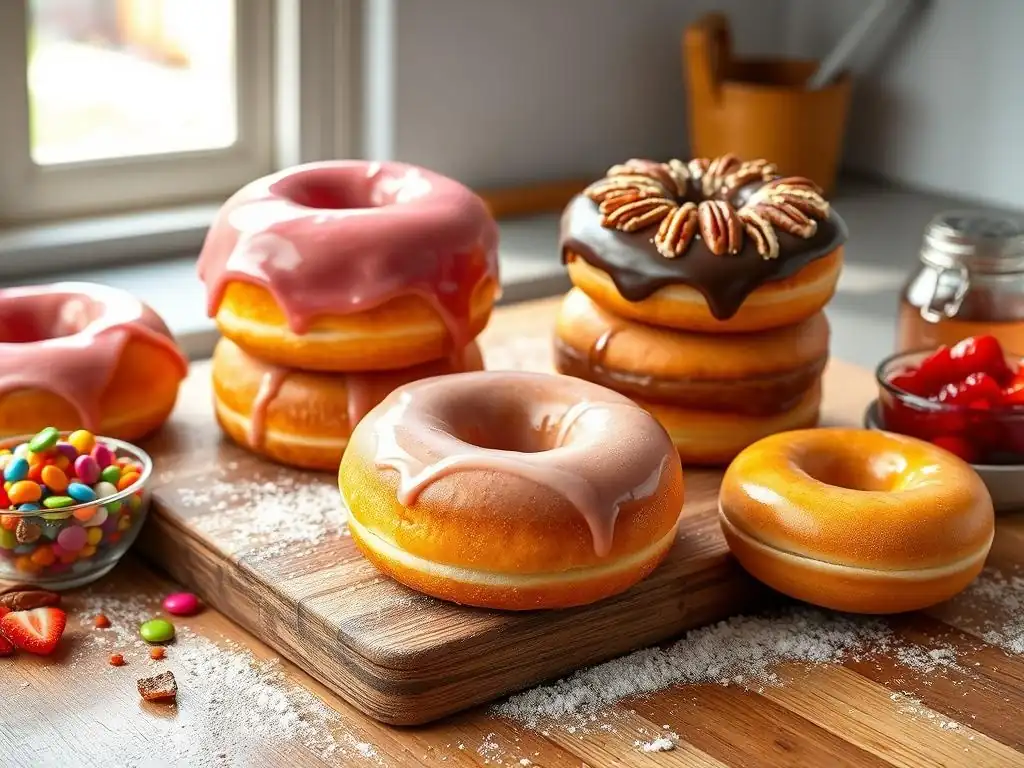
Welcome to BakeWithEase, your trusted guide to baking brilliance! Ever dreamed of creating bakery-worthy donuts without the eggs? Imagine biting into a soft, airy donut, perfectly glazed and bursting with flavor... even without eggs! Dive into our article and discover our eggless donut glaze recipe, plus a world of topping ideas that will transform your homemade treats into irresistible delights. Curious how to achieve that perfect texture and glaze consistency? Let's unlock the secrets to delicious, dietary-friendly baking, one donut at a time!
- Introduction to Eggless Donuts: A Delicious Treat for Everyone
- Mastering the Eggless Donut Recipe: Step-by-Step Guide
- Creating the Perfect Eggless Donut Glaze: Recipes and Techniques
- Irresistible Topping Ideas for Your Eggless Donuts
- Tips for Storing Your Homemade Eggless Donuts
- Troubleshooting Common Eggless Donut Baking Problems
- Eggless Donut Recipe Variations: Beyond the Basics
- Conclusion: Enjoy Your Homemade Eggless Donuts!
-
Frequently Asked Questions
- What is the key to achieving a soft and airy texture in eggless donuts?
- Can I substitute ingredients in the eggless donut glaze recipe?
- What are some popular topping ideas for eggless donuts besides glaze?
- How do I prevent my eggless donuts from becoming oily when frying?
- How long do eggless donuts typically stay fresh?
- Final Reflection: The Sweet Simplicity of Eggless Baking
- Unlock Your Inner Donut Master!
Introduction to Eggless Donuts: A Delicious Treat for Everyone
Eggless donuts offer a delightful alternative for those with egg allergies, dietary restrictions, or simply looking to explore different baking methods. Achieving a soft, airy texture without the binding and leavening properties of eggs might seem challenging, but it's entirely possible with the right techniques and ingredients. This guide will walk you through creating delicious, fluffy egg-free donuts from scratch, covering everything from the dough to the perfect eggless donut glaze recipe and exciting topping ideas.
Whether you're a seasoned baker or just starting out, mastering eggless baking expands your repertoire and allows you to share delicious treats with a wider audience. These homemade delights are perfect for breakfast, dessert, or a special occasion, proving that you don't need eggs to achieve bakery-quality results.
Why Bake Eggless Donuts?
Baking eggless donuts opens up a world of possibilities for people with specific dietary needs or preferences. The most common reason is to accommodate egg allergies, which affect approximately 1-2% of young children, though many outgrow them. For these individuals, even trace amounts of egg can cause severe reactions, making traditional donuts off-limits. Offering an egg-free option ensures everyone can enjoy a sweet treat safely.
Beyond allergies, eggless baking is essential for vegan diets and those following plant-based lifestyles. With estimates suggesting that roughly 5-10% of the population in some Western countries identifies as vegetarian or vegan, and many more reducing animal product consumption, providing delicious vegan options like eggless donuts is increasingly relevant. Furthermore, some bakers find that certain eggless recipes can yield a particularly tender crumb, offering a unique texture profile that is highly desirable.
The Secret to Soft and Airy Eggless Donuts
The key to achieving that coveted soft and airy texture in eggless donuts lies in understanding the role of eggs and finding suitable replacements. Eggs typically provide structure, leavening, moisture, and richness. Without them, we need other ingredients to step in. Common replacements include yogurt, mashed banana, applesauce, or commercial egg replacers, which help bind the ingredients and retain moisture.
Leavening is primarily achieved through a combination of baking soda and an acidic ingredient (like vinegar, lemon juice, or buttermilk substitute) or baking powder. These react to produce carbon dioxide gas, creating bubbles that expand during baking or frying, resulting in a light texture. For yeast-leavened donuts, proper proofing time is crucial to allow the yeast to produce enough gas for maximum rise and airiness. Using ingredients like milk (or plant-based milk) and a touch of fat also contributes to the dough's tenderness and richness, preventing a dry or dense result.
Mastering the Eggless Donut Recipe: Step-by-Step Guide
Creating delicious eggless donuts at home is a rewarding process. This guide will walk you through the essential steps, from gathering your ingredients to shaping and cooking your donuts. Precision and patience are key to achieving the perfect texture and flavor.
Follow these instructions closely, and you'll be well on your way to enjoying warm, homemade egg-free treats. Remember that baking is also about feel and observation, so pay attention to the dough's consistency and how it behaves during the process.
Ingredients for Perfect Egg-Free Donuts
Crafting the ideal eggless donut requires a careful selection of ingredients to replace the functions of eggs while building flavor and texture. You'll typically need all-purpose flour (about 2 to 2.5 cups for a standard batch yielding 10-12 donuts), a leavening agent like baking powder (around 2-3 teaspoons) or active dry yeast (about 1 to 2 teaspoons), and sugar (roughly 1/4 to 1/2 cup, depending on desired sweetness).
For moisture and richness, liquid ingredients are crucial. This usually includes milk (or a plant-based alternative like almond or soy milk), approximately 3/4 to 1 cup, and a source of fat such as melted butter or oil (about 2-4 tablespoons). A binding agent like yogurt (plain or non-dairy, about 1/4 cup) or applesauce can replace the egg's structure. Don't forget flavorings like vanilla extract (1-2 teaspoons) and a pinch of salt (1/4 teaspoon) to enhance the taste.
Equipment You'll Need for Baking Eggless Donuts
Having the right tools makes the eggless donut-making process much smoother and more efficient. Essential equipment includes mixing bowls – ideally one large one for the dough and a smaller one for wet ingredients. A stand mixer with a dough hook attachment is incredibly helpful for kneading yeast dough, saving time and effort, but kneading by hand is also perfectly feasible and requires a clean, lightly floured surface.
For shaping the donuts, you'll need a rolling pin to roll out the dough to an even thickness, typically around 1/2 inch. Donut cutters are indispensable for creating uniform shapes; a standard donut cutter has a large ring and a smaller center cutter, or you can use two different-sized round cutters (like biscuit cutters or even drinking glasses) to cut the outer and inner circles.
If frying, a heavy-bottomed pot or deep fryer is necessary, along with a thermometer to monitor oil temperature (ideally 350-375°F or 175-190°C) and a slotted spoon or spider to safely remove the donuts. For baking, baking sheets lined with parchment paper are essential.
Detailed Instructions: Making the Donut Dough
The process of making eggless donut dough varies slightly depending on whether you're using baking powder (for cake-style donuts) or yeast (for raised donuts). For yeast donuts, begin by activating the yeast: in a small bowl, combine warm milk (around 105-115°F or 40-46°C) with a pinch of sugar and the yeast. Let it sit for 5-10 minutes until frothy, indicating the yeast is active. In a large bowl, whisk together the flour, remaining sugar, and salt.
Pour the activated yeast mixture, melted butter or oil, vanilla extract, and your chosen egg substitute (like yogurt) into the dry ingredients. Mix with a wooden spoon or in a stand mixer on low speed until a shaggy dough forms. Turn the dough out onto a lightly floured surface or increase the mixer speed to medium-low and knead for 5-7 minutes, or until the dough is smooth, elastic, and no longer sticky.
Place the dough in a greased bowl, cover, and let it rise in a warm place for 1 to 1.5 hours, or until doubled in size. For baking powder donuts, simply whisk dry ingredients, then add wet ingredients (including melted fat and egg substitute) and mix until just combined; this dough doesn't require a long rise.
Frying or Baking Your Eggless Donuts: Which Method is Best?
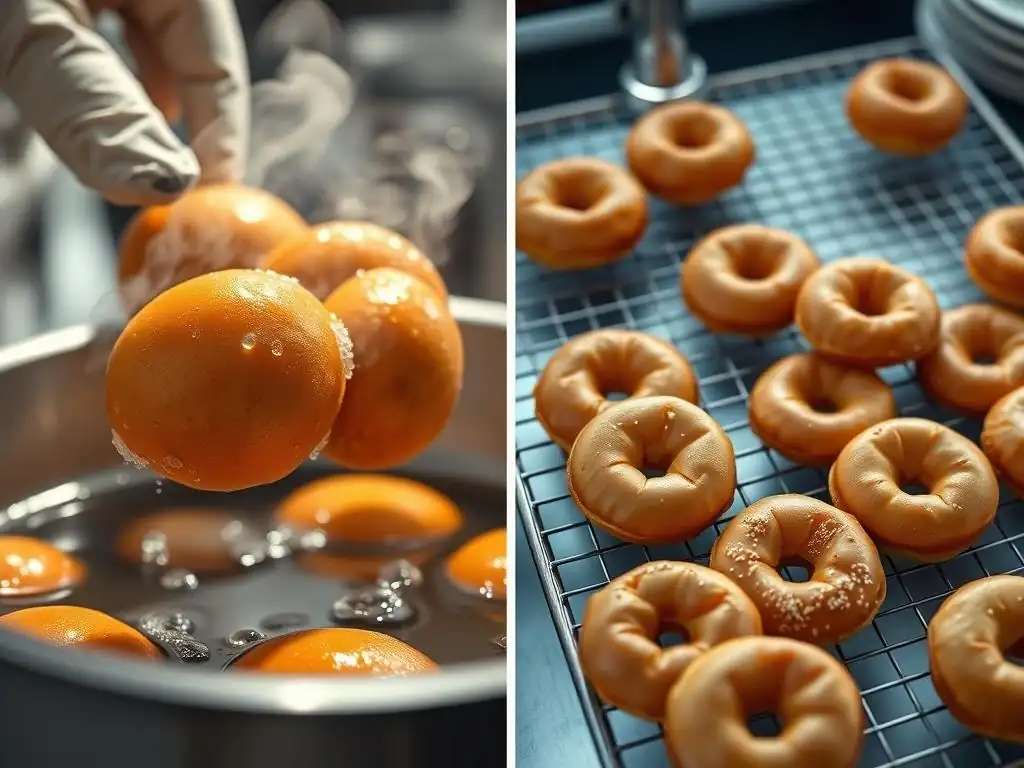
Choosing between frying and baking your eggless donuts significantly impacts their final texture. Frying is the traditional method and typically yields donuts with a classic soft, airy interior and a slightly crisp exterior. When frying, maintaining a consistent oil temperature is crucial – ideally between 350°F and 375°F (175°C and 190°C). Frying at too low a temperature results in greasy donuts, while too high a temperature leads to burnt exteriors and raw interiors. Fry for about 1-2 minutes per side until golden brown.
Baking offers a healthier alternative with less fat, resulting in a cakeier, less greasy donut. Baked eggless donuts tend to have a more uniform texture throughout. They are typically baked in a preheated oven at around 350°F to 375°F (175°C to 190°C) for 10-15 minutes, or until lightly golden around the edges and cooked through. While they lack the classic fried crispness, baked donuts are quicker and easier to make in larger batches and serve as an excellent base for various glazes and toppings, including finding the perfect eggless donut glaze recipe.
Achieving the Ideal Donut Texture: Tips and Tricks
Several factors contribute to achieving that perfectly soft and airy texture in your eggless donuts. Firstly, don't overwork the dough, especially if using a baking powder recipe, as this can develop too much gluten and result in tough donuts. For yeast dough, knead just until smooth and elastic; over-kneading can also lead to toughness, while under-kneading won't allow for sufficient gluten development for a good rise.
Secondly, proper proofing for yeast donuts is non-negotiable. Allowing the dough to double in size lets the yeast create the necessary air pockets. If your kitchen is cool, you can create a warm environment by placing the covered bowl in a slightly warm (but not hot) oven that has been turned off. Finally, handle the shaped donuts gently before cooking. Pressing or stretching them too much can deflate the air bubbles built during proofing, leading to flat or dense results.
Creating the Perfect Eggless Donut Glaze: Recipes and Techniques
Once your eggless donuts are cooked and slightly cooled, it's time for the crowning glory: the glaze! A delicious glaze adds sweetness, flavor, and visual appeal. Finding the perfect eggless donut glaze recipe allows you to customize your treats. Glazes are relatively simple to make, primarily consisting of powdered sugar and a liquid, but variations abound.
The key to a great glaze is achieving the right consistency – thick enough to coat the donut nicely without being too heavy, and thin enough to drip slightly for that classic look. Timing is also important; dip the donuts while they are still warm (but not hot) so the glaze adheres and sets properly.
Basic Eggless Donut Glaze Recipe: A Simple Starting Point
A foundational eggless donut glaze recipe is incredibly easy and versatile. You'll need approximately 2 cups of powdered sugar (also known as confectioners' sugar or icing sugar) and about 3-4 tablespoons of liquid. The liquid can be milk (dairy or plant-based), water, or even lemon juice for a tangy kick.
To make the glaze, simply sift the powdered sugar into a medium bowl to remove any lumps. Gradually whisk in the liquid, starting with 2 tablespoons and adding more, one teaspoon at a time, until you reach your desired consistency. For a thicker glaze, use less liquid; for a thinner, more translucent glaze, add a bit more. A splash of vanilla extract (about 1/2 teaspoon) is a classic addition that enhances the sweetness and aroma.
Variations on the Basic Glaze: Flavor Combinations
Once you've mastered the basic eggless donut glaze recipe, you can easily create endless flavor variations by changing the liquid or adding extracts and mix-ins. This allows you to perfectly complement the donut flavor or create exciting new combinations. Experimenting with different liquids like orange juice, coffee, or even maple syrup can yield unique results.
Adding flavor extracts beyond vanilla, such as almond, lemon, or peppermint, can dramatically change the glaze's profile. You can also whisk in spices like cinnamon or nutmeg for a warm, comforting flavor. Remember to adjust the liquid amount slightly depending on what you add to maintain the desired consistency.
Chocolate Eggless Donut Glaze: A Classic Favorite
A chocolate glaze is a timeless choice for donuts. To make a rich eggless donut glaze recipe with chocolate, start with the basic powdered sugar base (about 2 cups). Replace some or all of the milk/water with cocoa powder – typically 1/4 to 1/3 cup unsweetened cocoa powder sifted with the powdered sugar.
Then, gradually whisk in liquid, which can be milk, water, or even brewed coffee (about 3-5 tablespoons) for a deeper chocolate flavor. A tablespoon of melted butter or a neutral oil can be added for extra richness and shine. Ensure the cocoa powder is fully incorporated and the glaze is smooth before dipping the donuts.
Vanilla Bean Eggless Donut Glaze: Elegant and Simple
For an elevated take on the classic, a vanilla bean eggless donut glaze recipe adds sophistication. Begin with 2 cups of sifted powdered sugar. Instead of just vanilla extract, use the seeds scraped from half a vanilla bean pod, along with 1-2 tablespoons of milk or water.
The tiny black flecks of vanilla bean seeds provide both intense flavor and visual appeal. Whisk the vanilla bean seeds and liquid into the powdered sugar until smooth. You can add a tiny splash of vanilla extract (1/4 teaspoon) to boost the flavor further if desired. This glaze is simple yet elegant and pairs beautifully with the soft texture of the eggless donut.
Fruity Eggless Donut Glazes: Raspberry, Strawberry, and More
Fruity glazes add a vibrant burst of flavor and color to eggless donuts. To create a eggless donut glaze recipe using fruit, you can use fruit juice or a simple fruit puree. For a raspberry glaze, for example, start with 2 cups of powdered sugar.
Gradually whisk in strained raspberry puree (made by blending fresh or frozen raspberries and pushing the mixture through a sieve to remove seeds) or raspberry juice, starting with 2-3 tablespoons, until you reach the desired consistency. Approximately 1/4 cup of puree/juice is often sufficient. Strawberry, blueberry, or lemon glazes can be made similarly using their respective juices or purees. A small amount of lemon juice can also be added to fruit glazes to brighten the flavor.
Achieving a Smooth and Shiny Glaze: Tips for Success
Several techniques can help you achieve a perfectly smooth and shiny finish on your eggless donut glaze. First, always sift your powdered sugar. This removes any clumps and ensures a silky texture. When adding liquid, do so gradually, whisking continuously, until the glaze is just thick enough to coat the back of a spoon and drips slowly. Over-thinning the glaze will result in it running off the donut completely.
Dipping the donuts while they are still slightly warm is crucial. The residual heat helps the glaze set quickly and smoothly. Hold the donut glaze-side down for a few seconds to allow excess to drip off before placing it on a wire rack set over parchment paper to catch drips. For extra shine, you can add a tiny amount of corn syrup (about 1/2 teaspoon per batch) to the basic glaze mixture. Ensure the glaze is well-mixed and free of any dry pockets of powdered sugar before dipping.
Irresistible Topping Ideas for Your Eggless Donuts
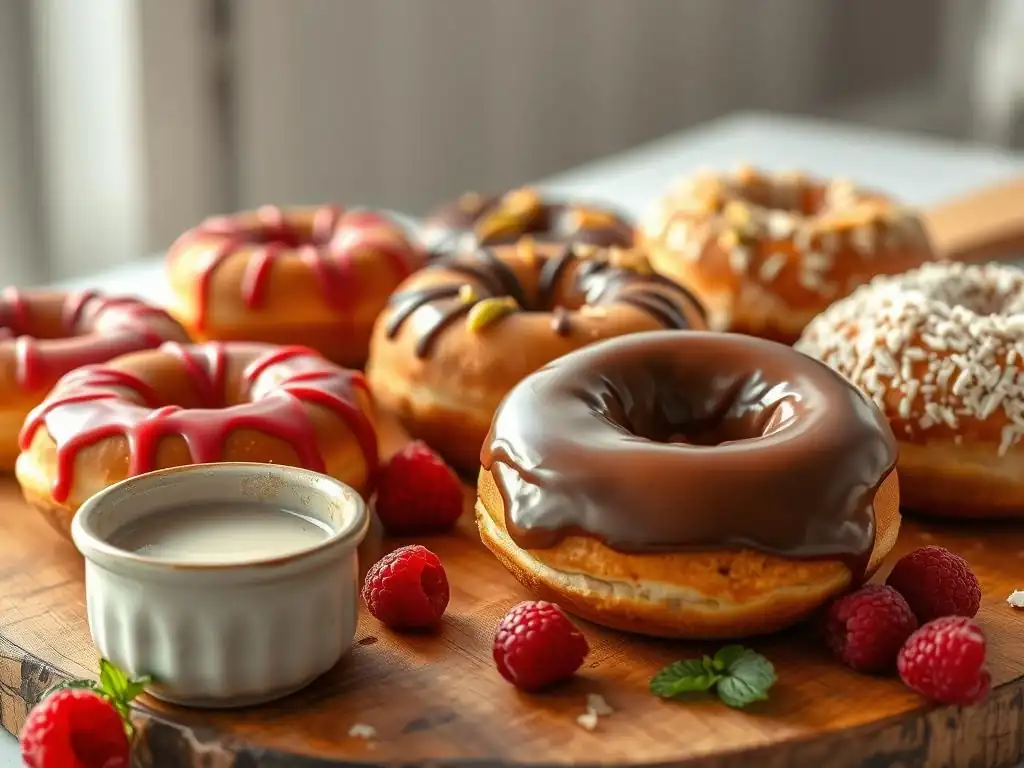
While a simple glaze is delicious on its own, adding toppings elevates your eggless donuts to the next level in terms of both flavor and visual appeal. Toppings can add crunch, extra sweetness, tang, or even a savory contrast. Apply toppings immediately after dipping the donut in the glaze, while the glaze is still wet and sticky, to ensure they adhere properly.
From classic sprinkles to more gourmet options and creative homemade additions, the possibilities for topping your eggless donuts are nearly endless. Consider the flavor profile of your glaze and donut when choosing toppings to create harmonious combinations.
Classic Donut Toppings: Sprinkles, Sugar, and Cinnamon
Some toppings are timeless classics for a reason – they're simple, delicious, and universally loved. Sprinkles, or jimmies, in various colors and shapes instantly add a festive look and a slight crunch. A light dusting of granulated sugar provides a simple sweet coating and a subtle sparkle, especially nice on plain or lightly glazed donuts.
Cinnamon sugar is another beloved classic, offering a warm, comforting flavor. To make it, combine about 1/4 cup granulated sugar with 1 to 2 teaspoons of ground cinnamon. Roll warm, unglazed or lightly glazed donuts in this mixture. Powdered sugar is also a simple yet effective topping; simply dust it over the donuts using a sieve for an even coating.
Gourmet Donut Toppings: Elevate Your Donuts
For a more sophisticated touch, consider gourmet toppings that add complex flavors and textures. These can transform a simple eggless donut into a bakery-worthy creation. Think beyond the basics and explore options like toasted nuts, chocolate shavings, or even dried fruits.
Pairing gourmet toppings with a complementary eggless donut glaze recipe, such as a vanilla bean glaze with toasted almonds or a chocolate glaze with dark chocolate shavings, creates a truly indulgent experience. These toppings not only enhance the taste but also make your homemade donuts look incredibly professional.
Chopped Nuts: Almonds, Pecans, and Walnuts
Adding chopped nuts provides a delightful crunch and nutty flavor that contrasts beautifully with a soft donut and sweet glaze. Almonds, pecans, and walnuts are popular choices. Toasting the nuts lightly in a dry pan or oven before chopping enhances their flavor significantly.
Roughly chop about 1/2 cup of your preferred nuts. Immediately after dipping a donut in the glaze, sprinkle the chopped nuts generously over the wet surface. Toasted pecans pair wonderfully with a maple glaze, while toasted almonds complement a vanilla or chocolate glaze. Walnuts are excellent with a coffee or spiced glaze.
Chocolate Shavings: Dark, Milk, and White Chocolate
Chocolate shavings add richness and a beautiful visual element to your eggless donuts. You can use a vegetable peeler or a sharp knife to create shavings from a block of your favorite chocolate – dark, milk, or white. Approximately 1/4 to 1/2 cup of shavings is usually sufficient for a batch of donuts.
Sprinkle the chocolate shavings over the freshly glazed donuts. Dark chocolate shavings are perfect on a simple vanilla glaze or a chocolate glaze for extra intensity. Milk or white chocolate shavings can add sweetness and contrast, especially on a darker glaze. Using a mix of different chocolates can create an appealing marbled effect.
Dried Fruit: Cranberries, Apricots, and Raisins
Dried fruits offer a chewy texture and concentrated sweetness or tanginess, adding another layer of flavor to your eggless donuts. Small diced dried cranberries, apricots, or raisins are excellent choices. Ensure they are finely chopped so they adhere well to the glaze.
About 1/4 cup of finely chopped dried fruit can be sprinkled over the wet glaze. Dried cranberries add a tart counterpoint to sweet glazes. Diced dried apricots provide a lovely chewy texture and slightly tangy sweetness. Raisins are a classic addition, especially nice with cinnamon or spiced glazes.
Homemade Toppings: Creating Unique Flavors
Taking the time to create homemade toppings adds a special touch and allows for unique flavor combinations not found in stores. Homemade toppings can range from simple spiced sugar mixes to more involved candied elements. These personal touches make your eggless donuts truly stand out.
Creating your own toppings is also a great way to use up ingredients you have on hand and experiment with flavors that perfectly match your specific eggless donut glaze recipe. A little extra effort here can yield impressive results.
Candied Citrus Peel: A Zesty Addition
Candied citrus peel provides a wonderfully chewy texture and an intense, slightly bitter, and sweet citrus flavor that cuts through the sweetness of the donut and glaze. You can candy peels from oranges, lemons, or grapefruits. This involves boiling the peels multiple times to remove bitterness, then simmering them in a sugar syrup until translucent and tender.
Once candied, the peels can be finely chopped (about 1/4 cup) and sprinkled over the glazed donuts. Candied orange peel is fantastic with chocolate or vanilla glazes. Candied lemon peel adds a bright, zesty kick to berry or plain glazes. Store any extra candied peel in an airtight container for future use.
Toasted Coconut Flakes: Tropical Delight
Toasted coconut flakes bring a tropical flavor and a delightful crisp texture to eggless donuts. You can easily toast shredded or flaked coconut in a dry pan over medium heat or spread on a baking sheet in a 325°F (160°C) oven for 5-10 minutes, stirring frequently, until golden brown.
About 1/2 cup of toasted coconut flakes can be sprinkled over the glazed donuts. Toasted coconut pairs exceptionally well with vanilla, chocolate, or fruit glazes, particularly those made with tropical fruit flavors like passion fruit or lime. Be careful not to burn the coconut as it toasts quickly.
Tips for Storing Your Homemade Eggless Donuts
Once you've gone through the effort of baking and decorating your delicious eggless donuts, proper storage is key to keeping them fresh and maintaining their texture. Homemade donuts, especially those without preservatives, are best enjoyed within a day or two of baking. However, with the right techniques, you can extend their freshness slightly.
Consider the type of glaze and toppings when storing, as some can affect how the donut holds up over time. Glazed donuts can become slightly sticky, while donuts with crispy toppings might lose some of their crunch.
Keeping Donuts Fresh: Storage Solutions
To store glazed or topped eggless donuts, place them in a single layer in an airtight container. If stacking is necessary, place a sheet of parchment paper between layers to prevent sticking and damaging the glaze or toppings. Store the container at room temperature for up to 1-2 days. Refrigerating donuts can sometimes dry them out, so it's generally not recommended unless the glaze or filling requires it (like a cream cheese glaze).
For plain, unglazed donuts, you can store them in an airtight container at room temperature for up to 2 days. If you plan to store them longer or made a large batch, plain donuts freeze well. Wrap individual donuts tightly in plastic wrap, then place them in a freezer-safe bag or container. They can be frozen for up to 2-3 months. Thaw at room temperature before glazing or serving.
Reheating Eggless Donuts: Maintaining Softness
While eggless donuts are best fresh, you can gently reheat plain or lightly glazed ones to restore some of their warmth and softness. Avoid reheating donuts with delicate glazes or toppings that might melt or become unpleasant when heated.
To reheat, place a plain or lightly glazed donut on a microwave-safe plate and microwave on low power for 10-15 seconds. Be careful not to overheat, as this can make them tough or dry. Alternatively, you can place plain donuts on a baking sheet and warm them in a preheated oven at 300°F (150°C) for 3-5 minutes. This method is better for achieving a slightly crisper exterior if desired.
Troubleshooting Common Eggless Donut Baking Problems
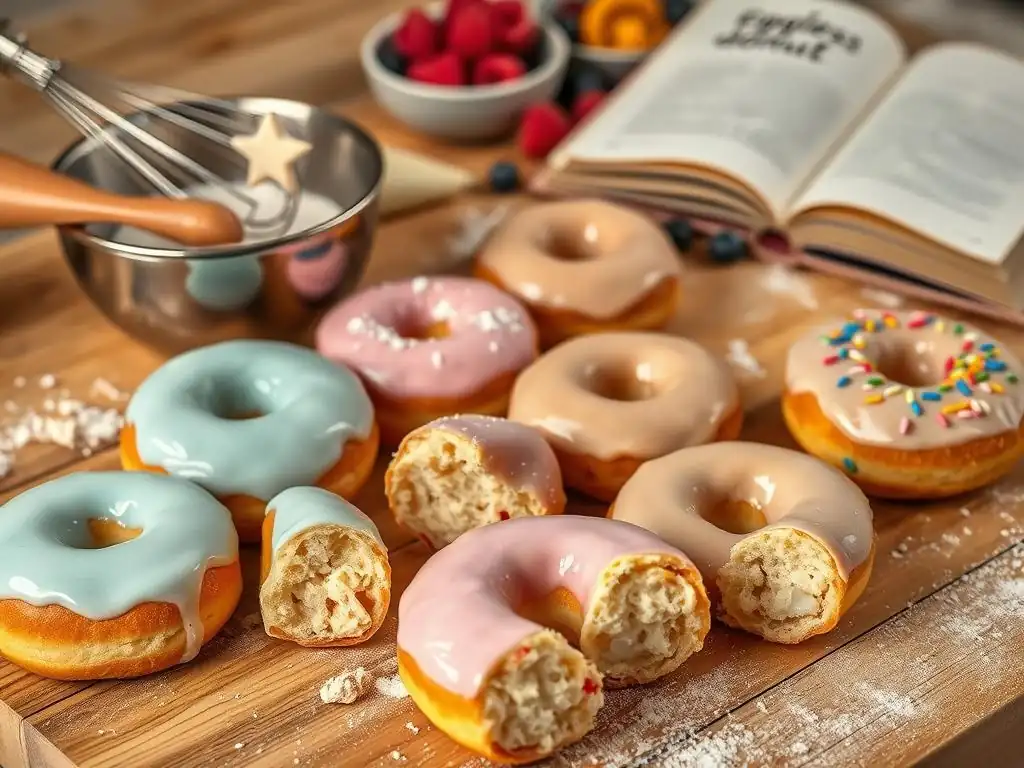
Even with a great eggless donut glaze recipe and detailed instructions, baking can sometimes present challenges. Don't get discouraged if your first batch isn't perfect. Understanding common problems and their solutions will help you improve your technique and achieve better results next time. Most issues relate to dough consistency, rising, or the glaze.
Learning to troubleshoot is part of the baking journey. By identifying what went wrong, you can adjust your ingredients or method for future attempts. Keep notes on what worked and what didn't to refine your eggless donut glaze recipe and baking process.
Dough Too Sticky: Solutions and Prevention
If your eggless donut dough is excessively sticky and difficult to handle, it likely has too much liquid or not enough flour. This is a common issue, especially when adjusting traditional recipes for egg-free baking. While yeast dough should be slightly tacky, it shouldn't stick stubbornly to your hands or the work surface.
To fix sticky dough, gradually add a tablespoon of flour at a time while kneading, until the dough is manageable and smooth. Be careful not to add too much, which can result in dry, tough donuts. To prevent this in the future, measure your flour accurately, ideally using a kitchen scale (1 cup of all-purpose flour is approximately 120-130 grams). Also, ensure your wet ingredients are measured correctly. Environmental factors like humidity can also affect dough stickiness, so sometimes a little extra flour is necessary.
Donuts Not Rising Properly: Common Causes and Fixes
If your yeast eggless donuts didn't rise well during proofing, several factors could be the cause. The most common issue is inactive or dead yeast. Yeast is a living organism and needs to be fresh and properly activated. Check the expiration date on your yeast packet. Water that is too hot (above 120°F or 49°C) will kill the yeast, while water that is too cold won't activate it. The ideal temperature is 105-115°F (40-46°C).
Ensure you added a pinch of sugar to the warm liquid when activating the yeast; this provides food for the yeast to start working. The rising environment also matters; it needs to be warm (around 75-80°F or 24-27°C) and draft-free. If your kitchen is cool, find a warmer spot or create one. Under-kneading can also hinder gluten development needed for the dough to hold its shape and rise. If your dough didn't double in size after the recommended time, allow it more time in a warm place.
Glaze Too Thin or Thick: Adjusting the Consistency
Getting the perfect eggless donut glaze recipe consistency is key to a beautiful finish, but it's easy to get it wrong initially. If your glaze is too thin and runs off the donut, it has too much liquid. If it's too thick and clumpy, it needs more liquid.
To thicken a thin glaze, gradually whisk in more sifted powdered sugar, a tablespoon at a time, until the desired consistency is reached. To thin a thick glaze, gradually whisk in more liquid (milk, water, or juice), starting with just a teaspoon at a time. It's much easier to add liquid than to take it away, so always err on the side of caution when mixing the initial glaze. Remember that the glaze will thicken slightly as it sits, so it's better to start slightly thinner than you think you need.
Eggless Donut Recipe Variations: Beyond the Basics
Once you're comfortable making the basic eggless donut recipe and experimenting with an eggless donut glaze recipe, you can explore exciting variations. The world of donuts is vast, offering different dough types, sizes, and international inspirations. Trying these variations keeps baking fun and allows you to find your favorite style.
Expanding your repertoire means you can make eggless donuts suitable for different occasions, from a simple breakfast treat to an impressive party dessert. Don't hesitate to get creative and adapt recipes to fit your taste and dietary needs.
Cake Eggless Donuts vs. Yeast Eggless Donuts
The primary distinction in donut types lies between cake donuts and yeast-raised donuts, and this difference holds true for their eggless counterparts. Cake eggless donuts use baking powder as the leavening agent, resulting in a denser, crumbly texture similar to cake. They are typically mixed quickly and don't require rising time, making them faster to prepare.
Yeast eggless donuts, on the other hand, rely on yeast for leavening, leading to a lighter, airier, and chewier texture. The dough requires kneading and a significant proofing period, which develops flavor and creates that signature fluffy interior. Both types are delicious and can be paired with various glazes and toppings, including any eggless donut glaze recipe you choose. Your preference depends on whether you favor a cake-like or bread-like texture.
Mini Eggless Donuts: Perfect for Parties
Mini eggless donuts are bite-sized delights perfect for parties, snacks, or when you want a smaller treat. They are made using the same dough and eggless donut glaze recipe as regular-sized donuts but are cut with smaller cutters, typically 1.5 to 2 inches in diameter, with a corresponding smaller center hole cutter.
Mini donuts cook much faster than their full-sized counterparts, whether fried or baked. Frying time is often reduced to 30-60 seconds per side, and baking time is typically 7-10 minutes. Their smaller size makes them ideal for offering a variety of glazes and toppings without committing to a whole large donut. A batch of dough that yields 10-12 standard donuts might produce 20-30 mini donuts.
International Eggless Donut Variations
Many cultures have their own versions of fried dough, and many of these can be adapted into delicious eggless donut variations. For instance, churros, a Spanish and Latin American fried dough pastry, are often naturally eggless or easily made so. They are typically piped into long shapes and tossed in cinnamon sugar after frying.
Indian gulab jamun, while often made with milk solids and sometimes egg, can be adapted to be egg-free using alternative binders. These are small, fried dough balls soaked in a rose-flavored sugar syrup. Exploring these international variations expands your baking skills and introduces you to new flavors and textures, all while sticking to your eggless baking goals.
Conclusion: Enjoy Your Homemade Eggless Donuts!
Congratulations! You've successfully made delicious, soft, and airy eggless donuts at home, complete with your chosen eggless donut glaze recipe and delightful toppings. Baking without eggs doesn't mean compromising on taste or texture. With the right ingredients, techniques, and a little practice, you can create treats that everyone can enjoy, regardless of dietary restrictions.
From the simple pleasure of a classic glazed donut to the excitement of gourmet flavor combinations, homemade eggless donuts are a rewarding project. Don't be afraid to experiment with different dough variations, glazes, and toppings to find your perfect combination. Share your creations with friends and family and celebrate the joy of inclusive baking.
We love seeing what you bake! Share photos of your beautiful eggless donuts and mention the eggless donut glaze recipe or toppings you used. Connecting with other bakers is a great way to learn new tips and get inspiration for your next baking adventure.
Consider hosting a donut decorating party where everyone can customize their own eggless donuts with a spread of glazes and toppings. It's a fun activity for all ages and a wonderful way to share your baking passion.
Further Baking Resources on BakeWithEase.com
BakeWithEase.com is dedicated to helping you master baking with confidence, whether you're a beginner or looking to perfect your skills. We have a wealth of resources available to continue your baking journey, including more egg-free recipes, guides to working with yeast, tips for frying and baking, and ideas for different glazes and frostings beyond the eggless donut glaze recipe discussed here.
Explore our categories for more allergen-friendly baking options, delve into bread making, or find simple recipes for cakes, cookies, and pastries. Our goal is to make baking accessible and enjoyable for everyone. Keep exploring, keep baking, and most importantly, keep enjoying the delicious results!
Frequently Asked Questions
What is the key to achieving a soft and airy texture in eggless donuts?
The key lies in using the right leavening agents and proper mixing techniques. A combination of baking powder and baking soda often works well, and avoid overmixing the dough to prevent a tough texture.
Can I substitute ingredients in the eggless donut glaze recipe?
Yes, you can often substitute ingredients based on your preferences and dietary needs. For example, you can use different types of milk, like almond milk or oat milk, or swap out granulated sugar for powdered sugar for a smoother glaze.
What are some popular topping ideas for eggless donuts besides glaze?
Beyond glaze, you can explore toppings like sprinkles, crushed nuts, chocolate shavings, or even a light dusting of cinnamon sugar. Experiment to find your favorite combination!
How do I prevent my eggless donuts from becoming oily when frying?
Maintaining the correct oil temperature is crucial. Use a thermometer to ensure the oil stays around 350-375°F (175-190°C). Also, avoid overcrowding the fryer to prevent the oil temperature from dropping too low.
How long do eggless donuts typically stay fresh?
Eggless donuts are best enjoyed fresh, but they can be stored in an airtight container at room temperature for up to 2 days. The glaze may become slightly sticky over time.
Final Reflection: The Sweet Simplicity of Eggless Baking
The joy of a perfectly baked, airy eggless donut transcends mere culinary skill; it's a testament to the power of resourceful creativity in the kitchen. This article explored the surprisingly simple process of creating delicious, egg-free donuts, proving that dietary restrictions needn't limit our enjoyment of sweet treats. The numerous glaze and topping ideas showcased the vast potential for personalization and experimentation, making this recipe accessible and exciting for bakers of all levels.
The enduring appeal of baking, particularly the comforting ritual of creating something delicious from scratch, resonates deeply with me. It's a practice that connects us to tradition while simultaneously allowing for boundless innovation. Baking is at once child's play and adult joy. And love.
- This sentiment perfectly captures the essence of this eggless donut recipe; it's a project that's both simple enough for beginners and rewarding enough for experienced bakers, fostering a sense of accomplishment and shared joy.
Now, I invite you to embrace the spirit of culinary exploration. Try your hand at this eggless donut recipe, experiment with your favorite glazes and toppings, and share your creations with loved ones. Don't be afraid to deviate from the recipe; let your creativity guide you. The most important ingredient in any recipe, after all, is the love and passion you put into it. The sweet satisfaction of a perfectly glazed, homemade donut awaits!
Unlock Your Inner Donut Master!
Thanks for joining us on this delicious journey into the world of eggless donuts! We hope you've gained the confidence to create soft, airy treats that will impress everyone. Ready to take your baking skills to the next level?
- Whip up a batch of these delightful donuts today! Use your newfound knowledge to experiment with different glazes and toppings – the possibilities are endless!
- Share your donut creations with us on social media! Use #BakeWithEaseDonuts and tag @BakeWithEase (fictional social media handle). We can't wait to see your masterpieces!
- Challenge yourself: Try adapting this recipe to create a unique flavor combination – perhaps a matcha glaze with white chocolate chips?
What exciting donut flavor will you create next?