
The Science of Simple: How Quick Breads Work for Beginners

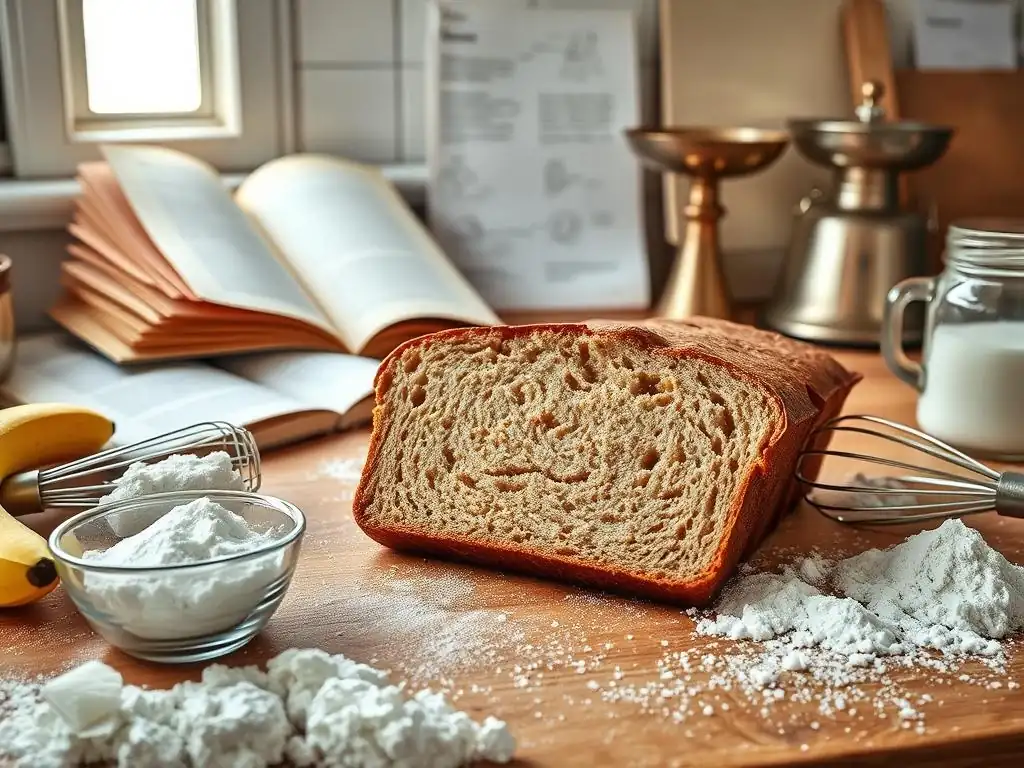
Welcome to BakeWithEase, your trusted guide to the delightful world of baking! Ever wondered what makes quick breads so, well, quick? Dive into "The Science of Simple: How Quick Breads Work for Beginners" and unlock the secrets behind these fuss-free delights. Learn how the magic of quick bread baking science empowers even novice bakers to create delicious treats – and discover why this fundamental understanding is the key to building your baking confidence. Ready to unravel the mysteries and bake something amazing? Let's get started!
- Understanding Quick Bread Baking Science for Beginners
- The Essential Ingredients in Quick Bread Baking
- The Quick Bread Baking Process: A Step-by-Step Guide
- Common Quick Bread Baking Problems and Solutions
- Mastering Basic Quick Bread Recipes: Beginner-Friendly Options
- Advanced Quick Bread Techniques: Taking Your Baking to the Next Level
- Quick Bread Baking Science: The Chemistry Behind the Rise
- Tips and Tricks for Perfect Quick Breads Every Time
- Frequently Asked Questions
- Final Reflection: The Enduring Magic of Quick Breads
- Unleash Your Inner Baker: Bake Your First Perfect Loaf Today!
Understanding Quick Bread Baking Science for Beginners
What Makes Quick Breads "Quick"? A Beginner's Introduction
Quick breads earn their name primarily because they don't rely on yeast for leavening. Unlike yeast breads, which require hours of rising time as yeast ferments sugars and produces carbon dioxide, quick breads use chemical leavening agents like baking powder or baking soda. These agents react rapidly when mixed with wet ingredients and/or exposed to heat, creating gas bubbles almost instantly or during baking. This rapid reaction means you can mix the batter or dough and get it into the oven relatively quickly, often within minutes, bypassing the lengthy proofing process that is central to traditional bread making.
The core of quick bread baking science lies in this rapid chemical reaction. This allows for a much faster turnaround from mixing bowl to finished product. Think of muffins ready in under 30 minutes or scones baked in 15-20 minutes. This speed makes quick breads incredibly accessible for beginners and busy bakers alike. It simplifies the process significantly, removing the variables associated with yeast activity, such as temperature, humidity, and proofing time, making the science of quick breads much more forgiving for those just starting their baking journey.
Quick Bread vs. Yeast Bread: Key Differences Explained
The most fundamental difference between quick breads and yeast breads is the leavening method, which dictates everything from mixing technique to texture and flavor. Yeast breads rely on biological leavening, where live yeast consumes sugars and produces carbon dioxide and alcohol over several hours. This process requires kneading to develop gluten structure, which traps the gas and gives yeast breads their characteristic chewy texture and airy crumb. The slow fermentation also contributes complex flavors.
Quick breads, on the other hand, use chemical leavening (baking powder and/or baking soda) that produces carbon dioxide rapidly upon mixing with liquids or exposure to heat. This means no lengthy rising time is needed. The mixing method is typically much gentler, often just combining wet and dry ingredients until just mixed, to minimize gluten development. The result is a product that is generally softer, more tender, and cakier or biscuit-like in texture compared to the chewy structure of yeast bread. Understanding this core difference is key to mastering quick bread baking science.
The Essential Ingredients in Quick Bread Baking
Flour Power: Choosing the Right Flour for Quick Breads
All-purpose flour is the most common choice for quick bread recipes, and for good reason. It contains a moderate amount of protein (typically around 10-12%), which develops into gluten when mixed with liquid. In quick bread baking science, we want some gluten structure to hold the shape and trap gas bubbles, but not too much, as excessive gluten development leads to a tough texture. All-purpose flour provides a good balance, allowing for a tender crumb when mixed correctly.
While other flours can be used, they impact the quick bread's texture and density. Whole wheat flour, for instance, has more protein and fiber, absorbing more liquid and potentially resulting in a denser loaf unless adjustments are made. Cake flour, with its lower protein content (around 7-8%), can result in a very tender, almost crumbly texture, suitable for some muffin or cupcake recipes but perhaps too delicate for a sturdy loaf. For beginners exploring quick bread baking science, sticking to all-purpose flour as specified in recipes is the simplest path to success.
Leavening Agents: Baking Powder vs. Baking Soda in Quick Breads
Chemical leavening agents are at the heart of quick bread baking science. Baking soda (sodium bicarbonate) is a single-acting leavener that requires an acidic ingredient to react and produce carbon dioxide gas. Common acidic ingredients in quick breads include buttermilk, yogurt, sour cream, molasses, brown sugar, vinegar, and citrus juice. The reaction happens immediately upon mixing, so batters using only baking soda must be baked quickly.
Baking powder, on the other hand, is typically double-acting. It contains baking soda, an acid (like cream of tartar or sodium aluminum sulfate), and a starch (to absorb moisture and prevent premature reaction). The "double action" means it produces gas in two stages: once when mixed with liquid at room temperature, and again when heated in the oven.
This provides a more sustained lift, making it ideal for many quick bread recipes. Recipes often use both baking soda and baking powder; baking soda reacts with specific acids for flavor and initial lift, while baking powder provides the bulk of the rise during baking. Understanding these reactions is fundamental to quick bread baking science.
Sweeteners and Moisture: Sugar's Role in Quick Bread Recipes
Sugar plays multiple crucial roles in quick bread baking science beyond just providing sweetness. Granulated sugar, brown sugar, honey, or maple syrup all contribute to flavor, but they also significantly impact texture and moisture. Sugar is hygroscopic, meaning it attracts and holds onto water. This helps to keep quick breads moist and tender over time, preventing them from drying out too quickly.
Furthermore, sugar contributes to the browning of the crust through caramelization during baking, adding visual appeal and depth of flavor. It also interferes with gluten development, helping to create a more tender crumb. Different sugars offer different characteristics; brown sugar, for example, contains molasses, adding moisture, a slightly acidic component (which reacts with baking soda), and a richer flavor compared to granulated sugar. Mastering the use of sweeteners is an important part of understanding quick bread baking science.
Fats and Flavors: Adding Richness and Taste to Your Quick Breads
Fats, whether butter, oil, or shortening, are essential ingredients in most quick bread recipes, playing a vital role in texture, moisture, and flavor. Fats tenderize quick breads by coating flour particles and interfering with gluten development, resulting in a softer, more delicate crumb. They also help to keep the finished product moist by trapping moisture during baking.
Beyond texture, fats carry flavors and contribute their own. Butter adds a rich, creamy flavor that is highly desirable in many baked goods, although it also contributes to tenderness and browning. Liquid oils, like vegetable or canola oil, produce a consistently moist crumb and are easy to mix, making them popular in batters like muffins or loaf cakes. Understanding how different fats function and contribute to the overall outcome is key to successful quick bread baking science. Incorporating ingredients like melted butter or a neutral oil can dramatically change the final texture and richness of your quick bread.
The Quick Bread Baking Process: A Step-by-Step Guide
Mixing Methods for Quick Breads: Avoiding Overmixing
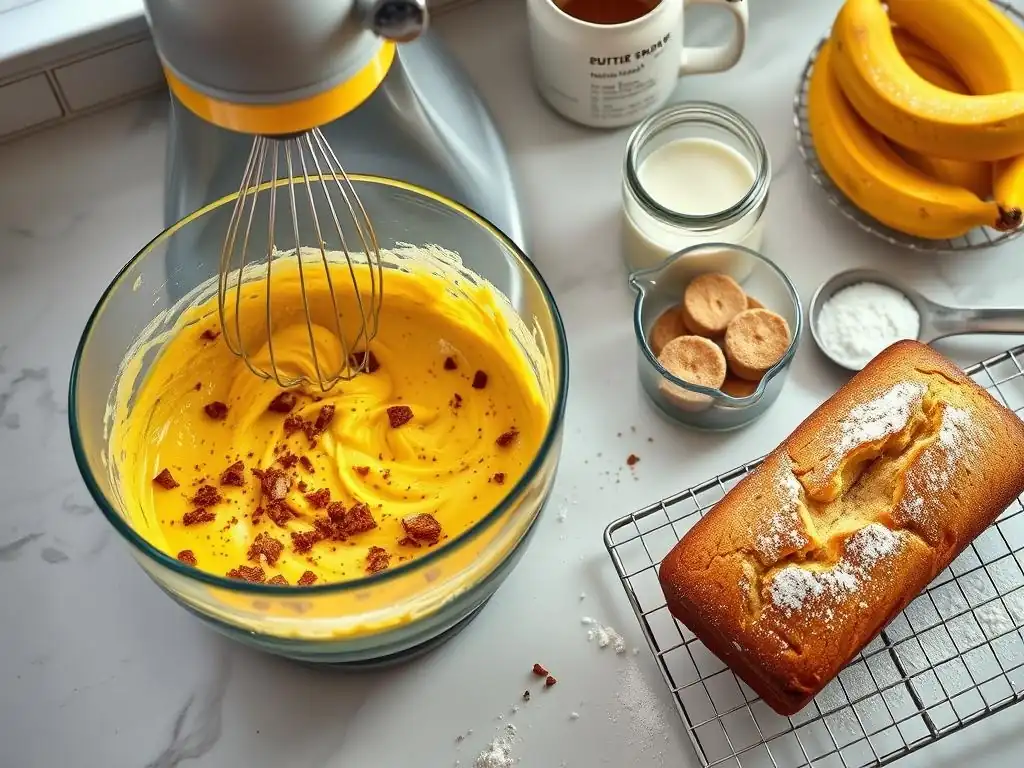
The most common mixing method for quick breads is the muffin method. This involves combining all the dry ingredients (flour, sugar, leavening, salt, spices) in one bowl and all the wet ingredients (eggs, milk, oil/melted butter, extracts, purees) in another. The wet ingredients are then poured into the dry ingredients, and they are mixed together just until combined. The key is to mix as little as possible, leaving small lumps in the batter. This minimizes gluten development, which is crucial for a tender quick bread.
Another method, sometimes used for richer quick breads like some loaf cakes, is the creaming method, similar to cake or cookie making. This involves creaming softened butter and sugar together until light and fluffy, then adding eggs, followed by alternating additions of dry and wet ingredients. While this method can produce a fine crumb, the muffin method is generally preferred for most quick breads due to its simplicity and effectiveness in preventing toughness caused by overmixing, aligning perfectly with the principles of quick bread baking science.
The Importance of Measuring Ingredients Accurately
Accurate measurement is arguably the most critical step in quick bread baking science, especially for beginners. Unlike some cooking where you can adjust "to taste," baking is a chemical process that relies on precise ratios. Too much flour, for example, can lead to a dry, dense quick bread because it absorbs too much liquid and introduces excess protein for gluten development. Too little leavening will result in a flat, heavy product.
Using standard measuring tools and techniques is essential. For dry ingredients like flour, it's best to spoon the flour lightly into the measuring cup and level it off with a straight edge, rather than scooping directly from the bag, which can compact the flour and result in significantly more than needed. Liquids should be measured in liquid measuring cups at eye level. By being meticulous with measurements, you ensure the ingredients react as intended, bringing the principles of quick bread baking science to life successfully in your kitchen.
Oven Temperature and Baking Time: Achieving Perfect Quick Bread Texture
Oven temperature plays a significant role in the final texture and rise of your quick bread. Most quick breads are baked at moderate to hot temperatures, typically ranging from 350°F to 400°F (175°C to 200°C). The initial heat helps activate the chemical leaveners rapidly, providing a good oven spring (the final burst of rising in the oven). Baking at too low a temperature can result in a quick bread that spreads too much before it sets and doesn't rise properly, leading to a flat, dense result.
Baking time is equally important. Overbaking can lead to a dry, tough quick bread, while underbaking results in a gummy, uncooked center. The best way to determine doneness is to insert a wooden skewer or toothpick into the center of the quick bread; it should come out clean or with just a few moist crumbs attached.
For muffins, this might take 20-25 minutes, while a standard loaf can take 45-60 minutes or even longer, depending on the recipe and pan size. Relying on visual cues like browning alone isn't always sufficient; testing the interior is key to mastering quick bread baking science.
Common Quick Bread Baking Problems and Solutions
Troubleshooting Flat Quick Breads: Leavening Issues
A common disappointment for beginners is a quick bread that comes out flat and heavy instead of light and airy. The primary culprit in quick bread baking science for this issue is usually related to the leavening agents. The baking powder or baking soda might be old or expired; check the expiration date, or test a small amount by adding hot water (for baking powder, it should bubble vigorously) or vinegar (for baking soda, it should fizz immediately). Using insufficient amounts of leavening is another cause, often due to inaccurate measuring.
Other factors contributing to flatness include adding too much liquid, which dilutes the batter and weakens the structure, or opening the oven door too early, causing the quick bread to collapse before its structure is set. Ensure your leavening is fresh, measure carefully, follow liquid amounts precisely, and resist the urge to peek at your quick bread until near the end of the suggested baking time. Understanding the role of leaveners is fundamental to troubleshooting in quick bread baking science.
Addressing Dry Quick Breads: Moisture Balance
Dry quick breads are often the result of an imbalance in the wet-to-dry ingredient ratio or overbaking. Too much flour, as mentioned before, is a frequent cause, pulling too much moisture from the batter. Using the incorrect measuring technique for flour (scooping instead of spooning and leveling) can easily add a significant amount of extra flour. Similarly, using too little fat or sugar can result in a drier texture, as these ingredients contribute to moisture retention.
Overbaking is another major factor. Leaving the quick bread in the oven for too long, even by a few minutes, can evaporate too much moisture. Always check for doneness using the skewer test rather than relying solely on the clock. If you suspect your oven runs hot, consider using an oven thermometer to verify the temperature. Adjusting baking time or temperature slightly can make a big difference in achieving a perfectly moist quick bread, showcasing a practical application of quick bread baking science.
Fixing Dense Quick Breads: Mixing and Ingredient Proportions
Dense quick breads can stem from several issues, often related to mixing technique and ingredient proportions. Overmixing the batter is a prime cause; vigorously stirring the wet and dry ingredients together develops gluten, leading to a tough, heavy texture instead of the desired tender crumb. Remember the muffin method guideline: mix just until the dry ingredients are moistened, even if lumps remain.
Incorrect ingredient proportions can also lead to density. Too little leavening will obviously cause a lack of rise, resulting in a heavy product. Too much liquid can weigh down the batter, preventing it from rising properly. Conversely, too little liquid might make the batter too stiff, hindering the leavening agents' ability to create bubbles and expand. Ensuring accurate measurements and gentle mixing are foundational steps in quick bread baking science to avoid dense results.
Mastering Basic Quick Bread Recipes: Beginner-Friendly Options
Classic Quick Bread Recipe: Banana Bread
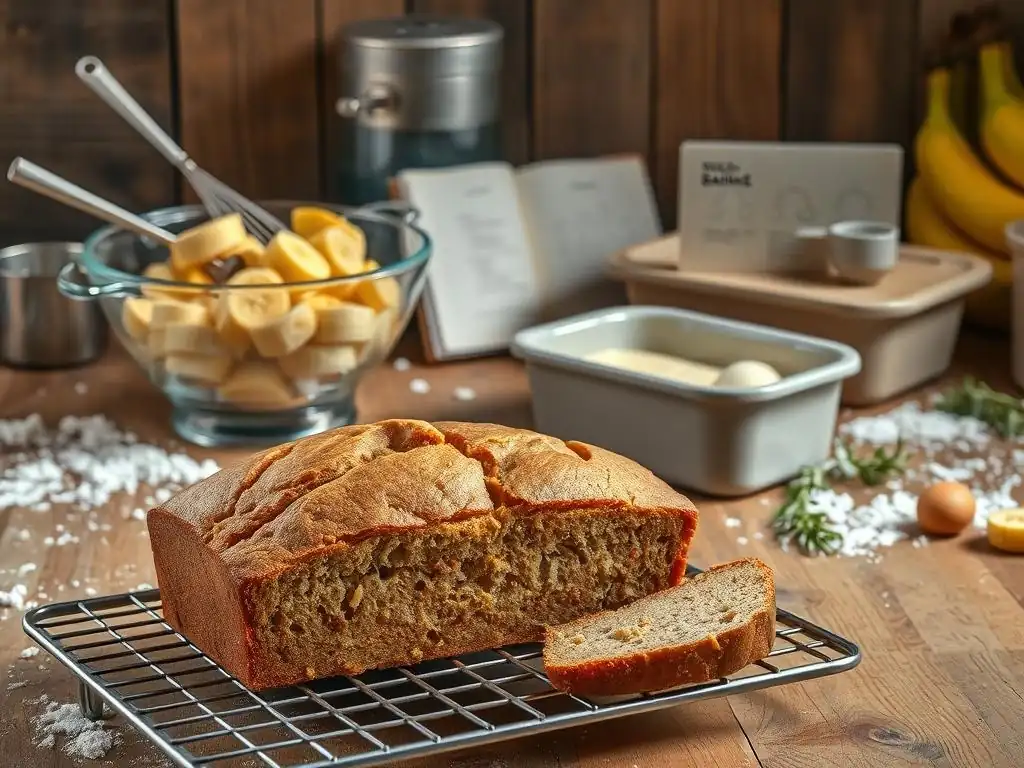
Banana bread is a quintessential quick bread and a fantastic starting point for beginners exploring quick bread baking science. It typically uses mashed ripe bananas, which provide natural sweetness, moisture, and flavor. The high moisture content from the bananas makes it quite forgiving. A standard recipe often includes flour, sugar, baking soda (often reacting with the slight acidity in the bananas or added buttermilk), eggs, butter or oil, and vanilla extract.
The process usually follows the muffin method: whisk together dry ingredients, whisk together wet ingredients (including mashed bananas), combine the two gently. It's typically baked in a loaf pan. Banana bread demonstrates key quick bread principles: chemical leavening provides the lift, minimal mixing keeps it tender, and moist ingredients like bananas and fat ensure a pleasant texture. Success with banana bread is a great confidence builder in applying quick bread baking science.
Savory Quick Bread Recipe: Cheddar & Chive Scones
Scones are another excellent example of quick breads, often using solid fat (like cold butter or shortening) cut into the dry ingredients, similar to making biscuits or pastry. This method creates flaky layers as the fat melts during baking. Cheddar and chive scones are a popular savory variation, incorporating shredded cheese and fresh herbs into the dough. They typically use baking powder for leavening and are mixed minimally.
The process involves combining flour, leavening, salt, and maybe a little sugar, then cutting in cold fat until the mixture resembles coarse crumbs. Cheese and chives are added, followed by liquid (like milk or buttermilk) just until the dough comes together. The dough is often gently patted or rolled and cut into wedges or shapes. Baking powder provides the primary lift, while the cold fat ensures flakiness. Mastering scones introduces beginners to a different fat incorporation technique within the realm of quick bread baking science.
Advanced Quick Bread Techniques: Taking Your Baking to the Next Level
Adding Fruits, Nuts, and Chocolate Chips to Quick Breads
Once you're comfortable with basic quick bread recipes, you can easily elevate them by incorporating mix-ins like fresh or dried fruits, nuts, or chocolate chips. These additions not only enhance flavor and texture but also add moisture and richness. When adding fresh fruit, like blueberries or diced apples, consider tossing them lightly with a tablespoon or two of flour before adding them to the batter. This helps prevent them from sinking to the bottom during baking.
For dried fruits or nuts, chopping them into smaller, uniform pieces ensures even distribution. Chocolate chips or chunks melt slightly, creating pockets of gooey richness. The key is to fold these additions in gently during the final stage of mixing, after the wet and dry ingredients are just combined. Overmixing at this stage can still develop gluten and toughen the quick bread. Experimenting with different combinations is a fun way to apply quick bread baking science creatively.
Exploring Different Quick Bread Flavor Combinations
The versatility of quick bread baking science allows for an endless array of flavor combinations. Beyond classic fruit-based quick breads, you can explore spice blends (like cinnamon, nutmeg, ginger in a pumpkin bread), citrus zests (lemon, orange in muffins), extracts (almond, maple), and even vegetable purees (zucchini, carrot). Savory options are also vast, incorporating cheeses, herbs, sun-dried tomatoes, or even cooked vegetables.
When developing new flavor combinations, consider how the added ingredients affect the overall moisture and structure. Wet additions like extra fruit puree might require a slight adjustment to the liquid or flour ratio. Strong flavors should be balanced to avoid overpowering the quick bread. Researching existing recipes for similar flavor profiles can provide guidance on proportions. This exploration deepens your understanding of how different components interact within the quick bread baking science framework.
Creating Unique Quick Bread Glazes and Toppings
Finishing your quick bread with a glaze, streusel topping, or simple dusting of sugar adds an extra layer of flavor, texture, and visual appeal. A simple glaze can be made by whisking powdered sugar with a small amount of liquid like milk, cream, citrus juice, or extract until it reaches a pourable consistency. Drizzle this over the cooled quick bread.
Streusel toppings, often made from flour, sugar, butter, and sometimes oats or nuts, provide a delightful crumbly texture. These are typically sprinkled over the batter before baking. For a simple finish, a sprinkle of coarse sugar (like turbinado) or cinnamon-sugar before baking adds sparkle and a hint of crunch. These finishing touches are the final step in presenting a beautiful and delicious quick bread, complementing the underlying quick bread baking science with artistry.
Quick Bread Baking Science: The Chemistry Behind the Rise
The Role of Gluten in Quick Bread Structure
In quick bread baking science, gluten plays a supporting, rather than leading, role compared to yeast breads. Gluten is a protein network formed when two proteins in flour, glutenin and gliadin, combine in the presence of water and mechanical mixing (stirring, kneading). This network is elastic and capable of stretching to trap the carbon dioxide gas produced by leavening agents, giving baked goods their structure.
For quick breads, we aim for minimal gluten development. A small amount of gluten is needed to provide just enough structure to hold the quick bread's shape and trap the gas bubbles, resulting in a tender crumb. However, overmixing leads to excessive gluten development, creating a strong, elastic network that makes the quick bread tough and chewy, undesirable characteristics for muffins, scones, or loaf cakes. Understanding this balance is central to successful quick bread baking science.
Understanding Acid-Base Reactions in Leavening
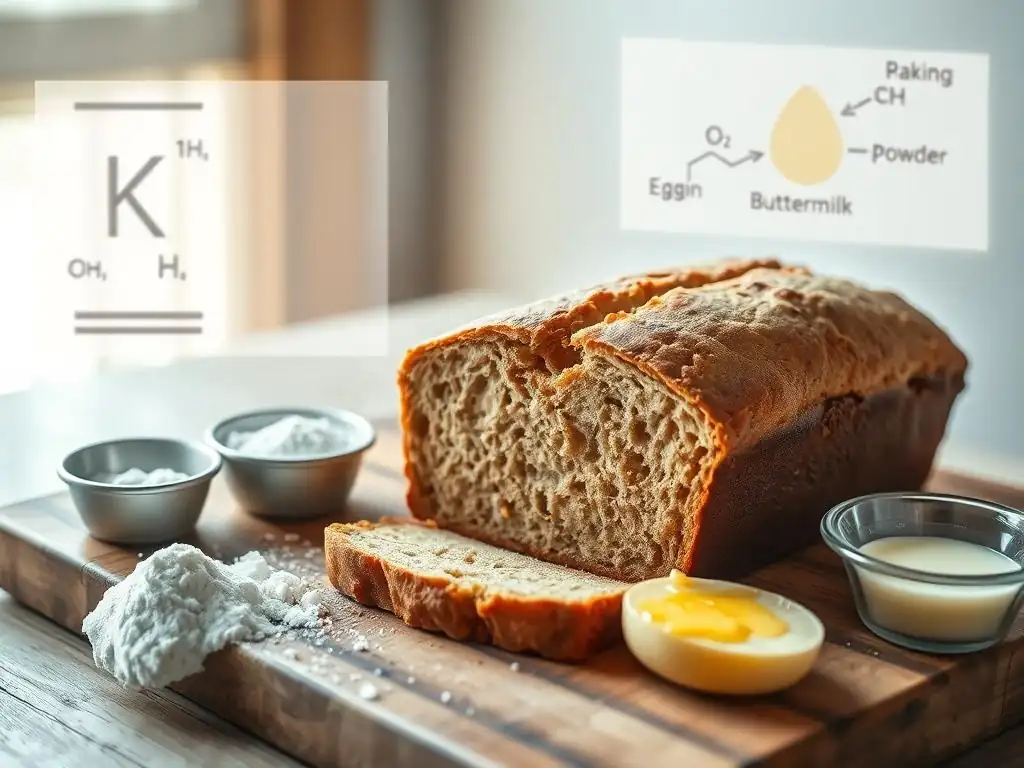
The lift in quick breads primarily comes from the acid-base reactions of chemical leaveners. Baking soda (sodium bicarbonate) is a base. When it encounters an acid in the presence of liquid, a chemical reaction occurs, producing carbon dioxide gas, water, and a salt. For example, baking soda reacting with buttermilk (lactic acid) produces CO2 bubbles that cause the quick bread to rise.
Baking powder contains both a base (baking soda) and an acid (or multiple acids) already mixed together, along with a starch. When liquid is added, the acid and base react, producing CO2. Double-acting baking powder has acids that react at different stages – some upon initial mixing with liquid, and others when heated in the oven. This controlled release of gas provides a steady rise throughout the baking process, a key principle in quick bread baking science that ensures a light and airy texture.
The Impact of Temperature on Quick Bread Baking
Temperature is a critical factor in quick bread baking science, influencing both the chemical reactions and the physical structure of the quick bread. The heat of the oven provides the energy needed for the second stage of leavening in double-acting baking powder and causes any remaining baking soda reactions to accelerate. As the temperature increases, the gas bubbles trapped within the batter expand.
Simultaneously, the heat causes the proteins in the flour and eggs to coagulate (set) and the starches to gelatinize. This process solidifies the structure of the quick bread, setting the crumb and preventing it from collapsing as the gases expand. If the oven temperature is too low, the quick bread may spread excessively before the structure sets, leading to a flat result.
If it's too high, the outside may brown and set too quickly, while the inside remains undercooked or dense. Maintaining the correct temperature ensures the quick bread rises properly and develops the desired internal structure and external crust, a vital aspect of quick bread baking science.
Tips and Tricks for Perfect Quick Breads Every Time
Ensuring Even Baking: Pan Preparation and Placement
Achieving evenly baked quick breads is essential for a good outcome. Proper pan preparation prevents sticking and promotes uniform browning. Most quick bread recipes call for greasing and flouring the pan, or lining it with parchment paper. Using baking spray or butter and flour works well for metal pans. For loaf pans, lining with parchment paper, leaving some overhang, makes removal much easier.
Pan placement in the oven also matters. For even heat circulation, place the quick bread pan in the center of the middle oven rack. Avoid placing multiple pans too close together, as this can obstruct airflow and lead to uneven baking. If baking multiple batches, rotate the pans halfway through the baking time. Consistent pan preparation and placement are simple yet effective tips in quick bread baking science for reliable results.
Storing Quick Breads for Freshness
Proper storage helps keep your quick breads fresh and moist for as long as possible. Once the quick bread has cooled completely on a wire rack, it should be stored in an airtight container or wrapped tightly in plastic wrap. Cooling completely is crucial; storing warm quick bread will create condensation inside the container, making the crust soggy.
Most quick breads, like muffins or loaf cakes, will stay fresh at room temperature for 2-3 days. For longer storage, they can be refrigerated for about a week or frozen for up to 2-3 months. To freeze, wrap the cooled quick bread tightly in plastic wrap, then in aluminum foil or place it in a freezer-safe bag. Thaw frozen quick bread at room temperature. Understanding moisture retention and protection from air is key to maintaining quality, a practical application of quick bread baking science.
Adapting Quick Bread Recipes to Dietary Restrictions
Many quick bread recipes can be adapted to accommodate various dietary needs, applying principles of quick bread baking science to new ingredients. For gluten-free quick breads, substitute the all-purpose flour with a gluten-free flour blend specifically designed for baking, often containing a mix of rice flour, tapioca starch, and potato starch, sometimes with added xanthan gum to mimic gluten's binding properties. You may need to adjust liquid slightly as gluten-free flours absorb differently.
For dairy-free quick breads, substitute milk with plant-based alternatives like almond milk, soy milk, or oat milk. Replace butter with a dairy-free butter substitute or oil. For egg-free quick breads, common substitutes include applesauce, mashed banana, flax egg (ground flaxseed mixed with water), or commercial egg replacers. Each substitution can slightly alter the texture and flavor, so it might take a few tries to find your preferred combination while still relying on the core quick bread baking science principles for leavening and structure.
Frequently Asked Questions
What are quick breads?
Quick breads are leavened baked goods that use chemical leavening agents like baking powder or baking soda instead of yeast. This means they can be prepared and baked quickly, making them ideal for beginners.
How do leavening agents work in quick breads?
Leavening agents release carbon dioxide when mixed with moisture and heat, causing the batter to rise. This process creates a light and airy texture in your quick breads.
Can I customize quick bread recipes?
Absolutely! Quick breads are very versatile; you can add fruits, nuts, or spices to enhance flavor. Just be mindful of the liquid balance in your recipe when adding ingredients.
What are some common mistakes when baking quick breads?
Common mistakes include overmixing the batter and not measuring ingredients accurately. Both can lead to dense or tough quick breads instead of the desired light texture.
Where can I find easy quick bread recipes?
You can explore a variety of simple recipes on BakeWithEase.com, where you'll find easy-to-follow guides for different types of quick breads, perfect for bakers of all skill levels.
Final Reflection: The Enduring Magic of Quick Breads
The science behind quick breads isn't just about following a recipe; it's about understanding the fundamental chemistry that transforms simple ingredients into comforting, delicious loaves. This understanding empowers home bakers to troubleshoot, experiment, and ultimately, create truly personalized baking experiences. The ease of quick bread baking, often perceived as simplistic, belies a fascinating interplay of chemical reactions that are both accessible and deeply rewarding to explore.
The impact of quick breads extends far beyond the kitchen table. They represent a connection to culinary history, a tradition passed down through generations, and a tangible link to the earth itself through the humble ingredients used. They are a comfort food, a celebration, a simple act of nurturing. As the renowned food writer, M.F.K. Fisher, once wrote: First we eat. Then we do everything else.
Quick breads, in their simplicity and accessibility, embody this fundamental truth, providing nourishment and a sense of connection to something larger than ourselves.
Now, consider your own baking journey. What have you learned about the science behind your favorite quick bread? What experiments will you try next? Don't be afraid to deviate from the recipe, to substitute ingredients, to explore the subtle nuances of flavor and texture. The world of quick bread baking is yours to explore, and the rewards – both culinary and personal – are immeasurable. Embrace the science, trust your instincts, and most importantly, enjoy the process!
Unleash Your Inner Baker: Bake Your First Perfect Loaf Today!
Thanks for taking the time to explore the science behind quick breads! You've now unlocked the secrets to effortlessly creating delicious, homemade loaves. Ready to put your newfound knowledge to the test?
- Bake your own quick bread masterpiece! Choose a recipe that excites you and get started—you’ll be amazed at how easy it is.
- Share your baking journey! Post a picture of your creation on social media using #BakeWithEase and inspire others.
- Discover more baking secrets by exploring other articles on BakeWithEase.com (This item would be removed if this was a real website)
What delicious flavor combination will you try first?