
Why That Custom Cake Costs More: Pricing Complexity in Baking

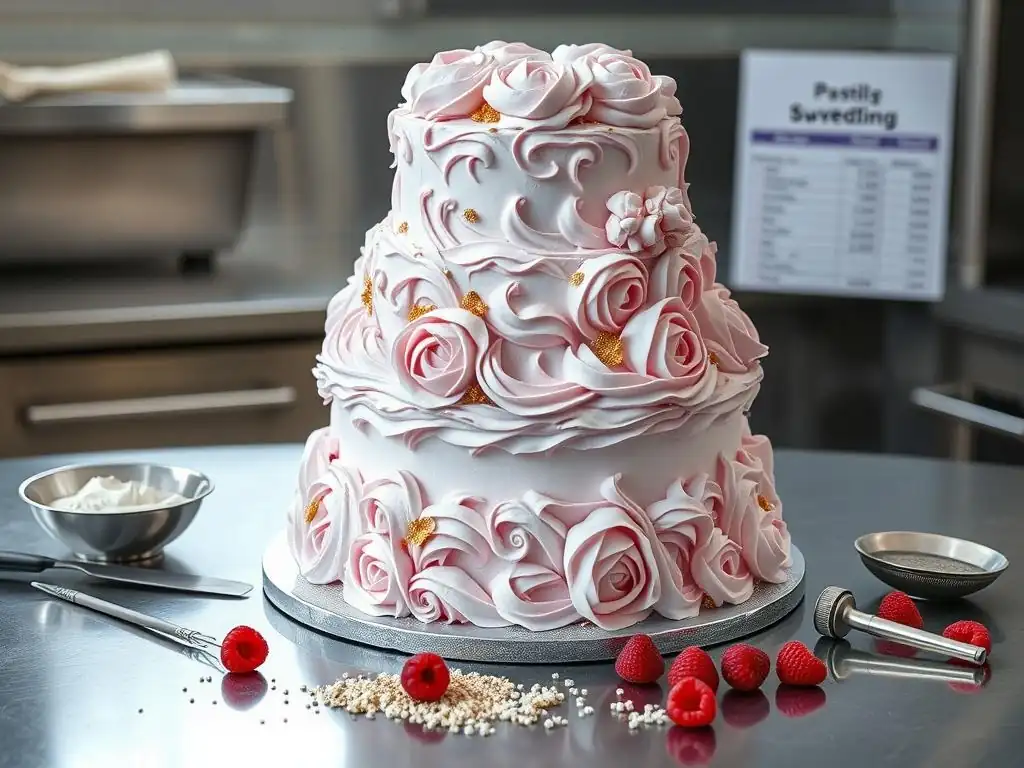
Welcome to BakeWithEase, your trusted guide to delicious baking adventures! Ever wondered about the seemingly mystical world of custom cake pricing? Join us as we unravel the complexities behind the cost of those stunning creations. From ingredient sourcing to intricate design work, we'll break down exactly why that bespoke cake commands a higher price. Prepare to be enlightened and discover the hidden value baked into every slice!
- Why That Custom Cake Costs More: Understanding the Pricing Complexity in Baking
- The Labor-Intensive Nature of Custom Cake Creation
- High-Quality Ingredients: A Foundation for Delicious Custom Cakes
- Complexity of Design and Decoration: Factors Influencing Custom Cake Cost
- Overhead Costs: Essential Expenses for a Baking Business
- The Customization Premium: Tailoring to Unique Client Needs
- Understanding Your Custom Cake Price: A Detailed Breakdown
- Tips for Budget-Conscious Custom Cake Orders
- Conclusion: Appreciating the Value of a Custom Cake
-
Frequently Asked Questions
- How does BakeWithEase determine the price of a custom cake?
- What are the primary ingredients that influence custom cake pricing?
- What role does labor play in the pricing of custom cakes?
- Are there hidden costs associated with custom cake pricing that I should be aware of?
- How can I potentially reduce the cost of a custom cake from BakeWithEase?
- Final Reflection: The Sweet Truth Behind Custom Cake Costs
- Unlock Your Inner Cake Boss: Master Custom Cake Pricing!
Why That Custom Cake Costs More: Understanding the Pricing Complexity in Baking
BakeWithEase Explains: Decoding Custom Cake Prices
Have you ever wondered why a beautiful, personalized cake for a special occasion seems to carry a higher price tag than a standard grocery store sheet cake? It's a common question, and understanding the factors that contribute to the cost of a custom cake is key to appreciating the artistry and effort involved. Unlike mass-produced cakes, custom creations are unique edible masterpieces tailored specifically to a client's vision, and this bespoke approach inherently involves a more complex custom cake pricing breakdown.
The price of a custom cake isn't just about the ingredients; it's a reflection of numerous elements, including the baker's time, skill, design complexity, ingredient quality, and business overheads. Each element plays a significant role in determining the final cost. At BakeWithEase, we want to pull back the curtain and explain why that stunning tiered cake or intricately decorated birthday cake commands its price, giving you a clear picture of what you're paying for when you order a truly unique confection.
The Labor-Intensive Nature of Custom Cake Creation
Beyond the Recipe: Hours of Planning and Execution
Creating a custom cake involves significantly more labor than simply following a recipe. It begins long before the oven is even preheated, often with detailed consultations with the client to understand their theme, flavor preferences, design ideas, and dietary needs. This initial planning phase can take anywhere from 30 minutes to several hours, especially for complex designs requiring sketches or multiple revisions. Once the design is finalized, the baker must meticulously plan the baking schedule, prepare special pans, mix colors, and gather specific tools.
The actual baking process itself is also more involved. Custom cakes often require multiple layers, different flavor combinations, and specific baking times to ensure perfect texture and structure, especially for tiered cakes. For example, a three-tier wedding cake might require baking 6-9 individual cake layers of different sizes. Cooling, leveling, filling, and crumb coating each layer adds considerable time. A single custom cake can easily require 4-8 hours of active labor spread over several days, not including the initial consultation and final setup.
Skill and Experience: The Baker's Expertise as a Cost Factor
The baker's skill and experience are paramount in custom cake creation and directly influence the custom cake pricing breakdown. Years of practice are required to master techniques like achieving smooth buttercream finishes, sharp fondant edges, delicate sugar flowers, or structural integrity for multi-tiered cakes. An experienced baker knows how to troubleshoot issues like cracking fondant, sagging tiers, or unstable structures – problems that can ruin a cake if not handled correctly.
Consider the difference between a simple round cake with basic frosting and a cake featuring complex sugar paste figures or airbrushing. These advanced techniques require specialized training, expensive tools, and a high level of artistic skill, which bakers invest years in developing. A baker who can consistently deliver flawless execution, intricate details, and structurally sound cakes is providing a premium service, and their expertise is a significant component of the custom cake's value and cost.
High-Quality Ingredients: A Foundation for Delicious Custom Cakes
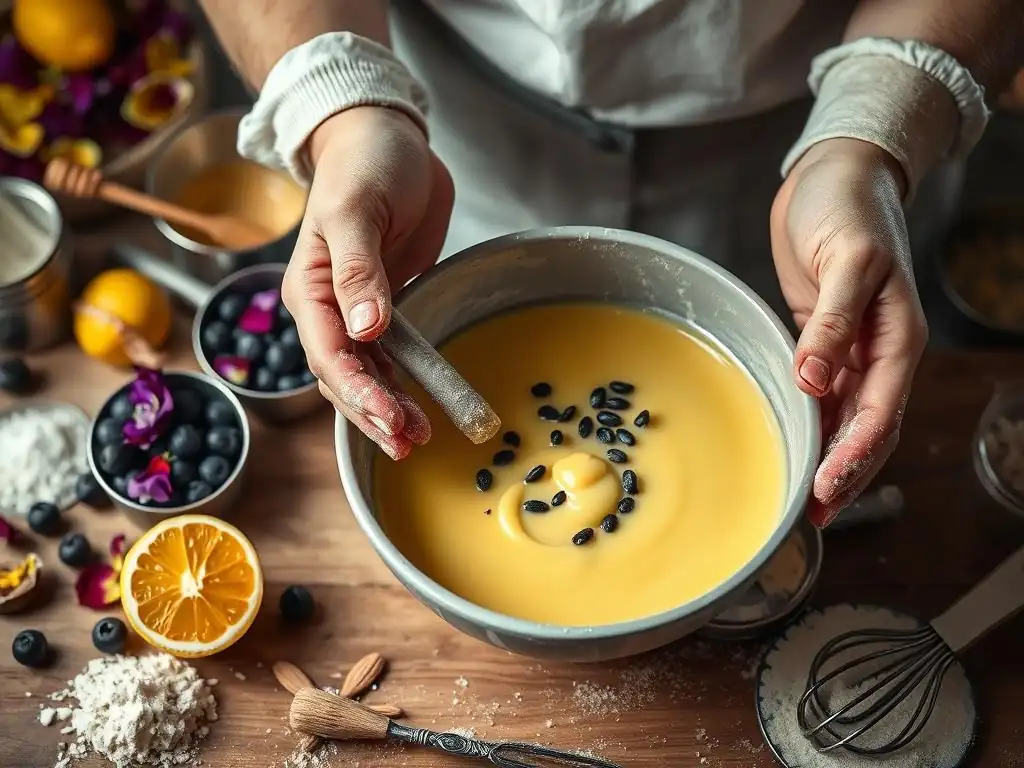
The quality of ingredients profoundly impacts the taste, texture, and overall experience of a custom cake, and premium ingredients come at a higher cost. Unlike standard grocery store brands, custom bakers often opt for high-quality butter with a higher fat content, professional-grade flour, pure extracts, and premium chocolate. For example, using pure Madagascar bourbon vanilla extract can cost significantly more per ounce than imitation vanilla, but it provides a far superior flavor.
Specialty ingredients like imported cocoa powder (e.g., Valrhona or Callebaut), fresh seasonal fruits (like organic raspberries or passion fruit), and high-fat European butter contribute to a richer, more delicious product but also increase the raw material cost. While a basic cake might use a few dollars worth of ingredients, a high-end custom cake featuring multiple flavors, fillings, and premium components could easily have ingredient costs ranging from $20 to $100 or more, depending on the size and complexity. This is a crucial part of the custom cake pricing breakdown.
Sourcing Local and Organic Ingredients: Impact on Cake Pricing
Many custom bakers prioritize using local, organic, or ethically sourced ingredients, which often carry a premium price tag compared to conventionally produced alternatives. Supporting local farms for fresh eggs, dairy, or seasonal fruits not only contributes to the local economy but also ensures fresher, often more flavorful components for the cake. However, this comes at a higher cost than purchasing ingredients from large industrial suppliers.
For instance, organic butter might cost 50% more than conventional butter, and locally sourced, farm-fresh eggs can be double the price of standard eggs. While these choices enhance the quality and appeal of the custom cake, they directly increase the baker's material costs, which must be reflected in the final price. Clients seeking cakes made with the highest quality, most responsibly sourced ingredients should expect this to be a factor in their custom cake pricing breakdown.
Complexity of Design and Decoration: Factors Influencing Custom Cake Cost
Intricate Designs and Advanced Techniques: The Art of Cake Decorating
The visual appeal of a custom cake is often what makes it stand out, and intricate designs are incredibly labor-intensive. Techniques such as airbrushing, hand-painting, creating realistic sugar flowers petal by petal, sculpting figures from fondant or modeling chocolate, or applying delicate lace patterns require immense skill, patience, and time. A single complex sugar flower can take a baker 30 minutes to several hours to create, and a full cascade of flowers might represent days of work.
Consider a cake designed to look like a specific object, character, or architectural structure. These sculpted cakes require precise carving, building internal supports, and meticulous covering and decorating to achieve a realistic finish. Techniques like isomalt work (sugar glass) or creating edible metallic finishes also add to the complexity and time involved. The more intricate the design, the more time the baker spends, and this is a major contributor to the higher custom cake pricing breakdown.
Hand-Made Decorations: The Time and Skill Involved
Many of the beautiful elements on a custom cake are crafted entirely by hand. This includes sugar paste figurines, fondant ruffles, complex piping work, edible pearls, and custom-colored icing. Creating a set of detailed sugar characters for a child's birthday cake, for example, can take hours as the baker molds, colors, and assembles each tiny piece. Piping intricate lace patterns around a tier requires a steady hand and significant time investment.
Even seemingly simple decorations like perfectly smooth fondant covering or sharp buttercream edges require considerable skill and time to execute flawlessly. The labor involved in hand-making each decorative element is a significant factor in the overall cost. A cake with dozens of hand-painted details or individually crafted sugar leaves will naturally cost more than one with minimal decoration.
Custom Toppers and Embellishments: Adding Unique Value
Beyond the cake itself, custom toppers and embellishments add a layer of personalization and cost. This could include custom-made edible figures representing the recipients, intricate sugar monograms, or specialized non-edible elements provided or sourced by the baker. If the baker is creating a complex, edible topper, it falls under the 'hand-made decorations' labor cost.
If the baker is sourcing or incorporating specific non-edible items requested by the client, such as particular candles, ribbons, or specialized cake stands, these costs are also factored into the final price. Ensuring these elements are food-safe and properly secured to the cake also requires time and expertise.
Overhead Costs: Essential Expenses for a Baking Business
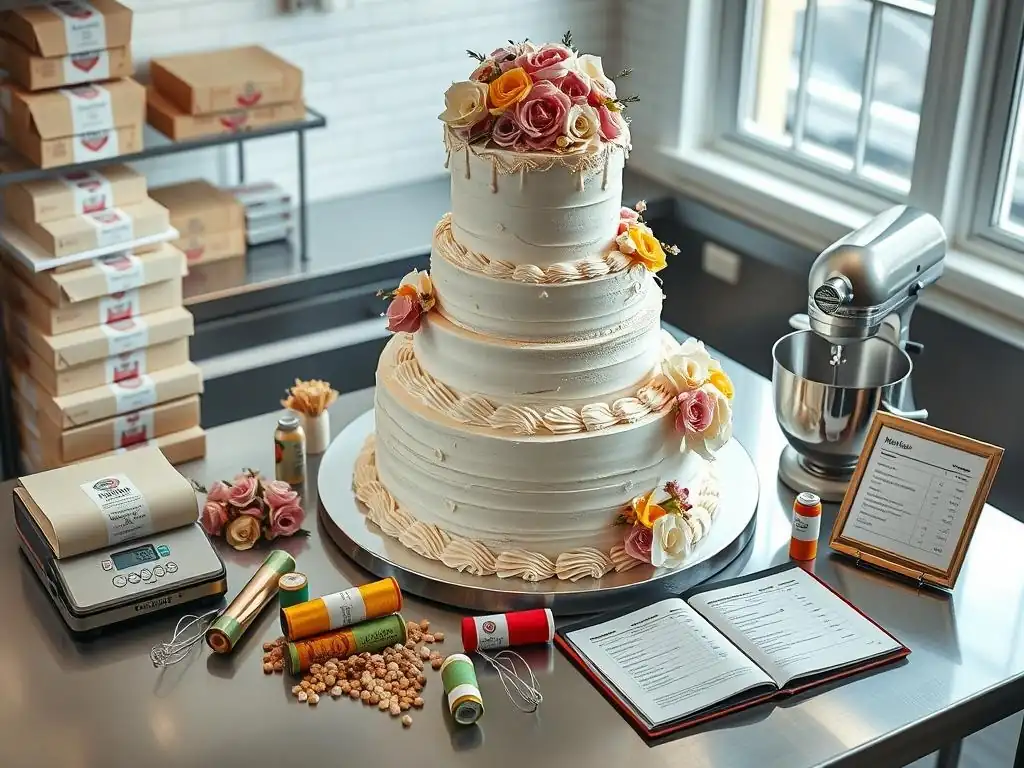
Running a legitimate baking business involves significant overhead costs that must be covered by the price of the goods sold, including custom cakes. Even home-based bakers have increased utility bills (electricity for ovens and mixers, water), insurance costs, and potentially permitting fees. Bakers operating out of a commercial kitchen or storefront face substantial rent or mortgage payments, higher utility costs, and maintenance expenses for the property.
Equipment is another major overhead. Professional mixers, ovens, refrigerators, freezers, specialized tools (like airbrush machines, fondant rollers, large-capacity stand mixers), and even basic items like cake pans and cooling racks require significant upfront investment and ongoing maintenance or replacement. The cost of keeping this equipment in good working order, paying for electricity to run them, and maintaining a clean, compliant workspace is built into the custom cake pricing breakdown.
Packaging and Presentation: Ensuring Cake Safety and Appeal
Proper packaging is essential for safely transporting a custom cake, especially multi-tiered or delicate designs. This requires sturdy cake boxes, boards strong enough to support the weight, internal supports for tiered cakes, and potentially specialized carriers or refrigeration during transport. These materials are not inexpensive, particularly for larger or unusually shaped cakes.
The presentation also adds value. A beautifully presented cake box, ribbons, or custom labeling enhance the client's experience. While seemingly small costs, the cumulative expense of high-quality packaging materials adds up and is a necessary business cost factored into the final price of a custom cake.
Consultations and Design Modifications: Personalized Service
The very nature of a custom cake is that it is tailored specifically to one client's needs and desires. This personalized service begins with detailed consultations, which can happen via email, phone, or in person. During these discussions, the baker invests time understanding the client's vision, offering suggestions, and refining the design. For complex projects, this might involve creating sketches or digital mockups.
Changes or modifications requested by the client during the design process also require the baker's time to adjust plans, recalculate ingredients, and potentially alter the production schedule. This dedicated, one-on-one service is a key differentiator between a custom cake and a standard off-the-shelf product, and the time spent on consultation and design is a direct labor cost reflected in the custom cake pricing breakdown.
Rarity and Uniqueness: Valuing Bespoke Creations
Ultimately, a custom cake is a unique piece of edible art created specifically for a single event or person. It is not mass-produced; it is a bespoke creation that exists only once. This rarity and uniqueness hold inherent value. Clients are paying not just for the ingredients and labor but for the exclusivity of having a cake designed and made just for them, reflecting their specific personality, theme, or celebration.
Think of it like commissioning a piece of art or a tailored suit – you are paying for something that is made to your exact specifications and is unlike anything else. This premium for a one-of-a-kind creation is part of what defines the cost of a custom cake.
Understanding Your Custom Cake Price: A Detailed Breakdown
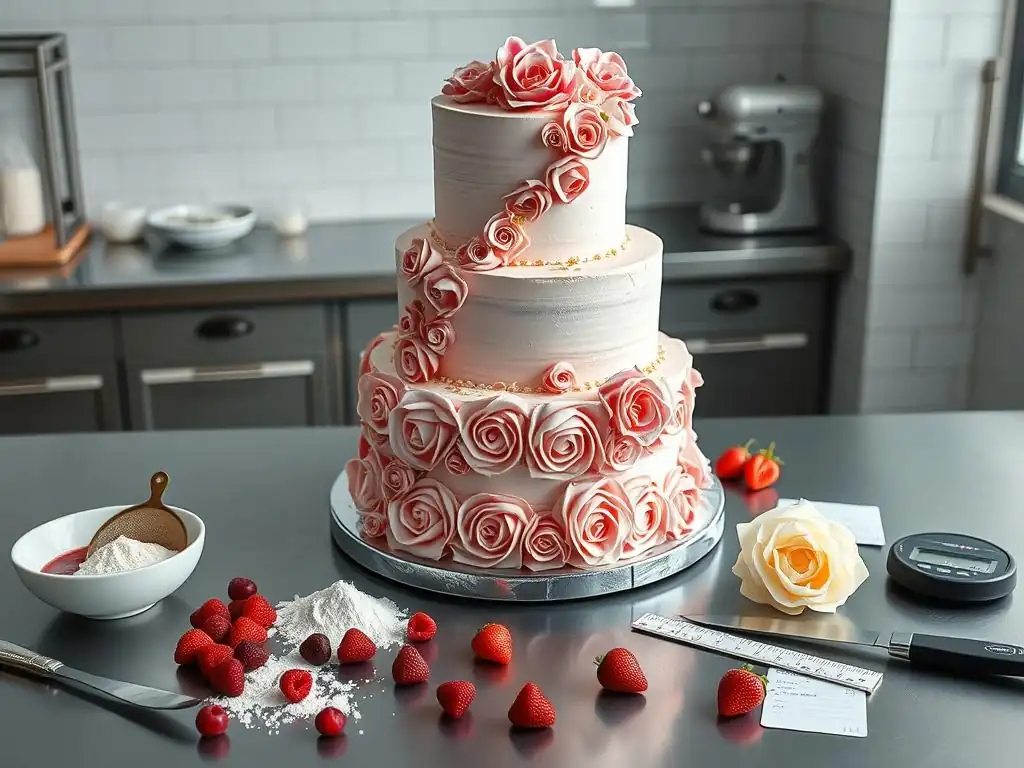
Requesting a Quote: Providing Necessary Information
When you're ready to order a custom cake, providing your baker with detailed information is crucial for getting an accurate quote and understanding the custom cake pricing breakdown. Be prepared to share the desired date and time of the event, the number of servings needed, flavor preferences (cake and filling), any dietary restrictions or allergies, and a clear description or inspirational photos of the desired design, including colors, theme, and specific decorative elements.
Knowing the delivery location and time is also important, as delivery fees are typically calculated based on distance and time. The more specific you can be with your initial request, the easier it will be for the baker to provide a realistic and comprehensive quote that breaks down the various cost factors.
Deciphering the Invoice: Cake Base, Filling, Frosting, Decorations, Labor, Delivery
A detailed invoice from a custom baker should ideally provide a clear custom cake pricing breakdown. While formats vary, you can expect the cost to be influenced by several key components:
- Cake Base: This usually accounts for the cost of ingredients and labor for baking the cake layers themselves.
- Filling & Frosting: Costs associated with ingredients (butter, sugar, flavorings, fruit, chocolate) and the labor for preparing and applying them.
- Decorations: Often the most variable cost, this covers the materials (fondant, sugar paste, edible colors, structural supports) and significant labor involved in creating specific designs, figures, flowers, or intricate piping. This is where complexity adds significant cost.
- Labor: Beyond the specific decoration labor, this line item might cover the time spent on consultation, planning, baking, assembling, and finishing the cake. Some bakers roll all labor into other categories, while others list it separately.
- Delivery: A separate fee based on mileage and time for transporting the finished cake safely to the venue.
- Overhead: While not always itemized, the price implicitly includes a portion allocated to cover the baker's business expenses (rent, utilities, insurance, equipment).
Understanding these components helps you see where the costs originate and appreciate the value embedded in each element of your custom creation.
Tips for Budget-Conscious Custom Cake Orders
Simplifying the Design: Cost-Effective Options
If you're working with a specific budget for your custom cake, simplifying the design is often the most effective way to reduce costs without sacrificing quality or flavor. Intricate sugar flowers, complex sculpted elements, metallic finishes, and extensive hand-painting are beautiful but labor-intensive and expensive.
Opting for simpler decoration styles like smooth buttercream finishes, basic piping designs, fresh flowers (ensure they are food-safe), or minimal fondant accents can significantly lower the labor cost. A cake with a beautiful texture created with frosting techniques (like ruffles or swirls) or a focus on a stunning color palette can be just as visually appealing as one covered in elaborate sugar work, often at a fraction of the price.
Choosing Seasonal Flavors: Potential Savings
Selecting cake and filling flavors that utilize seasonal ingredients can sometimes offer cost savings. Fruits that are in season and locally available are often less expensive and more flavorful than those that need to be imported or are out of season. For example, ordering a cake with fresh berry filling in the peak of berry season might be more cost-effective than requesting a tropical fruit filling in the middle of winter.
Discussing seasonal options with your baker shows flexibility and might open up possibilities for delicious flavors at a slightly lower ingredient cost, contributing positively to your custom cake pricing breakdown.
Planning Ahead: Avoiding Rush Order Fees
Custom cakes require significant planning and preparation time. Bakers typically book orders weeks or even months in advance, especially for larger events like weddings. Placing your order well in advance allows the baker to schedule their time efficiently, source specific ingredients or materials needed for your design without rush surcharges, and avoid the stress of fitting in a last-minute project.
Many bakers charge a rush fee (often a percentage of the total cost, e.g., 20-50%) for orders placed within a short timeframe (e.g., less than two weeks) because it disrupts their schedule and may require working extra hours or paying extra for expedited ingredient sourcing. Planning ahead is an easy way to avoid this additional cost and ensure a smoother process for both you and the baker.
Conclusion: Appreciating the Value of a Custom Cake
The price of a custom cake is a reflection of far more than just flour, sugar, and eggs. It encompasses the baker's skilled labor, years of acquired expertise, the cost of high-quality and often specialized ingredients, the complexity and time investment in intricate decoration, essential business overheads, and the premium associated with a truly unique, personalized creation. Understanding this detailed custom cake pricing breakdown allows clients to appreciate the artistry, dedication, and hard work that go into crafting a bespoke cake that serves as a beautiful and delicious centerpiece for their special celebration. When you order a custom cake, you are commissioning a unique piece of edible art, and its price reflects the value of that personalized service and skilled craftsmanship.
Frequently Asked Questions
How does BakeWithEase determine the price of a custom cake?
BakeWithEase considers factors like ingredient costs, labor time, and complexity of the design when calculating the price of a custom cake. The more intricate and time-consuming the cake is, the higher the price will be.
What are the primary ingredients that influence custom cake pricing?
Specialty ingredients like high-quality chocolate, fresh fruit, and organic flour can significantly increase the cost of a custom cake. Using these premium items impacts the final price.
What role does labor play in the pricing of custom cakes?
The time spent on baking, assembling, decorating, and consultation are all factored into the labor cost. More elaborate designs require more skilled labor and therefore a higher price.
While BakeWithEase strives for transparency, consider potential costs like delivery fees, specialty packaging, or last-minute design changes. Always confirm the final price before ordering.
How can I potentially reduce the cost of a custom cake from BakeWithEase?
Opt for simpler designs, seasonal ingredients, and standard flavor options to help lower the overall cost. Consider smaller cakes to reduce ingredient needs.
Final Reflection: The Sweet Truth Behind Custom Cake Costs
The intricate dance of ingredients, artistry, and time ultimately dictates the price of a custom cake, a reality often misunderstood in today's visually-driven social media landscape. We've explored the hidden complexities behind those seemingly exorbitant figures, revealing that a custom cake is far more than just flour, sugar, and eggs; it's a meticulously crafted experience. This understanding is crucial, not just for consumers, but for bakers striving for fair compensation and sustainable businesses.
The journey of uncovering the true cost of a custom cake has been a fascinating exploration of both artistry and economics. It's highlighted the often-overlooked labor involved, from initial consultations and design iterations to the precise execution of intricate details. This process, I've come to realize, mirrors the dedication and precision found in many other skilled crafts. The price of a thing is the amount of labor it costs to produce it.
- Karl Marx. This quote, while perhaps not directly applicable to the artistic nuances of cake design, underscores the fundamental principle of valuing the time and skill invested in creating something unique.
Now, consider your own perspective. Are you a baker, grappling with the challenge of accurately pricing your creations? Or are you a customer, seeking to understand the value behind a custom cake? Regardless of your position, I hope this exploration has provided a deeper appreciation for the multifaceted nature of custom cake pricing. Take a moment to reflect on the next time you see a stunning cake – consider the hours of work, the creative vision, and the dedication poured into its creation. Let this understanding inform your choices, whether you're commissioning a masterpiece or crafting one yourself.
Unlock Your Inner Cake Boss: Master Custom Cake Pricing!
Thanks for diving into the world of custom cake pricing! We hope you gained valuable insights into the complexities and nuances behind those delicious (and sometimes pricey!) creations. Ready to put your new knowledge to work?
- Craft Your Own Price List: Use the strategies we discussed to create a detailed price list for your custom cakes. This will give you confidence in your pricing and help you avoid underselling your amazing talent.
- Share Your Cake Wisdom: Discuss your pricing journey – what challenges did you face, and how did you overcome them? Share your insights in the comments below!
- Explore Advanced Pricing Models: Consider researching different pricing models beyond the ones discussed, like tiered pricing or hourly rates, to find what works best for your business.
Ready to bake up some profitable masterpieces? What's the first step you'll take to refine your custom cake pricing strategy?