
Crafting a Winning Menu: What Baked Goods Sell Best From Home?

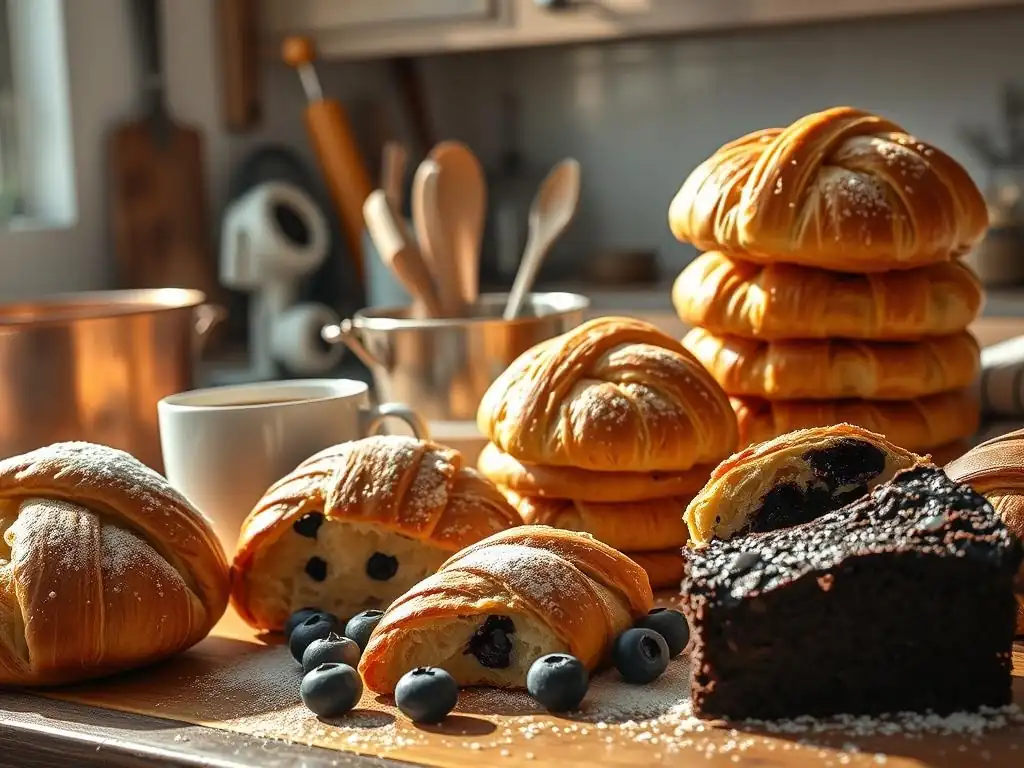
Welcome to BakeWithEase, your kitchen companion for all things baking! Ready to turn your passion into profit? Discover the secrets to creating a winning menu that customers will crave. What baked goods sell best from home? Uncover the answers within, and unlock the potential to launch your delicious home baking business! Prepare to be inspired, informed, and ready to bake your way to success!
- Introduction: Baking Success From Your Home Kitchen
- Understanding Your Local Market for Home-Baked Goods
- Top-Selling Baked Goods for a Home Bakery: A Data-Driven Approach
- Factors Influencing the Sale of Home-Baked Goods
- Maximizing Profitability with Popular Baked Goods
- Legal Considerations for Selling Baked Goods From Home
- Conclusion: Building a Thriving Home Bakery with the Right Baked Goods
-
Frequently Asked Questions
- What are the most popular baked goods to sell from home?
- How important is ingredient quality when selling baked goods from home?
- What's the best way to price my baked goods for home sales?
- How can I market my home-baked goods effectively?
- What are some legal considerations when selling baked goods from home?
- Final Reflection: The Sweet Success of Home Baking
- Unleash Your Inner Baker: Turn Your Treats into a Triumph!
Introduction: Baking Success From Your Home Kitchen
Starting a home bakery is a dream for many passionate bakers. The thought of turning your love for crafting delicious treats into a business is incredibly appealing. However, to build a successful home bakery, simply baking what you love isn't always enough.
You need to understand what baked goods sell best from home in your specific market. Identifying popular and profitable items is crucial for creating a winning menu that resonates with local customers and ensures consistent sales. This article will guide you through the process of determining which baked goods are likely to be top sellers and how to structure your menu for maximum impact and profitability.
Transitioning from hobbyist to home baker entrepreneur requires strategic thinking. It's about more than just perfecting a recipe; it's about identifying market needs, understanding customer preferences, and positioning your products effectively. By focusing on baked goods that have proven demand and offer good profit margins, you can build a sustainable business right from your kitchen. Let's explore how to research your market and pinpoint those star items that will make your home bakery flourish.
Understanding Your Local Market for Home-Baked Goods
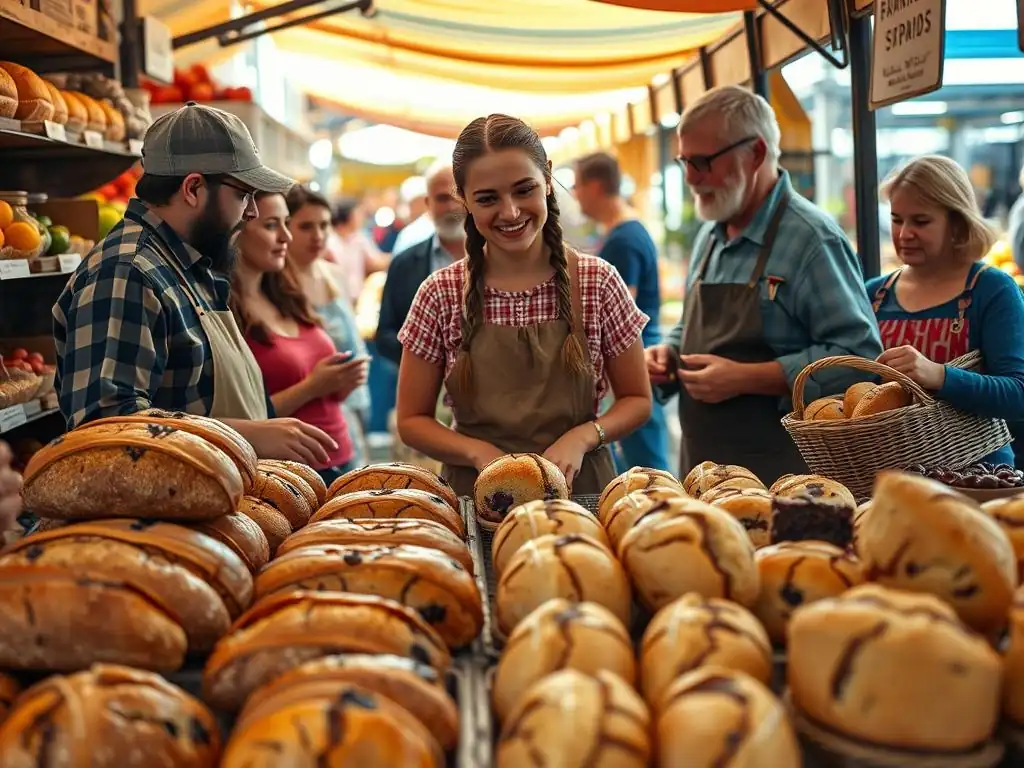
Before you even turn on your oven with a business plan in mind, understanding the local demand for baked goods is paramount. What sells well in a bustling city center might be different from what's popular in a quiet suburban neighborhood or a rural community. Your neighbors, local businesses, and community events all offer clues about potential best baked goods to sell from home. Taking the time to research and analyze your specific area will provide invaluable insights for crafting a menu that truly connects with your target audience.
Think of your local market as a unique ecosystem with its own tastes, trends, and purchasing habits. Are there many young families, health-conscious professionals, or perhaps retirees in your area? Each demographic might have different preferences for baked goods. For instance, busy families might prioritize convenient items like muffins or cookies, while professionals might seek out artisanal bread for weekend meals. Understanding these nuances is key to stocking your virtual (or physical) shelves with items that will actually sell.
Identifying Popular Baked Goods in Your Area
Identifying popular baked goods requires observation and conversation. Start by visiting local farmers' markets, community events, and even other small food businesses to see what products are featured and seem to sell quickly. Pay attention to what people are talking about or requesting on local social media groups related to food or community. Are people constantly looking for good sourdough? Are there local festivals where cupcakes are always a hit? These observations provide anecdotal evidence of demand.
Furthermore, consider the existing food landscape. If your area has several excellent donut shops, perhaps specializing only in donuts isn't the best entry point, but offering unique donut-inspired cakes or cookies might be. If there's a strong coffee culture, consider baked goods that pair well with coffee, like scones, muffins, or biscotti. A quick online search for "best bakeries near me" and browsing their menus can also give you a snapshot of common offerings, though remember that home bakeries often thrive on niche items or higher quality than mass-produced goods.
Analyzing Local Demand for Specific Treats
Beyond simply identifying what is popular, delve deeper into why and who is buying. Are the popular items impulse buys or planned purchases for special occasions? For example, while a local cafe might sell many individual cookies daily (impulse), a home baker might find more success selling boxes of a dozen or custom-decorated cookies for parties (planned). Analyzing demand involves looking at potential customer needs: Is there a need for allergy-friendly options like gluten-free or vegan baked goods? Are there local businesses that might need wholesale baked goods for their cafe or office?
Specific data can be hard to come by without conducting your own surveys, but you can make educated approximations. Attend local events and talk to people. Ask them what they wish they could buy locally that they can't currently find.
For instance, you might discover that many parents are looking for healthier, less sugary options for kids' parties, or that there's a strong demand for authentic European pastries that aren't available nearby. A small survey posted in local community groups online could yield valuable insights, perhaps revealing that 60% of respondents wish there was a local source for fresh, artisan bread or that 45% are interested in custom-decorated sugar cookies for birthdays.
Researching Competitor Offerings: What Are Other Home Bakers Selling?
Understanding your competition isn't about copying them, but about finding your unique space in the market. Look at other home-based food businesses or small-scale local bakeries. What are their most popular items? Are there gaps in their offerings? For instance, if several home bakers sell cupcakes, but none offer truly elaborate, custom-designed cakes, that might be a niche you could fill. Or, if everyone is selling standard chocolate chip cookies, perhaps specializing in unique flavors or high-end ingredients (like brown butter and sea salt) could set you apart.
Analyze their pricing, presentation, and how they market themselves. Are they focused on farmers' markets, online orders, or local deliveries? This research helps you understand customer expectations regarding price points and convenience for home-baked goods.
For example, if competitors are selling a dozen standard cookies for $15-$20, you know the general price range, but if you use premium ingredients, you might be able to justify a slightly higher price, say $22-$25, especially if your presentation is superior. Identifying what's missing or what could be done better is key to finding your niche for the best baked goods sell home business success.
Top-Selling Baked Goods for a Home Bakery: A Data-Driven Approach
While local market research is essential, looking at broader trends and popular categories can provide a strong starting point for your menu. Certain baked goods consistently rank among the best sellers for home-based businesses due to their universal appeal, versatility, and often favorable cost of goods. These categories include cookies, breads, cakes, and pastries. Analyzing which specific items within these categories perform well can help you build a menu with high-demand products.
Data from various sources, including food industry reports and surveys of successful home bakers, consistently show certain items leading in popularity and sales volume. For instance, a survey by the Home Baking Association might indicate that cookies are the most frequently baked item at home, translating to high consumer comfort and demand for purchased versions.
Similarly, the recent surge in home bread baking has fueled a market for artisan loaves among those who don't want to bake it themselves. Focusing on these proven categories allows you to tap into existing consumer desires, making it easier to attract your first customers.
Cookies are arguably the most universally loved baked good, making them a cornerstone for many home bakeries. Their portability, variety, and relatively low cost make them accessible and appealing to a wide audience. From classic comfort cookies to gourmet creations, there's a cookie for every taste and occasion. Data consistently shows cookies as a top seller, often accounting for a significant portion of sales for home-based bakers.
The versatility of cookies is a major selling point. They can be sold individually, by the dozen, in gift boxes, or as part of larger dessert platters. This allows for flexible pricing and packaging strategies. Furthermore, the ingredient cost for many standard cookies is relatively low compared to cakes or complex pastries, leading to healthy profit margins, often ranging from 40% to 60% depending on ingredients and scale. This makes cookies not just popular, but also a profitable choice among the best baked goods sell home options.
The Enduring Appeal of Chocolate Chip Cookies
The chocolate chip cookie is a timeless classic and often the single best-selling item for many bakeries, home-based or otherwise. Its familiar taste and comforting texture make it a go-to treat for people of all ages. While seemingly simple, the quality of ingredients and baking technique can elevate a standard chocolate chip cookie into something truly special, commanding a higher price and repeat customers.
Offering a really good chocolate chip cookie is non-negotiable for most home bakeries. Focus on quality ingredients like good butter, real vanilla extract, and high-quality chocolate chips or chunks. Experiment with variations like using brown butter for a nuttier flavor or adding sea salt for a sweet and salty kick. Even in a market saturated with cookies, an exceptionally well-made chocolate chip cookie will stand out and become a customer favorite.
Gourmet Cookies: Elevating the Cookie Experience
While classics are essential, offering gourmet or unique cookie flavors can differentiate your home bakery. Think beyond the standard: brown butter toffee, white chocolate macadamia nut, s'mores, red velvet, or even savory options like parmesan black pepper. These flavors appeal to customers looking for something new or more sophisticated than what they might find in a grocery store.
Gourmet cookies often use higher-quality or more expensive ingredients, which justifies a higher price point. They also allow for more creativity and can become signature items for your brand. For example, a home baker specializing in "stuffed" cookies (like a cookie filled with Nutella or caramel) or using unique flavor combinations (like rosemary lemon or miso chocolate) can carve out a niche and attract customers willing to pay a premium for novelty and quality.
Seasonal Cookie Variations: Capitalizing on Holidays
Holidays and seasons offer fantastic opportunities to boost cookie sales with limited-time offerings. Think pumpkin spice cookies in the fall, gingerbread and decorated sugar cookies for the winter holidays, pastel-colored cookies for Easter, or fruit-flavored cookies in the summer. These seasonal specials create urgency and excitement, encouraging customers to purchase before they're gone.
Decorated sugar cookies, in particular, can be incredibly profitable, especially around holidays like Halloween, Christmas, Valentine's Day, and Easter. While labor-intensive, custom-decorated cookies can sell for significantly more per cookie than standard drop cookies (e.g., $4-$8+ per cookie vs. $1-$3). Promoting themed cookie boxes or decorating kits can also add revenue streams during these peak seasons.
Breads: Sourdough, Artisan, and Everyday Favorites
The interest in quality bread has surged, making it a potentially lucrative market for home bakers. While baking bread can be more time-consuming than cookies, the demand for fresh, artisan loaves, especially sourdough, is high among consumers who appreciate quality ingredients and traditional methods but lack the time or skill to bake it themselves. Bread is definitely on the list of best baked goods sell home candidates, particularly for bakers passionate about yeast and fermentation.
Offering a selection of breads can cater to different needs. Artisan loaves are great for weekend meals or special occasions, while quick breads like muffins and scones are perfect for breakfast or snacks. The perceived value of a fresh, crusty loaf of artisan bread is often high, allowing for good pricing. For example, a beautifully crafted sourdough loaf, using quality flour and a long fermentation, can easily sell for $8-$15 or more, depending on size and location.
The Sourdough Craze: Meeting the Demand
Sourdough bread has experienced a significant boom in popularity. Its unique tangy flavor, chewy texture, and perceived health benefits (due to fermentation) make it highly sought after. Maintaining a healthy sourdough starter and mastering the technique requires skill and practice, which is why many consumers prefer to buy it from skilled bakers.
For a home baker, specializing in sourdough can be a strong niche. Offering classic country loaves, whole wheat sourdough, or even flavored versions (like jalapeño cheddar or olive rosemary) can attract a dedicated customer base. Building a reputation for consistent, high-quality sourdough can lead to repeat business and word-of-mouth referrals, solidifying its place among the best baked goods to sell from home.
Quick Breads: Muffins, Scones, and Loaves for Busy Customers
Quick breads, which use chemical leaveners like baking soda or powder instead of yeast, are faster to produce and offer convenience for customers. Muffins, scones, banana bread, zucchini bread, and other sweet or savory loaves are perfect for breakfast, brunch, or afternoon tea. They require less planning for the customer than buying a loaf of bread and are often impulse purchases.
These items are excellent for selling at farmers' markets, pop-up shops, or for local delivery. A study might show that consumers spend an average of $3-$5 on a single muffin or scone at a coffee shop, indicating a willingness to pay for convenient, ready-to-eat baked goods. Offering variety – like different muffin flavors daily or seasonal scone options – can keep the menu exciting and encourage repeat visits.
Specialty Breads: Gluten-Free and Vegan Options
As dietary needs and preferences become more common, offering specialty breads like gluten-free or vegan options can tap into underserved markets. Baking these items successfully often requires specific ingredients and techniques, which many consumers find challenging to do at home. This creates a valuable niche for home bakers who can master them.
While ingredient costs for specialty flours or egg/dairy substitutes might be higher, customers with these dietary restrictions are often willing to pay a premium for safe and delicious options. For instance, a gluten-free artisan loaf might sell for 20-30% more than a traditional wheat loaf. Clearly marketing these options and ensuring no cross-contamination is crucial for building trust with this customer base.
Cakes: From Simple Treats to Celebration Centerpieces
Cakes, in their various forms, are staples for celebrations and comforting indulgences. While baking elaborate layer cakes can be complex, simpler options like cupcakes or loaf cakes are very popular and offer good profit margins. Cakes are definitely high on the list of best baked goods sell home items, particularly for special occasions.
The cake market allows for significant creativity in flavors, designs, and sizes. Whether it's a classic vanilla cupcake, a rich chocolate layer cake, or a simple lemon loaf, there's a broad appeal. The average cost of a custom cake can range from $50 for a small 6-inch cake to $300+ for multi-tiered creations, demonstrating the potential for high-value sales.
Cupcakes: Customizable and Convenient
Cupcakes remain incredibly popular for their individual portion size and endless customization possibilities. They are perfect for parties, events, or just a single treat. Offering a rotating selection of flavors, creative frosting designs, and dietary options (like vegan or gluten-free cupcakes) can attract a wide range of customers.
Cupcakes are relatively quick to bake in batches and offer excellent potential for profit. A standard cupcake might cost $0.50-$1.00 to produce (ingredients and packaging) but can sell for $3-$5 or more, especially if decorated or made with premium ingredients. Offering themed cupcake assortments for holidays or events is a surefire way to boost sales.
Layer Cakes: Creating Impressive Desserts
Layer cakes are the go-to for birthdays, anniversaries, and other significant celebrations. While more labor-intensive and requiring specific decorating skills, they command a higher price point and can showcase your baking artistry. Focusing on classic flavors done exceptionally well, alongside a few signature or unique combinations, can help build a reputation for quality.
Offering various sizes (e.g., 6-inch, 8-inch, 10-inch) allows customers to choose a cake appropriate for their gathering size. Customization options, such as personalized messages, specific color schemes, or themed decorations, add value and justify premium pricing. Many home bakers find that custom layer cakes, while fewer in volume than cookies or cupcakes, provide a significant portion of their revenue due to their higher price per item.
Whole Cakes vs. Slices: Catering to Different Needs
Deciding whether to sell whole cakes, slices, or both depends on your target market and sales channels. Selling whole cakes is ideal for pre-orders, custom orders, and potentially at farmers' markets where customers plan to take a dessert home. This reduces waste as you bake to order and simplifies packaging.
Selling slices, perhaps at a local event or pop-up, caters to impulse buyers who want an immediate treat. While potentially higher profit per serving, it requires managing inventory and dealing with leftovers if not all slices sell. Some home bakers successfully offer both, selling whole cakes via pre-order and a limited selection of slices at weekend markets, maximizing reach among the best baked goods sell home strategies.
Pastries: Delicate Delights for Special Occasions
Pastries, such as croissants, danishes, éclairs, pies, and tarts, often require more advanced techniques and time but can fetch premium prices due to their artisanal nature and perceived sophistication. These are often seen as special treats rather than everyday items, making them popular for weekend indulgences or brunch. Adding pastries can elevate your home bakery's image among the best baked goods sell home options.
Mastering classic pastries like croissants requires significant practice, but a well-executed pastry is highly valued. The ingredient cost can be higher (especially for butter-rich doughs), but the potential profit margin is also strong. For instance, a single, perfectly flaky butter croissant might cost $0.75-$1.50 to make but can sell for $4-$6 or more.
Croissants: Mastering the Art of Flaky Perfection
Perfecting the laminated dough for croissants is a skill that takes time and precision. However, a truly excellent croissant is a sought-after item. Offering classic butter croissants, pain au chocolat, or almond croissants can attract customers looking for authentic, high-quality pastries that are often hard to find outside of dedicated bakeries.
Due to the labor and skill involved, croissants can be priced significantly higher than simpler baked goods. They are ideal for weekend sales, brunch menus, or partnering with local coffee shops if permitted by regulations. Building a reputation for consistently flaky, buttery croissants can establish your home bakery as a destination for quality pastries.
Danishes: Sweet and Savory Options
Danishes, made from similar laminated dough as croissants but often filled with fruit, cream cheese, or nuts, offer another avenue for pastry sales. Their visual appeal and variety of fillings make them popular for breakfast or brunch. Offering both sweet (like cherry or cream cheese) and potentially savory options (like spinach and feta) can broaden their appeal.
Danishes are often slightly easier to form and fill than croissants and offer endless possibilities for flavor combinations. Like croissants, they command a premium price and are best suited for customers looking for a special treat rather than an everyday item. They are excellent additions to a weekend menu or for catering small events.
Pies and Tarts: Seasonal Fruit and Creamy Fillings
Pies and tarts are classic desserts, particularly popular during holidays (like Thanksgiving for pumpkin pie) or specific seasons (berry pies in summer, apple pies in fall). Offering whole pies or individual tarts allows you to cater to different customer needs. Focusing on seasonal fillings using fresh, local ingredients can be a strong selling point.
While seemingly simple, making a perfect pie crust can be challenging for home cooks, creating a market for skilled bakers. Whole pies can sell for $25-$40+, depending on size and filling, while individual tarts might sell for $5-$8. Offering mini pies or hand pies can also be a great option for grab-and-go sales or individual portions.
Factors Influencing the Sale of Home-Baked Goods
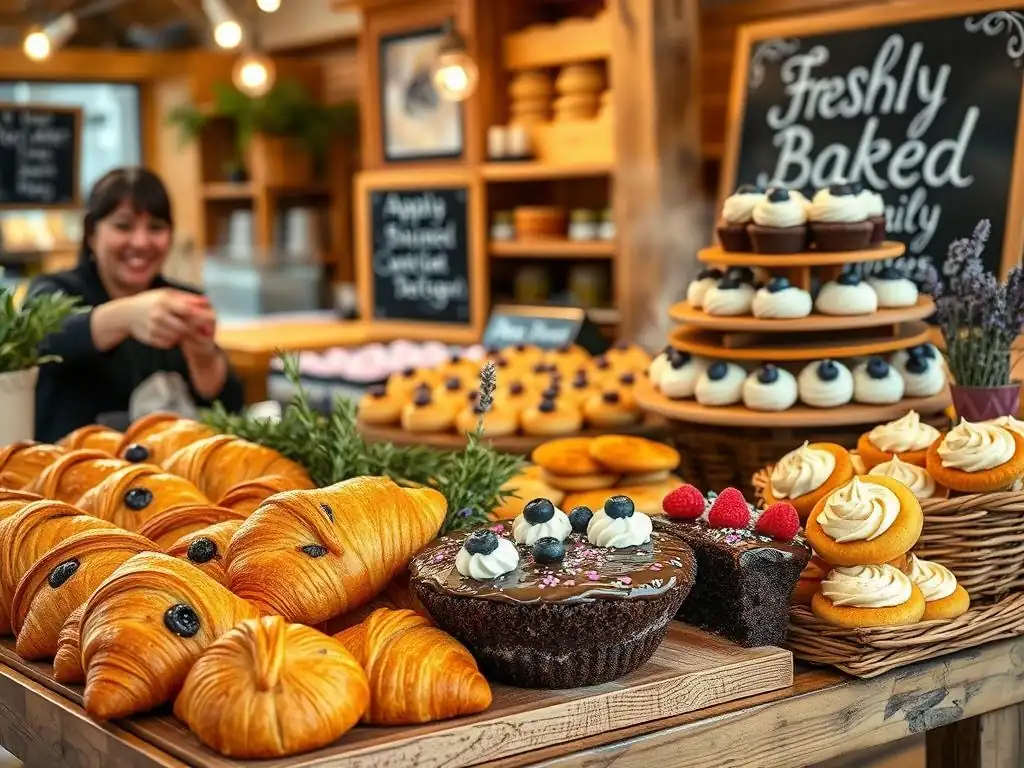
Beyond simply choosing popular items, several other factors significantly influence how well your baked goods sell from home. These include the quality of your ingredients, your pricing strategy, the presentation of your products, and how effectively you market your business. Paying attention to these details can turn a good baked good into a best seller.
Consider these factors as the pillars supporting your winning menu. A delicious cookie made with subpar ingredients or packaged poorly might not sell as well as a slightly less perfect cookie that looks beautiful and is effectively marketed. Optimizing these elements is crucial for maximizing sales and building a loyal customer base for your best baked goods sell home venture.
Ingredient Quality: Prioritizing Freshness and Flavor
The quality of your ingredients directly impacts the taste and texture of your baked goods. Using fresh, high-quality butter, eggs, flour, chocolate, and fruits will result in superior products that customers can taste and appreciate. While premium ingredients may cost more, they often justify a higher price point and contribute to repeat business and positive reviews.
For example, using European-style butter with a higher fat content can make a significant difference in the flakiness of pastries or richness of cookies compared to standard butter. Similarly, using real vanilla bean paste instead of imitation extract elevates flavor. While a standard chocolate chip cookie might cost $0.50 to make, using high-quality chocolate chunks and brown butter might push the cost to $0.75, but allows you to potentially sell it for $3 instead of $2, increasing your profit margin and customer satisfaction. High-quality ingredients are fundamental to crafting the best baked goods to sell from home.
Pricing Strategies: Balancing Profitability and Affordability
Pricing is a delicate balance. You need to cover your costs (ingredients, packaging, utilities, labor) and make a profit, while also being competitive and perceived as offering good value. Undercutting yourself is a common mistake for new home bakers. Calculate your costs accurately for each item.
A common formula is to calculate the cost of ingredients per item, add a factor for overhead (utilities, equipment wear, etc. ), and then multiply that total by 2.5 or 3 to account for your labor and profit margin. For instance, if a dozen cookies cost $5 in ingredients and overhead, selling them for $15-$20 would be a reasonable range.
Researching competitor pricing in your area is essential, but don't just match the lowest price. If your quality is higher (due to better ingredients or skill), price accordingly. Many customers are willing to pay a premium for truly exceptional home-baked goods.
Packaging and Presentation: Creating an Appealing Product
How your baked goods look is almost as important as how they taste, especially for online sales or at markets. Attractive, professional-looking packaging protects your products, enhances their perceived value, and reinforces your brand. Simple things like using sturdy boxes, tissue paper, ribbons, or custom labels can make a big difference.
Think about the customer experience from the moment they receive your product. Is it easy to transport? Does it look appealing when opened? Clear containers for cookies or cupcakes showcase the product, while elegant boxes for cakes or pastries add a touch of luxury. Investing a small amount per item in good packaging (e.g., $0.25-$0.50 per cookie box, $1-$3 for a cake box) can significantly impact sales and customer satisfaction, making your products stand out among other best baked goods sell home options.
Marketing and Promotion: Reaching Your Target Audience
Even the best baked goods won't sell if no one knows about them. Effective marketing is crucial. Utilize social media platforms like Instagram and Facebook to showcase your beautiful creations with high-quality photos and videos. Engage with your local community online and offline.
Consider offering samples at local events (where permitted), partnering with local businesses (like coffee shops or florists), or running promotions. Encourage customer reviews and testimonials. Building an email list to notify customers of specials or new items can also be effective. Your marketing efforts should highlight what makes your baked goods special – whether it's unique flavors, high-quality ingredients, beautiful decoration, or a focus on dietary needs. This is how you connect customers with the best baked goods to sell from home that you offer.
Maximizing Profitability with Popular Baked Goods
Once you've identified your best-selling baked goods, there are strategies you can employ to increase the average order value and boost overall profitability. Simply selling items individually might limit your earning potential. Techniques like bundling, upselling, subscription services, and custom orders can significantly enhance your revenue stream.
Think about how you can encourage customers to buy more than one item or make repeat purchases. These strategies leverage the popularity of your core products by offering them in different formats or alongside complementary items, turning one-time buyers into loyal, higher-spending customers.
Bundling and Upselling Strategies
Bundling involves grouping several items together and selling them at a slightly discounted price compared to buying them individually. For example, offer a "Cookie Lover's Dozen" with an assortment of your most popular flavors, or a "Breakfast Pastry Box" with a mix of muffins, scones, and a quick bread loaf. This encourages customers to try a variety of products and increases the total sale amount.
Upselling involves offering a higher-value version or add-on to a customer's initial choice. If a customer orders a standard cake, suggest adding a premium filling, custom decorations, or a box of matching cupcakes. If they order a loaf of bread, suggest adding flavored butter or a small jar of jam. These small additions can significantly increase the profitability of each transaction. For instance, a customer buying a dozen cookies might spend $20, but a bundled "Variety Box" of 18 cookies for $28 increases the sale by 40%.
Subscription Boxes: Recurring Revenue Streams
Subscription boxes are an excellent way to generate recurring revenue and build customer loyalty. Curate a monthly or weekly box featuring a selection of your best-selling baked goods, seasonal specials, or exclusive items. This provides convenience for the customer and predictable income for your business.
Promote the subscription as a treat for themselves or a perfect gift. Offer different tiers (e.g., a small box for individuals, a larger box for families). A monthly subscription priced at $30-$50 per box, depending on contents, can provide a stable income base, especially if you secure a good number of subscribers. This model works particularly well for items like cookies, muffins, quick breads, and small pastries.
Custom Orders: Catering to Specific Customer Requests
While offering a standard menu is efficient, taking custom orders allows you to cater to specific customer needs and occasions, often at a higher price point. This could include custom-decorated cakes for birthdays, personalized cookie favors for weddings, or special dietary requests. Custom orders showcase your flexibility and willingness to go the extra mile.
Clearly define what kind of custom orders you accept and establish a process for inquiries, quoting, and ordering. Due to the extra time, effort, and personalization involved, custom orders should be priced higher than standard menu items. For example, while a standard 8-inch cake might be $60, a custom-designed one with specific colors and themes could easily be $80-$120 or more. This is a prime area for selling the best baked goods sell home has to offer, as it leverages your unique skills.
Legal Considerations for Selling Baked Goods From Home
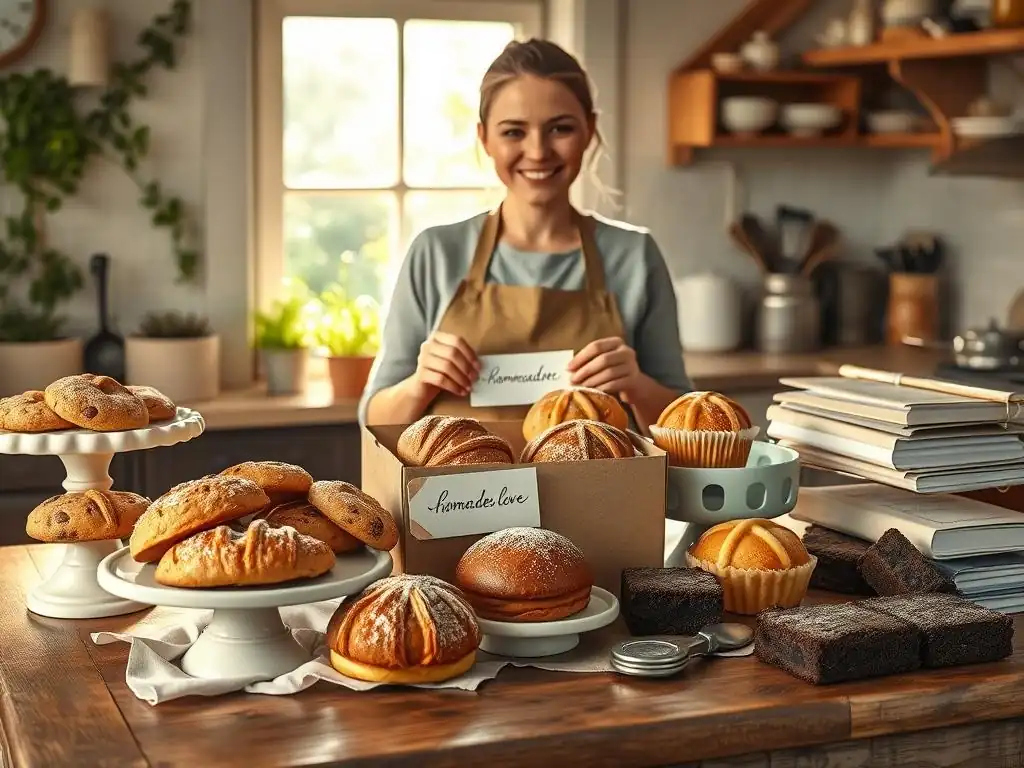
Operating a home bakery involves navigating various legal requirements, primarily related to food safety and business registration. These regulations vary significantly by location (state, county, or city), so it's crucial to research and comply with the specific laws in your area. Ignoring these can lead to fines or the inability to operate legally.
Understanding and adhering to these laws not only keeps you compliant but also builds trust with your customers, assuring them that your products are prepared safely and legally. While the specifics differ, common areas include cottage food laws, food safety training, labeling requirements, and business insurance.
Cottage Food Laws and Regulations
Many states and localities have "cottage food laws" that allow individuals to produce and sell certain low-risk food items, including many baked goods, from their home kitchens without needing a full commercial kitchen. However, these laws often come with restrictions on the types of food allowed, the maximum annual sales revenue (e.g., $25,000, $50,000, or more depending on the state), and where the products can be sold (e.g., direct to consumer, farmers' markets, online within the state).
You must research your specific state and local cottage food laws. Many state departments of health or agriculture provide detailed guides online. For example, some states might allow cakes, cookies, and breads but prohibit items requiring refrigeration like cheesecakes or cream-filled pastries. Understanding these limits is essential when deciding what best baked goods sell home businesses can legally offer.
Food Safety Certifications and Permits
Even under cottage food laws, you may be required to obtain a food handler's permit or undergo food safety training (like ServSafe). Some jurisdictions might require you to register your home kitchen as a food preparation area, even if it's not a commercial facility. Inspections are typically not required for cottage food operations, but you must adhere to strict sanitary practices.
Ensuring proper food handling, storage, and sanitation is paramount regardless of legal requirements. This protects your customers and your business reputation. Obtaining a food safety certification, even if not mandated, demonstrates your commitment to producing safe food and can be a valuable marketing point.
Labeling Requirements for Home-Baked Products
Cottage food laws almost always require specific labeling on your products. This typically includes:
- The name and address of the home-based business (e.g., "Baked with Love by [Your Name/Business Name] in [Your City, State]")
- The name of the food product.
- All ingredients listed in descending order by weight.
- Allergen information (e.g., "Contains: Wheat, Eggs, Milk, Soy").
- Net weight or volume of the product.
- A statement indicating that the food was produced in a home kitchen not inspected by a regulatory authority (the exact wording is often specified by law).
Accurate and complete labeling is not just a legal requirement; it's also crucial for informing customers, especially those with allergies or dietary restrictions. Using clear, easy-to-read labels enhances professionalism and customer trust.
Insurance and Liability Coverage
While not always legally mandated for small cottage food operations, obtaining business insurance is highly recommended. This protects you financially in case of unforeseen events, such as a customer getting sick from your product or an accident occurring during a delivery.
Liability insurance can cover costs related to lawsuits, medical expenses, and legal fees if a claim is made against your business. The cost is often quite reasonable for a small home-based business, offering significant peace of mind. It's a crucial step in professionalizing your home bakery and mitigating risks associated with selling the best baked goods sell home businesses create.
Conclusion: Building a Thriving Home Bakery with the Right Baked Goods
Building a successful home bakery starts with passion, but it thrives on strategy. By carefully researching your local market, understanding which baked goods have proven popularity, and focusing on quality, pricing, and presentation, you can craft a menu that resonates with customers and generates consistent sales. Cookies, breads, cakes, and pastries offer diverse opportunities, each with potential for high demand and profitability when executed well.
Remember that success also depends on professional practices, including effective marketing, smart sales strategies like bundling and custom orders, and strict adherence to legal requirements. Identifying the best baked goods to sell from home in your area, combined with a commitment to quality and customer service, will lay a strong foundation for a fulfilling and profitable home baking business. Start small, listen to your customers, and let your love for baking shine through in every delicious treat you create.
Frequently Asked Questions
What are the most popular baked goods to sell from home?
The most popular choices often include classic cookies, brownies, and small cakes. These are generally easy to make and have broad appeal.
How important is ingredient quality when selling baked goods from home?
Ingredient quality is crucial. Using high-quality ingredients can significantly impact the taste and perceived value of your baked goods.
What's the best way to price my baked goods for home sales?
Consider your ingredient costs, labor time, and local market prices. Research competitor pricing to find a competitive yet profitable price point.
How can I market my home-baked goods effectively?
Utilize social media, local farmers' markets, and word-of-mouth referrals. High-quality photos and engaging descriptions are essential for attracting customers.
What are some legal considerations when selling baked goods from home?
You'll need to investigate local food safety regulations and licensing requirements. Consider insurance to protect yourself from liability.
Final Reflection: The Sweet Success of Home Baking
The demand for delicious, homemade baked goods remains incredibly strong, a testament to the enduring power of comfort food and the growing appreciation for artisanal craftsmanship. This isn't just a fleeting trend; it's a reflection of a deeper societal shift towards valuing locally sourced, handcrafted products and the personal connection they offer. The data presented clearly shows that certain items consistently outperform others, offering valuable insights for aspiring home bakers looking to turn their passion into a profitable venture.
The journey of discovering which baked goods resonate most with customers has been both enlightening and rewarding. It's more than just a list of best-sellers; it's a reflection of our collective desires for taste, convenience, and a touch of homemade warmth. The best things in life are the simple things.
This simple truth rings especially true in the world of baking, where the most basic recipes, executed with care and passion, often yield the most satisfying results. The consistent popularity of classic items like cookies and brownies highlights this timeless appeal.
Now, it's your turn. Consider the insights shared in this article – the data, the trends, and the underlying reasons for their success. Don't just bake; bake with intention. Experiment with the top-performing items, adapt them to your own style, and most importantly, bake with love. The joy of creating something delicious and sharing it with others is a reward in itself, but understanding what resonates with your audience can transform your passion into a truly fulfilling and potentially lucrative endeavor. So, dust off your apron, preheat your oven, and embark on your own baking journey to success!
Unleash Your Inner Baker: Turn Your Treats into a Triumph!
Thanks for joining us on this delicious journey into the world of profitable baking! We hope you've gained valuable insights into crafting a menu that's both tempting and successful. Ready to take the next step?
- Craft your dream menu: Using the tips we've shared, take some time to create or refine your menu, focusing on those high-demand baked goods that truly excite you. Don't be afraid to experiment!
- Share your baking passion: Tell us (and the world!) about your favorite item on your new menu! What makes it special, and what inspired you to include it? We love hearing your stories.
- Join our Baking Buddies Forum: Connect with other passionate home bakers in our community forum to share recipes, tips, and ask questions. We're all here to support each other's baking adventures!
What's the one baked good you're most excited to perfect and share with the world? Let's hear about it in the comments!