
Baking with Bergamot and Cardamom: An Aromatic Winter Pair

Welcome to BakeWithEase!
Discover the enchanting world where baking meets aromatic bliss. Are you ready to elevate your winter baking with a touch of the exotic? Dive into our collection of Bergamot cardamom baking recipes, and unlock a symphony of flavors that will transform your kitchen into a fragrant haven. Prepare to be inspired and tantalized – the secrets to perfectly spiced treats await!
- Baking with Bergamot and Cardamom: An Aromatic Winter Pair | BakeWithEase
- Introduction to Winter Baking with Bergamot and Cardamom
- Bergamot Cardamom Baking Recipes: A Collection
- Mastering Bergamot and Cardamom Flavors in Your Baking
- Bergamot Cardamom Baking Variations and Substitutions
- Storing Your Bergamot and Cardamom Baked Goods
- Conclusion: Elevate Your Winter Baking with Bergamot and Cardamom
-
Frequently Asked Questions
- What exactly are bergamot and cardamom, and why are they a good pairing for baking?
- Where can I typically find bergamot and cardamom for my baking recipes?
- What types of baked goods best showcase the flavors of bergamot and cardamom?
- Are there any substitutions I can use if I can't find bergamot?
- How much bergamot and cardamom should I use in my baking recipes?
- Final Reflection: The Enduring Allure of Bergamot and Cardamom
- Unleash Your Inner Baker: Craft Aromatic Winter Treats!
Baking with Bergamot and Cardamom: An Aromatic Winter Pair | BakeWithEase
Introduction to Winter Baking with Bergamot and Cardamom
Winter baking often calls for warm, comforting flavors that fill the kitchen with inviting aromas. While cinnamon, nutmeg, and cloves are classic choices, venturing into less common pairings can unlock exciting new taste experiences. This season, we invite you to explore the sophisticated and fragrant combination of bergamot and cardamom. These two ingredients, though originating from different corners of the world, possess complementary profiles that lend themselves beautifully to a variety of baked goods, creating treats that are both familiar and intriguingly unique.
As the days grow shorter and the air turns crisp, there's nothing quite like the simple pleasure of baking something warm and delicious. The act itself is a comfort, and the resulting treats offer a moment of warmth and indulgence. By incorporating the distinctive notes of bergamot and cardamom into your repertoire, you can elevate your winter baking from traditional to truly exceptional. Get ready to infuse your kitchen with an aroma that is both cozy and subtly exotic, perfect for sharing with loved ones during the chilly months.
Exploring the Flavors of Bergamot and Cardamom in Baking
Bergamot, a fragrant citrus fruit the size of an orange with a yellow or green color similar to a lime, is perhaps best known for its role in flavoring Earl Grey tea. Its flavor profile is complex and aromatic, combining notes of bright citrus, subtle floral undertones, and a slightly bitter edge. When used in baking, primarily through its zest or extract, bergamot imparts a sophisticated, perfumed quality that is distinct from lemon or orange, adding a layer of elegance to cakes, cookies, and pastries.
Cardamom, often referred to as the "Queen of Spices," boasts a warm, pungent, and intensely aromatic flavor with hints of sweetness, eucalyptus, and citrus. It's a staple in Scandinavian and Middle Eastern baking. Green cardamom is the most common variety used in sweet dishes, offering a brighter, more floral note compared to the smoky black cardamom. Ground cardamom is convenient, but using seeds freshly ground from pods yields the most vibrant flavor, making it a superb partner to bergamot's delicate perfume.
Why Bergamot and Cardamom are Perfect for Winter Treats
The pairing of bergamot and cardamom is particularly well-suited for winter baking due to their inherent warmth and aromatic intensity. Cardamom provides a grounding, spicy warmth that feels incredibly comforting on a cold day, reminiscent of cozy firesides and festive gatherings. Its complex aroma lingers beautifully, filling the home with a sense of warmth and spice.
Bergamot, with its bright citrus and floral notes, cuts through the richness often found in winter baked goods and adds a refreshing lift. This contrast prevents the flavors from becoming too heavy or one-dimensional. The combination evokes a feeling of exotic warmth tempered by crisp, clear notes, perfectly mirroring the feeling of a bright, cold winter day. This unique synergy makes them ideal for creating memorable treats that stand out from the usual holiday spice blends.
Bergamot Cardamom Baking Recipes: A Collection
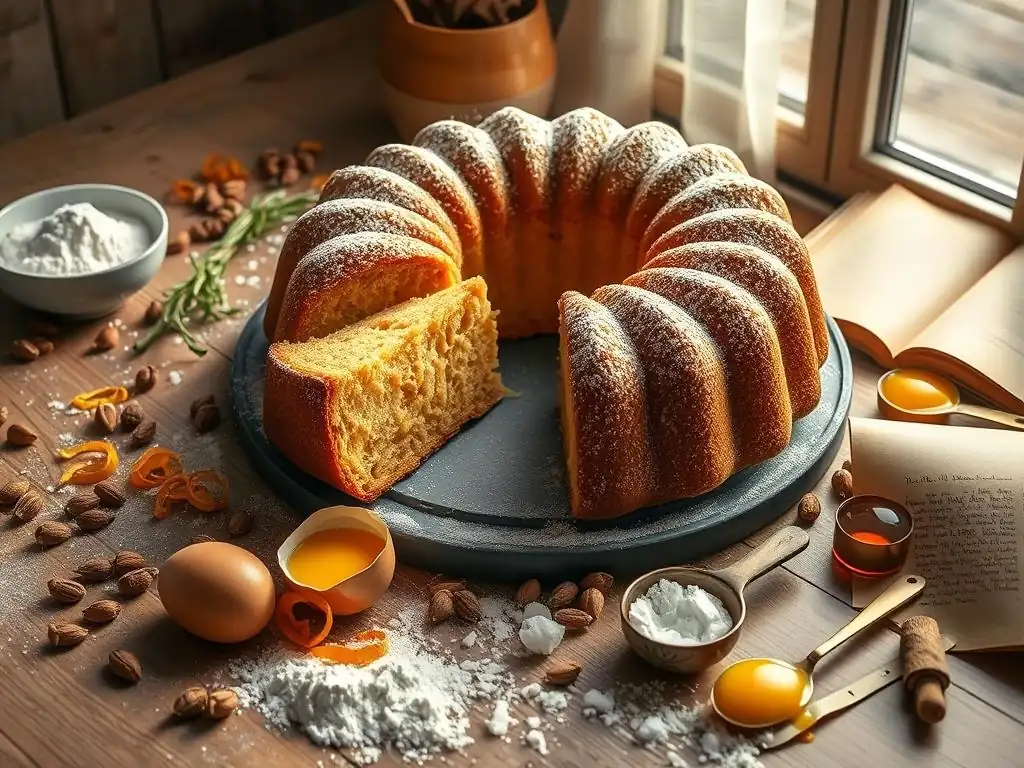
Ready to experience this delightful flavor pairing? We've gathered a few classic baking templates and infused them with the aromatic magic of bergamot and cardamom. These bergmot cardamom baking recipes are designed to be approachable for bakers of all levels, offering step-by-step guidance to ensure success. From a show-stopping bundt cake to simple, satisfying cookies and comforting scones, there's a recipe here to get you started on your bergamot and cardamom baking journey.
This collection provides a foundation for exploring the versatility of these spices. You'll find that the quantities suggested offer a balanced flavor, but feel free to adjust slightly based on your personal preference for intensity. Using high-quality bergamot zest (from fresh, unwaxed fruit) and freshly ground green cardamom seeds will yield the most impactful and fragrant results in all these bergmot cardamom recipes.
Bergamot Cardamom Bundt Cake Recipe: An Aromatic Delight
A bundt cake is a wonderful canvas for showcasing aromatic flavors, and this bergamot cardamom version is no exception. The dense yet tender crumb holds the fragrance beautifully, and the distinctive shape makes it a lovely centerpiece. This recipe typically yields a cake serving 10-12 people, perfect for a winter gathering. The preparation time is approximately 20-25 minutes, with a baking time of around 50-60 minutes.
The key to this cake's success lies in the generous use of both bergamot zest and ground cardamom, ensuring the flavors permeate every bite. A simple glaze enhances the citrus notes and adds a touch of sweetness. This bergamot cardamom baking creation is best enjoyed with a cup of tea or coffee, allowing the complex aromas to truly shine.
Preparing the Bergamot Cardamom Bundt Cake Batter
To prepare the batter for the Bergamot Cardamom Bundt Cake, you'll typically start by creaming together 1 cup (2 sticks) of softened unsalted butter with 2 cups of granulated sugar until light and fluffy, a process that can take 3-5 minutes with an electric mixer. This aeration is crucial for a tender cake. Next, incorporate 4 large eggs, one at a time, beating well after each addition to ensure they are fully emulsified into the butter mixture.
In a separate bowl, whisk together 3 cups of all-purpose flour, 2 teaspoons of baking powder, 1/2 teaspoon of baking soda, and 1.5 teaspoons of ground green cardamom. In a liquid measuring cup, combine 1.5 cups of buttermilk or sour cream with the zest of 2-3 fresh bergamots and 1 teaspoon of vanilla extract (or 1/2 tsp bergamot extract for extra intensity). Alternate adding the dry ingredients and the wet ingredients to the butter mixture, beginning and ending with the dry, mixing just until combined after each addition. Avoid overmixing, which can lead to a tough cake.
Baking the Bergamot Cardamom Bundt Cake to Perfection
Proper preparation of your bundt pan is essential to ensure the cake releases cleanly, preserving its beautiful shape. Generously grease a standard 10-12 cup bundt pan with butter or baking spray, ensuring you get into all the nooks and crannies. Then, dust the greased pan liberally with flour, tapping out any excess. Pour the prepared bergamot cardamom batter evenly into the pan, smoothing the top with a spatula.
Bake the cake in a preheated oven at 350°F (175°C) for 50-60 minutes, or until a wooden skewer inserted into the center comes out clean. The exact baking time can vary depending on your oven and the specific pan size, so start checking around the 50-minute mark. Once baked, let the cake cool in the pan on a wire rack for 10-15 minutes before inverting it onto the rack to cool completely. Cooling in the pan for too long can cause it to stick, while inverting too soon can cause it to break.
Glazing Your Bergamot Cardamom Bundt Cake
A simple glaze adds moisture and enhances the citrus notes of the Bergamot Cardamom Bundt Cake. While the cake cools, prepare the glaze by whisking together 2 cups of powdered sugar with 3-4 tablespoons of fresh bergamot juice (or milk or water, if bergamot juice is unavailable or too intense). Start with 3 tablespoons of liquid and add more, a teaspoon at a time, until you reach a smooth, pourable consistency. You can also add a tiny pinch of ground cardamom to the glaze for extra spice.
Once the cake is completely cool, drizzle the glaze generously over the top, allowing it to drip down the sides. For a thicker glaze, use less liquid; for a thinner, more translucent glaze, use more. You can apply the glaze using a spoon or transfer it to a piping bag with a fine tip for a more controlled drizzle pattern. Allow the glaze to set for about 15-20 minutes before slicing and serving.
Shortbread cookies are wonderfully simple, allowing the flavors of bergamot and cardamom to truly shine. Their crisp texture and buttery richness make them incredibly satisfying. This recipe typically yields about 24-36 cookies, depending on the size and shape you cut them into. The active preparation time is minimal, around 15 minutes, but chilling is required, adding about 30-60 minutes, followed by baking for 15-25 minutes.
These cookies are perfect for gifting or serving with tea. The combination of buttery shortbread with the aromatic spices creates a delicate yet flavorful treat. For an extra touch of decadence, consider dipping the baked and cooled cookies in melted white chocolate, which pairs beautifully with both bergamot and cardamom. This is a fantastic bergmot cardamom baking recipe for beginners.
Making Bergamot Cardamom Shortbread Cookie Dough
Shortbread dough is one of the easiest to prepare, requiring just a few basic ingredients. You'll need 1 cup (2 sticks) of softened unsalted butter, 1/2 cup of powdered sugar, 2 cups of all-purpose flour, the zest of 1 fresh bergamot, and 1 teaspoon of ground green cardamom. Cream the softened butter and powdered sugar together in a bowl until light and fluffy, which usually takes about 2-3 minutes.
Gradually add the flour, bergamot zest, and ground cardamom to the butter mixture, mixing on low speed or by hand until just combined. The dough will be crumbly but should come together when pressed. Be careful not to overmix, as this can develop the gluten and result in tough cookies. Gather the dough into a ball, flatten it slightly into a disc, wrap it tightly in plastic wrap, and refrigerate for at least 30 minutes (or up to 2 days) to firm up. Chilling makes the dough easier to handle and helps the cookies hold their shape while baking.
Baking the Bergamot Cardamom Shortbread Cookies for Optimal Crispness
For perfectly crisp shortbread, a lower baking temperature is key. Preheat your oven to 325°F (160°C). While the oven heats, roll out the chilled dough on a lightly floured surface to about 1/4 inch thickness. Cut the dough into desired shapes using cookie cutters or a knife (traditional fingers or squares work well). Alternatively, you can press the dough evenly into an 8x8 inch square pan, score it into squares or fingers before baking, and cut completely once baked and slightly cooled.
Place the cut cookies on baking sheets lined with parchment paper, leaving about 1/2 inch between them. Bake for 15-25 minutes, depending on thickness and size, until the edges are lightly golden and the centers appear set but not browned. Shortbread should remain relatively pale. If using the pan method, bake for 25-30 minutes. Let the cookies cool on the baking sheets for a few minutes before transferring them to a wire rack to cool completely.
Bergamot Cardamom Shortbread Cookie Variations: Dipping in White Chocolate
Adding a white chocolate dip or drizzle is a delightful variation for Bergamot Cardamom Shortbread Cookies, enhancing their sweetness and adding a creamy texture that complements the crisp shortbread and aromatic spices. White chocolate's rich, vanilla-like flavor pairs surprisingly well with the citrusy notes of bergamot and the warmth of cardamom.
To create this variation, melt about 6-8 ounces of good quality white chocolate. You can do this gently in a double boiler or in a microwave-safe bowl in 30-second intervals, stirring between each, until smooth and melted. Be careful not to overheat white chocolate, as it can seize. Once the cookies are completely cooled, dip one end or drizzle lines of melted white chocolate over them. Place the dipped cookies on parchment paper until the chocolate sets, which takes about 20-30 minutes at room temperature or faster if briefly refrigerated.
Bergamot Cardamom Scones: A Warm Winter Loaf
Scones are a comforting baked good, perfect for a leisurely winter breakfast or afternoon tea. The addition of bergamot and cardamom transforms simple scones into something truly special, filling your kitchen with an irresistible aroma as they bake. This recipe typically yields 8 large scones or 12 smaller ones, requiring about 15-20 minutes of preparation and 15-20 minutes of baking time.
Unlike cookies or cakes, scones rely on cold butter and minimal handling to achieve a light, flaky texture. The high baking temperature helps them rise quickly. These bergamot cardamom scones are best served warm, split open and generously spread with classic accompaniments. This is another excellent bergmot cardamom baking recipe to add to your collection.
Preparing the Bergamot Cardamom Scone Dough
To make the dough for Bergamot Cardamom Scones, start by whisking together 2 cups of all-purpose flour, 1/4 cup of granulated sugar, 1 tablespoon of baking powder, 1/2 teaspoon of salt, and 1.5 teaspoons of ground green cardamom in a large bowl. Cut in 1/2 cup (1 stick) of very cold unsalted butter, cut into small cubes, using a pastry blender, fork, or your fingertips until the mixture resembles coarse crumbs with some pea-sized pieces of butter remaining. This step is crucial for flakiness.
In a separate bowl, whisk together 3/4 cup of cold buttermilk (or a mixture of 1/2 cup milk and 1/4 cup plain yogurt or sour cream) and the zest of 1-2 fresh bergamots. Make a well in the center of the dry ingredients and pour in the wet ingredients. Mix gently with a fork or spatula just until the dough comes together. It should be slightly shaggy and not overly mixed. Turn the dough out onto a lightly floured surface and pat it gently into a circle or rectangle about 3/4 to 1 inch thick. Avoid kneading.
Baking the Bergamot Cardamom Scones
Once your scone dough is prepared and shaped, it's ready for baking. Preheat your oven to a relatively high temperature, such as 400°F (200°C) or 425°F (220°C), which helps the scones rise quickly and develop a golden crust. If you patted the dough into a circle, cut it into 6 or 8 wedges using a sharp knife or bench scraper. If you made a rectangle, you can cut it into squares or smaller rectangles.
Place the scones on a baking sheet lined with parchment paper, leaving about 1-2 inches between them. For a golden top, you can brush the tops with a little milk or a beaten egg before baking. Bake for 15-20 minutes, or until the scones are well-risen, golden brown on top and bottom, and a skewer inserted into the center comes out clean. The higher temperature promotes a beautiful rise and tender interior.
Serving Suggestions for Bergamot Cardamom Scones: With Clotted Cream and Jam
Bergamot Cardamom Scones are best enjoyed warm from the oven. The classic British way to serve scones is split in half horizontally and spread with clotted cream and jam. The rich, thick clotted cream provides a luxurious contrast to the tender scone, while the jam adds sweetness and often a fruity tang.
For this specific flavor profile, apricot jam or a bright orange marmalade would pair wonderfully, complementing the citrus notes of the bergamot. A simple berry jam would also be delicious. While clotted cream is traditional, whipped cream or even softened butter are also excellent options. Serve with a pot of tea (perhaps Earl Grey to double down on the bergamot!) for a truly comforting winter treat.
Mastering Bergamot and Cardamom Flavors in Your Baking
Successfully incorporating distinctive flavors like bergamot and cardamom into your baking requires a little understanding of how to handle these ingredients to maximize their impact without overwhelming other components. Getting the balance right is key to creating harmonious and delicious bergmot cardamom baking recipes that highlight the unique qualities of each spice.
From selecting the best form of the spice to understanding how much to use, a few simple techniques can help you master the art of baking with these aromatic powerhouses. Don't be afraid to experiment slightly with quantities once you get a feel for the flavors, but starting with recommended amounts is a good practice.
Tips for Using Bergamot in Baking
The most potent source of bergamot flavor is the zest, the colored outer layer of the peel where the essential oils are concentrated. When zesting a bergamot, use a microplane or fine grater and take care to only remove the green or yellow part, avoiding the bitter white pith underneath. The zest of one average-sized bergamot can be quite powerful, often equivalent to the zest of 1.5-2 lemons in terms of surface area, but with a distinct floral aroma.
Bergamot extract or oil are also available, but they can sometimes taste artificial or be overwhelmingly strong if not used sparingly. If using an extract, start with a small amount, perhaps 1/4 to 1/2 teaspoon, as it is highly concentrated. A general guideline is that 1 teaspoon of bergamot extract might be roughly equivalent in flavor intensity to the zest of 1-2 fruits, but this can vary significantly by brand. Always check the product's potency and start with less than you think you'll need, adding more to taste if possible (e.g., in glazes or frostings).
Understanding Cardamom: Green vs. Black vs. Ground
Cardamom comes in several forms, each with slightly different characteristics important for bergmot cardamom baking recipes. Green cardamom pods are the most commonly used in sweet baking. They contain small, dark, aromatic seeds. For the best flavor, it is highly recommended to buy green pods and grind the seeds yourself just before using. A coffee grinder, spice grinder, or mortar and pestle works well. Approximately 10-15 green pods will yield about 1 teaspoon of ground seeds.
Pre-ground cardamom is convenient but loses its volatile aromatic compounds relatively quickly, resulting in a less vibrant flavor compared to freshly ground. If using pre-ground, ensure it's fresh and stored in an airtight container away from light and heat. Black cardamom pods are larger and have a smoky, camphor-like flavor, best suited for savory dishes or intensely spiced breads, less so for delicate cakes or cookies where green cardamom excels.
Balancing Bergamot and Cardamom for the Perfect Flavor Profile
Achieving the perfect balance between bergamot and cardamom is subjective and depends on personal preference, but a common approach in bergmot cardamom baking is to use slightly more cardamom in quantity while letting the vibrant bergamot aroma provide a distinct top note. For example, in a recipe using 1.5 teaspoons of ground cardamom, you might use the zest of 1-2 bergamots. The cardamom provides the warm, spicy base, while the bergamot adds the bright, floral lift.
Consider the richness of the baked good; richer doughs (like shortbread or bundt cake) can handle slightly more spice than lighter ones (like scones). Tasting the dough or batter before baking (before adding eggs or if a small amount can be safely tasted) can help you gauge the flavor strength, though heat can alter the perception of some aromas. Start with a moderate amount, and for future batches, note whether you'd prefer more of one flavor or the other. The goal is for both flavors to be discernible without one completely overpowering the other.
Bergamot Cardamom Baking Variations and Substitutions
Once you've tried the basic bergmot cardamom baking recipes, you might want to experiment with variations or need to make substitutions based on ingredient availability. Understanding how different ingredients behave and how they interact with bergamot and cardamom can help you successfully adapt recipes and create your own unique twists.
Exploring alternatives and additions allows you to tailor the flavors to your liking and make the most of what you have on hand. While some substitutions are more direct than others, maintaining the spirit of the bergamot cardamom pairing is possible with thoughtful choices.
Substituting Ingredients in Bergamot Cardamom Recipes: Using Orange Instead of Bergamot
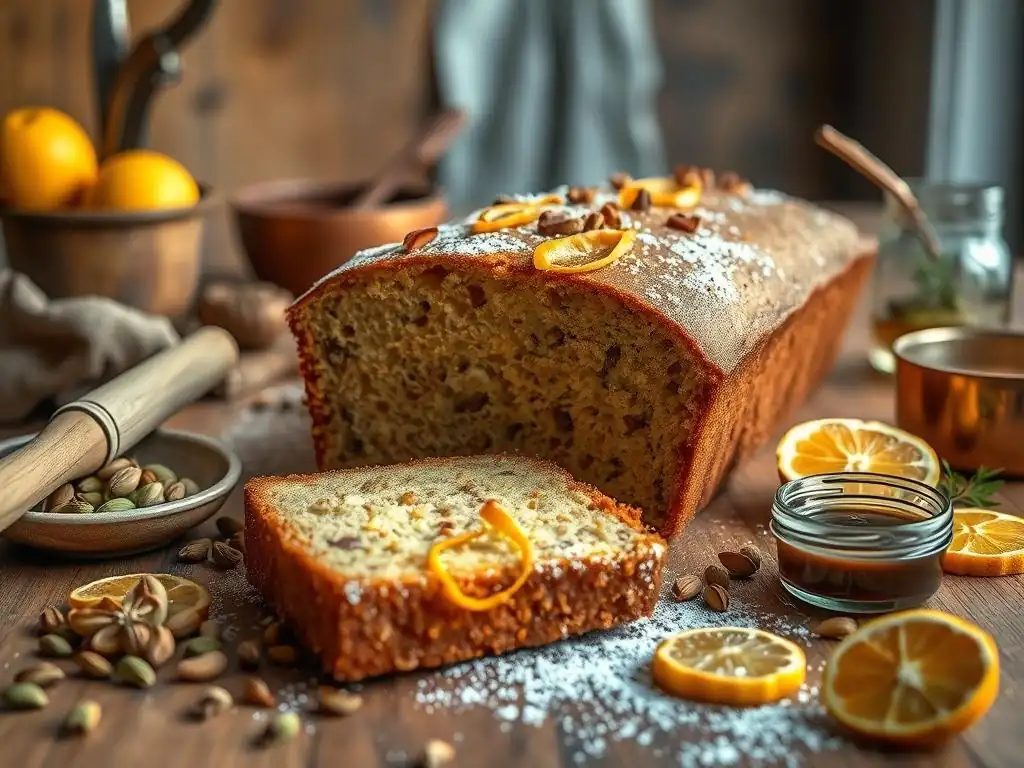
Finding fresh bergamot can sometimes be challenging, depending on your location and the season. While nothing perfectly replicates bergamot's unique floral-citrus note, the closest widely available substitute is often orange zest, sometimes combined with a tiny amount of lemon zest for brightness. Orange zest provides a pleasant citrus aroma and flavor that works well with cardamom, although it lacks the distinctive floral and slightly bitter undertones of bergamot.
When substituting orange zest for bergamot zest, you can generally use the same quantity (e.g., zest of 1-2 oranges instead of 1-2 bergamots). If you want to try to mimic the floral note, you could add a very small drop of food-grade rosewater or orange blossom water (literally a drop or two, as these are powerful) to the wet ingredients, but this requires caution as too much can taste soapy. Lemon zest alone is usually too purely acidic and lacks the aromatic depth needed to pair seamlessly with cardamom in this context.
Exploring Different Forms of Cardamom in Baking
Beyond using freshly ground green cardamom seeds or pre-ground powder, you can incorporate cardamom flavor using whole green pods. One method is to lightly crush a few green pods and steep them in warm milk, cream, or butter called for in a recipe for about 15-20 minutes. Strain the liquid before adding it to the batter. This infusion method imparts a more subtle, nuanced cardamom flavor compared to adding the ground spice directly.
Another possibility, though less common in typical sweet bergmot cardamom baking recipes like cakes or cookies, is to use black cardamom. Its smoky, intense flavor is better suited for robust, spiced loaves or buns, perhaps in a smaller quantity alongside green cardamom. Experimenting with infusing liquids or using different cardamom forms can add complexity to your baked goods, moving beyond the standard ground spice.
Adding Other Winter Spices to Your Bergamot Cardamom Creations: Adding Cloves or Nutmeg
While bergamot and cardamom create a beautiful pairing on their own, you can enhance the winter warmth by adding small amounts of other complementary spices. Cloves and nutmeg, classic winter spices, work well with cardamom. Cloves are very potent, so only a tiny pinch (perhaps 1/8 to 1/4 teaspoon ground) is usually sufficient for a whole cake or batch of cookies; too much can be overpowering and medicinal.
Freshly grated nutmeg adds a warm, slightly sweet depth that complements cardamom beautifully. A grating of about 1/4 to 1/2 teaspoon is a good starting point for most bergmot cardamom baking recipes. Cinnamon can also be added, but use it judiciously as its strong flavor can easily dominate the more delicate notes of bergamot and cardamom. A small amount of ginger powder could also add an extra layer of warmth.
Storing Your Bergamot and Cardamom Baked Goods
Once you've successfully baked your delicious bergamot cardamom treats, proper storage is essential to maintain their freshness, texture, and vibrant flavors. Different types of baked goods have different storage needs, but a few general principles apply across the board to keep your cakes, cookies, and scones tasting their best for as long as possible.
Following simple storage guidelines ensures that the aromatic qualities of the bergamot and cardamom remain prominent and that the texture stays appealing, allowing you to enjoy your baking efforts for several days.
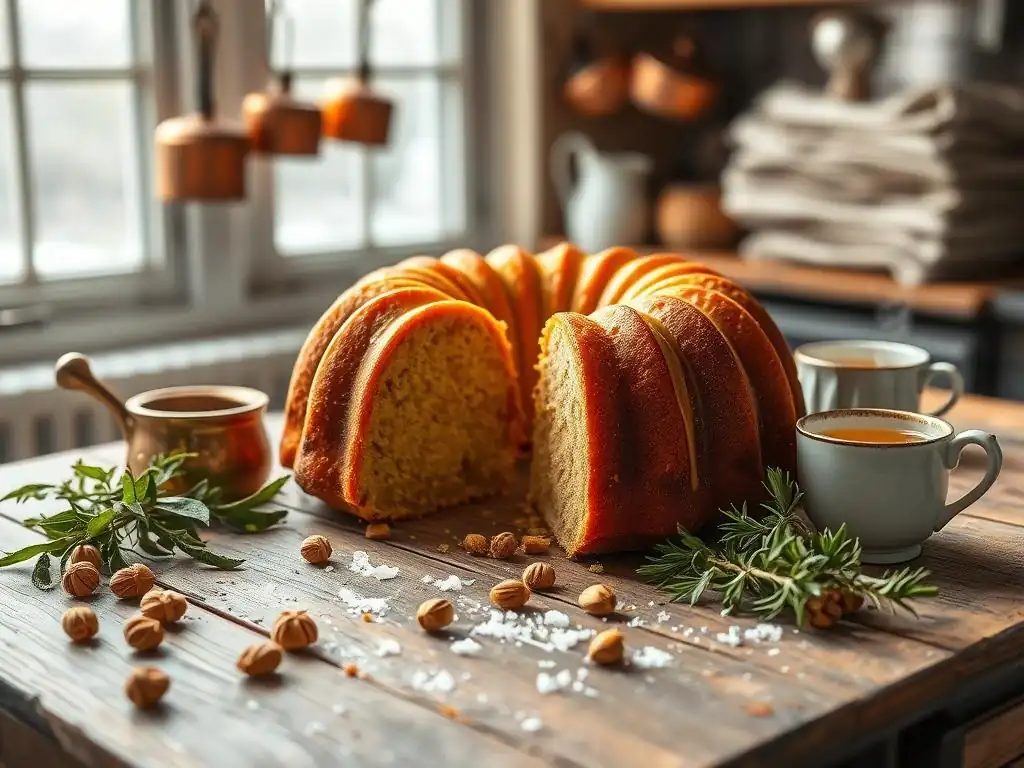
Bergamot Cardamom Bundt Cake should be stored at room temperature in an airtight container. If the cake is glazed, ensure the glaze is fully set before placing it in a container to prevent sticking. A whole cake or large pieces will stay fresh for about 3-4 days. If you need to store it longer, the cake freezes well; wrap slices or the whole cake tightly in plastic wrap, then in foil, and freeze for up to 2-3 months. Thaw at room temperature.
Bergamot Cardamom Shortbread Cookies, being drier, have a longer shelf life. Store them in an airtight container at room temperature for up to 1 week, or even 10 days if they are very crisp. Ensure they are completely cooled before storing to prevent condensation, which can make them soggy.
Bergamot Cardamom Scones are best eaten the day they are baked for optimal texture. However, they can be stored in an airtight container at room temperature for 1-2 days. Reheat them gently in a warm oven (around 300°F / 150°C) for about 5-10 minutes to restore some of their warmth and tenderness.
Tips for Keeping Your Baked Goods Fresh Longer
Using an airtight container is the single most important step in preserving freshness for most baked goods. This prevents air exposure, which leads to staling. For cookies, adding a slice of plain bread to the container can help keep them soft by transferring moisture to the cookies; just replace the bread slice every couple of days.
For cakes and scones, avoid refrigerating unless they contain a perishable filling or frosting, as the cold can dry them out quickly. If freezing, wrap items meticulously to prevent freezer burn, which can impart off-flavors and ruin texture. Label containers with the date to keep track of storage times. Properly stored bergmot cardamom baking will reward you with delightful flavors for days after they are baked.
Conclusion: Elevate Your Winter Baking with Bergamot and Cardamom
Exploring new flavor combinations is one of the joys of baking, and the pairing of bergamot and cardamom offers a uniquely aromatic experience perfect for the winter season. Their contrasting yet complementary profiles—bergamot's bright, floral citrus against cardamom's warm, spicy sweetness—create baked goods that are both comforting and sophisticated. Incorporating these ingredients into your repertoire allows you to move beyond traditional spice blends and discover exciting new dimensions in your winter baking.
Whether you choose to bake a fragrant bundt cake, crisp shortbread cookies, or warm, tender scones, the addition of bergamot and cardamom promises to fill your home with inviting aromas and delight your taste buds. These bergmot cardamom baking recipes are just the beginning; feel free to experiment and adapt them to your favorite baked treats.
The Aromatic Appeal of Bergamot and Cardamom Baking
The true magic of baking with bergamot and cardamom lies in their incredible aroma. The scent of these spices together as they bake is simply captivating, creating a warm, inviting atmosphere that embodies the spirit of winter coziness. Beyond the aroma, the flavors themselves offer a delightful complexity that can elevate even simple recipes.
From the first hint of citrus and floral notes from the bergamot to the lingering warmth and spice of the cardamom, each bite is a journey for the senses. This unique pairing creates memorable baked goods that are perfect for sharing during the holidays or simply enjoying as a personal treat on a cold afternoon. Embrace the opportunity to infuse your kitchen with these wonderful fragrances through bergmot cardamom baking.
Continue Your Baking Journey with BakeWithEase
We hope this guide to baking with bergamot and cardamom has inspired you to try this wonderful flavor combination. Mastering new ingredients and techniques is a rewarding part of the baking journey. At BakeWithEase.com, we are dedicated to providing you with the resources you need to explore the art of baking with confidence and creativity.
Discover more seasonal recipes, essential baking tips, and techniques for bakers of all levels on our website. Whether you're perfecting your pastry skills or trying your hand at a new spice blend, BakeWithEase is here to support your passion for baking. Keep exploring, keep experimenting, and most importantly, keep baking with ease!
Frequently Asked Questions
What exactly are bergamot and cardamom, and why are they a good pairing for baking?
Bergamot is a citrus fruit with a distinctive floral aroma, while cardamom is a spice known for its warm, complex flavor. Their combination creates a unique and aromatic profile perfect for winter baking.
Where can I typically find bergamot and cardamom for my baking recipes?
Cardamom pods or ground cardamom are readily available in most grocery stores' spice aisles. Bergamot can be trickier; look for bergamot essential oil (food-grade) or bergamot tea leaves in specialty stores or online retailers.
What types of baked goods best showcase the flavors of bergamot and cardamom?
These flavors work wonderfully in a variety of baked goods, including cookies, cakes, and breads. They particularly enhance recipes that have a buttery or creamy base, allowing the aromatic notes to shine through.
Are there any substitutions I can use if I can't find bergamot?
If bergamot is unavailable, you can try substituting with lemon zest combined with a few drops of Earl Grey tea essence. This will approximate the citrusy and floral notes of bergamot.
How much bergamot and cardamom should I use in my baking recipes?
Start with a small amount, such as 1-2 teaspoons of ground cardamom and a few drops of bergamot essential oil per batch. You can then adjust to your personal taste preferences, keeping in mind that both are potent flavors.
Final Reflection: The Enduring Allure of Bergamot and Cardamom
The fragrant dance of bergamot and cardamom, once confined to exotic spice markets, now graces our kitchens, transforming simple baking into an aromatic journey. This exploration into the unique pairing has revealed not only a wealth of delicious recipes but also a deeper connection to the history and cultural significance of these potent spices. Their combined warmth and complexity offer a comforting escape, especially relevant in our increasingly fast-paced world.
The enduring appeal of bergamot and cardamom lies in their ability to evoke a sense of nostalgia and comfort, transporting us to warmer, more tranquil times. Their presence in baking transcends mere flavor; they become a sensory experience, a fragrant memory woven into the very fabric of the baked good. The smell of baking bread is the smell of home.
This sentiment, though simple, perfectly encapsulates the power of these spices to create a feeling of belonging and warmth. Their use in baking, therefore, is not simply a culinary pursuit but a cultural one, connecting us to traditions and memories across generations.
Now, as you close this article, I invite you to consider the power of scent and flavor in your own life. Experiment with bergamot and cardamom in your own baking – perhaps a simple loaf of bread, a delicate cake, or even a warming cup of tea.
Let the aromas transport you, let the flavors delight you, and let the experience remind you of the simple joys found in the heart of the home, the warmth of community, and the enduring magic of a perfectly baked treat. Embrace the aromatic journey, and discover the unique story these spices have to tell.
Unleash Your Inner Baker: Craft Aromatic Winter Treats!
Thanks for joining us on this fragrant journey into the world of bergamot and cardamom! We hope you've discovered a new appreciation for these amazing spices and their potential in your winter baking. Ready to infuse your kitchen with warm, inviting aromas?
- Bake your own Bergamot & Cardamom loaves: This is your chance to put your newfound knowledge into practice. Don't be shy—experiment with different recipes and create your own unique twist!
- Share your creations: Show off your baking prowess on social media using #BakeWithEaseBergamotCardamom. Let's inspire each other!
- Leave a comment below: What’s your favorite winter baking spice, and what delicious creations will you be whipping up next?