
Managing Waste Safely in Your Home Bakery Kitchen

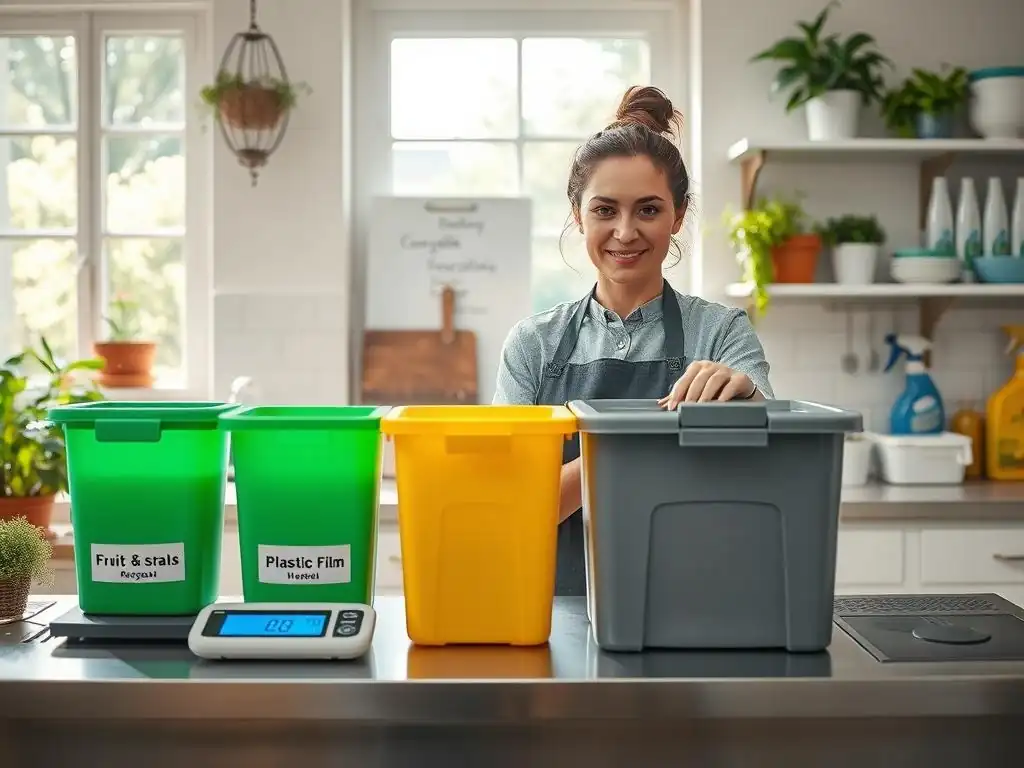
Welcome to BakeWithEase, where every crumb of knowledge brings you closer to baking perfection! Running a home bakery is a sweet dream, but what about the less glamorous side? Ever wondered about the best practices for handling safe home bakery waste? Discover crucial tips and tricks in our latest article to ensure your kitchen remains both productive and compliant. Let's dive in and keep your baking business running smoothly, responsibly, and deliciously!
- Managing Waste Safely in Your Home Bakery Kitchen: A Guide
- Introduction: Ensuring Food Safety with Proper Waste Management in Your Home Bakery
- Understanding the Types of Waste Generated in a Home Bakery
- Implementing a Safe Waste Management System: A Step-by-Step Guide for Home Bakers
- Preventing Cross-Contamination Through Effective Waste Handling
- Best Practices for Minimizing Waste in Your Home Bakery
- Troubleshooting Common Waste Management Challenges in Home Bakeries
- Conclusion: Maintaining a Safe and Sustainable Home Bakery Through Responsible Waste Management
-
Frequently Asked Questions
- How can I safely dispose of used cooking oil from my home bakery?
- What are some eco-friendly options for disposing of leftover dough or batter?
- How should I handle expired baking ingredients like flour or sugar to avoid contamination?
- What are the best practices for cleaning up flour spills and other dry baking waste to prevent hazards?
- How can I minimize waste generation in my home bakery kitchen in the first place?
- Final Reflection: The Ripple Effect of Responsible Waste Management
- Level Up Your Baking: Master Waste-Free Baking!
Managing Waste Safely in Your Home Bakery Kitchen: A Guide
Introduction: Ensuring Food Safety with Proper Waste Management in Your Home Bakery
Why Safe Waste Disposal Matters for Home Bakeries
Effective waste management is not just about keeping your kitchen tidy; it's a critical component of maintaining food safety in your home bakery. Improperly handled waste can become a breeding ground for bacteria, attract pests like rodents and insects, and lead to cross-contamination, potentially compromising the safety and quality of your baked goods.
For anyone running a home baking business, especially those operating under cottage food laws, upholding stringent hygiene standards, including safe home bakery waste practices, is paramount to protecting customers and your reputation. A clean and organized workspace, free from accumulating waste, directly contributes to preventing foodborne illnesses and ensures your delicious treats are safe to eat.
Beyond immediate food safety concerns, responsible waste disposal reflects professionalism and operational efficiency. Accumulated waste can create unpleasant odors, attract unwanted visitors, and make your workspace less efficient. By implementing clear procedures for handling different types of waste—from flour dust and eggshells to packaging materials and expired ingredients—you establish a safer environment for yourself and anyone else in your home. Focusing on safe home bakery waste management from the outset helps build good habits that are essential as your baking business grows, preventing potential health code issues down the line and demonstrating a commitment to quality and safety.
The Importance of Compliance with Local Health Department Regulations for Home Baking Businesses
Operating a home bakery often means adhering to specific regulations set by your local or state health department. These rules vary significantly but typically cover aspects like kitchen sanitation, ingredient sourcing, labeling, and crucially, waste disposal. Understanding and complying with these regulations is not optional; it's a legal requirement for many home-based food businesses. Failure to follow guidelines for safe home bakery waste handling, such as proper storage temperatures for certain waste types or frequency of disposal, can result in warnings, fines, or even the suspension of your ability to sell commercially from your home.
Health department guidelines often stipulate how food waste must be stored (e.g., in covered, pest-proof containers) and how frequently general waste should be removed from the premises. Some areas may have specific requirements for grease disposal or handling spoiled dairy or meat products, even if used in small quantities in baking. Staying informed about your specific local regulations ensures your safe home bakery waste practices meet legal standards, safeguarding your business against potential issues. Many health departments offer resources or can answer questions specific to cottage food operations, making it easier to navigate the requirements.
Understanding the Types of Waste Generated in a Home Bakery
Common Food Waste from Baking Activities
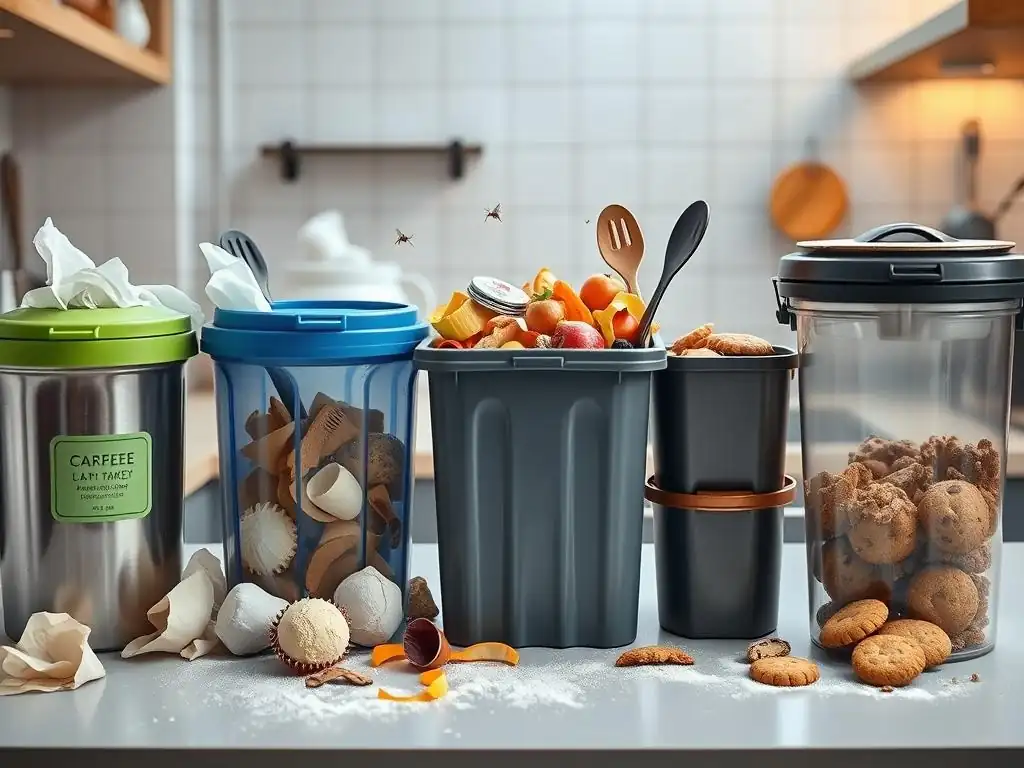
Baking, while delightful, inevitably generates food waste. This can range from seemingly innocuous scraps like flour dust, sugar residues, and spilled batter to more significant items such as eggshells, fruit and vegetable trimmings (if making fillings or decorations), and leftover dough or frosting. Even small spills or overfilled mixing bowls contribute to the daily accumulation of organic waste. Managing these items promptly and correctly is vital for safe home bakery waste practices, preventing spoilage and the growth of harmful bacteria that thrive on organic matter.
Consider a typical batch of cookies: you might have eggshells, butter wrappers (often with residual butter), flour dust, and perhaps some spilled sugar. For a cake, add fruit peels, frosting remnants, and maybe some trimmed cake scraps. While individually small, these scraps combine to create a significant volume of perishable waste over a baking session. Proper handling means not letting these sit exposed but immediately placing them into designated waste containers, ideally ones that can be easily cleaned and sealed, maintaining safe home bakery waste disposal throughout the process.
Packaging Waste and Recycling Options for Home Bakeries
Beyond food scraps, home bakeries produce a substantial amount of packaging waste. Ingredients arrive in bags, boxes, bottles, and tubs made of paper, cardboard, plastic, glass, and metal. Packaging for finished products, such as cake boxes, cookie bags, and cupcake containers, also contributes to the waste stream. Implementing effective recycling practices for these materials is a key aspect of responsible and safe home bakery waste management. Sorting recyclables not only reduces the volume of trash but also aligns with sustainable business practices that many customers appreciate.
Most municipalities have recycling programs for common materials like cardboard, paper, plastic bottles (PET, HDPE), glass jars, and aluminum cans. Setting up separate bins for these materials in your kitchen is a simple step. Ensure containers are rinsed clean of food residue before placing them in the recycling bin to prevent contamination and odors, which is part of maintaining safe home bakery waste handling. Materials like plastic film, certain types of plastic tubs, or heavily soiled paper might not be recyclable in your area, so check local guidelines.
Dealing with Expired Ingredients and Spoilage
Managing ingredients properly is crucial in a home bakery, but occasionally, items may expire or spoil before they can be used. Flour can go rancid, dairy products sour, leavening agents lose their potency, and fruits or vegetables rot. Using expired or spoiled ingredients is a food safety hazard and can ruin a batch of baked goods. A key part of safe home bakery waste involves the proper disposal of these items.
Expired ingredients, especially perishable ones like milk, eggs, or fresh fruit, should be discarded immediately upon noticing spoilage or reaching their expiration date. Do not attempt to salvage or use them. Non-perishable items like flour or sugar might show signs of spoilage (e.g., mold, off smells, pantry pests) even before the expiration date if stored improperly.
Dispose of these in sealed bags or containers to prevent attracting pests to your main waste bins. Keep a close eye on inventory dates and quality to minimize the need to discard spoiled items, which is a proactive step in safe home bakery waste reduction.
Implementing a Safe Waste Management System: A Step-by-Step Guide for Home Bakers
Step 1: Segregating Waste for Efficient Disposal
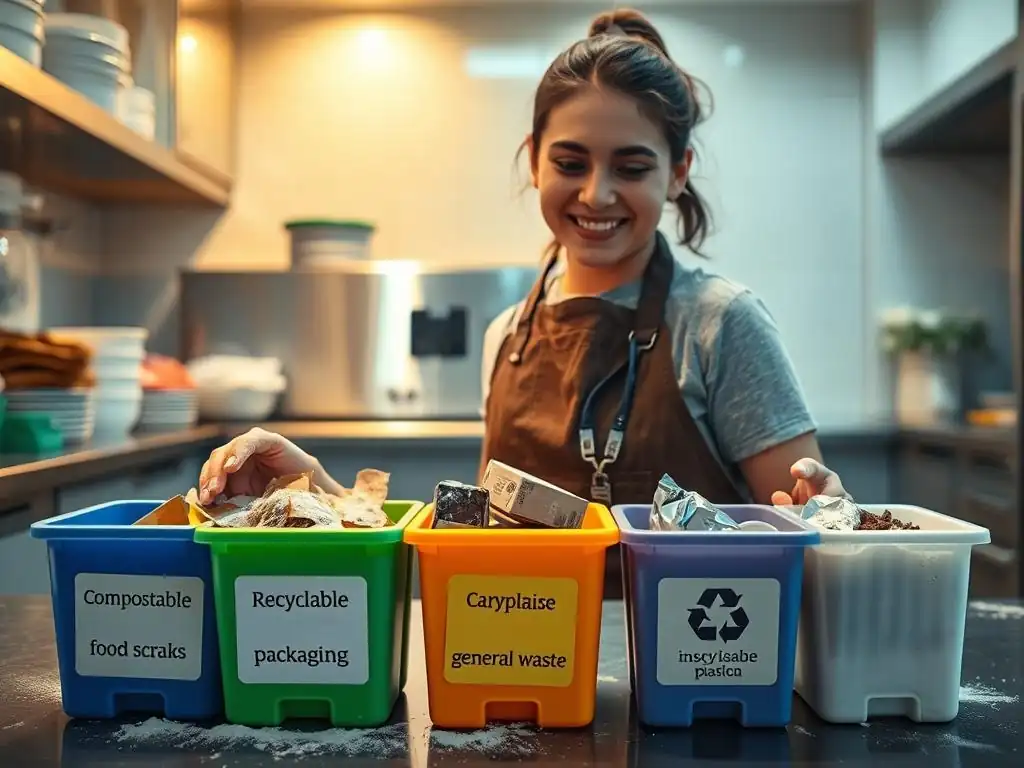
Effective waste management begins with segregation. Simply throwing everything into one bin makes disposal more complicated, increases the risk of contamination, and hinders recycling or composting efforts. For a home bakery, setting up distinct collection points for different types of waste is fundamental to safe home bakery waste practices. This streamlines the process and ensures that each type of waste is handled appropriately from the moment it's generated.
A simple segregation system might involve three primary categories: food waste (scraps, spoiled ingredients), recyclables (clean packaging), and general trash (non-recyclable wrappers, soiled paper, etc.). More detailed segregation could separate paper/cardboard from plastics/metals within recyclables. The goal is to make it easy during the baking process to place waste into the correct container, preventing cross-contamination and preparing materials for their appropriate disposal method, whether that's curbside pickup, composting, or a specialized service.
Designating Bins for Different Waste Streams: Food Waste, Recyclables, and General Trash
Within your kitchen or designated bakery space, place clearly marked bins for each waste category. For food waste, a smaller bin near your primary prep area is convenient for quick disposal of scraps like eggshells or fruit peels. This bin should be emptied frequently, ideally after each baking session, to prevent odors and bacterial growth.
Recyclables can have a larger bin, perhaps located slightly out of the main workflow but easily accessible. General trash needs a bin for everything else that doesn't fit into the other categories. Using bins with foot pedals can help maintain hygiene by minimizing contact with lids, contributing to safe home bakery waste handling.
The size and number of bins will depend on the volume of baking you do. A small home bakery might manage with just two or three bins: one for food waste/general trash combined (if food waste is emptied very frequently) and one for recyclables. A busier operation might require multiple bins for each category or larger containers. Ensure the bins are made of durable, easy-to-clean material like plastic or metal and have lids that fit tightly to contain smells and keep pests out, which is essential for safe home bakery waste storage.
Labeling and Color-Coding for Easy Identification
To make waste segregation clear and intuitive for anyone in the kitchen, label or color-code your waste bins. Simple labels like "Food Waste," "Recycling," and "Trash" are effective. You could also use universally recognized colors, such as green for food waste/compostables, blue for recyclables, and black or grey for general trash. This visual system helps prevent items from being placed in the wrong bin, ensuring waste is properly sorted for safe home bakery waste disposal.
Consistency in labeling and color-coding is key. If you have multiple bins for the same category (e.g., two recycling bins), they should be labeled and colored the same way. Consider adding small posters or charts nearby listing what belongs in each bin, especially for less common items or local recycling specifics. This simple step reduces confusion and reinforces correct sorting habits, making your safe home bakery waste system more effective.
Step 2: Storing Waste Properly to Prevent Contamination
Once waste is segregated into designated bins, proper storage before final disposal is critical. Waste, especially food waste, can quickly become a source of contamination if not stored correctly. This means using appropriate containers and maintaining cleanliness in the storage area. Neglecting this step can undermine all other safe home bakery waste efforts, potentially leading to pest issues and hygiene problems.
Waste should be stored away from food preparation and storage areas. If possible, designate a specific corner or area in your kitchen or home for waste bins. For larger volumes or if waste is stored for more than a day or two, consider storing it in a garage, shed, or outside area, provided the containers are secure and protected from pests and weather. The goal is to minimize the time waste spends near where food is handled or stored, thereby enhancing safe home bakery waste management.
Using Containers with Tight-Fitting Lids to Control Odors and Pests
The single most important feature of waste containers in a home bakery is a tight-fitting lid. This prevents odors from escaping, which can be unpleasant and attract pests like flies, ants, and rodents. A secure lid also physically prevents pests from accessing the waste, a vital step in preventing infestations that could compromise food safety. Bins with locking lids offer even greater security against inquisitive pests.
For food waste, using a container with a lid is non-negotiable, especially if it's not emptied immediately. Even general trash bins should have lids, as they can contain wrappers with food residue. Outdoor waste containers must be particularly robust, with heavy, secure lids and possibly made of metal or thick plastic that pests cannot easily chew through. This level of security is fundamental to maintaining safe home bakery waste storage and preventing wider pest problems.
Maintaining Cleanliness in Waste Storage Areas
The area around your waste bins, whether inside your kitchen or outside, needs to be kept clean. Spills can happen, and residues can accumulate on the outside of bins. Regularly cleaning the floor and walls around waste storage areas helps prevent the buildup of bacteria and removes attractants for pests. A simple sweep or mop of the area is often sufficient for daily maintenance.
The waste bins themselves also require regular cleaning. Even with liners, bins can become soiled. Wash bins frequently with hot, soapy water and a disinfectant. Allow them to dry thoroughly before replacing liners or adding more waste. This prevents odors and bacterial growth within the bin itself. A clean bin and a clean storage area are essential components of safe home bakery waste management, creating a hygienic environment from start to finish.
Step 3: Safe Disposal Methods for Home Bakery Waste
The final step in the waste management system is the actual disposal of the collected waste. The methods used will depend on the type of waste and your local regulations and services. Knowing how to properly dispose of each stream is critical for safe home bakery waste practices and environmental responsibility. This involves understanding what your local waste management services accept and exploring alternatives like composting.
Disposal should happen frequently, especially for food waste. Allowing waste to accumulate for long periods increases the risk of spoilage, odors, and pest issues. Aim to empty food waste bins daily or even more frequently if you are baking a lot or if the weather is warm. General trash and recyclables can typically be emptied less often, but regular disposal keeps your workspace clean and manages volume effectively.
Composting Food Scraps: Turning Waste into Garden Soil Amendment
Composting is an environmentally friendly way to handle organic food waste from your home bakery, such as fruit and vegetable peels, eggshells, coffee grounds, and even some types of paper like paper towels or napkins (check local guidelines). Instead of sending these items to a landfill, composting breaks them down into nutrient-rich soil amendment for your garden. This significantly reduces the volume of trash and supports sustainable practices, contributing to safe home bakery waste management in an eco-conscious way.
Setting up a compost bin or pile in your yard is relatively simple. Balance "green" materials (like food scraps) with "brown" materials (like dried leaves, shredded paper, or cardboard) to ensure proper decomposition. Avoid composting meat, dairy, or oily foods, as these can attract pests and cause odors, and are generally not suitable for home composting systems. If you don't have a yard, look for local community composting programs or services that accept food waste.
Local Waste Disposal Guidelines and Regulations for Food Businesses
It's imperative to be familiar with your local municipality's waste disposal guidelines, especially those relevant to home-based food businesses or cottage food operations. These guidelines dictate what types of waste are collected, on what schedule, and how they must be prepared (e.g., specific bins, bag requirements). Some areas may have separate collections for organic waste or specific rules for disposing of fats, oils, and grease, even in small quantities.
Check your local health department or waste management website for specific information. They may provide resources or even require registration for home-based food businesses regarding waste disposal. Adhering to these guidelines ensures your safe home bakery waste disposal is compliant with local laws and helps prevent issues with waste collection services. For example, some areas might require that all waste from a commercial operation, even a home-based one, be handled by a licensed commercial waste hauler, depending on volume or type of waste.
Working with Waste Management Services for Home Bakeries
For larger home bakeries or those with specific waste streams (like significant amounts of grease), working directly with a commercial waste management service might be necessary or beneficial. While many home bakeries can manage with standard residential services, a commercial service can offer more frequent pickups, handle larger volumes, and provide specialized disposal for certain types of waste that aren't accepted in residential streams.
Discuss your specific needs with potential waste management providers. Explain you are a home-based food business operating under cottage food laws (if applicable) and describe the types and volume of waste you generate. They can advise on appropriate container sizes, pickup schedules, and whether they can handle all your waste streams, ensuring your safe home bakery waste disposal is efficient and compliant. This can be particularly helpful for managing increased waste during peak seasons like holidays.
Preventing Cross-Contamination Through Effective Waste Handling
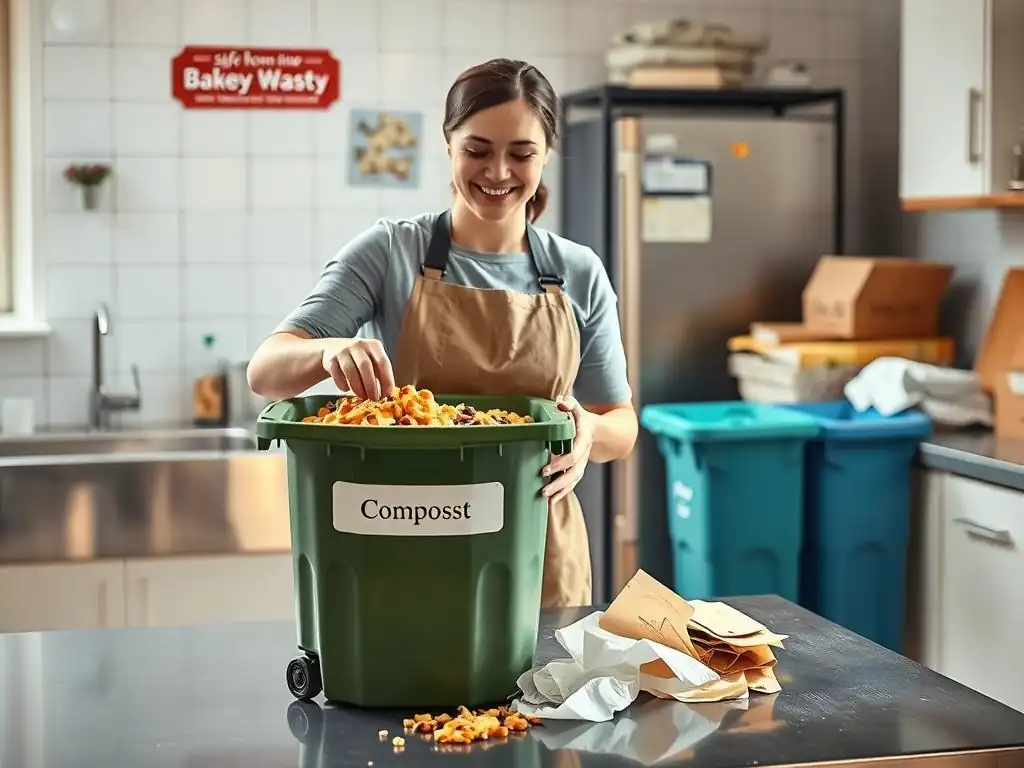
Preventing cross-contamination is paramount in any food preparation environment, including a home bakery. Waste is a potential source of pathogens, and improper handling can easily transfer bacteria from waste bins or contaminated surfaces to clean ingredients, equipment, or finished products. Implementing strict hygiene practices when dealing with waste is a non-negotiable part of safe home bakery waste management.
This involves not only how you store and dispose of waste but also the personal habits and cleaning routines associated with waste handling. Simple actions like washing your hands thoroughly after touching waste bins or disposing of trash can make a significant difference in preventing the spread of germs. Maintaining a clear separation between waste areas and food handling areas is also key.
Handwashing Practices After Handling Waste
Thorough handwashing is the single most effective way to prevent the spread of bacteria and viruses. Every time you handle waste bins, take out the trash, or deal with spilled waste, you must wash your hands immediately afterward. Use warm water and soap, lathering for at least 20 seconds, and dry hands with a clean paper towel or air dryer. This is a fundamental step in safe home bakery waste handling and overall food safety.
Even if you used gloves to handle waste, wash your hands after removing the gloves. Gloves can tear, and contaminants can get on your skin. Make it a habit: touch waste, wash hands. This simple routine prevents potential pathogens from being transferred from waste materials to kitchen surfaces, equipment, or food products, ensuring your safe home bakery waste practices protect your baked goods.
Cleaning and Sanitizing Waste Containers Regularly
Waste containers, especially those holding food waste, can quickly become soiled with residues, attracting bacteria and pests. Regular cleaning and sanitizing of all waste bins are essential to prevent them from becoming sources of contamination. This goes beyond just emptying the contents; the bins themselves need attention as part of safe home bakery waste management.
Wash waste bins, both inside and out, with hot, soapy water frequently. For bins holding food waste, aim for at least weekly cleaning, or more often if needed. After washing, sanitize the bins using a food-safe sanitizer solution (like a diluted bleach solution, following product instructions) or by allowing them to dry completely in the sun, as UV rays have a sanitizing effect. Ensure bins are thoroughly dry before replacing liners or adding new waste.
Preventing Pests and Rodents from Accessing Waste
Pests like flies, ants, cockroaches, and rodents are attracted to food waste and can carry pathogens that contaminate food surfaces and ingredients. Preventing them from accessing your safe home bakery waste is crucial for overall kitchen hygiene and food safety. This involves a combination of proper storage, frequent disposal, and maintaining a clean environment.
Use waste containers with tight-fitting or locking lids, especially for food waste, to deny pests access. Do not leave bags of trash or food waste sitting open inside or outside your home. Dispose of waste frequently according to your local collection schedule. Keep the areas around waste bins clean and free of spills or residues. Seal any cracks or openings in walls or floors that pests could use to enter your home or bakery area. Addressing pest issues promptly if they arise is also part of maintaining safe home bakery waste conditions.
Best Practices for Minimizing Waste in Your Home Bakery
While managing waste safely is important, reducing the amount of waste generated in the first place is even better for the environment and your bottom line. Implementing strategies to minimize waste is a smart and sustainable approach to safe home bakery waste management. This involves conscious decisions at every stage, from purchasing ingredients to managing finished products.
Reducing waste can also save you money by optimizing ingredient usage and preventing spoilage. It requires careful planning and attention to detail in your daily operations. These best practices contribute to a more efficient and environmentally friendly home bakery.
Smart Ingredient Purchasing and Storage to Reduce Spoilage
Buying ingredients wisely is the first step in minimizing waste. Purchase ingredients in appropriate quantities based on your anticipated baking schedule. Avoid buying in bulk simply because it seems cheaper if you won't use the ingredients before they expire or spoil. For perishable items, buy only what you need for immediate use or the near future. Proper storage is equally important: store ingredients according to recommendations (e.g., in airtight containers, in a cool, dry place, or refrigerated) to extend their shelf life.
Use the "first-in, first-out" (FIFO) method for stocking your pantry and refrigerator. Place newly purchased items behind older ones so that the older items are used first. Regularly check expiration dates and ingredient quality to identify items that need to be used soon. This proactive approach significantly reduces the likelihood of having to discard expired or spoiled ingredients, a key aspect of minimizing safe home bakery waste.
Recipe Scaling and Inventory Management to Minimize Leftovers
Accurate recipe scaling helps prevent making too much batter, dough, or frosting, which can end up as waste if not fully used. If you frequently adjust recipes to make smaller or larger batches, ensure your measurements are precise. Maintain an inventory of your ingredients to know exactly what you have on hand and avoid over-purchasing or forgetting about items until they've expired.
Using inventory management techniques, even a simple spreadsheet or notebook, helps you plan your baking and purchasing more effectively. Knowing your stock prevents running out of essentials unexpectedly and highlights ingredients that need to be used soon. This systematic approach reduces waste by ensuring ingredients are utilized efficiently, contributing to effective safe home bakery waste reduction.
Donating Excess Baked Goods to Local Charities or Food Banks [If permissible and compliant]
If you occasionally find yourself with excess baked goods that are still fresh and safe to eat, consider donating them. Many local charities, food banks, or shelters may accept donations of commercially prepared or home-baked goods, provided they meet specific safety and packaging requirements. This is a wonderful way to prevent food waste and support your community.
However, it is absolutely critical to verify with the receiving organization and check your local cottage food laws or health department regulations regarding donating food from a home bakery. There are often strict rules about what can be donated, how it must be packaged, and whether home-based businesses are permitted to donate. Ensure full compliance before donating any goods to maintain safe home bakery waste practices and avoid legal issues.
Troubleshooting Common Waste Management Challenges in Home Bakeries
Even with a solid waste management system in place, you might encounter specific challenges. Anticipating these and knowing how to address them is part of maintaining effective safe home bakery waste practices.
Dealing with Increased Waste During Holiday Baking
Holiday seasons or special events often mean a significant increase in baking volume, which directly translates to more waste. Your usual waste disposal routine might become insufficient. Plan ahead for these busy periods. Consider using larger waste bins, scheduling more frequent waste pickups (if using a service), or planning extra trips to your local disposal or recycling center.
Ensure your waste storage area can handle the increased volume without becoming overcrowded, which can attract pests and create hygiene issues. Maintain your regular cleaning and sanitizing schedule, or even increase its frequency, to cope with the higher volume of waste and ensure safe home bakery waste management during peak times.
Managing Fruit Fly Infestations
Fruit flies are a common nuisance in kitchens, particularly around ripening fruit and, unfortunately, food waste. If you notice a fruit fly problem, it's a sign that organic waste might not be contained effectively or is accumulating too much. Address the source immediately.
Empty food waste bins more frequently, ideally daily. Rinse food waste containers thoroughly after emptying. Ensure lids on all waste bins are tight-fitting. Clean up any spills of sugary liquids or food scraps immediately. Traps (like a small dish of apple cider vinegar with a drop of dish soap) can help catch existing flies, but eliminating their breeding source (the waste) is the long-term solution for maintaining safe home bakery waste conditions free of pests.
Adapting Waste Management Practices for Gluten-Free Baking
If your home bakery specializes in gluten-free baking, you might encounter different types of flour dust and residues compared to traditional baking. While the general principles of safe home bakery waste management remain the same, specific considerations apply, particularly regarding preventing cross-contamination if you also handle gluten-containing ingredients.
If you bake both gluten-free and regular items, maintain strict separation. This extends to waste bins; ideally, have separate bins for gluten-free specific waste (like flour bags or dough scraps) to avoid any possibility of airborne cross-contamination from waste dust settling on gluten-free surfaces. Clean and sanitize waste bins used for gluten-containing waste thoroughly and separately from those used for gluten-free waste. This meticulous approach is vital for maintaining safe home bakery waste practices in a mixed-use kitchen.
Conclusion: Maintaining a Safe and Sustainable Home Bakery Through Responsible Waste Management
Responsible waste management is an integral, though often overlooked, aspect of running a safe and successful home bakery. It extends beyond simple tidiness; it's about protecting food safety, complying with regulations, preventing pests, and contributing to environmental sustainability. By understanding the types of waste you generate, implementing a systematic approach to segregation and storage, and utilizing safe disposal methods, you create a cleaner, healthier, and more efficient workspace.
Adopting best practices for minimizing waste through smart purchasing, careful inventory, and potentially donation further enhances your operation's sustainability. While challenges like increased volume or pest issues may arise, proactive planning and consistent application of safe home bakery waste principles will help you overcome them. Ultimately, prioritizing safe home bakery waste management is an investment in the safety of your products, the reputation of your business, and the well-being of your home environment.
Frequently Asked Questions
How can I safely dispose of used cooking oil from my home bakery?
Used cooking oil should never be poured down the drain. Instead, let it cool, then store it in a sealed container and dispose of it at a local recycling center or grease collection facility. Some areas may even offer curbside pickup for used cooking oil.
What are some eco-friendly options for disposing of leftover dough or batter?
Instead of throwing out excess dough or batter, consider creative solutions. You can often bake it into small treats or use it as a base for other recipes. Composting is also an option, but ensure it's done properly to avoid attracting pests.
How should I handle expired baking ingredients like flour or sugar to avoid contamination?
Expired ingredients should be disposed of in a sealed bag to prevent pests. Consider double-bagging particularly strong-smelling ingredients. Check your local regulations for any specific guidelines regarding food waste disposal.
What are the best practices for cleaning up flour spills and other dry baking waste to prevent hazards?
Immediately sweep or vacuum up flour spills to prevent slips and falls. Use a damp cloth to wipe down surfaces. Consider a dedicated dustpan and brush for baking-related messes to avoid cross-contamination.
How can I minimize waste generation in my home bakery kitchen in the first place?
Plan your baking carefully to avoid overproduction. Measure ingredients accurately and store them properly to extend their shelf life. Embrace batch baking and freezing extra treats for later enjoyment.
Final Reflection: The Ripple Effect of Responsible Waste Management
Safe home baking isn't just about delicious treats; it's about responsible waste management, a practice that directly impacts our environment and community. The seemingly small act of properly disposing of baking waste ripples outwards, affecting everything from local ecosystems to global sustainability efforts. Ignoring this responsibility, however, can lead to significant environmental damage and health risks.
The journey towards a cleaner, safer home bakery isn't just about following regulations; it's about cultivating a mindful approach to resource consumption. It's about understanding the impact of our actions, big and small. We do not inherit the Earth from our ancestors, we borrow it from our children.
This quote underscores the importance of leaving a positive legacy, and responsible waste management in our home bakeries is a crucial step in that direction. It's a personal commitment that extends beyond our kitchens, influencing our families, our communities, and ultimately, the planet.
Now, consider your own baking practices. What small changes can you implement today to minimize your waste? Perhaps it's composting food scraps, recycling packaging diligently, or exploring sustainable alternatives for your baking supplies. Start small, be consistent, and remember that every conscious choice contributes to a larger movement towards a healthier, more sustainable future. Let's bake a better world, one responsible disposal at a time.
Level Up Your Baking: Master Waste-Free Baking!
Thanks for diving into the world of safe and sustainable baking! You've now got the knowledge to create delicious treats while minimizing your environmental impact. Ready to put your new skills into action?
- Implement your top three waste-reduction strategies from the article: Start with the easiest changes—it's all about building consistent habits! Prioritize one strategy per week to avoid feeling overwhelmed.
- Share your baking successes (and challenges!) on social media: Use #BakeWithEaseWasteFree to connect with other bakers and inspire a community of eco-conscious creators.
- Explore creative repurposing ideas: Think beyond composting! Can you use leftover fruit peels in your next bake? Let us know your brilliant ideas in the comments!
What's your biggest takeaway from today's waste-reduction tips, and how will you implement it in your kitchen?