
The Baker's Lame: Mastering Dough Scoring for Beautiful Bread

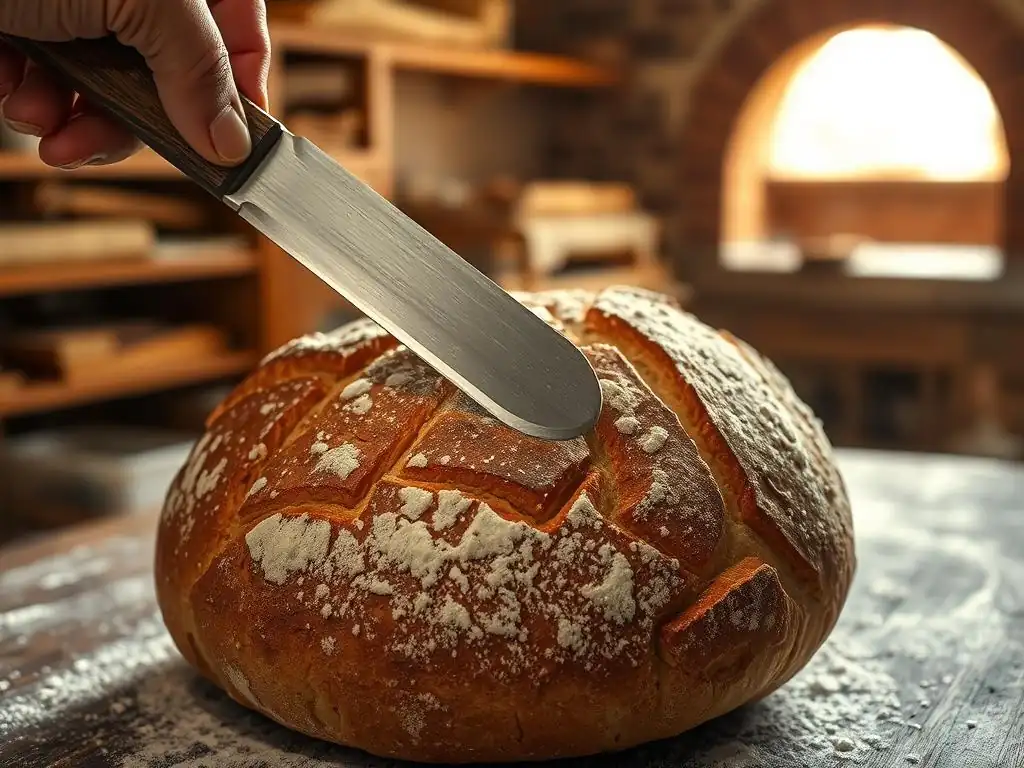
Welcome to BakeWithEase, where baking becomes a joy, not a chore! Ever wondered how those artisan loaves achieve their stunning patterns? This week, we delve into the secrets of dough scoring techniques for bread, unlocking the power of the baker's lame. Discover how a simple tool can transform your homemade bread into a work of art and elevate your baking game. Ready to make your loaves look as good as they taste? Let's get started!
- Introduction: Unleash Your Inner Artisan with Expert Dough Scoring Techniques
- Understanding the Baker's Lame: The Essential Dough Scoring Tool
- Step-by-Step Dough Scoring Techniques for Bread
- Choosing the Right Baker's Lame for Your Needs: Product Recommendations
- Troubleshooting Common Dough Scoring Problems
- Maintaining Your Baker's Lame: Longevity and Hygiene
- Conclusion: Elevate Your Baking with Perfect Dough Scoring
- Frequently Asked Questions
- Final Reflection: The Art and Soul of Dough Scoring
- Unleash Your Inner Bread Artist: Score Your Next Loaf to Perfection!
Introduction: Unleash Your Inner Artisan with Expert Dough Scoring Techniques
Baking bread is a rewarding journey, culminating in that moment when you pull a beautifully risen loaf from the oven. While ingredients and technique are fundamental, one tool stands out for its ability to transform a simple dough ball into a work of art: the baker's lame. Mastering the art of dough scoring techniques for bread is not just about creating stunning patterns; it's a crucial step that impacts the final structure, texture, and rise of your loaf.
This guide will walk you through everything you need to know about the baker's lame and effective dough scoring techniques for bread. Whether you're a beginner struggling with blowouts or an experienced baker looking to perfect your signature ear, understanding this essential tool and its proper use will elevate your baking from good to truly exceptional. Get ready to make your bread not only delicious but visually spectacular.
Why Dough Scoring Matters: Beyond Aesthetics to Baking Perfection
Dough scoring, also known as slashing or cutting, is a critical step performed just before the bread goes into a hot oven. Its primary functional purpose is to control the expansion of the dough during the initial phase of baking, often called "oven spring."
Without scoring, the rapidly expanding gases inside the dough would find the weakest point to escape, often resulting in uncontrolled cracks or blowouts on the sides or bottom of the loaf, leading to an uneven shape and potentially denser crumb in certain areas. By making intentional cuts, you provide pathways for the dough to expand predictably and evenly.
Beyond controlling expansion, effective dough scoring techniques for bread significantly impact the final appearance and texture. A well-executed score encourages the dough to rise upwards and outwards along the cuts, creating desirable features like the "ear" on a baguette or the dramatic opening on a rustic boule. This controlled expansion also contributes to a lighter, more open crumb structure by allowing the dough to reach its full potential volume.
Consider a standard sourdough boule with a hydration level around 75%; proper scoring can help it achieve a significant vertical lift, perhaps increasing its final height by 30-40% compared to an unscored loaf that might spread more laterally. The visual aspect is undeniable – a loaf with clean, intentional cuts simply looks more professional and appealing, showcasing the baker's skill and attention to detail.
Understanding the Baker's Lame: The Essential Dough Scoring Tool
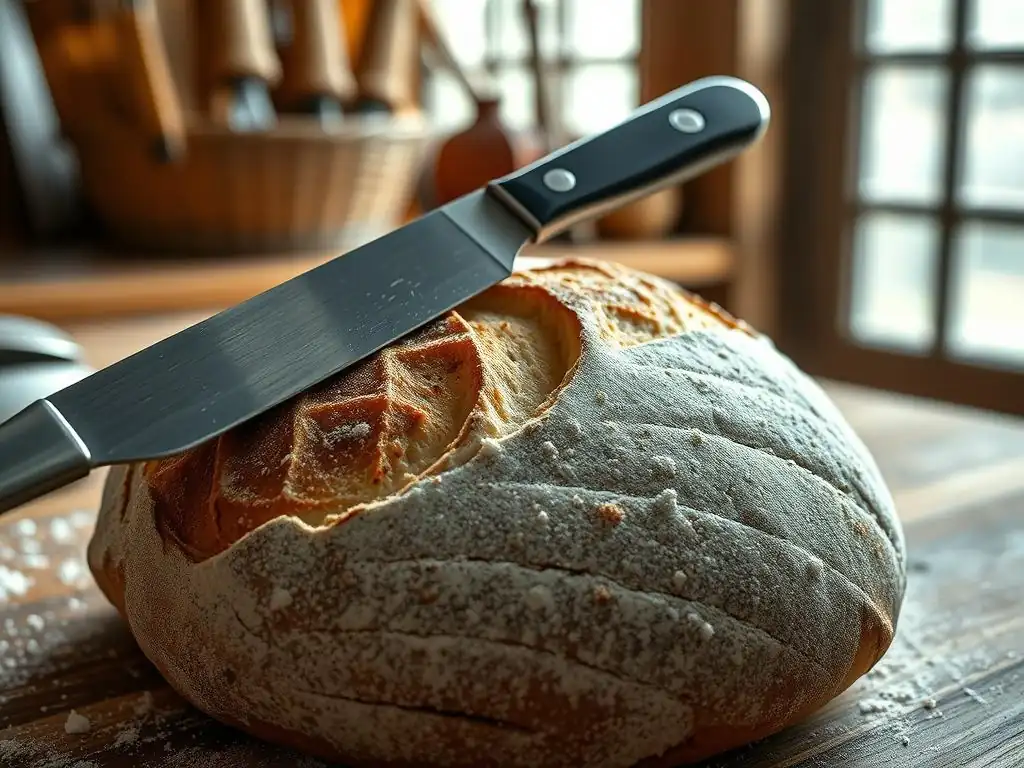
The baker's lame (pronounced "lahm") is a specialized tool designed specifically for scoring dough. While you might be tempted to use a sharp knife or razor blade, a dedicated lame offers better control, angle, and safety due to its handle and blade holder. Essentially, it's a handle with a very sharp blade (typically a standard double-edged razor blade) attached at a specific angle, allowing for swift, clean cuts through the dough's surface tension. Using a lame makes executing precise dough scoring techniques for bread much easier and more consistent than using a freehand blade.
Choosing the right lame can significantly impact your scoring results. The sharpness of the blade is paramount; a dull blade will drag and tear the dough instead of slicing cleanly, hindering proper oven spring and leading to a messy appearance. Lames come in various designs, primarily differing in how they hold the blade (straight or curved) and the material of the handle. Some offer fixed blades, while others allow for easy replacement, which is crucial for maintaining sharpness. Investing in a quality lame is a small step that yields significant improvements in your bread-making results.
What is a Baker's Lame? Exploring Different Types
A baker's lame is fundamentally a tool to hold a very sharp blade, usually a standard razor blade, allowing bakers to make precise cuts on proofed dough just before baking. The design varies, primarily in how the blade is held and the shape of the handle. The core function remains the same: to slice through the skin of the dough cleanly and efficiently. This clean cut is essential for controlling oven spring and executing intricate dough scoring techniques for bread without tearing the delicate surface.
Different types of lames cater to various scoring styles and preferences. The most common distinction lies in the blade's configuration: straight or curved. Handle materials range from simple plastic to beautiful wood, providing different levels of comfort and grip. Replaceable blades are a standard feature on most modern lames, ensuring you always have a razor-sharp edge, which is critical for achieving clean scores, especially on high-hydration doughs which can be particularly sticky and difficult to score cleanly with a dull blade.
-
Straight Lame: The classic choice for precise cuts.
A straight lame holds the blade flat, parallel to the handle. This configuration is excellent for making straight, deep cuts, such as the single slash down the length of a baguette or multiple parallel cuts on a bâtard loaf. It offers good control for simple, functional scores that maximize oven spring along a specific line.
-
Curved Lame: Ideal for creating artistic designs and ears.
A curved lame holds the blade in a concave shape, usually achieved by bending a standard razor blade slightly. This curve allows you to make shallow, sweeping cuts at a low angle, which is perfect for creating the iconic "ear" on a boule – a thin flap of crust that stands up dramatically. The curved blade also facilitates more intricate, overlapping patterns and decorative designs on the surface of the dough.
-
Replaceable Blade Lames: Offering convenience and hygiene.
Most modern lames feature a mechanism to easily replace the razor blade when it becomes dull. This is a significant advantage over fixed-blade tools, as a sharp blade is paramount for clean scoring. Replaceable blades ensure you can always achieve the best possible cuts, preventing dragging and tearing. They also offer better hygiene, as you can start with a fresh, sterile blade for each baking session.
Baker's Lame Materials: Handle Comfort and Blade Sharpness
The materials used in a baker's lame primarily affect its ergonomics, durability, and the ease of maintaining blade sharpness. Handles are commonly made from wood, plastic, or metal. Wooden handles, often crafted from hardwoods like oak or walnut, are popular for their aesthetic appeal and comfortable, warm feel in the hand.
Plastic handles are typically more affordable and durable, easy to clean, and often feature ergonomic grips. Metal handles offer weight and a sense of sturdiness, though they can sometimes be slippery if your hands are floured. The choice of handle material is largely based on personal preference for feel and appearance, but a comfortable, non-slip grip is important for precise dough scoring techniques for bread.
The blade itself is almost always a standard double-edged razor blade, though some specialized lames might use unique blades. The key is the blade's sharpness. A new razor blade is incredibly sharp, capable of slicing through dough with minimal resistance. However, dough, especially sourdough with its acidic nature and floury surface, can dull a blade relatively quickly.
This is why the ability to easily replace the blade is crucial for a baker's lame. While some might attempt to sharpen a razor blade, it's generally more effective and easier to simply discard a dull blade and insert a fresh one. A dull blade will drag and tear the dough's surface, preventing clean expansion and making intricate dough scoring techniques for bread nearly impossible to execute effectively.
Step-by-Step Dough Scoring Techniques for Bread
Scoring is one of the final steps before baking and timing is crucial. The dough should be fully proofed but still have enough structure to hold its shape during scoring. This typically means scoring just before transferring the loaf to the oven or Dutch oven. The specific dough scoring techniques for bread you use will depend on the type of bread, its shape, and your desired outcome.
Preparing Your Dough for Scoring: Surface Tension and Hydration
Proper preparation of your dough is fundamental to successful scoring. The dough needs to have sufficient surface tension – a taut outer skin developed during shaping and proofing – to allow the blade to glide smoothly without snagging. A well-shaped loaf with a tight surface will be much easier to score cleanly than a slack, poorly-shaped one. For many rustic loaves, a final proof in a banneton helps create this necessary surface tension.
Hydration also plays a significant role. High-hydration doughs (above 75% water relative to flour) are notoriously sticky and can be challenging to score cleanly. Chilling the dough for 30 to 60 minutes before scoring can make a dramatic difference.
The cold stiffens the dough slightly, making it firmer and less likely to stick to the blade. For very sticky doughs, dusting the surface lightly with rice flour or regular flour just before scoring can also help the lame slide smoothly. Ensuring your dough is properly proofed – not under or over-proofed – is also key; over-proofed dough can deflate easily when scored, while under-proofed dough might be too tight and resist the blade.
Mastering the Basic Straight Score: The Foundation of Dough Scoring
The basic straight score is the most fundamental dough scoring technique for bread and is essential for loaves like baguettes, bâtards, and some pan loaves. For a baguette, this involves making several parallel cuts along the length of the loaf. Hold your lame at a shallow angle, about 30-45 degrees to the surface of the dough, and make swift, decisive cuts that overlap slightly. The angle is important as it helps create a flap that can lift and form an ear during baking.
The depth of the cut matters. For most loaves, a depth of about 1/4 to 1/2 inch (0.5 to 1 cm) is sufficient. Too shallow, and the score won't effectively control expansion; too deep, and you risk deflating the dough or creating a weak point in the crust.
Practice is key to finding the right depth and angle. Start with simple straight cuts on practice dough or less critical loaves to build confidence before tackling more complex dough scoring techniques for bread on your prized sourdough boule. Remember, a sharp blade is absolutely essential for clean straight scores; a dull blade will drag and ruin the tension of the dough.
Advanced Dough Scoring Patterns: Unleashing Your Creativity
Once you've mastered the basic straight score, you can explore more complex and decorative dough scoring techniques for bread. These patterns not only add visual appeal but can also influence the shape and rise of the loaf in unique ways. Using a curved lame often makes executing these designs easier, allowing for sweeping, shallow cuts.
Experimenting with different patterns can transform a simple loaf into a stunning centerpiece. Remember to work quickly and confidently once you start scoring to avoid deflating the dough.
-
The Single Slash: A simple yet elegant option.
This is a basic score, often a single straight or slightly curved cut along the length or across the top of a round loaf. It's simple, functional, and effective for controlled expansion, often resulting in a beautiful ear if executed with a curved lame at a low angle.
-
The Cross: Classic and effective for many bread types.
Typically used on round loaves like pain de campagne or rye bread, the cross involves making two perpendicular cuts across the top of the boule. This allows the dough to open up into four distinct segments during baking. The cuts can be simple straight lines or slightly curved.
-
The Wheat Stalk: A more intricate design for experienced bakers.
This pattern involves a single long, curved cut along the length of the loaf, with several smaller, diagonal cuts branching off from it, resembling a wheat stalk. It requires a steady hand and a sharp curved lame. The smaller cuts encourage expansion along the main score, creating a lovely visual effect.
-
The Checkboard: Another design for the experienced baker.
Creating a checkerboard pattern involves making multiple parallel cuts in one direction, followed by multiple parallel cuts perpendicular to the first set. This results in a grid of squares or diamonds. This pattern is highly decorative but requires careful, consistent cutting to look symmetrical.
-
Using Stencils: Achieve complex designs with ease.
For intricate or repetitive patterns, stencils can be a great aid. Place a stencil made of paper or thin plastic on the surface of the proofed dough. Lightly dust the surface with flour through the stencil openings. Carefully remove the stencil, leaving a flour pattern. Then, use your lame to score along the lines of the flour pattern. This method simplifies complex dough scoring techniques for bread like leaves, swirls, or text.
Video Tutorial: Visual Dough Scoring Techniques
It is not possible to include a video tutorial directly in this text format. However, imagine a clear, step-by-step demonstration showing:
- How to hold the baker's lame correctly at the recommended angle (e.g., 30-45 degrees for straight cuts, almost parallel to the surface for ears).
- Applying the right amount of pressure for clean, decisive cuts.
- Executing basic patterns like the single slash, cross, and parallel cuts on different loaf shapes (boule, bâtard, baguette).
- Demonstrating the technique for creating an 'ear' using a curved lame.
- Showing how to use stencils to guide your cuts.
- Highlighting common mistakes like dragging the blade or scoring too slowly.
Watching experienced bakers perform dough scoring techniques for bread can be incredibly helpful for understanding the necessary motion, speed, and angle.
Choosing the Right Baker's Lame for Your Needs: Product Recommendations
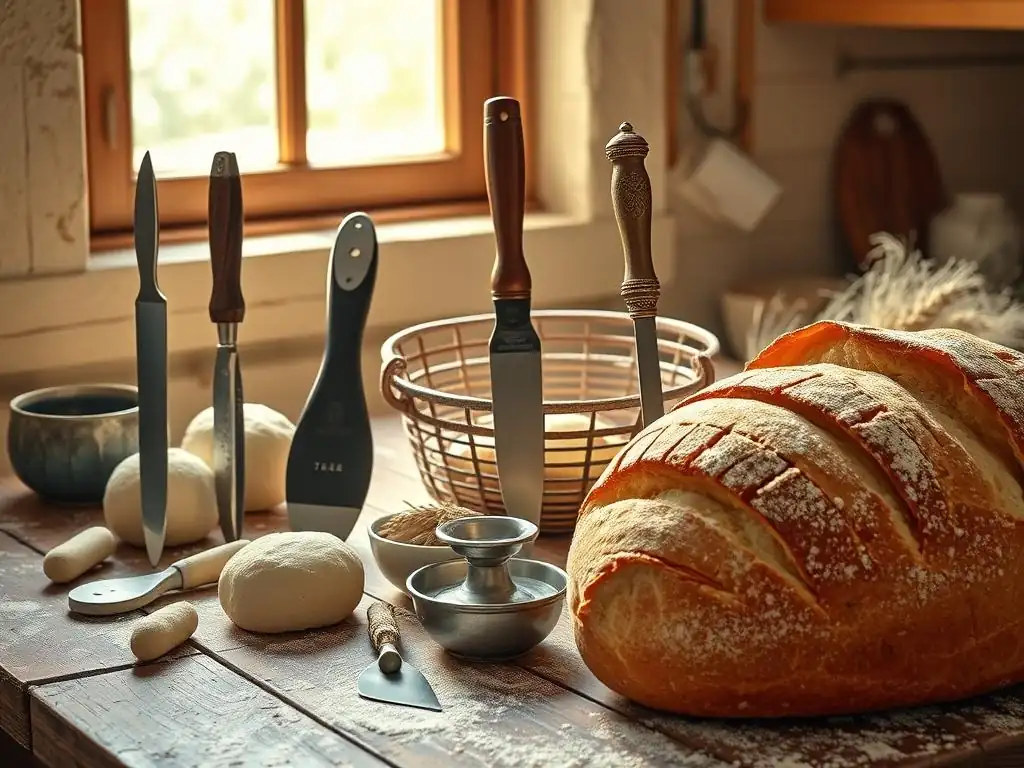
Selecting a baker's lame depends on your experience level, budget, and the types of dough scoring techniques for bread you plan to perform. While the core function is the same, differences in design, material, and blade configuration can make certain lames more suitable for specific bakers. Consider factors like comfort in hand, ease of blade replacement, and whether you primarily need straight or curved cuts.
Don't feel pressured to buy the most expensive lame right away. A simple, well-designed lame with replaceable blades is often all you need to achieve excellent results. As you become more comfortable with dough scoring techniques for bread, you might explore lames with different handle shapes or materials.
Best Baker's Lames for Beginners: Ease of Use and Affordability
For those just starting with dough scoring techniques for bread, a simple and affordable lame is ideal. Look for a design that is easy to hold and where changing the blade is straightforward and safe. Many beginner lames feature a fixed handle (often plastic or basic wood) with a simple clip or screw mechanism to hold a standard double-edged razor blade, either straight or with a slight curve.
A good starting point is a basic plastic lame that holds a blade at a fixed curve, perfect for practicing the ear on a boule. They are inexpensive, durable, and easy to clean. Alternatively, a simple stick-style lame where you attach half a razor blade can also be very effective and budget-friendly, though they may require a bit more care in handling the exposed blade.
The key for beginners is a tool that feels comfortable and allows them to focus on the cutting motion itself, rather than struggling with the tool. Starting with a straightforward design helps build confidence in executing basic dough scoring techniques for bread before moving to more complex tools or patterns.
Top-Rated Baker's Lames for Professional Bakers: Precision and Durability
Professional bakers often seek lames that offer exceptional precision, durability, and ergonomic comfort for repetitive use. Lames in this category might feature high-quality materials like stainless steel or premium hardwoods for the handle, providing excellent balance and longevity. Some professional-grade lames offer adjustable blade curves or specialized blade holders for very specific dough scoring techniques for bread.
Durability is key in a professional setting, where the lame might be used multiple times daily. Look for robust construction and secure blade-holding mechanisms. While standard razor blades are still common, the design of the lame ensures they are held perfectly stable for consistent, clean cuts every time. Ergonomics are also crucial for preventing hand fatigue during long shifts. Professional lames represent an investment in quality and performance, designed to withstand heavy use while consistently delivering precise cuts for all types of dough scoring techniques for bread.
Baker's Lame Accessories: Enhancing Your Dough Scoring Experience
While the lame and sharp blades are the core components, a few accessories can enhance your dough scoring process and maintain your tools.
-
Blade Sharpeners: Keeping your lame razor-sharp
While most bakers use disposable razor blades and simply replace them when dull, some specialized lames might use blades that can be honed. However, for standard razor blades, replacement is the most common and effective way to maintain sharpness.
-
Blade Storage Cases: Safe and organized blade storage
Razor blades are incredibly sharp and need to be stored safely. Small plastic cases designed to hold multiple double-edged razor blades are inexpensive and essential for keeping new blades clean and preventing accidental cuts. Many come with new packs of blades.
-
Leather Lame Sheaths: Protect your lames from damage
Some higher-end lames, especially those with beautiful wooden handles or specific blade configurations, come with or can be stored in a leather sheath. This protects the blade from dulling against other objects and protects your hands from the blade when the lame is not in use. It also provides a nice way to store your lame safely.
Troubleshooting Common Dough Scoring Problems
Even with a sharp lame, you might encounter challenges when attempting dough scoring techniques for bread. Understanding common problems and their solutions will help you achieve better results consistently. Don't get discouraged by imperfect scores; like any baking skill, scoring takes practice.
Dough Sticking to the Lame: Solutions for a Smooth Cut
One of the most frustrating issues is the dough sticking to your lame, resulting in a ragged, torn cut instead of a clean slice. This often happens with high-hydration or slightly over-proofed doughs.
- Ensure your blade is razor-sharp. A dull blade is the primary culprit.
- Dust the surface of your dough lightly with flour (rice flour works particularly well as it doesn't absorb into the dough) just before scoring.
- If working with very wet dough, try chilling the shaped loaf in the refrigerator for 30-60 minutes before scoring. The cold stiffens the dough and reduces stickiness.
- Work quickly and confidently. Hesitation can cause the dough to stick.
- Keep a small container of flour or water nearby to dip your blade in between scores if needed, though a clean, dry, sharp blade is usually best.
Uneven Scoring: Achieving Consistent Depth and Angle
Achieving consistent depth and angle across all your scores is key to symmetrical expansion and a beautiful final loaf. Uneven scoring can lead to some parts of the loaf expanding more than others, resulting in a lopsided shape or uneven crust development.
- Practice your technique on less critical loaves or even balls of clay or playdough to get a feel for holding the lame at a consistent angle.
- Focus on making confident, fluid strokes. Don't saw back and forth; aim for a single, decisive cut.
- Ensure the dough has sufficient surface tension. A slack dough is harder to score evenly.
- Consider marking your intended score lines lightly with a sprinkle of flour or by gently pressing a string onto the surface before cutting.
- Pay attention to how you hold the loaf or banneton if scoring directly before flipping into a Dutch oven. Stability helps maintain consistency.
Dull Blades: Recognizing the Signs and Replacing Your Blade
Using a dull blade is perhaps the most common reason for poor scoring results. A dull blade won't slice; it will drag and tear the delicate surface of your proofed dough, undoing all your careful work during fermentation and proofing.
Signs of a dull blade include:
- The lame catching or dragging on the dough's surface.
- Cuts that look ragged or torn instead of clean and smooth.
- Difficulty achieving the desired depth without excessive pressure.
- The dough sticking excessively to the blade even when floured or chilled.
The best solution for a dull razor blade is replacement. Standard double-edged razor blades are inexpensive when bought in bulk (often less than $0.10 per blade). Most bakers replace their blade after scoring 2-4 loaves, or even after every loaf if aiming for perfection on high-hydration doughs. Keeping a supply of fresh blades is essential for consistently achieving excellent dough scoring techniques for bread.
Maintaining Your Baker's Lame: Longevity and Hygiene
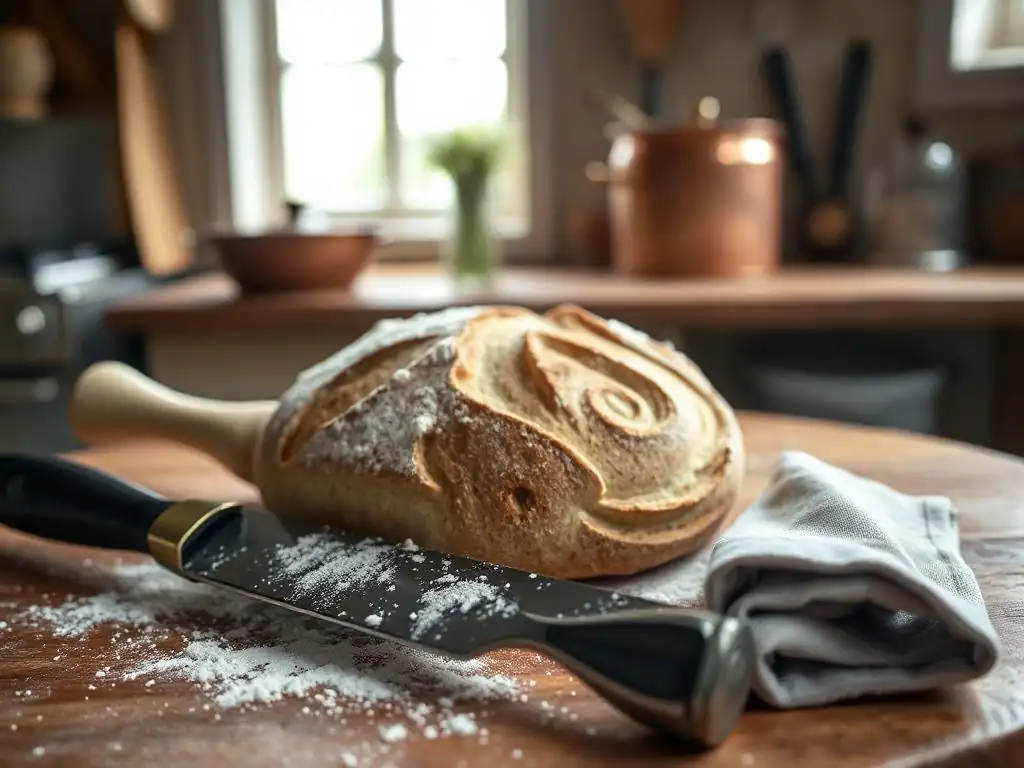
Proper care of your baker's lame ensures its longevity, maintains hygiene, and keeps it ready for executing flawless dough scoring techniques for bread. While the handle material might require specific care (e.g., oiling wooden handles), the primary focus is on the blade and the blade holder.
Cleaning Your Lame: Preventing Rust and Bacteria Growth
After scoring, dough residue can stick to the blade and the blade holder. It's important to clean your lame promptly.
- Carefully wipe the blade and the blade holder with a damp cloth immediately after use.
- Avoid immersing lames with wooden handles in water for extended periods.
- Ensure all parts, especially metal components and the blade holder, are thoroughly dried after cleaning to prevent rust. A small brush can help remove stubborn dough bits from intricate parts.
- If using replaceable blades, you can remove the blade for cleaning the holder more easily.
- Dispose of used blades safely in a dedicated blade bank or a secure container before replacing them with a fresh, clean blade.
Storing Your Lame Safely: Protecting the Blade and Preventing Accidents
A baker's lame uses an extremely sharp blade, so safe storage is paramount to protect both the blade and yourself.
- Always store your lame with the blade protected. Many lames come with a cap or cover. If not, consider storing it in a dedicated case or sheath.
- Keep the lame out of reach of children and pets.
- Store it in a dry place to prevent rust on the blade or metal components.
- Avoid storing the lame loosely in a drawer with other tools where the blade could be nicked or cause injury. A dedicated spot is best.
- If using a lame where you manually break and insert half a blade, always handle the blade with extreme caution, preferably using pliers or tweezers. Proper storage ensures the blade remains sharp and you remain safe between baking sessions involving dough scoring techniques for bread.
Conclusion: Elevate Your Baking with Perfect Dough Scoring
Mastering dough scoring techniques for bread is a skill that adds both functional benefit and artistic flair to your baking. The baker's lame is an indispensable tool in this process, enabling precise, clean cuts that guide the dough's expansion during oven spring, prevent blowouts, and contribute to a beautiful crust and crumb structure. From basic straight slashes that maximize rise to intricate decorative patterns that make your loaves stand out, understanding how to use and maintain your lame is a key step in becoming a more accomplished baker.
Final Thoughts: Embrace the Art of Dough Scoring for Stunning Results
Don't be intimidated by the idea of scoring. Like any baking skill, it improves with practice. Start with simple patterns on forgiving doughs and gradually work your way up to more complex dough scoring techniques for bread. Invest in a good quality lame with sharp, replaceable blades, and take the time to prepare your dough properly for scoring. The satisfaction of pulling a perfectly scored loaf with a dramatic ear or intricate design from the oven is immense. Embrace the process, experiment with different patterns, and enjoy the journey of transforming simple dough into stunning edible art. Happy scoring!
Frequently Asked Questions
What is dough scoring and why is it important?
Dough scoring, also known as slashing, involves making cuts on the surface of bread dough before baking. This allows the dough to expand properly in the oven and creates an aesthetically pleasing crust.
What tools are best for scoring dough?
The best tool is a baker's lame, which is a very sharp blade specifically designed for this purpose. A sharp knife or razor blade can also be used, but a lame offers more control and precision.
What are some common dough scoring patterns?
Common patterns include a single slash, cross, wheat stalk, and grid pattern. The choice depends on the type of bread and the desired aesthetic.
How deep should I score my dough?
The depth depends on the type of bread, but generally, scores should be about 1/4 to 1/2 inch deep. Deeper scores allow for more expansion, while shallower scores create more subtle patterns.
What happens if I don't score my dough?
Without scoring, the dough will expand unevenly, potentially leading to bursts in unpredictable places. This can result in an ugly crust and uneven baking.
Final Reflection: The Art and Soul of Dough Scoring
The precise art of dough scoring isn't merely a decorative flourish; it's the key to unlocking the full potential of your bread. A perfectly scored loaf isn't just visually appealing; it dictates oven spring, crust development, and ultimately, the texture and flavor of the final product. This seemingly simple act holds the power to transform a good loaf into a truly exceptional one.
The journey of mastering dough scoring is a deeply rewarding one, mirroring the patience and precision required in all aspects of baking. It's a testament to the interconnectedness of technique and artistry, where understanding the mechanics of gluten development translates into the beautiful expression of a perfectly opened bloom. As the renowned baker, Chad Robertson, once said, Baking is a conversation between you, the ingredients, and the oven. Scoring is your voice in that conversation.
This resonates deeply; each score is a deliberate act, a testament to the baker's understanding and intention.
Consider the scores you've made, the loaves you've baked. What have you learned? Now, I challenge you to go further. Experiment with different techniques, explore various patterns, and most importantly, observe. Pay attention to how your scores affect the final product. Let the dough guide you, and let your creativity flourish. The journey of mastering dough scoring is a lifelong pursuit, and each loaf baked is a step closer to perfecting your own unique voice in the baker's conversation.
Unleash Your Inner Bread Artist: Score Your Next Loaf to Perfection!
Thanks for taking the time to explore the art of dough scoring! You've now unlocked a key to creating truly stunning, artisan-quality bread. Ready to put your new skills to the test?
- Master the Blade: Practice your scoring techniques on a few test loaves. Experiment with different patterns and depths to find your perfect style.
- Share Your Creations: Post pictures of your beautifully scored loaves on social media using #BakeWithEase and tag us – we’d love to see your baking masterpieces!
- Join the Community: Leave a comment below and share your favorite scoring tip or your biggest challenge – let's learn together!
What unique scoring pattern will you create for your next loaf?