
Stand Mixers for Advanced Home Bakers: Features for Perfecting Techniques

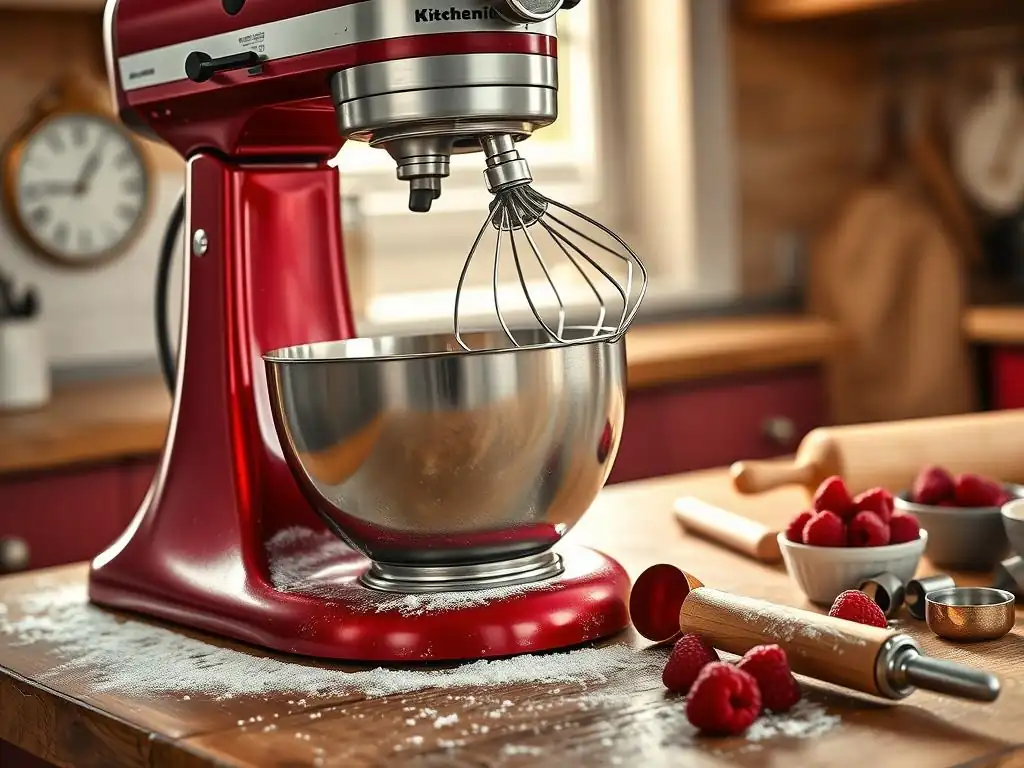
Welcome to BakeWithEase, where we believe everyone can unlock the joy of baking! Are you ready to elevate your skills from novice to artisan? In this guide, we dive deep into Best stand mixer techniques for advanced home bakers. Discover how to leverage the power of your stand mixer to achieve unparalleled results in every bake. Curious about unlocking your stand mixer's full potential? Let's get started!
- Stand Mixers for Advanced Home Bakers: Features for Perfecting Techniques - BakeWithEase
- Achieving Baking Perfection: Choosing the Right Stand Mixer
-
The Best Stand Mixer Options for Elevating Your Baking Techniques in 2024
- Option 1: KitchenAid Artisan Series - A Classic for Advanced Techniques
- Option 2: Bosch Universal Plus Mixer - Power and Capacity for Serious Bakers
- Option 3: Breville Bakery Chef Hub - Precision and Versatility for Complex Recipes
- Option 4: Ankarsrum Original Stand Mixer - Unique Design for Bread and Dough
-
Comparing Stand Mixer Features for Advanced Baking Needs
- Bowl Size and Capacity: Choosing the Right Size for Your Baking Volume
- Motor Power and Performance: Ensuring Smooth Mixing for All Dough Types
- Attachments and Accessories: Expanding Your Baking Capabilities
- Speed Settings and Control: Precision for Delicate Recipes
- Stability and Durability: Investing in a Long-Lasting Mixer
- Maximizing Your Stand Mixer for Advanced Baking Techniques
- Which Stand Mixer is Right for Your Advanced Baking Aspirations?
-
Frequently Asked Questions
- What features should advanced home bakers look for in a stand mixer to improve their techniques?
- How can a stand mixer help perfect sourdough baking techniques?
- Beyond kneading, what other baking techniques can a stand mixer significantly improve?
- Are there specific stand mixer attachments that are particularly useful for advanced baking techniques?
- How does the bowl size and material of a stand mixer affect baking techniques?
- Final Reflection: Mastering the Art of Baking with Your Stand Mixer
- Unleash Your Inner Pastry Chef: Take Your Baking to the Next Level
Stand Mixers for Advanced Home Bakers: Features for Perfecting Techniques - BakeWithEase
Achieving Baking Perfection: Choosing the Right Stand Mixer
Mastering Baking Techniques with the Ideal Stand Mixer
For the advanced home baker, a stand mixer is far more than just a convenience; it's an essential tool for achieving consistent, professional-level results. Techniques like developing strong gluten in bread dough, whipping meringue to stiff peaks, or creaming butter and sugar to the perfect airy consistency demand power, precision, and endurance that hand mixers simply cannot provide. Mastering the best stand mixer techniques unlocks possibilities for complex recipes such as delicate brioche, airy chiffon cakes, or glossy Italian meringue.
Choosing the right stand mixer involves considering motor power, bowl capacity, speed control, and available attachments. A robust motor is crucial for handling heavy doughs without overheating, while precise speed control allows for gentle folding or vigorous whipping. The right machine enhances efficiency and consistency, enabling bakers to tackle challenging recipes with greater confidence and achieve superior texture and structure in their baked goods, truly elevating their skills beyond basic mixing.
Understanding the Importance of a Quality Stand Mixer for Advanced Baking
A quality stand mixer provides the necessary torque and stability required for advanced baking techniques. For example, kneading yeasted dough for extended periods – often 8-10 minutes or more in a mixer – is vital for developing gluten structure, which gives bread its chewiness and rise. A powerful stand mixer performs this task tirelessly, ensuring even gluten development throughout the dough, a consistency difficult to achieve manually or with a less powerful machine.
Furthermore, precision speed control is paramount for delicate processes like tempering eggs into a custard base while the mixer gently stirs, or gradually incorporating dry ingredients into a cake batter without overmixing. High-quality mixers often feature planetary mixing action, where the attachment rotates in one direction while the head rotates in the other, ensuring that ingredients are thoroughly combined from the sides and bottom of the bowl.
This thoroughness is key to avoiding unincorporated pockets of ingredients, which can ruin the texture and appearance of advanced pastries and batters. Investing in a reliable, high-performance stand mixer is investing in the potential to perfect a wide range of best stand mixer techniques and expand your baking repertoire.
The Best Stand Mixer Options for Elevating Your Baking Techniques in 2024
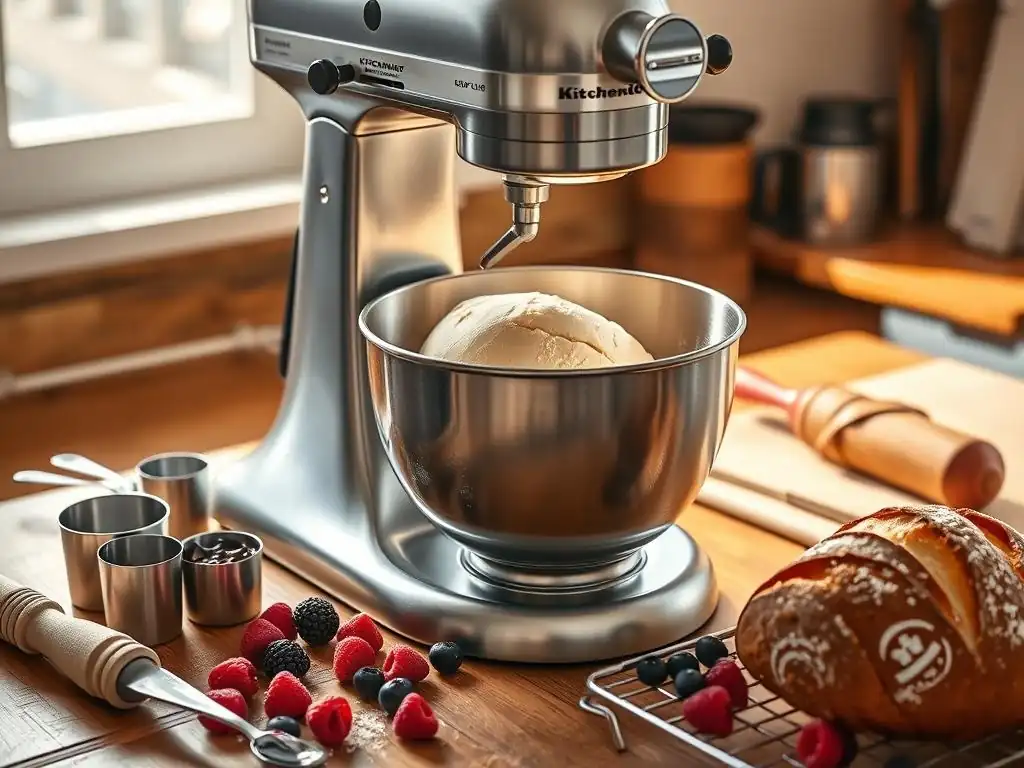
Option 1: KitchenAid Artisan Series - A Classic for Advanced Techniques
The KitchenAid Artisan stand mixer is an iconic appliance in many kitchens, celebrated for its reliability, versatility, and timeless design. For advanced home bakers, the Artisan series, typically featuring a 5-quart bowl and a motor often rated around 325 watts, provides a solid foundation for numerous techniques. While not the most powerful on the market for heavy doughs, its direct-drive motor is efficient for its size and excels at tasks like creaming, whipping, and mixing batters.
This mixer is particularly well-suited for recipes that require precise aeration or emulsification. Its ten-speed slide control allows for incremental adjustments, from a very slow stir (Speed 1) perfect for gently combining ingredients without splashing, to a high whip (Speed 10) capable of transforming egg whites into stiff, glossy peaks or heavy cream into whipped cream in just a few minutes. The tilt-head design makes it easy to add ingredients and scrape down the bowl, crucial steps when working with sensitive mixtures.
Features of the KitchenAid Artisan for Advanced Baking
The KitchenAid Artisan comes standard with three essential attachments: a flat beater, a wire whip, and a dough hook. The flat beater is ideal for creaming butter and sugar, mixing cake batters, and making cookie dough – tasks where achieving the right consistency is key. The wire whip is indispensable for meringues, whipped cream, and aerating egg whites, requiring sustained high-speed action. The dough hook, while suitable for smaller batches of lighter doughs (like brioche or enriched rolls), performs best when not overloaded, typically handling up to about 4 cups of flour effectively.
Beyond the standard attachments, the KitchenAid ecosystem boasts a vast array of optional accessories, including pasta makers, food grinders, spiralizers, and even ice cream makers. While not directly related to core mixing techniques, this expandability adds significant value and allows the advanced baker to explore related culinary pursuits using the same motor hub, making it a versatile centerpiece for a creative kitchen.
Price and Value: Is the KitchenAid Artisan Worth It?
The KitchenAid Artisan series typically falls into a mid-to-high price range for stand mixers, often retailing between $350 and $450 depending on color and retailer. While there are cheaper mixers available, the value of the Artisan lies in its proven durability, widespread availability of parts and service, and its iconic status, which helps it retain resale value. For advanced bakers primarily focused on cakes, cookies, meringues, and moderate batches of lighter bread doughs, the Artisan offers excellent performance and reliability that justifies its cost over less expensive, less robust alternatives.
Considering its lifespan, often measured in decades with proper care, the per-year cost of owning a KitchenAid Artisan can be quite low. Its consistent performance helps reduce baking failures, saving money on ingredients over time. For many, it represents a worthwhile investment in their baking journey, providing a dependable tool to practice and perfect a wide variety of best stand mixer techniques.
Perfecting French Macarons with the KitchenAid Artisan
Making French macarons is a prime example of an advanced technique where the KitchenAid Artisan excels, particularly in achieving the perfect meringue. The wire whip attachment and precise speed control are critical here. Egg whites must be whipped to stiff peaks, and the Artisan's Speed 8 or 10 provides the sustained, vigorous action needed to incorporate air and build structure. The ability to gradually increase speed from a slow whisk to a fast whip is essential for creating a stable meringue base.
Once the meringue is ready, the flat beater or even the dough hook (on low speed, Speed 1 or 2) can be used for the 'macaronage' step – folding the dry ingredients into the meringue. While many purists prefer to do this by hand, a skilled user can use the mixer on the lowest setting for a few quick pulses to partially incorporate the almond flour and sugar, followed by hand-folding to achieve the correct lava-like consistency. The Artisan's stable base prevents wobbling during high-speed whipping, ensuring consistent results batch after batch.
Option 2: Bosch Universal Plus Mixer - Power and Capacity for Serious Bakers
The Bosch Universal Plus mixer stands out with its unique design and exceptional power, making it a favorite among serious bread bakers and those who bake in large quantities. Unlike traditional tilt-head or bowl-lift mixers, the Bosch features a motor located beneath the bowl, driving attachments from the bottom. This design contributes to its remarkable stability and capacity, typically offering a 6.5-quart bowl. Its motor is often rated at 800 watts or more, providing substantial torque.
This mixer is specifically engineered to handle heavy, stiff doughs, including whole wheat bread, pizza dough, and multiple loaves at once. The innovative dough hook, which wraps around a central post, mimics hand-kneading motions effectively developing gluten. Its high capacity means you can easily mix dough for 4-6 loaves of bread, or handle double or triple batches of cookie dough or cake batter, making it ideal for large families, events, or frequent bulk baking.
Bosch Universal Plus: Features for Large Batches and Dough Handling
Key features of the Bosch Universal Plus include its open-bowl design, which makes adding ingredients while mixing incredibly easy, and its powerful motor that handles up to 14 cups of flour, equivalent to mixing dough for up to 6 loaves of bread simultaneously. The dual dough hooks work together to knead dough efficiently around the central post, ensuring thorough development without straining the motor.
The mixer also includes a wire whip assembly and a cake/cookie paddle assembly, each using multiple whips or paddles rotating around the central post. These attachments are excellent for whipping cream, egg whites, and mixing batters, though the whipping mechanism differs from planetary mixers. The high wattage motor ensures consistent performance even under heavy loads, which is crucial for maintaining dough temperature during kneading and achieving the desired texture.
Price and Value: Bosch Universal Plus
The Bosch Universal Plus is typically positioned in the higher price range for home stand mixers, often costing between $450 and $550. Its value proposition is strongly tied to its capacity and power, particularly for bread bakers. If you frequently bake large quantities or work with heavy, dense doughs, the Bosch's ability to handle these tasks effortlessly saves significant time and effort compared to smaller or less powerful machines.
While the initial investment is higher, the Bosch is renowned for its durability and longevity, often serving bakers for many years. Its efficiency in handling large batches can also lead to ingredient savings by allowing for bulk purchases and baking. For the advanced baker whose focus includes significant bread baking or high-volume production, the Bosch Universal Plus represents excellent value for its specialized capabilities and robust performance on demanding best stand mixer techniques.
Achieving Sourdough Bread Mastery with the Bosch Universal Plus
The Bosch Universal Plus is a champion for sourdough bread bakers. Sourdough dough is often wet and requires significant kneading to develop its unique structure and open crumb. The Bosch's powerful motor and specialized dough hooks are perfectly suited for this. You can mix a high-hydration sourdough dough (e.g., 75% hydration) for 8-10 minutes on medium speed (Speed 2 or 3), and the mixer will handle it without overheating or struggling.
The open bowl design allows for easy observation of the dough's development during kneading – you can see the gluten forming and the dough becoming smooth and elastic. The central post and dough hooks ensure the entire mass of dough is worked evenly. This efficient and powerful kneading is fundamental to achieving the desired oven spring, crust development, and characteristic airy crumb of artisan sourdough, making the Bosch an invaluable tool for perfecting this advanced technique.
Option 3: Breville Bakery Chef Hub - Precision and Versatility for Complex Recipes
The Breville Bakery Chef Hub enters the stand mixer market with a focus on precision and integrated functionality, appealing to advanced bakers who value control and versatility. It often features a powerful motor, sometimes exceeding 1000 watts, combined with electronic speed control and sometimes even integrated scales and timers. This machine is designed to handle a wide range of tasks, from delicate whisking to heavy kneading.
Its standout feature is often its intuitive interface and thoughtful design elements, such as an internal light to see into the bowl, or multiple bowl sizes included for different batch sizes. The precision speed control, often offering more than 10 distinct speeds or even variable speed dials, allows for extremely fine-tuning of mixing, essential for sensitive batters and doughs that require specific mixing times and intensities.
Breville Bakery Chef Hub: Features for Precise Baking
The Breville Bakery Chef Hub typically includes a large main bowl (often 5 or 6 quarts) and sometimes a smaller secondary bowl (like 3 quarts), allowing bakers to switch between tasks or batch sizes easily. It comes with standard attachments: a wire whisk, a flat beater, and a dough hook, often designed with scraper edges on the beater for more efficient mixing without stopping to scrape the bowl.
The electronic speed control is a key feature, providing consistent speed regardless of the load. Some models offer pre-programmed settings for common tasks like kneading or whipping. The integrated scales (on some models) allow for precise weighing of ingredients directly into the bowl, streamlining the process and ensuring accuracy, which is paramount in complex pastry recipes where ingredient ratios are critical.
Price and Value: Breville Bakery Chef Hub
The Breville Bakery Chef Hub usually sits in the higher price bracket, often ranging from $500 to $700 or more, depending on the specific model and features (like integrated scales). Its value lies in its combination of high power, precise electronic control, and integrated features that simplify the baking process. For the advanced baker who tackles a wide variety of complex recipes requiring accuracy and consistent performance, the Breville offers compelling features.
While it's a significant investment, the time saved by integrated scales, the consistency provided by electronic speed control, and the power to handle both delicate tasks and heavy doughs contribute to its value. It's a machine designed for the modern baker who appreciates technology and precision in their pursuit of mastering best stand mixer techniques.
Perfecting Delicate Pastries with the Breville Bakery Chef Hub
The Breville Bakery Chef Hub's precision and variable speed control make it excellent for delicate pastries like genoise sponge or choux pastry. For a genoise, achieving maximum volume in the whipped eggs is crucial. The Breville's powerful motor and fine speed control allow you to gradually increase speed and maintain a consistent high speed to whip eggs and sugar to the "ribbon stage" – a point where the mixture is thick, pale, and falls in a ribbon when lifted.
For choux pastry, the ability to mix in flour effectively and then beat in eggs one by one to the correct consistency is vital. The Breville's variable speed allows you to control the incorporation carefully, avoiding overmixing which can lead to tough pastry. The scraper beater (if included) helps ensure the mixture is evenly combined without stopping the machine frequently, which is important for maintaining the temperature and consistency of the choux paste.
Option 4: Ankarsrum Original Stand Mixer - Unique Design for Bread and Dough
The Ankarsrum Original, formerly known as the Electrolux Assistent, is another unique stand mixer with a design favored by serious bread bakers and those working with large or heavy doughs. Like the Bosch, the motor is located in the base, but the Ankarsrum's bowl rotates while the attachments remain relatively stationary, driven from above. It typically features a very powerful motor, often around 1500 watts, and a large 7-liter (approx. 7.4 quarts) stainless steel bowl.
This mixer is renowned for its ability to handle enormous quantities of dough – up to 11 pounds (about 17 cups of flour) – without straining. Its design is particularly effective at kneading dough gently yet thoroughly, mimicking hand kneading motions. The open bowl allows easy access for adding ingredients and observing the mixing process, and its stability is unmatched when handling heavy loads.
Ankarsrum Original: Features for Bread Baking
The Ankarsrum Original comes standard with a dough roller and scraper, and a dough hook. The dough roller and scraper work together as the bowl rotates; the roller kneads the dough against the side of the bowl, while the scraper keeps it away from the center post and ensures even kneading. This gentle action develops gluten without tearing the dough, ideal for long fermentation breads. The dough hook is used for slightly different dough types or preferences.
It also includes a double whisk attachment and a single whisk, along with a separate plastic bowl (usually 3.5 liters) and lid. The whisk attachments are highly effective for whipping egg whites, cream, and light batters in the plastic bowl, which sits inside the main bowl. The speed control is typically a variable dial, offering precise adjustment.
Price and Value: Ankarsrum Original
The Ankarsrum Original is often the most expensive option among high-end home stand mixers, typically priced between $700 and $850 or more. Its value proposition is its unparalleled capacity and power for bread baking, its unique gentle kneading action, and its reputation for being an incredibly durable, long-lasting machine, often considered an heirloom appliance.
For the dedicated bread baker who regularly makes multiple loaves, works with challenging doughs, or values a gentler kneading method, the Ankarsrum's performance justifies its premium price. Its ability to effortlessly handle tasks that would strain or overheat other mixers means it can save time and frustration, making it a worthwhile investment for mastering advanced bread-making best stand mixer techniques.
Achieving Artisan Breads Mastery with the Ankarsrum Original
The Ankarsrum Original is arguably the ultimate tool for mastering artisan bread techniques, especially those involving large batches or high hydration. Its 7-liter bowl can easily handle dough for 5-6 large loaves. The dough roller and scraper system is particularly effective at developing gluten slowly and gently, which is beneficial for doughs requiring long fermentation periods or those with high hydration.
Mixing a large batch of sourdough or a rich challah dough is effortless for the Ankarsrum. The variable speed control allows you to start slowly to incorporate ingredients and then increase speed to the optimal kneading pace. The open bowl design lets you easily check dough temperature and consistency. The gentle kneading action helps create a smooth, elastic dough that translates into superior crumb structure and oven spring in the final baked bread, showcasing the power of specialized best stand mixer techniques.
Comparing Stand Mixer Features for Advanced Baking Needs
Bowl Size and Capacity: Choosing the Right Size for Your Baking Volume
For advanced home bakers, bowl size is a critical factor directly impacting the quantity of dough or batter that can be mixed effectively. Standard consumer mixers typically come with 4.5 to 5.5-quart bowls, suitable for single batches of most recipes (e.g., dough for 1-2 loaves of bread, standard cake batter). However, if you frequently bake for events, large families, or enjoy making multiple loaves of bread at once, a larger capacity is essential.
Mixers like the Bosch Universal Plus (6.5 quarts) or the Ankarsrum Original (7.4 quarts) offer significantly more capacity, capable of handling dough for 4-6 loaves of bread or triple batches of cookies. Overfilling a bowl can lead to inefficient mixing, ingredients not incorporating properly, and strain on the motor. Therefore, assessing your typical batch size needs is fundamental when selecting a mixer to support your best stand mixer techniques.
Motor Power and Performance: Ensuring Smooth Mixing for All Dough Types
Motor wattage is a common indicator of a stand mixer's power, though the design and gearing also play a significant role. For advanced baking, especially bread making and working with stiff doughs like bagels or pizza, a powerful motor is crucial. While a 300-watt motor might suffice for cakes and cookies, handling dough for multiple loaves requires significantly more torque.
Mixers designed for heavy-duty use, like the Bosch (800+ watts) or Ankarsrum (1500 watts), are built to handle prolonged kneading of heavy doughs without overheating or stalling. Even for lighter tasks, a more powerful motor can maintain consistent speed under load, ensuring more uniform mixing results. When comparing mixers for advanced techniques, look beyond just the wattage and consider the mixer's reputation for handling the specific types of doughs you plan to make.
Attachments and Accessories: Expanding Your Baking Capabilities
The standard attachments – flat beater, wire whip, and dough hook – cover the basic mixing needs for most recipes. However, the quality and design of these attachments can vary and impact performance on advanced techniques. For example, a well-designed dough hook on a powerful machine is essential for effective gluten development in bread.
Beyond the standard set, the availability and variety of optional attachments can significantly expand a mixer's utility. While not strictly necessary for core mixing, accessories like pasta rollers, meat grinders, or specialized beaters (e.g., flex edge beaters) can add value for the versatile home baker. Consider which attachments are most important for the specific advanced techniques you wish to explore when evaluating different mixer options.
Speed Settings and Control: Precision for Delicate Recipes
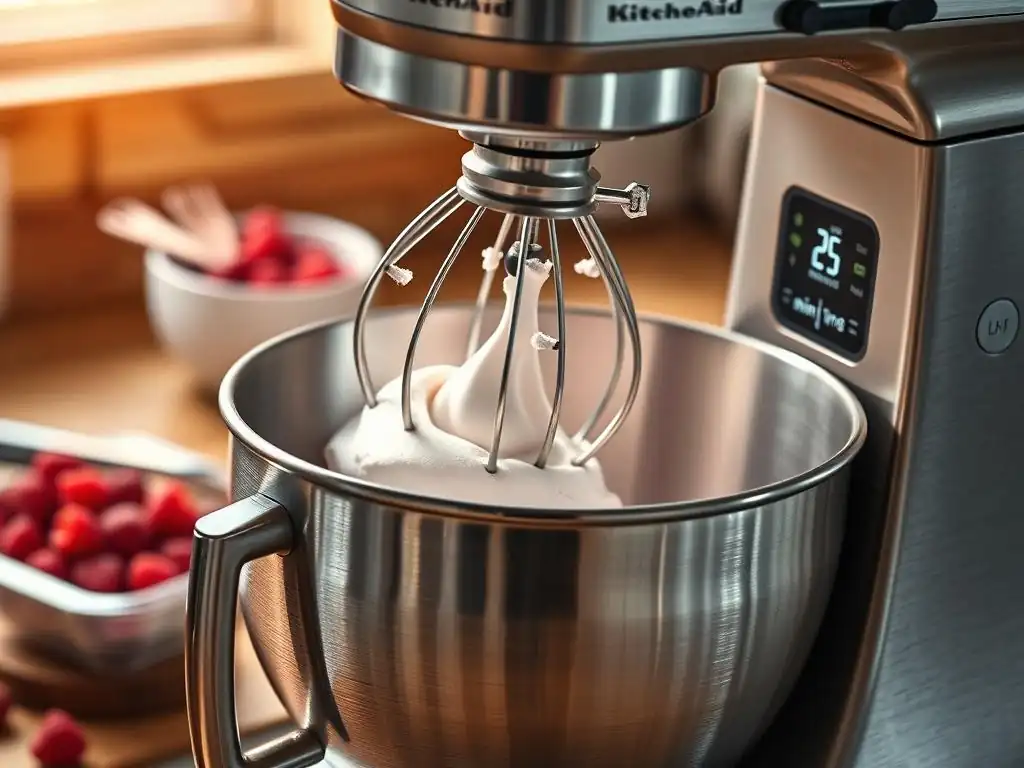
The range and control of speed settings are vital for mastering delicate baking techniques. From the slowest stir needed to gently fold in dry ingredients without deflating a batter, to the highest whip for achieving stiff meringue peaks, precise speed adjustment is key. Mixers with a wide range of speeds, often 10 or more, or variable speed dials, offer greater control than those with only a few fixed settings.
Electronic speed control, found on many higher-end models, ensures that the mixer maintains the selected speed even as the load changes, which is crucial for consistent results, especially when whipping or kneading. For advanced techniques where timing and consistency are paramount, the ability to fine-tune the mixing speed is an invaluable feature.
Stability and Durability: Investing in a Long-Lasting Mixer
A stand mixer for advanced baking is an investment, and its stability and durability are essential for longevity and performance. When mixing heavy doughs or whipping at high speeds, a stable machine prevents wobbling or walking across the counter. Mixers with heavy bases and robust construction offer better stability.
Durability is determined by the quality of the motor, gears, and overall construction. Machines designed for heavy-duty use, often featuring metal gears, are more likely to withstand the demands of frequent, rigorous use required for advanced baking techniques. Investing in a well-built machine means less risk of breakdowns and consistent performance over many years, allowing you to hone your best stand mixer techniques reliably.
Maximizing Your Stand Mixer for Advanced Baking Techniques
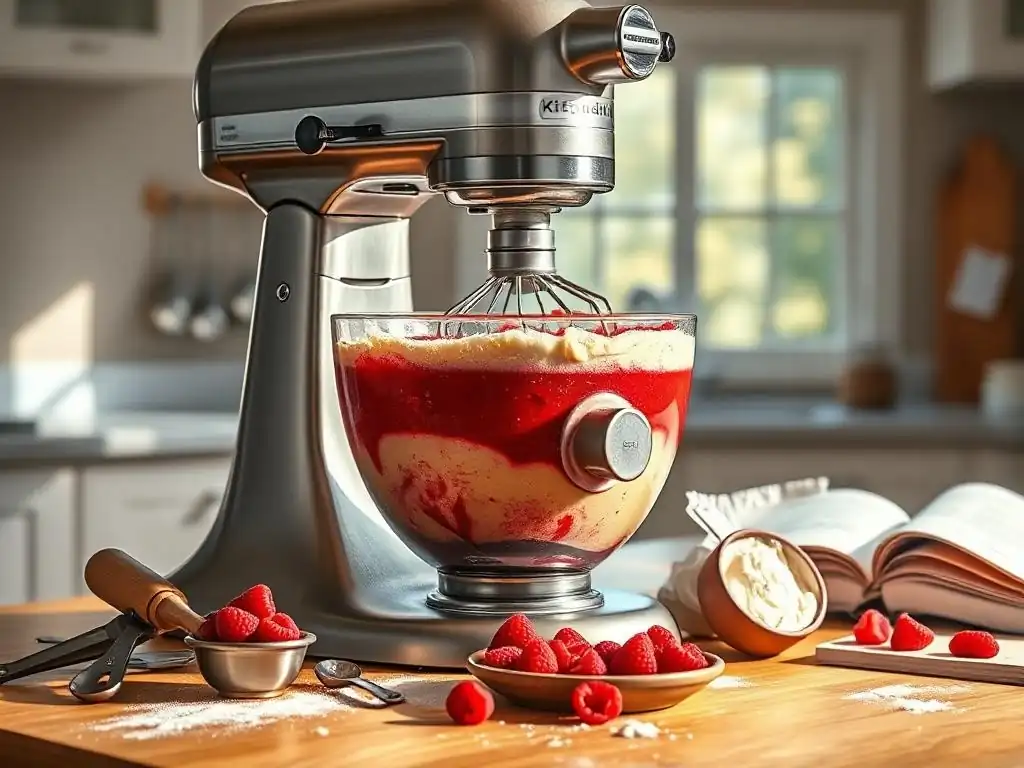
Tips for Using Your Stand Mixer to Achieve Perfect Results
To get the most out of your stand mixer for advanced baking, start by always reading your mixer's manual to understand its specific capabilities and limitations, especially regarding maximum capacities for different dough types. When creaming butter and sugar, ensure both ingredients are at room temperature for optimal emulsification and aeration; scrape down the bowl periodically to ensure even mixing.
For whipping egg whites, start on a lower speed to create small, uniform bubbles, then gradually increase to high speed. Ensure the bowl and whisk are spotlessly clean and free of any grease residue, which can prevent the whites from whipping properly. When kneading bread dough, monitor the dough's consistency and temperature; avoid over-kneading, which can lead to tough bread, or under-kneading, which results in poor structure. Learn to recognize the signs of proper gluten development, such as the windowpane test.
Troubleshooting Common Stand Mixer Issues
Even the best stand mixer can encounter issues. If your mixer struggles with heavy dough, you might be exceeding its capacity; try reducing the batch size. If the motor sounds strained or feels hot, give it a break. For ingredients sticking to the sides or bottom, ensure you are stopping and scraping the bowl regularly, especially with thicker batters or doughs.
If your whisk isn't reaching the bottom of the bowl to whip small quantities, check if your mixer has an adjustment screw for the attachment height (often found on tilt-head models). Uneven mixing can sometimes be resolved by ensuring attachments are properly secured and the bowl is seated correctly. Persistent mechanical issues may require professional service, but many common problems can be solved with proper technique and maintenance.
Maintaining Your Stand Mixer for Optimal Performance and Longevity
Proper maintenance is key to ensuring your stand mixer performs optimally for years and helps you perfect your best stand mixer techniques. Always unplug the mixer before cleaning. Clean the bowl and attachments immediately after use; most non-coated attachments are dishwasher safe, but check your manual. Wipe down the mixer head and base with a damp cloth, avoiding submerging any part of the motor housing.
Regularly check attachments for wear and tear. Some mixers may require occasional lubrication according to the manufacturer's instructions. Store your mixer in a clean, dry place. Protecting it from dust with a cover can prevent debris from entering vents. Following these simple maintenance steps will help preserve the power and precision of your machine, ensuring it remains a reliable partner in your advanced baking endeavors.
Which Stand Mixer is Right for Your Advanced Baking Aspirations?
Making the Right Choice Based on Your Baking Style and Needs
Selecting the ideal stand mixer for advanced baking depends heavily on your specific baking habits and goals. If you primarily focus on delicate pastries, cakes, and cookies, and bake in moderate quantities, the precision and versatility of a KitchenAid Artisan or Breville Bakery Chef Hub might be the best fit. The KitchenAid is a classic, while the Breville offers modern features like integrated scales.
If your passion lies in bread baking, especially large loaves or heavy, stiff doughs like rye or whole wheat, a powerful, high-capacity mixer like the Bosch Universal Plus or Ankarsrum Original is likely a better investment. The Bosch excels at speed and volume for traditional kneading, while the Ankarsrum offers unique capacity and a gentle kneading action preferred by some artisan bakers. Consider the types of recipes you make most often and the typical batch sizes to guide your decision.
Final Thoughts and Recommendations for Pastry Chefs
For aspiring pastry chefs or serious home bakers aiming for professional-level results, investing in a high-quality stand mixer is non-negotiable. The right machine provides the power, precision, and consistency needed to master complex techniques and achieve superior textures and structures. Whether you prioritize versatility, brute strength for dough, or technological precision, there is a stand mixer designed to meet your needs.
Ultimately, the best stand mixer techniques are only fully realized when paired with a machine capable of executing them flawlessly. Evaluate your budget, baking frequency, preferred types of baked goods, and desired features. Reading reviews and, if possible, seeing mixers in action can also provide valuable insight. Choose a mixer that feels comfortable to use and is built to last, allowing you to focus on honing your skills and creating delicious baked goods with BakeWithEase.
Frequently Asked Questions
What features should advanced home bakers look for in a stand mixer to improve their techniques?
Advanced bakers need features like a powerful motor for handling dense doughs, precise speed control for delicate mixtures, and durable attachments for various techniques.
How can a stand mixer help perfect sourdough baking techniques?
A stand mixer can consistently knead sourdough, developing gluten strength efficiently. Features like a dough hook and slow speed settings are crucial for optimal results.
Beyond kneading, what other baking techniques can a stand mixer significantly improve?
Stand mixers excel at creaming butter and sugar for cakes, whipping meringue, and making frosting. Consistent speed and the right attachment are key for achieving perfect textures.
Are there specific stand mixer attachments that are particularly useful for advanced baking techniques?
Yes, the paddle attachment is essential for mixing batters, while the wire whisk is perfect for aerating mixtures. A dough hook is crucial for bread and pizza doughs.
How does the bowl size and material of a stand mixer affect baking techniques?
A larger bowl allows for bigger batches and less risk of overflow, while stainless steel bowls are durable and easy to clean. The bowl's shape also influences how ingredients are mixed.
Final Reflection: Mastering the Art of Baking with Your Stand Mixer
The rise of the home baker, fueled by social media and a renewed appreciation for handcrafted goods, has made the stand mixer an indispensable tool. It's no longer just a kitchen appliance; it's a gateway to culinary creativity, allowing for the precise execution of techniques that elevate baking from a hobby to an art form. This precision, however, requires understanding the nuances of your machine and how its features can be harnessed to achieve perfection.
The impact of the stand mixer extends beyond simply creating delicious cakes and breads. It represents a democratization of baking, empowering individuals to experiment, innovate, and share their creations with the world. This accessibility has fostered a vibrant community of bakers, constantly pushing the boundaries of what's possible. Baking is at once child's play and adult joy. And love, of course.
– Alma Flor Ada. This quote perfectly encapsulates the passion and dedication that so many bakers pour into their craft, a passion made easier and more precise with the right tools and techniques.
Now, consider your own baking journey. What techniques have you mastered? What challenges still lie ahead? This article serves as a starting point, a guide to unlock the full potential of your stand mixer. Don't be afraid to experiment, to push your boundaries, and to embrace the occasional (and often delicious) mistake. The journey of mastering baking techniques is a lifelong pursuit, and your stand mixer is your trusted companion along the way. Embrace the process, savor the results, and share your creations with those you love.
Unleash Your Inner Pastry Chef: Take Your Baking to the Next Level
Thanks for diving into the world of advanced stand mixers! We hope you gained valuable insights into choosing the perfect tool to elevate your baking. Now it's time to put that knowledge to work.
- Invest in your dream machine: Research the models we highlighted and find the stand mixer that best suits your baking style and budget. Don't hesitate to treat yourself – you deserve it!
- Share your baking journey: Show off your latest creations on social media using #BakeWithEase and tag us—we love seeing what you bake!
- Explore new recipes: Challenge yourself with a complex recipe you've been wanting to try. A new stand mixer deserves a grand debut!
What exciting baking adventure will your new stand mixer take you on?