
7 Decadent NutFree Fudge Recipes for Special Occasions

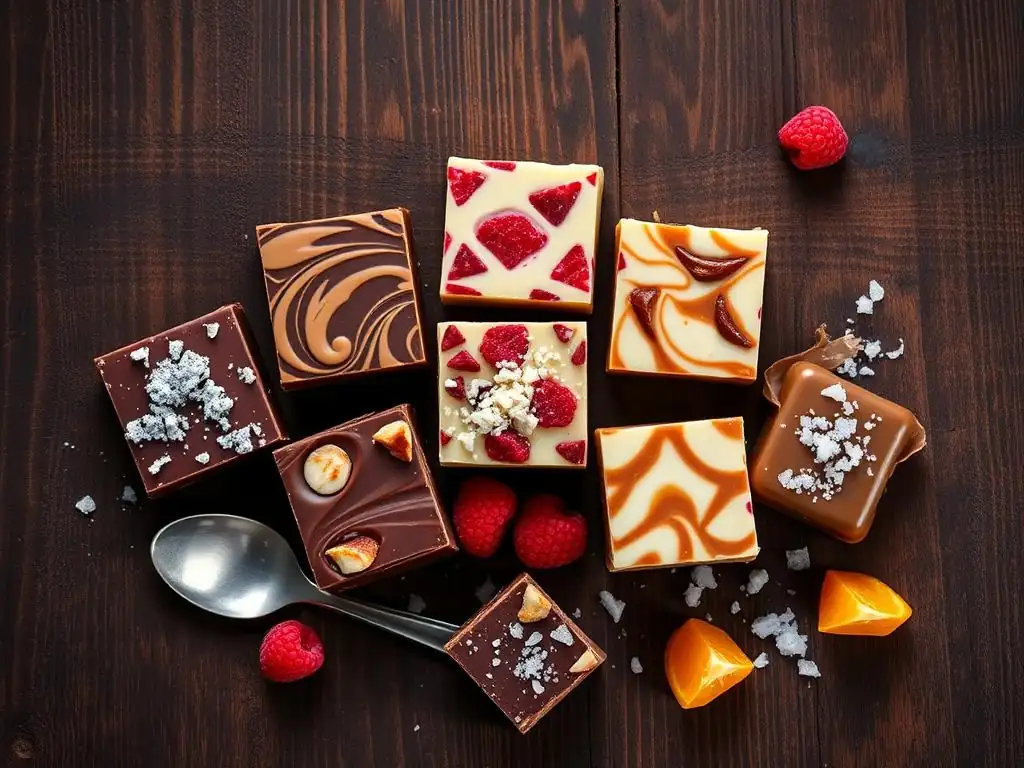
Welcome to BakeWithEase, your haven for delightful baking adventures! Are you ready to indulge in decadent, melt-in-your-mouth fudge without a worry? Discover our collection of 7 irresistible NutFree Chocolate Fudge Recipes for Special Occasions, perfect for sharing (or keeping all to yourself!). Curious about how to achieve that perfect fudgy texture without nuts? Let's dive in and unlock the secrets to allergen-friendly baking bliss!
- Decadent Nut-Free Fudge Recipes for Celebrations
- Introduction to Nut-Free Baking
- Understanding Nut Allergies in Baking
-
Irresistible Nut-Free Chocolate Fudge Recipes
- Recipe 1: Classic Nut-Free Chocolate Fudge
- Recipe 2: Nut-Free Salted Caramel Fudge
- Recipe 3: Nut-Free "Peanut Butter" Fudge (Using Sunflower Seed Butter)
- Recipe 4: Nut-Free Dark Chocolate Raspberry Fudge
- Recipe 5: Nut-Free White Chocolate Peppermint Fudge
- Recipe 6: Nut-Free Maple "Walnut" Fudge (Using Sunflower Seeds)
- Recipe 7: Nut-Free Chocolate Orange Fudge
- Tips and Tricks for Making the Best Nut-Free Fudge
- Serving Suggestions and Presentation Ideas
- Conclusion: Enjoy Nut-Free Fudge
-
Frequently Asked Questions
- What makes these fudge recipes suitable for those with nut allergies?
- Are these nut-free fudge recipes difficult to make?
- Can I substitute ingredients in these nut-free chocolate fudge recipes?
- What kind of chocolate is recommended for the best nut-free fudge?
- How should I store my nut-free chocolate fudge to keep it fresh?
- Final Reflection: The Sweet Symphony of Nut-Free Indulgence
- Unlock Your Inner Fudge Master!
Decadent Nut-Free Fudge Recipes for Celebrations
Introduction to Nut-Free Baking
Baking can be a joyous activity, bringing warmth and delicious aromas into our homes. However, for many, navigating the world of baking requires careful attention to ingredients due to allergies. Nut allergies are among the most common and severe food allergies, making it crucial to have reliable recipes that are completely free from nuts and nut derivatives. This article focuses on creating delightful fudge that everyone can enjoy, ensuring safety without sacrificing taste or texture. We aim to provide you with expert guidance and mouth-watering nut-free chocolate fudge recipes perfect for any special occasion.
Creating delicious treats that cater to dietary restrictions is not just about safety; it's also about inclusion. When you prepare nut-free desserts, you ensure that guests with allergies can partake in the celebration without worry. Our collection of nut-free chocolate fudge recipes and other variations is designed to be both simple for the home baker and impressive enough for festive gatherings. We'll walk you through the essentials of nut-free baking, helping you understand common allergens and discover safe, tasty substitutions that make these decadent fudges possible.
Why Nut-Free Fudge is Perfect for Celebrations
Celebrations are about sharing joy and delicious food, and nut-free fudge ensures everyone can join in the indulgence. Fudge, with its rich, creamy texture and intense flavor, is a universally loved treat. Making it nut-free opens the door for guests who might otherwise have to avoid dessert tables entirely. Imagine a holiday party or a birthday gathering where guests with nut allergies can safely enjoy a piece of decadent chocolate fudge, free from cross-contamination concerns. This small act of consideration makes a significant difference, making your celebration truly inclusive.
Furthermore, fudge is incredibly versatile. While classic nutfree chocolate fudge recipes are always a hit, you can easily adapt the base to create a variety of flavors, from fruity to salty caramel, catering to diverse palates. Fudge is also relatively easy to make in batches, making it ideal for larger gatherings. It holds up well at room temperature for serving and can be beautifully presented in small squares, making it an attractive addition to any dessert spread. Offering a selection of delightful nut-free fudges ensures there's something safe and delicious for everyone to savor.
Guide to Allergen-Friendly Baking
Allergen-friendly baking requires diligence and careful sourcing of ingredients. The primary goal is to prevent cross-contamination, which can occur if allergens come into contact with safe ingredients or equipment. This means using dedicated utensils, bowls, and baking sheets that have not been exposed to nuts, or thoroughly cleaning all equipment before use. It's also important to read ingredient labels meticulously, as nuts or nut traces can appear in unexpected places, such as in flavorings, extracts, or even chocolate chips. Look for certifications or labels that indicate a product is processed in a nut-free facility if possible.
Choosing the right ingredients is paramount. For nut-free fudge, this involves selecting safe alternatives for texture and flavor that nuts might typically provide. For instance, sunflower seed butter can often stand in for peanut butter, and toasted seeds like pumpkin or sunflower seeds can offer a delightful crunch where chopped nuts might traditionally be used. Always ensure your chocolate, butter, milk, and any flavorings are certified nut-free or sourced from facilities that handle no nuts. By taking these precautions, you can confidently create delicious nutfree chocolate fudge recipes and other variations that are safe for those with nut allergies.
Understanding Nut Allergies in Baking
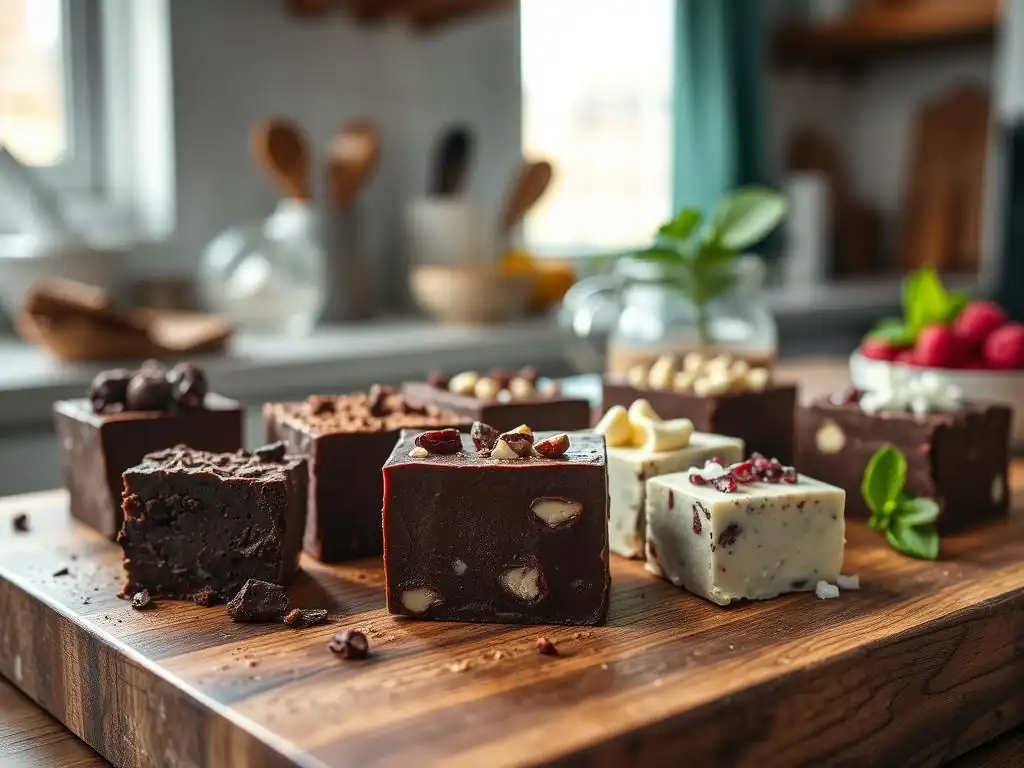
Nut allergies are a serious health concern, affecting millions worldwide. Reactions can range from mild symptoms like hives or digestive upset to severe, life-threatening anaphylaxis. Because even tiny amounts of an allergen can trigger a reaction, understanding which nuts are common culprits and how to avoid them in baking is essential for ensuring the safety of anyone with an allergy. Education is the first step towards creating a truly safe baking environment.
Navigating nut allergies means being aware of both tree nuts and peanuts. While botanically peanuts are legumes, they often share processing facilities with tree nuts and can cause similar severe reactions. Therefore, most people with a peanut allergy also avoid tree nuts, and vice-versa.
Common tree nuts include almonds, walnuts, pecans, cashews, pistachios, hazelnuts (filberts), and Brazil nuts. Sesame seeds are also sometimes considered a concern due to co-occurrence in some allergies, though they are not nuts. When baking, it's vital to avoid not just the nuts themselves but also ingredients derived from them, such as nut flours, nut oils, nut pastes (like tahini or almond butter), and flavorings labeled as "natural flavors" unless clarified to be nut-free.
Common Nut Allergens to Avoid
The list of common nut allergens is quite specific and includes several distinct types of nuts that frequently cause allergic reactions. Tree nuts like walnuts, almonds, hazelnuts, pecans, cashews, and pistachios are among the most prevalent. Studies indicate that allergies to walnuts and pecans are particularly common in the United States, while hazelnut allergy is more widespread in Europe. Even seemingly small amounts of these nuts or their residues can trigger severe allergic responses in sensitive individuals. This is why strict avoidance is the standard recommendation for people with diagnosed nut allergies.
Peanuts, though technically legumes, are grouped with tree nuts due to the severity of reactions and frequent co-occurrence of allergies. Peanut allergy is one of the most common food allergies in children and adults, often developing early in life and frequently lasting a lifetime.
Avoiding peanuts means steering clear of peanut butter, peanut oil, and any products that might contain peanut traces. When preparing delicious treats like nutfree chocolate fudge recipes, it is absolutely critical to verify that all ingredients, including surprising ones like some candies or baking chips, are free from peanuts and tree nuts to ensure the safety of those with allergies.
Safe Ingredient Substitutions for Nut-Free Fudge
Creating delicious nut-free fudge requires smart substitutions that mimic the texture and flavor contributions nuts might offer without posing a risk. For the creamy, rich base often enhanced by ingredients like peanut butter or nut pastes, sunflower seed butter is an excellent alternative. It has a similar consistency and a slightly earthy, nutty flavor profile that works beautifully in many recipes, including "peanut butter" style nutfree chocolate fudge recipes. Just be aware that some sunflower seed butters can react with baking soda to turn baked goods green, but this isn't typically an issue in no-bake fudge.
For added crunch and texture, toasted seeds like pumpkin seeds (pepitas) or sunflower seeds are perfect stand-ins for chopped nuts. When toasted lightly, they develop a pleasant crispness and a subtle, appealing flavor.
Shredded coconut can also add texture and a hint of tropical flavor, provided there is no co-occurring coconut allergy (coconut is botanically a fruit, but some people with nut allergies also react to it). For richness and flavor, using high-quality dairy or dairy-free alternatives like coconut milk or oat milk, combined with cocoa powder or melted chocolate, forms a wonderful base for creating truly decadent nutfree chocolate fudge recipes.
Irresistible Nut-Free Chocolate Fudge Recipes
Recipe 1: Classic Nut-Free Chocolate Fudge
Creating a classic nut-free chocolate fudge is simpler than you might think, relying on pantry staples to achieve that signature rich, smooth texture. This foundational recipe typically combines ingredients like butter (or a dairy-free alternative), sugar, evaporated milk, and cocoa powder or melted chocolate. The key is dissolving the sugar fully and cooking the mixture to the correct temperature, usually indicated by a candy thermometer reaching the soft-ball stage (around 235-240°F or 118-120°C). This ensures the fudge sets properly without being too hard or too soft.
Once the mixture reaches the target temperature, it's removed from the heat and often involves beating or stirring until it loses its glossy sheen and begins to thicken. This step is crucial for developing the creamy texture and preventing graininess. Vanilla extract is typically added at this stage for depth of flavor. The mixture is then quickly poured into a prepared pan, smoothed, and left to cool and set completely, usually at room temperature or in the refrigerator. This basic method forms the perfect base for many delicious nutfree chocolate fudge recipes.
Ingredients
The core ingredients for a classic nut-free chocolate fudge recipe typically include granulated sugar, butter, evaporated milk, and unsweetened cocoa powder or semi-sweet chocolate chips. Some recipes may also call for a touch of salt to balance the sweetness and vanilla extract to enhance the chocolate flavor. Using high-quality cocoa powder or chocolate will significantly impact the final taste of your nutfree chocolate fudge.
Instructions
Making this fudge involves combining the sugar, butter, evaporated milk, and cocoa powder in a saucepan over medium heat. The mixture is stirred constantly until the sugar dissolves and it comes to a boil. It then needs to be cooked without stirring until it reaches the soft-ball stage on a candy thermometer.
Once the correct temperature is achieved, the pan is removed from the heat. At this point, vanilla extract is often stirred in, and the mixture is beaten vigorously until it thickens slightly and loses some of its gloss. The warm fudge is then poured into a lined pan and allowed to cool until firm.
Tips
- Temperature is Key: Using a candy thermometer is highly recommended to ensure the correct texture. Undercooking will result in fudge that doesn't set, while overcooking leads to hard, crumbly fudge.
- Don't Stir While Boiling: After the sugar dissolves and the mixture boils, avoid stirring until it reaches the target temperature. Stirring can cause sugar crystals to form, resulting in grainy fudge.
- Cooling: Allow the fudge to cool undisturbed for several hours or in the refrigerator until completely firm before cutting. Cutting warm fudge can be messy.
Recipe 2: Nut-Free Salted Caramel Fudge
Elevating classic nutfree chocolate fudge recipes involves incorporating other beloved flavors, and salted caramel is a perfect match for rich chocolate. This variation introduces layers of sweet, buttery caramel with a hint of sea salt, creating a sophisticated flavor profile. The process often involves making a separate caramel component, either by melting sugar directly or using a shortcut like melting caramels, and then swirling or layering it with the chocolate fudge base. The contrast between the deep chocolate and the sweet, slightly salty caramel is truly irresistible.
Achieving the perfect balance in nut-free salted caramel fudge requires attention to both the caramel's consistency and the salt level. The caramel needs to be thick enough to swirl without completely disappearing into the chocolate, but still soft and chewy. Adding a good quality sea salt, like flaky sea salt, just before the fudge sets provides bursts of salty flavor that beautifully cut through the sweetness of both the chocolate and the caramel. This variation of nutfree chocolate fudge recipes is a guaranteed crowd-pleaser for any special occasion.
Caramel Secrets
The secret to successful caramel in fudge often lies in controlling the heat and preventing crystallization. When making caramel from scratch, heating sugar and water (or just sugar) until it turns an amber color requires careful watch; it can burn quickly. Adding a touch of corn syrup can help prevent sugar crystals from forming. Alternatively, using pre-made, nut-free caramels melted with a bit of cream or butter offers a simpler path to achieving a smooth, pourable caramel swirl for your fudge.
Balancing Sweet and Salty
The interplay between sweetness and saltiness is what makes salted caramel so addictive. For nut-free salted caramel fudge, the amount of salt is crucial. Too little, and the salt's purpose is lost; too much, and it becomes overpowering. A good starting point is often around 1/2 teaspoon of flaky sea salt per batch, which can be sprinkled over the top just after pouring or folded gently into the caramel swirl. Tasting a small amount of the caramel before adding it to the fudge can help you gauge the salt level.
Recipe 3: Nut-Free "Peanut Butter" Fudge (Using Sunflower Seed Butter)
For those who miss the flavor of peanut butter due to allergies, a nut-free "peanut butter" fudge made with sunflower seed butter is a fantastic solution. Sunflower seed butter offers a similar creamy texture and a distinct, slightly nutty flavor that works wonderfully in fudge. This recipe adapts traditional peanut butter fudge methods, substituting sunflower seed butter for the peanut butter. It provides a safe and delicious alternative, allowing everyone to enjoy that classic flavor combination with chocolate.
Creating this fudge involves incorporating sunflower seed butter into a cooked sugar and milk base, similar to classic fudge methods. The sunflower seed butter contributes richness and helps set the fudge. The key is to ensure the sunflower seed butter is well-mixed and evenly distributed for a consistent texture and flavor. This variation is a testament to how clever substitutions can make beloved nutfree chocolate fudge recipes accessible to those with allergies, offering a familiar taste experience without the risk.
Sunflower Seed Butter Alternative
Sunflower seed butter is made from roasted, ground sunflower seeds. It's a popular choice for those with nut allergies because it's typically processed in nut-free facilities, although always double-check the label for certification. Its texture is similar to peanut butter, ranging from smooth to crunchy, and its flavor is unique – slightly earthy and toasted. It pairs exceptionally well with chocolate, making it an ideal ingredient for nut-free chocolate fudge recipes mimicking the peanut butter and chocolate pairing.
Ingredient Ratios
When substituting sunflower seed butter for peanut butter in fudge recipes, the ratio is generally a straight swap, cup for cup. However, depending on the specific brand and its consistency (some can be drier than others), you might need slight adjustments to the liquid component (like milk or butter) to achieve the desired texture. Starting with the same amount as the original recipe called for peanut butter and adjusting slightly if needed during the mixing stage is a good approach to perfect your nut-free "peanut butter" fudge.
Recipe 4: Nut-Free Dark Chocolate Raspberry Fudge
Combining the intense richness of dark chocolate with the bright, tart flavor of raspberries creates a truly decadent nut-free fudge experience. This recipe is a beautiful example of how fruit can add complexity and freshness to nutfree chocolate fudge recipes. It often involves infusing the fudge with raspberry flavor, either through extracts, purees, or freeze-dried raspberry powder, and sometimes swirling in a raspberry sauce or adding freeze-dried raspberry pieces for bursts of flavor and color.
The contrast between the deep, slightly bitter dark chocolate and the vibrant, tangy raspberry is what makes this fudge so appealing. Using dark chocolate with a high cocoa content (like 60-70%) provides a robust chocolate flavor that can stand up to the fruit. Swirling a raspberry puree or sauce into the dark nutfree chocolate fudge creates a visually stunning marble effect and ensures a burst of fruity flavor in every bite. This recipe proves that nut-free treats can be both safe and incredibly sophisticated.
Raspberry Varieties
Different raspberry varieties offer slightly different flavor profiles, though most common red raspberries work well in fudge. Red raspberries are known for their balance of sweetness and tartness. Black raspberries tend to be sweeter and earthier, while golden raspberries are milder. For incorporating into fudge, using a concentrated form like raspberry puree or a high-quality extract will provide the most consistent flavor. Freeze-dried raspberries crushed into a powder or left in small pieces offer intense flavor and a delightful chewy texture contrast.
Creating a Raspberry Swirl
To create a beautiful and flavorful raspberry swirl in your nut-free dark chocolate raspberry fudge, prepare a thick raspberry sauce or puree separately. This can be done by simmering fresh or frozen raspberries with a touch of sugar and lemon juice until thickened, then straining out the seeds if desired. After pouring the dark chocolate fudge into the pan, dollop spoonfuls of the raspberry sauce over the top. Then, use a knife or skewer to gently swirl the sauce through the fudge, taking care not to over-mix, which would muddy the colors and flavors.
Recipe 5: Nut-Free White Chocolate Peppermint Fudge
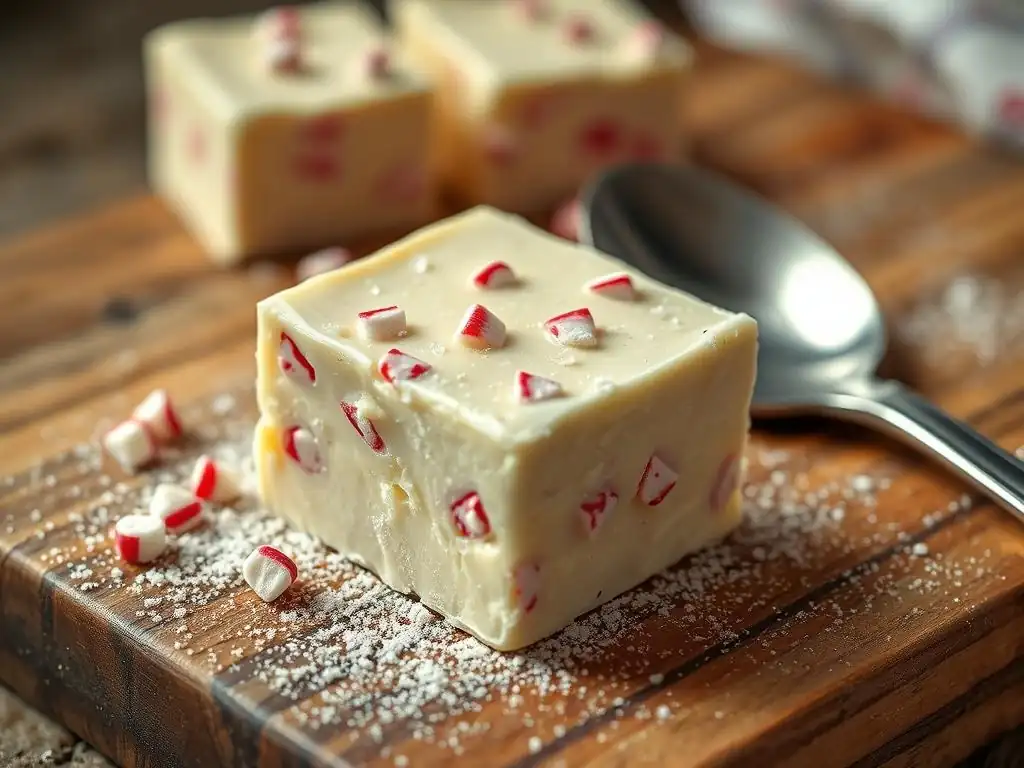
White chocolate offers a creamy sweetness that pairs wonderfully with the cool, invigorating flavor of peppermint, resulting in a festive and indulgent nut-free fudge. This variation is particularly popular during the holiday season but is delightful any time of year. It typically uses white chocolate as the base, combined with condensed milk or a cooked sugar mixture, and flavored generously with peppermint extract. Crushed nut-free peppermint candies or candy canes can be added for extra crunch and visual appeal.
The key to successful nut-free white chocolate peppermint fudge is using good quality white chocolate, which melts smoothly and has a pleasant flavor. Cheap white chocolate can sometimes be waxy or overly sweet. The peppermint flavor needs to be present but not overwhelming; a little extract goes a long way. Adding crushed peppermint candies provides pops of color and a delightful texture contrast against the smooth fudge. This recipe demonstrates how varying the chocolate type can lead to completely different, yet equally delicious, nutfree chocolate fudge recipes.
White Chocolate Texture
White chocolate is made from cocoa butter, sugar, and milk solids, without the cocoa solids that give dark and milk chocolate their color and intense flavor. This composition gives white chocolate a uniquely creamy and smooth texture when melted. However, it can be more sensitive to heat and prone to seizing if overheated or if even a tiny amount of water is introduced. Gentle melting, often over a double boiler or in the microwave on low power with frequent stirring, is crucial for achieving a smooth base for your nut-free white chocolate peppermint fudge.
Peppermint Extract vs. Peppermint Oil
When flavoring fudge with peppermint, you generally have a choice between peppermint extract and peppermint oil. Peppermint extract is made by dissolving peppermint oil in alcohol, making it less potent than pure oil. Peppermint oil is much more concentrated and can provide a stronger, more intense peppermint flavor with less liquid added to the fudge mixture.
For fudge, which relies on precise liquid-to-solid ratios for setting, using a potent peppermint oil might be preferable as you need only a few drops. However, if using extract, you might need a bit more to achieve the desired flavor strength in your nut-free white chocolate peppermint fudge. Always start with a small amount and add more to taste.
Recipe 6: Nut-Free Maple "Walnut" Fudge (Using Sunflower Seeds)
Recreating the classic maple walnut fudge in a nut-free version is achievable by substituting toasted sunflower seeds for the walnuts. This recipe captures the warm, earthy sweetness of maple paired with the satisfying crunch of seeds. It typically involves a maple-flavored fudge base, often made with maple syrup or maple extract, combined with butter, sugar, and milk, and then incorporating toasted sunflower seeds just before pouring.
The combination of rich maple flavor and the texture of toasted seeds makes this nut-free fudge a comforting and delicious treat. Using real maple syrup provides a more authentic flavor than extract alone, though extract can boost the maple notes. Toasting the sunflower seeds enhances their flavor and crispness, making them a worthy stand-in for walnuts in this beloved fudge variation. This recipe expands the range of nutfree chocolate fudge recipes to include other popular flavor profiles safely.
Toasted Sunflower Seeds
Toasting sunflower seeds is a simple step that significantly improves their flavor and texture for use in fudge. Spread raw, shelled sunflower seeds in a single layer on a dry skillet or baking sheet. Heat them over medium heat on the stove or bake at around 300°F (150°C) for 5-10 minutes, stirring or shaking the pan occasionally, until they are lightly golden and fragrant. Be careful not to burn them. Allow them to cool completely before stirring them into the fudge mixture to maintain their crunch.
Maple Syrup Grades
Maple syrup is graded based on its color and flavor intensity, which can affect the final taste of your nut-free maple "walnut" fudge. Lighter grades, like Grade A Golden Color, Delicate Taste, have a mild, subtle maple flavor. As the grade darkens (e.g., Grade A Amber Color, Rich Taste; Grade A Dark Color, Robust Taste; Grade A Very Dark Color, Strong Taste), the maple flavor becomes more intense and complex. For a pronounced maple flavor in your fudge, using a darker grade of maple syrup or supplementing a lighter syrup with maple extract is recommended.
Recipe 7: Nut-Free Chocolate Orange Fudge
The pairing of chocolate and orange is a classic for a reason – the bright, citrusy notes of orange beautifully complement the richness of chocolate. Creating a nut-free chocolate orange fudge involves infusing classic nutfree chocolate fudge recipes with fresh orange zest and juice. This adds a refreshing twist to the decadent chocolate base, making it a perfect treat for holidays or simply when you crave a vibrant flavor combination.
Incorporating orange into chocolate fudge can be done by adding finely grated orange zest and a small amount of fresh orange juice to the fudge mixture during the cooking process. The zest contains essential oils that carry intense orange flavor, while the juice adds a subtle tang and moisture. Balancing the amount of orange is key; you want a noticeable citrus note that enhances, not overpowers, the chocolate. This delightful variation showcases how simple additions can transform basic nutfree chocolate fudge recipes into something truly special.
Zesting and Juicing Oranges
For the best flavor in chocolate orange fudge, use fresh oranges. When zesting, use a fine grater or microplane and only remove the brightly colored outer layer (the zest), avoiding the bitter white pith underneath. The zest holds the concentrated orange oil and flavor. Orange juice can be squeezed directly from the fruit. Be mindful of the amount of juice added to the fudge mixture, as too much liquid can prevent the fudge from setting properly. Often, just a tablespoon or two of juice combined with the zest is sufficient for flavoring a batch of fudge.
Chocolate and Citrus
The combination of chocolate and citrus works so well because the fruit's acidity and brightness cut through the richness and sweetness of the chocolate, creating a more complex and balanced flavor experience. Dark chocolate, with its higher cocoa content and slightly bitter notes, often pairs exceptionally well with orange, as the citrus highlights the chocolate's fruity undertones. However, milk chocolate also works, creating a sweeter, creamier orange fudge. The key is using real orange flavor from zest and juice rather than artificial extracts for the most vibrant and authentic taste in your nut-free chocolate orange fudge.
Tips and Tricks for Making the Best Nut-Free Fudge
Making delicious, smooth nut-free fudge consistently involves understanding a few fundamental principles of candy making. While the ingredients are nut-free, the techniques for achieving the right consistency and texture remain similar to traditional fudge. Paying close attention to temperature, stirring methods, and cooling processes will significantly improve your results and help you avoid common pitfalls like grainy or runny fudge.
One of the most critical factors is achieving the correct cooking temperature. Fudge relies on the sugar syrup reaching the "soft-ball" stage, which occurs at approximately 235-240°F (118-120°C). At this temperature, when a small amount of the syrup is dropped into cold water, it forms a soft, pliable ball.
Using a reliable candy thermometer is highly recommended for accuracy. Another important tip is to avoid stirring the mixture while it's boiling vigorously; stirring at this stage can cause sugar crystals to form, resulting in grainy fudge. Stirring should primarily happen before boiling to dissolve sugar and after removing from heat to achieve the creamy texture.
Achieving Fudge Consistency
The perfect fudge consistency is smooth, creamy, and firm enough to hold its shape when cut, yet soft enough to melt in your mouth. This is primarily controlled by the final cooking temperature and the subsequent cooling and beating process. Cooking to the soft-ball stage ensures the right concentration of sugar.
After removing from the heat, allowing the mixture to cool undisturbed to a specific temperature (often around 110°F or 43°C) before beating is crucial. Beating the fudge as it cools encourages the formation of tiny sugar crystals, which gives fudge its characteristic smooth texture. Beating while too hot or too cool can lead to large crystals and graininess.
Another factor influencing consistency is the ratio of ingredients, particularly the balance between sugar, liquid (milk/cream), and fat (butter/chocolate/substitutes like sunflower seed butter). Following tested nutfree chocolate fudge recipes and their specific ratios is important. If your fudge consistently turns out too hard, try cooking to a slightly lower temperature next time. If it's too soft or doesn't set, it likely didn't reach a high enough temperature. Humidity can also play a role; cooking on a dry day can sometimes yield better results as there's less moisture in the air to interfere with the sugar setting.
Storing Fudge
Proper storage is key to keeping your nut-free fudge fresh and delicious. Once the fudge has completely cooled and set, cut it into squares and store it in an airtight container. Layer the pieces between sheets of parchment or wax paper to prevent them from sticking together.
Fudge stores well at room temperature for about 1-2 weeks, provided it's kept in a cool, dry place away from direct sunlight. Avoid storing it in the refrigerator unless your kitchen is very warm and humid, as refrigeration can sometimes cause the fudge to become dry and crumbly, and it can also absorb odors from other foods.
For longer storage, nut-free fudge freezes exceptionally well. Wrap the cut fudge squares tightly in plastic wrap, then place them in a freezer-safe airtight container or freezer bag. Frozen fudge can last for 2-3 months. To thaw, simply place the container in the refrigerator overnight or leave the wrapped fudge at room temperature for a few hours. Freezing is a great option if you want to make large batches of your favorite nutfree chocolate fudge recipes ahead of a celebration.
Troubleshooting
Even experienced bakers encounter issues with fudge sometimes. One common problem is grainy fudge. This usually happens if the sugar didn't fully dissolve before boiling, if the mixture was stirred while boiling, or if it was beaten at the wrong temperature during cooling. To try and salvage grainy fudge, you can sometimes melt it down again gently with a little extra liquid (like milk or butter) and reheat it, being careful to fully dissolve the sugar this time and follow the cooling/beating steps precisely.
If your fudge doesn't set, it likely didn't reach the soft-ball stage temperature. It might be salvageable by returning it to the saucepan and cooking it again to the correct temperature. Stir constantly while reheating to prevent burning.
If the fudge is too hard, it was likely overcooked beyond the soft-ball stage. While difficult to fix completely, you can sometimes melt it down with a tablespoon or two of extra milk or butter, stirring until smooth, and then quickly pour and cool it again. These troubleshooting tips can help you rescue your nutfree chocolate fudge recipes and enjoy your sweet efforts.
Serving Suggestions and Presentation Ideas
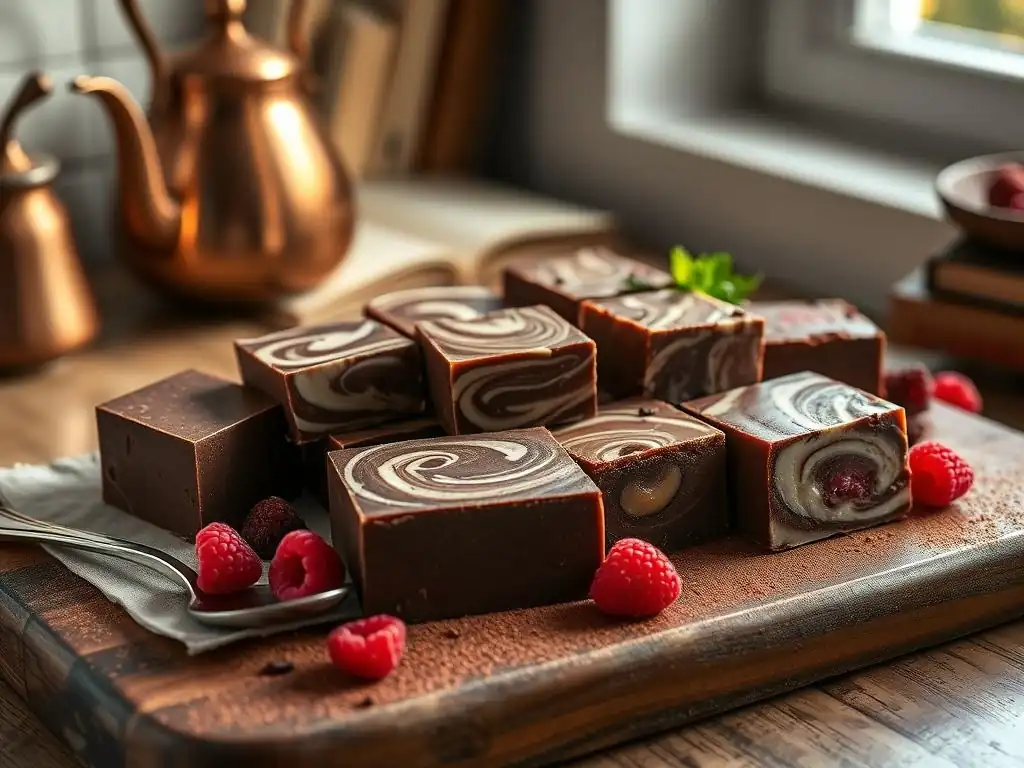
Presenting your nut-free fudge beautifully enhances its appeal, especially when serving it for special occasions. Simple touches can transform squares of fudge into elegant treats. Consider using decorative paper liners for individual pieces, arranging them on a festive platter, or stacking them in a small pyramid. Dusting the top of chocolate fudge with a light sifting of cocoa powder or edible glitter can add a touch of sparkle. For variations like the nut-free white chocolate peppermint fudge, a sprinkle of crushed nut-free candy canes adds color and texture.
Think about the colors and textures you've incorporated into your nut-free chocolate fudge recipes. Fudge with swirls, like the raspberry or salted caramel variations, looks stunning simply cut into squares. For a rustic look, you can break the fudge into irregular pieces instead of cutting perfect squares. Pairing different flavors on the same platter allows guests to sample a variety. A simple arrangement on a clean white plate or a rustic wooden board can make your homemade nut-free fudge look as professional as it tastes.
Displaying Fudge
Displaying fudge effectively involves choosing the right platter or container and arranging the pieces attractively. For a classic look, arrange uniform squares in neat rows on a flat tray or in a shallow box lined with parchment paper. For a more dynamic display, stack pieces or arrange them in a circular pattern. Consider using varying heights if presenting multiple types of fudge. Labeling each type is helpful, especially when offering different nutfree chocolate fudge recipes and other flavors, so guests know what they are choosing and are reassured about the nut-free status.
Consider the theme of your celebration. For a holiday party, use festive colors or shapes. For a sophisticated event, opt for minimalist platters and clean lines. Small cupcake liners or bonbon papers can make individual pieces easy to pick up and serve. Placing a few sprigs of mint or some fresh berries (like raspberries for the chocolate raspberry fudge) on the platter can add a touch of freshness and visual appeal to your collection of nut-free chocolate fudge recipes and variations.
Pairing Fudge
While delicious on its own, nut-free fudge can be paired with beverages or other treats to enhance the tasting experience. Rich nutfree chocolate fudge recipes pair wonderfully with a glass of cold milk (dairy or non-dairy), a cup of hot coffee, or a robust tea. The sweetness of the fudge is balanced by the warmth and slight bitterness of the drinks. For a more indulgent pairing, serve chocolate fudge with a small glass of dessert wine or a liqueur (for adults).
Fruit can also be a refreshing accompaniment. Berries, like strawberries or raspberries, offer a tart contrast that cleanses the palate between bites of rich fudge. For the nut-free chocolate orange fudge, serving it with fresh orange slices or segments would be a delightful pairing. Consider offering small bites of cheese or crackers alongside sweeter fudges to provide a savory counterpoint. Think about complementary flavors – the salted caramel fudge could be delicious with a slightly tart apple slice.
Gifting Ideas
Homemade nut-free fudge makes a thoughtful and delicious gift, perfect for holidays, hostess gifts, or just because. Once your nutfree chocolate fudge recipes and other flavors are set and cut, package them attractively. Small decorative boxes or tins lined with parchment paper are ideal. You can arrange a single flavor or create an assortment box with several different kinds of nut-free fudge. Tie the box with ribbon and add a small tag.
Consider adding a personal touch, like including a printed card with the names of the fudge flavors and a note confirming they are nut-free. For larger gifts, layer fudge in a mason jar or cellophane bag tied with a ribbon. Gifting homemade nut-free fudge is a wonderful way to share your baking talents and show care for friends and family, especially those who appreciate safe, allergy-friendly treats. A box filled with delicious nutfree chocolate fudge recipes and other creations is sure to be warmly received.
Conclusion: Enjoy Nut-Free Fudge
Baking nut-free doesn't mean limiting your creativity or enjoyment of decadent treats. With careful ingredient selection and attention to technique, you can create rich, flavorful fudges that are safe for everyone to enjoy. Our exploration of nutfree chocolate fudge recipes and other delightful variations demonstrates the wide range of possibilities available. From classic chocolate to innovative flavor combinations like salted caramel or chocolate orange, there's a nut-free fudge recipe to suit every taste and occasion.
Remember the importance of preventing cross-contamination and sourcing truly nut-free ingredients. By following these guidelines, you can confidently share your homemade nut-free fudge, knowing that you are providing a safe and delicious indulgence. Whether you're baking for a special celebration or simply to satisfy a craving, these recipes offer a pathway to decadent fudge that excludes nuts but includes everyone in the joy of eating something truly delicious.
Favorite Recipes Recap
We've explored several enticing nut-free fudge recipes, offering a variety of flavors to excite your palate. The Classic Nut-Free Chocolate Fudge provides a foundational, rich chocolate experience. The Nut-Free Salted Caramel Fudge adds a sophisticated sweet and salty twist. For a taste of the familiar, the Nut-Free "Peanut Butter" Fudge uses sunflower seed butter as a clever, safe substitute.
Fruit lovers can enjoy the vibrant Nut-Free Dark Chocolate Raspberry Fudge, while the Nut-Free White Chocolate Peppermint Fudge offers a refreshing, festive option. The Nut-Free Maple "Walnut" Fudge, using toasted sunflower seeds, brings comforting, warm flavors, and the Nut-Free Chocolate Orange Fudge brightens things up with its citrusy zest. Each of these nutfree chocolate fudge recipes (and their variations) offers a unique path to decadent, allergy-friendly treats.
Call to Action
Ready to create your own batch of safe and delicious nut-free fudge? Choose your favorite recipe from our list or try a few different ones! Gather your ingredients, double-check your labels for nut-free certification, and get ready to experience the joy of making decadent fudge that everyone can share. Visit BakeWithEase.com for more detailed recipes and baking tips, including more nutfree chocolate fudge recipes and other allergy-friendly treats. Share your creations with friends and family, and spread the word that delicious, safe baking is within reach for everyone!
Frequently Asked Questions
What makes these fudge recipes suitable for those with nut allergies?
These recipes are specifically formulated to be nut-free, using ingredients that do not contain nuts or nut derivatives. We prioritize safety and clearly list all ingredients for allergy awareness.
Are these nut-free fudge recipes difficult to make?
Not at all! BakeWithEase aims to provide simple and easy-to-follow recipes. These fudge recipes are designed for bakers of all skill levels, including beginners.
Can I substitute ingredients in these nut-free chocolate fudge recipes?
While substitutions are possible, we recommend sticking to the recipe for the best results. Changes to ingredients may affect the texture and flavor of the final fudge product.
What kind of chocolate is recommended for the best nut-free fudge?
Using high-quality chocolate will significantly enhance the flavor. Choose a chocolate that is specifically labeled nut-free to avoid cross-contamination.
How should I store my nut-free chocolate fudge to keep it fresh?
Store the fudge in an airtight container at room temperature or in the refrigerator. This will help maintain its texture and prevent it from drying out.
Final Reflection: The Sweet Symphony of Nut-Free Indulgence
The enduring appeal of rich, decadent fudge transcends dietary restrictions; nut-free options are no longer a compromise, but a celebration of flavor and inclusivity. This exploration of seven unique nut-free fudge recipes highlights the creativity and deliciousness possible when adapting classic recipes to meet diverse needs. The demand for allergy-friendly treats is growing, and these recipes demonstrate that deliciousness and accessibility can go hand-in-hand.
The journey through these recipes revealed not just a collection of sweet treats, but a testament to the power of culinary adaptation. The process of creating these fudges, experimenting with different flavors and textures, underscored the importance of inclusivity in food. Food is symbolic of love when words are inadequate.
- Alan D. Wolfelt. This quote resonates deeply, as these recipes offer a way to share love and joy with those who may have previously been excluded from enjoying traditional fudge. The impact extends beyond individual enjoyment; it's about creating a more welcoming and accessible culinary landscape for everyone.
Now, consider your own culinary adventures. Will you embrace the challenge of creating one of these decadent nut-free fudges? Perhaps you'll experiment with your own variations, adding a personal touch to these already delightful recipes. More importantly, remember the spirit of inclusivity and the joy of sharing delicious food with loved ones, regardless of dietary needs. Let the sweet symphony of nut-free indulgence inspire you to create moments of happiness and connection in your kitchen.
Unlock Your Inner Fudge Master!
Thanks for joining us on this decadent journey into the world of nut-free fudge! We hope you've found some delicious inspiration for your next special occasion. Now it's time to get baking!
- Whip up your favorite recipe: Choose one (or two!) of our 7 decadent nut-free fudge recipes and get cooking. Remember, the best fudge is made with love!
- Share your creations: Show off your amazing fudge skills on social media using #BakeWithEaseNutFreeFudge – we'd love to see your masterpieces!
- Experiment with flavors: Don't be afraid to get creative! Try adding different extracts, spices, or even fruits to create your own unique fudge flavor combinations.
Ready to transform your kitchen into a fudge factory? What's the first flavor you're going to try?