
How to Use Aquafaba for NutFree Marshmallows and Meringues

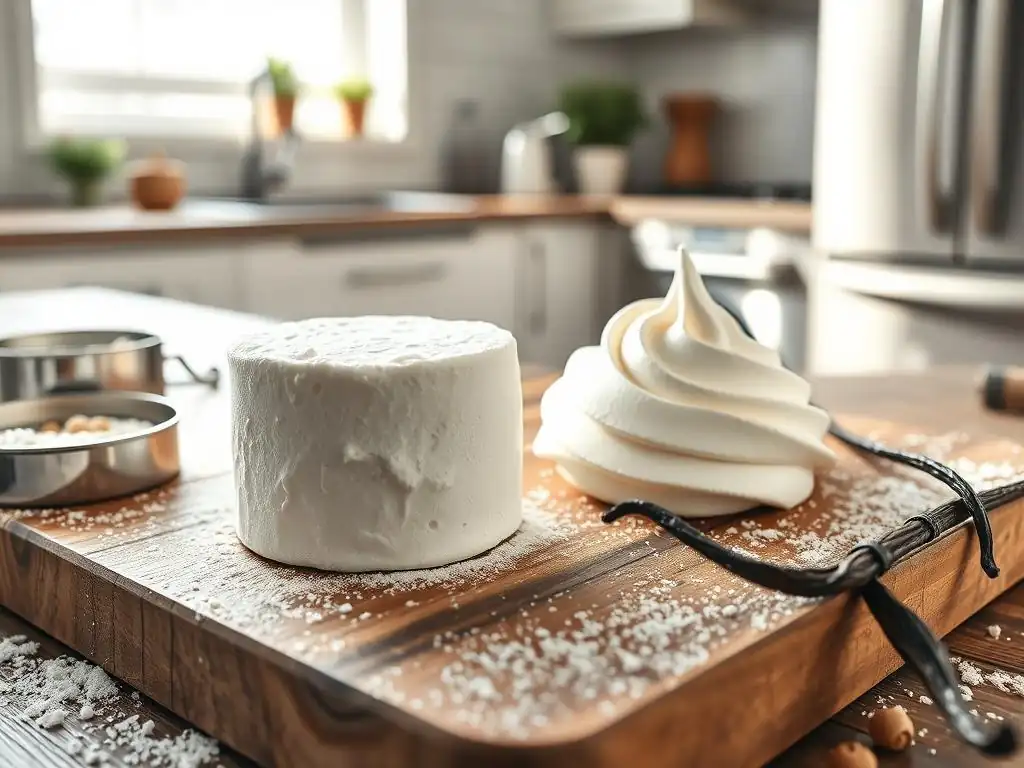
Welcome to BakeWithEase, your trusted companion in the baking world! Ever wondered if you could create fluffy, melt-in-your-mouth marshmallows that are both vegan and nut-free? Prepare to be amazed! Discover the secrets of Aquafaba vegan marshmallows recipes and unlock a world of delicious possibilities for dietary and allergen-specific baking. Intrigued? Let's dive in and whip up something extraordinary!
- How to Use Aquafaba for Vegan Marshmallows and Meringues
- Introduction to Aquafaba in Vegan Baking
- Mastering Aquafaba Vegan Marshmallows Recipes
- Crafting Meringues with Aquafaba
- Aquafaba Marshmallows vs. Meringues: A Comparison
- Storing and Serving Your Aquafaba Creations
- Expanding Your Aquafaba Baking Repertoire
- Conclusion: Embrace Aquafaba for Delightful Treats
-
Frequently Asked Questions
- What exactly is aquafaba, and why is it useful in vegan baking?
- Can I use aquafaba from any type of bean for these marshmallow recipes?
- Are these aquafaba marshmallow recipes truly nut-free, considering the risk of cross-contamination?
- Besides marshmallows, what other types of baked goods can aquafaba be used for?
- What is the key to getting a stable and fluffy texture when whipping aquafaba for marshmallows?
- Final Reflection: The Unexpected Sweetness of Aquafaba
- Unlock the Fluffy Secrets of Aquafaba!
How to Use Aquafaba for Vegan Marshmallows and Meringues
Introduction to Aquafaba in Vegan Baking
What is Aquafaba and Why Use It?
Aquafaba is the often-discarded liquid found in a can of chickpeas or other legumes. Its name comes from the Latin words aqua (water) and faba (bean). This viscous liquid contains proteins, starches, and other soluble plant solids that give it properties remarkably similar to egg whites. When whipped, it can form stiff peaks, making it an incredible substitute for eggs in many recipes, particularly those requiring aeration like meringues and marshmallows.
Using aquafaba is an excellent way to reduce food waste, repurposing a ingredient that would typically go down the drain. For home bakers, it offers a readily available, inexpensive, and reliable vegan alternative to eggs, especially beneficial for those with egg allergies or following a plant-based diet. Approximately 3 tablespoons of aquafaba can often replace one whole egg, while 2 tablespoons can replace one egg white in various baking applications.
Aquafaba: A Versatile Egg Replacement for Vegan Baking
Beyond meringues and marshmallows, aquafaba proves its versatility across a wide spectrum of vegan baking applications. It can act as a binder in recipes like vegan burgers or fritters, emulsify dressings and mayonnaise, or provide structure and lightness in cakes and muffins. Its ability to whip into a stable foam makes it ideal for mousses, macaroons, and even some types of vegan buttercreams.
One of the key advantages of aquafaba is its neutral flavor, which doesn't typically overpower the other ingredients in a recipe, unlike some other vegan egg substitutes. A standard 15-ounce can of chickpeas usually yields about 1/2 to 3/4 cup of aquafaba, providing enough for several recipes, perhaps yielding a batch of 20-30 small meringues or 16 large marshmallows.
Exploring Marshmallow and Meringue Alternatives
Traditionally, marshmallows and meringues rely heavily on egg whites for their structure and airy texture. This poses a challenge for vegans or individuals with egg allergies. Before aquafaba gained popularity around 2015, alternatives often involved ingredients like agar-agar or gelatin (not vegan), gums, or commercial egg replacers, which sometimes didn't fully replicate the unique chewiness of marshmallows or the crisp fragility of meringues.
Aquafaba has revolutionized the creation of these classic treats in a vegan format. Its protein structure mimics egg white proteins, allowing it to trap air and create a stable foam that holds its shape when sugar syrup is added (for marshmallows) or when baked (for meringues). This makes developing delicious Aquafaba vegan marshmallows recipes and meringue guides much more accessible and successful for home bakers.
Mastering Aquafaba Vegan Marshmallows Recipes
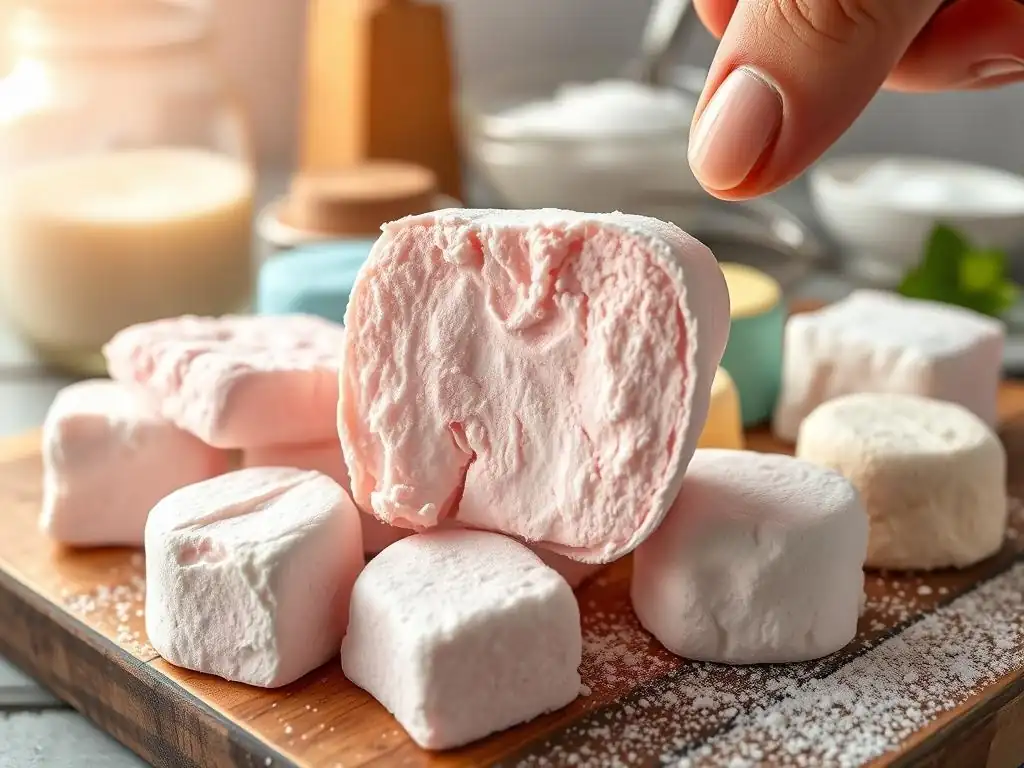
Key Ingredients for Aquafaba Marshmallows
Making delightful Aquafaba vegan marshmallows recipes requires just a few core ingredients. The star is, of course, aquafaba, ideally reduced slightly for better concentration, but straight from the can often works. Granulated sugar is essential for sweetness and structure, usually in a ratio of about 1.5 to 2 cups of sugar per 1/2 cup of aquafaba. A liquid sweetener like corn syrup, maple syrup, or agave is also typically included (around 1/4 to 1/3 cup) to help prevent crystallization and add chewiness.
For stabilization and texture, agar-agar powder or flakes are crucial vegan gelling agents. About 1 to 2 tablespoons of agar powder or 2 to 4 tablespoons of agar flakes are commonly used for a batch yielding 24-30 marshmallows. Vanilla extract or other flavorings add taste, and a dusting of cornstarch and powdered sugar (or just powdered sugar) prevents sticking.
Equipment Needed for Aquafaba Marshmallow Perfection
Having the right tools significantly simplifies the process of making Aquafaba vegan marshmallows recipes. A stand mixer fitted with a whisk attachment is highly recommended, as aquafaba needs to be whipped for a considerable time (often 10-15 minutes) to reach stiff peaks, a task challenging to do manually. A candy thermometer is absolutely essential for accurately monitoring the sugar syrup temperature, which typically needs to reach between 240°F and 250°F (115°C to 121°C) for the correct marshmallow texture.
You will also need a heavy-bottomed saucepan for cooking the sugar syrup, a heatproof bowl (preferably metal or glass) for whipping the aquafaba, and a large spatula for folding. For setting the marshmallows, a square or rectangular baking pan (like an 8x8 inch or 9x13 inch) is needed, lined with parchment paper and generously dusted with powdered sugar or a mixture of cornstarch and powdered sugar to prevent sticking.
Step-by-Step: Creating Light and Fluffy Aquafaba Marshmallows
Preparing the Aquafaba: Whipping to Stiff Peaks
Begin by pouring the aquafaba into the clean, dry bowl of your stand mixer. Start whipping on medium speed, gradually increasing to high. It will initially look watery and foamy, much like egg whites. Continue whipping until it transforms into a thick, glossy foam that holds stiff peaks when the whisk is lifted, similar to meringue. This process can take anywhere from 8 to 15 minutes, depending on the aquafaba's concentration and your mixer's power. Be patient; achieving stiff peaks is critical for the marshmallow's structure.
- [ ] Pour aquafaba into mixer bowl.
- [ ] Whip on medium-high speed.
- [ ] Continue whipping until stiff, glossy peaks form.
- [ ] Target whip time: 8-15 minutes.
Cooking the Sugar Syrup: Achieving the Right Consistency
While the aquafaba is whipping, combine the granulated sugar, liquid sweetener (like corn syrup), and a small amount of water (if using, often 1/4 to 1/2 cup) in your heavy-bottomed saucepan. If using agar-agar powder, you may dissolve it in a bit of water first according to package directions and add it to the sugar mixture. Heat the mixture over medium heat, stirring until the sugar dissolves.
Insert your candy thermometer and bring the syrup to a boil without stirring after the sugar is dissolved. Continue boiling until the thermometer registers the target temperature, typically 240°F to 250°F (soft-ball stage). Reaching this temperature is vital for the syrup to properly set the whipped aquafaba.
Combining Aquafaba and Syrup: The Marshmallow Magic
Once the aquafaba has reached stiff peaks and the sugar syrup has hit the target temperature, remove the syrup from the heat. With the mixer running on medium-low speed, slowly and carefully drizzle the hot sugar syrup down the side of the mixing bowl into the whipped aquafaba. Pouring too quickly can deflate the foam or cook the aquafaba unevenly.
Once all the syrup is added, increase the mixer speed back to high and continue beating for another 5-10 minutes. During this time, the mixture will cool slightly and become incredibly thick, glossy, and marshmallow-like. Add vanilla extract or other flavorings during the last minute of whipping.
Setting and Cutting: Perfecting Your Marshmallows
Quickly scrape the thick marshmallow mixture into your prepared pan (lined with parchment paper and heavily dusted). Use an oiled or wet spatula to spread the mixture evenly into the pan, as it will be very sticky. Dust the top surface generously with more powdered sugar/cornstarch mixture. Let the marshmallow set undisturbed at room temperature for at least 4-6 hours, or ideally overnight, until firm and no longer sticky.
Once set, invert the slab onto a cutting board dusted with the same mixture. Use an oiled sharp knife or pizza cutter to cut the marshmallow into desired shapes (usually squares). Toss the cut edges in more dusting mixture to prevent sticking.
Tips for Troubleshooting Aquafaba Marshmallow Issues
Achieving the Right Texture: Avoiding Runny or Grainy Marshmallows
Runny aquafaba marshmallows are often the result of either not whipping the aquafaba to sufficiently stiff peaks, not cooking the sugar syrup to the correct temperature (it needs to reach soft-ball stage, 240-250°F or 115-121°C), or not beating the hot syrup into the aquafaba long enough for it to cool and thicken. Ensure your candy thermometer is accurate.
If the marshmallows are grainy, it could be due to sugar crystallization, often caused by not dissolving the sugar fully before boiling or getting sugar crystals on the side of the pan during cooking. Using a liquid sweetener like corn syrup helps prevent this, as does avoiding stirring the syrup once it boils.
Another texture issue can be related to the agar-agar. Using too little agar can result in a soft, unset marshmallow, while too much can make them overly firm or rubbery. Follow recipe guidelines carefully, typically using 1-2 tablespoons of agar powder for a batch. If your Aquafaba vegan marshmallows recipes yield a grainy texture, ensure all sugar is dissolved before boiling the syrup and avoid splashing syrup on the sides of the pan above the liquid level.
Flavor Variations for Your Vegan Marshmallows
While classic vanilla is wonderful, Aquafaba vegan marshmallows recipes are incredibly adaptable to different flavors. Consider stirring in a teaspoon or two of extract beyond vanilla, such as almond, peppermint, or orange, during the final minutes of whipping. For a citrus note, you could add a teaspoon of lemon or orange zest. Spices like cinnamon or ginger can be incorporated into the sugar syrup.
You can also add color using a few drops of food coloring to the whipped mixture. For a chocolate version, sift in a tablespoon or two of cocoa powder with the dusting mixture or try swirling melted vegan chocolate into the marshmallow before it sets. Remember to add liquid flavorings carefully to avoid deflating the mixture. These simple variations allow you to customize your homemade aquafaba marshmallows for different occasions or preferences.
Crafting Meringues with Aquafaba
Aquafaba Meringues: A Vegan Baking Breakthrough
Aquafaba meringues are arguably one of the most impressive uses of this humble bean liquid. They replicate the light, crisp texture and delicate sweetness of traditional egg white meringues without any animal products. This opens up a world of possibilities for vegan desserts that previously seemed unattainable, such as lemon meringue pie, pavlova, and meringue cookies. The process involves whipping aquafaba with sugar until it forms stiff, glossy peaks and then baking it at a low temperature for an extended period to dry it out.
The stability of whipped aquafaba allows it to hold large amounts of sugar and maintain its structure during the low-and-slow baking process. While they might take slightly longer to bake or dry compared to egg white meringues, the result is a convincing, dairy-free, and egg-free meringue that can be piped into various shapes, from small kisses to large shells or nests for pavlova.
Ingredients for Perfect Aquafaba Meringues
The ingredient list for aquafaba meringues is remarkably simple, typically containing just three core components: aquafaba, granulated sugar, and cream of tartar. For a standard batch yielding dozens of small meringue kisses, you might use about 1/2 cup (approx. 120ml) of aquafaba, 1 cup (approx. 200g) of granulated sugar, and 1/2 teaspoon of cream of tartar. Cream of tartar is an acidic salt that helps stabilize the aquafaba foam and allows it to reach higher volumes and firmer peaks.
While granulated sugar is standard, superfine or caster sugar dissolves more easily and can result in a smoother meringue. Avoid using powdered sugar for the main meringue mixture, as it contains cornstarch which can affect texture. Vanilla extract or other flavorings can be added towards the end of whipping for taste. Ensure your equipment is grease-free, as even a tiny amount of fat can prevent aquafaba from whipping properly.
The Aquafaba Meringue Method: A Detailed Guide
Achieving Stiff Peaks: The Key to Meringue Success
Start by placing the aquafaba in a very clean, dry mixing bowl. Add the cream of tartar. Begin whipping on medium speed. As with marshmallows, it will start foamy. Gradually increase the speed to high. Whip until the aquafaba becomes opaque, thick, and holds very firm, glossy peaks that don't droop. This can take 10-20 minutes, sometimes longer than whipping egg whites. The mixture should look shiny and stick firmly to the whisk.
Adding Sugar Gradually: Stabilizing the Meringue
Once stiff peaks are achieved, begin adding the granulated sugar very slowly, about a tablespoon at a time, with the mixer running on high speed. Allow each addition of sugar to be fully incorporated before adding the next. This gradual process allows the sugar to dissolve into the aquafaba foam, stabilizing it and creating that characteristic glossy texture.
Continue whipping until all the sugar is added and the meringue is incredibly thick, smooth, and glossy. You should not be able to feel sugar granules when you rub a small amount of meringue between your fingers. Add any extracts (like vanilla) during the final minute of whipping.
Baking Aquafaba Meringues: Low and Slow is the Way to Go
Prepare baking sheets by lining them with parchment paper. Spoon or pipe the meringue onto the prepared sheets. For piping, use a piping bag fitted with your desired tip. Keep meringues relatively small for even drying. Bake in a preheated oven at a very low temperature, typically 200°F to 250°F (90°C to 120°C).
The low temperature doesn't 'bake' them in the traditional sense, but rather dries them out. Baking times vary greatly depending on size and oven, but small kisses might take 1.5 to 2 hours, while larger shapes could take 2.5 to 3 hours or more. They are done when they are firm, easily lift off the parchment, and sound hollow when tapped on the bottom. Turn off the oven and let them cool completely inside the oven with the door slightly ajar to prevent cracking.
Troubleshooting Aquafaba Meringues: Common Problems and Solutions
Preventing Weeping: Ensuring Stable Meringues
Weeping (when liquid leaks from the meringue) is a common issue, often caused by sugar not being fully dissolved into the aquafaba or by humidity. Ensure you add the sugar slowly and whip until the mixture is smooth and no longer grainy. Baking at too high a temperature or cooling too quickly can also contribute. Bake at the recommended low temperature and allow meringues to cool gradually inside the turned-off oven. High humidity environments make meringues tricky; try baking on a dry day if possible. Storing correctly in an airtight container immediately after cooling is also crucial.
Achieving the Right Color and Texture
Aquafaba meringues should be mostly white, turning only a very pale cream color if baked correctly. Browning indicates the temperature was too high. If your meringues are browning before they are dry, lower the oven temperature. If they are chewy inside instead of crisp, they need more drying time. Extend the baking time or leave them in the cooling oven longer. Cracking can result from baking at too high a temperature, sudden temperature changes, or sometimes over-whipping. Ensure gradual cooling and accurate oven temperature.
Aquafaba Marshmallows vs. Meringues: A Comparison
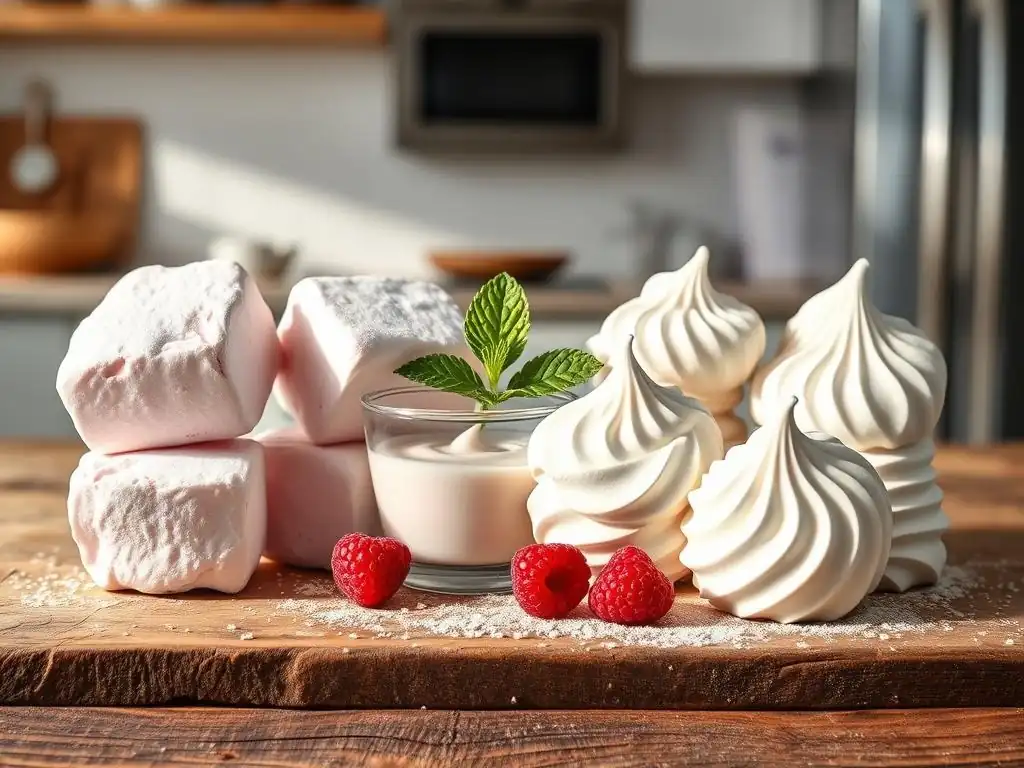
Texture and Taste Differences: Marshmallows vs. Meringues
While both utilize whipped aquafaba and sugar, the resulting textures and tastes are distinct. Aquafaba marshmallows, like their traditional counterparts, are soft, chewy, and slightly bouncy with a sweet vanilla flavor (or whatever flavor is added). They have a unique, slightly yielding bite. Aquafaba meringues, on the other hand, are light, airy, and crisp, dissolving on the tongue with a pure, intense sweetness. They are brittle and fragile, unlike the resilience of marshmallows. The taste is primarily sweet with hints of vanilla or other flavorings, lacking the chewiness provided by the agar and syrup structure in marshmallows.
Recipe Complexity: Which is Easier to Make?
Both recipes require careful technique, but many bakers find Aquafaba vegan marshmallows recipes slightly more involved due to the need for a candy thermometer and handling hot sugar syrup. Getting the syrup to the exact temperature and incorporating it correctly requires precision and speed. Aquafaba meringues, while requiring patient whipping and slow baking, don't involve the same level of risk associated with boiling sugar syrup.
Whipping aquafaba to stiff peaks can sometimes take longer for meringues compared to the initial whip for marshmallows before syrup is added. Overall, mastering the syrup stage often makes marshmallows feel a bit more complex than the whipping and drying required for meringues.
Best Uses: When to Choose Marshmallows or Meringues
Aquafaba marshmallows are perfect for applications where you want that classic sweet chewiness. They are ideal for floating in hot chocolate, making vegan s'mores (paired with vegan graham crackers and chocolate), toasting over a fire, or incorporating into desserts like rocky road or crispy treats. Their structure holds up well to gentle heat.
Aquafaba meringues, being light and crisp, are best suited for toppings (like on vegan lemon pie), standalone cookies (meringue kisses), or as components of desserts like pavlova, Eton mess, or broken up and folded into mousses for texture. They don't hold their shape or texture well in hot liquids or when exposed to moisture for too long.
Storing and Serving Your Aquafaba Creations
Proper Storage for Aquafaba Marshmallows
Once your Aquafaba vegan marshmallows recipes have yielded a perfect batch and they've been cut and dusted, proper storage is key to maintaining their texture and preventing them from drying out or sticking together. Store the cooled marshmallows in an airtight container at room temperature. Layering them between sheets of parchment paper can help prevent sticking, even after dusting. Avoid refrigerating marshmallows, as the humidity can make them sticky and affect their texture. Stored correctly, homemade aquafaba marshmallows can last for about 1-2 weeks.
Serving Suggestions for Vegan Aquafaba Meringues
Aquafaba meringues are best stored in an airtight container at room temperature immediately after they are completely cool and dry. Humidity is their enemy! Serve them as delicate cookies on their own, perhaps dipped in melted vegan chocolate. They are a stunning topping for vegan fruit tarts or pies; pipe them onto a baked filling and perhaps lightly torch them with a kitchen torch (carefully!). Use broken meringue pieces ("shards") to decorate cakes, cupcakes, or parfaits, adding a lovely crunch. They are also the essential base for vegan pavlova, topped with vegan whipped cream and fresh fruit.
Expanding Your Aquafaba Baking Repertoire
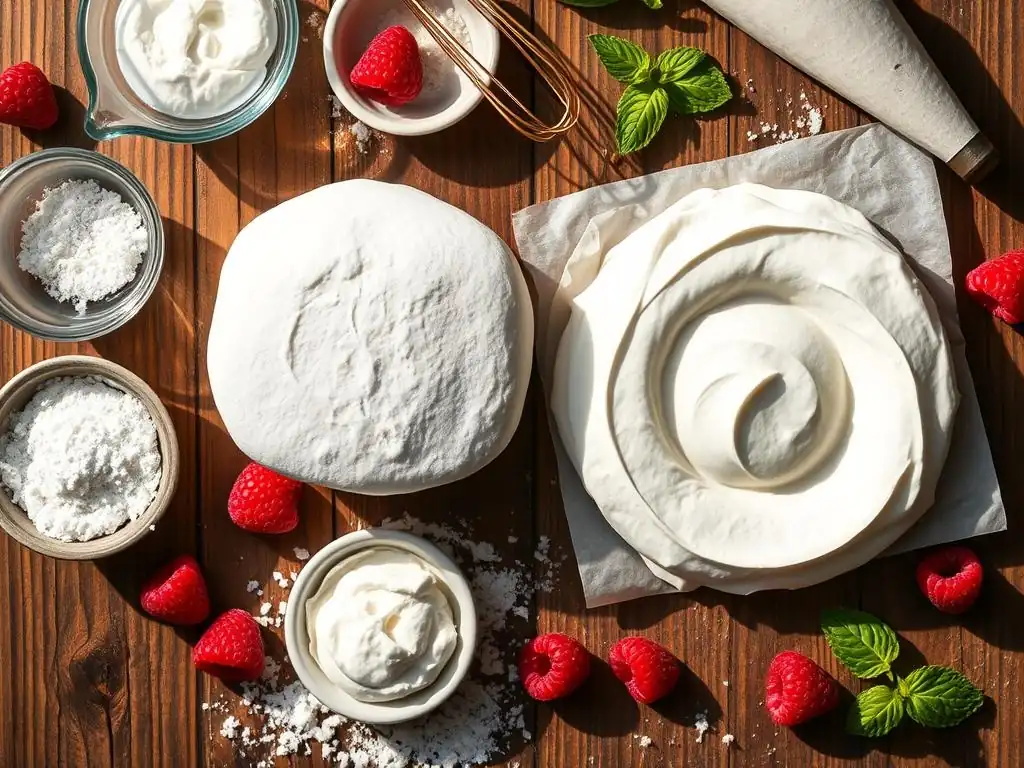
Other Delicious Aquafaba Recipes to Try
The versatility of aquafaba extends far beyond Aquafaba vegan marshmallows recipes and meringues. It can be used to create delightful vegan macarons, providing the necessary lift and structure for the delicate shells. Try using it as an egg replacer in light and fluffy vegan pancakes or waffles. It's also fantastic for making vegan mayonnaise or aioli, acting as the emulsifier that binds oil and other ingredients into a creamy sauce. Explore recipes for vegan chocolate mousse or lemon mousse, where whipped aquafaba creates an airy, decadent texture.
More Vegan Baking Recipes
If you enjoy working with aquafaba, there's a vast world of other vegan baking recipes to explore on BakeWithEase. Dive into crafting flaky vegan pie crusts using plant-based fats, or bake rich and moist vegan chocolate cakes that don't rely on eggs. Learn how to make tender vegan scones, chewy vegan cookies, or fluffy vegan cinnamon rolls. Whether you're looking for simple vegan recipes or more complex bakes, the principles of using alternative ingredients like aquafaba, plant milks, and various leaveners will enhance your skills and expand your repertoire.
Conclusion: Embrace Aquafaba for Delightful Treats
Aquafaba truly is a game-changer in the world of vegan and allergen-friendly baking. Its remarkable ability to mimic egg whites allows us to recreate classic treats like marshmallows and meringues, opening up delicious possibilities for those avoiding animal products or eggs. Mastering Aquafaba vegan marshmallows recipes and perfecting the technique for crisp meringues are rewarding achievements for any baker.
With just a few simple ingredients and techniques, you can transform the liquid from a can of chickpeas into light, airy, and wonderfully sweet confections. Don't let that valuable liquid go to waste – embrace aquafaba and discover the joy of creating delightful, plant-based treats.
Frequently Asked Questions
What exactly is aquafaba, and why is it useful in vegan baking?
Aquafaba is the liquid leftover from cooking legumes, like chickpeas. It's useful in vegan baking because it can be whipped into a stable foam and used as an egg white substitute.
Can I use aquafaba from any type of bean for these marshmallow recipes?
While aquafaba from other beans can work, chickpea aquafaba is generally the most reliable and yields the best results for marshmallows. It tends to have a neutral flavor.
Are these aquafaba marshmallow recipes truly nut-free, considering the risk of cross-contamination?
The recipes themselves are designed without nuts. However, to ensure they are truly nut-free, you must verify that all ingredients are processed in a nut-free facility to avoid cross-contamination.
Besides marshmallows, what other types of baked goods can aquafaba be used for?
Aquafaba is incredibly versatile! It can be used to create vegan meringues, mousses, macarons, and even added to cakes and breads for improved texture and rise.
What is the key to getting a stable and fluffy texture when whipping aquafaba for marshmallows?
The key is to ensure the aquafaba is properly chilled before whipping and to whip it for a sufficient amount of time. Look for stiff peaks that hold their shape.
Final Reflection: The Unexpected Sweetness of Aquafaba
The humble chickpea brine, once discarded, has emerged as a culinary game-changer, offering a surprisingly versatile and accessible alternative for vegan baking. Its ability to whip into a meringue-like consistency opens up a world of possibilities for those seeking plant-based alternatives, particularly for those with nut allergies or preferences. This simple ingredient is revolutionizing the vegan baking scene, making delicious treats like fluffy marshmallows and delicate meringues achievable for everyone.
The journey of aquafaba from kitchen waste to baking star is a testament to the power of resourcefulness and innovation within the culinary arts. It's a beautiful example of how simple ingredients, often overlooked, can be transformed into something extraordinary. The ability to create light, airy treats without relying on eggs or nuts is incredibly empowering, especially for those with dietary restrictions. Waste not, want not
– this old adage rings truer than ever in the context of aquafaba's rise to fame. It's a reminder that sustainability and deliciousness can go hand in hand.
Now, I invite you to explore the possibilities. Experiment with different flavor combinations, try your hand at creating your own unique aquafaba-based recipes, and share your creations with the world. Don't be afraid to get creative; the potential is truly limitless. Embrace the unexpected sweetness of aquafaba and unlock a whole new world of delicious, accessible, and inclusive vegan baking. Let's continue to find innovative ways to make delicious and sustainable food choices together.
Unlock the Fluffy Secrets of Aquafaba!
Thanks for taking the time to explore the amazing world of aquafaba! You've just unlocked a secret ingredient for light, airy, and completely nut-free treats. Ready to put your new knowledge into practice?
- Whip up a batch of aquafaba marshmallows: This is your chance to create those dreamy, fluffy delights without any nuts! Follow the recipe from the article for perfect results.
- Share your creations: Show off your stunning marshmallow masterpieces on social media – we’d love to see them! Use #AquafabaMagic #BakeWithEase.
- Experiment with different flavors: The possibilities are endless! What exciting flavor combinations will you create with your newfound aquafaba skills?
Ready to amaze your friends and family with these incredible, nut-free treats? What's your favorite flavor combination going to be?