
Creamy Mango Coconut Pudding: A Tropical GlutenFree Dessert

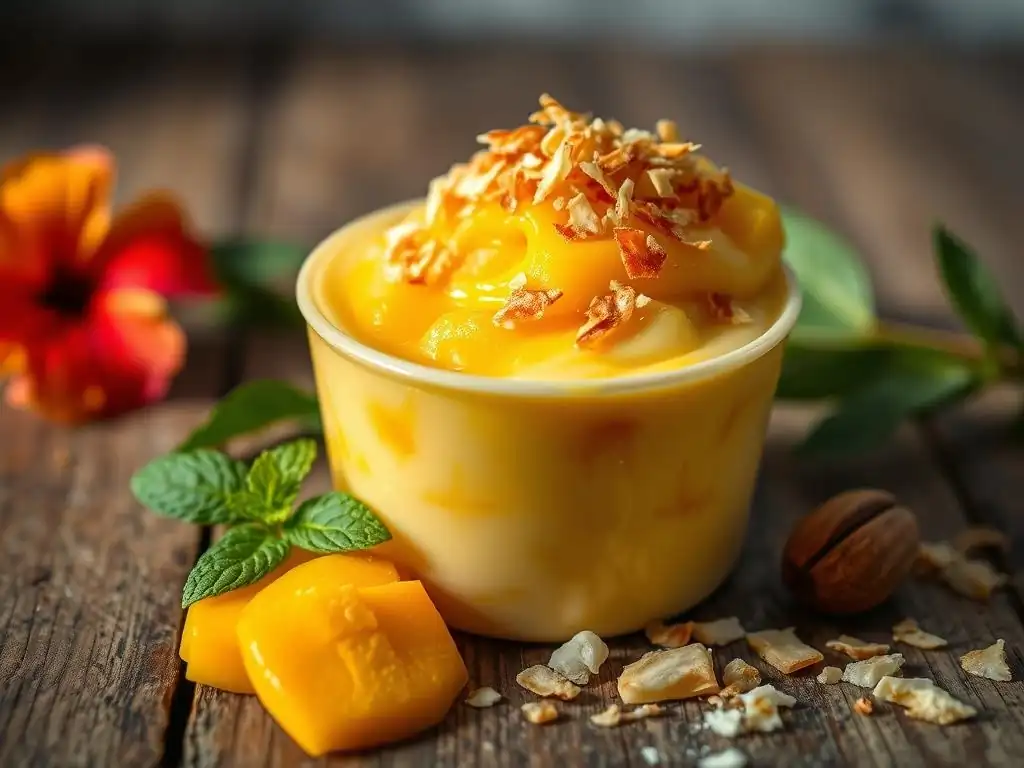
Welcome to BakeWithEase, your guide to unlocking baking brilliance!
Ever dreamt of a dessert that's both decadent and diet-friendly? Then you're in the right place. Indulge your senses with our Creamy Mango Coconut Pudding, a tropical delight that's surprisingly gluten-free. But how can something so rich and flavorful also cater to dietary needs? Discover the secrets within, and prepare to be amazed at how easy it is to create this stunning dessert. Intrigued? Let's dive into the recipe and unveil the magic!
- Introduction to Gluten-Free Mango Coconut Pudding
- What Makes This Gluten-Free Mango Coconut Pudding Special?
- Gluten-Free Mango Coconut Pudding Recipe: Step-by-Step Guide
- Gluten-Free Mango Coconut Pudding Variations and Add-Ins
- Tips and Tricks for the Best Gluten-Free Mango Coconut Pudding
- The Health Benefits of Mango and Coconut
- Enjoy Your Homemade Gluten-Free Mango Coconut Pudding!
-
Frequently Asked Questions
- How can I ensure my mango coconut pudding is truly gluten-free?
- What type of mango is best for this gluten-free pudding?
- Can I substitute coconut milk with another type of milk in this recipe?
- What's the best way to store leftover gluten-free mango coconut pudding?
- Can I add other flavors or toppings to the gluten-free mango coconut pudding?
- Final Reflection: Savor the Sweetness, Embrace the Gluten-Free
- Unlock Your Inner Pastry Chef: Make This Mango Dream a Reality!
Introduction to Gluten-Free Mango Coconut Pudding
Discover a Delicious and Easy Gluten-Free Dessert
Embarking on a gluten-free lifestyle doesn't mean saying goodbye to delightful desserts. In fact, many naturally gluten-free ingredients lend themselves beautifully to creating luscious treats. This creamy mango coconut pudding is a prime example, offering a simple yet sophisticated way to satisfy your sweet tooth without any gluten. It's a perfect recipe for both novice bakers and experienced hands looking for a reliable, crowd-pleasing option that caters to dietary needs.
Creating a delicious gluten-free dessert can sometimes feel daunting, but this mango coconut pudding recipe simplifies the process significantly. By focusing on naturally compliant ingredients, we eliminate the need for complex flour blends or substitutes. The result is a dessert that is not only safe for those avoiding gluten but also wonderfully light and refreshing, making it ideal for any occasion, from a casual weeknight treat to a special gathering.
Why Mango and Coconut are a Perfect Pairing
The combination of mango and coconut is a classic tropical pairing, celebrated for its harmonious blend of flavors and textures. Mango brings a vibrant sweetness and a slightly tangy, floral note, along with a smooth, pulpy consistency when pureed. Coconut, particularly in the form of rich coconut milk, contributes a creamy, slightly nutty undertone that perfectly complements the fruit's brightness.
Together, mango and coconut create a flavor profile that is both exotic and comforting. The natural sweetness of ripe mango reduces the need for excessive added sugar, while the healthy fats in coconut milk provide a satisfying richness. This synergy makes the mango coconut pudding a truly irresistible dessert that transports your taste buds to a sunny paradise with every spoonful.
BakeWithEase Presents: A Tropical Treat
At BakeWithEase, our mission is to make baking accessible and enjoyable for everyone, regardless of dietary restrictions or skill level. This creamy gluten-free mango coconut pudding recipe embodies that philosophy, offering a straightforward path to creating a stunning tropical dessert right in your own kitchen. We've carefully crafted this recipe to ensure it's easy to follow, uses readily available ingredients, and consistently delivers fantastic results.
We understand the importance of clear instructions and helpful tips, especially when exploring new recipes or dietary considerations. This guide for making gluten-free mango coconut pudding provides all the details you need, from selecting the best ingredients to troubleshooting common issues. Get ready to impress yourself and your loved ones with this delightful, naturally gluten-free creation.
What Makes This Gluten-Free Mango Coconut Pudding Special?
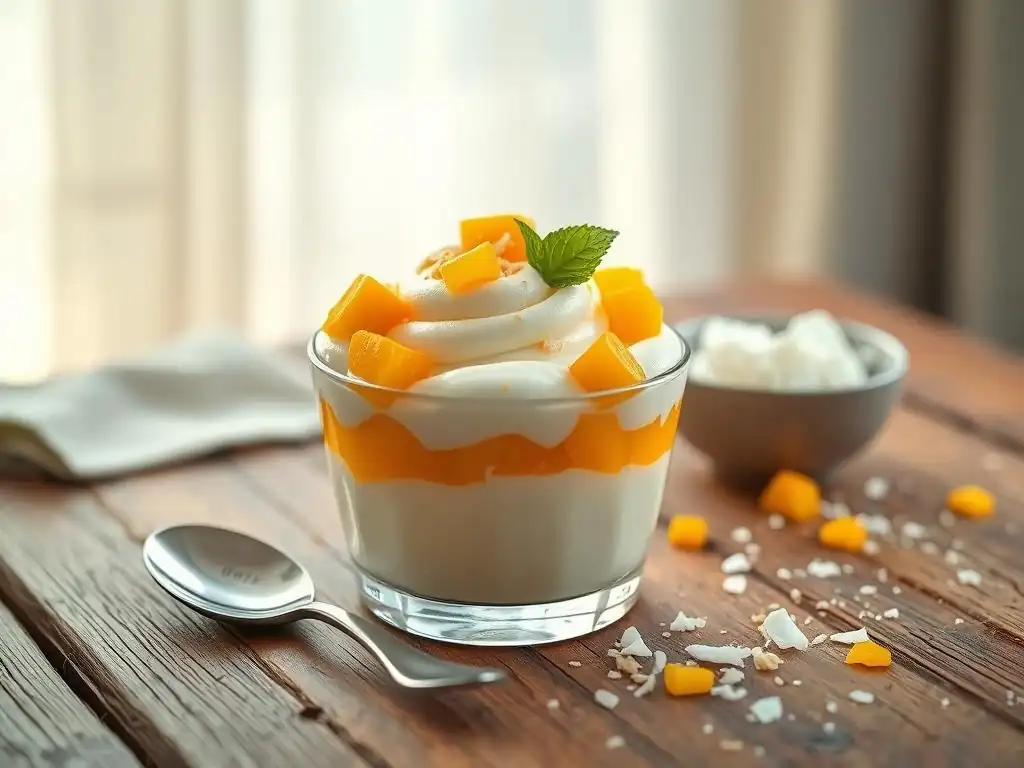
Naturally Gluten-Free Ingredients for a Worry-Free Dessert
One of the greatest appeals of this creamy mango coconut pudding is its reliance on ingredients that are inherently gluten-free. The core components – ripe mangoes, full-fat coconut milk, and a gluten-free thickening agent like tapioca starch or cornstarch – contain no gluten whatsoever. This eliminates the cross-contamination risks often associated with products made with gluten-containing grains.
By choosing these natural, whole-food-based ingredients, you ensure that your gluten-free mango coconut pudding is safe and enjoyable for anyone following a gluten-free diet. It's a testament to how delicious and satisfying desserts can be when crafted with simple, pure elements, making it a fantastic addition to any gluten-free baking repertoire.
Creamy Texture Without Dairy (Optional)
Traditional puddings often rely on dairy milk and eggs for their rich, creamy texture. However, this gluten-free mango coconut pudding achieves its luxurious consistency primarily through the use of full-fat coconut milk and a starch-based thickener. Coconut milk is naturally high in fat, which contributes significantly to the pudding's smooth mouthfeel, mimicking the richness of dairy cream.
For those who are dairy-sensitive or vegan, this recipe can be easily adapted by ensuring all ingredients, including any optional toppings, are dairy-free. The result is a pudding that is incredibly creamy and satisfying, proving that you don't need dairy to create a truly decadent dessert. This makes the gluten-free mango coconut pudding a versatile option for various dietary needs.
A Burst of Tropical Flavors in Every Bite
The star of this gluten-free mango coconut pudding is undoubtedly the vibrant tropical flavor profile. The sweet, aromatic mango puree is perfectly balanced by the subtle, creamy sweetness of the coconut milk. This combination creates a refreshing and exotic taste that is both uplifting and comforting.
Unlike some desserts that rely on artificial flavorings, the intense taste of this pudding comes directly from the natural goodness of the fruit and coconut. Each spoonful delivers a taste of the tropics, making it a perfect dessert for warm weather or whenever you need a little taste of sunshine. This focus on natural, intense flavor is what elevates this simple gluten-free mango coconut pudding from good to truly exceptional.
Gluten-Free Mango Coconut Pudding Recipe: Step-by-Step Guide
Gathering Your Ingredients: Gluten-Free Pudding Essentials
Before you begin crafting your delicious gluten-free mango coconut pudding, ensure you have all your ingredients measured and ready. Having everything prepared streamlines the process and prevents last-minute scrambling. The quality of your core ingredients will significantly impact the final flavor and texture of your tropical dessert.
Here are the essential items you'll need for your gluten-free mango coconut pudding:
Mango Puree: Fresh vs. Store-Bought
- Fresh Mangoes: For the best flavor, use ripe, sweet mangoes. Varieties like Ataulfo (honey) or Alphonso are excellent choices due to their intense sweetness and smooth texture. You'll need to peel, pit, and puree the flesh using a blender or food processor until completely smooth. This typically requires about 2-3 medium-sized mangoes for roughly 1.5 to 2 cups of puree.
- Store-Bought Mango Puree: If fresh mangoes are out of season or difficult to find, high-quality unsweetened frozen or canned mango puree can be a convenient substitute. Ensure the label confirms it's 100% mango puree with no added sugar or preservatives, and importantly, check for any gluten-containing additives, although this is rare for pure fruit puree.
Coconut Milk: Full-Fat for Maximum Creaminess
- Full-Fat Canned Coconut Milk: This is crucial for achieving a rich, creamy texture in your gluten-free mango coconut pudding. Look for canned coconut milk that is unsweetened and contains a high percentage of coconut extract (ideally 60% or more). Avoid "light" coconut milk or refrigerated carton coconut drinks, as they are too watery and won't provide the necessary richness and body for a proper pudding consistency. You will typically need one standard 13.5-14 oz can.
Gluten-Free Thickening Agent: Tapioca Starch/Cornstarch
- Tapioca Starch (or Flour): A popular gluten-free thickener derived from the cassava plant. It creates a slightly more translucent and smooth pudding texture compared to cornstarch. You'll typically need about 3-4 tablespoons.
- Cornstarch: A widely available gluten-free thickener made from corn. It provides a slightly more opaque and firm pudding texture. Use the same quantity as tapioca starch, about 3-4 tablespoons. Either starch works well for this gluten-free mango coconut pudding recipe, so use whichever you have on hand.
Sweetener Options: Honey, Maple Syrup, or Agave
- Honey: Adds a distinct floral sweetness that pairs well with mango and coconut. Use approximately 1/4 to 1/3 cup, adjusting to the sweetness of your mangoes.
- Maple Syrup: Provides an earthy, caramel-like sweetness. Choose pure maple syrup for the best flavor. Use a similar amount as honey.
- Agave Nectar: A neutral-flavored liquid sweetener. Use slightly less than honey or maple syrup as it is often sweeter.
Preparing the Mango Coconut Pudding Base
The first step in making your creamy gluten-free mango coconut pudding involves creating the smooth, thick base that will hold the tropical flavors. This process requires gentle heat and careful whisking to prevent lumps and achieve the desired pudding consistency. It's a straightforward process but attention to detail is key.
Combining Coconut Milk and Sweetener
Pour the full-fat canned coconut milk into a medium-sized saucepan. Add your chosen liquid sweetener (honey, maple syrup, or agave) to the coconut milk. Stir the mixture gently over medium-low heat until the sweetener is fully dissolved. Avoid bringing the milk to a rapid boil at this stage; you just want it warm enough to incorporate the sweetener smoothly. This creates the initial liquid foundation for your gluten-free mango coconut pudding.
As the coconut milk warms, its consistency will become more uniform, especially if the cream and liquid had separated in the can. Stirring helps to emulsify it slightly, preparing it to receive the thickening agent. Maintain a gentle heat to avoid scorching the coconut milk, which can impart an unpleasant flavor to the final gluten-free mango coconut pudding.
Adding the Gluten-Free Thickening Agent: A Smooth Incorporation
In a small bowl, whisk together the tapioca starch or cornstarch with a few tablespoons of the warm coconut milk mixture from the saucepan to create a smooth slurry. It's vital to create this slurry first; adding the dry starch directly to the hot liquid will cause it to clump instantly. Ensure there are no lumps in the slurry before proceeding.
Once the slurry is smooth, slowly pour it back into the saucepan with the remaining warm coconut milk and sweetener mixture while continuously whisking. Whisking constantly as you add the starch slurry is crucial for preventing lumps and ensuring even thickening throughout the gluten-free mango coconut pudding base.
Cooking the Pudding Base: Achieving the Perfect Consistency
Return the saucepan to medium-low heat and continue to whisk constantly. The mixture will gradually begin to thicken as it heats. You'll notice it coats the back of a spoon and starts to bubble gently, typically around the edges first. Continue cooking and whisking for 1-2 minutes after it begins to bubble to ensure the starch is fully cooked and the pudding reaches its maximum thickness potential.
Be patient during this stage and resist the urge to turn up the heat too high, as this can cause the bottom to scorch before the rest of the pudding thickens. The goal is a smooth, creamy consistency similar to a thick custard or yogurt. Once thickened, remove the saucepan from the heat. This cooked base is now ready for the star ingredient of your gluten-free mango coconut pudding.
Incorporating the Mango Puree
Adding the mango puree is the step where the tropical flavor truly infuses your gluten-free mango coconut pudding. The timing and method of incorporation are important to maintain the vibrant color and fresh taste of the mango. This step transforms the creamy base into the delightful mango-flavored dessert.
When to Add the Mango: Timing is Key
The best time to add the mango puree is after the pudding base has been cooked and removed from the heat. Adding the mango puree while the pudding is still on the heat can dull its vibrant color and slightly alter its fresh flavor. By stirring it in off the heat, you preserve the bright, natural taste and beautiful orange hue of the mango.
Once the thickened coconut milk base is off the stove, immediately stir in the mango puree until it is completely combined and the pudding has a uniform color. This ensures the mango is evenly distributed throughout the gluten-free mango coconut pudding, giving every bite that wonderful tropical sweetness.
Achieving the Right Mango-to-Coconut Ratio
The ratio of mango puree to coconut milk base is a matter of personal preference, but a common starting point is roughly equal parts by volume (e.g., 1.5 cups cooked base to 1.5 cups mango puree). Using too little mango might result in a pudding that tastes primarily of coconut, while using too much could make it overly thin or overpower the coconut flavor.
Taste the mixture after combining the mango puree and adjust if necessary. If you want a stronger mango flavor, add a little more puree. If it seems too mango-forward, you can't easily add more base at this stage, but you can keep this in mind for your next batch of gluten-free mango coconut pudding. Aim for a balance where both flavors are distinct but complementary.
Preventing Lumps: Tips for a Smooth Pudding
Ensuring a smooth texture in your gluten-free mango coconut pudding involves several steps. First, make sure your mango puree is completely smooth and free of fibrous strings. Second, the starch slurry must be lump-free before adding it to the warm coconut milk. Third, constant whisking while cooking the base is essential.
Finally, when incorporating the mango puree, stir it in thoroughly until no streaks of plain pudding base remain. If you notice any small lumps after combining everything, you can pass the mixture through a fine-mesh sieve before chilling, although this is usually unnecessary if the previous steps were followed carefully. A smooth texture is key to an enjoyable gluten-free mango coconut pudding.
Chilling and Setting the Gluten-Free Mango Coconut Pudding
Chilling is a critical step for allowing the gluten-free mango coconut pudding to fully set and develop its characteristic creamy texture. Patience is required during this stage, but the wait is well worth it for the final result. Proper chilling also enhances the flavors.
Proper Cooling Techniques for Optimal Texture
Once the pudding is cooked and the mango puree is incorporated, it needs to cool down before chilling. Pour the warm pudding into individual serving dishes or a larger bowl. To prevent a skin from forming on top, you can press plastic wrap directly onto the surface of the pudding. This creates a barrier that keeps the top moist and smooth, ensuring a lovely texture for your gluten-free mango coconut pudding.
Allow the pudding to cool at room temperature for about 20-30 minutes before transferring it to the refrigerator. This initial cooling prevents placing hot food directly into the fridge, which can raise the internal temperature and affect other contents. Ensure the dishes or bowl are covered tightly before chilling.
How Long to Chill: Patience is a Virtue
For the gluten-free mango coconut pudding to set properly, it requires a minimum chilling time. Plan for at least 3-4 hours in the refrigerator. During this time, the starch fully hydrates and creates a firm yet creamy structure. The flavors also meld and intensify as the pudding cools.
For the best texture and flavor, chilling the pudding overnight is ideal. This allows it ample time to set completely and ensures it is thoroughly chilled for a refreshing dessert experience. Rushing the chilling process will result in a pudding that is too soft and doesn't hold its shape well.
Storage Tips for Leftover Pudding
If you have leftover gluten-free mango coconut pudding, store it in an airtight container in the refrigerator. Properly stored, it should last for 3-4 days. Ensure the container is sealed tightly to prevent the pudding from absorbing odors from other foods in the fridge and to maintain its moisture content.
While the texture generally holds up well, sometimes a little liquid separation can occur at the top after a day or two. This is normal and doesn't mean the pudding has gone bad. Simply give it a gentle stir before serving if needed. Freezing is not recommended as it can significantly alter the creamy texture, often making it watery upon thawing. Enjoy your delicious gluten-free mango coconut pudding within a few days!
Gluten-Free Mango Coconut Pudding Variations and Add-Ins
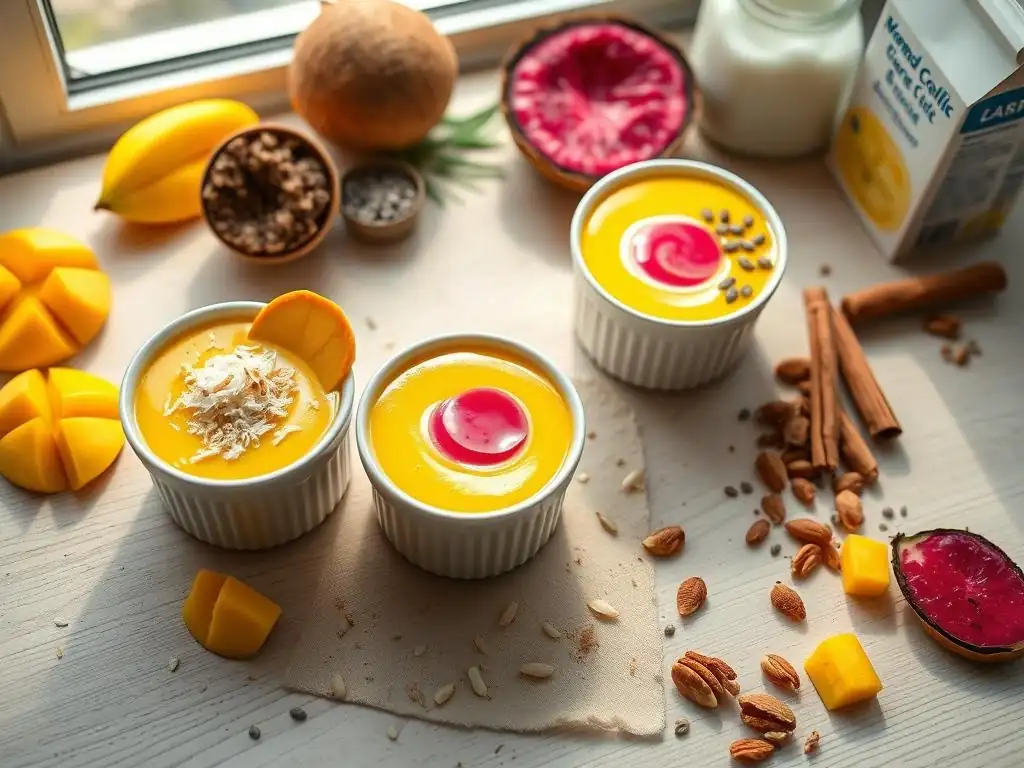
Making gluten-free mango coconut pudding offers a fantastic base for creativity. Once you've mastered the basic recipe, you can easily customize it with various additions to enhance texture, flavor, or cater to specific dietary needs. These variations allow you to put your own spin on this tropical treat.
Adding Texture: Toasted Coconut Flakes, Chia Seeds
Introducing textural elements can elevate the experience of eating your creamy gluten-free mango coconut pudding.
- Toasted Coconut Flakes: A simple garnish of lightly toasted shredded or flaked coconut adds a pleasant crunch and intensifies the coconut flavor. Toast them gently in a dry pan over low heat until golden brown.
- Chia Seeds: Stirring a tablespoon or two of chia seeds into the warm pudding base before chilling will add tiny pops of texture and boost the nutritional content. The chia seeds will absorb liquid and swell as the pudding chills.
Adding texture provides a contrast to the smooth pudding, making each bite more interesting. It's a great way to customize the classic gluten-free mango coconut pudding and make it your own.
Enhancing Flavor: Lime Zest, Vanilla Extract, Cardamom
While mango and coconut are the stars, other flavors can complement and enhance the tropical profile of your gluten-free mango coconut pudding.
- Lime Zest: A little finely grated lime zest stirred in at the end brightens the flavors and adds a subtle tanginess that cuts through the sweetness. About half a teaspoon is usually sufficient.
- Vanilla Extract: A splash of pure vanilla extract (about 1 teaspoon) adds a layer of warmth and complexity that pairs surprisingly well with tropical fruits. Add it when you stir in the mango puree.
- Cardamom: A pinch of ground cardamom (start with 1/4 teaspoon) can add an exotic, aromatic note that complements both mango and coconut beautifully. Add it to the coconut milk base while it's warming.
Experimenting with these flavor enhancers can lead to exciting new versions of your favorite gluten-free mango coconut pudding, adding depth and nuance.
Making it Vegan: Specify Vegan Substitutions
This gluten-free mango coconut pudding recipe is already naturally vegan if you use a plant-based sweetener like maple syrup or agave nectar instead of honey. Honey is an animal product and therefore not considered vegan.
Ensure all other ingredients, like any optional toppings (e.g., chocolate shavings), are also vegan-certified. The full-fat canned coconut milk and starch thickeners are typically vegan. This makes the gluten-free mango coconut pudding an excellent dessert choice for those following a vegan lifestyle, requiring only a simple sweetener swap.
Individual Servings vs. Large Batch Baking
This gluten-free mango coconut pudding recipe is easily adaptable for different needs.
- Individual Servings: Pouring the pudding directly into small cups, ramekins, or jars is perfect for portion control and convenient serving. This method also cools the pudding faster.
- Large Batch Baking: The recipe can be scaled up to make a larger quantity in a single bowl or dish for family-style serving. Simply multiply the ingredients proportionally.
Whether you're making dessert for one or a crowd, this versatile gluten-free mango coconut pudding recipe can be scaled and served to suit your needs, making it a flexible addition to your recipe collection.
Tips and Tricks for the Best Gluten-Free Mango Coconut Pudding
Achieving the perfect consistency and flavor in your gluten-free mango coconut pudding is easy with a few key tips. Paying attention to these details can make the difference between a good pudding and a truly exceptional one.
Achieving the Perfect Creamy Texture Every Time
The secret to a consistently creamy gluten-free mango coconut pudding lies in the thickening process.
- Use Full-Fat Coconut Milk: Do not substitute with light versions. The fat content is essential for richness.
- Proper Starch Slurry: Always mix the starch with a little liquid before adding it to the hot mixture to avoid lumps.
- Constant Whisking: Whisk continuously while cooking the pudding base to ensure even thickening and prevent scorching on the bottom.
- Cook Long Enough: Cook for at least 1-2 minutes after it starts bubbling to ensure the starch is fully activated and thickened.
- Chill Thoroughly: Allow ample time in the refrigerator for the pudding to set completely; rushing this step results in a loose texture.
Following these steps will help you achieve that desirable smooth, creamy texture in your gluten-free mango coconut pudding every single time.
Troubleshooting Common Pudding Problems
Even with careful steps, sometimes issues arise. Here's how to troubleshoot them:
- Pudding is Too Thin: This usually means the starch wasn't fully cooked or there wasn't enough of it. You can try returning the pudding to a saucepan, making a small slurry of extra starch (1-2 tsp) mixed with a tablespoon of water, adding it to the pudding, and gently heating and whisking until thickened.
- Pudding is Lumpy: This happens when the starch isn't properly dissolved before heating or isn't whisked constantly while cooking. If lumps are small, vigorous whisking might help. For larger lumps, you can strain the cooled pudding through a fine-mesh sieve, pressing down to push the smooth pudding through and leaving the lumps behind.
- Pudding Has a Skin: This occurs when the pudding cools uncovered. To prevent this, press plastic wrap directly onto the surface of the pudding while it cools and chills.
Addressing these common issues will help you salvage your gluten-free mango coconut pudding and ensure a smooth, enjoyable dessert.
Serving Suggestions: Elevating Your Dessert Experience
Presentation matters! Here are some ideas to make your gluten-free mango coconut pudding look and taste even better:
- Fresh Mango Cubes: Garnish with fresh, ripe mango cubes for extra texture and intense mango flavor.
- Toasted Coconut: Sprinkle toasted shredded or flaked coconut on top for crunch and enhanced coconut taste.
- Lime Zest or Wedge: A sprinkle of fresh lime zest or a lime wedge adds a bright visual and aromatic touch.
- Mint Leaves: A couple of fresh mint leaves provide a pop of color and a refreshing aroma.
- Whipped Coconut Cream: Top with a dollop of whipped full-fat coconut cream (chill a can of coconut milk, scoop out the solid cream, and whip with a little sweetener).
These simple garnishes transform your delicious gluten-free mango coconut pudding into a visually appealing dessert that is ready to impress.
The Health Benefits of Mango and Coconut
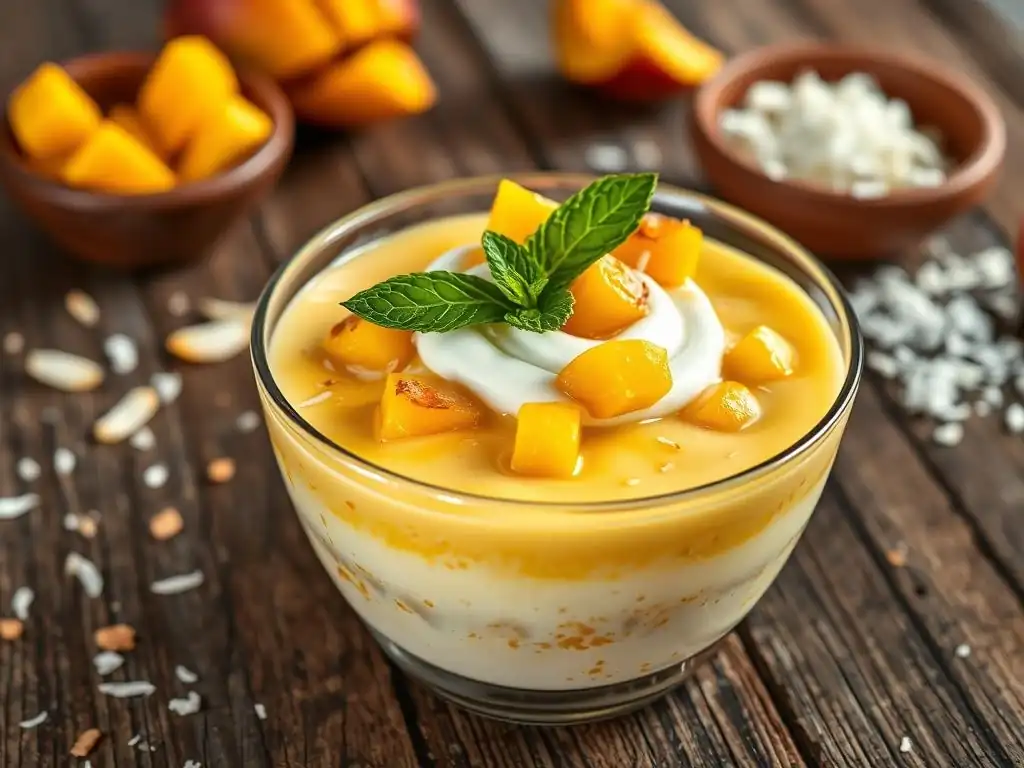
Beyond being a delicious gluten-free dessert, this creamy mango coconut pudding also offers some nutritional perks from its key ingredients. Understanding the benefits of mango and coconut adds another layer of appreciation for this tropical treat.
Mango: A Nutritional Powerhouse
Mangoes are not just incredibly tasty; they are also packed with vitamins and minerals. A single cup of sliced mango (about 165 grams) provides over 60% of the daily recommended intake for Vitamin C, a powerful antioxidant crucial for immune function and skin health. It also offers about 20% of the daily value for Vitamin A, important for vision.
Furthermore, mangoes contain dietary fiber, which aids digestion, and various antioxidants like beta-carotene and polyphenols, which help protect your cells from damage. Enjoying this gluten-free mango coconut pudding means you're getting a dose of these beneficial nutrients along with your dessert.
Coconut: Healthy Fats and More
Coconut milk, the creamy base of this gluten-free mango coconut pudding, is a source of healthy fats, primarily medium-chain triglycerides (MCTs). MCTs are metabolized differently than other fats and can be a readily available energy source. While high in calories, the fats in coconut milk contribute to satiety.
Coconut also provides minerals like manganese, which is important for bone health and metabolism, and copper, needed for iron absorption. When consumed in moderation as part of a balanced diet, the coconut in this pudding contributes beneficial fats and nutrients, making this tropical dessert a slightly more wholesome choice compared to many traditional puddings.
A Guilt-Free Gluten-Free Dessert Option
Because this mango coconut pudding is naturally gluten-free and can easily be made dairy-free and vegan, it's an excellent option for those with specific dietary restrictions or health goals. By using whole-food ingredients like fruit and coconut milk, you avoid processed gluten, artificial flavors, and excessive refined sugars (depending on your sweetener choice).
While it is still a dessert and should be enjoyed as part of a balanced diet, the nutritional contributions of mango and coconut make this gluten-free mango coconut pudding a more mindful indulgence. It proves that healthy choices can also be incredibly delicious and satisfying.
Enjoy Your Homemade Gluten-Free Mango Coconut Pudding!
You've successfully made a luscious, creamy, and naturally gluten-free mango coconut pudding! Take a moment to appreciate the vibrant color and enticing aroma of your tropical creation. This simple yet elegant dessert is perfect for cooling down on a warm day or bringing a taste of the tropics to any meal.
Serving your homemade gluten-free mango coconut pudding chilled is key to experiencing its full refreshing potential. Whether enjoyed plain or garnished with fresh fruit or toasted coconut, it's a delightful treat that caters to various dietary needs without compromising on flavor or texture.
We love seeing what you bake! If you make this creamy gluten-free mango coconut pudding, snap a photo and share it with us. Your success inspires others in our community to try new recipes and explore the world of gluten-free baking. Sharing your experience also helps us see how our recipes are enjoyed in your homes.
Connect with us and show off your beautiful gluten-free mango coconut pudding! Your creations are a testament to how easy and rewarding gluten-free baking can be when you have the right recipe and guidance.
More Gluten-Free Dessert Recipes to Explore
If you enjoyed making this creamy gluten-free mango coconut pudding, you'll be happy to know there are many more delicious gluten-free dessert recipes waiting for you on BakeWithEase. From cakes and cookies to other puddings and pastries, we offer a wide variety of options designed to be accessible and delicious for everyone.
Explore our collection of gluten-free cakes & desserts to find your next baking adventure. Whether you're looking for something fruity, chocolatey, or entirely unique, you'll find recipes that are easy to follow and yield fantastic results. Happy baking, and enjoy exploring the wonderful world of gluten-free desserts with BakeWithEase!
Frequently Asked Questions
How can I ensure my mango coconut pudding is truly gluten-free?
Confirm that all ingredients are labeled as gluten-free. Pay special attention to any thickeners, like cornstarch, and avoid cross-contamination during preparation.
What type of mango is best for this gluten-free pudding?
Generally, ripe and sweet mangoes work best. Varieties like Ataulfo or Honey mangoes are excellent choices because of their flavor and texture.
Can I substitute coconut milk with another type of milk in this recipe?
While possible, the coconut milk is crucial for both the flavor and creamy texture. Substituting it will significantly alter the final product.
What's the best way to store leftover gluten-free mango coconut pudding?
Store the pudding in an airtight container in the refrigerator. It's best consumed within 3-4 days for optimal freshness and texture.
Can I add other flavors or toppings to the gluten-free mango coconut pudding?
Absolutely! Consider adding toasted coconut flakes, chopped nuts, or a swirl of mango puree for extra flavor and texture. Get creative!
Final Reflection: Savor the Sweetness, Embrace the Gluten-Free
The vibrant, creamy texture of mango coconut pudding isn't just a delightful dessert; it's a testament to the power of inclusive, delicious gluten-free cooking. This recipe, designed for those seeking a naturally gluten-free treat, proves that dietary restrictions needn't compromise on taste or enjoyment. The simple ingredients and straightforward method make it accessible to everyone, regardless of culinary skill.
This recipe, for me, represents more than just a dessert; it symbolizes the growing movement towards accessible and delicious gluten-free options. It's a small step in a larger conversation about inclusivity and the joy of sharing food, regardless of dietary needs. Food is symbolic of love when words are inadequate.
– Alan D. Wolfelt. This quote perfectly encapsulates the feeling of sharing this pudding – a simple act of kindness and connection through a delicious, shared experience.
Now, I invite you to step into your kitchen and recreate this tropical paradise. Don't just follow the recipe; let it inspire you to experiment with flavors, to explore the world of gluten-free baking, and to share the joy of delicious, homemade treats with those you love. The creamy sweetness of this pudding is a reminder that even small acts of culinary creativity can bring immense satisfaction and connection. So, go ahead, embrace the sunshine in a bowl, and savor every bite.
Unlock Your Inner Pastry Chef: Make This Mango Dream a Reality!
Thanks for joining us on this delicious journey into the world of creamy, gluten-free goodness! We hope you're feeling inspired to whip up something truly special. Now it's time to put your newfound knowledge to the test!
- Dive straight into the kitchen and make this dreamy mango coconut pudding. Let us know how it turns out – we can't wait to hear from you!
- Share your culinary creation on social media and tag us – we love seeing your BakeWithEase masterpieces!
- Why not experiment with different tropical fruits to create your own signature pudding? Let your creativity flow!
Ready to taste the tropics? What's your favorite gluten-free dessert twist?