
Using Different Yeasts for Your Whole Wheat Bread

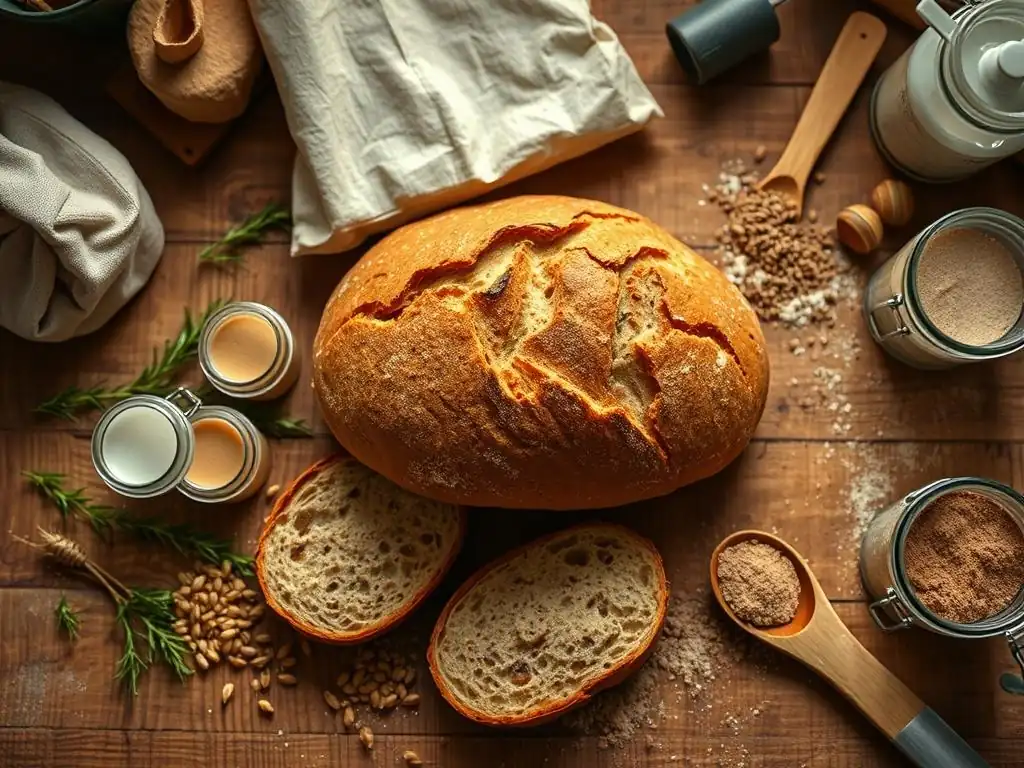
Welcome to BakeWithEase, your trusted guide to the wonderful world of baking! Ever wondered how different yeasts can dramatically impact the flavor and texture of your homemade bread? This article delves into the secrets of crafting the perfect whole wheat yeast bread recipe, exploring how various yeast types can elevate your baking game. Prepare to unlock a new level of understanding and bake bread that's not only delicious but also uniquely yours. Ready to discover the yeast that will transform your whole wheat loaf?
- Baking Whole Wheat Bread: A Guide to Different Yeast Options
- Understanding Yeast's Role in Whole Wheat Bread
- Active Dry Yeast in Whole Wheat Bread Baking
- Instant Yeast: Simplifying Whole Wheat Bread Recipes
- Fresh Yeast: Enhancing Whole Wheat Bread Flavor
- Sourdough Starter: Naturally Leavened Whole Wheat Bread
- Selecting the Ideal Yeast for Your Whole Wheat Bread
- Adapting Whole Wheat Recipes for Different Yeast Varieties
- Whole Wheat Bread Recipes: Comparing Yeast-Based Approaches
- Tips for Successfully Baking Whole Wheat Yeast Bread
- Conclusion: Mastering Whole Wheat Bread with Yeast Expertise
-
Frequently Asked Questions
- What types of yeast are best suited for whole wheat bread recipes?
- Does using whole wheat flour require any adjustments to a standard yeast bread recipe?
- How does the type of yeast affect the flavor of whole wheat bread?
- What is "proofing" yeast, and is it always necessary when making whole wheat bread?
- What are some common problems encountered when baking whole wheat yeast bread, and how can I avoid them?
- Final Reflection: The Untapped Potential of Yeast in Whole Wheat Baking
- Unlock the Flavor: Unleash Your Inner Baker!
Baking Whole Wheat Bread: A Guide to Different Yeast Options
Making delicious whole wheat yeast bread is a rewarding experience. The type of yeast you choose significantly impacts the final texture, rise, and flavor of your loaf. Whole wheat flour, being denser and containing more bran and germ than white flour, interacts differently with yeast, making the selection and handling of yeast particularly important for achieving a great whole wheat yeast bread recipe.
Understanding Yeast's Role in Whole Wheat Bread
Yeast is a living microorganism, a type of fungus, that performs the magical process of fermentation in bread dough. It consumes sugars present in the flour and produces carbon dioxide gas and alcohol. The carbon dioxide gas gets trapped within the gluten structure of the dough, causing it to rise. The alcohol contributes subtle flavors, and the process also develops other complex flavor compounds.
Yeast's Impact on Whole Wheat Bread Structure and Flavor
In whole wheat bread, yeast faces a slightly tougher challenge compared to white bread. The bran and germ particles in whole wheat flour are sharp and can cut through the developing gluten strands, potentially hindering the dough's ability to trap gas effectively. This is why whole wheat dough often requires careful handling and sometimes longer fermentation times.
The type of yeast used influences the rate of fermentation and the specific byproducts produced, which directly affects both the open structure (crumb) and the depth of flavor. A vigorous, fast-acting yeast might give a quick, high rise but less complex flavor development, while a slower fermentation, perhaps with a different yeast type or method, can yield a more nuanced aroma and taste profile in your whole wheat yeast bread recipe.
For instance, a longer, slower rise common with active dry yeast or sourdough can allow enzymes in the flour more time to break down starches into sugars, providing more food for the yeast and contributing to browning and flavor.
Exploring Various Yeast Types for Whole Wheat Baking
There are several types of commercial yeast available, each with characteristics that make them suitable for different baking applications. Understanding these differences is crucial for mastering your whole wheat yeast bread recipe. The most common types you'll encounter are active dry yeast, instant yeast, and fresh yeast.
Beyond commercial options, sourdough starter represents a natural leavening alternative, a symbiotic culture of wild yeast and bacteria. Each type requires different handling and will perform differently in a whole wheat dough environment. Some yeasts are more robust and forgiving, while others demand specific conditions to thrive. Choosing the right one depends on factors like desired proofing time, flavor complexity, and baking experience level when tackling a whole wheat yeast bread recipe.
Active Dry Yeast in Whole Wheat Bread Baking
Active dry yeast is a popular choice for many home bakers. It consists of dehydrated yeast granules that need to be rehydrated in warm liquid before being mixed into the dough. This "blooming" step ensures the yeast is alive and active before it starts working on your whole wheat dough.
Rehydrating Active Dry Yeast for Optimal Whole Wheat Bread Results
To use active dry yeast, you typically dissolve it in a warm liquid, usually water or milk, heated to between 105°F and 115°F (40°C to 46°C). A small amount of sugar is often added to this mixture to give the yeast an immediate food source and help activate it. After about 5-10 minutes, the mixture should become foamy and bubbly, indicating the yeast is alive and ready to be added to your dry ingredients for the whole wheat yeast bread recipe.
If the mixture doesn't foam, the yeast may be dead, often due to being too old or exposed to incorrect temperatures. Using dead yeast will result in a dense, unleavened loaf. This rehydration step is a simple but essential check before committing to mixing the entire whole wheat yeast bread recipe dough. Using liquid that is too hot will kill the yeast, while liquid that is too cold won't activate it effectively.
Advantages and Disadvantages of Active Dry Yeast for Whole Wheat
One advantage of active dry yeast is its relatively long shelf life when stored properly, usually in a cool, dry place or the refrigerator. It's also widely available. The rehydration step, while sometimes seen as an extra step, serves as a reliable test of yeast viability, preventing wasted ingredients.
However, active dry yeast typically ferments slower than instant yeast. This slower rise can sometimes be beneficial for flavor development in a whole wheat yeast bread recipe, but it means longer proofing times are required. Also, the temperature sensitivity during rehydration can be a disadvantage if not managed carefully. Compared to instant yeast, you generally need slightly more active dry yeast by weight (about 25% more) to achieve a similar rise rate, although many recipes use them almost interchangeably with minor adjustments.
Instant Yeast: Simplifying Whole Wheat Bread Recipes
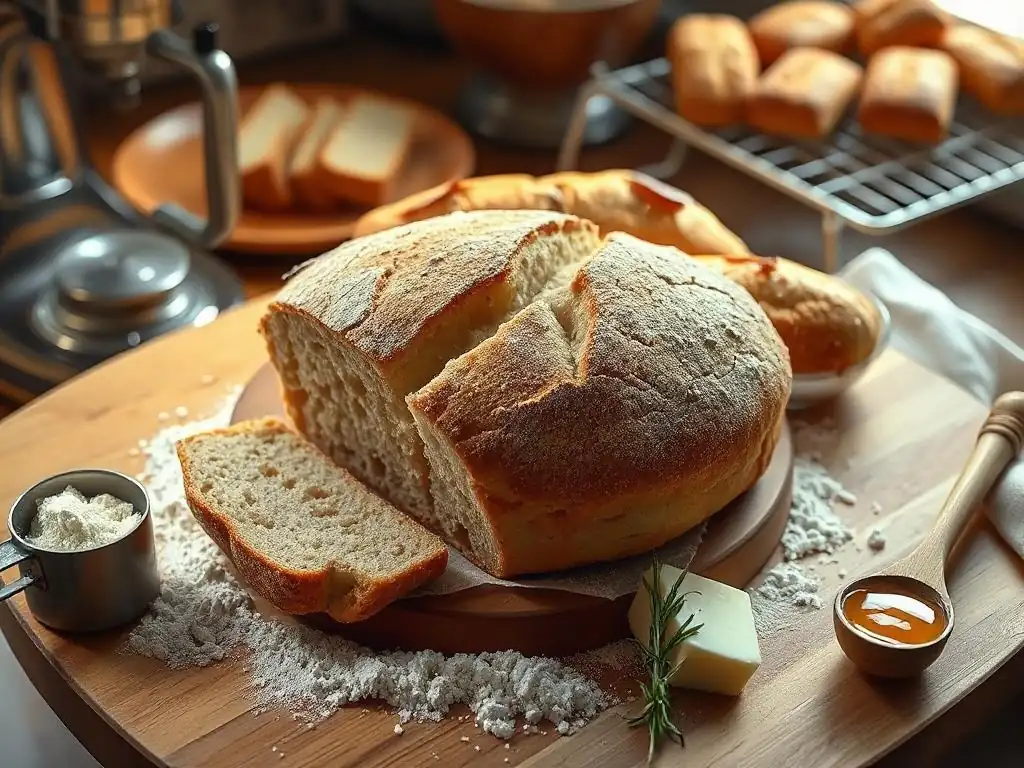
Instant yeast, also known as rapid-rise or quick-rise yeast, is another widely used commercial yeast. Its granules are smaller than active dry yeast, and it has been processed differently, allowing it to be added directly to the dry ingredients without prior rehydration.
Incorporating Instant Yeast Directly into Whole Wheat Flour
The main convenience of instant yeast is that it can be mixed directly with your whole wheat flour and other dry ingredients before adding any liquid. This eliminates the blooming step required for active dry yeast, simplifying the process for your whole wheat yeast bread recipe. Simply measure your flour, instant yeast, salt, and any other dry ingredients into a bowl, whisk them together to distribute the yeast evenly, and then proceed with adding your liquid and wet ingredients.
Because instant yeast is added directly to the flour, it's crucial to ensure your liquid is warm enough (typically 120°F to 130°F or 49°C to 54°C) to activate the yeast once mixed, but not so hot that it kills it. However, the yeast is protected by the flour, making it slightly more forgiving with liquid temperature than active dry yeast during the initial mix.
Instant Yeast vs. Active Dry Yeast in Whole Wheat Bread: A Comparison
The primary difference between instant and active dry yeast lies in their activation methods and speed. Instant yeast is designed to work faster and more vigorously than active dry yeast. This means that dough made with instant yeast will often rise more quickly, potentially cutting down on overall proofing time for your whole wheat yeast bread recipe.
| Feature | Active Dry Yeast | Instant Yeast |
|---|---|---|
| Activation | Requires rehydration (blooming) | Can be added directly to flour |
| Speed | Slower fermentation | Faster fermentation |
| Quantity | Use ~25% more than instant | Use ~25% less than active dry |
| Shelf Life | Good (especially refrigerated) | Good (especially refrigerated) |
| Liquid Temp | 105-115°F (40-46°C) for bloom | 120-130°F (49-54°C) for dough |
While instant yeast offers speed and convenience, some bakers feel the slower fermentation of active dry yeast can contribute to slightly better flavor development. However, for a quick whole wheat yeast bread recipe, instant yeast is often the preferred choice. The difference in final flavor is often subtle and may not be noticeable to all palates, especially in a robust loaf like whole wheat.
Fresh Yeast: Enhancing Whole Wheat Bread Flavor
Fresh yeast, also known as cake yeast or compressed yeast, is less commonly found in typical supermarkets but is often available at bakeries or specialty stores. It is a moist, block-like form of yeast that offers a slightly different fermentation profile and is favored by some professional bakers for its perceived flavor benefits.
Handling and Using Fresh Yeast in Whole Wheat Bread Dough
Fresh yeast is highly perishable and must be stored in the refrigerator, ideally used within a week or two of purchase. It comes in compressed blocks and feels soft and crumbly. To use fresh yeast in your whole wheat yeast bread recipe, you typically crumble it into a warm liquid (around 80-90°F or 27-32°C) and stir until dissolved. It doesn't need to foam like active dry yeast to prove it's active; its freshness and proper storage are the main indicators.
Once dissolved, the yeast mixture is added to the dry ingredients. Because it's a live, active culture from the start, it begins working relatively quickly. Handling fresh yeast requires care to maintain its viability; exposure to air and warmth for extended periods can degrade it rapidly.
Converting Fresh Yeast Measurements to Dry Yeast Equivalents
Recipes often specify active dry or instant yeast. If you have a whole wheat yeast bread recipe that calls for dry yeast and you want to use fresh yeast, you'll need to adjust the quantity. A general rule of thumb for converting yeast types is based on their solid content.
- Fresh Yeast is approximately 33% solids (live yeast).
- Active Dry Yeast is approximately 95% solids.
- Instant Yeast is approximately 95% solids.
However, due to processing differences, the common conversion ratios are slightly different in practice for equivalent leavening power:
- 1 part Instant Yeast is roughly equivalent to 1.25 parts Active Dry Yeast.
- 1 part Instant Yeast is roughly equivalent to 3 parts Fresh Yeast.
- 1 part Active Dry Yeast is roughly equivalent to 2.4 parts Fresh Yeast.
So, if your whole wheat yeast bread recipe calls for 7 grams of active dry yeast, you would need approximately 7 * 2.4 = 16.8 grams of fresh yeast. If it calls for 5 grams of instant yeast, you'd need about 5 * 3 = 15 grams of fresh yeast. Using these ratios helps ensure your whole wheat dough rises correctly regardless of the yeast type specified.
Sourdough Starter: Naturally Leavened Whole Wheat Bread
Sourdough starter is a living culture of wild yeast and lactic acid bacteria, cultivated over time by mixing flour and water. It offers an alternative to commercial yeast for leavening whole wheat bread, imparting a characteristic tangy flavor and often a unique texture.
Maintaining a Healthy Sourdough Starter for Whole Wheat Baking
A healthy sourdough starter is essential for successful whole wheat baking. It requires regular feeding (refreshing) with fresh flour and water to keep the wild yeast and bacteria active. Storage conditions, such as temperature, affect its activity; a starter kept at room temperature needs daily feeding, while one in the refrigerator can be fed less often (typically once a week).
Signs of a healthy starter include bubbling after feeding, doubling or tripling in volume within a few hours (depending on temperature and hydration), and a pleasant, slightly tangy aroma. Using a robust, active starter is critical for achieving a good rise in dense whole wheat dough, as wild yeast can sometimes be less vigorous than commercial strains. Many bakers find a 100% hydration starter (equal parts flour and water by weight) easiest to maintain for regular use in a whole wheat yeast bread recipe.
Sourdough's Tangy Profile in Whole Wheat Bread: A Deeper Look
The unique flavor of sourdough whole wheat bread comes primarily from the lactic acid bacteria present in the starter alongside the wild yeast. These bacteria produce lactic and acetic acids during fermentation. Lactic acid contributes a milder, yogurt-like tang, while acetic acid provides a sharper, vinegar-like note.
Whole wheat flour, with its higher mineral content and complex carbohydrates, interacts wonderfully with the sourdough culture, often resulting in a more pronounced and complex tangy flavor compared to white sourdough. The longer, slower fermentation process inherent in sourdough baking also allows for more extensive breakdown of starches and proteins, contributing to flavor development and potentially improving digestibility. This natural leavening process results in a whole wheat yeast bread recipe that is distinctively aromatic and flavorful.
Selecting the Ideal Yeast for Your Whole Wheat Bread
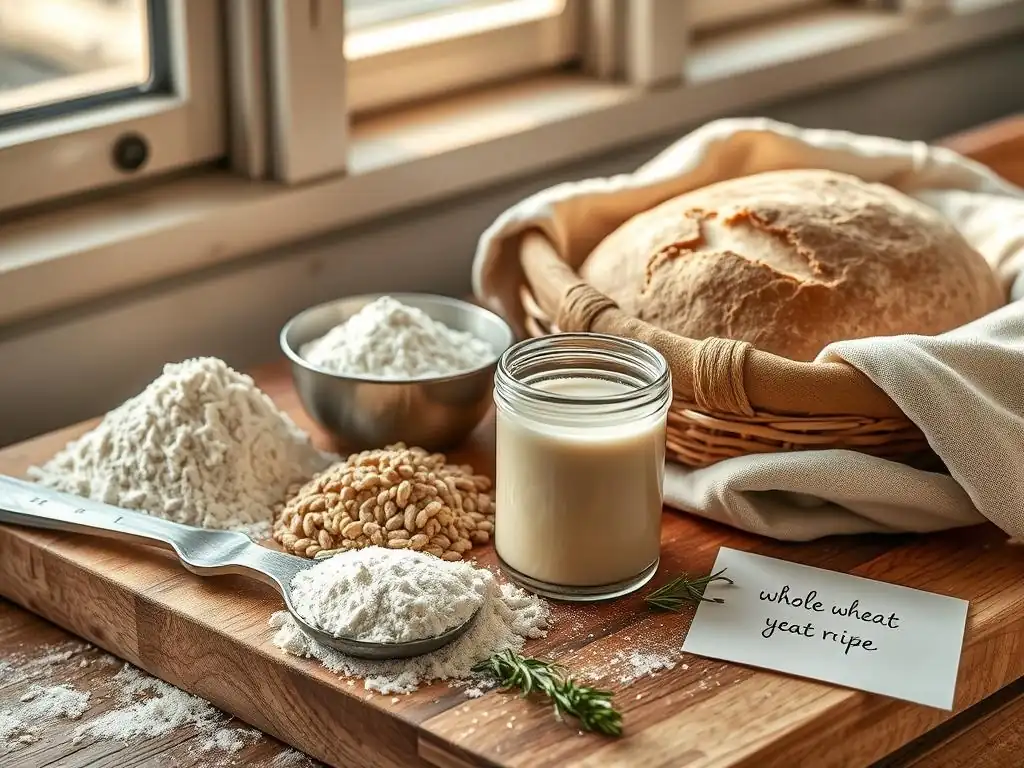
Choosing the right yeast for your whole wheat yeast bread recipe depends on several factors, including your desired outcome, baking schedule, and personal preference. There isn't a single "best" yeast; rather, there's a best yeast for your specific needs and goals.
Key Considerations for Yeast Selection in Whole Wheat Baking
When deciding which yeast to use, consider:
- Speed: Do you need a quick loaf, or do you have time for a longer fermentation? Instant yeast is fastest, followed by active dry, then fresh, and finally sourdough (which requires building starter activity and longer fermentation).
- Flavor: Are you seeking a neutral yeast flavor, a subtle tang, or a pronounced sourness? Commercial yeasts are relatively neutral, while sourdough provides varying degrees of tang. Fresh yeast is sometimes said to offer a cleaner yeast flavor than dry.
- Handling: Do you prefer the convenience of adding yeast directly, or are you comfortable with proofing steps and maintaining a starter? Instant yeast is the simplest, active dry requires blooming, fresh yeast needs careful handling and storage, and sourdough demands ongoing maintenance.
- Recipe Adaptation: Some recipes are written specifically for one type of yeast or leavening. While conversions are possible, starting with a recipe designed for your chosen yeast can simplify the process of baking a whole wheat yeast bread recipe.
Matching Yeast Type to Desired Flavor and Texture in Whole Wheat Bread
For a quick whole wheat yeast bread recipe with a reliable, standard rise and relatively neutral flavor, instant yeast is an excellent choice. It's forgiving and efficient.
If you have a bit more time and want to ensure your yeast is active before mixing, or if you prefer a slightly slower, potentially more flavor-developing rise compared to instant, active dry yeast is a great option. It's a staple for many home bakers.
For bakers seeking a traditional approach and believing in the subtle flavor nuances of fresh yeast, this can be a rewarding choice, though it requires more careful handling and availability might be limited.
Finally, for a whole wheat yeast bread recipe with a complex aroma, tangy flavor, and potentially chewier texture, sourdough is the way to go. This method requires patience and practice but yields a truly unique and satisfying loaf. The density of whole wheat flour can sometimes benefit from the sustained lift provided by a strong sourdough starter.
Adapting Whole Wheat Recipes for Different Yeast Varieties
While some whole wheat yeast bread recipes are flexible, others require adjustments when substituting yeast types. The most significant changes typically involve the amount of yeast used and the proofing schedule.
Adjusting Proofing Times Based on Yeast Type in Whole Wheat Dough
Since different yeasts ferment at different rates, the time it takes for your whole wheat dough to rise (proof) will vary.
- Instant Yeast: Expect the fastest rise times. A first rise might take 60-90 minutes, and a second rise 30-45 minutes, depending on temperature and dough hydration.
- Active Dry Yeast: Typically requires longer proofing than instant yeast. The first rise might take 90-120 minutes, and the second rise 45-60 minutes.
- Fresh Yeast: Usually performs similarly to active dry yeast in terms of timing, maybe slightly faster if very fresh and active, requiring proofing times comparable to or slightly shorter than active dry.
- Sourdough Starter: This is the slowest method. The bulk fermentation (first rise) can take anywhere from 4 to 12 hours or even longer at room temperature, depending on the starter's activity and ambient temperature. The final proof can also take several hours, sometimes done in the refrigerator overnight for convenience and flavor development.
Always rely on visual cues (dough doubling in size, passing the "poke test") rather than strict timing, as environmental factors like room temperature greatly influence fermentation speed in any whole wheat yeast bread recipe.
Several issues can arise when working with yeast in a whole wheat yeast bread recipe:
- Dough not rising (or rising too slowly):
- Cause: Yeast is dead or inactive.
- Fix: Ensure yeast is fresh, stored properly, and activated at the correct temperature (if using active dry). Check liquid temperature for instant yeast. Consider the age and activity of your sourdough starter.
- Cause: Liquid is too hot, killing the yeast.
- Fix: Use a thermometer to ensure liquid is within the recommended temperature range for your yeast type.
- Cause: Room temperature is too cold.
- Fix: Find a warmer spot for proofing (e.g., a slightly warm oven with the light on, but turned off).
- Cause: Too much salt or salt added directly on top of yeast.
- Fix: Ensure salt is measured accurately and mixed into the flour before adding yeast or dissolved yeast mixture. Salt inhibits yeast activity.
- Dough rising too quickly:
- Cause: Room temperature is too warm, or too much yeast was used.
- Fix: Use slightly cooler liquid, reduce yeast amount slightly in future batches, or move the dough to a cooler spot to slow down fermentation. Over-proofed whole wheat bread can collapse or have a poor texture.
- Dense crumb:
- Cause: Under-proofing, dead yeast, insufficient kneading, or insufficient hydration for the whole wheat flour.
- Fix: Ensure yeast is active and proofing times are sufficient (dough should double). Develop gluten properly through kneading. Check and adjust hydration levels.
Understanding how yeast behaves and troubleshooting these issues will help you consistently bake a great whole wheat yeast bread recipe.
Whole Wheat Bread Recipes: Comparing Yeast-Based Approaches
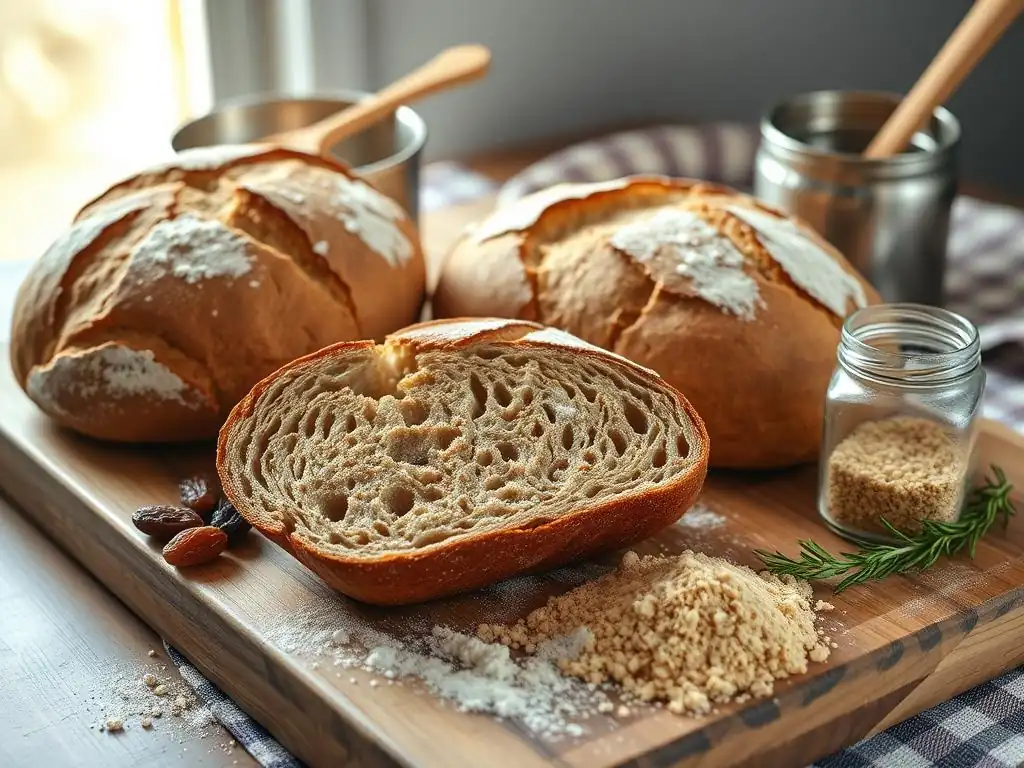
Let's look at how the different yeast types might influence the process and outcome in a typical whole wheat yeast bread recipe framework. While specific ingredient quantities vary, the method and timing are key differentiators based on yeast choice.
Recipe 1: Whole Wheat Bread with Active Dry Yeast
A whole wheat yeast bread recipe using active dry yeast will start by activating the yeast in warm water (105-115°F) with a pinch of sugar. Once foamy, this mixture is added to the dry ingredients (whole wheat flour, salt, etc.). The dough is then mixed and kneaded until a smooth, elastic dough forms.
The first rise (bulk fermentation) will typically take 1.5 to 2 hours at room temperature (around 70-75°F), or until doubled in size. The dough is then shaped into a loaf, placed in a loaf pan, and allowed to proof for another 45-60 minutes, or until it has increased significantly in size and looks puffy. Baking follows, usually at around 375-400°F (190-200°C). This method offers a reliable rise with good flavor development from the slightly longer fermentation.
Recipe 2: Whole Wheat Bread with Instant Yeast
For a whole wheat yeast bread recipe utilizing instant yeast, the process is streamlined. The instant yeast is mixed directly with the whole wheat flour and salt. Warm liquid (120-130°F) is then added, and the dough is mixed and kneaded.
Because instant yeast is faster, the first rise might only take 60-75 minutes. The dough is then shaped and the final proof could be as short as 30-40 minutes. This approach is ideal when time is a factor and you want a whole wheat yeast bread recipe on the table relatively quickly. The resulting loaf will have a good rise, though some argue the flavor complexity is slightly less than with a slower fermentation.
Recipe 3: Whole Wheat Sourdough Whole Wheat Bread
A whole wheat yeast bread recipe made with sourdough relies entirely on a well-fed sourdough starter. Typically, a portion of active starter is mixed with water and whole wheat flour to create the dough. Salt is added later.
The bulk fermentation is significantly longer, often 4-8 hours or even overnight at room temperature, or 8-16 hours in the refrigerator, allowing complex flavors to develop. Shaping follows this long rise. The final proof can also be extended, sometimes 2-4 hours at room temperature or another overnight stint in the fridge. Baking often involves a hot oven with steam to encourage a good oven spring and crust development. This method yields a whole wheat yeast bread recipe with a characteristic tangy flavor and a unique, often chewy, texture.
Tips for Successfully Baking Whole Wheat Yeast Bread
Mastering whole wheat yeast bread baking involves paying attention to a few key details that are particularly important due to the nature of whole wheat flour.
Achieving Optimal Hydration in Whole Wheat Dough for Best Results
Whole wheat flour is thirstier than white flour because of the bran and germ. It absorbs more liquid, and getting the hydration level right is crucial for a tender crumb and good rise in your whole wheat yeast bread recipe. Too little water results in a dense, heavy loaf, while too much makes the dough difficult to handle.
Typical hydration levels for whole wheat bread range from 70% to 85% (water weight as a percentage of flour weight), sometimes even higher for very wet, artisan-style loaves. Start with the amount of liquid specified in your recipe, but be prepared to adjust. The dough should feel tacky but not excessively sticky after kneading. You can often tell if you need a little more water during the initial mixing or kneading phase if the dough feels stiff and doesn't come together easily. Adding water a tablespoon at a time can help you reach the right consistency.
The Significance of Proper Kneading for Whole Wheat Bread Structure
Kneading is vital for developing the gluten network in the dough, which provides the structure needed to trap the carbon dioxide gas produced by the yeast and achieve a good rise. Whole wheat flour's bran particles can interfere with gluten development, so sufficient kneading is particularly important for a whole wheat yeast bread recipe.
Knead the dough until it becomes smooth and elastic. You can test for sufficient gluten development using the "windowpane test": gently stretch a small piece of dough; if it stretches thin enough to see light through without tearing, the gluten is well-developed. This might take 10-15 minutes by hand or 6-8 minutes in a stand mixer, depending on the hydration and flour type. Proper kneading ensures your whole wheat yeast bread recipe has the necessary structure for a lofty, airy crumb, counteracting the natural density of the whole wheat flour.
Conclusion: Mastering Whole Wheat Bread with Yeast Expertise
Baking a great whole wheat yeast bread recipe is an achievable goal for any baker. By understanding the different types of yeast available – active dry, instant, fresh, and sourdough – and how they interact with whole wheat flour, you can choose the best option for your needs and adapt recipes accordingly.
Exploring Yeast Variations for Unique Whole Wheat Bread Creations
Each yeast type offers a pathway to a distinct whole wheat bread experience. Instant yeast provides speed and convenience, perfect for a quick weeknight loaf. Active dry yeast offers reliability and a slightly longer fermentation for potential flavor gains. Fresh yeast appeals to those seeking traditional methods and subtle flavor nuances.
Sourdough opens the door to complex tangy flavors and a naturally leavened loaf with unique characteristics. Don't be afraid to experiment with different yeasts in your whole wheat yeast bread recipe endeavors. Try baking the same recipe with different yeast types to compare the results side-by-side. This exploration will deepen your understanding of fermentation and help you consistently bake delicious whole wheat bread tailored to your preferences.
Frequently Asked Questions
What types of yeast are best suited for whole wheat bread recipes?
Different yeasts can affect the flavor and rise of your bread. Active dry yeast and instant yeast are both commonly used, but instant yeast requires no proofing and generally gives a quicker rise.
Does using whole wheat flour require any adjustments to a standard yeast bread recipe?
Yes, whole wheat flour absorbs more liquid than all-purpose flour. You may need to increase the liquid in your recipe and allow for a longer rise time due to the heavier nature of the flour.
How does the type of yeast affect the flavor of whole wheat bread?
Some yeasts, like wild yeast cultures used in sourdough, impart a tangier, more complex flavor to the bread. Commercial yeasts generally provide a more consistent, milder flavor.
What is "proofing" yeast, and is it always necessary when making whole wheat bread?
Proofing is testing the yeast to ensure it's alive and active. It involves mixing yeast with warm water and sugar. Proofing is optional for instant yeast but recommended for active dry yeast to guarantee a good rise.
What are some common problems encountered when baking whole wheat yeast bread, and how can I avoid them?
Common problems include a dense loaf, a poor rise, or a gummy texture. These can be avoided by using the correct amount of yeast, kneading the dough properly, and allowing sufficient time for proofing and rising.
Final Reflection: The Untapped Potential of Yeast in Whole Wheat Baking
The perfect loaf of whole wheat bread hinges on more than just flour and water; it's a delicate dance with yeast, a microscopic maestro orchestrating the rise and fall of flavor. Understanding the nuances of different yeast strains unlocks a world of possibilities, transforming a simple recipe into a culinary adventure. This exploration into the diverse world of yeasts highlights the often-overlooked impact of this single ingredient on the final product.
The journey through various yeast types – from active dry to sourdough starters – has profoundly impacted my own baking. It's not just about achieving a perfectly risen loaf; it's about understanding the subtle shifts in texture, aroma, and overall taste profile that each yeast brings. The baker's soul is in the bread.
This old adage rings truer than ever when considering the vital role of yeast in shaping the final outcome. The subtle differences, often dismissed as insignificant, accumulate to create a truly unique and rewarding experience.
Now, it's your turn. Don't just settle for a "good" loaf of whole wheat bread. Experiment! Try different yeasts, observe the changes, and discover the yeast that best suits your palate and baking style. Embrace the challenge, the learning, and the delicious rewards that await. The perfect loaf isn't a destination, but a journey of discovery, guided by the magic of yeast.
Unlock the Flavor: Unleash Your Inner Baker!
Thanks for taking the time to explore the fascinating world of yeast and its impact on your whole wheat bread! You've now gained valuable insights into how different yeasts can transform your baking. Ready to put your new knowledge into practice?
- Experiment with a new yeast strain: Try a sourdough starter or a different type of commercial yeast to see how it changes the flavor and texture of your next loaf. This is the key to unlocking new levels of deliciousness!
- Share your baking journey: Post a picture of your creation on social media and tag us! Let's build a community of passionate bakers.
- Dive deeper into yeast varieties: Explore online resources or baking books to expand your knowledge of different yeast strains and their unique properties.
What unexpected flavor will you discover in your next whole wheat bread experiment?