
Troubleshooting Runny Fruit Desserts Made Easy

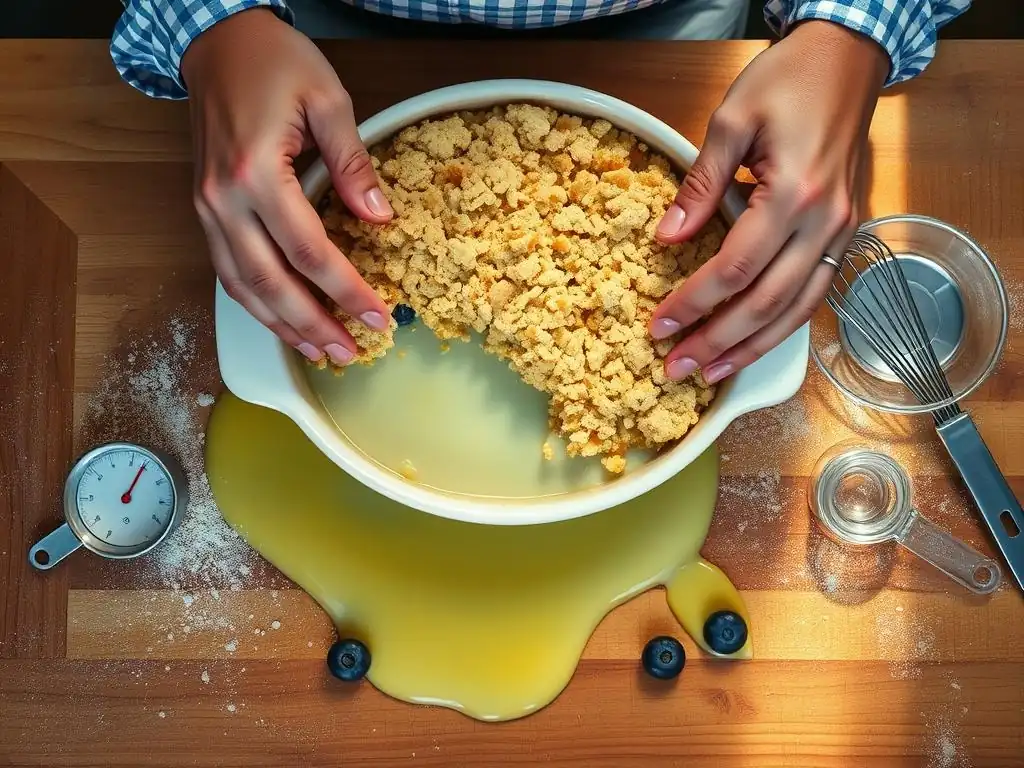
Welcome to BakeWithEase, your trusted guide to baking bliss! Ever wondered how to fix runny desserts and salvage that perfectly envisioned fruit pie or cobbler? Don't despair! We're diving deep into the secrets behind achieving that ideal consistency. Uncover the simple solutions and ingredient insights that will transform your baking from frustrating to fabulous. Get ready to conquer runny fruit desserts once and for all – the delicious details await!
- Troubleshooting Runny Fruit Desserts Made Easy: BakeWithEase Guide
- Why Are My Fruit Desserts Runny? Understanding Common Causes
- How to Fix Runny Fruit Desserts: Practical Solutions for Perfect Baking
- Preventing Runny Fruit Desserts: Proactive Baking Techniques
- Salvaging Runny Fruit Desserts: Rescue Techniques
- Mastering Fruit Desserts: Avoiding Common Baking Mistakes
-
Frequently Asked Questions
- What causes fruit desserts to be runny?
- How can I prevent fruit desserts from becoming runny in the first place?
- What are some common thickening agents I can use to fix a runny fruit dessert?
- How do I adjust the baking time to avoid a runny fruit dessert?
- Can I fix a runny fruit dessert after it's already been baked?
- Final Reflection: The Sweet Science of Saving Soggy Sweets
- Rescue Your Runny Desserts!
Troubleshooting Runny Fruit Desserts Made Easy: BakeWithEase Guide
There's nothing quite as disheartening as pulling a beautiful fruit pie, crumble, or tart out of the oven, only to find the filling is a watery mess. Runny fruit desserts are a common frustration for bakers, turning a potentially delightful treat into something more like a soup. But don't despair! Understanding the reasons behind this issue and knowing how to fix runny desserts can dramatically improve your baking results.
This BakeWithEase guide is designed to help you navigate the common pitfalls of baking with fresh fruit. We'll explore why fillings become too liquidy and, more importantly, provide practical, step-by-step solutions to ensure your fruit desserts set up perfectly every time. Mastering these techniques will not only teach you how to fix runny desserts but also how to prevent them in the first place, leading to consistently delicious outcomes.
Why Are My Fruit Desserts Runny? Understanding Common Causes
Before we dive into how to fix runny desserts, it's crucial to understand why they happen. Several factors contribute to an excessively liquid fruit filling, and often it's a combination of these elements working together. Identifying the root cause is the first step towards achieving that perfectly set, luscious fruit filling you're aiming for.
Understanding these causes helps you pinpoint where things might have gone wrong and provides the knowledge needed to effectively troubleshoot and prevent the problem in the future. It's all about mastering the interaction between fruit, heat, and thickeners.
The Role of Fruit in Runny Desserts: Moisture Content Explained
Fruits, especially fresh ones, are packed with natural moisture and pectin. When heated during baking, the cell walls of the fruit break down, releasing this liquid. Berries like strawberries and raspberries, for instance, can be up to 90% water, and they release a significant amount when cooked. Even apples, while firmer, still contain a substantial amount of water, typically ranging from 80% to 85%. This released liquid is the primary source of runniness in fruit fillings.
Different fruits release moisture at different rates and in varying quantities. A pie made with fresh blueberries will inherently release more liquid than one made with firmer apples or peaches. The natural sugars in the fruit also contribute to the liquid state as they dissolve. Effectively managing this natural moisture release is key to learning how to fix runny desserts and achieving the desired texture.
Inadequate Thickening Agents: A Common Culprit
Thickening agents are the heroes of fruit fillings, designed specifically to absorb excess moisture and create a cohesive texture. However, using too little thickener, or the wrong type of thickener for the specific fruit and recipe, is a very common reason for runny desserts. If the amount of starch or other thickener isn't sufficient to absorb all the liquid released by the fruit during baking, the filling will remain loose and watery.
Many recipes provide a general guideline for thickener amounts, but the actual moisture content of fruit can vary significantly based on ripeness, variety, and even storage conditions. For example, a recipe calling for 2 tablespoons of cornstarch for an apple pie might be perfectly adequate for firm Granny Smiths but completely insufficient for juicy Honeycrisps or a mix of softer apple varieties, resulting in a runny filling. Learning to adjust thickeners is a fundamental step in how to fix runny desserts.
Oven Temperature and Baking Time: Impact on Dessert Consistency
The oven temperature and baking time play a critical role in how well your fruit filling sets. Baking at too low a temperature for too short a time means the filling may not reach the temperature required for the thickener to activate and do its job properly. Most starches, like cornstarch, need to reach a near-boiling point (around 200-212°F or 93-100°C) to fully thicken liquids. If the internal temperature of the filling doesn't get hot enough or stay hot long enough, the starches won't gelatinize, leaving the filling runny.
Conversely, baking at too high a temperature can cause the crust or topping to brown too quickly before the filling has had adequate time to heat through and thicken. The edges might look done, but the center remains cool and liquidy. Proper baking time also allows some of the excess moisture to evaporate, further contributing to a thicker consistency. Mastering the oven is crucial when figuring out how to fix runny desserts.
Fruit Ripeness and its Effect on Dessert Texture
The ripeness of the fruit you use significantly impacts its moisture content and structure. Overripe fruit is generally softer, contains more natural sugars (which can draw out more liquid), and has cell walls that break down more easily when heated, releasing more juice. For instance, using very ripe, soft peaches will almost certainly yield a juicier, potentially runnier filling than using slightly firmer, less ripe ones.
Using a mix of ripeness levels can also be tricky. While some recipes benefit from the sweetness of ripe fruit, relying solely on overripe fruit without adjusting thickeners or preparation methods is a recipe for runniness. Paying attention to the state of your fruit is an often-overlooked but important factor when troubleshooting how to fix runny desserts.
How to Fix Runny Fruit Desserts: Practical Solutions for Perfect Baking
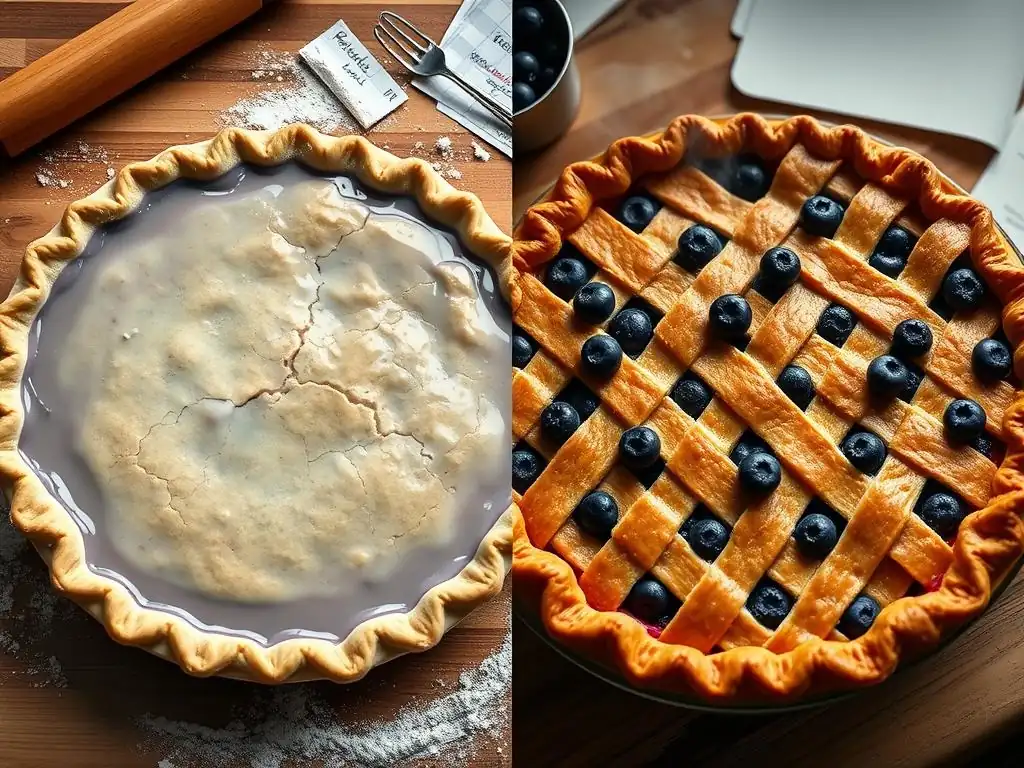
Now that we understand the common causes, let's get to the practical solutions. Learning how to fix runny desserts involves implementing techniques that either manage the fruit's moisture, enhance the filling's ability to thicken, or optimize the baking process itself. These methods can be used individually or in combination for the best results.
Applying these solutions proactively during preparation is the most effective approach. However, some of these techniques can also be adapted for salvaging a dessert that turned out runnier than expected. Let's explore the key strategies to achieve that ideal, scoopable fruit filling.
Solution 1: Adjusting Thickening Agents for Fruit Desserts
The most direct way to combat excess moisture is by using the correct amount and type of thickener. Many bakers err on the side of caution, using too little thickener, but a slightly thicker filling is far preferable to a watery one. This is often the first place to look when trying to figure out how to fix runny desserts.
It's important to consider the specific fruit you're using. High-moisture fruits like berries require more thickener than lower-moisture fruits like apples. Don't be afraid to slightly increase the amount recommended in a recipe if you know you're working with particularly juicy fruit or a variety known for releasing a lot of liquid.
Choosing the Right Thickener: Cornstarch, Tapioca, Flour Comparison
Different thickeners behave differently when heated.
- Cornstarch: A very common and effective thickener. It provides a clear, glossy finish and sets up firmly. It requires relatively high heat (near boiling) to activate fully. A typical ratio might be 1-2 tablespoons per cup of fruit filling liquid. However, cornstarch can break down if overcooked or frozen and thawed, potentially leading to a less stable filling over time.
- Tapioca Starch (or Pearl Tapioca): Also provides a clear, glossy finish but creates a slightly softer gel than cornstarch. It thickens at a lower temperature than cornstarch and is more stable when frozen and thawed. Fine or instant tapioca can be used directly, while larger pearls require soaking. A common ratio is 1.5-2.5 tablespoons of instant tapioca per cup of liquid.
- All-Purpose Flour: A less potent thickener than cornstarch or tapioca, requiring about twice the amount for the same thickening power (e.g., 2-3 tablespoons per cup of liquid). Flour gives a more opaque, sometimes slightly cloudy finish. It's often mixed with butter in a roux for savory applications but can be tossed directly with fruit and sugar for pies. It's generally more stable than cornstarch.
Choosing the right thickener depends on the desired texture, clarity, and whether the dessert will be frozen. Knowing the properties of each is key to effectively learning how to fix runny desserts.
How to Properly Measure and Incorporate Thickening Agents
Accurate measurement is crucial. Always level off your measuring spoon when scooping thickeners like cornstarch or flour. For tapioca, follow the specific instructions on the package, as instant and pearl varieties are measured and used differently. Simply adding a spoon of thickener to the fruit isn't enough; it needs to be evenly distributed.
The best way to incorporate dry thickeners (cornstarch, flour, instant tapioca) is to toss them thoroughly with the fruit and sugar before adding the fruit to the pie shell or baking dish. The sugar helps coat the starch particles, preventing clumping and ensuring they are evenly dispersed to absorb the released juices. This step is vital for maximum thickening power and is a fundamental technique when addressing how to fix runny desserts.
Thickening Agent Ratios: Guidelines for Different Fruits
While specific recipes offer ratios, here are some general guidelines to help you gauge the amount needed when trying to fix runny desserts:
- High-Moisture Fruits (Berries, Cherries, Plums): These typically require more thickener. For a standard 9-inch pie (about 6-8 cups of fruit), you might need 4-6 tablespoons of cornstarch, 5-7 tablespoons of instant tapioca, or 6-8 tablespoons of flour.
- Medium-Moisture Fruits (Peaches, Nectarines, Rhubarb): These need a moderate amount. For the same 9-inch pie, consider 3-4 tablespoons of cornstarch, 4-5 tablespoons of instant tapioca, or 5-6 tablespoons of flour.
- Lower-Moisture Fruits (Apples, Pears): These generally require less. For a 9-inch pie, 2-3 tablespoons of cornstarch, 3-4 tablespoons of instant tapioca, or 4-5 tablespoons of flour is often sufficient.
These are starting points, and you may need to adjust based on the specific fruit variety and your experience. When in doubt, err slightly on the side of more thickener, especially for fruits known to be very juicy. This adjustment is a powerful tool in your arsenal of how to fix runny desserts.
Solution 2: Pre-Cooking Fruit to Reduce Excess Moisture
Pre-cooking the fruit before adding it to your pie or tart shell is a highly effective method for controlling excess moisture, particularly with very juicy fruits. This process allows a significant amount of liquid to evaporate before baking, ensuring a less watery filling from the start. It's a technique often used by professional bakers specifically to avoid the problem of how to fix runny desserts later.
Pre-cooking also helps soften firmer fruits slightly, ensuring they are perfectly tender after baking. This method provides more control over the final consistency of your filling and can make a noticeable difference in the outcome of your fruit desserts.
The Benefits of Pre-Cooking Fruits Before Baking
Pre-cooking offers several advantages. Firstly, it allows you to see exactly how much liquid the fruit will release and reduce it accordingly. You can simmer the fruit mixture until the juices have thickened naturally or evaporated to a desired consistency. This takes the guesswork out of how much thickener is truly needed.
Secondly, pre-cooking ensures the fruit is evenly cooked and tender before it goes into the oven, which is especially beneficial for fruits that take longer to soften, like firm apples. It also means the filling is already hot when it enters the pie shell, reducing the overall baking time required for the filling to reach its thickening temperature in the oven. This proactive step is a smart strategy for anyone learning how to fix runny desserts before they happen.
Best Fruits to Pre-Cook for Preventing Runny Desserts
Pre-cooking is particularly beneficial for fruits that release a large amount of juice or those that are very firm.
- High-Moisture Fruits: Berries (blueberries, raspberries, blackberries), cherries, and plums are excellent candidates for pre-cooking. Simmering these fruits for 5-10 minutes, allowing some liquid to evaporate, makes a significant difference.
- Firm Fruits: Apples and pears can also benefit, especially if you like a very tender fruit filling. Pre-cooking them slightly helps ensure they are soft by the time the crust is perfectly golden.
While you can pre-cook almost any fruit, it's less necessary for fruits like peaches or rhubarb, which soften easily and where you might prefer a fresher texture. Focusing on the juiciest culprits is a targeted approach to how to fix runny desserts.
Techniques for Pre-Cooking Fruit: Stovetop vs. Microwave
Two common methods for pre-cooking fruit fillings are the stovetop and the microwave.
- Stovetop: Combine the fruit, sugar, thickener (often only a portion initially), and any flavorings in a saucepan. Cook over medium heat, stirring gently, until the fruit softens slightly and the juices thicken. This typically takes 5-15 minutes depending on the fruit and quantity. You can then cool the mixture before adding it to your pie shell. This method offers the most control over the consistency.
- Microwave: Place the fruit, sugar, and thickener in a microwave-safe dish. Cook on high power in 2-3 minute intervals, stirring between each interval, until the fruit softens and releases juices, and the mixture begins to thicken. This is a faster method, taking maybe 5-8 minutes total for a standard pie filling quantity, but offers less precise control than the stovetop.
Both methods effectively reduce excess moisture and are valuable techniques in the quest for how to fix runny desserts.
Solution 3: Optimizing Oven Temperature and Baking Time
Even with perfectly prepared fruit and thickeners, baking conditions can make or break your fruit dessert's consistency. The oven isn't just for cooking the crust; it's essential for activating the thickeners and allowing moisture to evaporate from the filling. Getting this right is a key part of how to fix runny desserts.
Ensuring the filling reaches and maintains the correct internal temperature for long enough is just as important as the ingredients themselves. Don't rush the baking process, especially with deep-dish pies or large tarts.
Finding the Sweet Spot: Ideal Oven Temperature for Fruit Desserts
Most fruit pies and tarts are baked at temperatures between 375°F and 425°F (190°C and 220°C). A common strategy is to start at a higher temperature (like 400°F or 425°F) for the first 15-20 minutes. This helps set the crust quickly and gives the filling a head start on heating up.
After the initial high-heat period, the temperature is often reduced to 375°F or 350°F (190°C or 175°C) for the remainder of the baking time. This allows the filling to continue cooking and thickening without the crust burning. This two-stage temperature approach is highly effective in ensuring both the crust is golden and the filling is properly set, directly addressing how to fix runny desserts through baking technique.
Baking Time Adjustments for Different Types of Fruit Fillings
The total baking time will vary significantly based on the type and amount of fruit, the size and depth of the dessert, and the type of crust or topping. A standard 9-inch double-crust pie might take 45-75 minutes, while a shallow tart might take only 30-40 minutes.
Crucially, you need to bake the dessert until the filling is visibly bubbling vigorously not just around the edges, but also in the center. This bubbling indicates that the filling has reached the necessary temperature (around 200-212°F or 93-100°C) for starch thickeners to activate fully. If you pull the dessert out too early because the crust looks done, the center filling likely hasn't reached the thickening point, resulting in runniness. Be patient – achieving this vigorous bubble is essential for how to fix runny desserts.
Using a Thermometer to Ensure Proper Doneness and Avoid Runny Centers
For ultimate certainty that your filling is adequately thickened, use an instant-read thermometer. Gently insert the thermometer into the center of the fruit filling through a vent hole or crack in the crust. The filling should register at least 200°F (93°C), and ideally closer to 210°F (99°C), for starch thickeners to be fully activated.
This is the most reliable way to know if your fruit filling is cooked through and has reached the necessary temperature to set. Relying solely on visual cues like crust color can be misleading. Using a thermometer is a foolproof method for ensuring your filling isn't runny and is a technique highly recommended for anyone serious about mastering how to fix runny desserts.
Solution 4: Selecting Fruits with Lower Moisture Content
Sometimes, preventing runniness starts with the fruit selection itself. While you may have a specific dessert in mind, understanding which fruits are naturally lower in moisture can help you choose wisely or adjust your approach when using juicier varieties. This proactive step is a simple way to reduce the likelihood of needing to know how to fix runny desserts later.
Fruits vary widely in their water content and pectin levels. Pectin, a natural gelling agent, is present in varying amounts and can help thicken fillings, but it's often not enough on its own, especially with high-moisture fruits.
Identifying Fruits That Contribute to Runny Desserts
Fruits notorious for releasing a lot of liquid when baked include:
- Strawberries (up to 90% water)
- Raspberries (up to 85% water)
- Blackberries (up to 88% water)
- Cherries (up to 82% water)
- Plums (up to 87% water)
While delicious, these fruits require careful handling, often needing more thickener or benefiting greatly from pre-cooking compared to firmer fruits. Using these fruits means you'll be more likely to need strategies for how to fix runny desserts if not prepared properly.
Substituting High-Moisture Fruits with Lower-Moisture Alternatives
If you're struggling with a consistently runny filling using a high-moisture fruit, consider substituting it partially or entirely with a lower-moisture option.
- Lower-Moisture Fruits: Apples (80-85% water, higher pectin in some varieties), pears (80-84% water), and firm peaches (about 88% water, but less prone to releasing excessive liquid if not overripe) are generally less likely to yield runny fillings.
For example, if a pure strawberry pie is always watery, try a strawberry-rhubarb pie (rhubarb is fibrous and contains less free-flowing water) or an apple-strawberry pie. This strategic substitution is an effective preventative measure against having to learn how to fix runny desserts.
Combining Different Fruits for Balanced Texture and Flavor
Combining fruits is an excellent way to balance moisture levels, texture, and flavor. Pairing a high-moisture fruit with a lower-moisture or higher-pectin fruit can naturally help the filling set better.
Classic combinations like apple-blackberry or strawberry-rhubarb work well not just for flavor but also because the apple or rhubarb helps absorb or balance the moisture from the berries or strawberries. This technique leverages the properties of different fruits to create a more stable filling from the outset, reducing the need for intervention on how to fix runny desserts. Aim for a mix where at least half the fruit volume comes from lower-moisture or firmer varieties if runniness is a persistent issue.
Preventing Runny Fruit Desserts: Proactive Baking Techniques
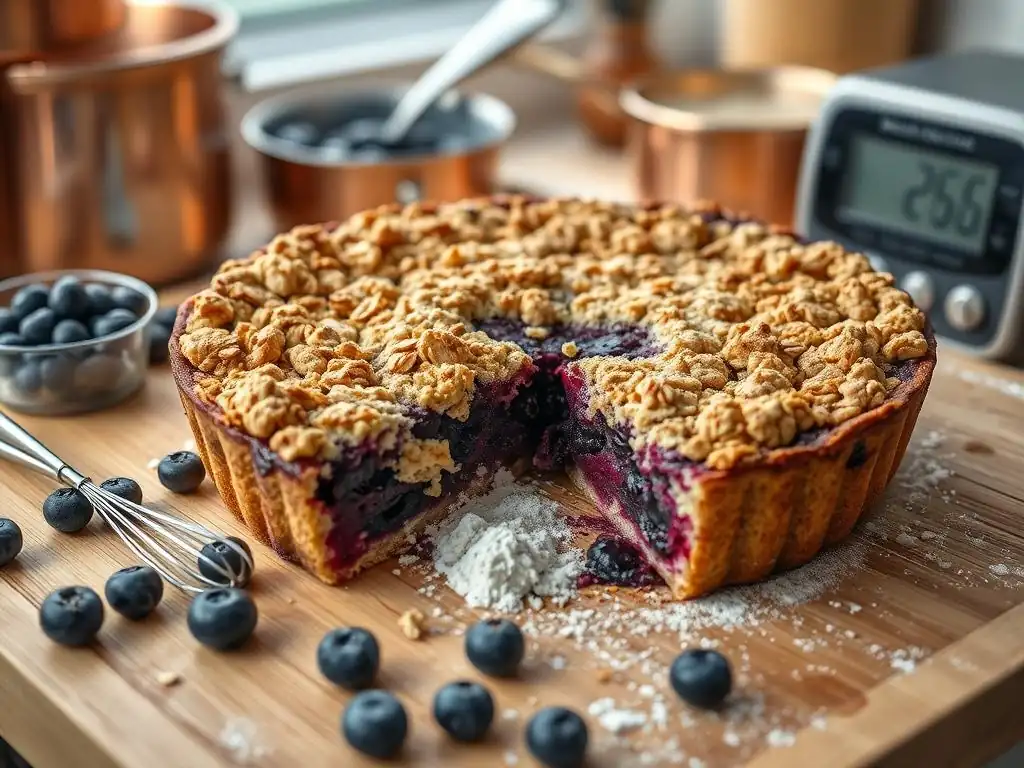
Prevention is always better than cure, especially in baking. By implementing a few proactive techniques during your preparation, you can significantly reduce the chances of ending up with a runny fruit dessert. These steps focus on managing moisture and ensuring your thickeners are set up for success. Mastering these preventative measures is the ultimate goal of learning how to fix runny desserts – you won't have to!
These best practices are simple additions to your baking routine but yield powerful results in achieving perfectly set fruit fillings time after time.
Best Practices for Handling Fruit in Baking
- Wash and Dry Thoroughly: Excess surface moisture from washing adds to the liquid in your filling. Always wash fruit ahead of time and let it drain completely, or gently pat it dry with paper towels before slicing or dicing.
- Slice Uniformly: Cutting fruit into relatively uniform pieces ensures they cook evenly. If some pieces are tiny and others large, the small ones will break down and release their liquid much faster, potentially leading to localized runniness.
- Don't Over-Sweeten: While sugar is necessary for flavor and helps draw out some moisture initially, excessive sugar can sometimes hinder the thickening process or make the filling seem thinner. Stick to recipe guidelines or adjust based on the sweetness of the fruit itself.
- Let it Rest: After tossing fruit with sugar and thickener, let it sit for 10-15 minutes before assembling. This allows the sugar to draw out some liquid, which then combines with the thickener, giving it a head start on absorption before baking.
Tips for Achieving the Perfect Fruit Dessert Consistency
Here are some actionable tips to help you achieve that ideal set:
- Blind Baking: For pies and tarts, partially or fully blind baking the crust before adding the filling prevents a soggy bottom and gives the filling a hotter base to cook on, aiding in thickening.
- Vent Your Pies/Tarts: Cut vents in the top crust of pies or make slits in tarts. These openings allow steam (excess moisture) to escape during baking, helping the filling concentrate and thicken.
- Bake Until Bubbly: As mentioned earlier, always bake fruit desserts until the filling is visibly bubbling vigorously across the entire surface, not just the edges. This is the most reliable visual cue that your thickeners have activated.
- Cool Completely: Fruit fillings continue to thicken as they cool. Cutting into a pie or tart while it's still hot or warm is a guaranteed way to get a runny slice, even if it would have set up perfectly when fully cooled. Allow pies to cool for at least 2-3 hours, and tarts for 1-2 hours, ideally at room temperature.
Recipes and Ingredient Ratios to Avoid Runny Fruit Desserts
Look for recipes that specifically address moisture control, perhaps by calling for pre-cooking or suggesting specific thickener amounts for different fruits. Pay close attention to the recommended thickener ratios. For instance, a reliable blueberry pie recipe might call for 1/2 cup of sugar mixed with 4 tablespoons of cornstarch for 6 cups of blueberries. A similar apple pie recipe might use only 2 tablespoons of cornstarch for 8 cups of sliced apples.
Don't be afraid to slightly increase the thickener amount in a trusted recipe if you know the fruit you're using is particularly juicy or if you've had runniness issues with that recipe before. Keeping notes on your adjustments and results is a great way to hone your ratios over time, helping you master how to fix runny desserts before they ever happen.
Salvaging Runny Fruit Desserts: Rescue Techniques
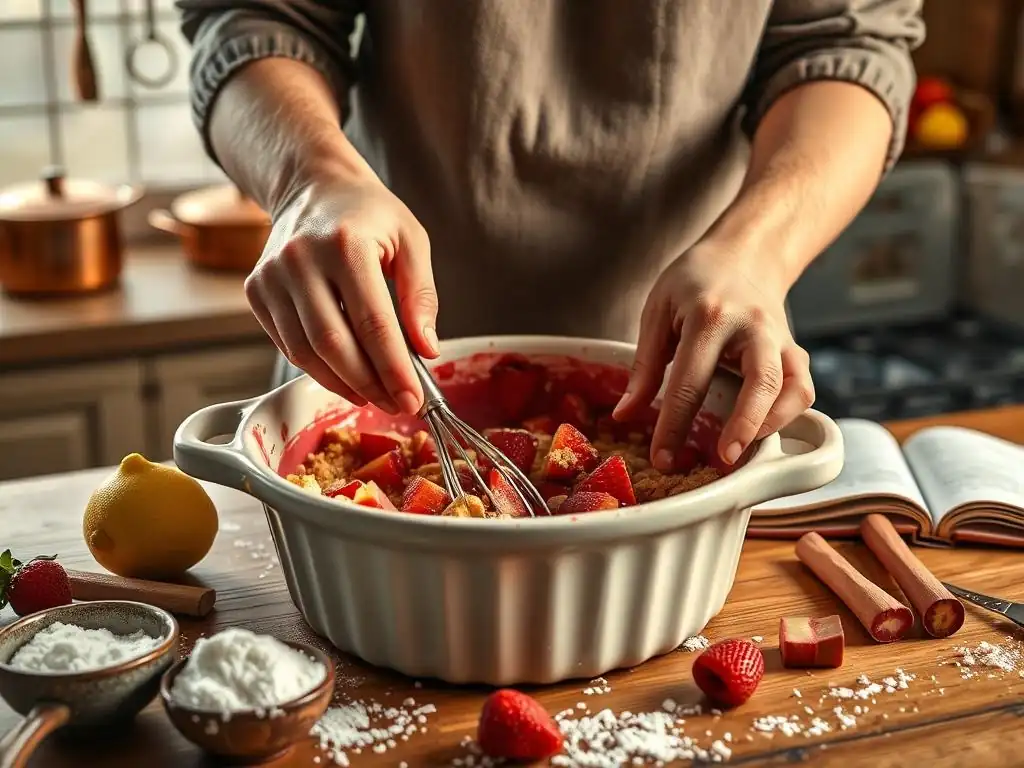
Even with the best intentions and preventative measures, sometimes a fruit dessert still turns out runnier than desired. Don't throw it away! A runny filling doesn't mean the dessert is ruined; it just means it needs a little transformation. Learning how to fix runny desserts after they're baked involves repurposing the delicious components into something new.
These rescue techniques turn a baking mishap into a different, but equally delightful, treat. It's all about creativity and minimizing waste in the kitchen.
Turning a Runny Pie into a Fruit Cobbler
If your fruit pie filling is too runny after baking and cooling, you can easily turn it into a delicious cobbler. Scoop the runny filling (fruit and all the excess juice) into a baking dish or individual ramekins. Top the fruit with a simple biscuit or scone-like cobbler topping batter or dough.
Bake the cobbler at around 375°F (190°C) until the topping is golden brown and the fruit filling is bubbling around the edges. The heat will help reduce the liquid further, and the topping provides a different texture experience. This is a fantastic way to salvage a runaway pie filling and turn it into a comforting dessert.
Transforming a Runny Tart into a Crumble Topping
Similar to the cobbler rescue, a runny tart can often be repurposed into a fruit crumble or crisp. If the tart shell is too soggy to save, simply discard it. Scoop the runny fruit filling into a baking dish.
Prepare a simple crumble topping (flour, sugar, butter, and often oats or nuts). Sprinkle the crumble topping generously over the runny fruit filling. Bake at 375°F (190°C) until the topping is golden and crisp and the fruit filling is bubbling. The crumble topping doesn't require the filling to set up as firmly as a pie or tart, making this an easy fix.
Other Creative Ways to Repurpose Runny Fruit Desserts
Beyond cobblers and crumbles, there are other delicious ways to use runny fruit fillings:
- Sauce or Topping: The runny filling can be used as a warm sauce or topping for ice cream, yogurt, pancakes, waffles, or even cheesecake.
- Compote: Simmer the runny filling on the stovetop for a bit longer to reduce and thicken it into a compote. You can add a touch more thickener if needed. Store in the fridge and use as a spread or topping.
- Fruit Bars: Layer the runny filling between a bottom crust and a crumble or streusel topping in a rectangular pan. Bake until set. The higher ratio of crust/topping to filling helps absorb excess moisture.
- Smoothie Ingredient: Blend the cooled runny fruit filling into smoothies for extra flavor and sweetness.
These creative solutions ensure that your delicious fruit isn't wasted, even if the original dessert didn't turn out exactly as planned. Knowing how to fix runny desserts doesn't always mean fixing the original form!
Mastering Fruit Desserts: Avoiding Common Baking Mistakes
Achieving consistently perfect fruit desserts requires practice and attention to detail. While we've covered the main culprits for runniness, let's recap and look at mastering the overall process. Learning how to fix runny desserts is part of a larger journey to becoming a confident fruit baker.
By understanding the science behind baking with fruit and implementing careful techniques, you can elevate your results and bake with ease.
Overcoming Challenges in Baking with Fresh Fruit
Working with fresh fruit presents unique challenges compared to using canned or frozen fruit (which often have excess liquid removed or require thawing and draining). Fresh fruit's moisture content varies, its sweetness changes with ripeness, and its structure breaks down when heated.
The key is to anticipate these changes. Assume fresh fruit will release a good amount of liquid. Be prepared to adjust thickeners based on the specific fruit and its ripeness. Don't rely solely on visual cues; use temperature to confirm doneness. Embracing the variability of fresh ingredients is part of the art.
Troubleshooting Common Fruit Dessert Problems
Beyond runniness, other common issues include soggy bottoms, burnt crusts, or unevenly cooked fruit.
- Soggy Bottoms: Often caused by a filling that's too wet, not baking long enough, or not blind baking the crust. Ensuring the filling isn't runny (by using adequate thickener and baking fully) is the primary fix. Blind baking provides a protective layer.
- Burnt Crusts: Occurs when the crust browns before the filling is done. Use pie shields or wrap the edges of the pie crust with foil once they are golden brown to protect them for the remainder of the baking time. Using the two-stage temperature method (start high, then lower) also helps.
- Unevenly Cooked Fruit: Usually due to uneven slicing or not baking long enough. Ensure fruit pieces are roughly the same size. Using a thermometer confirms the center is hot enough for all the fruit to soften.
Addressing runniness (how to fix runny desserts) often helps solve other related problems like soggy bottoms.
BakeWithEase: Your Guide to Perfect Fruit Desserts Every Time
At BakeWithEase.com, our goal is to empower you with the knowledge and techniques to bake confidently and successfully. Mastering fruit desserts, including learning how to fix runny desserts and prevent them, is a rewarding part of the baking journey.
By focusing on understanding your ingredients, using thickeners correctly, optimizing your baking process, and not being afraid to troubleshoot, you can achieve consistently delicious results. Don't let a runny filling discourage you! With these tips and techniques, you're well on your way to baking beautiful, perfectly set fruit pies, tarts, crumbles, and more. Happy baking!
Frequently Asked Questions
What causes fruit desserts to be runny?
The primary cause is often excess moisture from the fruit itself. This can be due to overripe fruit, inadequate draining, or improper thickening. Baking time also plays a role.
How can I prevent fruit desserts from becoming runny in the first place?
Use fresh, firm fruit and be sure to drain it thoroughly before adding it to your recipe. Adding a thickening agent like cornstarch or tapioca flour is essential.
What are some common thickening agents I can use to fix a runny fruit dessert?
Common thickening agents include cornstarch, tapioca flour, and all-purpose flour. Start with a small amount and gradually add more until the desired consistency is reached. Lemon juice can also help set some fruit desserts.
How do I adjust the baking time to avoid a runny fruit dessert?
Sufficient baking time is crucial for allowing the thickening agent to activate and for excess moisture to evaporate. Use a thermometer to ensure the filling reaches the appropriate temperature. Overbaking can also cause issues, so monitor carefully.
Can I fix a runny fruit dessert after it's already been baked?
Yes, you can often fix a runny dessert after baking! Gently reheat it in a saucepan on the stovetop with a slurry of cornstarch and water. This will help to thicken the filling.
Final Reflection: The Sweet Science of Saving Soggy Sweets
The battle against runny desserts is a culinary crusade fought daily in kitchens worldwide. From the dreaded weeping pie to the disappointingly liquid jam tart, the struggle is real. This article has armed you with the knowledge and techniques to conquer this common confectionery catastrophe, transforming potential disasters into delightful treats.
The quest for the perfect texture in desserts speaks to a deeper human desire for control and mastery over the culinary arts. It's about more than just avoiding a soggy bottom; it's about the satisfaction of transforming ingredients into something beautiful and delicious. As Julia Child wisely said, A party without cake is just a meeting.
And a runny cake? Well, that's just a meeting gone wrong. This article aims to prevent such meetings, ensuring every gathering is a celebration of perfectly textured sweets.
Now, it's your turn. Take the lessons learned here – from understanding the role of pectin to mastering the art of chilling – and apply them to your next baking adventure. Don't let a runny dessert defeat you; instead, embrace the challenge, experiment with different techniques, and discover the joy of creating perfectly textured treats that will impress your friends and family, and most importantly, yourself. The sweet taste of success awaits!
Rescue Your Runny Desserts!
Thanks for taking the time to learn how to tackle those frustratingly runny fruit desserts! We hope you gained some valuable tips and tricks. Now it's time to put your newfound knowledge into practice.
- Try one of the suggested fixes from the article today: Choose a recipe you've already made that turned out runny and give it another shot, using our advice to prevent future failures!
- Share your successes (or even your fails!) with other bakers in the comments below. Let's learn from each other!
- Experiment with a new fruit dessert recipe this weekend: Challenge yourself to create something delicious and perfectly set.
Ready to transform your baking game? What's the first runny dessert recipe you're going to conquer?