
Simple Vanilla Glaze for Cakes and Cupcakes

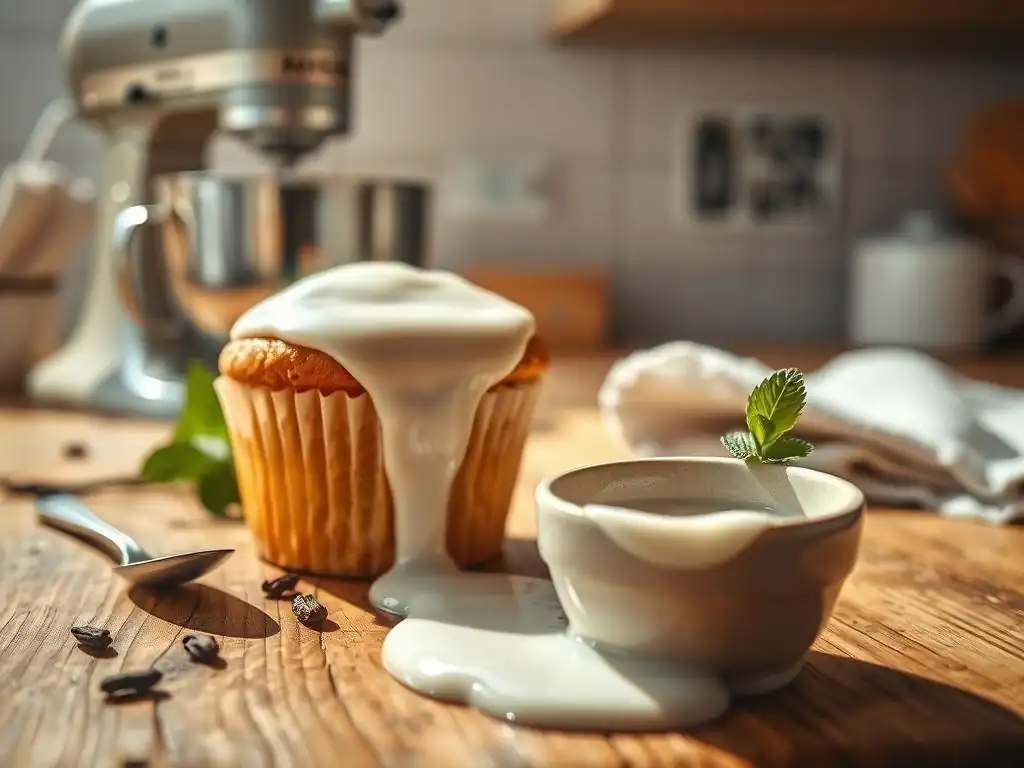
Welcome to BakeWithEase, your trusted companion in the delightful world of baking! Ever wondered how to achieve that perfect, glossy finish on your cakes and cupcakes? Dive in and discover our easy vanilla glaze recipe, a simple yet transformative technique that will elevate your pastry creations to the next level. Get ready to unlock the secrets to a flawless, delectable glaze that's easier to make than you think – let's get baking!
- Simple Vanilla Glaze for Cakes and Cupcakes - BakeWithEase
- The Perfect Easy Vanilla Glaze Recipe for Your Baked Treats
- Why This Easy Vanilla Glaze Recipe Works
- Ingredients for Your Simple Vanilla Glaze
- Step-by-Step Guide: Making the Easy Vanilla Glaze
- Applying Your Vanilla Glaze: Techniques and Tips
- Vanilla Glaze Variations: Level Up Your Baking
- Storing Your Easy Vanilla Glaze
- Perfect Pairings: Cakes and Cupcakes for Vanilla Glaze
- Enjoy Your Effortless Vanilla Glazed Creations!
-
Frequently Asked Questions
- What are the key ingredients in an easy vanilla glaze recipe from BakeWithEase.com?
- Can I adjust the thickness of the vanilla glaze if it's too runny or too thick?
- What types of baked goods does BakeWithEase recommend using their simple vanilla glaze on?
- How long does the easy vanilla glaze last once it's been prepared?
- What makes BakeWithEase's vanilla glaze recipe different from other glazes I might find online?
- Final Reflection: The Enduring Allure of a Simple Glaze
- Unlock Your Inner Baker: Glaze Your Way to Deliciousness!
Simple Vanilla Glaze for Cakes and Cupcakes - BakeWithEase
The Perfect Easy Vanilla Glaze Recipe for Your Baked Treats
A simple vanilla glaze is the unsung hero of many desserts. It adds a touch of sweetness, a beautiful sheen, and elevates even the most basic cake or cupcake into something special. Forget complicated frostings; this easy vanilla glaze recipe is quick, requires minimal ingredients, and delivers consistently delicious results. Whether you're a beginner baker or looking for a reliable go-to, this recipe is about to become your best friend in the kitchen.
This versatile vanilla glaze is perfect for drizzling over pound cakes, coating cupcakes, or adding a sweet finish to scones. Its smooth texture and classic flavor complement a wide range of baked goods without overpowering them. Learning this simple technique opens up a world of possibilities for enhancing your homemade treats with just a few minutes of effort.
Why This Easy Vanilla Glaze Recipe Works
This easy vanilla glaze recipe is a favorite for several compelling reasons that align perfectly with the BakeWithEase philosophy. It's incredibly fast to prepare, highly adaptable to various baked goods, and reliably produces a smooth, appealing finish. The simplicity of the ingredients and method ensures that anyone, regardless of their baking experience level, can achieve excellent results on their first try.
Furthermore, this vanilla glaze offers a clean, sweet flavor that pairs beautifully with a multitude of cake and pastry bases. Unlike heavy buttercream, it provides a lighter sweetness and a satisfyingly thin coating that doesn't hide the texture or flavor of the baked item itself. It sets slightly as it cools, providing a firm yet yielding surface that's easy to handle and visually appealing.
Quick and Simple Vanilla Glaze: Ready in Minutes
One of the primary advantages of this easy vanilla glaze recipe is its speed. From gathering ingredients to having a finished glaze ready to apply, the entire process typically takes less than 5 minutes. This makes it an ideal choice for busy bakers or when you need a last-minute addition to your baked goods. The minimal preparation involves simply measuring and whisking ingredients together.
Compared to making a traditional frosting, which might involve creaming butter, sifting large quantities of sugar, and potentially using a mixer for several minutes, this glaze is significantly faster. A typical batch uses about 1 to 2 cups of confectioners' sugar, a few tablespoons of liquid, and a splash of vanilla extract. Whisking these together by hand takes mere moments, making it genuinely achievable even when you're short on time.
Versatile Vanilla Glaze: Ideal for Cakes, Cupcakes, and Scones
The adaptability of this vanilla glaze is another key benefit. While it's often associated with cakes and cupcakes, its consistency and flavor profile make it suitable for a wide array of baked items. It's excellent for drizzling over loaf cakes, bundt cakes, or sheet cakes, providing a simple yet elegant finish.
Beyond cakes, this glaze is fantastic on cupcakes, offering a lighter alternative to buttercream. It can be dipped, drizzled, or spread thinly. It also complements scones, muffins, and even some cookies, adding a touch of sweetness and moisture. For example, a plain scone transforms into a delightful treat with a simple drizzle of this glaze, adding just enough sweetness without being heavy, unlike a thick frosting.
Achieve a Smooth and Shiny Vanilla Glaze Every Time
Achieving a smooth and shiny finish is a hallmark of a great glaze, and this easy vanilla glaze recipe delivers consistently. The key lies in using confectioners' sugar (also known as powdered sugar or icing sugar) because its finely ground texture dissolves easily, creating a smooth consistency. When mixed with a small amount of liquid, it forms a thick, pourable mixture that hardens slightly as it dries, leaving a beautiful gloss.
The ratio of sugar to liquid is crucial for controlling the consistency and shine. A thicker glaze will be more opaque and set firmer, while a thinner glaze will be more translucent and create a delicate drizzle. Getting the ratio right, often around 1 cup of sugar to 1-2 tablespoons of liquid, ensures the sugar dissolves properly, minimizing graininess and maximizing that desirable shiny finish as it sets.
Ingredients for Your Simple Vanilla Glaze
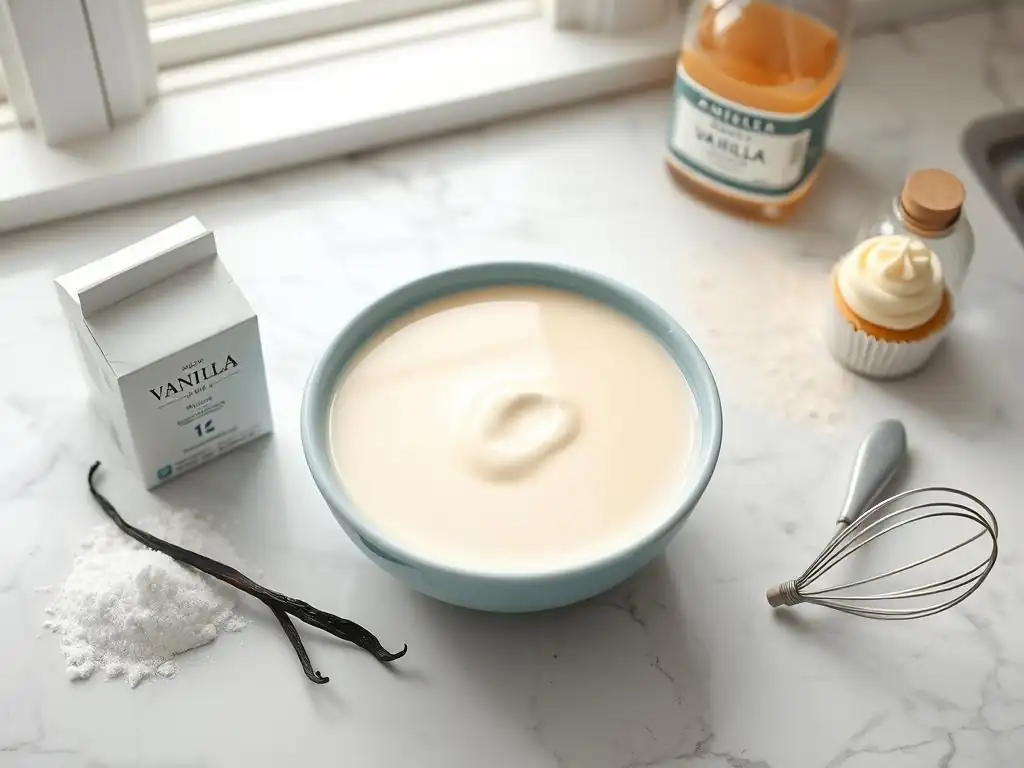
Making this easy vanilla glaze recipe requires just a few common pantry staples. The beauty of it lies in the simplicity – you likely have everything you need on hand right now. The core ingredients are confectioners' sugar, liquid (milk or water), and vanilla extract.
Using high-quality vanilla extract can make a noticeable difference in the final flavor, adding a rich, aromatic depth. While imitation vanilla works, pure vanilla extract provides a more authentic and robust taste. Always check the expiration dates on your ingredients, especially the confectioners' sugar, to ensure freshness and optimal results.
Essential Ingredients for the Best Vanilla Glaze
The foundation of this glaze is confectioners' sugar, which provides the necessary sweetness and structure. You'll need approximately 1 to 2 cups, depending on how much glaze you plan to make and the desired thickness. Confectioners' sugar is preferred over granulated sugar because its fine particles dissolve quickly and completely, resulting in a smooth glaze free of grittiness.
The liquid component, typically milk or water, is essential for dissolving the sugar and creating a pourable consistency. Whole milk adds a touch of richness and creaminess, while water results in a slightly clearer, brighter glaze. Start with a small amount, usually 1 to 2 tablespoons per cup of sugar, and add more gradually until the desired consistency is reached.
Vanilla Extract: The Key to Vanilla Glaze Flavor
Vanilla extract is the star flavor ingredient in this easy vanilla glaze recipe. It provides the signature warm, sweet, and comforting aroma and taste that makes this glaze so appealing. Using a good quality pure vanilla extract is highly recommended for the best results.
A typical recipe calls for about 1 teaspoon of vanilla extract per cup of confectioners' sugar. However, you can adjust this amount based on your preference for a stronger or subtler vanilla flavor. Adding it towards the end of the mixing process helps preserve its delicate aroma. Some bakers even prefer using vanilla bean paste for visible flecks of vanilla bean and a more intense flavor profile.
Confectioners' Sugar: For a Smooth Vanilla Glaze Texture
Confectioners' sugar, also known as powdered sugar or icing sugar, is the backbone of this easy vanilla glaze recipe. Its incredibly fine texture is what allows it to dissolve so readily in liquid, creating that desirable smooth and lump-free consistency. Using any other type of sugar will not yield the same results.
When measuring confectioners' sugar, it's important to lightly spoon it into your measuring cup and level it off, rather than scooping directly from the bag, which can compact it and result in using too much sugar. While sifting isn't strictly necessary if your sugar is lump-free, a quick sift can help ensure an extra smooth glaze, especially if your sugar has been sitting in the pantry for a while.
Milk or Water: Adjusting the Vanilla Glaze Consistency
The liquid component, whether milk or water, is crucial for achieving the correct consistency of your easy vanilla glaze. The amount of liquid dictates how thick or thin the glaze will be. For a thick, opaque glaze suitable for coating cupcakes, you'll use less liquid (closer to 1 tablespoon per cup of sugar). For a thin, drizzling glaze perfect for a bundt cake, you'll use more liquid (closer to 2 tablespoons or slightly more per cup of sugar).
It's always best to start with the minimum recommended amount of liquid and add more just a few drops at a time, whisking well after each addition, until you reach your desired consistency. This prevents the glaze from becoming too thin too quickly. If you accidentally add too much liquid and the glaze becomes too runny, you can easily thicken it by whisking in a little more confectioners' sugar, about a tablespoon at a time.
Step-by-Step Guide: Making the Easy Vanilla Glaze
Making this easy vanilla glaze recipe is incredibly straightforward, requiring minimal steps. The process is quick and forgiving, perfect for beginners. Follow these simple steps to create a delicious vanilla glaze ready to enhance your baked goods.
The key is to start with the dry ingredient and gradually incorporate the liquids, ensuring everything is thoroughly combined without overmixing. The goal is a smooth, pourable mixture free of any lumps of sugar.
Preparing the Ingredients for Your Vanilla Glaze
Preparation for this easy vanilla glaze recipe is minimal. First, gather your ingredients: confectioners' sugar, liquid (milk or water), and vanilla extract. Measure out the approximate amount of confectioners' sugar you plan to use. For example, if you need enough glaze for a dozen cupcakes, start with 1.5 cups of sugar.
Have your liquid and vanilla extract measured out or ready to add gradually. It's helpful to have a small bowl or pitcher with your liquid so you can easily add just a little bit at a time. Ensure your mixing bowl and whisk are clean and dry.
Mixing the Vanilla Glaze: Achieving the Right Consistency
To mix the glaze, place the measured confectioners' sugar into a medium-sized bowl. Create a small well in the center of the sugar. Add about half of the recommended initial amount of liquid and all of the vanilla extract into the well.
Begin whisking gently, starting from the center and gradually incorporating the sugar from the sides. Continue whisking until a thick paste forms. Gradually add the remaining liquid, a teaspoon or tablespoon at a time, whisking continuously until the mixture is smooth and reaches your desired consistency. For a pourable glaze, it should flow smoothly from the whisk but still be thick enough to coat the back of a spoon. If it's too thick, add a few more drops of liquid; if too thin, whisk in a little more confectioners' sugar.
Tips for a Lump-Free Vanilla Glaze
Achieving a perfectly smooth, lump-free vanilla glaze is simple with a few techniques. The most common cause of lumps is either not whisking thoroughly enough or adding the liquid too quickly. Always add your liquid gradually, allowing the sugar to absorb it and dissolve before adding more.
Whisking vigorously helps break up any small clumps of sugar. If you encounter persistent lumps, you can try pressing them against the side of the bowl with the back of a spoon while whisking. For an extra smooth glaze, especially if your confectioners' sugar is prone to clumping, you can sift the sugar before mixing. A fine-mesh sieve works well for this. Using warm, rather than cold, milk or water can also sometimes help the sugar dissolve more easily.
Applying Your Vanilla Glaze: Techniques and Tips
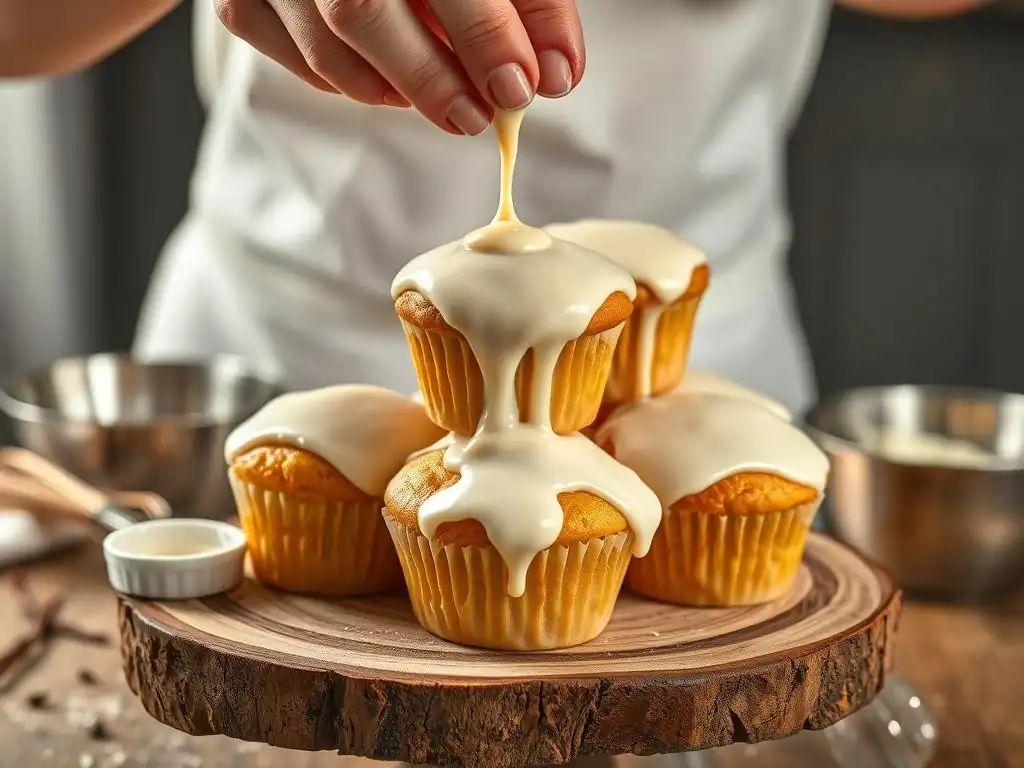
Applying your easy vanilla glaze recipe is where you add the finishing touch to your baked creations. The method of application depends on the type of baked good and the desired look. Whether you're glazing a cake, dipping cupcakes, or drizzling scones, a few simple techniques can help you achieve beautiful results.
Ensure your baked goods are completely cooled before applying the glaze. Applying glaze to warm or hot items will cause it to melt and soak in rather than setting properly on the surface.
Glazing Cakes: Achieving an Even Vanilla Glaze Finish
For cakes, such as bundt cakes, loaf cakes, or sheet cakes, an even drizzle or pour of the vanilla glaze is often desired. Place the cooled cake on a wire rack set over a baking sheet or parchment paper to catch drips.
Using a spoon or a small pitcher, slowly pour or drizzle the glaze over the top of the cake. For a full coating on a bundt cake, start pouring from the center and let the glaze flow down the sides. For a drizzle, move the spoon or pitcher back and forth across the cake in a controlled manner. Allow the glaze to set for about 15-30 minutes at room temperature before moving or slicing the cake.
Glazing Cupcakes: Creative Vanilla Glaze Designs
Glazing cupcakes with this easy vanilla glaze recipe offers opportunities for simple yet creative finishes. The most common method is dipping the top of the cooled cupcake directly into a bowl of glaze. Hold the cupcake by the base, invert it, and dip the top surface into the glaze, twisting slightly. Lift the cupcake and let excess glaze drip back into the bowl before turning it right side up.
Alternatively, you can use a spoon to drizzle the glaze over the cupcake tops for a rustic look. For a slightly thicker layer, you can use a small offset spatula to spread the glaze evenly. Consider adding sprinkles or other decorations immediately after glazing, before the glaze sets.
Glazing Scones: Adding a Touch of Sweetness
Scones benefit wonderfully from a simple drizzle of vanilla glaze, adding just the right amount of sweetness and moisture without making them heavy. Once your scones are completely cooled, arrange them on a wire rack over a baking sheet.
Using a spoon or a piping bag with a small round tip, drizzle the glaze back and forth over the scones. You can cover the entire top or just create a simple pattern of lines. The glaze will set quickly on the porous surface of the scone, creating a slightly sweet crust. This is especially lovely on plain or fruit scones.
Vanilla Glaze Variations: Level Up Your Baking
While the classic easy vanilla glaze recipe is fantastic on its own, it also serves as a perfect base for creative variations. By adding just one or two extra ingredients, you can easily transform the flavor profile and add exciting twists to your baked goods. These variations are just as simple to make as the basic recipe.
Experimenting with different extracts, spices, or even fruit juices can open up a world of new flavor pairings for your cakes, cupcakes, and pastries.
Chocolate Vanilla Swirl Glaze: A Classic Combination
For a delightful twist, you can create a chocolate vanilla swirl glaze. Prepare the basic vanilla glaze as described. In a separate small bowl, whisk together 1-2 tablespoons of unsweetened cocoa powder with a tablespoon or two of hot water or milk until smooth.
Carefully swirl the chocolate mixture into the vanilla glaze using a spoon or toothpick. Do not mix completely; you want distinct swirls. Drizzle this mixture over your cooled baked goods. The combination of classic vanilla and rich chocolate is always a crowd-pleaser, perfect for chocolate cakes or vanilla cupcakes.
Almond Vanilla Glaze: A Nutty Aroma
Introducing almond extract to your easy vanilla glaze recipe adds a wonderful nutty depth that pairs exceptionally well with many flavors, particularly cherry, chocolate, and of course, vanilla itself. Simply replace half of the vanilla extract with almond extract.
For instance, if the recipe calls for 1 teaspoon of vanilla extract, use 1/2 teaspoon of vanilla extract and 1/2 teaspoon of almond extract. Taste and adjust if you prefer a stronger almond flavor. This variation is particularly lovely on cherry almond scones or chocolate almond cupcakes.
Cinnamon Vanilla Glaze: A Warm Spice Infusion
Adding a pinch of cinnamon to your vanilla glaze brings a warm, comforting spice note that is perfect for autumn baking or pairing with apple, pumpkin, or coffee-flavored treats. Whisk about 1/4 to 1/2 teaspoon of ground cinnamon into the confectioners' sugar before adding the liquid and vanilla.
Ensure the cinnamon is well distributed throughout the sugar to avoid clumps of spice in the final glaze. This cinnamon vanilla glaze is fantastic drizzled over apple muffins, pumpkin bread, or a classic coffee cake, enhancing those cozy flavors.
Storing Your Easy Vanilla Glaze
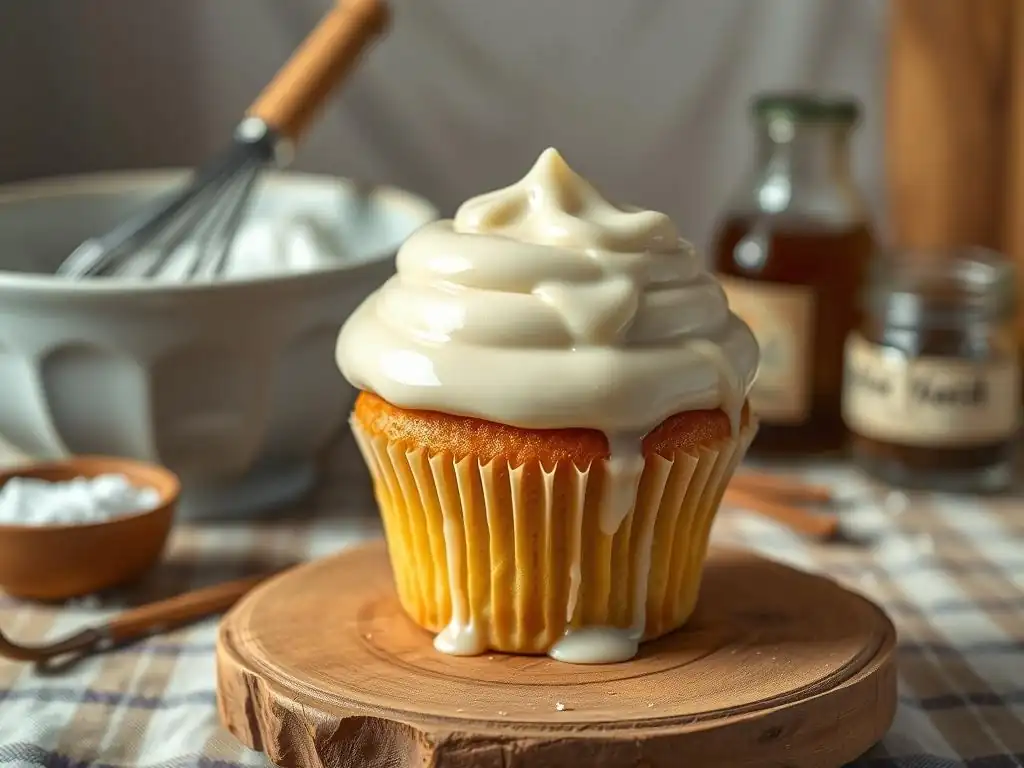
While this easy vanilla glaze recipe is so quick to make that you might prefer to whip up a fresh batch each time, you can store leftover glaze if necessary. Proper storage ensures the glaze remains usable and maintains its quality for future use.
Knowing how to store and potentially reheat the glaze helps minimize waste and makes it convenient to have on hand for spontaneous baking projects or touch-ups.
How to Store Leftover Vanilla Glaze
Leftover vanilla glaze should be stored in an airtight container at room temperature if you plan to use it within a day or two. For longer storage, it's best kept in the refrigerator. Place the glaze in a clean, airtight container and press a piece of plastic wrap directly onto the surface of the glaze before sealing the container.
This prevents a skin from forming on top. Stored in the refrigerator, the glaze can last for up to a week. Be aware that the consistency will thicken significantly when chilled.
Tips for Reheating Vanilla Glaze
If your stored vanilla glaze has thickened too much, especially after refrigeration, you can gently warm it to restore a pourable consistency. The best way to do this is in a microwave-safe bowl in short bursts (10-15 seconds) on low power, stirring well after each burst. Be very careful not to overheat it, as this can cause the sugar to seize or the glaze to become too thin.
Alternatively, you can place the container of glaze in a bowl of warm water for a few minutes, stirring occasionally. Once warmed, you may find you need to add just a tiny splash (a few drops) of milk or water and whisk vigorously to get it back to the desired drizzling or pouring consistency.
Perfect Pairings: Cakes and Cupcakes for Vanilla Glaze
The versatility of this easy vanilla glaze recipe means it pairs beautifully with a wide range of cakes and cupcakes. Its simple, sweet flavor complements both rich and light baked goods, adding a perfect finishing touch.
Consider these classic pairings to showcase your homemade vanilla glaze. The glaze enhances the primary flavor of the baked item without overpowering it.
Classic Vanilla Cake: The Ideal Base for Vanilla Glaze
A classic vanilla cake is perhaps the most natural and perfect pairing for an easy vanilla glaze. The double dose of vanilla enhances the pure, sweet flavor profile, creating a simple yet incredibly satisfying dessert. Whether it's a simple loaf cake, a two-layer round cake, or vanilla cupcakes, the glaze adds moisture and a lovely sheen.
Imagine a tender vanilla pound cake drizzled generously with this glaze – the slightly crisp exterior from the glaze contrasting with the soft crumb of the cake is delightful. A standard vanilla cake recipe yielding one 9x13 inch cake or two 8-inch rounds uses approximately 2-3 cups of flour and 1-1.5 cups of sugar, and this glaze is more than sufficient to cover it beautifully.
Chocolate Cupcakes: Enhanced with Vanilla Glaze
While chocolate frosting is common, a simple vanilla glaze offers a lighter and equally delicious alternative for chocolate cupcakes. The clean sweetness of the vanilla provides a lovely contrast to the deep, rich flavor of the chocolate cake.
Dipping chocolate cupcakes into the vanilla glaze creates a striking visual with the dark cake showing through the semi-translucent glaze. This pairing is excellent for those who find traditional chocolate frosting too heavy or sweet. A batch of 12 standard chocolate cupcakes can be easily glazed with a single batch of this recipe.
Red Velvet Cake or Cupcakes: A Beautiful Finish
Red velvet cake, with its subtle cocoa flavor and vibrant color, is wonderfully complemented by a simple vanilla glaze. While cream cheese frosting is the traditional pairing, a vanilla glaze offers a less rich, yet still sweet and slightly tangy (if using milk) alternative that lets the unique flavor of the red velvet cake shine.
The white or slightly off-white color of the vanilla glaze creates a beautiful contrast against the deep red crumb of the cake or cupcakes. A light drizzle is often all that's needed to add that perfect touch of sweetness and a polished look to red velvet creations.
Enjoy Your Effortless Vanilla Glazed Creations!
Frequently Asked Questions
What are the key ingredients in an easy vanilla glaze recipe from BakeWithEase.com?
The essential ingredients are typically powdered sugar, milk or cream, and vanilla extract. These combine to create a smooth, sweet glaze.
Can I adjust the thickness of the vanilla glaze if it's too runny or too thick?
Yes, absolutely! To thicken the glaze, add more powdered sugar gradually. To thin it, add a little more milk or cream, one teaspoon at a time.
What types of baked goods does BakeWithEase recommend using their simple vanilla glaze on?
This glaze is incredibly versatile! It's perfect for cakes, cupcakes, cookies, and even sweet breads like scones or muffins.
How long does the easy vanilla glaze last once it's been prepared?
The glaze is best used immediately for optimal shine and consistency. However, it can be stored in an airtight container in the refrigerator for up to 2-3 days.
What makes BakeWithEase's vanilla glaze recipe different from other glazes I might find online?
Our recipe focuses on simplicity and easy-to-find ingredients. We also provide clear, step-by-step instructions to ensure baking success for everyone.
Final Reflection: The Enduring Allure of a Simple Glaze
The perfect vanilla glaze isn't about complexity; it's about capturing the essence of pure, sweet simplicity. This seemingly straightforward recipe, designed for ease and accessibility, speaks to a deeper truth about baking: sometimes, the most impactful creations come from the most humble beginnings. The ease of this recipe allows even novice bakers to experience the joy of creating something beautiful and delicious.
The enduring appeal of a simple vanilla glaze transcends mere practicality; it's a symbol of comfort and nostalgia. It evokes memories of childhood birthday cakes, afternoon tea gatherings, and the simple pleasure of a perfectly frosted treat. This recipe, in its simplicity, allows for personal expression and creativity; a blank canvas for culinary artistry. The best things in life are simple.
This adage rings particularly true when considering the profound satisfaction derived from a perfectly executed, easily replicated vanilla glaze.
Now, consider your own baking journey. Will you embrace the simplicity of this recipe, using it as a foundation for your own culinary explorations? Perhaps you'll experiment with different extracts, add a touch of zest, or create a stunning drip cake. The possibilities are endless. Remember, the most important ingredient isn't listed in the recipe: it's your own creativity and the joy you find in the process. So, go forth and glaze!
Unlock Your Inner Baker: Glaze Your Way to Deliciousness!
Thanks for joining us on this sweet journey! We hope you’ve gained the confidence to create a perfect, simple vanilla glaze. Now it's time to put your newfound skills to the test.
- Whip up a batch of glaze today: Use our recipe as a base and experiment with different extracts or even a touch of citrus zest. Let your creativity shine!
- Share your glazed creations: Show us your delicious results on social media using #BakeWithEaseGlaze – we’d love to see them!
- Consider trying a different glaze recipe: Explore other variations on our site to discover your new favorite!
Ready to transform your cakes and cupcakes into irresistible masterpieces? What flavor will your next glaze adventure be?