
Classic Baked Rice Pudding

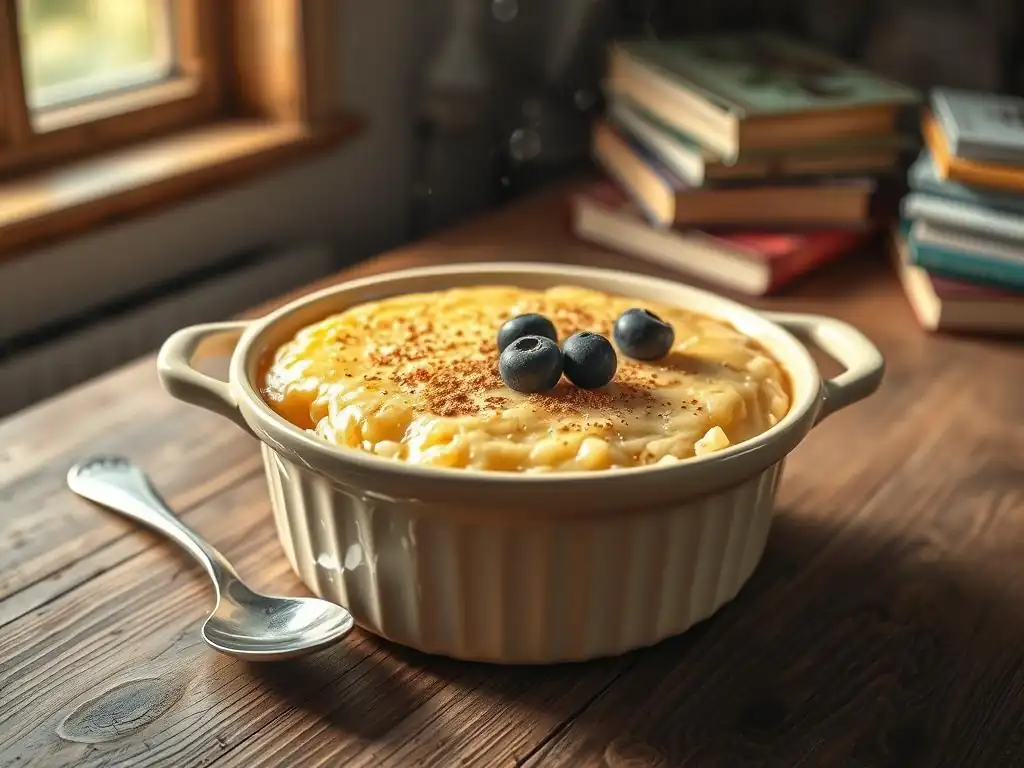
Welcome to BakeWithEase, your passport to the delightful world of baking! Curious about creating a comforting dessert that's both simple and satisfying? Our latest article dives into the secrets of crafting an easy classic baked rice pudding. Discover how to transform everyday ingredients into a creamy, flavorful treat that will have everyone asking for seconds. Ready to unlock the delicious simplicity? Let's get baking!
- Easy Classic Baked Rice Pudding: A BakeWithEase.com Recipe
- Introduction to Easy Classic Baked Rice Pudding
- Preparing Your Ingredients for Rice Pudding Perfection
- Step-by-Step Guide to Baking Classic Rice Pudding
- Tips and Tricks for the Perfect Rice Pudding
- Serving and Storing Your Homemade Rice Pudding
- Troubleshooting Common Rice Pudding Problems
- The History and Origins of Baked Rice Pudding
- More Delicious Baked Dessert Recipes From BakeWithEase
-
Frequently Asked Questions
- What makes this rice pudding recipe "classic" and "easy"?
- What type of rice is best for making this baked rice pudding?
- Can I use a different type of milk, like almond or oat milk, in this recipe?
- How do I prevent a skin from forming on top of the rice pudding while it's baking?
- What are some variations or additions I can make to customize this classic baked rice pudding?
- Final Reflection: The Enduring Comfort of a Classic
- Unlock the Creamy Secrets of Classic Baked Rice Pudding!
Easy Classic Baked Rice Pudding: A BakeWithEase.com Recipe
Introduction to Easy Classic Baked Rice Pudding
Discover the Comfort of Homemade Rice Pudding
There's something incredibly comforting and nostalgic about a warm bowl of creamy rice pudding. It's a dessert that transcends generations, often conjuring memories of cozy kitchens and simple pleasures. Making your own easy classic baked rice pudding from scratch is a rewarding experience, far surpassing the taste and texture of store-bought versions. The gentle heat of the oven transforms simple ingredients into a rich, custardy treat with a delightful chew from the rice grains.
This particular easy classic baked rice pudding recipe focuses on simplicity without sacrificing flavor or texture. We guide you through each step, ensuring that even novice bakers can achieve perfect results. Forget complicated techniques; our method relies on the magic of slow baking to create that signature creamy consistency and slightly caramelized top. It's a dessert that truly embodies the 'BakeWithEase' philosophy – delicious, approachable, and utterly satisfying.
Why This Classic Baked Rice Pudding Recipe Works
Our easy classic baked rice pudding recipe stands out because it leverages the power of the oven for a hands-off approach to achieving incredible creaminess. Unlike stovetop methods that require constant stirring to prevent sticking, baking allows the milk to slowly absorb into the rice at a consistent temperature. This slow cooking process breaks down the starches in the rice, releasing them into the milk and creating a naturally thick, smooth, and custardy base without needing added thickeners like eggs (though some recipes include them, ours focuses on simplicity here).
Furthermore, baking provides a gentle, even heat distribution that helps prevent scorching, a common pitfall with stovetop rice pudding. The oven's dry heat also contributes to forming that lovely, slightly golden skin on top that many people adore. By using basic pantry staples and a reliable baking technique, this classic baked rice pudding recipe ensures consistent, delicious results every time, making it a go-to for an easy yet impressive dessert.
Preparing Your Ingredients for Rice Pudding Perfection
Gathering Your Basic Ingredients: Rice, Milk, Sugar, and More
Embarking on the journey to create a truly easy classic baked rice pudding begins with assembling the right components. At its core, this dessert requires just a few fundamental ingredients: rice, milk, sugar, and a touch of flavor. You'll typically need about 1 cup of uncooked rice, around 4-5 cups of milk (whole milk is often preferred for richness, but others work too), and roughly 1/2 to 3/4 cup of sugar, adjustable to your sweetness preference. These simple items form the base of the pudding, providing the necessary structure, creaminess, and sweetness.
Beyond the core, a pinch of salt is crucial to balance the sweetness and enhance the overall flavor profile. Many recipes also call for butter, perhaps a tablespoon or two, which adds richness and a lovely mouthfeel to the final product. Having these basic ingredients measured and ready before you start is key to a smooth and easy baking process for your classic baked rice pudding.
Choosing the Right Rice for the Best Rice Pudding Texture
The type of rice you choose significantly impacts the texture of your easy classic baked rice pudding. While many varieties can work, short-grain or medium-grain rice is generally recommended. Arborio rice, commonly used for risotto, is an excellent choice because of its high starch content. As it cooks slowly in the milk, it releases starches that create a wonderfully creamy, almost velvety texture. Other good options include pudding rice (specifically labeled for dessert) or even Calrose rice.
Long-grain rice, like Basmati or Jasmine, can also be used, but it tends to produce a less creamy result as it contains less starch and the grains remain more separate. Avoid instant or quick-cooking rice, as they won't develop the desired creamy texture through the slow baking process. For this classic baked rice pudding recipe, we recommend using about 1 cup of a starchy short or medium-grain rice for optimal creaminess.
Flavor Enhancements: Vanilla Extract, Cinnamon, Nutmeg
While milk, rice, and sugar form the heart of easy classic baked rice pudding, flavorings elevate it from simple to spectacular. Vanilla extract is perhaps the most classic addition, providing warmth and depth. About 1 to 2 teaspoons of good quality vanilla extract added at the end of cooking or before baking imparts that signature comforting aroma and taste. You could also use a vanilla bean, scraped, and added to the milk for an even more intense vanilla flavor.
Spices are another essential element for that traditional classic baked rice pudding profile. Cinnamon is commonly used, either stirred into the pudding before baking or sprinkled on top before serving. A pinch of ground nutmeg also adds a layer of warmth and complexity, pairing beautifully with the creamy base. Some recipes even include a cinnamon stick or a few whole cloves steeped in the milk during the initial heating phase for a more subtle infusion.
Step-by-Step Guide to Baking Classic Rice Pudding
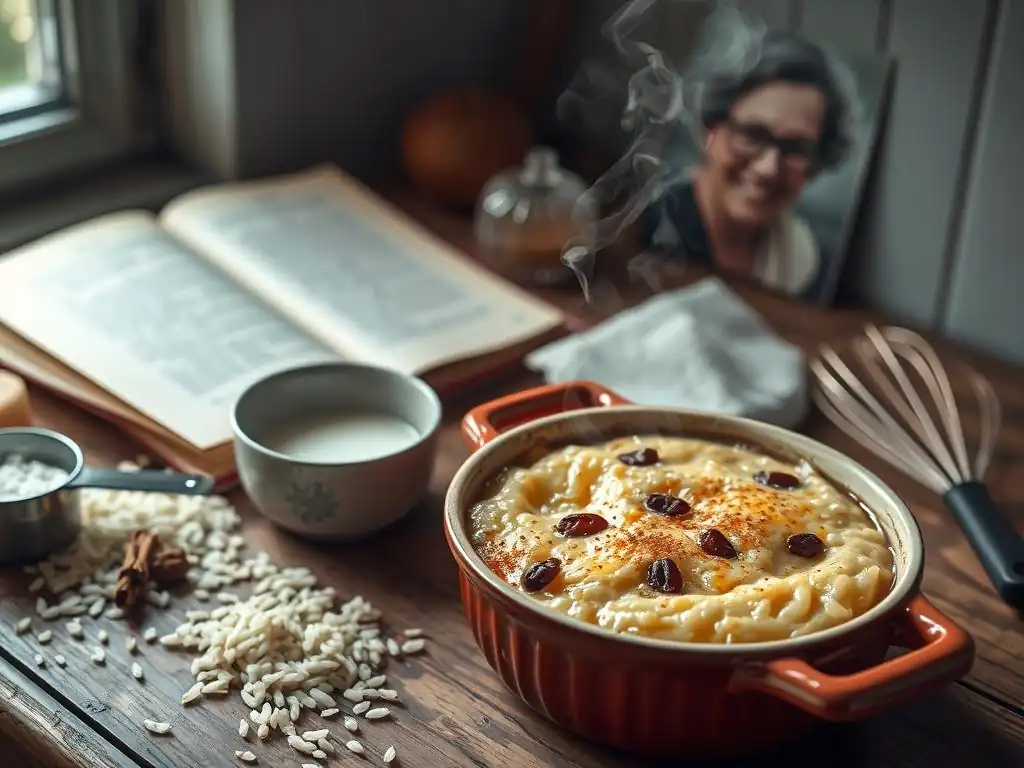
Step 1: Preparing the Rice for Baking
The first step in making this easy classic baked rice pudding is often a simple rinse of the rice. Rinsing helps remove excess starch from the surface of the grains, which can sometimes lead to a gummy texture. Place your measured rice, typically around 1 cup, in a fine-mesh sieve and rinse it under cool running water until the water runs clear. This usually takes just a minute or two.
After rinsing, drain the rice thoroughly. Some recipes suggest soaking the rice briefly, but for a baked pudding, rinsing is often sufficient to ensure the grains cook evenly and absorb the milk beautifully during the long, slow bake. This minimal preparation ensures your rice is ready to become the creamy base of your delicious classic baked rice pudding.
Step 2: Combining Ingredients in a Baking Dish
Once your rice is prepared, it's time to combine all the main ingredients directly in your chosen baking dish. A medium-sized oven-safe dish, such as a 2-quart (approx. 2-liter) casserole dish or a deep pie plate, works well. Add the rinsed and drained rice to the dish. Then, pour in the milk – typically 4 to 5 cups, depending on how thick or loose you prefer the final pudding.
Next, add the sugar (around 1/2 to 3/4 cup) and the pinch of salt. If using butter, add small pieces scattered over the top. Give everything a gentle stir to combine the ingredients and ensure the rice isn't clumped at the bottom. This simple step sets the stage for the slow transformation into creamy easy classic baked rice pudding in the oven.
Step 3: The Secret to a Creamy Baked Rice Pudding: Slow Baking
The key to achieving that signature creamy texture in easy classic baked rice pudding is slow, gentle baking at a low temperature. Preheat your oven to a relatively low setting, usually between 300°F and 325°F (150°C to 160°C). This lower temperature allows the rice to cook slowly and absorb the milk gradually without boiling vigorously, which could lead to uneven cooking or a dry pudding.
Place the baking dish in the preheated oven, often uncovered to allow a skin to form on top. The baking time will vary depending on your oven and dish size, but it typically ranges from 1.5 to 2.5 hours. The low temperature is crucial; it mimics the gentle simmering of traditional stovetop methods but without the need for constant attention, making this an incredibly easy classic baked rice pudding method.
Step 4: Monitoring and Adjusting During Baking
While baked rice pudding is largely hands-off, it's beneficial to monitor its progress, especially towards the end of the baking time. After about 1 hour, check the pudding. Give it a gentle stir if you prefer a fully incorporated, skinless pudding (though leaving it unstirred often yields a lovely top skin). If the top is browning too quickly but the pudding isn't set, you can loosely tent the dish with foil.
Continue baking until the rice is tender and the pudding has thickened to your desired consistency. It should still be quite liquid in the center when you take it out, as it will continue to thicken significantly as it cools. If it appears too dry during baking, you can carefully add a splash more warm milk. This monitoring ensures your easy classic baked rice pudding bakes perfectly.
Tips and Tricks for the Perfect Rice Pudding
Achieving the Ideal Creamy Consistency
The hallmark of a great easy classic baked rice pudding is its creamy texture. Several factors contribute to this. Firstly, using the right type of rice, specifically short or medium-grain varieties high in starch like Arborio, is fundamental. These release starches during the slow cook, naturally thickening the pudding. Secondly, using whole milk provides the richest base, though other milk types can work with slight textural differences.
Most importantly, the slow baking process at a low temperature (around 300-325°F or 150-160°C) is paramount. This gentle heat allows the rice to slowly absorb the milk and release its starches over 1.5 to 2.5 hours, creating that signature creamy consistency without vigorous boiling. Removing the pudding from the oven when it's just set and still a bit loose in the center is also key, as it will continue to thicken as it cools.
Preventing a Skin From Forming on Your Rice Pudding
Many people adore the slightly chewy, caramelized skin that forms on top of baked rice pudding, but if you prefer a uniform, skinless texture for your easy classic baked rice pudding, there's a simple trick. The skin forms due to the surface of the pudding drying out and cooking under the oven's heat. To prevent this, you can cover the baking dish tightly with foil before placing it in the oven.
Alternatively, if you bake it uncovered and prefer a skinless result upon serving, simply stir the pudding well as soon as it comes out of the oven. The heat will redistribute, and the skin will incorporate into the pudding. For serving cold and skinless, you can press plastic wrap directly onto the surface of the pudding while it's still warm before refrigerating; this prevents air from reaching the surface and forming a skin.
Flavor Variations for Your Baked Rice Pudding
While the classic vanilla and cinnamon combination is delightful, easy classic baked rice pudding is incredibly versatile and open to flavor variations. You can add citrus zest, like lemon or orange, for a bright counterpoint to the richness. Dried fruits such as raisins, cranberries, or chopped apricots can be stirred in at the beginning of baking; about 1/2 cup is usually sufficient.
For a warmer, spicier pudding, consider adding ground cardamom, ginger, or even a touch of clove alongside the cinnamon and nutmeg. Chocolate lovers can stir in chopped chocolate or cocoa powder towards the end of baking. You could also experiment with extracts beyond vanilla, such as almond extract or a hint of rum extract, to give your classic baked rice pudding a unique twist.
Serving and Storing Your Homemade Rice Pudding
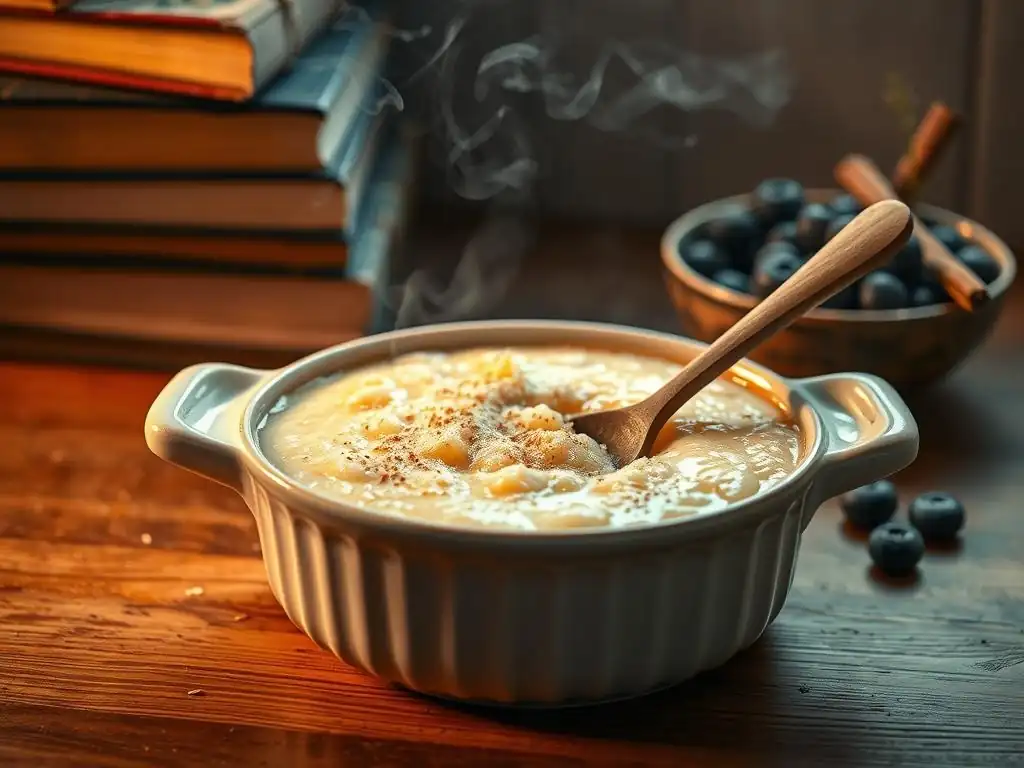
Serving Suggestions: Warm, Cold, or with Toppings
One of the joys of easy classic baked rice pudding is its versatility in serving temperature. It's absolutely divine served warm, straight from the oven after resting for 10-15 minutes to allow it to set slightly. The warmth enhances the creamy texture and aromatic spices. Many also enjoy it chilled, finding the cold pudding to be a refreshing dessert, especially on a warm day. The texture becomes firmer when cold, more like a true custard.
Toppings can elevate your classic baked rice pudding experience. A simple sprinkle of cinnamon or nutmeg is traditional. A drizzle of honey, maple syrup, or caramel sauce adds extra sweetness and depth. Fresh berries, sliced bananas, or stewed fruit compotes provide a lovely contrast in texture and flavor. Chopped nuts, toasted coconut flakes, or a dollop of whipped cream are also popular additions, allowing you to customize each serving.
Storing Leftover Baked Rice Pudding Properly
Proper storage is essential to maintain the quality and safety of your easy classic baked rice pudding. Once the pudding has cooled down to room temperature (this is important to prevent condensation and bacterial growth), cover it tightly. You can use the lid of the baking dish if it has one, or transfer the pudding to an airtight container.
Refrigerate the covered or contained rice pudding promptly. Stored correctly in the refrigerator at 40°F (4°C) or below, homemade baked rice pudding will typically last for 3 to 4 days. Ensure the container is sealed well to prevent the pudding from absorbing odors from other foods in the fridge and to keep it from drying out.
Storage and Reheating Instructions
To store your classic baked rice pudding for later, follow the cooling and refrigeration steps outlined above. For longer storage, some sources suggest freezing baked rice pudding, but the texture can change upon thawing, sometimes becoming more watery or grainy. If you choose to freeze, portion it into airtight, freezer-safe containers and consume within 1-2 months for best quality. Thaw overnight in the refrigerator.
When you're ready to enjoy refrigerated leftover easy classic baked rice pudding, you have a few options for reheating. For individual portions, microwave on medium power, stirring every 30-60 seconds until heated through, being careful not to overheat. For a larger amount, place it in a saucepan over low heat, adding a splash of milk if needed to restore creaminess, and stir gently until warm. Avoid high heat, which can cause it to stick or curdle.
Troubleshooting Common Rice Pudding Problems
Rice Pudding is Too Runny: How to Thicken It
If your easy classic baked rice pudding comes out of the oven looking too liquid and doesn't thicken sufficiently as it cools, it's a common issue. This can happen if the rice didn't cook long enough, if too much milk was used, or if the oven temperature was too low. Don't despair! You can often salvage it.
One method is to return the pudding to the oven, uncovered, at the same low temperature (300-325°F or 150-160°C) and bake for an additional 15-30 minutes, checking frequently. Another approach is to transfer the pudding to a saucepan and gently simmer it over low heat on the stovetop, stirring constantly, until it thickens.
Be patient and stir continuously to prevent sticking and scorching. Adding a slurry of a teaspoon or two of cornstarch mixed with a tablespoon of cold milk to the simmering pudding can also help thicken it quickly, just be sure to cook for another minute or two after adding the slurry to cook out the starchy flavor.
Rice Pudding is Too Dry: Adding Moisture Back In
Conversely, if your easy classic baked rice pudding turns out too dry or thick, it likely baked for too long, or perhaps not enough milk was used initially. This is also fixable! The easiest way to remedy dry rice pudding is to simply add more liquid.
Gently warm the pudding, either in a saucepan over low heat or carefully in the microwave. Gradually stir in warm milk, a tablespoon or two at a time, until the pudding reaches your desired creamy consistency. Stir well to incorporate the added milk evenly. This process rehydrates the rice and loosens the pudding, restoring its creamy texture.
Burnt Rice Pudding: Prevention and Salvage
Burning is a less common issue with slow-baked rice pudding compared to stovetop methods, but it can happen if the oven is too hot or the pudding is baked for an excessive amount of time, especially if the dish is too shallow. Prevention is key: use the recommended low baking temperature (300-325°F or 150-160°C) and check the pudding periodically, especially in the last 30-45 minutes of baking. If the top is browning too fast, tenting with foil helps.
If you discover a slightly burnt layer on the bottom or edges of your classic baked rice pudding, carefully scoop out the unaffected creamy pudding from the center and top, leaving the burnt parts behind. The burnt sections will have a distinct, unpleasant flavor that can permeate the rest of the pudding if stirred in. While you can't salvage the burnt parts, you can usually save the majority of your delicious easy classic baked rice pudding this way.
The History and Origins of Baked Rice Pudding
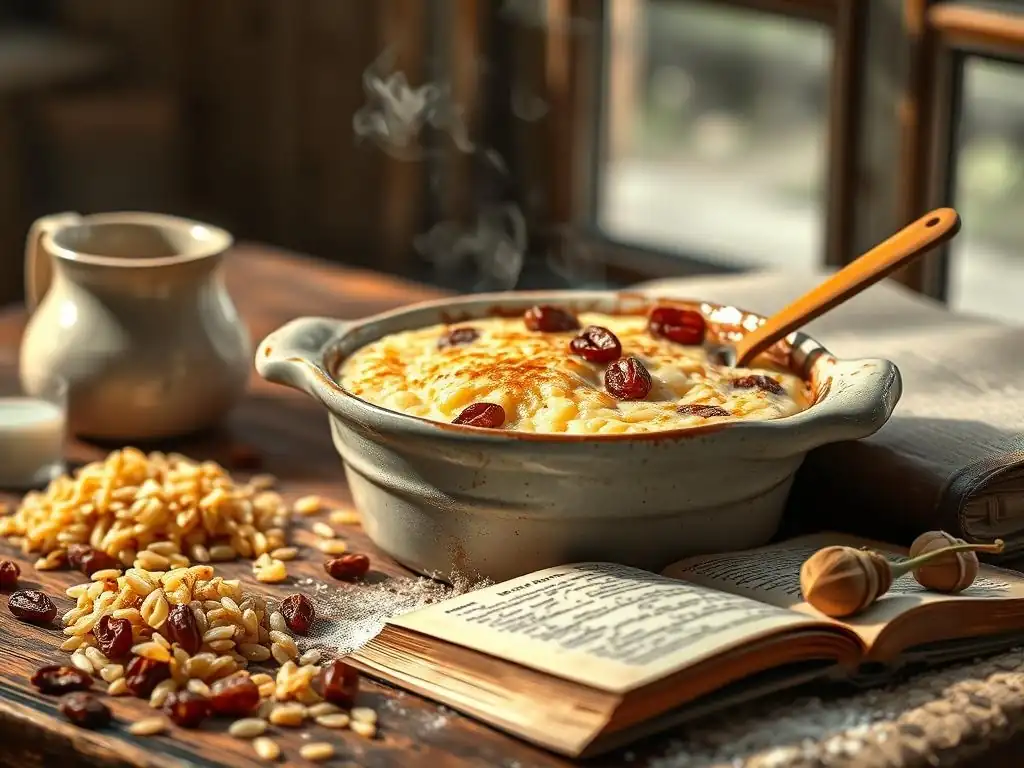
A Look at Rice Pudding Through Culinary History
Rice pudding boasts a long and fascinating history, with versions appearing in cuisines across the globe for centuries. Early forms were often medicinal or used as a rich, comforting dish for the sick. In medieval Europe, 'rice pottage' or 'rice porridge' was a common preparation, often cooked with milk or almond milk and sweetened with honey or sugar if available. These early puddings were quite thin and savory or subtly sweet.
As sugar became more accessible, rice pudding evolved into the sweet dessert we recognize today. Baked variations gained popularity, likely due to the convenience of setting a dish in the oven compared to constant stirring over a fire. Historical recipes from the 17th and 18th centuries describe baking rice with milk, sugar, and spices, often in slow ovens, very similar in principle to our easy classic baked rice pudding method. It was a dish enjoyed by both the wealthy, who could afford the ingredients, and later by more modest households as ingredients became cheaper.
Variations of Rice Pudding Around the World
The concept of cooking rice with milk or a milky liquid and sweetener is remarkably universal, leading to countless variations of rice pudding across different cultures. In India, Kheer is a popular rice pudding often flavored with cardamom, saffron, nuts, and dried fruits. In Scandinavia, Risgrynsgröt (or similar names) is a traditional Christmas dish, sometimes containing a hidden almond for good luck.
Latin American countries have Arroz con Leche, which varies by region but often includes cinnamon sticks, citrus zest, and sometimes condensed milk for extra richness. Egyptian Riz au Lait is typically baked, resulting in a lovely caramelized top, much like our easy classic baked rice pudding. Each variation reflects local ingredients and culinary traditions, showcasing the enduring appeal of this simple, comforting dessert made from rice and milk.
More Delicious Baked Dessert Recipes From BakeWithEase
Explore Our Pie Collection
If you've enjoyed making and eating this easy classic baked rice pudding, you might be ready to explore other comforting baked treats. Our pie collection at BakeWithEase.com offers a wide array of recipes perfect for any occasion. From classic fruit pies like apple and cherry, featuring flaky, buttery crusts, to creamy custards and decadent chocolate fillings, there's a pie recipe to suit every taste.
We break down pie making into manageable steps, focusing on achievable techniques for perfect crusts and delicious fillings. Whether you're a beginner attempting your first double-crust pie or looking to master lattice tops and crimped edges, our guides provide the tips and tricks you need. Dive into our pie recipes and discover the joy of baking your own perfect slice.
Discover Other Baked Dessert Favorites
Beyond pies, BakeWithEase.com is a treasure trove of other delightful baked dessert recipes that are just as approachable as our easy classic baked rice pudding. Explore our collection of cakes, from simple loaf cakes and muffins to layered celebration cakes. We offer easy-to-follow instructions for cupcakes, brownies, and bar cookies, perfect for parties or everyday treats.
Don't forget our selection of baked custards and puddings, including créme brûlée, bread pudding, and flans, all designed with ease in mind. Each recipe is crafted to provide clear guidance, helpful tips, and delicious results, empowering you to bake with confidence and share homemade sweetness with friends and family. Find your next favorite baked dessert today!
Frequently Asked Questions
What makes this rice pudding recipe "classic" and "easy"?
This recipe is considered classic because it uses traditional ingredients and methods. It's easy because the steps are straightforward and require minimal effort, perfect for beginner bakers.
What type of rice is best for making this baked rice pudding?
Short-grain rice, like Arborio or pudding rice, is generally recommended. Its high starch content creates a creamy texture that's ideal for a classic baked rice pudding.
Can I use a different type of milk, like almond or oat milk, in this recipe?
Yes, you can substitute with non-dairy milk alternatives. However, be aware that the flavor and consistency may vary slightly from the traditional recipe using cow's milk.
How do I prevent a skin from forming on top of the rice pudding while it's baking?
Sprinkling a light dusting of ground nutmeg or cinnamon on top before baking can help prevent a skin from forming. You can also try baking it covered for the majority of the baking time.
What are some variations or additions I can make to customize this classic baked rice pudding?
You can add dried fruits like raisins or cranberries, spices like cinnamon or cardamom, or a splash of vanilla extract. Experiment with different flavor combinations to create your own unique version of the classic.
Final Reflection: The Enduring Comfort of a Classic
The seemingly simple act of baking rice pudding holds a surprising depth, connecting generations through a shared experience of comforting warmth and familiar flavors. This seemingly straightforward dessert transcends mere culinary creation; it's a testament to the power of tradition and the enduring appeal of simple pleasures in a fast-paced world. The ease of preparation, detailed in this guide, makes it accessible to everyone, regardless of baking experience, ensuring its continued relevance in modern kitchens.
The enduring popularity of baked rice pudding speaks volumes about our collective yearning for nostalgia and comforting rituals. It's a dish that evokes memories of childhood, family gatherings, and the simple joy of a warm, creamy dessert. As food writer, Laurie Colwin, once said, Comfort food is food that provides comfort, or, more accurately, the feeling of being comforted.
This perfectly encapsulates the essence of baked rice pudding – a dish that nourishes not just the body, but also the soul.
Now, I invite you to consider the power of simple recipes and the importance of sharing culinary traditions. Perhaps this guide inspires you to not only bake your own batch of this classic dessert, but also to share it with loved ones, creating new memories and continuing the legacy of this timeless treat. Consider what simple pleasures bring you comfort and how you can share those moments with others. The warmth of a shared meal, much like the warmth of a perfectly baked rice pudding, is a gift worth cherishing.
Unlock the Creamy Secrets of Classic Baked Rice Pudding!
Thanks for joining us on this creamy journey! You've now got the knowledge to bake a rice pudding that's both comforting and impressive. Ready to take your skills to the next level?
- Bake your perfect pudding: Gather your ingredients and follow our recipe – the results will speak for themselves!
- Experiment with flavors: Try adding different extracts (like vanilla, almond, or lemon), spices (cinnamon, nutmeg are great! ), or fruits (berries, raisins, even sliced bananas!). Let your creativity shine!
- Share your delicious creation: Snap a picture of your baked rice pudding and tag us @BakeWithEase (imaginary social media handle) – we’d love to see your masterpiece!
What unique twist will you add to your next baked rice pudding? Let us know in the comments!