
Beyond Cheesecake: Exploring Other Creamy Baked Desserts

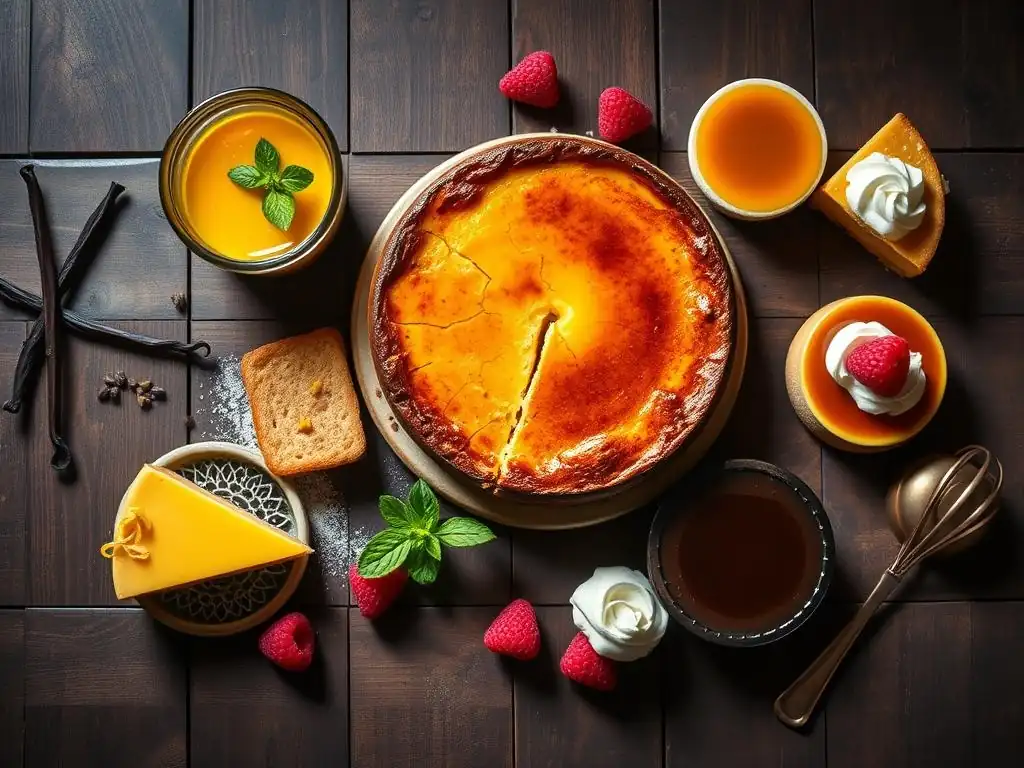
Welcome to BakeWithEase, your guide to effortless baking! Ever dreamt of creating desserts that melt in your mouth? This week, we're venturing beyond the classic cheesecake to uncover a world of creamy baked dessert recipes that are sure to impress. Get ready to discover new textures, flavors, and techniques that will elevate your baking game. Intrigued? Let's dive in!
- Introduction to Creamy Baked Desserts
- Alternatives to Cheesecake: Creamy Baked Dessert Recipes
- Mastering Creamy Baked Dessert Techniques
- Tips for Enhancing Your Creamy Baked Dessert Recipes
- Conclusion: Expanding Your Creamy Baked Dessert Repertoire
- Frequently Asked Questions
- Final Reflection: The Sweet Symphony of Creamy Baked Delights
- Unlock Your Inner Pastry Chef: Creamy Dessert Adventures Await!
Introduction to Creamy Baked Desserts
Why Look Beyond Cheesecake?
Cheesecake holds a beloved spot in the world of desserts, celebrated for its dense, creamy texture and rich flavor. It's a classic for a reason, often the go-to for special occasions or a comforting treat. However, focusing solely on cheesecake means missing out on a vast and equally delightful universe of creamy baked dessert recipes. Exploring alternatives opens up new possibilities for flavor profiles, textures, and baking techniques, expanding your repertoire far beyond the familiar graham cracker crust.
Beyond the sheer variety, delving into other creamy baked goods can also introduce you to desserts that might be simpler to prepare than a traditional cheesecake, which often requires careful temperature control and a water bath. From comforting baked custards to rustic bread puddings and elegant French clafoutis, there are numerous avenues to achieve that sought-after creamy consistency through baking, offering unique experiences for both the baker and the recipient.
The Allure of Creamy Baked Goodness
The appeal of a creamy baked dessert lies in its luxurious texture and the comforting warmth that baking imparts. Unlike chilled creamy desserts, baked versions often develop a slightly set, yet still yielding, interior, sometimes with a delightful caramelized top or edge. This transformation in the oven enhances the natural sweetness and richness of ingredients like eggs, milk, and cream, creating a deeply satisfying experience.
Moreover, creamy baked dessert recipes are incredibly versatile. They can range from individually portioned delights like pot de crème to larger communal dishes like bread pudding or clafoutis. The baking process itself can contribute to the flavor, whether it's the gentle setting of a custard in a water bath or the toasting of bread in a pudding, adding subtle nutty or caramelized notes that complement the creamy base.
Alternatives to Cheesecake: Creamy Baked Dessert Recipes
Custard-Based Baked Delights
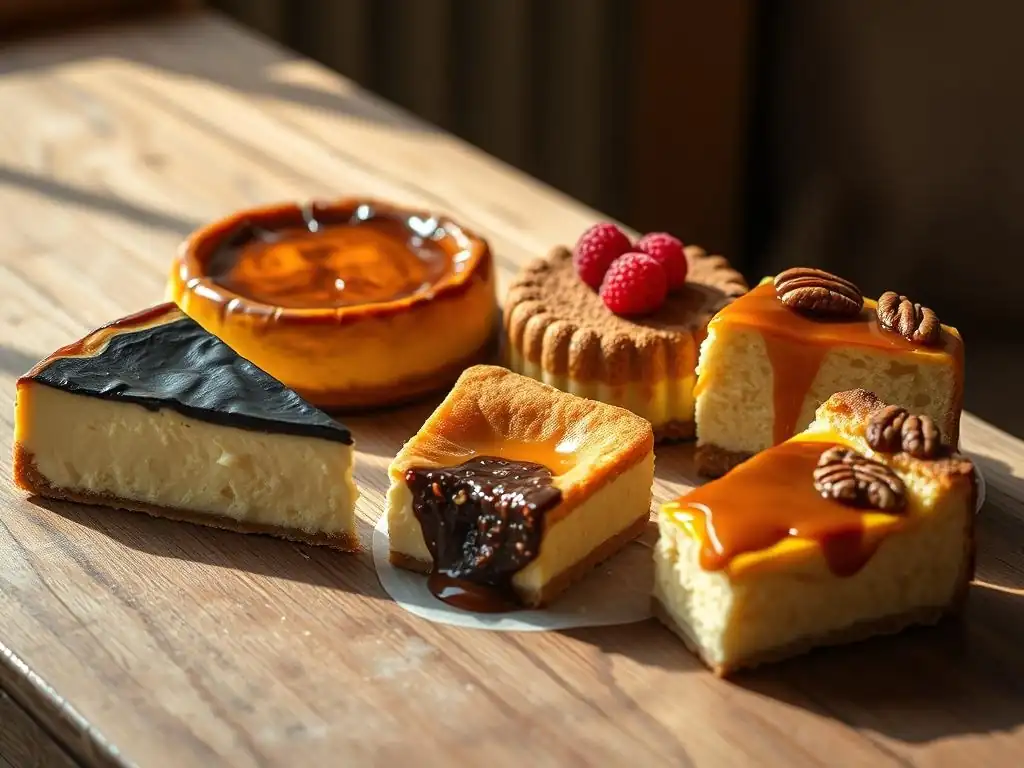
Baked custard is a fundamental creamy baked dessert, relying on the gentle coagulation of eggs and milk or cream when heated. This simple combination, often flavored with vanilla and sweetened with sugar, transforms in the oven into a smooth, delicate dessert with a texture akin to a firm pudding or soft flan. It's the base for many other creamy baked treats.
Making a classic baked custard involves whisking together eggs, sugar, milk (or a mix of milk and cream), and flavorings. This mixture is then poured into ramekins or a larger dish, which are typically placed in a water bath before going into a moderate oven. The water bath is crucial for ensuring even, gentle heat, preventing the custard from curdling or cracking and resulting in that signature silky-smooth, creamy texture.
Classic Baked Custard Recipe
Here’s a basic approach to a classic creamy baked custard:
- Ingredients:
- Eggs (usually 3-4 large)
- Granulated sugar (approx. 1/2 cup)
- Whole milk (2 cups)
- Heavy cream (1 cup)
- Vanilla extract (1-2 teaspoons)
- Pinch of salt
- Process:
- Preheat oven to 325°F (160°C).
- Heat milk and cream gently on the stovetop until warm but not boiling.
- In a bowl, whisk eggs, sugar, salt, and vanilla until just combined.
- Slowly temper the egg mixture by whisking in the warm milk/cream mixture.
- Strain the mixture into ramekins.
- Place ramekins in a baking dish. Pour hot water into the dish to come halfway up the sides of the ramekins.
- Bake for 30-40 minutes, or until the edges are set but the center is still slightly jiggly.
- Cool completely before serving.
Variations on Baked Custard: Lavender, Earl Grey
Baked custard serves as an excellent canvas for exploring different flavors, creating unique creamy baked dessert recipes. For a sophisticated twist, consider infusing the milk and cream with aromatics before mixing with the eggs. For example, you can add dried culinary lavender buds (about 1-2 tablespoons per 3 cups of liquid) to the milk/cream while it heats, letting it steep off the heat for 15-20 minutes before straining and proceeding with the recipe. This imparts a subtle, floral note that pairs wonderfully with the creamy base.
Another elegant variation is Earl Grey baked custard. Steep 2-3 Earl Grey tea bags (or loose leaf equivalent) in the warm milk and cream mixture. Let it steep for about 10-15 minutes, then remove the tea bags (or strain the leaves) before tempering the eggs. The bergamot oil in the tea adds a distinct citrusy aroma and flavor that cuts through the richness of the creamy baked dessert, offering a refreshing contrast.
Rice Pudding: A Creamy Comfort Food
Rice pudding, particularly when baked, transforms humble ingredients into a deeply comforting and incredibly creamy baked dessert. Unlike stovetop versions that require constant stirring, baking allows the rice to slowly absorb the milk and cream, swelling and releasing starches that naturally thicken the pudding and create a wonderfully rich, even texture throughout. The top often develops a lovely, slightly chewy skin or a golden-brown crust, adding another layer of texture.
This baked approach often uses short-grain or medium-grain rice, which are higher in starch content and lend themselves well to absorbing liquid and becoming tender without turning mushy. The baking time is longer than stovetop methods, often an hour or more at a moderate temperature (around 300-325°F or 150-160°C), allowing the flavors to meld and the creamy consistency to develop fully.
Baking Rice Pudding for Enhanced Creaminess
To achieve maximum creaminess in baked rice pudding, the ratio of liquid to rice is key, as is the inclusion of rich components like whole milk and often heavy cream or condensed milk. A typical ratio might be 1 part rice to 4-5 parts liquid. Ingredients often include sugar, a pinch of salt, and flavorings like vanilla or cinnamon. The mixture is combined in a baking dish and baked, sometimes stirred partway through to ensure even cooking, until the rice is tender and the pudding is thick and creamy.
The slow, gentle heat of the oven encourages the rice to break down slightly, releasing its starches into the milk. This process creates a natural thickening agent that results in a pudding that is both dense and smooth. Using full-fat dairy is essential for richness and contributes significantly to the creamy texture, making baked rice pudding a truly satisfying creamy baked dessert.
Rice Pudding Variations: Cinnamon, Cardamom, Raisins, Toasted Almonds
Baked rice pudding is incredibly adaptable to various flavor combinations. A classic variation involves adding cinnamon sticks or ground cinnamon to the mixture before baking, infusing the entire dish with its warm spice. For an exotic twist, cracked cardamom pods can be added to the milk while it heats, imparting a fragrant, slightly citrusy note that is particularly popular in many cultures.
Mix-ins are also popular additions to creamy baked rice pudding recipes. Raisins, added towards the end of baking or steeped in warm liquid beforehand, plump up and add pockets of sweetness. Toasted slivered almonds, stirred in or sprinkled on top before serving, provide a delightful crunch and nutty flavor that contrasts beautifully with the creamy texture. Other additions might include citrus zest, nutmeg, or even a swirl of jam.
Bread Pudding: Repurposing Bread into a Dessert
Bread pudding is the ultimate comfort food creamy baked dessert, ingeniously transforming stale or day-old bread into a rich, satisfying dish. The magic happens when bread cubes soak up a custard-like mixture of milk, cream, eggs, and sugar, then bake into a soft, moist, and yes, incredibly creamy dessert. It's a wonderful way to reduce food waste while creating something truly delicious.
The type of bread used significantly impacts the final texture. Rich, slightly dense breads like challah, brioche, or croissants work exceptionally well because they absorb the custard without falling apart and contribute their own buttery flavor. The baking process sets the custard, binding the bread cubes together into a cohesive mass that remains soft and moist inside, often with a slightly crispy top layer.
The Secret to a Creamy Bread Pudding
The key to a truly creamy bread pudding lies in the custard base and the soaking time. Using a generous amount of rich liquid (whole milk, heavy cream, or a mix) and enough eggs ensures the pudding sets properly but remains moist and tender. The bread needs sufficient time to fully absorb this liquid – often 30 minutes to an hour, or even overnight in the refrigerator – so that there are no dry spots left after baking.
Another factor contributing to creaminess is the fat content of the dairy used. Higher fat milk and cream result in a richer, more unctuous custard that permeates the bread. Baking at a moderate temperature also helps, allowing the interior to cook through and set gently while the top develops a pleasant texture without drying out the core of the creamy baked dessert.
Bread Pudding Recipes: Challah with Chocolate Chips, Croissant with Almonds
Two popular and delicious creamy baked bread pudding recipes showcase its versatility. A Challah bread pudding with chocolate chips is a decadent treat. Cubes of challah bread are soaked in a custard base flavored with vanilla and maybe a hint of cinnamon, then folded with a generous amount of chocolate chips before baking. The challah provides a slightly sweet, eggy base, and the melted chocolate chips create pockets of gooey richness throughout the creamy pudding.
For a touch of French elegance, consider a croissant bread pudding with almonds. Stale croissants, with their buttery layers, are perfect for soaking up custard. Add toasted slivered almonds to the mix for crunch and a nutty flavor. A sprinkle of almond extract in the custard can enhance this. Bake until golden and puffy. Both these creamy baked desserts are fantastic served warm, perhaps with a dollop of whipped cream or a drizzle of sauce.
Clafoutis: A French Fruit Dessert
Clafoutis (pronounced kla-foo-tee) is a rustic French creamy baked dessert traditionally made with unpitted black cherries arranged in a buttered dish and covered with a thick, crepe-like batter. As it bakes, the batter puffs up and sets around the fruit, creating a dish that is custardy and creamy inside with a slightly firmer, golden-brown edge. While traditionally made with cherries, it can be adapted to other fruits.
The texture of clafoutis is unique – it's denser than a typical custard but softer and more delicate than cake or pudding. The fruit softens and releases juices during baking, which meld with the batter, contributing to the overall moistness and creamy feel. It's typically served warm, often dusted with powdered sugar, making it a simple yet elegant creamy baked treat.
The Creamy Texture of Clafoutis
The creamy texture of clafoutis comes from its simple batter, which is essentially a blend of eggs, milk, flour, and sugar, often with vanilla. The ratio of liquid to flour is high, resulting in a thin batter similar to that used for crepes. When poured over the fruit and baked, this batter sets into a tender, custardy layer. The moisture from the fruit also helps keep the interior soft and creamy.
Unlike many other baked goods, clafoutis relies more on the eggs and milk to create structure and creaminess than on flour. The minimal amount of flour prevents it from becoming cakey, ensuring it remains light and custardy. The baking time is relatively short compared to other creamy baked desserts, usually 30-40 minutes, just long enough for the batter to set and the edges to turn golden.
Clafoutis Recipes: Cherry, Blueberry
The classic Clafoutis recipe features black cherries. The pits are traditionally left in, as they are said to impart a subtle almond flavor, though many modern recipes call for pitted cherries for easier eating. The batter is quickly whisked together and poured over the cherries in a buttered dish. Baked until puffed and set, it's a simple yet satisfying creamy baked dessert.
While cherry is traditional, clafoutis is also delicious with other fruits. Blueberry Clafoutis is a popular variation. Fresh or frozen blueberries (tossed with a little flour if frozen) are spread in the dish, and the batter is poured over them. As the blueberries bake, they release sweet juices that mingle with the custardy batter. Other fruits like sliced apples, pears, or even berries like raspberries can be used, adapting this creamy baked dessert recipe to seasonal availability.
Pot de Crème: Individual Creamy Desserts
Pot de Crème, meaning "pot of cream" in French, are small, elegant creamy baked desserts typically served in individual cups or ramekins. They are essentially a rich, baked custard, often made with a higher proportion of egg yolks and heavy cream than standard baked custard, resulting in an incredibly smooth, dense, and luxurious texture that is the epitome of creaminess.
Unlike some other baked custards, pot de crème is usually baked at a very low temperature (often around 300°F or 150°C) in a water bath, and cooked only until just set. This gentle cooking method is crucial for achieving their signature silky texture, avoiding any hint of rubberiness or curdling. They are typically served chilled, allowing the flavors to deepen and the creamy texture to firm up slightly.
Making Silky Smooth Pot de Crème
Achieving silky smooth pot de crème requires careful technique. The base is usually a mixture of heavy cream, milk, egg yolks, sugar, and flavorings (like vanilla, chocolate, or coffee). The liquid is typically heated first, then whisked into the egg yolks and sugar. Straining the mixture before pouring it into the ramekins is a vital step to remove any bits of cooked egg or impurities, ensuring a perfectly smooth texture.
Baking in a water bath is non-negotiable for pot de crème. The water bath provides insulation, ensuring the custard cooks evenly and slowly from the sides and bottom, preventing the edges from overcooking before the center is set. The low oven temperature further promotes gentle cooking. The pot de crème is done when the edges are set but the center is still slightly wobbly. They then need to be chilled for several hours to fully set and develop their creamy consistency.
Pot de Crème Flavors: Dark Chocolate, Vanilla Bean, Espresso
Pot de Crème recipes lend themselves beautifully to rich, intense flavors. Dark Chocolate Pot de Crème is perhaps the most classic variation. Melted high-quality dark chocolate (often 60-70% cocoa) is whisked into the hot cream mixture before adding the eggs, resulting in a deeply flavored, intensely creamy baked dessert.
Vanilla Bean Pot de Crème showcases the simple elegance of pure vanilla. Using a whole vanilla bean, split and scraped, steeped in the hot cream infuses the custard with tiny black specks and a complex vanilla flavor far superior to extract alone. Espresso Pot de Crème is another popular choice, incorporating strong brewed espresso or espresso powder into the cream base for a sophisticated, slightly bitter note that balances the sweetness and richness, creating a truly memorable creamy baked treat.
Mastering Creamy Baked Dessert Techniques
Achieving the Perfect Creamy Texture
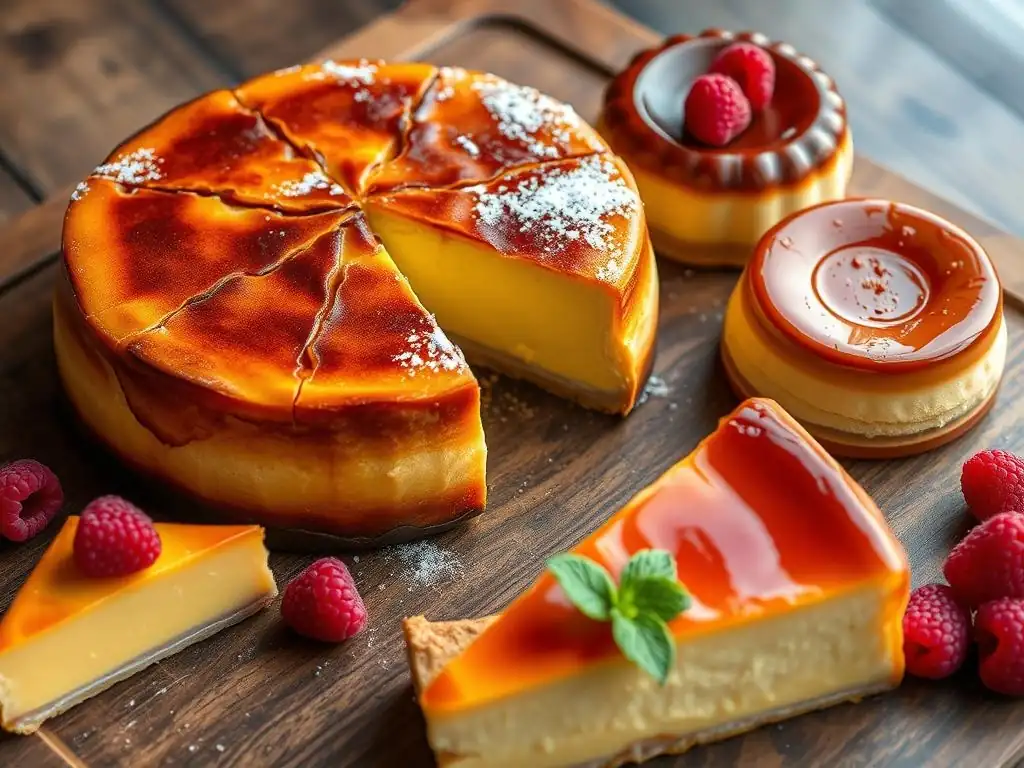
Achieving the ideal creamy texture in baked desserts involves understanding how heat affects ingredients like eggs and dairy. Overheating can lead to curdling or a rubbery consistency, while underheating means the dessert won't set. It's a delicate balance, but mastering a few key techniques can elevate your creamy baked goods from good to exceptional.
The goal is usually a texture that is set yet tender, smooth, and melts in your mouth. This requires gentle cooking that allows the proteins in the eggs to coagulate just enough to provide structure without becoming tough, while the fat from the dairy contributes richness and smoothness. Techniques like using a water bath and baking at lower temperatures are fundamental to preserving that desired creaminess.
Temperature Control: The Key to Success
Precise temperature control is paramount for creamy baked dessert recipes, especially those based on custard. Baking custards at too high a temperature causes them to cook too quickly and unevenly, often leading to a tough texture or cracked surface. A moderate oven temperature, typically between 300°F and 350°F (150°C - 175°C), is usually recommended.
Equally important is the internal temperature of the dessert. For custards, they are typically done when they reach an internal temperature of around 170-175°F (77-79°C). At this point, the proteins have set, but they haven't been overcooked. The center should still look slightly soft or jiggly. Allowing the dessert to cool slowly, often initially in the water bath and then at room temperature before chilling, also helps the texture finalize smoothly.
Using the Right Ingredients: Heavy Cream, Whole Milk, Egg Yolks
The choice of ingredients significantly impacts the creaminess of baked desserts. Full-fat dairy products like whole milk and heavy cream contribute richness and a smooth mouthfeel. The fat helps to create a tender structure and prevents a watery or thin result. Using skim milk or low-fat options will result in a less creamy texture.
Egg yolks are essential for richness, color, and contributing to the creamy texture and structure. They contain fat and lecithin, which act as emulsifiers, helping to bind the ingredients together smoothly. Recipes calling for a higher proportion of egg yolks (like pot de crème) will naturally be richer and creamier than those using whole eggs or fewer yolks (like a basic baked custard). The protein in the eggs provides the necessary setting power, but using the right balance prevents the dessert from becoming too firm.
Water Baths: For Even Baking and Creaminess
A water bath, or bain-marie, is a crucial technique for baking many creamy desserts, particularly custards, cheesecakes, and pot de crème. It involves placing the baking dish or ramekins containing the dessert into a larger pan, which is then filled with hot water partway up the sides of the dessert dish. This setup provides gentle, even heat transfer to the dessert.
The water bath prevents the edges of the dessert from cooking faster and becoming overcooked and tough before the center is set. It also adds humidity to the oven environment, which helps prevent the surface of creamy baked goods from drying out and cracking. The result is a dessert with a consistently smooth, creamy texture from edge to center, without cracks or rubbery spots.
Common Mistakes and How to Avoid Them
Even experienced bakers can encounter challenges when making creamy baked desserts. Understanding common pitfalls and how to avoid them is key to consistent success. Issues like cracking surfaces, grainy textures, or a dessert that refuses to set can be frustrating but are often preventable with the right knowledge and techniques.
Many problems stem from temperature issues – either the oven is too hot, the dessert is baked for too long, or it cools too quickly. Using the wrong type or amount of ingredients can also lead to undesirable textures. Paying close attention to the recipe instructions, understanding the role of each ingredient, and employing proper baking techniques like water baths are essential safeguards.
Preventing Cracking in Baked Custards
Cracking on the surface is a common issue with baked custards and cheesecakes. It typically occurs when the custard cooks too quickly or unevenly, or when it cools too rapidly. The edges set and shrink while the center is still expanding, causing the surface tension to break.
To prevent cracking, always use a water bath when baking custards. Bake at a moderate to low temperature (e.g., 300-325°F). Don't overbake; the custard should still be slightly jiggly in the center when removed from the oven. Allow the custard to cool gradually – leave it in the water bath for 30-60 minutes after taking it out of the oven, then remove from the bath and cool completely on a wire rack before refrigerating. Avoid placing a hot custard directly into the refrigerator.
Avoiding a Soggy Bread Pudding
While you want a creamy, moist bread pudding, you don't want it to be soggy or watery. This often happens if the bread isn't allowed to soak up enough custard, if there's too much liquid relative to the bread, or if the bread type isn't suitable.
Ensure you use slightly stale or day-old bread, as fresh bread can be too soft and turn mushy. Cut the bread into cubes and allow them sufficient time to soak in the custard mixture – ideally at least 30 minutes, pressing down occasionally, or even overnight in the fridge for maximum absorption. Use a rich bread like challah or brioche that holds its shape well. Baking at the correct temperature (usually around 350°F or 175°C) allows the custard to set properly while the top gets golden, preventing a uniformly wet texture.
Tips for Enhancing Your Creamy Baked Dessert Recipes
Adding Flavors and Textures
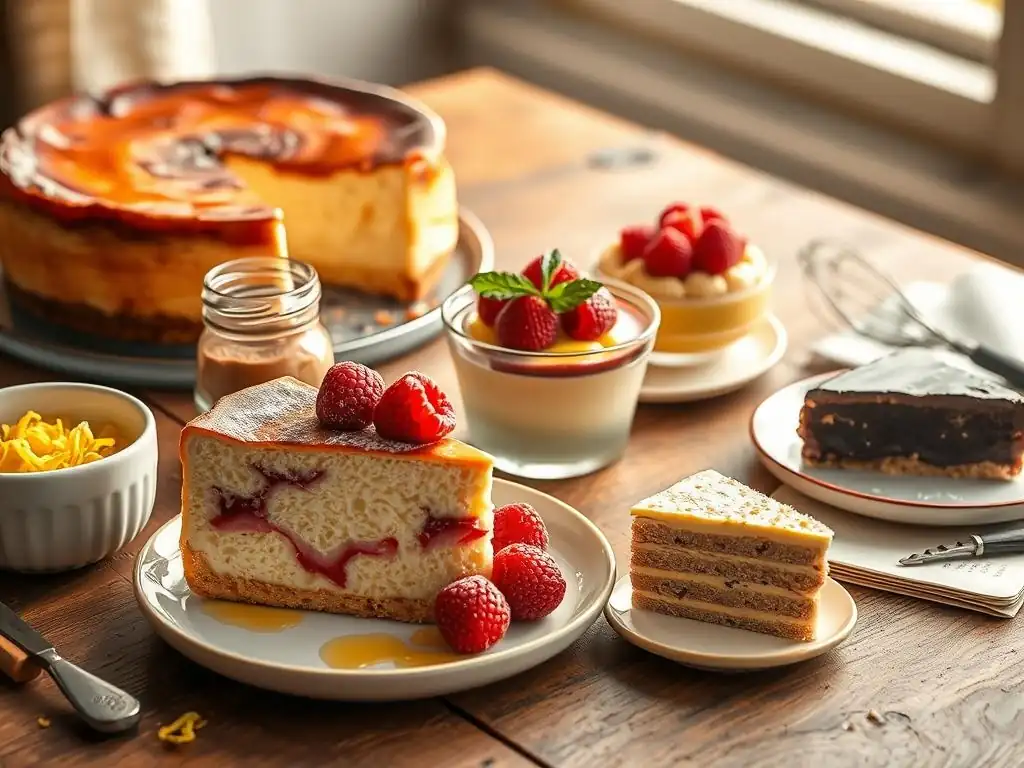
Elevating your creamy baked desserts goes beyond the basic ingredients and techniques. Incorporating additional flavors and textures can transform a simple dish into something extraordinary. Think about complementing the richness of the creamy base with contrasting elements like bright fruit, crunchy nuts, or intense chocolate.
These additions can be mixed directly into the batter or pudding before baking, layered within the dish, or added as a topping before or after baking. Experimenting with different combinations allows you to personalize classic creamy baked dessert recipes and discover new favorites.
Incorporating Extracts and Spices
Extracts and spices are simple yet powerful ways to add depth and complexity to creamy baked goods. Pure vanilla extract is a staple, but consider using vanilla bean paste or scraped vanilla beans for a more intense and nuanced flavor, especially in vanilla bean pot de crème or custards. Almond extract pairs wonderfully with bread pudding or rice pudding containing nuts. Citrus zests (lemon, orange, lime) can add a bright, refreshing counterpoint to rich, creamy textures.
Spices like cinnamon, nutmeg, cardamom, ginger, and cloves are perfect for warming up creamy baked desserts, particularly in rice pudding, bread pudding, or baked apples served with custard. Whole spices, like cinnamon sticks or cardamom pods steeped in the milk, can provide a more subtle and complex flavor than ground spices added directly to the batter. Espresso powder or instant coffee can enhance chocolate flavors or stand alone in coffee-flavored creamy baked treats like espresso pot de crème.
Adding Fruits, Nuts, and Chocolate
Fruits add moisture, sweetness, and often a pleasant tartness that balances the richness of creamy baked desserts. Cherries are classic in clafoutis, but other berries like blueberries or raspberries work beautifully. Baked apples or pears are excellent additions to bread pudding or served alongside baked custard. Dried fruits like raisins or cranberries can be plumped and added to rice pudding or bread pudding.
Nuts provide a crucial textural contrast to creaminess. Toasted walnuts, pecans, or almonds can be folded into bread pudding or sprinkled over the top of rice pudding or clafoutis. Their crunch and nutty flavor complement the soft, creamy base. Chocolate, in the form of chips, chunks, or swirls of melted chocolate, is a natural pairing for many creamy baked goods, adding intense flavor and pockets of gooey texture, as seen in challah bread pudding with chocolate chips or dark chocolate pot de crème.
Serving and Storing Creamy Baked Desserts
How you serve and store your creamy baked desserts can impact their enjoyment and maintain their quality. Some are best served warm, while others shine when chilled. Proper storage is essential to keep them fresh, maintain their creamy texture, and ensure safety.
Understanding the characteristics of each type of creamy baked dessert will guide your serving and storage decisions. While many share similar needs due to their dairy and egg content, slight variations exist depending on their structure and ingredients.
Best Serving Temperatures
The ideal serving temperature for creamy baked desserts varies by type. Custard-based desserts like baked custard and pot de crème are often best served chilled. Chilling allows their texture to firm up slightly and their flavors to meld and deepen, resulting in a denser, more elegant creaminess. Pot de crème, in particular, is traditionally served cold.
On the other hand, bread pudding, rice pudding, and clafoutis are typically served warm or at room temperature. Warming them enhances their comforting qualities and brings out the nuances of the baked flavors. A warm slice of bread pudding with a scoop of ice cream or a warm bowl of baked rice pudding is classic comfort. Serving warm also ensures that any added chocolate chips are delightfully gooey.
Storage Tips for Maintaining Creaminess
Most creamy baked desserts containing dairy and eggs are perishable and must be stored in the refrigerator. Once completely cooled to room temperature, cover them tightly with plastic wrap or transfer them to airtight containers. This prevents them from absorbing odors from the fridge and helps maintain their moisture and creamy texture.
Generally, these desserts will keep well in the refrigerator for 3 to 4 days. Baked rice pudding and bread pudding can often be gently reheated in the oven or microwave if desired, though reheating may slightly alter the texture. Baked custards and pot de crème are usually enjoyed cold and should not be reheated, as this can cause them to curdle. Always check for any signs of spoilage before serving leftovers.
Conclusion: Expanding Your Creamy Baked Dessert Repertoire
Embrace the Variety of Creamy Baked Treats
Moving beyond cheesecake reveals a treasure trove of creamy baked dessert recipes waiting to be discovered. From the simple elegance of baked custard and pot de crème to the comforting warmth of rice pudding and bread pudding, and the rustic charm of clafoutis, there's a creamy baked treat to suit every taste and occasion. Each offers a unique combination of texture, flavor, and baking technique, providing endless opportunities for exploration in the kitchen.
Embracing these alternatives not only broadens your baking skills but also introduces you to new favorites that are just as satisfying as cheesecake, if not more so for their distinct qualities. Whether you're drawn to the silky smoothness of a baked custard or the hearty texture of a bread pudding, the world of creamy baked goods is rich and rewarding.
BakeWithEase: Your Guide to Creamy Dessert Success
At BakeWithEase, we believe that mastering creamy baked dessert recipes should be an enjoyable and accessible journey for everyone. Our goal is to provide you with the clear instructions, helpful tips, and delicious recipes you need to confidently explore these delightful treats. From understanding the importance of a water bath to choosing the best ingredients for ultimate creaminess, we're here to guide you every step of the way.
So, preheat your oven, gather your ingredients, and get ready to bake some incredible creamy baked desserts. We'll help you achieve that perfect texture and unforgettable flavor, turning your kitchen into a haven for rich, comforting, and utterly delicious baked creamy treats. Happy baking!
Frequently Asked Questions
What other types of creamy baked desserts exist besides cheesecake?
Many delicious options exist! Think custards like crème brûlée and pots de crème, bread puddings, and even creamy baked rice puddings. These provide varied textures and flavors beyond the traditional cheesecake.
Are creamy baked desserts difficult to make?
Not necessarily! Many creamy baked desserts are surprisingly simple. The key is to follow the recipe carefully, especially regarding oven temperature and baking time, to ensure proper set.
What are some common ingredients used in creamy baked desserts?
Common ingredients include eggs, cream, milk, sugar, and vanilla extract. These form the base for most creamy desserts, allowing for endless flavor combinations with additions like chocolate, fruit, or spices.
How do I prevent my creamy baked dessert from cracking?
Cracking can be minimized by baking in a water bath and avoiding sudden temperature changes. The water bath creates a humid environment, preventing the top from drying out too quickly and cracking.
Can creamy baked desserts be made ahead of time?
Yes, most creamy baked desserts actually benefit from chilling in the refrigerator after baking. This allows the flavors to meld and the texture to firm up, making them perfect for entertaining or meal prepping.
Final Reflection: The Sweet Symphony of Creamy Baked Delights
The enduring appeal of creamy baked desserts transcends mere indulgence; it's a testament to our innate desire for comfort, celebration, and the simple joy of a perfectly textured, richly flavored treat. From classic cheesecakes to the lesser-known wonders explored in this article, the pursuit of the ideal creamy baked dessert continues to inspire culinary creativity and satisfy our sweetest cravings. This isn't just about recipes; it's about the memories, the shared experiences, and the comforting warmth these desserts bring to our lives.
The exploration of diverse creamy baked desserts throughout this article highlights the rich tapestry of culinary traditions and the boundless potential for innovation within this seemingly simple category. These aren't just recipes; they are stories, passed down through generations or born from moments of inspiration. The subtle nuances of flavor and texture, the artistry in presentation – these details elevate a simple dessert into a truly memorable experience. As the renowned chef Julia Child once said, Find something you're passionate about and keep tremendously interested in it.
This passion, applied to the creation and enjoyment of creamy baked desserts, is what truly makes them special.
Now, I invite you to consider your own relationship with creamy baked desserts. What memories do they evoke? What flavors and textures resonate most deeply with you? More importantly, what inspires you to create your own unique variations, to experiment with new ingredients, and to share the joy of these delectable treats with those you love? The journey of culinary exploration is ongoing, and the world of creamy baked desserts awaits your personal touch. Embrace the challenge, experiment with flavors, and discover your own signature sweet symphony.
Unlock Your Inner Pastry Chef: Creamy Dessert Adventures Await!
Thanks for joining us on this creamy culinary journey! We hope you've discovered some delicious alternatives to your favorite cheesecake. Now it's time to put your newfound knowledge into action!
- Dive into our recipe collection: Find your next favorite creamy baked dessert among our extensive library of recipes – from light and airy mousses to rich and decadent custards. This is where the real fun begins!
- Share your baking triumphs (or tales of delicious disaster!): Let's connect! Tell us about your baking experiences in the comments below – we love to hear from you!
- Challenge yourself with a new flavor combination: Think outside the box (or the oven)! Experiment with unique ingredients and flavors to create your own signature creamy dessert masterpiece.
What creamy creation will you bake next? Let the delicious experimenting begin!