
Bright & Creamy: Easy Lemon Baked Custard


Welcome to BakeWithEase, your trusted companion in the delightful world of baking! Ever dreamed of creating a dessert that's both effortlessly elegant and bursting with flavor? Then you're in the right place. Dive in and discover our easy lemon custard recipe, a surprisingly simple way to achieve a bright and creamy baked treat that will impress friends and family. Curious how to get that perfect silky texture and tangy zest? Let's unlock the secrets together...
- Bright & Creamy: Easy Lemon Baked Custard - A BakeWithEase Recipe
- Introduction to Lemon Baked Custard
- Understanding the Ingredients for Lemon Custard
- Step-by-Step Guide: Baking Your Lemon Custard with Ease
- Tips and Tricks for the Best Lemon Baked Custard
- Troubleshooting Common Lemon Custard Issues
- Variations on the Classic Lemon Custard Recipe
- Storing and Enjoying Your Lemon Custard
- Lemon Custard Recipe: Printable Version
- Frequently Asked Questions
- Final Reflection: The Enduring Allure of Simple Pleasures
- Unlock Your Inner Pastry Chef: Bake Your Own Lemon Delight!
Bright & Creamy: Easy Lemon Baked Custard - A BakeWithEase Recipe
Introduction to Lemon Baked Custard
Why This Easy Lemon Custard Recipe is Perfect for Beginners
Embarking on your baking journey can feel daunting, but this easy lemon custard recipe is designed to build confidence and deliver delicious results with minimal fuss. Unlike complex pastries or multi-layered cakes, baked custard relies on simple techniques: whisking ingredients together and gently baking them in a water bath. This method minimizes the risk of scorching and ensures an incredibly smooth, creamy texture that's both impressive and satisfying to achieve. It's a fantastic entry point into the world of baked desserts, teaching fundamental principles like temperature control and ingredient interaction without requiring advanced skills or specialized equipment.
This particular easy lemon custard recipe focuses on straightforward steps and readily available ingredients. You won't need a stand mixer, pastry bags, or intricate decorating tools. The magic happens in the oven, turning a simple mixture into a bright, tangy, and comforting dessert. Many beginner bakers find success with this recipe, often reporting perfect results on their first try. It serves as an excellent foundation for understanding how heat transforms liquid ingredients into a solid, yet delicate, structure, paving the way for tackling more complex recipes in the future.
BakeWithEase' Simple Guide to a Perfect Lemon Custard
At BakeWithEase, we believe baking should be accessible and enjoyable for everyone. Our simple guide to a perfect lemon custard breaks down the process into manageable steps, ensuring that even novice bakers can achieve a professional-quality dessert. We focus on clear instructions, helpful tips, and explanations for why certain steps are important, empowering you with knowledge as you bake. This approach demystifies the baking process, turning potential frustrations into learning opportunities.
Our guide emphasizes the importance of using room temperature ingredients, understanding the gentle heat of a water bath, and recognizing the visual cues that indicate when the custard is perfectly set. We walk you through everything from zesting and juicing lemons to achieving that signature wobble when the custard is done. By following our simple guide, you'll not only bake a delicious easy lemon custard but also gain valuable skills that will serve you well in countless other baking adventures. Think of this recipe as your friendly introduction to the delightful world of baked custards.
Understanding the Ingredients for Lemon Custard
Key Ingredients for a Creamy Lemon Custard
Creating a truly creamy lemon custard relies on a few essential ingredients working in harmony. The foundation is typically a combination of dairy (like heavy cream), eggs, sugar, and the star flavor – lemon. For this easy lemon custard recipe, we prioritize quality and simplicity. Using fresh, high-fat dairy is crucial for that rich, velvety texture. Eggs provide structure and richness, while sugar balances the tartness of the lemon and contributes to the custard's smooth consistency.
Beyond these basics, pure vanilla extract adds a subtle layer of warmth and complexity, complementing the bright citrus notes. A tiny pinch of salt is also vital; it doesn't make the custard salty but enhances the overall flavor profile, making the lemon taste even brighter. Using fresh lemons, rather than bottled juice, is non-negotiable for the best flavor. The combination of these key ingredients, when properly handled and baked, results in a custard that is both delightfully tangy and wonderfully creamy.
The Role of Each Ingredient in Our Easy Lemon Custard Recipe
Understanding how each component contributes to the final product is key to mastering this easy lemon custard recipe.
Fresh Lemon Juice
Fresh lemon juice provides the signature bright, tangy flavor that defines lemon custard. The acidity in the juice also plays a role in the texture, helping to set the proteins in the eggs. However, too much acidity can curdle the mixture, which is why balancing the juice with dairy and eggs is crucial. For a standard recipe yielding about 4-6 servings, you might use the juice of 1-2 medium lemons, typically yielding around 1/4 to 1/3 cup of juice, depending on the size and juiciness of the fruit.
Heavy Cream
Heavy cream is the primary source of richness and contributes significantly to the creamy texture of the custard. Its high fat content (typically 36% or more) creates a luxurious mouthfeel. Using heavy cream ensures the custard is dense and smooth, rather than watery or overly gelatinous. A typical recipe for this easy lemon custard might call for 1.5 to 2 cups of heavy cream to achieve the desired richness for a standard batch.
Eggs
Eggs serve as both a binder and a thickener in baked custards. The proteins in the egg yolk and white coagulate when heated, setting the liquid mixture into a semi-solid form. Yolks also add richness and contribute to the smooth texture and yellow color. A common ratio for a creamy custard might involve 2-3 whole eggs plus 2-3 egg yolks for extra richness, depending on the desired consistency and batch size. Using eggs at room temperature helps them incorporate more smoothly into the mixture.
Granulated Sugar
Granulated sugar sweetens the custard, balancing the tartness of the lemon. It also aids in creating a smooth texture and contributes to the custard's structure. The amount of sugar can be adjusted slightly based on personal preference for sweetness, but it's important to use enough to counteract the acidity of the lemon juice. A typical amount might range from 1/2 to 3/4 cup for a standard recipe.
Vanilla Extract
Vanilla extract adds depth and complexity to the flavor profile, complementing the lemon without overpowering it. It provides a warm, aromatic undertone that enhances the overall taste experience. Pure vanilla extract is recommended over imitation vanilla for the best flavor. Just a teaspoon or two is usually sufficient for a batch.
Pinch of Salt
A small pinch of salt, often just 1/4 teaspoon, is a flavor enhancer. It doesn't make the custard taste salty, but it brightens the other flavors, particularly the lemon and vanilla. Think of it as a subtle amplifier for the sweet and tangy notes.
Step-by-Step Guide: Baking Your Lemon Custard with Ease
Preparing the Custard Base: A Simple Method
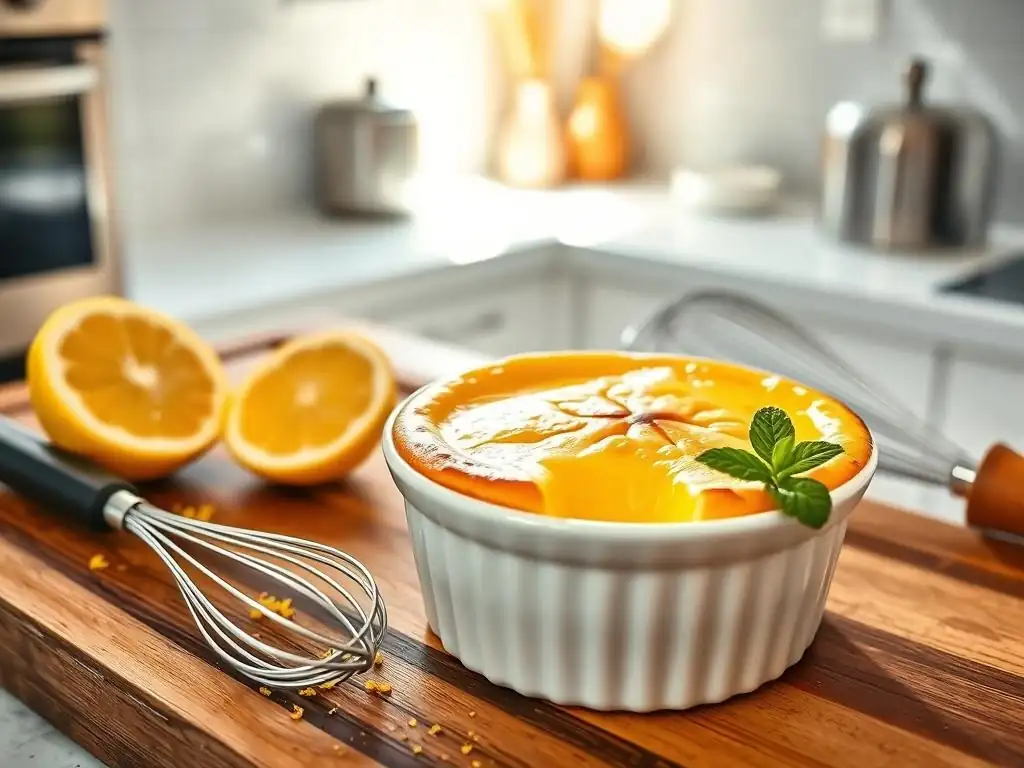
The first step in making this easy lemon custard recipe is preparing the base. This involves gently warming the dairy and sugar, then tempering the eggs before combining everything with the lemon juice and vanilla. Start by heating the heavy cream and sugar in a saucepan over medium heat, stirring until the sugar is dissolved and the cream is warm but not boiling – look for small bubbles just starting to form around the edges of the pan, typically reaching a temperature of around 160-180°F (71-82°C).
While the cream is warming, whisk the eggs (whole eggs and yolks) in a separate bowl until just combined. Once the cream is warm, slowly ladle about half a cup of the hot cream into the whisked eggs while whisking continuously. This process, called tempering, gradually raises the temperature of the eggs, preventing them from scrambling.
Once the eggs are tempered, slowly pour the tempered egg mixture back into the saucepan with the remaining warm cream, whisking constantly. Finally, whisk in the fresh lemon juice, vanilla extract, and pinch of salt. Strain the mixture through a fine-mesh sieve into a pitcher or bowl to remove any potential lumps or chalazae from the eggs, ensuring a perfectly smooth custard base.
Baking the Lemon Custard: Achieving the Perfect Texture
Baking lemon custard requires a gentle, even heat to ensure a smooth, creamy set without curdling or cracking. This is best achieved using a water bath (bain-marie). Preheat your oven to a moderate temperature, typically around 325°F (160°C). Pour the strained custard base into individual ramekins or a larger baking dish.
Place the ramekins or dish into a larger baking pan. Carefully pour hot (but not boiling) water into the larger pan until it comes halfway up the sides of the custard dishes. This water bath insulates the custard, preventing it from cooking too quickly and ensuring a consistent temperature throughout.
Bake the custard in the preheated oven. The baking time will vary depending on the size of your dishes – individual ramekins (like 6-ounce ones) might take 30-40 minutes, while a larger dish could take 50-60 minutes or even longer. The custard is done when the edges are set but the center is still slightly wobbly when the pan is gently shaken. The internal temperature should register around 170-175°F (77-79°C) on an instant-read thermometer inserted near the center (but not touching the bottom). Overbaking will result in a rubbery texture or cracks, so check for doneness carefully.
Cooling and Setting: Important Tips for a Smooth Custard
Once the lemon custard is baked, proper cooling is essential for achieving that desired smooth, set texture. Carefully remove the baking pan from the oven and, while still in the water bath, let the custard cool for about 30-60 minutes at room temperature. This gradual cooling process helps the custard finish setting gently and reduces the risk of cracking.
After this initial cooling period, carefully remove the ramekins or dish from the water bath. Wipe off any condensation from the outside of the dishes. Cover each ramekin or the larger dish tightly with plastic wrap, ensuring the plastic wrap doesn't touch the surface of the custard if possible (you can tent it slightly). Refrigerate the custard for at least 2-4 hours, or preferably overnight, until it is completely chilled and fully set. This chilling time is crucial for the custard to firm up to its ideal creamy consistency. Rushing this step will result in a runny custard.
Tips and Tricks for the Best Lemon Baked Custard
Achieving the Right Lemon Flavor Intensity
Getting the perfect balance of tanginess in your easy lemon custard recipe is key. The amount of lemon juice specified in a recipe is a good starting point, but the acidity of lemons can vary. For a brighter, more intense lemon flavor without adding excessive liquid (which can affect the set), consider adding lemon zest. The zest contains aromatic oils that contribute significantly to the lemon aroma and flavor. Use a microplane zester to finely grate the yellow part of the peel only, avoiding the bitter white pith.
You can add the zest to the cream mixture while it's warming, allowing the flavors to infuse, and then strain it out, or you can add it directly to the strained custard base before baking for small flecks of zest throughout. Start with the zest of one medium lemon and adjust in future batches if you desire more intense flavor. Tasting the custard base before baking (after straining, but before tempering is complete if you added zest early) can give you an idea of the sweetness level, but assessing the final lemon intensity truly happens after baking and chilling.
Preventing Cracks in Your Lemon Custard
Cracks on the surface of baked custard are usually a sign of overbaking or cooling too quickly. To prevent this, ensure your oven temperature is accurate (an oven thermometer can be helpful) and that you are using a water bath. The water bath helps regulate the temperature and prevents the edges from setting and drying out before the center is done.
Monitor the custard closely during the last 10-15 minutes of baking. It should still have a slight wobble in the center. Removing it at this point allows it to finish setting as it cools. Crucially, let the custard cool gradually in the water bath for a significant period (30-60 minutes) before removing it and refrigerating. Sudden temperature changes are a major culprit for cracks. If a crack does appear, don't despair! It doesn't affect the taste or texture, and you can easily hide it with a dollop of whipped cream or fresh berries.
Serving Suggestions for Your Homemade Lemon Custard
Your beautifully set easy lemon custard is delicious on its own, served cold straight from the refrigerator. However, a few simple additions can elevate it further. A classic pairing is fresh berries, such as raspberries, blueberries, or strawberries, which complement the lemon's tartness and add vibrant color.
A dollop of lightly sweetened whipped cream is another popular choice, adding a layer of richness that contrasts nicely with the bright custard. For a bit of texture, consider a sprinkle of toasted nuts, crushed shortbread cookies, or a light dusting of powdered sugar. Serving the custard in clear ramekins allows guests to admire its lovely pale yellow color and smooth texture.
Troubleshooting Common Lemon Custard Issues
My Lemon Custard is Too Runny: Possible Causes and Solutions
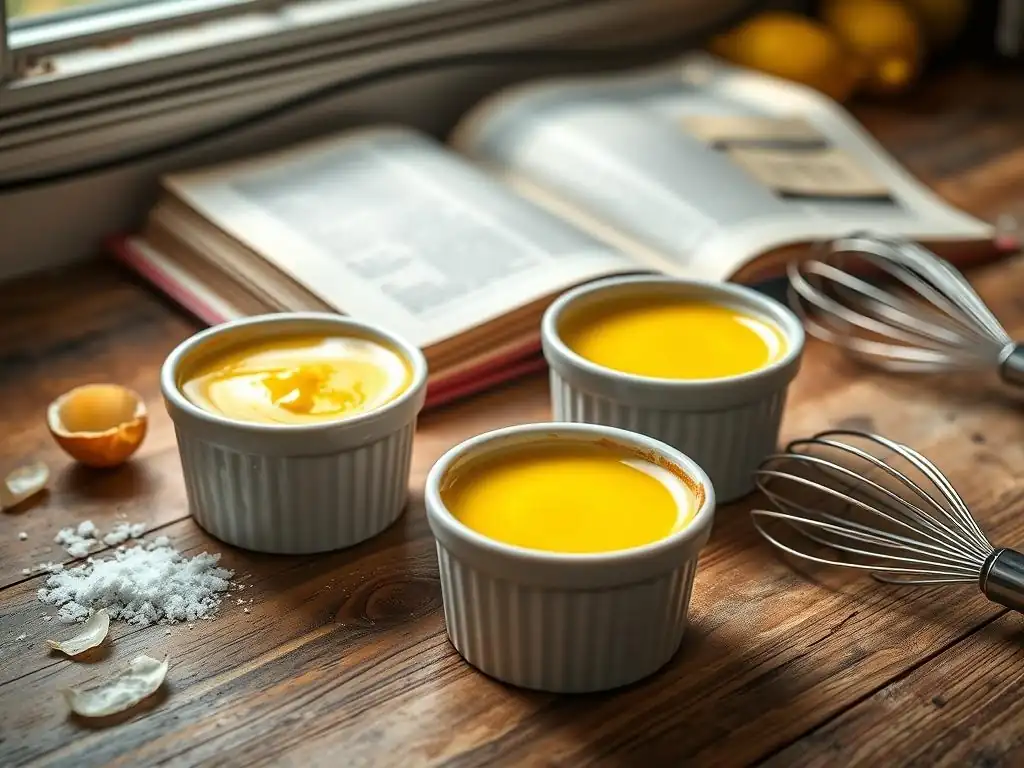
If your easy lemon custard recipe resulted in a custard that didn't set properly and is too runny, there are a few common culprits. The most frequent issue is underbaking. Custard needs to reach a specific internal temperature (around 170-175°F or 77-79°C) for the egg proteins to coagulate and set the mixture. If you removed it from the oven too early, it won't firm up sufficiently as it cools.
Another cause could be not using enough eggs, using eggs that are too small, or an incorrect ratio of liquid to eggs. Ensure you're using the correct number and size of eggs specified in the recipe. Finally, not chilling the custard for long enough is a common mistake. Custard needs several hours in the refrigerator to fully set. If you've underbaked it slightly, sometimes extended chilling (even overnight or longer) can help it firm up further, though severely underbaked custard may not fully set.
My Lemon Custard Cracked: How to Prevent It Next Time
As mentioned earlier, cracks in lemon custard are usually due to overbaking or rapid temperature changes during cooling. Overbaking causes the proteins to contract too much, pulling the surface apart. Baking without a water bath, or with insufficient water in the bath, can lead to the edges cooking much faster and drying out before the center is set, also causing cracks.
To prevent cracking in your next attempt at this easy lemon custard recipe, always use a water bath that comes at least halfway up the sides of your baking dishes. Bake at a moderate temperature (around 325°F/160°C) and check for doneness by gently shaking the dish – the center should still have a slight jiggle. Crucially, allow the custard to cool in the water bath for at least 30 minutes after removing it from the oven before transferring it to the refrigerator. This gradual cooling is key.
My Lemon Custard is Too Eggy: Tips for Reducing the Egg Flavor
While eggs are essential for setting custard, sometimes the flavor can be too prominent, overshadowing the delicate lemon. This can happen if you've used too many eggs relative to the amount of dairy, or if the eggs weren't fresh. Using only yolks instead of a combination of whole eggs and yolks can also sometimes lead to a richer, but potentially more eggy flavor profile if the balance isn't right.
To reduce an eggy flavor in your easy lemon custard recipe, ensure you are using the correct quantity of eggs specified. Using very fresh eggs can also make a difference. Adding a bit more vanilla extract (within reason) or a pinch more salt can help balance and enhance the other flavors, making the eggy taste less noticeable.
Serving the custard well-chilled is also important, as cold temperatures tend to mellow flavors. Next time, consider slightly increasing the amount of heavy cream or reducing the number of whole eggs while keeping the yolks, if the recipe allows, to achieve a creamier texture with less prominent egg flavor.
Variations on the Classic Lemon Custard Recipe
Adding Lemon Zest for Extra Flavor
One of the simplest and most effective ways to enhance the bright flavor of this easy lemon custard recipe is by incorporating lemon zest. While the juice provides tanginess, the zest contains fragrant oils that contribute a deeper, more aromatic lemon taste. For a standard batch using 1.5-2 cups of liquid, the zest of one medium to large lemon is usually sufficient.
You can add the finely grated zest directly to the warming cream mixture. Let it steep for about 10-15 minutes before straining the liquid and proceeding with tempering the eggs. Alternatively, for visible flecks and a more intense aroma, add the zest to the strained custard base just before pouring it into the ramekins. Be sure to use only the yellow part of the peel, as the white pith is bitter.
Swirling in Berry Compote
Adding a swirl of vibrant berry compote introduces a lovely visual element and a complementary sweet-tart flavor to the easy lemon custard. While the custard is chilling, you can quickly make a simple compote by simmering about 1-2 cups of fresh or frozen berries (like raspberries, blueberries, or mixed berries) with 1-2 tablespoons of sugar and a splash of lemon juice or water until the berries break down and the mixture thickens slightly.
Once the compote is cool, you can gently swirl a tablespoon or two into each ramekin of custard before baking, or serve a spoonful over the finished, chilled custard. If swirling before baking, don't over-mix; you want distinct swirls. The berries' acidity can sometimes affect the set slightly if mixed too vigorously throughout the custard base, so swirling on top or adding after baking is often simpler for beginners.
Adding a Graham Cracker Crust
While traditionally served crustless, adding a simple graham cracker crust turns this easy lemon custard recipe into a sort of "crustless lemon pie" or tartlet, adding a delightful textural contrast. To make a simple crust, combine about 1.5 cups of graham cracker crumbs with 1/4 cup of granulated sugar and 1/2 cup of melted unsalted butter. Press the mixture firmly into the bottom of your ramekins or baking dish.
You can pre-bake the crust for about 8-10 minutes at 350°F (175°C) until lightly golden before pouring in the custard, or you can carefully pour the custard directly over the unbaked crust and bake them together in the water bath. Pre-baking usually results in a firmer crust that holds up better against the moist custard. Ensure the crust is fully cooled if pre-baked before adding the liquid custard base.
Storing and Enjoying Your Lemon Custard
How to Properly Store Leftover Lemon Custard
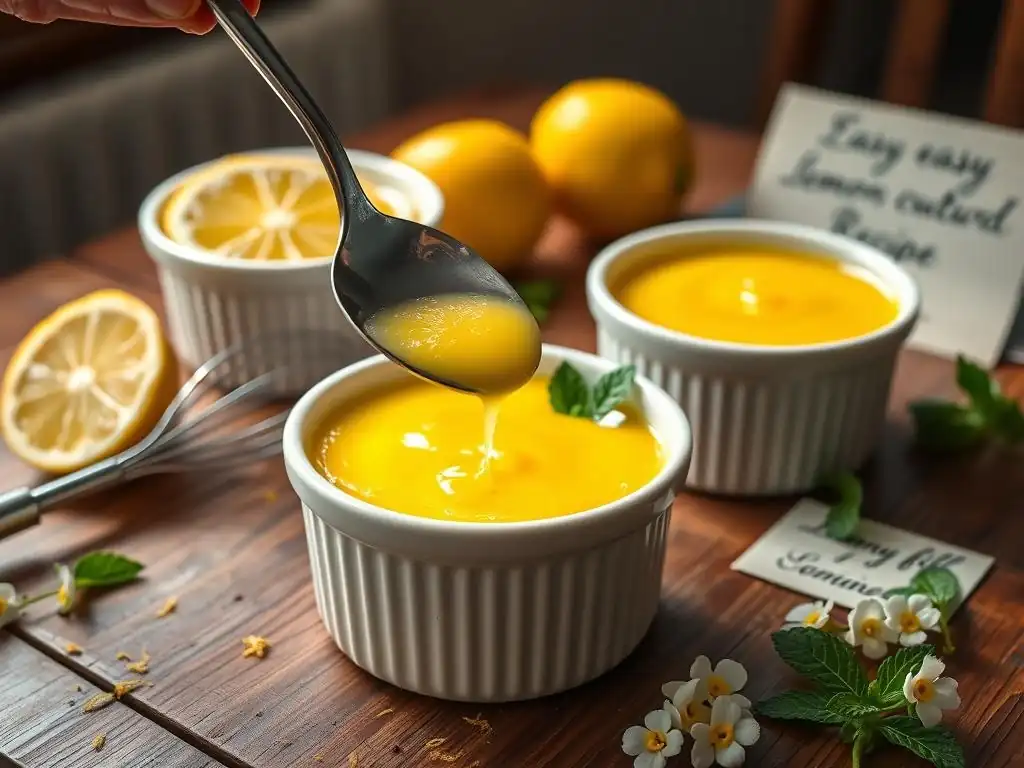
Proper storage is key to keeping your easy lemon custard fresh and delicious. Once the custard has been fully chilled and set in the refrigerator, cover the individual ramekins or the baking dish tightly. Plastic wrap pressed directly onto the surface of the custard can help prevent a skin from forming, though this is less common with baked custards compared to stovetop versions.
Alternatively, use airtight lids if your ramekins or dish come with them. Store the covered custard in the refrigerator. It should be kept cold at all times when not being served. Avoid leaving it at room temperature for more than an hour or two, as dairy and eggs are perishable.
How Long Does Lemon Custard Last?
When stored correctly in an airtight container in the refrigerator, homemade lemon baked custard typically lasts for 3 to 4 days. The high dairy and egg content mean it's best consumed within this timeframe for optimal freshness and safety.
While it might still be safe to eat slightly beyond this, the texture and flavor can start to deteriorate. The vibrant lemon flavor might fade slightly, and the texture could become less smooth. Always check for any off smells or appearances before consuming leftovers. This easy lemon custard recipe is usually so popular, leftovers might not even be an issue!
Lemon Custard Recipe: Printable Version
Easy Lemon Custard Recipe - Ingredients List
- 1 ¾ cups Heavy Cream
- ½ cup Granulated Sugar
- 3 large Eggs, at room temperature
- 2 large Egg Yolks, at room temperature
- ¼ cup Fresh Lemon Juice (from 1-2 medium lemons)
- 1 teaspoon Pure Vanilla Extract
- ¼ teaspoon Salt
- Optional: Zest of 1 medium lemon
Easy Lemon Custard Recipe - Baking Instructions
- Preheat oven to 325°F (160°C). Prepare a water bath by placing ramekins (four 6-ounce or similar size) or a 1-quart baking dish into a larger roasting pan.
- In a medium saucepan, heat the heavy cream and sugar over medium heat, stirring until sugar is dissolved and cream is warm (do not boil). Remove from heat.
- In a separate bowl, whisk together the whole eggs and egg yolks.
- Slowly and gradually whisk about ½ cup of the warm cream mixture into the whisked eggs to temper them.
- Pour the tempered egg mixture back into the saucepan with the remaining warm cream. Whisk to combine.
- Whisk in the fresh lemon juice, vanilla extract, and salt. If using, whisk in the lemon zest now or add it to the cream step.
- Strain the custard mixture through a fine-mesh sieve into a pitcher or directly into the prepared ramekins/baking dish.
- Carefully pour hot water into the larger roasting pan until it comes halfway up the sides of the custard dishes.
- Bake for 30-40 minutes for ramekins or 50-60+ minutes for a larger dish, or until the edges are set and the center is slightly wobbly. Internal temperature should be 170-175°F (77-79°C).
- Carefully remove the roasting pan from the oven. Let the custard cool in the water bath for 30-60 minutes.
- Remove custard dishes from the water bath, wipe dry, cover tightly with plastic wrap, and refrigerate for at least 2-4 hours, preferably overnight, until fully chilled and set.
- Serve cold, plain or with desired toppings.
Frequently Asked Questions
What makes this lemon custard recipe "easy"?
This recipe focuses on simple ingredients and a straightforward baking process. The key is combining everything and baking until set, minimizing complicated steps.
Can I use a different type of citrus in this custard?
While this recipe is specifically for lemon, you could experiment with other citrus fruits. Be mindful of the acidity levels and adjust sugar accordingly.
How do I know when the lemon custard is done baking?
The custard is done when the edges are set but the center still has a slight jiggle. It will continue to firm up as it cools.
What's the best way to store leftover lemon custard?
Store leftover custard in an airtight container in the refrigerator for up to 3 days. Proper storage is important to maintain its creamy texture and prevent spoilage.
Can I use pre-made lemon juice instead of fresh?
Freshly squeezed lemon juice provides the best flavor for this recipe. However, high-quality pre-made juice can be used in a pinch.
Final Reflection: The Enduring Allure of Simple Pleasures
The seemingly simple act of baking a lemon custard transcends mere culinary creation; it's a testament to the power of comfort, ease, and the unexpected joy found in everyday moments. In a world often characterized by complexity and hurried routines, the recipe shared in this article offers a refreshing counterpoint – a reminder that deliciousness doesn't require elaborate techniques or extensive ingredient lists. The bright, creamy result is a testament to the magic of a few well-chosen ingredients, carefully combined.
The enduring appeal of lemon custard, I believe, lies in its versatility and its ability to evoke powerful memories and emotions. It's a dessert that effortlessly bridges generations, a taste of home for many, and a comforting presence on tables across cultures. Simplicity is the ultimate sophistication,
Leonardo da Vinci once said, and this sentiment perfectly encapsulates the essence of this classic dessert. Its simplicity allows for personal touches and variations, making each baked custard a unique expression of the baker's own creativity and care.
Now, I invite you to consider the simple pleasures in your own life. What seemingly small acts bring you joy, comfort, and a sense of connection? Perhaps it's the warmth of a cup of tea, the laughter of loved ones, or the quiet satisfaction of a task well-done. Take a moment to appreciate these moments, to savor them as fully as you would a slice of this bright and creamy lemon custard. Let the simplicity of this recipe inspire you to find joy in the everyday, and to create your own moments of deliciousness and contentment.
Unlock Your Inner Pastry Chef: Bake Your Own Lemon Delight!
Thanks for joining us on this creamy, lemony adventure! We hope you've gained some confidence in tackling this delightful dessert. Ready to take your baking to the next level?
- Whip up your own batch: The recipe is waiting – go on, impress yourself (and maybe some friends!) with this simple yet elegant custard.
- Share your creation: Post a picture of your baked custard on social media and tag us @BakeWithEase – we'd love to see your masterpiece!
- Explore our other easy recipes: Discover more simple yet impressive desserts on our website – you might find your new favorite treat!
What's your favorite part of this recipe – the creamy texture or the zesty lemon flavor? Let us know in the comments below!