
Vegan Cheesecake Magic: So Good, Nobody Will Guess

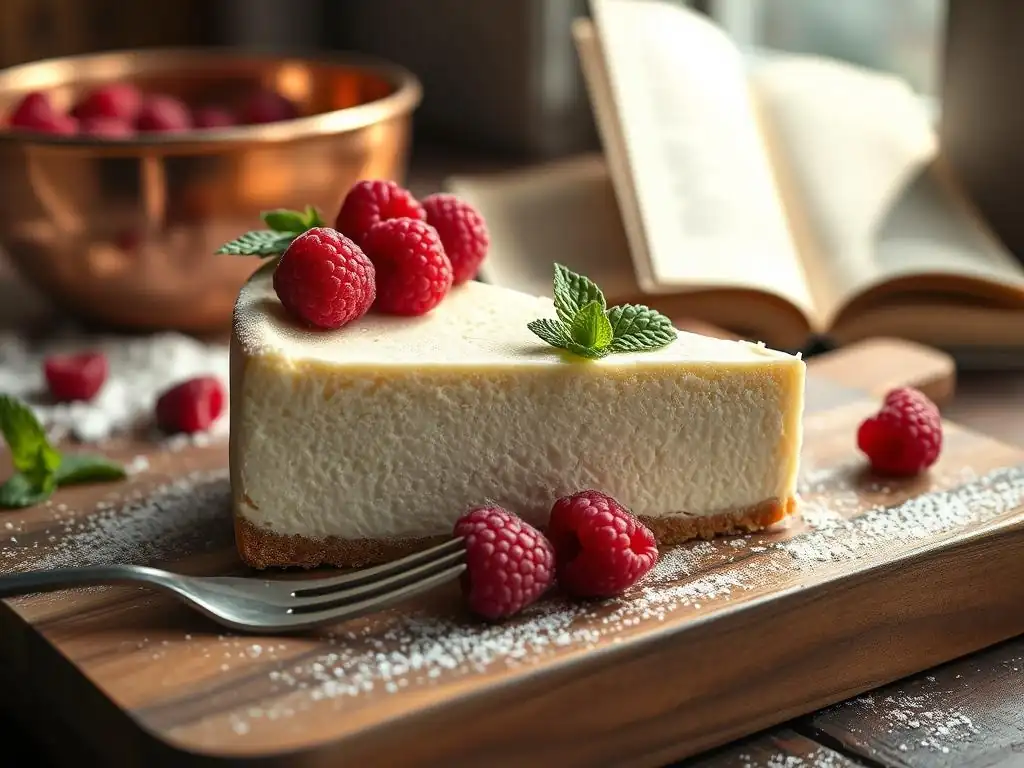
Welcome to BakeWithEase, your guide to unlocking delicious possibilities! Ever dreamt of a decadent dessert that's both guilt-free and unbelievably easy to make? Then prepare to be amazed. This week, we're diving into the enchanting world of vegan cheesecake, offering a simple recipe and easy guide that will have everyone begging for more. Curious how we achieve such creamy, dreamy perfection without any dairy? Read on and prepare to be amazed – the secret is surprisingly simple!
- Decadent Vegan Chocolate Cheesecake: Rich, Creamy, and Guilt-Free
- PlantBasedDelights Presents: The Ultimate Vegan Chocolate Cheesecake Recipe Guide
- Why You'll Love This Vegan Chocolate Cheesecake Recipe
- Mastering the Art of Vegan Chocolate Cheesecake Baking
- Vegan Chocolate Cheesecake Recipe: Detailed Instructions
- Tips and Tricks for Vegan Chocolate Cheesecake Success
- Vegan Chocolate Cheesecake Variations and Flavor Ideas
- Troubleshooting Your Vegan Chocolate Cheesecake
- Serving and Enjoying Your Vegan Chocolate Cheesecake
- Vegan Chocolate Cheesecake: A Healthier Dessert Option?
- Conclusion: Your Journey to Vegan Chocolate Cheesecake Mastery
-
Frequently Asked Questions
- What makes this vegan cheesecake recipe an "easy guide"?
- Can I really fool non-vegans with this "Vegan Cheesecake Magic"?
- What are the key ingredients that replace traditional dairy in this vegan cheesecake?
- How long does it take to make this easy vegan cheesecake recipe?
- What if I don't have all the specific ingredients listed in the "Vegan Cheesecake Magic" recipe?
- Final Reflection: The Unexpected Delight of Vegan Cheesecake
- Unleash Your Inner Vegan Pastry Chef!
Decadent Vegan Chocolate Cheesecake: Rich, Creamy, and Guilt-Free
PlantBasedDelights Presents: The Ultimate Vegan Chocolate Cheesecake Recipe Guide
Welcome to the world of vegan baking, where indulgence meets compassion! If you've ever doubted the possibility of a truly decadent, creamy, and rich chocolate cheesecake without any dairy, eggs, or animal products, prepare to have your mind (and taste buds) changed. This comprehensive guide will walk you through creating a show-stopping vegan chocolate cheesecake that is so delicious, even non-vegans won't believe it's plant-based. We'll cover everything from selecting the best ingredients to mastering the techniques, whether you prefer a classic baked version or a quick no-bake delight.
Crafting the perfect vegan cheesecake recipe requires understanding the unique properties of plant-based ingredients. Unlike traditional cheesecake that relies on cream cheese, eggs, and heavy cream for its structure and richness, the vegan version uses clever substitutions to achieve a similar luxurious texture and depth of flavor. This guide is designed to be an easy guide for anyone, regardless of their baking experience, to create a successful and utterly satisfying vegan chocolate cheesecake. Get ready to bake (or not bake!) something truly magical.
Why You'll Love This Vegan Chocolate Cheesecake Recipe
This vegan chocolate cheesecake recipe isn't just a dairy-free alternative; it's a dessert experience in its own right. You'll love it because it delivers intense chocolate flavor without being overly sweet, boasts a wonderfully smooth and creamy texture that melts in your mouth, and offers a delightful contrast with its crunchy cookie crust. It's the perfect dessert for special occasions, holidays, or simply when you crave a rich, satisfying treat. Plus, knowing it's made with plant-based ingredients makes it a guilt-free pleasure that aligns with ethical and dietary choices.
Beyond its incredible taste and texture, this vegan chocolate cheesecake recipe is surprisingly adaptable. Whether you're short on time and need a no-bake option or prefer the classic baked cheesecake structure, this guide provides instructions for both. It's also highly customizable – easily incorporating different flavors or toppings to suit your preference. Imagine a hint of peppermint for a festive touch or a swirl of salted caramel for extra indulgence. This recipe serves as a fantastic base for countless delicious variations, making it a versatile addition to your baking repertoire.
The Secret to a Rich, Chocolatey, and Creamy Vegan Cheesecake
The secret to achieving that sought-after rich, chocolatey, and creamy texture in a vegan cheesecake lies in the strategic combination of key plant-based ingredients. High-quality vegan cream cheese forms the foundation, providing the necessary tang and structure.
This is often blended with components like melted vegan chocolate (typically containing at least 50-70% cocoa solids for depth), a source of healthy fats such as coconut cream or cashews for ultimate creaminess, and a liquid sweetener like maple syrup which adds moisture and a subtle flavor profile without the graininess of sugar. The precise ratio of these elements is crucial – too much liquid can make it runny, while too little fat can result in a less luxurious feel.
Furthermore, incorporating a thickening agent is vital, especially for baked versions or to ensure the no-bake cheesecake sets properly. Cornstarch or arrowroot powder are common choices, working by gelling the mixture as it heats or chills. For the intense chocolate flavor, using unsweetened cocoa powder in addition to melted chocolate amplifies the richness. Some recipes also incorporate a touch of espresso powder to deepen the chocolate notes, a trick often used in conventional chocolate desserts. Achieving the perfect balance requires careful measurement and often chilling time, allowing the fats to firm up and the flavors to meld beautifully.
No-Bake Vegan Chocolate Cheesecake Option for a Quick Dessert
For those moments when oven space is limited or you simply crave a delicious dessert without the wait of baking, the no-bake vegan chocolate cheesecake option is a lifesaver. This method relies on the power of chilling to set the filling, typically utilizing ingredients that solidify or thicken significantly when cold. Coconut cream, when properly chilled and whipped, provides incredible richness and stability. Cashews, soaked and blended into a smooth cream, also contribute to a dense, creamy texture that sets firmly in the refrigerator.
The no-bake approach is significantly faster in terms of preparation time, often taking less than 30 minutes to assemble before chilling. While it requires several hours (usually at least 4-6 hours, or preferably overnight) in the refrigerator or freezer to firm up completely, it eliminates the risk of cracking associated with baking. The resulting texture is often silkier and denser than a baked cheesecake, making it a wonderfully rich treat perfect for warmer weather or when you need a reliable, fuss-free vegan cheesecake recipe that's an easy guide to follow.
Mastering the Art of Vegan Chocolate Cheesecake Baking
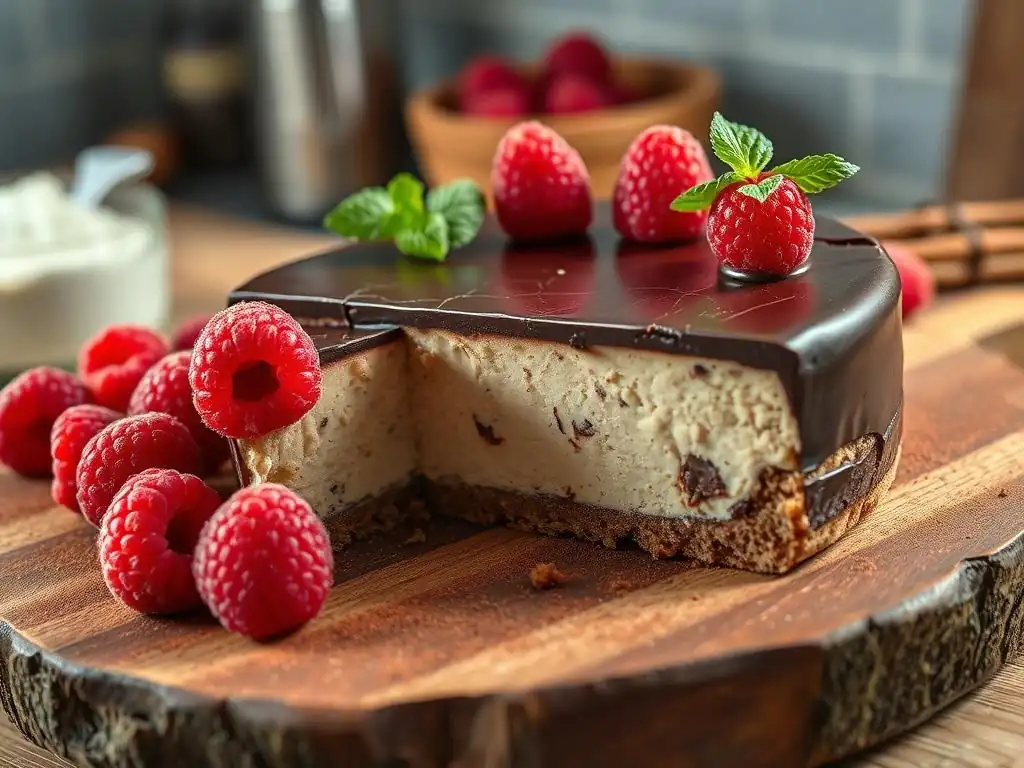
Mastering the art of baking a vegan chocolate cheesecake involves understanding how plant-based ingredients behave under heat and cold. Unlike traditional cheesecake, which can be prone to curdling or cracking if baked incorrectly, vegan versions often require gentler baking methods or rely entirely on chilling. The key is to create a smooth, stable filling that sets into a creamy, sliceable dessert. Paying attention to ingredient temperatures, mixing techniques, and chilling times are all critical steps in achieving success.
Successful vegan cheesecake baking also means being mindful of the crust. A well-made crust provides a sturdy base and adds a textural contrast. Whether you choose a simple crushed cookie crust or something more elaborate, ensuring it's pressed firmly into the pan and potentially pre-baked (for a baked cheesecake) prevents crumbling and creates a clean edge. The combination of a perfectly baked crust and a smoothly set filling is the hallmark of a masterfully crafted vegan chocolate cheesecake.
Essential Ingredients for the Best Vegan Chocolate Cheesecake
Crafting the best vegan chocolate cheesecake starts with selecting high-quality, essential plant-based ingredients. The foundation is a good vegan cream cheese, which needs to be firm and tangy. You'll also need a source of fat and creaminess like full-fat coconut milk (the solid cream part from a chilled can) or soaked cashews. Sweeteners such as maple syrup or agave nectar provide moisture and sweetness, while melted vegan chocolate and cocoa powder deliver that crucial chocolate intensity.
Other important components include a thickener like cornstarch or arrowroot powder to help the filling set, a liquid base such as plant-based milk (soy, almond, or oat work well), and flavor enhancers like vanilla extract and a pinch of salt. For the crust, vegan cookies (like chocolate sandwich cookies or graham crackers) and vegan butter are standard. Using fresh, good-quality ingredients will significantly impact the final taste and texture of your vegan chocolate cheesecake, ensuring it's a delicious success.
Plant-Based Cream Cheese Alternatives: Choosing Tofu-Based Cream Cheese
One of the most common and effective plant-based cream cheese alternatives is made from tofu, particularly silken or soft tofu blended with vegan fats and flavorings. Tofu provides a smooth, creamy base that mimics the texture of dairy cream cheese when processed correctly. Often, this type of vegan cream cheese alternative is fortified with thickeners like carrageenan or gums and flavored with lactic acid to give it that characteristic tangy "cheesy" taste.
When choosing a tofu-based cream cheese for your vegan chocolate cheesecake recipe, look for brands specifically designed for spreads or cheesecakes, as they tend to have a firmer consistency than those intended solely for cooking. Some popular options available in many grocery stores include Kite Hill, Miyoko's Kitchen (cashew-based but often found in the same section), and Follow Your Heart. While texture and flavor can vary slightly between brands, a good quality tofu-based cream cheese will blend seamlessly into the filling, providing a stable and creamy foundation for your decadent dessert.
Vegan Chocolate Cookie Crust: A Simple Recipe
A simple yet delicious vegan chocolate cookie crust provides the perfect counterpoint to the rich, creamy filling of a vegan chocolate cheesecake. This crust typically requires just two main ingredients: crushed vegan chocolate cookies and melted vegan butter or coconut oil. Popular choices for cookies include Oreos (which are accidentally vegan in the US and many other countries) or other store-bought vegan chocolate sandwich cookies or plain chocolate wafers.
To make the crust, simply crush about 20-25 vegan chocolate sandwich cookies (removing the filling if preferred, though it adds richness) into fine crumbs using a food processor or by placing them in a bag and crushing with a rolling pin. Mix the crumbs with about 1/2 cup (115g) of melted vegan butter or coconut oil until the mixture resembles wet sand. Press this mixture firmly into the bottom and slightly up the sides of a 9-inch springform pan. This simple vegan cheesecake recipe crust is an easy guide to getting started!
Sweeteners for Vegan Chocolate Cheesecake: Maple Syrup and Coconut Sugar
Choosing the right sweetener is important for balancing the richness of a vegan chocolate cheesecake. Maple syrup and coconut sugar are excellent choices, offering distinct flavor profiles and functional properties. Maple syrup, a liquid sweetener, blends easily into the filling, provides moisture, and imparts a subtle, warm flavor that complements chocolate beautifully. It's a less refined option than white sugar and has a lower glycemic index compared to some other sweeteners.
Coconut sugar, on the other hand, is a granulated sweetener derived from the sap of coconut palms. It has a slightly caramel-like flavor and a brown hue, similar to brown sugar. While it doesn't dissolve as instantly as maple syrup, it can be used in both the crust and the filling (often requiring blending in a high-speed blender for smoothness). Coconut sugar offers a richer, deeper sweetness compared to maple syrup, which can enhance the complexity of the chocolate flavor. Both sweeteners are plant-based and contribute positively to the overall taste and texture of this vegan cheesecake recipe.
Step-by-Step: Baking the Perfect Vegan Chocolate Cheesecake
Baking a vegan chocolate cheesecake requires careful attention to temperature and timing to ensure a smooth, crack-free finish. Once your crust is prepared and pressed into the pan, the filling is poured in and smoothed over. The cheesecake is typically baked at a relatively low temperature, often around 325°F (160°C), to prevent the edges from setting too quickly while the center is still soft.
Baking time varies depending on the size of the cheesecake and your oven, but it usually takes between 45 to 70 minutes. You'll know it's done when the edges appear set and slightly puffed, while the center is still slightly wobbly when the pan is gently nudged. It's crucial not to overbake it, as this is a primary cause of cracking. Once baked, turn off the oven and let the cheesecake cool gradually inside with the door ajar for about an hour. This slow cooling helps prevent thermal shock and further reduces the risk of cracks.
Preparing the Vegan Chocolate Cookie Crust
To prepare the vegan chocolate cookie crust for your baked cheesecake, begin by finely crushing about 250 grams of vegan chocolate cookies. A food processor is the most efficient tool for this, turning the cookies into fine, uniform crumbs in mere seconds. If you don't have a food processor, place the cookies in a sturdy zip-top bag and crush them using a rolling pin until no large chunks remain.
Next, melt approximately 1/2 cup (115g) of vegan butter or solid coconut oil. Combine the melted fat with the cookie crumbs in a medium bowl, stirring until all the crumbs are evenly moistened and resemble wet sand. Transfer the mixture to a 9-inch springform pan.
Using the bottom of a glass or your fingers, firmly press the mixture into an even layer covering the bottom and extending slightly up the sides of the pan. For a baked cheesecake, you might choose to pre-bake the crust at 350°F (175°C) for about 8-10 minutes until slightly set, then let it cool before adding the filling. This step helps create a sturdier base.
Mixing the Vegan Chocolate Cheesecake Filling
Mixing the vegan chocolate cheesecake filling is a key step in achieving a smooth, creamy texture. Start with your softened vegan cream cheese in a large bowl. If using soaked cashews, ensure they are blended into an incredibly smooth cream first. Add your chosen sweetener (maple syrup, coconut sugar, or a blend), melted and slightly cooled vegan chocolate, cocoa powder, plant-based milk, thickener (like cornstarch or arrowroot mixed with a little liquid), vanilla extract, and a pinch of salt.
Use an electric mixer or a stand mixer with the paddle attachment on medium-low speed to combine the ingredients. Mix until everything is thoroughly incorporated and the mixture is completely smooth and free of lumps. Avoid overmixing, as introducing too much air can sometimes contribute to cracking during baking. Scrape down the sides and bottom of the bowl periodically to ensure all ingredients are fully blended. The goal is a thick, glossy, and uniform mixture ready to be poured into the prepared crust.
Baking or Setting Your Vegan Chocolate Cheesecake
Once the filling is prepared, pour it carefully into your prepared crust in the springform pan. Smooth the top with a spatula. If baking, place the springform pan inside a larger pan and fill the larger pan with about an inch of hot water to create a water bath. This helps regulate the temperature and provides moisture, resulting in a more evenly baked and less crack-prone cheesecake. Bake in a preheated oven (around 325°F / 160°C) for 45-70 minutes until the edges are set but the center is still slightly jiggly.
If opting for the no-bake method, simply pour the filling into the crust and smooth the top. Cover the pan tightly with plastic wrap and refrigerate for at least 4-6 hours, or preferably overnight, until the cheesecake is completely firm. For an even faster set (around 2-3 hours), you can place it in the freezer. Both methods result in a delicious vegan chocolate cheesecake, offering flexibility depending on your time and desired texture. This flexibility makes it a truly easy guide for any baker.
Vegan Chocolate Cheesecake Recipe: Detailed Instructions
Ready to make your own? This section provides a detailed, step-by-step vegan cheesecake recipe guide. Whether you prefer the classic baked approach or the speedy no-bake method, these instructions will lead you to a perfect vegan chocolate cheesecake. Follow these steps carefully to ensure success and enjoy a truly decadent dessert.
Remember to gather all your ingredients and equipment before you begin. Precision in measuring, especially for the thickeners, is important for achieving the correct texture. Don't be afraid to taste the filling before adding it to the crust (before adding the thickener if baking, or before chilling if no-bake) to adjust the sweetness or chocolate intensity to your liking. This vegan cheesecake recipe is designed to be an easy guide, breaking down the process into manageable steps.
Ingredients List for a Classic Vegan Chocolate Cheesecake
Here is a standard ingredient list for a classic baked vegan chocolate cheesecake made in a 9-inch springform pan, yielding about 10-12 servings:
- For the Crust:
- 250 grams (about 25-30 cookies) vegan chocolate sandwich cookies (like Oreos)
- 1/2 cup (115g) melted vegan butter or coconut oil
- For the Filling:
- 3 blocks (about 24 oz or 680g) firm vegan cream cheese, softened at room temperature
- 1 1/4 cups (300ml) full-fat canned coconut milk (use only the solid cream part, chilled overnight) OR 1 1/2 cups (225g) soaked cashews (soaked in hot water for 1 hour, then drained)
- 1 cup (240ml) maple syrup OR 3/4 cup (150g) coconut sugar (or a mix)
- 8 oz (225g) vegan dark chocolate, melted and slightly cooled
- 1/2 cup (50g) unsweetened cocoa powder
- 1/4 cup (30g) cornstarch or arrowroot powder
- 1/4 cup (60ml) plant-based milk (soy, almond, oat)
- 1 tbsp vanilla extract
- 1/2 tsp fine sea salt
- Optional: 1 tsp instant espresso powder
This list provides the core components for a rich and flavorful vegan chocolate cheesecake. Adjust quantities slightly based on your preference for sweetness or chocolate intensity. Ensure your vegan cream cheese is truly at room temperature for easy blending; cold cream cheese will result in a lumpy filling.
Vegan Chocolate Cheesecake Baking Instructions: A Step-by-Step Approach
Follow these steps for a perfectly baked vegan chocolate cheesecake:
- Prepare the Crust: Make the vegan chocolate cookie crust as described in the "Preparing the Vegan Chocolate Cookie Crust" section. Press firmly into a greased 9-inch springform pan. If pre-baking, bake at 350°F (175°C) for 8-10 minutes and cool.
- Make the Filling: In a large bowl, beat the softened vegan cream cheese until smooth. Add the chilled coconut cream (or blended cashews), sweetener, melted chocolate, cocoa powder, cornstarch/arrowroot mixed with plant milk, vanilla extract, salt, and optional espresso powder. Beat on medium-low speed until completely smooth and combined, scraping the bowl as needed.
- Pour and Prepare for Baking: Pour the smooth filling into the prepared crust. Smooth the top with an offset spatula. Wrap the bottom of the springform pan tightly with heavy-duty aluminum foil to prevent water from entering during the water bath.
- Set up Water Bath: Place the foil-wrapped springform pan inside a larger baking pan (like a roasting pan). Carefully pour hot water into the larger pan around the springform pan, filling it about 1 inch deep.
- Bake: Bake in a preheated oven at 325°F (160°C) for 45-70 minutes. The edges should look set, and the center should still be slightly wobbly.
- Cool Gradually: Turn off the oven. Prop the oven door open slightly (with a wooden spoon or oven mitt) and let the cheesecake cool inside the oven for 1 hour.
- Chill: Remove the cheesecake from the water bath and oven. Remove the foil. Let it cool completely on a wire rack at room temperature for another hour. Then, cover it loosely and refrigerate for at least 6-8 hours, or preferably overnight, to set completely.
- Serve: Carefully run a knife around the edge before releasing the springform pan. Slice and serve chilled.
This detailed process ensures a beautiful, crack-free vegan chocolate cheesecake.
No-Bake Vegan Chocolate Cheesecake Instructions: Quick and Easy
For a quick and easy no-bake vegan chocolate cheesecake, follow these steps:
- Prepare the Crust: Make the vegan chocolate cookie crust as described in the "Preparing the Vegan Chocolate Cookie Crust" section. Press firmly into a greased 9-inch springform pan. Do not pre-bake.
- Make the Filling: In a large bowl, beat the softened vegan cream cheese until smooth. Add the chilled coconut cream (or blended cashews), sweetener, melted chocolate, cocoa powder, plant-based milk, vanilla extract, salt, and optional espresso powder. Beat on medium-low speed until completely smooth and combined, scraping the bowl as needed. Note: Some no-bake recipes use melted coconut oil in the filling instead of coconut cream/cashews for firmness; if so, add it here.
- Pour and Smooth: Pour the smooth filling into the prepared crust. Smooth the top with an offset spatula.
- Chill: Cover the springform pan tightly with plastic wrap. Refrigerate for at least 4-6 hours, or preferably overnight, until the cheesecake is completely firm. For a faster set, freeze for 2-3 hours.
- Serve: Carefully run a knife around the edge before releasing the springform pan. Slice and serve chilled.
This no-bake vegan cheesecake recipe is truly an easy guide to a delicious dessert with minimal effort. The texture will be dense and smooth, perfect for a warm day or when you need dessert pronto!
Tips and Tricks for Vegan Chocolate Cheesecake Success
Achieving vegan chocolate cheesecake perfection involves a few key tips and tricks that address common baking challenges. From preventing unsightly cracks to nailing that ideal creamy texture and storing your masterpiece correctly, these insights will elevate your baking game and ensure your vegan cheesecake recipe turns out beautifully every time.
Understanding the role of temperature and moisture is crucial in vegan baking, just as it is in traditional baking. Vegan ingredients can sometimes behave differently, so knowing how to handle them – whether it's ensuring ingredients are at room temperature for smooth blending or providing a humid environment during baking – makes a significant difference in the final outcome.
Preventing Cracks in Your Vegan Chocolate Cheesecake
Cracks are the nemesis of many cheesecake bakers, vegan or not. To prevent cracks in your baked vegan chocolate cheesecake, several factors are key. First, avoid overmixing the batter, as incorporating too much air can lead to uneven expansion and cracking during baking. Second, bake the cheesecake at a lower temperature (like 325°F / 160°C) for a longer time rather than a high temperature for a short time.
Crucially, using a water bath during baking provides moisture and helps the cheesecake bake more evenly, preventing the edges from setting too quickly while the center is still liquid. Finally, allowing the cheesecake to cool very gradually is perhaps the most important step. After baking, turn off the oven and let the cheesecake cool inside with the door ajar for an hour before transferring it to a wire rack to cool completely at room temperature, and then chilling. Sudden temperature changes are a major cause of cracks due to rapid contraction.
Achieving the Perfect Texture: Creamy vs. Dense
The desired texture of your vegan chocolate cheesecake – whether you prefer it super creamy or more dense – can be influenced by ingredient choices and preparation methods. For a creamier texture, ensuring your vegan cream cheese is fully softened and blending the filling ingredients until absolutely smooth is essential. Using full-fat coconut cream (the solid part from a chilled can) or soaked and thoroughly blended cashews also contributes significantly to richness and creaminess.
If you prefer a denser texture, particularly in a no-bake version, increasing the amount of solid fat like melted coconut oil in the filling can help it set more firmly. For baked cheesecakes, baking slightly longer (within the recommended range) can result in a slightly denser set, though be cautious not to overbake to the point of cracking. Experimenting with the ratio of vegan cream cheese to other fats (like coconut cream or cashews) in your vegan cheesecake recipe is a great way to find your perfect texture preference.
Vegan Chocolate Cheesecake Storage: Keeping It Fresh
Proper storage is key to keeping your vegan chocolate cheesecake fresh and delicious. Once the cheesecake is fully chilled and set, it should be stored in the refrigerator. Ideally, keep it in the springform pan with the sides still on or transfer it to an airtight container. This prevents it from absorbing odors from other foods in the fridge and helps maintain its moisture.
A properly stored vegan chocolate cheesecake will last in the refrigerator for 4-5 days. If you need to store it for longer, it freezes exceptionally well. To freeze, first chill the cheesecake completely. Then, you can freeze individual slices wrapped tightly in plastic wrap and then foil, or freeze the whole cheesecake (uncut) after chilling, ensuring it's well-wrapped. Frozen vegan cheesecake can last for 1-2 months. Thaw slices in the refrigerator for a few hours or the whole cheesecake overnight before serving.
Vegan Chocolate Cheesecake Variations and Flavor Ideas
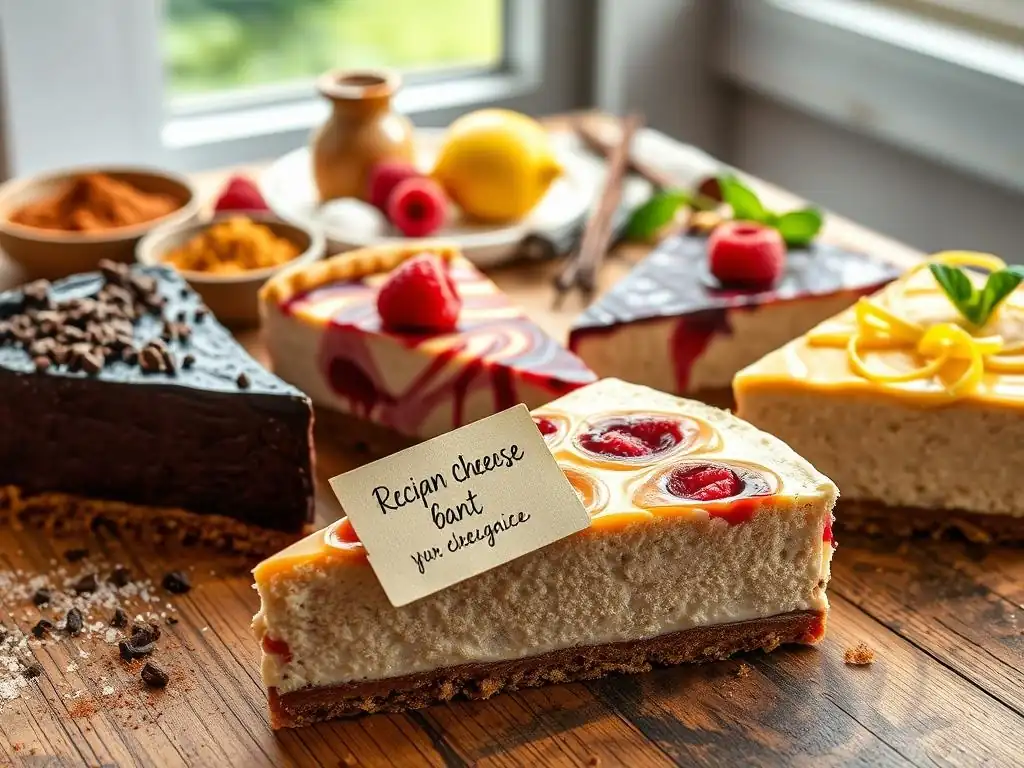
One of the joys of mastering a basic vegan chocolate cheesecake recipe is the endless possibility for variations and flavor combinations. While the classic is undeniably delicious, adding simple ingredients can transform it into a completely new dessert experience. Think beyond just chocolate and explore how extracts, spices, and other flavors can complement or contrast with the rich cocoa base.
These variations not only keep the dessert interesting but also allow you to tailor it to specific tastes or occasions. From refreshing mint to warming chili or decadent caramel, the base vegan chocolate cheesecake recipe serves as a versatile canvas for your culinary creativity, making this an easy guide to flavor exploration.
Adding Extracts and Spices to Your Vegan Chocolate Cheesecake
Adding extracts and spices is a simple yet effective way to introduce exciting new dimensions to your vegan chocolate cheesecake. Just a teaspoon or two of a potent extract or a pinch of ground spice can dramatically alter the flavor profile. Vanilla extract is standard, but almond, orange, or even rum extract can pair wonderfully with chocolate.
Spices like cinnamon, nutmeg, or cardamom can add warmth and complexity. For a touch of heat that enhances the chocolate's depth, a tiny pinch of cayenne pepper or chili powder can be surprisingly effective. When experimenting, start with a small amount (perhaps 1/4 or 1/2 teaspoon) and taste the filling mixture before adding it to the crust, adjusting as needed.
Peppermint Vegan Chocolate Cheesecake
A Peppermint Vegan Chocolate Cheesecake is particularly delightful during the holiday season or whenever you crave a refreshing twist on classic chocolate. To create this variation, simply add 1 to 1 1/2 teaspoons of pure peppermint extract to the vegan chocolate cheesecake filling mixture along with the vanilla extract.
You can also enhance the peppermint theme by adding crushed vegan candy canes (ensure they are vegan, as some contain gelatin) to the crust or sprinkled on top before serving. A swirl of vegan chocolate ganache and a few fresh mint leaves make a beautiful and flavorful garnish. The cool, invigorating taste of peppermint pairs wonderfully with the rich, deep notes of the chocolate, making this vegan cheesecake recipe a festive favorite.
Chili Vegan Chocolate Cheesecake
For the adventurous palate, a Chili Vegan Chocolate Cheesecake offers a surprising and sophisticated flavor experience. The subtle heat of chili doesn't overpower the chocolate but instead enhances its complexity and depth, creating a warm, lingering finish.
To make a chili-infused version, add 1/4 to 1/2 teaspoon of cayenne pepper or ancho chili powder to the vegan chocolate cheesecake filling ingredients. Start with a smaller amount and increase to your preference. You can also infuse the plant-based milk used in the filling with a dried chili pepper (like a guajillo or chipotle) by simmering it gently, letting it steep, then straining it before use. Garnish with a sprinkle of chili flakes or a drizzle of spicy chocolate sauce for an extra kick.
Salted Caramel Vegan Chocolate Cheesecake: A Decadent Treat
A Salted Caramel Vegan Chocolate Cheesecake is the epitome of indulgence, combining the richness of chocolate with the sweet and salty allure of caramel. To create this decadent treat, you'll need a good quality vegan salted caramel sauce. This can be store-bought or homemade using ingredients like vegan butter, coconut cream, and sugar or maple syrup, with a generous pinch of sea salt.
You can incorporate the salted caramel in several ways: swirl a generous amount into the chocolate filling just before pouring it into the crust, drizzle it liberally over the top of the finished, chilled cheesecake, or layer it between the crust and the filling. A sprinkle of flaky sea salt on top of the caramel swirl adds a beautiful visual and textural element, enhancing the salted caramel flavor profile. This variation turns a great vegan cheesecake recipe into an unforgettable dessert.
Other Vegan Chocolate Cheesecake Flavor Combinations [e.g., Peanut Butter, Raspberry]
The versatility of the vegan chocolate cheesecake base allows for countless other delicious flavor combinations. Peanut butter is a classic pairing with chocolate. To make a Peanut Butter Vegan Chocolate Cheesecake, swirl melted smooth peanut butter (about 1/2 to 3/4 cup) into the chocolate filling, or create a separate peanut butter layer to pour over the crust before adding the chocolate filling. Garnish with chopped peanuts or vegan peanut butter cups.
Another fantastic option is Raspberry Vegan Chocolate Cheesecake. The tartness of raspberries cuts beautifully through the richness of the chocolate. You can swirl a raspberry compote (made by cooking down fresh or frozen raspberries with a little sugar) into the chocolate filling, or top the finished cheesecake with fresh raspberries and a raspberry coulis. The deep red of the raspberries against the dark chocolate is visually stunning and provides a burst of fresh flavor. These variations highlight how this vegan cheesecake recipe can be an easy guide to endless creativity.
Troubleshooting Your Vegan Chocolate Cheesecake
Even with an easy guide, sometimes things don't go exactly as planned in the kitchen. Troubleshooting common issues with your vegan chocolate cheesecake can save your dessert and help you learn for next time. Don't despair if your cheesecake isn't perfect on the first try! Baking is a process of experimentation and learning.
Understanding the potential causes behind problems like a soft set, cracks, or a bland taste will empower you to adjust your technique or ingredients. Most issues in vegan cheesecake relate to the setting process, whether through baking or chilling, and balancing flavors.
My Vegan Chocolate Cheesecake Is Too Soft!
If your vegan chocolate cheesecake is too soft, especially after adequate chilling time, there are a few likely culprits. In a no-bake cheesecake, the most common reason is insufficient chilling time or not enough solid fat (like coconut cream or melted coconut oil) in the filling. Ensure your full-fat coconut milk was properly chilled and you only used the solid cream, or that you added the specified amount of coconut oil if the recipe calls for it. It might just need more time in the refrigerator or a stint in the freezer to firm up.
For a baked cheesecake, being too soft could indicate underbaking. While you want a slight wobble in the center when hot, it should set up firmly once chilled. Ensure your oven temperature is accurate and you're baking for the full recommended time, checking for the described set edges. Also, using too much liquid plant-based milk or a vegan cream cheese alternative that is too high in moisture can contribute to a soft set.
My Vegan Chocolate Cheesecake Is Cracking!
Cracks in a baked vegan chocolate cheesecake are usually caused by rapid temperature changes or overbaking. If your cheesecake cracked, consider how it cooled. Did you take it directly from a hot oven into a cool kitchen? The sudden contraction is often the issue. Always follow the gradual cooling method: turn off the oven, prop the door open, and let it cool inside for an hour before moving it.
Overbaking can also lead to cracks because the edges dry out and set too firmly before the center is ready. Next time, check for doneness earlier – aim for edges that are set but a center that still has a slight wobble. Ensuring you used a water bath helps maintain even temperature and moisture, significantly reducing the risk of cracks.
My Vegan Chocolate Cheesecake Tastes Bland!
If your vegan chocolate cheesecake tastes bland, it likely needs a boost in flavor enhancers. Chocolate desserts require a balance of sweetness, bitterness (from cocoa/chocolate), and sometimes a touch of salt or acid to make the flavors pop.
Ensure you used high-quality vegan chocolate and unsweetened cocoa powder. If using coconut sugar or maple syrup, you might need slightly more than you would with white sugar to achieve the same sweetness level. Add a pinch more salt – salt enhances chocolate flavor significantly. A splash of vanilla extract is crucial, and adding a teaspoon of instant espresso powder can dramatically deepen and enrich the chocolate taste without adding a coffee flavor. A little lemon juice or apple cider vinegar (often added to vegan cream cheese fillings) can also brighten the overall flavor profile.
Serving and Enjoying Your Vegan Chocolate Cheesecake
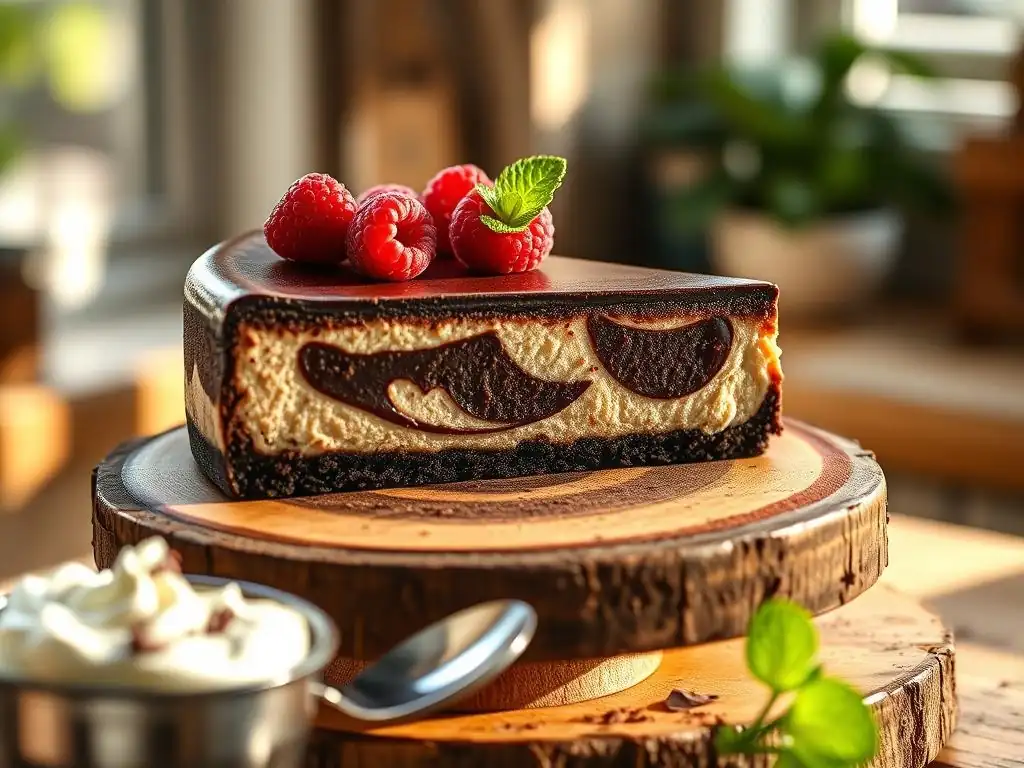
Once your vegan chocolate cheesecake is perfectly set and chilled, the final step is serving and enjoying your creation! Presentation can make a big difference, and pairing your cheesecake with the right toppings or drinks elevates the experience. This section offers ideas to make serving your decadent vegan dessert a delightful occasion.
Whether you're serving it at a dinner party, for a special celebration, or just as a treat for yourself, taking a moment to consider how you present it adds to the enjoyment.
Delicious Vegan Chocolate Cheesecake Toppings
Elevate your vegan chocolate cheesecake with delicious plant-based toppings! Simple is often best, allowing the cheesecake's rich flavor to shine. A dusting of cocoa powder or shaved vegan chocolate adds an elegant touch. Fresh berries, like raspberries, strawberries, or cherries, provide a wonderful contrast in color, texture, and tartness.
Other popular vegan toppings include a dollop of vegan whipped cream (made from coconut cream or a store-bought alternative), a drizzle of vegan chocolate ganache, or a swirl of vegan salted caramel sauce (as mentioned in the variations section). Chopped nuts, toasted coconut flakes, or even crushed vegan cookies can add a delightful crunch. Choose toppings that complement the chocolate flavor without overpowering it.
Pairing Your Vegan Chocolate Cheesecake with Drinks
Pairing your vegan chocolate cheesecake with the right drink can enhance its flavors and provide a balanced tasting experience. For a classic pairing, a rich, full-bodied coffee or espresso cuts through the richness of the chocolate and cheesecake. A sweet dessert wine, such as a Late Harvest Zinfandel or a Port, can also complement the chocolate notes beautifully.
If you prefer non-alcoholic options, a glass of chilled plant-based milk (like oat or soy milk) is simple and comforting. A cold brew coffee or a rich hot chocolate (made with plant milk) also works well. For a refreshing contrast, consider a glass of sparkling water infused with berries or a light, slightly tart berry juice. The key is to choose a drink that either mirrors the richness or provides a refreshing counterpoint.
Vegan Chocolate Cheesecake: A Healthier Dessert Option?
While still an indulgent dessert, vegan chocolate cheesecake can offer some potential health advantages compared to its traditional dairy-based counterpart, depending on the ingredients used. It's important to look at the nutritional profile of the plant-based components.
Comparing vegan chocolate cheesecake to traditional versions requires examining fat sources, sugar content, and potential added nutrients. While not a health food, making informed ingredient choices can contribute to a slightly more nutrient-dense or less saturated-fat-laden dessert.
Nutritional Benefits of Vegan Chocolate Cheesecake Ingredients
The ingredients in a vegan chocolate cheesecake can offer certain nutritional benefits. For instance, if using a cashew-based filling, you're incorporating healthy unsaturated fats, magnesium, and zinc from the cashews. Coconut cream provides medium-chain triglycerides (MCTs). Vegan dark chocolate, especially with a high cocoa content (70% or more), contains antioxidants and flavonoids.
Sweeteners like maple syrup and coconut sugar, while still sugars, contain trace minerals not found in refined white sugar. Using a crust made from whole-grain vegan graham crackers instead of just chocolate cookies can add some fiber. While the overall calorie and sugar content is still high, certain vegan ingredients can contribute beneficial nutrients not typically found in dairy-based cheesecakes.
Comparing Vegan Chocolate Cheesecake to Traditional Cheesecake
When comparing vegan chocolate cheesecake to traditional dairy cheesecake, the primary differences lie in the fat and cholesterol content. Traditional cheesecake made with full-fat cream cheese, eggs, and heavy cream is typically very high in saturated fat and contains cholesterol. A standard slice can contain upwards of 20-30 grams of saturated fat and over 100mg of cholesterol.
Vegan cheesecake, by definition, contains no cholesterol. The fat content depends on the base (cashew, coconut cream, or store-bought cream cheese). While some vegan fats like coconut oil are high in saturated fat, others like those from cashews are unsaturated.
A slice of vegan chocolate cheesecake might have a similar total fat content but potentially less saturated fat and zero cholesterol compared to a traditional slice. Sugar content can be comparable depending on the recipe and sweetener used. Overall, vegan cheesecake can be a slightly "lighter" option in terms of cholesterol and potentially saturated fat, while still being an indulgent treat.
Conclusion: Your Journey to Vegan Chocolate Cheesecake Mastery
You've now embarked on the journey to mastering the art of making a truly decadent vegan chocolate cheesecake. From understanding the essential plant-based ingredients and their roles to following step-by-step instructions for both baked and no-bake versions, you have the knowledge to create this impressive dessert. We've covered troubleshooting common issues and explored exciting flavor variations, making this vegan cheesecake recipe an easy guide for anyone looking to bake something special.
Creating a delicious vegan chocolate cheesecake is not only rewarding but also a wonderful way to share plant-based indulgence with friends and family. Whether you stick to the classic recipe or get creative with toppings and flavors, the result is a rich, creamy, and satisfying dessert that proves vegan baking can be just as magical (if not more!). So go forth, bake with ease, and enjoy the magic of your homemade vegan chocolate cheesecake!
Frequently Asked Questions
What makes this vegan cheesecake recipe an "easy guide"?
The recipe focuses on simple ingredients and provides step-by-step instructions with clear visuals, making it easily accessible for bakers of all skill levels. It also highlights substitutions for easier ingredient sourcing.
Can I really fool non-vegans with this "Vegan Cheesecake Magic"?
Yes! The recipe utilizes clever techniques and plant-based ingredients that mimic the texture and flavor of traditional cheesecake so well that most people won't be able to tell the difference.
What are the key ingredients that replace traditional dairy in this vegan cheesecake?
The primary dairy replacements are typically cashews for the creamy base and coconut cream for richness. Agave or maple syrup are often used as sweeteners.
How long does it take to make this easy vegan cheesecake recipe?
While the active prep time is relatively short, around 30-45 minutes, the cheesecake requires significant chilling time, typically at least 6 hours, ideally overnight, for the best texture and flavor.
What if I don't have all the specific ingredients listed in the "Vegan Cheesecake Magic" recipe?
BakeWithEase provides information on easy ingredient substitutions within the recipe itself. For example, different types of nuts can sometimes be used as alternatives to cashews.
Final Reflection: The Unexpected Delight of Vegan Cheesecake
The creamy, dreamy texture of cheesecake, once a dairy-centric indulgence, is now readily accessible to everyone, thanks to the innovative world of vegan baking. This isn't just about dietary restrictions; it's about expanding culinary horizons and proving that plant-based alternatives can be just as delicious, if not more so, than their traditional counterparts. The ease and accessibility of vegan recipes, as demonstrated in this guide, are breaking down barriers and inviting a wider audience to experience the magic of cheesecake.
This journey into the world of vegan cheesecake has been a personal revelation. I've discovered not only the joy of creating something so decadent and satisfying without animal products, but also the power of sharing this knowledge with others. The best way to find yourself is to lose yourself in the service of others,
– Mahatma Gandhi. This quote resonates deeply, as sharing these recipes allows me to connect with a community of like-minded individuals who are passionate about ethical eating and delicious food. The positive feedback and shared successes have been incredibly rewarding.
Now, it's your turn. Don't be intimidated by the idea of vegan baking. Take the leap, experiment with the recipes provided, and discover the joy of creating a truly magical, guilt-free dessert. Let this guide be your springboard to explore the vast and exciting world of plant-based cooking. You might surprise yourself with what you can create, and even more importantly, with the deliciousness you can share.
Unleash Your Inner Vegan Pastry Chef!
Thanks for joining us on this delicious journey into the world of vegan cheesecakes! We hope you discovered some truly amazing recipes and techniques. Now it's time to put your newfound skills to the test.
- Bake your dream vegan cheesecake: Choose your favorite recipe from the article (or even better, experiment with your own twist!) and get baking! This is your chance to wow friends and family with a decadent, cruelty-free dessert.
- Share your creation: Show us your masterpiece! Post a picture of your vegan cheesecake on social media and tag us – we'd love to see your baking magic!
- Explore more vegan recipes: Dive deeper into the world of vegan baking with our extensive collection of recipes on BakeWithEase.com. You'll find countless possibilities waiting to be explored.
What incredible vegan dessert will you create next?