
Chewy vs. Fudgy Brownies: Know the Difference & Bake Both

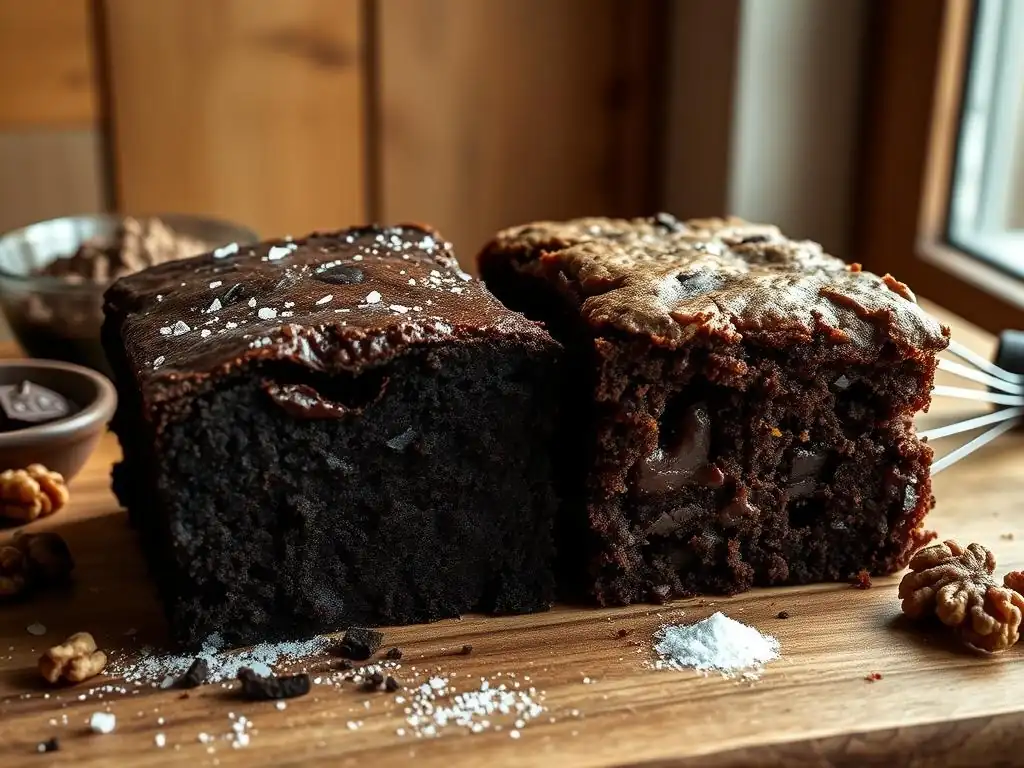
Welcome to BakeWithEase, your kitchen companion for all things baking! Ever wondered what separates a chewy brownie from a decadently fudgy one? Our latest article dives deep into the secrets behind these beloved treats, revealing the simple techniques that unlock the perfect texture. Discover our chewy fudgy brownie recipe and more as you explore the delicious world of pastries and desserts with us. Ready to bake your best batch ever? Let's get started!
- Brownie Texture Guide: Chewy vs. Fudgy
- Understanding Brownie Textures: Chewy and Fudgy
- The Chewy Brownie: Detailed Exploration
- The Fudgy Brownie: In-Depth Analysis
- Comparing Chewy and Fudgy Brownies
- Enhancing Your Brownies: Variations and Additions
- Brownie Troubleshooting: Common Issues and Solutions
- Perfecting Your Brownie Baking: Final Thoughts
-
Frequently Asked Questions
- What's the main difference between a chewy brownie and a fudgy brownie?
- Does the type of chocolate used affect the chewiness or fudginess of the brownie?
- What role do eggs play in the texture of chewy and fudgy brownies?
- Can I easily convert a chewy brownie recipe into a fudgy one, and vice versa?
- What are some common mistakes to avoid when baking brownies to achieve the desired texture?
- Final Reflection: The Enduring Allure of the Perfect Brownie
- Unlock Your Brownie Baking Potential!
Brownie Texture Guide: Chewy vs. Fudgy
Understanding Brownie Textures: Chewy and Fudgy
Defining Chewy and Fudgy Brownie Characteristics
Brownies are beloved for their rich chocolate flavor, but their texture is just as crucial to the overall experience. When we talk about brownie texture, two main types often come to mind: chewy and fudgy. A chewy brownie offers a pleasant resistance when bitten, a structure that holds together without being brittle or cakey. Think of a slightly dense, yet yielding bite that requires a bit of work from your jaw. This texture often comes from a balance of ingredients that promote structure and moisture retention, leading to a satisfyingly resilient crumb.
In contrast, a fudgy brownie is characterized by its dense, moist, and almost truffle-like consistency. It should be rich, intensely chocolatey, and melt in your mouth rather than requiring significant chewing. This texture is achieved through a higher fat-to-flour ratio, often incorporating melted chocolate or a significant amount of butter, and typically using fewer leavening agents. The result is a decadent square that feels substantial and delivers a concentrated burst of flavor with every bite, embodying the essence of a Chewy fudgy brownie recipe that prioritizes density and richness.
Ingredient Ratios and Their Impact on Texture
The secret to achieving either a chewy or a fudgy brownie lies primarily in the careful balance of key ingredients: flour, fat (butter/oil), sugar, eggs, and chocolate/cocoa. A higher ratio of fat and sugar compared to flour generally leads to a fudgier texture. For example, a recipe using 1 cup of flour with 1 cup (or more) of butter and 2 cups of sugar is likely to yield a very dense, fudgy result. The fat inhibits gluten development, contributing to tenderness, while the sugar helps retain moisture, creating that signature melt-in-your-mouth feel.
Conversely, increasing the proportion of flour and eggs relative to fat and sugar tends to produce a chewier brownie. More flour provides structure, and more eggs (especially whole eggs or extra yolks) add richness and binding properties that contribute to that desirable chewiness. A recipe with, say, 1.5 cups of flour, 0.75 cups of butter, and 1.5 cups of sugar might lean towards a chewier outcome. Understanding these fundamental ratios is the first step in mastering any Chewy fudgy brownie recipe, allowing you to tailor the outcome to your preference.
The Chewy Brownie: Detailed Exploration
Highlighting Ingredients Promoting Chewiness
Several ingredients play a starring role in creating that coveted chewy texture in brownies. A higher proportion of flour is fundamental; it provides the structural backbone necessary for chewiness, contrasting with the lower flour content often found in fudgy recipes. Eggs, particularly whole eggs or adding an extra egg yolk, are also crucial. The proteins in eggs contribute to the structure and binding of the brownie, adding to its resilience and chewiness. Using melted butter instead of creamed butter can also influence texture, sometimes promoting a denser, slightly chewier crumb by affecting gluten development and sugar dispersion differently.
Furthermore, the type and amount of sugar can impact chewiness. A mix of granulated sugar and brown sugar is often beneficial. Granulated sugar contributes to structure and crisp edges, while brown sugar adds moisture and a molasses flavor that complements the chocolate.
The moisture from brown sugar helps keep the interior soft and chewy. Some recipes also incorporate a small amount of leavening (like baking powder), but typically less than a cake recipe, just enough to lift slightly without becoming cakey, thereby preserving the chewy density. Mastering these elements is key to developing a great Chewy fudgy brownie recipe with a focus on chewiness.
Chewy Brownie Recipe: A Tested Recipe
Developing a reliable chewy brownie recipe involves balancing moisture, structure, and fat. A successful recipe often features a slightly higher flour-to-fat ratio than its fudgy counterpart and may rely more on eggs for structure. Achieving that specific chewy bite means carefully controlling the baking process and ingredient interaction. This recipe aims for a dense, substantial texture with that characteristic pull.
This particular formula has been refined to consistently deliver a chewy result. It uses a combination of granulated and brown sugars for moisture and flavor depth, melted butter for richness, and a specific ratio of flour and eggs to build structure without becoming dry or cakey. The amount of chocolate or cocoa is balanced to provide intense flavor while allowing the textural qualities to shine through. It's a prime example of a Chewy fudgy brownie recipe leaning towards the chewy side.
Achieving Optimal Chewiness: Tips and Techniques
Achieving optimal chewiness goes beyond just the ingredients; technique matters too. One common tip is to avoid overmixing the batter once the flour is added. Overmixing develops gluten, which can lead to a tougher, rather than pleasantly chewy, texture. Mix just until the dry ingredients are incorporated. Another technique involves using warm melted butter and dissolving the sugar into it; this can create a glossier, chewier crust and help with moisture retention in the interior.
Baking temperature and time are also critical. Baking at a moderate temperature (around 325-350°F or 160-175°C) allows the brownies to set evenly without drying out. Underbaking slightly is often key to maintaining moisture and promoting chewiness; the center should look slightly underdone when you remove them from the oven, as residual heat will continue to cook them as they cool. Cooling the brownies completely before cutting also allows the texture to set properly, enhancing that desirable chewy bite.
Chewy Brownie Recipe Ingredients
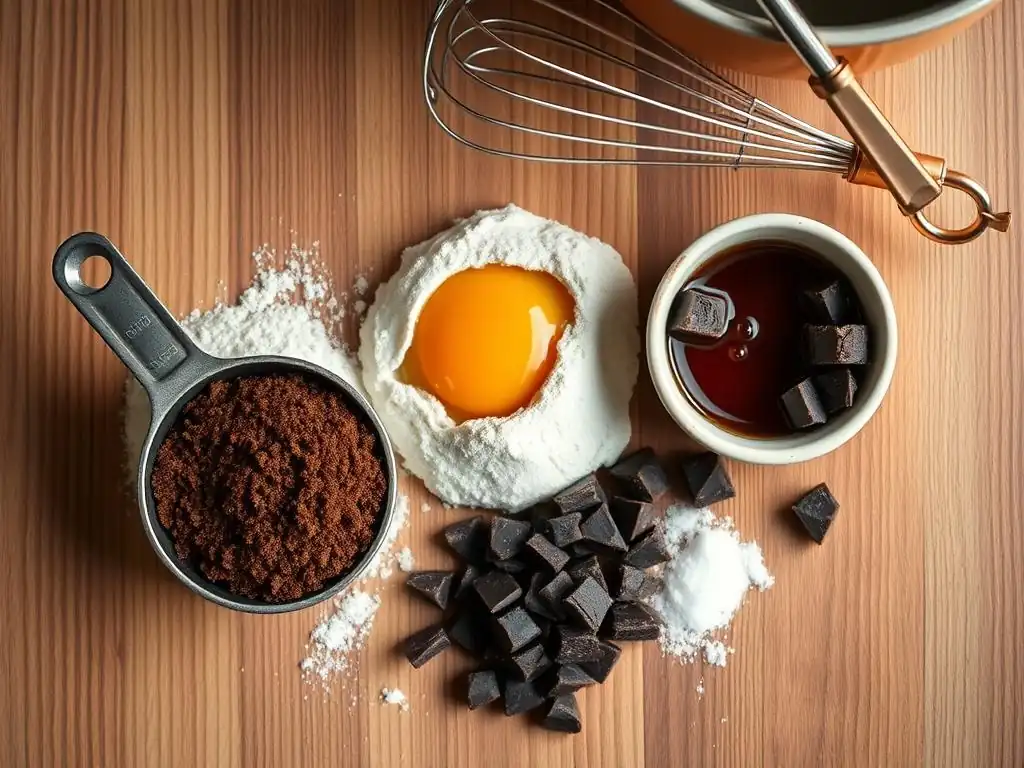
Here's a list of ingredients for a reliable chewy brownie:
- 1/2 cup (1 stick) unsalted butter, melted
- 1 cup granulated sugar
- 1/2 cup packed light brown sugar
- 2 large eggs, plus 1 egg yolk
- 1 teaspoon vanilla extract
- 1 cup all-purpose flour
- 1/3 cup unsweetened cocoa powder
- 1/4 teaspoon baking powder
- 1/4 teaspoon salt
- 1 cup chocolate chips (semi-sweet or dark)
Chewy Brownie Recipe Instructions
Let's walk through the steps to bake these chewy delights:
1.  Preheat oven to 325°F (160°C). Line an 8x8 inch baking pan with parchment paper, leaving an overhang on the sides.
2.  In a large bowl, whisk together the melted butter, granulated sugar, and brown sugar until well combined.
3.  Whisk in the eggs and extra egg yolk, one at a time, until fully incorporated. Stir in the vanilla extract.
4.  In a separate medium bowl, whisk together the flour, cocoa powder, baking powder, and salt.
5.  Gradually add the dry ingredients to the wet ingredients, mixing with a spatula or wooden spoon until just combined. Do not overmix.
6.  Fold in the chocolate chips.
7.  Spread the batter evenly into the prepared baking pan.
8.  Bake for 28-35 minutes, or until a toothpick inserted into the center comes out with moist crumbs attached, but not wet batter. The edges should look set.
9.  Let the brownies cool completely in the pan on a wire rack before lifting out and cutting into squares.
The Fudgy Brownie: In-Depth Analysis
Key Ingredients for Achieving a Fudgy Texture
To achieve a truly fudgy brownie, the ingredient proportions tilt significantly towards fat and sugar, while minimizing flour and often leavening agents. A higher ratio of fat, typically butter or a combination of butter and oil, is paramount. This increased fat content creates tenderness and inhibits gluten development, resulting in a dense, moist, and non-cakey texture. Using melted unsalted butter is common, often in generous amounts, sometimes equal to or even exceeding the weight of the flour.
Sugar also plays a critical role in fudginess by retaining moisture. Recipes often use a high proportion of granulated sugar, and sometimes brown sugar for added depth, ensuring the brownies stay soft and moist rather than drying out into a cake-like crumb.
The chocolate component is equally important; using melted high-quality chocolate alongside or instead of cocoa powder significantly boosts richness and contributes to the dense, fudgy texture. Fewer eggs, or a higher ratio of yolks to whites, can also contribute to richness and a denser crumb, as egg whites provide structure that can lean towards cakey if used in excess.
Fudgy Brownie Recipe: A Rich and Decadent Recipe
A fudgy brownie is the epitome of indulgence, delivering intense chocolate flavor wrapped in a dense, moist texture. Crafting the perfect fudgy brownie involves selecting the right ingredients and ratios to maximize richness and minimize structure. This recipe is designed to produce that signature dense, gooey center that melts in your mouth.
This specific formula prioritizes high-quality chocolate and ample butter, combined with a lower flour ratio and minimal leavening. The method often involves melting chocolate and butter together, creating a rich base that ensures a decadent result. It's a classic approach to a Chewy fudgy brownie recipe where the emphasis is squarely on the fudgy side.
Avoiding Common Mistakes in Fudgy Brownie Baking
Baking fudgy brownies requires attention to detail to prevent them from becoming cakey or dry. One common mistake is using too much flour or relying solely on cocoa powder without melted chocolate; this adds structure and can lead to a less dense result. Another pitfall is overmixing the batter once the dry ingredients are added; just like with chewy brownies, this develops gluten and can make the brownies tougher. Mix only until the streaks of flour disappear.
Overbaking is perhaps the most frequent error. Fudgy brownies should be removed from the oven when the edges are set but the center still looks slightly soft and underdone. They will continue to cook from residual heat as they cool. Baking until a toothpick comes out completely clean will likely result in dry or cakey brownies. Using the correct pan size is also important; an 8x8 inch pan is standard for creating thick, fudgy squares. Using a larger pan will result in thinner brownies that bake faster and are more prone to drying out.
Fudgy Brownie Recipe Ingredients
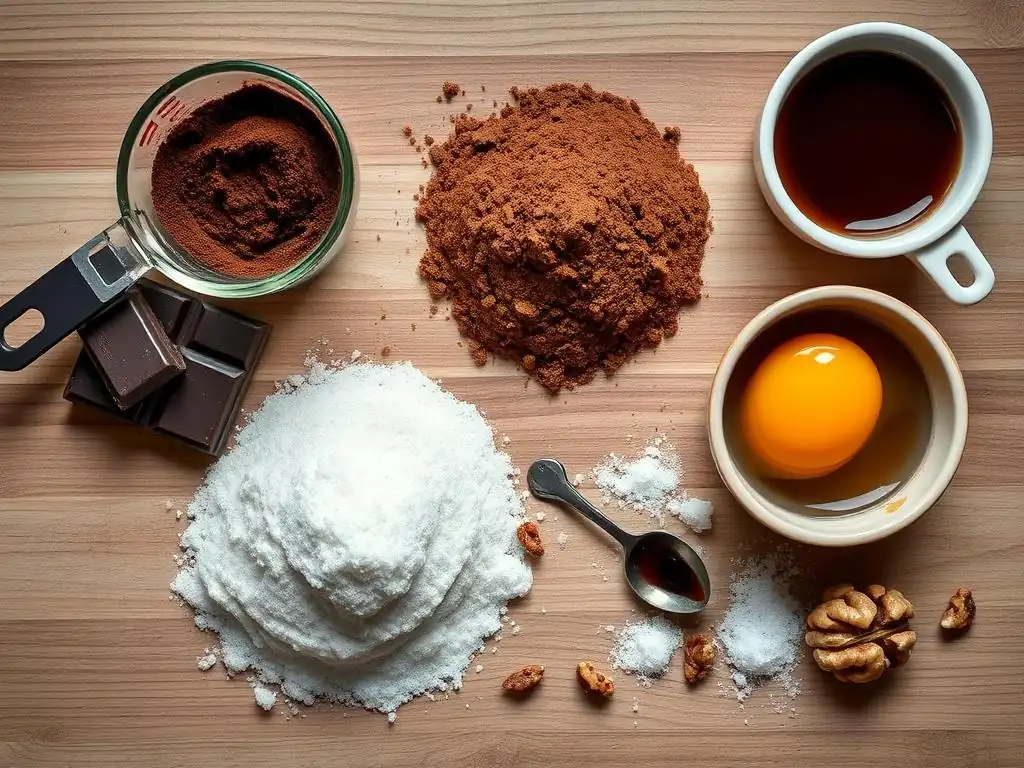
Here's a list of ingredients for a rich and fudgy brownie:
- 1 cup (2 sticks) unsalted butter, cut into pieces
- 8 ounces high-quality bittersweet or semi-sweet chocolate, chopped
- 1 1/2 cups granulated sugar
- 1/4 cup packed light brown sugar
- 3 large eggs
- 1 teaspoon vanilla extract
- 1/2 cup all-purpose flour
- 1/4 cup unsweetened cocoa powder
- 1/2 teaspoon salt
- 1 cup chocolate chips or chunks (optional, for extra melty pockets)
Fudgy Brownie Recipe Instructions
Let's go through the steps for these decadent fudgy brownies:
1.  Preheat oven to 350°F (175°C). Line an 8x8 inch baking pan with parchment paper, leaving an overhang on the sides.
2.  In a heatproof bowl set over a saucepan of simmering water (or in a microwave safe bowl), melt the butter and chopped chocolate together, stirring until smooth. Remove from heat and let cool slightly.
3.  Whisk the granulated sugar and brown sugar into the melted chocolate mixture until well combined.
4.  Whisk in the eggs one at a time, beating well after each addition. Stir in the vanilla extract.
5.  In a separate small bowl, whisk together the flour, cocoa powder, and salt.
6.  Add the dry ingredients to the wet ingredients and fold with a spatula or wooden spoon until just combined. Do not overmix. If using, fold in chocolate chips/chunks.
7.  Spread the batter evenly into the prepared baking pan.
8.  Bake for 25-30 minutes, or until the edges are set and a toothpick inserted into the center comes out with moist crumbs attached (it should not come out clean).
9.  Let the brownies cool completely in the pan on a wire rack before lifting out and cutting. For ultimate fudginess, chill in the refrigerator for at least 30 minutes before cutting.
Comparing Chewy and Fudgy Brownies
Ingredient Differences: Chewy vs. Fudgy
The core difference between chewy and fudgy brownies stems directly from their ingredient ratios. Chewy brownies typically use a higher proportion of flour and eggs relative to fat and sugar. For instance, a chewy recipe might use a 1:0.75:1.5 ratio (Flour:Butter:Sugar), while a fudgy recipe could be closer to a 0.5:1:1.5 ratio, sometimes with added melted chocolate which further increases the fat content. The type and amount of sugar also vary; chewy brownies often benefit from brown sugar for moisture and chew, while fudgy ones rely heavily on granulated sugar and fat for density.
Furthermore, the chocolate component differs. While both use chocolate or cocoa, fudgy brownies often incorporate a significant amount of melted chocolate in addition to or instead of cocoa powder, boosting the fat and richness. Chewy brownies might rely more on cocoa powder and chocolate chips for flavor, allowing the flour and egg structure to define the texture. Leavening is minimal in both but often slightly higher in chewy recipes to prevent them from being too dense, whereas fudgy brownies use little to no leavening to maintain maximum density.
Baking Time and Temperature: Texture Considerations
Baking time and temperature are critical factors influencing the final texture of both chewy and fudgy brownies. Chewy brownies are often baked at a slightly lower temperature (around 325-350°F or 160-175°C) for a longer period compared to some fudgy recipes. This allows the structure to develop evenly without drying out, contributing to that desirable chew. Overbaking will make them hard and dry, losing the chewiness.
Fudgy brownies, aiming for a moist, dense center, are often baked at a slightly higher temperature (around 350-375°F or 175-190°C) for a shorter duration. The goal is to set the edges while keeping the center soft and slightly underdone. The higher heat helps create a set crust while the short time prevents the interior from fully setting. Monitoring doneness is crucial; removing them when a toothpick has moist crumbs attached is key for fudginess. Overbaking is the enemy of fudgy brownies, turning them cakey or dry.
Texture Preference: A Matter of Taste
Ultimately, the choice between a chewy and a fudgy brownie comes down to personal preference. Some bakers and eaters adore the resistance and satisfying bite of a chewy brownie, finding the texture more substantial and enjoyable. They appreciate the balance between structure and moistness. For these individuals, mastering a Chewy fudgy brownie recipe that nails the chewy aspect is the ultimate goal.
Others crave the intense richness and melt-in-your-mouth density of a fudgy brownie. They prioritize the decadent, almost truffle-like consistency and the concentrated chocolate flavor that comes with a higher fat content. There's no right or wrong answer; both textures are delicious iterations of the classic brownie, each offering a unique sensory experience. Exploring and baking both types allows you to discover your favorite and perhaps even appreciate the nuances of each.
Enhancing Your Brownies: Variations and Additions
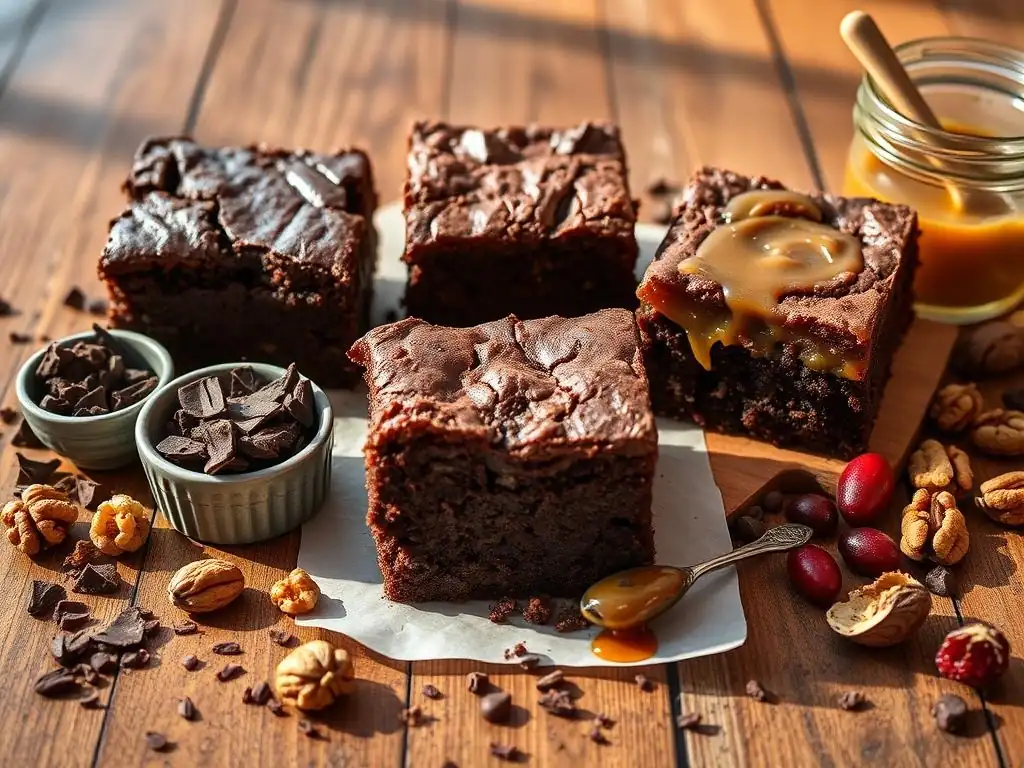
Add-Ins: Nuts, Chocolate, and More
Elevating a basic Chewy fudgy brownie recipe is easy with delicious add-ins. Nuts are a classic choice, providing crunch and flavor contrast. Walnuts and pecans are popular, typically added in quantities from 1/2 cup to 1 cup. They should be folded in gently with the chocolate chips. Different types of chocolate chips or chunks can also be used, like white chocolate, milk chocolate, or even peanut butter chips, offering varying levels of sweetness and flavor.
Other popular add-ins include dried fruits like cherries or cranberries for bursts of tartness, shredded coconut for texture and tropical flavor, or even small candies or cookie pieces. Adding about 1/2 cup to 1 cup of your chosen add-ins is a good starting point, but feel free to experiment with quantities. Just ensure they are evenly distributed throughout the batter before baking.
Flavor Combinations: Expanding Your Brownie Repertoire
Beyond simple add-ins, you can infuse your brownies with different flavors. A swirl of peanut butter or caramel sauce added to the batter just before baking creates beautiful marbling and adds richness. Espresso powder is a fantastic addition to chocolate, enhancing the chocolate flavor without making the brownies taste like coffee; a teaspoon or two is usually sufficient.
Extracts other than vanilla can also be used; almond extract, peppermint extract, or even a touch of orange extract can transform the flavor profile. Consider adding spices like cinnamon, chili powder (for a Mexican chocolate twist), or a pinch of cayenne for heat. These flavor combinations can be incorporated into both chewy and fudgy base recipes, expanding the possibilities beyond a standard Chewy fudgy brownie recipe.
Topping Ideas for Brownies
Once your brownies are baked and cooled, toppings offer another layer of flavor and texture. A simple dusting of powdered sugar is classic. For something richer, a chocolate ganache or a simple glaze made from powdered sugar and milk or water can be drizzled over the top. Frosting is another popular option, from a classic chocolate buttercream to cream cheese frosting or even a fluffy marshmallow meringue.
Other topping ideas include a sprinkle of flaky sea salt (especially on fudgy brownies), chopped nuts, toasted coconut, or drizzles of melted chocolate or caramel. For an extra decadent treat, serve warm brownies with a scoop of vanilla ice cream and a drizzle of hot fudge sauce. The possibilities for topping your perfect Chewy fudgy brownie recipe creation are nearly endless.
Brownie Troubleshooting: Common Issues and Solutions
Addressing Cakey Brownies
If your brownies turn out cakey instead of chewy or fudgy, it's usually due to too much structure and not enough fat/moisture. Common culprits include using too much flour, too many eggs (especially whites), or too much leavening agent (like baking powder or baking soda). Overmixing the batter can also develop excess gluten, contributing to a cakey texture.
To fix this in future batches, try reducing the amount of flour slightly, using fewer eggs (or replacing one whole egg with an extra yolk), and checking the recipe for excessive leavening. Ensure you are mixing the batter gently, just until the dry ingredients are incorporated. If you're aiming for a Chewy fudgy brownie recipe, specifically focusing on the fudgy side, increasing the fat (butter/chocolate) and sugar while decreasing flour will help counteract cakiness.
Preventing Dry Brownies
Dry brownies are often a result of overbaking. When brownies bake for too long, too much moisture evaporates, leaving them crumbly and dry instead of moist and rich. Using too little fat or sugar in the recipe can also contribute to dryness, as these ingredients help retain moisture.
To prevent dry brownies, pay close attention to the baking time and visual cues. Remove the brownies from the oven when the edges are set but the center still looks slightly moist or a toothpick comes out with moist crumbs, not completely clean. Ensure your oven temperature is accurate (an oven thermometer can help). Using the correct pan size also helps prevent thin brownies that bake too quickly and dry out. If adapting a Chewy fudgy brownie recipe, ensure the fat and sugar ratios are appropriate for the desired texture.
Determining Brownie Doneness
Knowing when brownies are done is key to achieving the right texture. The best way to check is with a toothpick or a thin skewer inserted into the center of the pan. For fudgy brownies, the toothpick should come out with moist crumbs attached, but no wet batter. The edges should look set and perhaps slightly pulled away from the sides of the pan.
For chewy brownies, the test is similar, but you might look for slightly more set crumbs attached to the toothpick. Avoid baking until the toothpick comes out completely clean, as this indicates they are likely overbaked for both chewy and fudgy textures. The surface should look mostly set, without significant wet spots. Trust your instincts and check a minute or two before the minimum recommended baking time.
Perfecting Your Brownie Baking: Final Thoughts
The Importance of Practice
Mastering the art of baking brownies, whether you prefer them chewy or fudgy, truly comes down to practice. Each oven is different, ingredients vary slightly, and even ambient temperature can play a role. Don't be discouraged if your first batch isn't perfect. Pay attention to what happened – were they too cakey? Too dry? Not fudgy enough? Use these observations to adjust your technique or ingredient ratios for the next batch.
Keep notes on what you tried and the results. Did baking for 2 minutes less make them perfectly fudgy? Did adding an extra egg yolk enhance the chewiness? By experimenting and adjusting, you'll gain a deeper understanding of how ingredients and methods influence texture, allowing you to consistently bake your ideal Chewy fudgy brownie recipe.
Baking is often about sharing the joy! Once you've honed your skills and baked a batch of perfect chewy or fudgy brownies (or both! ), share them with friends and family. Gather feedback – do they prefer the chewy ones or the fudgy ones? Discuss the differences in texture and flavor.
Sharing your creations not only brings happiness to others but also provides valuable insights that can help you continue to improve. Whether you're aiming for the ultimate Chewy fudgy brownie recipe or specializing in one texture, the process of baking and sharing is a rewarding journey. Enjoy the process, the delicious results, and the smiles they bring!
Frequently Asked Questions
What's the main difference between a chewy brownie and a fudgy brownie?
The core difference lies in the fat-to-flour ratio. Fudgy brownies have a higher fat content, typically from butter and chocolate, while chewy brownies have a more balanced ratio and potentially more eggs. This leads to different texture and density.
Does the type of chocolate used affect the chewiness or fudginess of the brownie?
Yes, absolutely! Using unsweetened chocolate and a higher proportion of butter generally leads to a fudgier brownie. Using more cocoa powder and a balanced butter-to-flour ratio can contribute to a chewier texture.
What role do eggs play in the texture of chewy and fudgy brownies?
Eggs contribute to both chewiness and richness. More eggs, especially egg yolks, generally lead to a chewier and richer texture. Fewer eggs, or using only egg whites, can result in a drier, less fudgy brownie.
Can I easily convert a chewy brownie recipe into a fudgy one, and vice versa?
Yes, with some adjustments! To make a chewy recipe fudgy, increase the butter and chocolate while slightly decreasing the flour. To make a fudgy recipe chewier, add an extra egg and slightly increase the flour.
What are some common mistakes to avoid when baking brownies to achieve the desired texture?
Overbaking is a major culprit, leading to dry brownies. Also, incorrect measurements of ingredients, particularly flour and fat, can significantly impact the final texture. Always use a kitchen scale for accuracy.
Final Reflection: The Enduring Allure of the Perfect Brownie
The quest for the ideal brownie—chewy or fudgy—is more than just a baking challenge; it's a reflection of our individual preferences and a testament to the enduring power of simple pleasures. This exploration into the science and art of brownie baking reveals that the seemingly small differences in ingredients and technique yield dramatically different results, satisfying a wide spectrum of palates. Understanding these nuances allows us to move beyond simple recipes and truly master the art of brownie creation.
The journey from a simple box mix to confidently crafting both chewy and fudgy brownies is a deeply satisfying one. It's a journey of discovery, revealing the subtle interplay of ingredients and their impact on texture and flavor. The best things in life are simple,
a sentiment that rings especially true when considering the pure joy of a perfectly baked brownie. This seemingly simple dessert holds a significant place in our collective culinary history, representing comfort, celebration, and the shared experience of indulging in something delicious.
Now, armed with this knowledge, I invite you to step into your kitchen and experiment. Don't be afraid to tweak the recipes, to explore the boundaries between chewy and fudgy, to discover your own perfect brownie. The true reward isn't just the delicious treat itself, but the process of creation, the understanding gained, and the satisfaction of sharing your culinary achievement with others. Embrace the challenge, and may your brownies always be perfectly baked.
Unlock Your Brownie Baking Potential!
Thanks for diving into the delicious world of brownies with us! You've now mastered the secrets to both chewy and fudgy perfection. Ready to put your newfound knowledge to the test?
- Bake your dream brownies: Choose your favorite recipe (or try both!) and get baking. Share a picture of your creation with us on social media – we'd love to see it!
- Experiment with variations: Try swapping out chocolate types, adding nuts, or playing with different baking times to fine-tune your perfect brownie texture.
- Challenge a friend to a brownie bake-off: Share this article and see who can create the most amazing brownies!
What's your ultimate brownie texture – chewy, fudgy, or somewhere in between? Let us know in the comments!