
The Best Pans for Baking Cheesecakes and Desserts

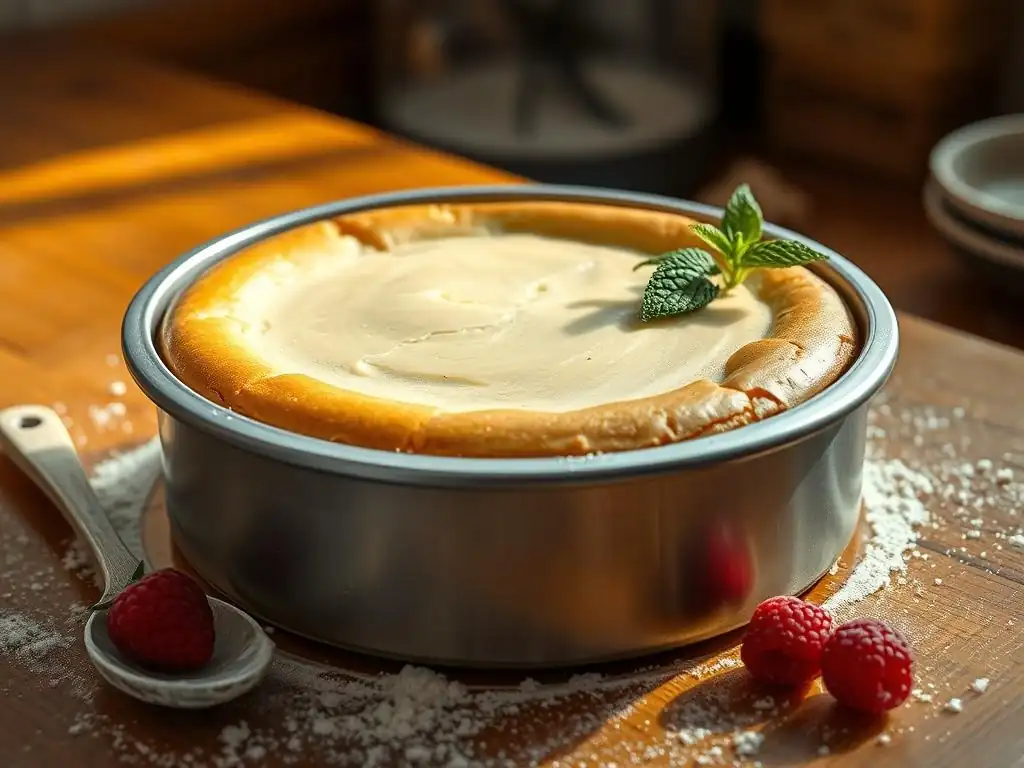
Welcome to BakeWithEase, your kitchen companion for all things baking! Ever wondered if the secret to a perfectly creamy cheesecake lies in the pan? Unlocking the mystery of the "Best pans cheesecake baking" is our mission. Discover how the right bakeware can transform your cheesecakes and other desserts from good to absolutely unforgettable. Prepare to elevate your baking game!
- The Best Pans for Baking Cheesecakes and Desserts: Bake Like a Pro
- Introduction: Achieving Baking Perfection with the Right Pans
- Understanding Cheesecake Pan Types: A Comprehensive Guide
- Material Matters: Choosing the Best Pan Material for Baking Success
- Factors to Consider When Choosing Your Baking Pan
- Top Recommended Pans for Baking Cheesecakes and Desserts
- Tips and Tricks for Using Your Baking Pans Effectively
- Conclusion: Elevate Your Baking with the Perfect Pan
-
Frequently Asked Questions
- What type of pan is generally considered the best for baking cheesecakes?
- Why is a water bath often used when baking cheesecakes, and what kind of pan is suitable for this?
- Can I use a regular cake pan for baking a cheesecake?
- What features should I look for when choosing a springform pan for cheesecake baking?
- Are there alternative pan options if I don't have a springform pan?
- Final Reflection: The Sweet Science of the Perfect Cheesecake
- Unleash Your Inner Pastry Chef!
The Best Pans for Baking Cheesecakes and Desserts: Bake Like a Pro
Introduction: Achieving Baking Perfection with the Right Pans
Why Pan Choice Matters for Cheesecakes and Baked Desserts
Choosing the correct pan is arguably one of the most critical steps in achieving baking success, especially when it comes to delicate items like cheesecakes and other baked desserts. The pan acts as the direct conduit for heat transfer from your oven to the batter, significantly influencing how evenly your dessert bakes, whether it develops cracks, and how easily it releases once cooled. Using the wrong type or size of pan can lead to a variety of frustrating issues, from burnt edges and undercooked centers to desserts that stick stubbornly, ruining their presentation.
The material, color, and shape of a baking pan all play a vital role. For instance, dark pans absorb more heat and can cause crusts to brown faster, potentially leading to burning if not monitored carefully. Lighter-colored pans, typically made of aluminum, reflect heat, promoting a more gradual and even bake, which is often preferred for cheesecakes to prevent cracking.
The structure of the pan, such as whether it has straight sides or a removable bottom, directly impacts the ease of serving and the final look of your dessert. Selecting the best pans for cheesecake baking and other desserts is the foundation for consistent, beautiful results.
BakeLikeAPro's Guide to Selecting the Ideal Baking Pans
Welcome to BakeWithEase.com, your trusted resource for mastering the art of baking. We understand that navigating the world of baking equipment can be overwhelming, especially when searching for the best pans for cheesecake baking and other specific desserts. Our goal is to simplify this process, providing you with clear guidance on selecting the right tools for your culinary projects. This guide will walk you through the different types of pans, the materials they are made from, and key factors to consider based on your baking needs and the specific dessert you're making.
We'll delve into the nuances of various pan options, from the essential springform pan for classic cheesecakes to versatile standard cake pans and unique specialty pans. We'll explore how material choices like aluminum, nonstick coatings, glass, and silicone impact baking performance and ease of use. By understanding these elements, you'll be equipped to make informed decisions that elevate your baking game, ensuring your cheesecakes come out perfectly cooked, crack-free, and ready to impress. Let's find the ideal cheesecake baking pan together!
Understanding Cheesecake Pan Types: A Comprehensive Guide
Springform Pans: The Gold Standard for Cheesecakes
Springform pans are widely considered indispensable for baking cheesecakes, and for good reason. Their unique design features a ring that can be expanded or tightened using a latch on the side, allowing the ring to be completely removed from the base. This functionality is crucial for cheesecakes, which are often too delicate to invert or slide out of a standard pan without risking damage to the structure or the crust. The ability to simply release the sides and lift them away means your beautifully baked cheesecake remains intact and its pristine edges are preserved.
Beyond cheesecakes, springform pans are also excellent for baking tortes, quiches, deep-dish pizzas, and other desserts or savory dishes that benefit from being served free-standing or that are difficult to remove from traditional pans. While they excel at release, it's important to note that the seam between the base and the ring can sometimes leak batter, especially with thinner mixtures.
Many bakers mitigate this by wrapping the bottom exterior in foil, particularly when using a water bath for baking cheesecakes, which is a common technique to ensure a creamy texture and prevent cracks. Finding the best pans for cheesecake baking often starts with a high-quality springform.
What Makes Springform Pans Ideal?
The primary advantage of a springform pan is its two-piece construction: a base and an expandable ring. This design allows for effortless removal of the pan sides after baking and cooling, leaving the delicate dessert untouched on its base. This is particularly beneficial for cheesecakes, which are dense and fragile and cannot be easily flipped like a standard cake. Attempting to remove a cheesecake from a regular pan would almost certainly result in cracks, breakage, or a complete collapse.
Furthermore, the straight, tall sides typical of springform pans are ideal for the substantial height of most cheesecake recipes. A standard 9-inch springform pan often has sides 2.5 to 3 inches tall, providing ample space for a thick, luxurious cheesecake layer. This height also helps create a visually appealing dessert with clean, vertical edges once the ring is removed. For anyone serious about making perfect cheesecakes, a springform pan is not merely an option, but a necessity.
Springform Pan Sizes: Choosing the Right Diameter
Springform pans come in various sizes, with the most common being 8, 9, and 10 inches in diameter. The size you choose should directly correspond to your recipe. Most standard cheesecake recipes are formulated for a 9-inch springform pan.
Using a pan that is too large for the recipe will result in a thinner cheesecake that bakes faster and is more prone to drying out. Conversely, using a pan that is too small will mean the batter overflows during baking or the cheesecake is excessively tall, requiring longer baking times and potentially leading to an overbaked exterior by the time the center is set.
Beyond the standard sizes, mini springform pans, typically 4 to 6 inches, are popular for individual cheesecakes or smaller batches. Larger pans, like 10 or 12 inches, are suitable for making cheesecakes for larger gatherings or for recipes specifically designed for those dimensions. Always check your recipe's pan size recommendation and consider adjusting baking times if you use a different size. Selecting the correct size is key to ensuring your cheesecake bakes evenly and reaches the desired texture.
Best Springform Pans for Even Baking
When evaluating springform pans for even baking, material and construction are key. Pans made from heavy-gauge aluminum or anodized aluminum are often preferred because they conduct heat efficiently and evenly, reducing hot spots that can lead to uneven browning or cracking. A tight-fitting seal between the base and the ring is also crucial to prevent leaks, which can compromise the integrity of the cheesecake and create a mess in your oven or water bath. Look for pans with a sturdy latch mechanism that holds the ring firmly in place.
Some high-quality springform pans feature a dark, nonstick coating. While convenient for release, remember that dark coatings absorb more heat. If using a dark nonstick springform, you might need to slightly reduce your oven temperature (perhaps by 25°F or about 15°C) or shorten the baking time to prevent the edges from over-browning before the center is done. Brands like Fat Daddio's are often recommended for their quality construction and even heating properties, making them a top contender for the best pans for cheesecake baking.
Standard Cake Pans: Versatile Options for Baked Desserts
Standard round or square cake pans are incredibly versatile and a staple in any baker's kitchen. While they lack the removable sides of a springform, they are suitable for a vast array of baked desserts, including layer cakes, brownies, bar cookies, and even some types of baked puddings. These pans typically have straight sides and a solid bottom, requiring the baker to invert the cooled dessert or carefully lift it out after lining the pan properly. They are available in a wide range of sizes and depths, offering flexibility for different recipe volumes and desired dessert heights.
The simplicity of standard cake pans makes them easy to use and clean. They are generally more durable than springform pans as they lack the moving parts and potential leak points. While not the best pans specifically for classic tall, delicate cheesecakes that require a clean release, they can be used for certain baked cheesecake variations, particularly those with a sturdier crust or a recipe designed for easier removal. Understanding the capabilities and limitations of standard cake pans helps you choose the right tool for the job from your baking arsenal.
When to Use a Standard Cake Pan for Cheesecakes
While the springform is king for traditional cheesecakes, a standard cake pan can be used for certain cheesecake applications, particularly those that are less fragile or designed as bars or squares. For example, a baked cheesecake bar recipe often calls for a square or rectangular pan, where the cheesecake is cut into portions after cooling and chilling. These recipes typically result in a firmer texture than a classic New York-style cheesecake, making them more amenable to being cut within the pan or lifted out.
Another instance is a baked cheesecake with a very sturdy graham cracker or cookie crust that extends up the sides of the pan. If the pan is well-greased and lined with parchment paper extending up the sides, the cheesecake might be carefully lifted out once completely cooled and chilled. However, this method carries significant risk of cracking or breaking compared to using a springform. For the best results and easiest handling of a classic cheesecake, a springform pan remains the superior choice.
Choosing the Right Cake Pan Material (Aluminum, Nonstick, etc.)
The material of a standard cake pan significantly impacts baking performance. Aluminum pans are highly favored by professional bakers for their excellent heat conductivity, which promotes even baking and consistent results. Anodized aluminum pans offer a non-reactive surface, preventing discoloration with acidic batters. Nonstick pans, often made from metal with a nonstick coating, are popular for their easy release properties and simpler cleanup, though the coating can degrade over time and may affect browning compared to bare aluminum.
Dark-coated pans absorb more heat, leading to faster browning of crusts and edges. This can be advantageous for some recipes but requires careful monitoring to prevent burning, especially for delicate cakes or lighter-colored batters. Glass pans conduct heat slowly but retain it very well, which can sometimes lead to over-baking the edges and bottom. Silicone pans are flexible and nonstick but don't conduct heat as efficiently, often resulting in less browning. For general cake baking and many baked desserts, light-colored aluminum is often considered the most reliable for even results.
Cake Pan Depths: Impact on Dessert Texture
Standard cake pans come in various depths, typically ranging from 1.5 inches for sheet cakes or bar cookies to 2, 3, or even 4 inches for layer cakes. The depth of the pan affects the volume of batter it can hold and, consequently, the thickness of the final dessert. For layer cakes, 2-inch deep pans are common, allowing for multiple layers of moderate height. Deeper 3-inch pans are used for taller single-layer cakes or for splitting into two layers after baking.
For baked desserts like brownies or bar cookies, shallower pans (1.5 to 2 inches) are standard, resulting in a higher surface-area-to-volume ratio which promotes crispier edges relative to the center. When adapting a recipe to a different pan depth, you may need to adjust baking time. A deeper pan with the same diameter will hold more batter, requiring a longer baking time at a potentially lower temperature to ensure the center cooks through without the exterior burning. The pan's depth is a key factor in achieving the desired texture and height for your baked goods.
Specialty Pans: Exploring Unique Dessert Shapes
Beyond the standard round, square, and springform pans, a world of specialty pans exists to create desserts with unique shapes and presentations. These pans are designed for specific types of baked goods or to add decorative flair. While not always necessary for basic baking, they can open up new possibilities for creativity in the kitchen, allowing you to bake everything from elegant tarts to intricately shaped cakes and individual mini desserts.
Investing in a few key specialty pans can broaden your baking repertoire. For instance, a tart pan with a removable bottom simplifies the creation of beautiful fruit tarts or savory quiches. A Bundt pan turns a simple cake batter into a stunning centerpiece. And mini pans, whether for cheesecakes, muffins, or cakes, are perfect for portion control or serving individual treats. Exploring these options allows you to move beyond the basics and add variety to your baked goods.
Tart Pans: Creating Elegant Cheesecakes and Tarts
Tart pans are characterized by their fluted sides and, most importantly, a removable bottom. This design is similar in principle to a springform but is specifically shaped for tarts and quiches. The fluted edges create a classic, decorative crust shape, while the removable bottom allows you to easily lift the baked tart or quiche away from the sides without damaging the delicate crust. This is particularly useful for blind-baking crusts and then filling them, or for baking tarts where the filling sets firm.
While primarily used for fruit tarts, chocolate tarts, or quiches, tart pans can also be used for specific types of baked cheesecakes, particularly those with a press-in cookie or graham cracker crust that forms the sides. A baked cheesecake in a tart pan will typically be shallower than one baked in a springform, often resulting in a firmer, denser texture more akin to a tart or bar. Using a tart pan allows for a beautiful presentation with scalloped edges, making it a great option for elegant dessert servings.
Bundt Pans: Adding a Decorative Touch to Baked Goods
Bundt pans are distinctive for their central tube and fluted or decorative interior designs. The tube helps with even heat distribution, allowing the center of the cake to cook through at the same rate as the edges, which can be challenging with large, deep cakes in standard pans. The intricate patterns on the inside of the pan are transferred to the cake as it bakes, resulting in a visually striking cake that often requires minimal decoration beyond a simple glaze or dusting of powdered sugar.
Bundt pans are most commonly used for pound cakes, coffee cakes, and other dense cake batters that can hold the shape of the mold. While not typically used for traditional creamy cheesecakes, some recipes exist for baked "cheesecake" in a Bundt pan, often resulting in a denser, cake-like texture with a swirl of cheesecake batter within a cake batter base. The unique shape ensures even baking and provides an instant decorative element, making it a fun pan to experiment with for various baked goods.
Mini Cheesecake Pans: Individual Portions for Easy Serving
Mini cheesecake pans, often resembling muffin tins but with removable bottoms or specialized liners, are designed specifically for baking individual-sized cheesecakes. These pans typically have cups that are wider and shallower than standard muffin cups, providing the ideal proportion for a small cheesecake. Some versions feature individual push-up bottoms, while others require paper or foil liners.
Using mini cheesecake pans is perfect for portion control, easy serving at parties or events, and allowing guests to enjoy their own personal dessert. Baking time is significantly reduced compared to a large cheesecake. While the process is similar to baking a large cheesecake (often involving a water bath), the smaller size means they cool and set much faster. These pans are excellent for experimenting with different flavors and toppings on a smaller scale, making it easy to produce a variety of delicious individual treats.
Material Matters: Choosing the Best Pan Material for Baking Success
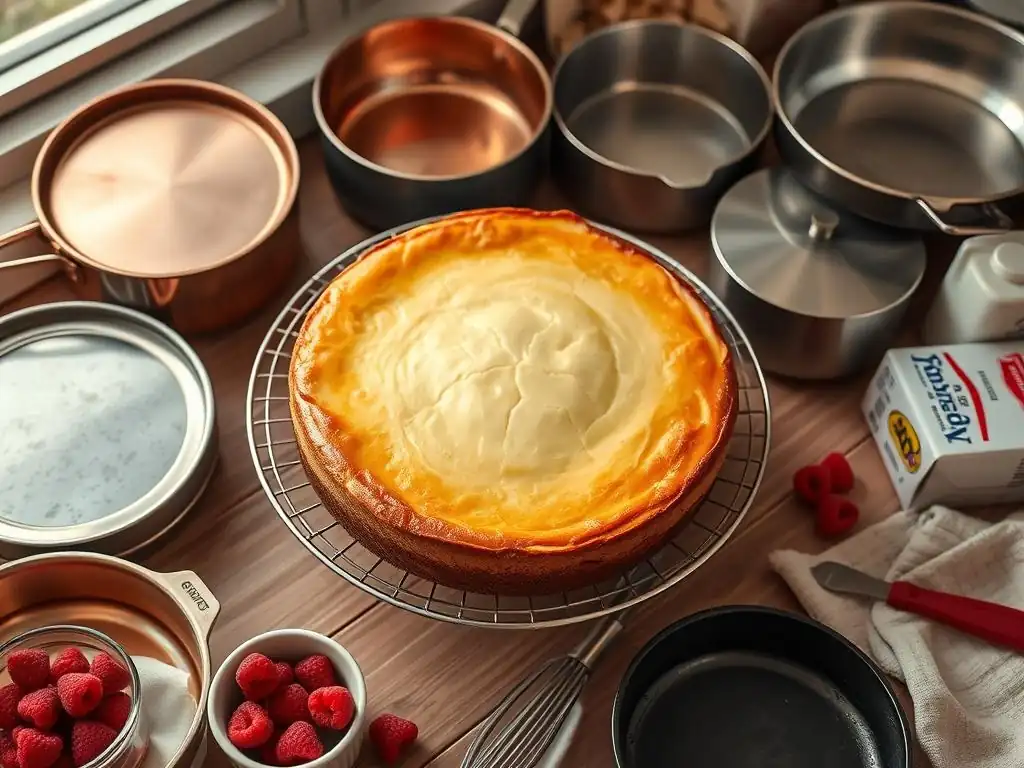
The material from which a baking pan is made has a profound impact on how heat is transferred to your batter, affecting everything from baking time and crust development to the overall texture and color of your finished dessert. Different materials conduct and retain heat differently, leading to varied results even when using the same recipe. Understanding these differences is crucial for selecting the best pans for cheesecake baking and other specific desserts to ensure consistent, high-quality outcomes.
Choosing the right pan material can be the difference between a perfectly golden crust and a burnt one, or between an evenly set cheesecake and one with a dry exterior and underbaked center. Factors like reactivity with ingredients, durability, ease of cleaning, and cost also play a role in deciding which material is best suited for your needs and baking habits. Let's explore the properties of common baking pan materials.
Aluminum Pans: The Workhorse of the Baking World
Aluminum pans are incredibly popular among bakers, from home enthusiasts to professionals, and are often considered among the best pans for cheesecake baking and general cake making. Their primary advantage lies in their excellent heat conductivity. Aluminum heats up quickly and, more importantly, distributes heat very evenly across the entire surface of the pan. This even heat transfer promotes uniform baking, reducing the risk of hot spots that can cause parts of a dessert to overcook while others remain underbaked.
Light-colored aluminum pans also reflect heat, preventing the exterior of baked goods from browning too quickly before the interior is fully cooked. This is particularly beneficial for delicate items like cheesecakes and light-colored cakes where a pale, evenly baked crust is desired. While raw aluminum can react with acidic ingredients, potentially causing discoloration, many aluminum pans are now anodized to prevent this issue. Their durability and relatively low cost make them a staple in most kitchens.
Pros and Cons of Aluminum Cheesecake Pans
Pros:
- Excellent Heat Conductivity: Ensures very even baking, crucial for preventing cracks in cheesecakes and achieving uniform cake texture.
- Light Color: Reflects heat, promoting slower, more even browning and reducing the risk of burnt edges.
- Durability: Generally sturdy and long-lasting if cared for properly.
- Lightweight: Easy to handle.
- Cost-Effective: Often more affordable than other materials like copper or high-end nonstick.
Cons:
- Reactivity: Raw aluminum can react with acidic ingredients (like lemon juice or vinegar), potentially imparting a metallic taste or causing discoloration of the pan and the food. (Anodized aluminum mitigates this).
- Sticking: Unless anodized or treated, bare aluminum requires thorough greasing and often lining with parchment paper to prevent sticking.
- Dent easily: Lighter gauge aluminum can be prone to denting or warping if dropped or subjected to extreme temperature changes.
Overall, for even baking and consistent results, especially with items like cheesecakes, aluminum (particularly anodized aluminum) is a top choice and widely considered among the best pans for this purpose.
Anodized Aluminum vs. Regular Aluminum
Regular aluminum pans are made from untreated aluminum. They conduct heat exceptionally well and are lightweight and inexpensive. However, they can react with acidic foods, potentially causing the pan to pit or discolor and sometimes imparting an off-flavor to the food. They also require diligent greasing and flouring (or parchment paper) to prevent sticking.
Anodized aluminum undergoes an electrochemical process that hardens the surface and makes it non-reactive. This means anodized pans won't react with acidic ingredients, making them safer for a wider range of batters and fillings, including those with citrus or dairy. The anodizing process also makes the surface smoother and less porous, which slightly improves nonstick properties compared to raw aluminum, though they still typically require greasing.
Anodized aluminum pans are generally more durable and scratch-resistant than regular aluminum, offering the benefits of even heating without the drawbacks of reactivity. Many bakers consider anodized aluminum pans superior for consistent, reliable results, making them excellent candidates for the best pans for cheesecake baking.
Nonstick Pans: Convenience and Easy Release
Nonstick pans feature a coating, typically made of PTFE (Teflon) or ceramic-based materials, applied to a metal base (often aluminum or steel). The primary benefit of nonstick cookware is the easy release of baked goods, requiring minimal or no greasing and simplifying cleanup. This is particularly appealing for delicate desserts that might otherwise stick and break upon removal. Cakes, muffins, brownies, and even some cookies slide out with ease from a good nonstick pan.
While the nonstick property is a major convenience, it's important to be aware of how the coating affects baking. Darker nonstick coatings absorb more heat than lighter materials, which can lead to faster and darker browning of crusts and edges. This might necessitate adjusting oven temperatures or baking times. The durability of the nonstick coating varies by quality; lower-quality coatings can scratch easily and degrade over time, losing their nonstick properties and potentially flaking. Proper care, including using non-abrasive utensils and washing methods, is essential to extend the lifespan of nonstick pans.
Advantages of Nonstick for Delicate Desserts
The most significant advantage of using nonstick pans for delicate desserts is the unparalleled ease of release. Desserts like flourless chocolate cakes, sticky buns, or even certain types of cheesecakes (though springform is usually preferred for classic versions) can be notoriously difficult to remove from traditional pans without sticking or breaking. A quality nonstick surface allows these items to slide out cleanly once cooled, preserving their shape and appearance.
This easy release also simplifies cleanup, as less residue is left clinging to the pan. For bakers who prioritize convenience and minimal hassle, nonstick pans are an attractive option. While a springform is generally the top recommendation for the best pans for cheesecake baking due to its removable sides, a nonstick springform can offer added insurance against sticking for the crust or edges, provided the coating is high quality and well-maintained.
Caring for Nonstick Pans to Extend Their Lifespan
Proper care is crucial to maintain the performance and longevity of nonstick baking pans. Avoid using metal utensils, which can scratch and damage the nonstick coating. Opt for plastic, silicone, or wooden tools for cutting or removing baked goods. While some nonstick pans claim to be dishwasher safe, hand washing with warm, soapy water and a soft sponge is generally recommended to preserve the coating. Harsh detergents and the high heat of a dishwasher can degrade the nonstick surface over time.
Avoid extreme temperature changes; do not plunge a hot nonstick pan into cold water, as this can cause warping or damage to the coating. Store nonstick pans carefully, ideally with pan protectors (like paper towels or cloth liners) between them if stacking, to prevent scratches from contact with other pans. With proper care, a quality nonstick pan can provide reliable, easy release for many baking projects, though eventually, the coating will wear out and the pan will need replacing.
Glass Pans: Monitoring Your Bake from All Angles
Glass baking pans, typically made from tempered glass like Pyrex, are popular for their versatility and the ability to see the food as it bakes. This transparency allows you to easily monitor the browning of crusts and the cooking progress from the sides and bottom without having to open the oven door excessively. Glass pans are also non-reactive, making them safe for use with acidic ingredients without the risk of metallic taste or discoloration.
Glass conducts heat slowly but retains it very effectively. This means it takes longer for a glass pan to heat up initially, but once hot, it stays hot for a significant period. This can be beneficial for casseroles or dishes that need to stay warm after baking, but it can be a drawback for delicate baked goods. The strong heat retention can sometimes lead to the edges and bottom of cakes or brownies baking faster and becoming darker or drier than the center.
Baking with Glass: Temperature Adjustments and Considerations
Due to glass's heat retention properties, it's often recommended to reduce the oven temperature by about 25°F (approximately 15°C) when using a glass pan instead of a metal one for baked goods like cakes or brownies. While the pan takes longer to heat up, it transfers heat more intensely to the food once it reaches temperature. Baking at a slightly lower temperature helps prevent the edges and bottom from overcooking before the center is done.
You may also find that baking times are slightly longer in glass pans compared to metal. It's crucial to rely on visual cues and doneness tests (like the toothpick test) rather than strictly adhering to the recipe's time when switching from metal to glass. Also, avoid placing a hot glass pan on a cold surface or adding cold liquid to a hot pan, as this can cause thermal shock and shatter the glass.
Glass Pans for Cheesecakes: Is it the Best Choice?
Glass pans are generally not considered the best pans for baking classic cheesecakes, especially large ones requiring a water bath. While non-reactive and able to handle the moisture of a water bath, glass pans have several drawbacks for cheesecakes:
- Heat Distribution: Glass heats slowly but intensely, which can lead to the sides and bottom of the cheesecake setting and potentially cracking before the center is fully baked.
- Release: Glass pans have solid sides, making it impossible to easily remove a delicate cheesecake without inverting it (which is impractical) or carefully lifting it out after extensive cooling and chilling (which risks damage).
- Water Bath Issues: While glass can go in a water bath, its weight and the difficulty of wrapping a glass pan securely to prevent water seepage make it less ideal than a metal springform pan wrapped in foil.
For these reasons, a metal springform pan, particularly aluminum or anodized aluminum, is overwhelmingly preferred and considered the best pan for cheesecake baking to achieve the desired texture and presentation. Glass pans are better suited for baked goods that are cut and served directly from the pan, like crumbles, crisps, or certain types of baked custards.
Silicone Pans: Flexibility and Modern Baking
Silicone baking pans are a relatively modern addition to the kitchen, prized for their extreme flexibility and nonstick properties. Made from food-grade silicone, these pans are pliable, allowing for easy removal of baked goods by simply peeling the pan away. They are naturally nonstick, often requiring minimal or no greasing, and are very easy to clean. Silicone pans come in a vast array of shapes and sizes, including intricate molds for cakes, muffins, and individual desserts that would be difficult to create in traditional metal pans.
Silicone doesn't conduct heat in the same way metal does. It acts more as an insulator, which can result in less browning, especially on the sides and bottom of baked goods. While this can be desirable for some delicate items, it means cakes baked in silicone may have paler crusts. Silicone pans are also quite floppy, especially larger ones, and typically require placement on a baking sheet for stability before filling and transferring to the oven.
Benefits of Silicone Pans for Unique Dessert Shapes
The flexibility of silicone is its standout feature, making it ideal for baking desserts with intricate or unusual shapes. Molds for mini cakes, financiers, madeleines, or even complex geometric designs are readily available in silicone. Once the dessert is baked and cooled slightly, you can simply peel or push the silicone away from the food, releasing it cleanly without fear of sticking or breaking delicate details.
This ease of release and the ability to create unique shapes make silicone pans excellent for individual portioned desserts or novelty cakes. While not typically used for a large, classic cheesecake due to the lack of structural support and less efficient heat transfer needed for that specific dessert, smaller silicone molds can be used for individual no-bake cheesecakes or frozen cheesecake bites.
Silicone Pan Safety and Temperature Limits
Food-grade silicone is considered safe for baking and is designed to withstand a wide range of temperatures. Most silicone baking pans are oven-safe up to temperatures around 400°F to 500°F (approximately 200°C to 260°C), though it's always best to check the manufacturer's specific temperature guidelines. They are also safe for use in the freezer and microwave, adding to their versatility.
When using silicone pans, ensure they are placed on a sturdy baking sheet before adding batter, as they are too flexible to handle when full. While naturally nonstick, a light greasing might still be beneficial for intricate molds or sticky batters to guarantee easy release. Avoid cutting directly in silicone pans, as this can damage the material. With proper use within their temperature limits, silicone pans offer a safe and convenient way to bake unique shapes and individual portions.
Factors to Consider When Choosing Your Baking Pan
Selecting the best pans for cheesecake baking and other desserts involves more than just picking a size or material. Several factors should influence your decision to ensure the pan meets the specific needs of your recipe and your baking style. Considering these elements will help you invest in pans that provide optimal performance, durability, and ease of use, leading to more successful and enjoyable baking experiences.
From how evenly a pan distributes heat to how easy it is to clean after use, each factor contributes to the overall baking outcome and your satisfaction with the tool. Thinking about the pan's size relative to your recipe, its expected lifespan, and how it fits within your budget are also practical considerations for building a functional and effective collection of baking equipment.
Heat Distribution: Ensuring Even Baking and Preventing Cracks
Even heat distribution is arguably the most critical factor for successful baking, especially for delicate items like cheesecakes where uneven heating can cause disastrous cracks. Pans made from materials that are good conductors of heat, such as aluminum or anodized aluminum, excel at distributing heat uniformly across the bottom and sides. This ensures that the batter cooks at a consistent rate, promoting even rising and setting.
Poor heat distribution, often found in thin, dark metal pans or some glass pans, can lead to hot spots. These areas heat up faster and hotter than others, causing parts of the dessert to overcook, dry out, or brown excessively while other areas remain undercooked. For a perfectly smooth, crack-free cheesecake, prioritizing a pan known for excellent, even heat transfer is essential. This is why light-colored, heavy-gauge aluminum is often recommended as the best pans for cheesecake baking.
Pan Size and Depth: Matching the Pan to Your Recipe
The size and depth of your baking pan must match your recipe precisely. Recipes are developed assuming a specific pan volume to achieve the correct height, baking time, and texture. Using a pan that is too large for the recipe will result in a thin dessert that bakes too quickly and may be dry. Using a pan that is too small will cause the batter to overflow during baking, creating a mess and potentially ruining the dessert.
For cheesecakes, the height is a key characteristic, so using a springform pan with adequate depth (typically 2.5 to 3 inches for a standard recipe) is important. For layer cakes, the depth determines how many layers you can get from the baked cake. Always check your recipe for the recommended pan size and depth and use that as your guide. If you must substitute a pan size, understand that you will likely need to adjust baking time and potentially temperature, and the final result may differ from the original recipe.
Ease of Cleaning: Minimizing Post-Baking Hassle
Let's be honest, nobody enjoys scrubbing burnt-on residue from a baking pan. Ease of cleaning is a practical consideration that can significantly impact your baking experience. Pans with nonstick coatings or smooth, non-porous surfaces (like anodized aluminum or silicone) are generally the easiest to clean, often requiring just a soak and a wipe.
Pans with intricate designs (like Bundt pans) or those where food is prone to sticking (like untreated aluminum without sufficient greasing) can be more challenging. While cleanup shouldn't be the sole factor in choosing the best pans for cheesecake baking (performance is key! ), it's worth considering, especially if you bake frequently. Investing in high-quality pans that release well will save you time and effort in the long run.
Durability and Longevity: Investing in Quality Pans
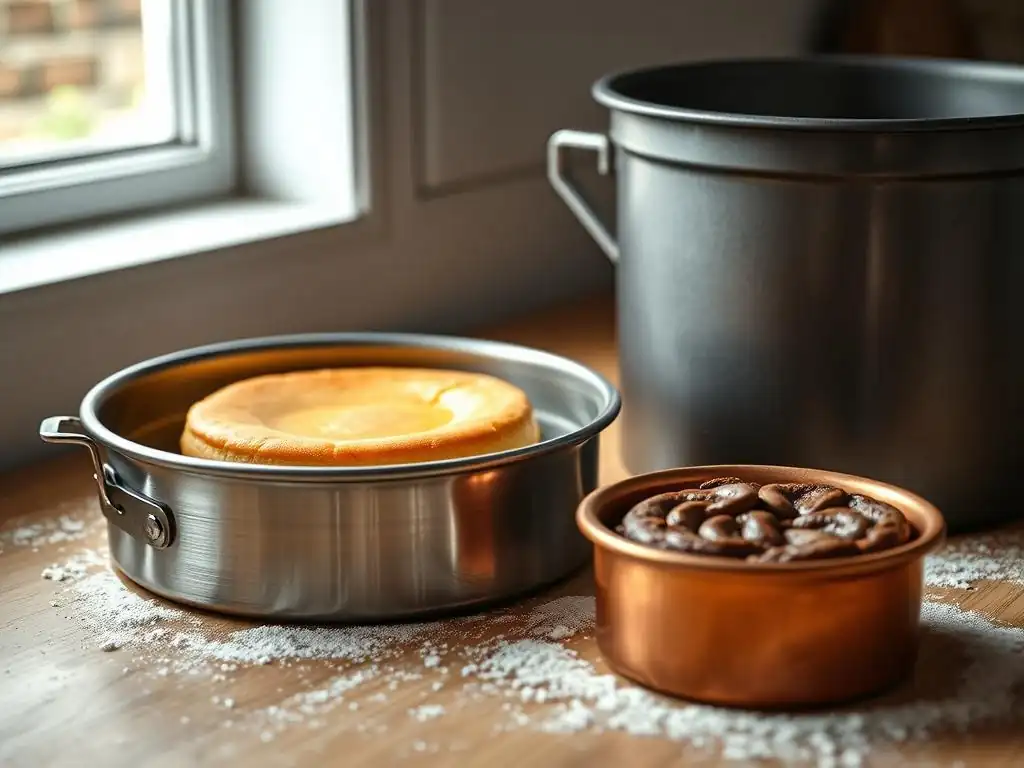
Baking pans are tools, and like any tool, their quality and construction affect their lifespan. Investing in durable, well-made pans means they will perform reliably for years, if not decades, saving you money in the long term compared to frequently replacing cheap, flimsy pans. Look for pans made from heavy-gauge materials that resist warping and denting. Sturdy construction, like a robust latch on a springform pan or reinforced rims on cake pans, indicates better quality.
While a high-quality pan might have a higher upfront cost, its consistent performance and longevity make it a worthwhile investment for serious bakers. A pan that warps over time will bake unevenly, and a nonstick coating that scratches easily will quickly lose its utility. Choosing reputable brands known for their quality construction is a good strategy when building your collection of baking essentials, including the best pans for cheesecake baking.
Budget: Finding the Best Value for Your Needs
Baking equipment ranges widely in price, from budget-friendly options to high-end professional-grade pans. Your budget will naturally play a role in your pan selection. While it's tempting to opt for the cheapest pan available, remember that performance and durability often correlate with price. A very inexpensive pan might warp, scratch, or bake unevenly, leading to frustrating results and the need for premature replacement.
Conversely, the most expensive pan isn't always necessary for excellent results. Many mid-range pans from reputable brands offer a great balance of quality, performance, and value. Consider what you bake most often and invest more in the pans you'll use frequently (like a good springform if you love cheesecakes). For occasional use or specialty shapes, a more budget-friendly option might suffice. The goal is to find the best pans for cheesecake baking and your other needs that offer the best value within your financial comfort zone.
Top Recommended Pans for Baking Cheesecakes and Desserts
Based on factors like heat distribution, durability, ease of use, and overall performance, certain pans and brands consistently receive high marks from bakers. While individual preferences vary, reviewing some top contenders can provide a starting point for building your own collection of the best pans for cheesecake baking and general dessert making.
We'll highlight a few examples of highly-regarded pans across different types, discussing their key features, typical performance, and what makes them stand out. Remember, the "best" pan for you depends on your specific needs, but these recommendations represent solid choices known for delivering reliable results in the kitchen.
Fat Daddio's Springform Pan Review: Features, Performance, and Value
Fat Daddio's is a brand highly respected in the baking community, particularly for their anodized aluminum bakeware. Their springform pans are often cited as among the best pans for cheesecake baking. They are made from 14-gauge anodized aluminum, which provides exceptional durability and, crucially, superior heat distribution. The light color of the anodized aluminum reflects heat, promoting even baking from the bottom and sides, which is vital for preventing cracks in delicate cheesecakes.
Users frequently praise Fat Daddio's springform pans for their sturdy construction, including a reliable stainless steel latch that creates a tight seal, minimizing leaks (though wrapping the base in foil for a water bath is still recommended). The anodized surface is non-reactive and provides some resistance to sticking, although greasing and lining are still good practice. While perhaps slightly more expensive than basic nonstick options, their consistent performance, even heating, and longevity offer excellent value for bakers serious about achieving perfect cheesecakes.
Nordic Ware Cake Pan Review: Durability and Even Heat Distribution
Nordic Ware is another well-regarded brand known for its quality bakeware, particularly its heavy-gauge aluminum pans. Their standard round and square cake pans are excellent examples of durable pans that provide reliable, even heat distribution. Made from natural aluminum, these pans heat up quickly and cool down relatively fast once out of the oven, helping to prevent over-baking.
Nordic Ware aluminum pans are known for their sturdy construction, often featuring reinforced rims that prevent warping, even at high temperatures. While they are not nonstick, their smooth surface, combined with proper greasing and flouring or the use of parchment paper, allows for good release of cakes. The even heat transfer results in cakes with a consistent crumb structure and uniform browning. For general cake baking and many other baked desserts, Nordic Ware's aluminum pans are a solid, durable choice.
Fox Run Tart Pan Review: Creating Beautiful and Delicious Tarts
Fox Run offers a range of bakeware, including functional specialty pans like tart pans. Their tart pans, often made from nonstick coated steel or aluminum with a removable bottom, are designed to make creating elegant tarts and quiches accessible. The fluted edges provide the classic tart shape, while the removable base allows for easy demolding without disturbing the delicate crust.
Users find Fox Run tart pans reliable for baking crisp tart crusts and ensuring fillings set properly. The nonstick coating aids in easy release, though greasing the fluted sides slightly can offer extra insurance. While primarily used for tarts and quiches, these pans can also be adapted for shallower baked cheesecakes or other desserts where a decorative edge and easy removal from the base are desired. They offer a good balance of functionality and value for bakers looking to expand into making tarts.
Tips and Tricks for Using Your Baking Pans Effectively
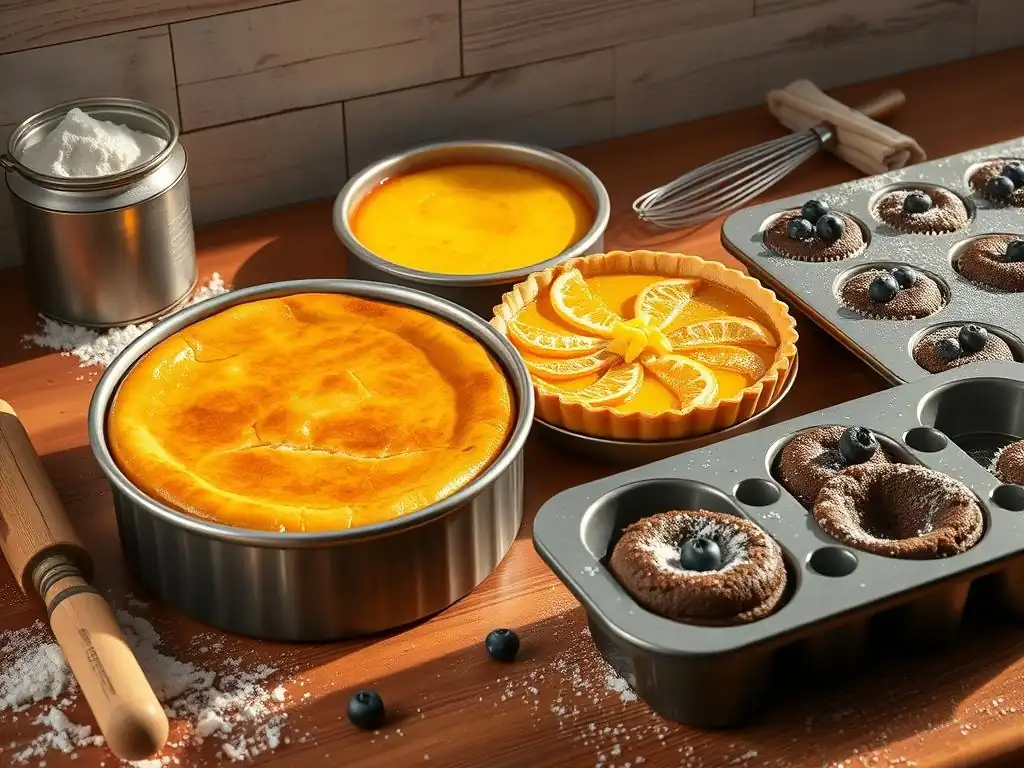
Having the best pans for cheesecake baking and other desserts is just the first step. Knowing how to properly prepare and use your pans can make a significant difference in the outcome of your baked goods. Simple techniques like correct greasing, lining, and understanding how pan material affects baking time are crucial for achieving consistent success and ensuring your beautiful creations release cleanly from the pan.
Mastering these basic pan usage skills will help you avoid common baking pitfalls like sticking, uneven cooking, or cracked surfaces. These tips are applicable whether you're using a brand-new springform or a well-loved cake pan, helping you get the most out of your bakeware and produce delicious, picture-perfect results every time.
Preparing Your Pan for Baking: Greasing and Lining Techniques
Properly preparing your baking pan is essential to prevent sticking and ensure your baked goods release cleanly. The most common method is greasing and flouring: coat the inside of the pan evenly with butter, shortening, or baking spray, then add a tablespoon or two of flour (or cocoa powder for chocolate cakes) and shake it around to coat the greased surface, tapping out any excess. This creates a barrier that helps the cake release.
For cheesecakes and other delicate desserts in pans like springforms or standard cake pans, lining the bottom with parchment paper is often recommended in addition to greasing the sides. Cut a circle of parchment paper to fit the base of a round pan, or a rectangle for square/rectangular pans. This provides a foolproof nonstick surface for the bottom. For springform pans used in a water bath, wrapping the exterior base and sides tightly with heavy-duty aluminum foil (two layers are often recommended) is crucial to prevent water from seeping into the pan.
Baking Times and Temperatures: Adjusting for Different Pan Materials
Baking times and temperatures provided in recipes are typically developed using standard pan materials, often light-colored metal. As discussed earlier, different materials conduct and retain heat differently, which can affect how long your dessert needs to bake and at what temperature.
- Dark Metal Pans: Absorb more heat; may require reducing oven temperature by 25°F (15°C) or shortening baking time to prevent over-browning.
- Glass Pans: Conduct heat slowly but retain it well; often requires reducing oven temperature by 25°F (15°C) and may need slightly longer baking time.
- Silicone Pans: Insulate heat; may result in paler crusts and potentially slightly longer baking times compared to metal.
Always use visual cues (like browning, pulling away from the sides) and doneness tests (like a skewer inserted into the center comes out clean for cakes, or the center of a cheesecake being slightly jiggly) to determine if your dessert is fully baked, rather than relying solely on the recipe's time.
Cooling Your Desserts: Preventing Cracks and Collapses
Proper cooling is a critical step, especially for cheesecakes, to prevent cracks and ensure the dessert sets properly. Cheesecakes should typically cool gradually. After baking, turn off the oven, crack the door open, and let the cheesecake cool inside for 30-60 minutes. This slow transition prevents a sudden temperature change that can cause the top to crack.
After the initial oven cooling, transfer the cheesecake (still in its pan) to a wire rack to cool completely to room temperature. This allows air circulation around the pan, promoting even cooling. Once at room temperature, cheesecakes require significant chilling in the refrigerator (usually at least 4-6 hours, preferably overnight) to fully set their texture.
Attempting to remove a cheesecake from its pan or cut it before it is fully chilled will almost certainly result in a gooey mess or structural collapse. Other baked goods like cakes also benefit from cooling in the pan for a short period (usually 10-15 minutes) before being inverted onto a wire rack to cool completely.
Removing Your Cheesecake or Dessert from the Pan: Easy Release Methods
For springform pans, the beauty is in the easy release. Once your cheesecake is fully cooled and chilled, simply release the side latch and gently lift the ring straight up and away from the base. If you used parchment paper on the base, you can slide the cheesecake (still on the paper and base) onto a serving plate.
For standard cake pans, ensure the cake has cooled in the pan for the recommended time (typically 10-15 minutes) so it's firm enough to handle but not stuck. Run a thin offset spatula or knife gently around the edge of the pan to loosen the cake. Place a wire rack or serving plate upside down on top of the pan, then carefully invert the pan and rack/plate together.
The cake should release onto the rack/plate. If using parchment paper on the bottom, you can then carefully peel it off. For desserts served directly from the pan (like brownies), ensure they are cooled completely before cutting.
Conclusion: Elevate Your Baking with the Perfect Pan
Selecting the right bakeware is a fundamental step in mastering the art of baking. As we've explored, the pan you choose significantly impacts the outcome of your baked goods, from the texture and color of a cake to the structural integrity and crack-free surface of a cheesecake. Understanding the different types of pans, their materials, and how they conduct heat empowers you to make informed decisions that will elevate your baking results.
Whether you're searching for the best pans for cheesecake baking, the most versatile cake pans, or specialty molds for unique creations, investing in quality tools suited to your needs is a worthwhile endeavor. A well-chosen pan provides consistent performance, enhances the beauty of your desserts, and makes the baking process more enjoyable and less prone to frustrating mishaps like sticking or uneven baking.
Investing in Quality Baking Pans for Superior Results
While it might be tempting to purchase the most inexpensive pans available, investing in high-quality bakeware, particularly for frequently made items like cheesecakes or standard cakes, pays dividends in the long run. Quality pans made from durable materials like heavy-gauge aluminum or anodized aluminum offer superior heat distribution, resist warping, and last for years with proper care.
A pan that bakes evenly and releases cleanly saves you time, reduces waste from failed attempts, and consistently produces professional-looking results. Consider building your collection gradually, prioritizing the best pans for cheesecake baking if that's your passion, or investing in a few versatile, high-quality cake pans if you bake a variety of desserts. Think of your bakeware as essential tools that contribute directly to the success and enjoyment of your baking projects.
BakeLikeAPro: Your Partner in Baking Success
At BakeWithEase.com, our mission is to be your trusted partner on your baking journey. We provide the knowledge, tips, and resources you need to bake with confidence, whether you're just starting out or refining your skills. Understanding the nuances of equipment, like choosing the best pans for cheesecake baking or selecting the right material for your cake pan, is part of building that confidence.
We hope this guide has provided valuable insights into selecting the ideal baking pans for your cheesecakes and other delicious desserts. Explore our site for recipes, techniques, and further tips to continue expanding your baking repertoire. With the right knowledge and the right tools, you're well on your way to baking like a pro!
Frequently Asked Questions
What type of pan is generally considered the best for baking cheesecakes?
A springform pan is usually recommended. Its removable sides allow for easy release of the cheesecake without damaging its delicate structure.
Why is a water bath often used when baking cheesecakes, and what kind of pan is suitable for this?
A water bath helps to ensure even baking and prevents cracks. Use a springform pan tightly wrapped in foil, or a specially designed water bath pan, to prevent leaks.
Can I use a regular cake pan for baking a cheesecake?
While possible, it's not ideal. Removing the cheesecake from a standard cake pan can be difficult and may result in cracking. It's best to use a springform pan for easier removal.
What features should I look for when choosing a springform pan for cheesecake baking?
Look for a pan with a tight seal to prevent leaks, especially when using a water bath. Also, consider the material; non-stick coating can make releasing the cheesecake even easier.
Are there alternative pan options if I don't have a springform pan?
You can try a removable-bottom tart pan, or bake the cheesecake in individual ramekins. However, a springform pan is still the most recommended for the best results.
Final Reflection: The Sweet Science of the Perfect Cheesecake
The quest for the perfect cheesecake isn't just about achieving a creamy texture and a flawlessly browned crust; it's about the experience. Finding the right pan is a crucial, often overlooked, step in this culinary journey, directly impacting the final product's success and the baker's overall satisfaction. The right pan can elevate a good cheesecake to a masterpiece.
This exploration into the world of cheesecake pans has highlighted not only the technical aspects of baking—the material, the size, the construction—but also the emotional connection we have with food. Baking, especially something as delicate as a cheesecake, is an act of love and care, and the right tools amplify that process. The best things in life are homemade,
a sentiment that rings especially true when considering the joy of creating a perfect cheesecake. The subtle differences between a springform pan, a ceramic pan, and a silicone mold profoundly impact the final result, shaping not just the dessert but also the baker's experience.
Now, consider your own baking journey. What kind of baker are you? Do you prefer the classic simplicity of a springform pan, or are you drawn to the even heat distribution of a ceramic option? Perhaps you're adventurous enough to experiment with silicone molds for unique shapes and presentations. This isn't just about choosing a pan; it's about choosing the baking experience you want to create. So, go forth, armed with this knowledge, and bake the cheesecake of your dreams. The perfect pan awaits.
Unleash Your Inner Pastry Chef!
Thanks for joining us on this delicious journey into the world of cheesecake and dessert baking! We hope you've discovered the perfect pan to elevate your baking game. Now it's time to put that knowledge to work!
- Bake that dream cheesecake! Grab your newfound favorite pan and start creating your masterpiece. Let your creativity shine!
- Share your baking triumphs! Post a picture of your delicious creation on social media using #BakeWithEase and inspire others.
- Explore more baking secrets: Discover additional helpful guides and recipes on our website (bakewithease.com – although you're not allowed to link here).
What amazing dessert will you bake first with your new pan?