
Baking with Fruit: Tips for Juicier Results

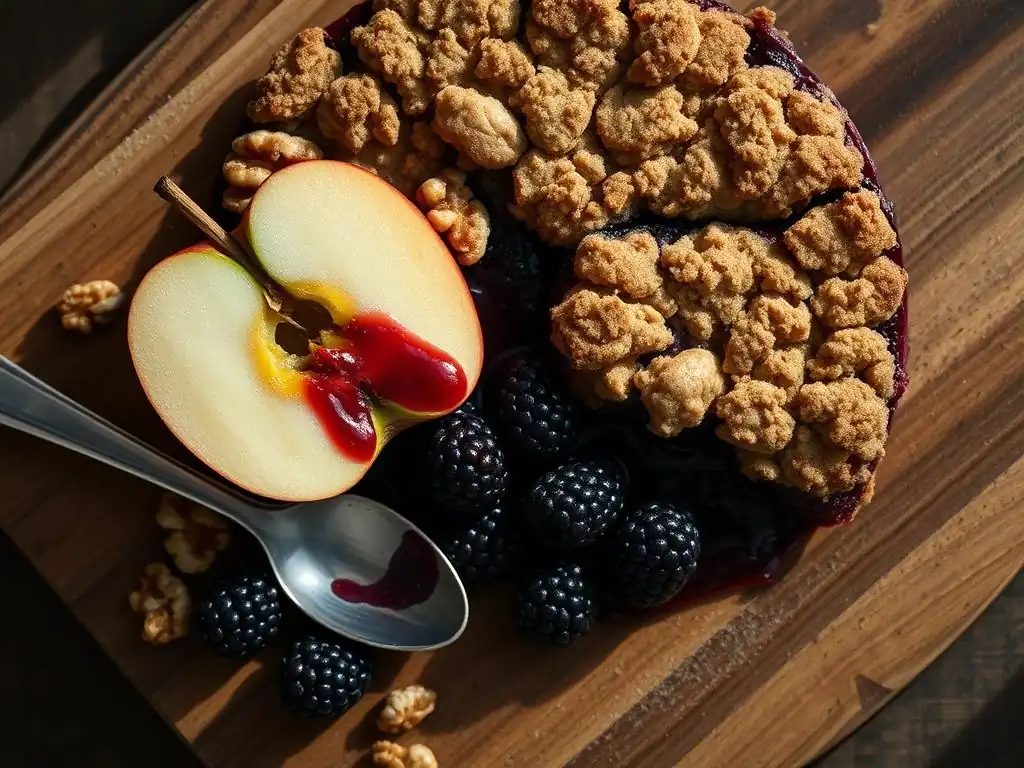
Welcome to BakeWithEase!
Ever wondered how to consistently achieve that perfectly juicy fruit filling in your baked goods? You're in the right place. Discover the secrets to creating mouthwatering pastries and desserts bursting with flavor. Dive into our guide for foolproof techniques and ingredient tips that will transform your fruit-baked creations. Ready to unlock the secrets to juicier results? Let's get baking!
- Baking with Berries: Tips for Juicier Results
- Introduction: Elevate Your Baking with Juicy Berry-Filled Recipes
- Understanding Berries and Baking: Achieving Optimal Moisture
- Key Techniques for Juicier Berry-Filled Baking
- Recipe-Specific Tips for Juicy Berry Desserts
- Advanced Techniques for Maximizing Berry Juiciness
- Troubleshooting Common Berry Baking Problems
- Storing and Serving Berry-Baked Desserts for Maximum Enjoyment
- Conclusion: Mastering the Art of Juicy Berry-Filled Recipes
-
Frequently Asked Questions
- How can I prevent my fruit from sinking to the bottom of my baked goods?
- What type of fruit works best in baked recipes for a juicy result?
- How do I avoid my baked goods becoming soggy from the fruit?
- What is the best way to prepare fruit for baking to maximize juiciness?
- Can I use frozen fruit in baking, and how will it affect the juiciness?
- Final Reflection: The Sweet Science of Juicy Baked Fruit
- Unlock Juicier Fruit Baking Secrets!
Baking with Berries: Tips for Juicier Results
Introduction: Elevate Your Baking with Juicy Berry-Filled Recipes
Baking with fruit brings a burst of flavor and color to everything from muffins and pies to cakes and tarts. Among the most popular fruits for baking are berries – blueberries, strawberries, raspberries, and cranberries – each offering unique characteristics. However, incorporating these delicate gems successfully can sometimes be a challenge. Often, bakers face issues like dry, shriveled berries or, conversely, a soggy mess. The goal is to achieve juicy fruit baked recipes where the berries remain plump and flavorful, enhancing the overall texture and taste of your creation.
Mastering the art of baking with berries means understanding how they interact with heat and batter. It requires a few simple yet effective techniques that ensure your baked goods are not just delicious, but beautifully moist and bursting with berry goodness. Whether you're aiming for a classic blueberry muffin or an elegant raspberry tart, these tips will guide you towards consistently juicy fruit baked recipes that impress.
Understanding Berries and Baking: Achieving Optimal Moisture
The Science Behind Berries in Baked Goods: Why Berries Can Dry Out
When berries are heated during baking, their cell walls break down. This process causes the water and natural sugars inside the berry to be released. If this happens too quickly or without proper management, the moisture can either evaporate, leaving the berry dry and shriveled, or it can flood the surrounding batter, leading to a soggy texture. The structure of the berry itself plays a role; softer berries like raspberries release their liquid more readily than firmer blueberries.
Furthermore, the sugar concentration within the berry changes as water is released, potentially caramelizing slightly on the surface, which can contribute to a tougher exterior if not protected. Understanding this natural release of moisture is key to implementing strategies that keep the berries plump and juicy, contributing positively to the juicy fruit baked recipes you aim to create, rather than detracting from them.
Selecting the Right Berries for Juicy Baked Recipes: A Guide
Choosing the right berries significantly impacts the juiciness of your baked goods. Opt for berries that are ripe but still firm. Overripe berries are more likely to turn mushy and release too much liquid too quickly, potentially making your batter soggy. For instance, a firm, ripe blueberry holds its shape better during baking than a very soft one.
Consider the natural moisture content of different berries. Strawberries and raspberries have higher water content and are more delicate than blueberries or cranberries. For juicy fruit baked recipes, you might choose berries known for retaining moisture well, like wild blueberries, or implement specific techniques tailored to more delicate varieties to prevent them from drying out or disintegrating.
Key Techniques for Juicier Berry-Filled Baking
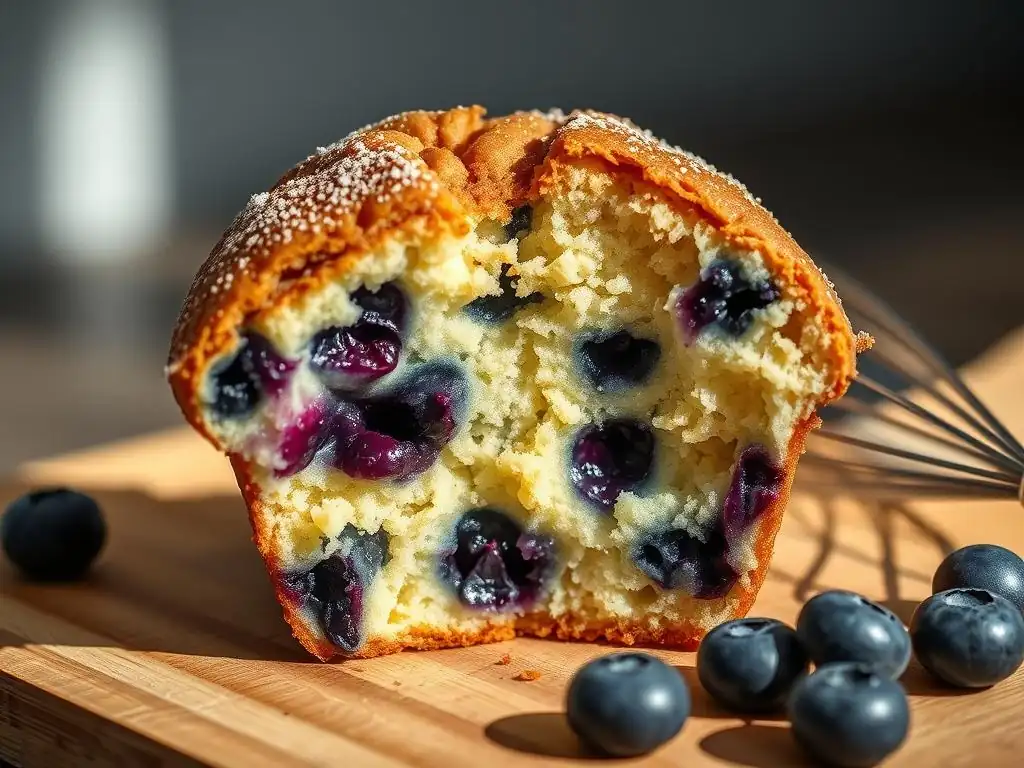
Macerating Berries for Enhanced Moisture and Flavor
Macerating involves tossing fresh berries with a small amount of sugar and sometimes a splash of lemon juice or liqueur and letting them sit for a period. This process draws out some of the berries' natural juices, creating a flavorful syrup. When you add these macerated berries and their syrup to your batter, you're not just adding berries; you're adding a pre-hydrated fruit encased in its own juicy liquid.
For example, macerating 1 cup of sliced strawberries with 2 tablespoons of sugar for 20-30 minutes before adding them to scone dough can significantly improve their texture. The sugar helps the strawberries release some liquid beforehand, concentrating their flavor and preventing them from drying out during baking. This technique is excellent for achieving truly juicy fruit baked recipes.
Freezing Berries: A Pro Tip for Preventing Color Bleeding
Using frozen berries directly from the freezer is a fantastic technique, especially for recipes like muffins or quick breads. The cold temperature helps the berries hold their shape longer in the warm batter, and they release their juice more slowly as the baked good sets around them. This gradual release contributes to pockets of moisture within the finished product.
Furthermore, keeping berries frozen until just before folding them into the batter helps prevent their color from bleeding excessively, keeping your batter looking clean. While they will still release juice, the slower process often results in a moister final product compared to using fresh berries that haven't been treated. Aim to gently fold them in at the very last step before baking for optimal results in your juicy fruit baked recipes.
Coating Berries with Flour: A Barrier Against Moisture Loss
A simple yet effective technique is to gently toss fresh or frozen berries with a small amount of flour before adding them to your batter. The flour creates a thin barrier around each berry. As the berry begins to release moisture during baking, the flour helps to absorb some of the initial liquid, preventing it from spreading too rapidly into the surrounding dough or batter.
This coating not only helps keep the berries plump and juicy but also aids in suspending them within the batter, preventing them from all sinking to the bottom. A common ratio is using about 1 to 2 tablespoons of all-purpose flour per cup of berries. This small step can make a significant difference in achieving evenly distributed, juicy fruit baked recipes.
Recipe-Specific Tips for Juicy Berry Desserts
Achieving a Juicy Blueberry Muffin: Expert Techniques
Blueberry muffins are a classic, but often the blueberries can turn dry or sink. To ensure juicy fruit baked recipes like these muffins, start by tossing your blueberries (fresh or frozen) in about 1 tablespoon of flour per cup. This helps them stay suspended and manage moisture release.
Ensure your batter is not too wet; a slightly thicker batter also helps suspend the berries. Bake at a slightly higher initial temperature (like 400°F or 200°C) for the first 5-10 minutes, then reduce it. This initial heat helps the muffin structure set quickly, trapping the moisture from the berries inside, leading to plumper, juicier blueberries throughout.
Preventing Dry Strawberries in Scones: Hydration Strategies
Strawberries, with their high water content, can sometimes dry out or disappear into scone dough. To combat this and ensure juicy fruit baked recipes, macerating sliced strawberries with a little sugar (say, 1 tablespoon per cup) for about 15-20 minutes is highly effective. Drain the berries, reserving the syrup, and pat the berries dry before gently folding them into the dough.
You can then brush the tops of the scones with the reserved strawberry syrup before baking. This adds an extra layer of moisture and flavor that helps keep the strawberries from becoming brittle and dry during the baking process, resulting in more tender, juicy pockets of fruit.
Keeping Raspberries Moist in Cakes: Baking Time Considerations
Raspberries are delicate and can easily turn mushy or dry out in a cake. The key is careful handling and paying close attention to baking time. Gently fold slightly frozen raspberries into the batter just before pouring it into the pan. Avoid overmixing.
Bake the cake only until a toothpick inserted into the center comes out with moist crumbs attached, not completely clean. Overbaking is a primary cause of dry fruit. For a standard 9-inch cake layer, this might mean checking around the 28-32 minute mark depending on your oven. The slight underbake ensures the raspberries retain their moisture and bright flavor, contributing to truly juicy fruit baked recipes.
Ensuring a Luscious Cranberry Flavor in Baked Goods: Cranberry Sauce Swirl
While fresh cranberries are wonderfully tart, they can sometimes be too hard or dry in baked goods like quick breads or muffins. Using a swirl of homemade or good-quality canned cranberry sauce is an excellent way to introduce intense cranberry flavor and significant moisture, resulting in juicy fruit baked recipes.
Prepare your batter as usual, then spoon half into the pan. Dollop spoonfuls of cranberry sauce over the batter, swirl gently with a knife, add the remaining batter, and repeat the swirl. The sauce provides a moist, flavorful pocket that remains luscious during baking, ensuring every bite has a burst of tangy sweetness.
Advanced Techniques for Maximizing Berry Juiciness
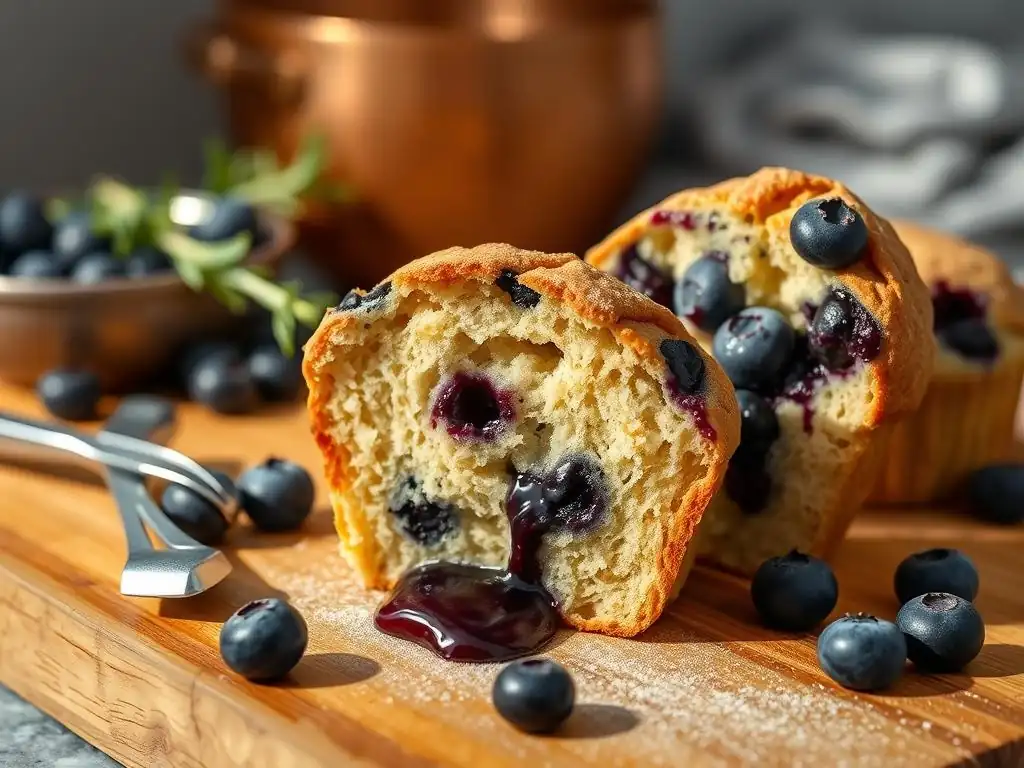
Using Berry Purees for Intense Flavor
Incorporating berry purees into batters or fillings is an advanced way to infuse intense flavor and moisture throughout your baked goods. A puree, made by blending fresh or cooked berries and sometimes straining out the seeds, distributes the berry essence more evenly than whole berries.
For instance, replacing a portion of the liquid in a cake batter with a vibrant raspberry puree (perhaps substituting 1/4 to 1/2 cup of milk or buttermilk with puree per standard cake recipe) can create a cake with a consistent berry flavor and a wonderfully moist crumb, leading to deeper juicy fruit baked recipes. The natural sugars and moisture in the puree hydrate the flour, contributing to tenderness.
Incorporating Berry Jams for Added Moisture
Berry jams are concentrated sources of fruit flavor and sugar, and their texture makes them excellent for adding targeted pockets of moisture. Swirling jam into batters (as with the cranberry sauce example) or using it as a layer in cakes or fillings for cookies are effective methods.
When using jam, consider its consistency; a looser jam will spread more, while a thicker preserve will create distinct juicy pockets. For example, spreading a thin layer of apricot jam on the bottom of a fruit tart before adding the berries can prevent a soggy crust and add an extra layer of juicy flavor that complements the fresh fruit on top.
Layering Berries for Optimal Distribution and Juiciness
Instead of simply mixing all berries into the batter, consider layering them, especially in larger baked goods like cakes, coffee cakes, or crisps. This technique ensures more even distribution and prevents all the berries from sinking.
For a coffee cake, pour half the batter into the pan, sprinkle half the prepared berries over it, add the remaining batter, and top with the rest of the berries before adding any streusel. This creates layers of juicy fruit throughout the cake, ensuring moisture and flavor in every slice, making for truly exceptional juicy fruit baked recipes.
Troubleshooting Common Berry Baking Problems
Preventing Berries from Sinking to the Bottom
Berries sinking is a common frustration. The primary culprits are often too-wet batter, too many berries, or berries that haven't been coated. Ensure your batter recipe results in a relatively thick consistency, especially for quick breads and muffins.
Tossing berries in a small amount of flour (as discussed earlier, about 1-2 tablespoons per cup) is highly effective. The flour helps the berries grip the batter. Additionally, gently folding in slightly frozen berries right before baking helps them hold their position as the batter starts to set. These steps are crucial for achieving juicy fruit baked recipes with even berry distribution.
Avoiding a Watery or Soggy Baked Product
A soggy bottom or a generally wet crumb can result from too much moisture released by the berries. This can happen if you use overripe berries, don't manage their moisture release, or if the baked good is underbaked.
Ensure you aren't adding excessive amounts of berries; most recipes suggest a ratio that works well. If using fresh berries prone to excessive juicing (like very ripe strawberries), consider macerating and draining them slightly. Most importantly, bake until a toothpick comes out clean (for cakes/muffins) or the crust is golden and the filling is bubbling (for pies), indicating it's cooked through.
Addressing Burnt Berries in Baked Recipes
Sometimes berries on the surface of a pie or crisp can burn before the rest is cooked. This is often due to oven hot spots or the berries being too exposed. Placing the baked good on a lower rack can help distribute heat more evenly away from the direct top element.
If the berries on top start to brown too quickly, loosely tenting the baked good with aluminum foil can shield them from direct heat while the rest continues to bake. This simple trick protects the delicate fruit, ensuring your juicy fruit baked recipes have beautifully cooked, not burnt, berries on top.
Storing and Serving Berry-Baked Desserts for Maximum Enjoyment
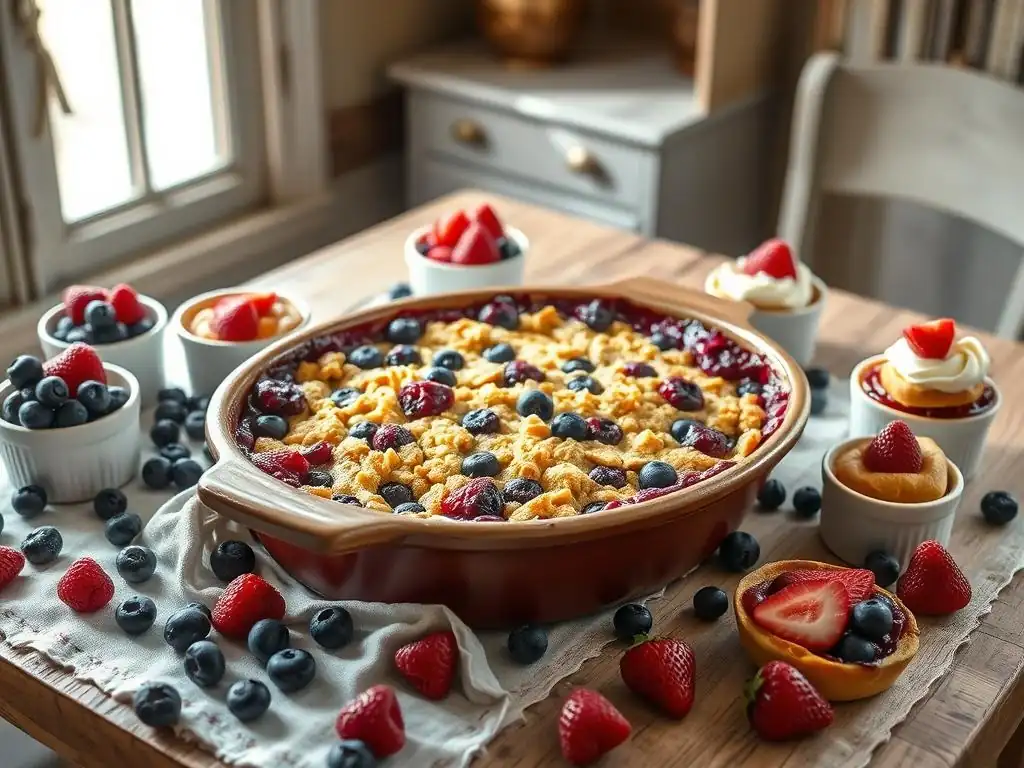
Keeping Berry Pies and Cakes Fresh and Moist
Proper storage is essential for maintaining the juiciness and freshness of your berry-baked goods. Once cooled completely, store pies and cakes loosely covered with plastic wrap or in an airtight container at room temperature for a day or two. For longer storage, refrigeration is necessary, especially for items with dairy fillings or high moisture content.
Refrigeration can sometimes slightly alter texture, but it prevents spoilage. To serve refrigerated items, letting them come to room temperature for 20-30 minutes can improve texture and flavor. For crisps or crumbles, storing the topping separately from the fruit base until serving can help maintain crispness while keeping the fruit juicy.
Serving Suggestions to Enhance the Berry Flavors
Serving berry-baked desserts warm often enhances their aroma and makes the fruit taste even juicier. A slice of warm blueberry pie or a warm berry muffin is particularly delightful. Pairing with complementary elements can elevate the experience.
Consider serving with a dollop of fresh whipped cream, a scoop of vanilla ice cream that melts into the warm fruit, or a drizzle of crème anglaise. These additions provide a creamy contrast and extra moisture that highlights the vibrant, juicy flavors of the baked berries, making your juicy fruit baked recipes truly unforgettable.
Conclusion: Mastering the Art of Juicy Berry-Filled Recipes
Baking with berries offers endless delicious possibilities, but achieving that perfect balance of tender crumb and juicy fruit pockets requires attention to detail. By understanding how berries behave under heat, selecting the right ones, and employing techniques like macerating, freezing, or coating, you can significantly improve the outcome of your baked goods.
From preventing sinking blueberries to ensuring moist raspberries in cakes, the tips outlined here provide a roadmap to success. Incorporating purees or jams can add depth, while proper storage and thoughtful serving suggestions ensure your creations are enjoyed at their best. With practice and these techniques, you'll consistently produce delightful, juicy fruit baked recipes that are a joy to bake and even more of a joy to eat.
Frequently Asked Questions
How can I prevent my fruit from sinking to the bottom of my baked goods?
To prevent fruit from sinking, try tossing the fruit in flour before adding it to the batter. This creates a barrier and helps to suspend the fruit more evenly.
What type of fruit works best in baked recipes for a juicy result?
Fruits like berries, peaches, and apples tend to retain moisture well during baking. Consider using seasonal fruit for the best flavor and juiciness.
How do I avoid my baked goods becoming soggy from the fruit?
Avoid overfilling your batter with fruit, as this can release too much moisture. Using slightly underripe fruit can also help reduce sogginess.
What is the best way to prepare fruit for baking to maximize juiciness?
Consider macerating the fruit with a little sugar or lemon juice before baking. This draws out the juices and intensifies the fruit's flavor, leading to a more juicy outcome.
Can I use frozen fruit in baking, and how will it affect the juiciness?
Yes, you can use frozen fruit, but be aware that it releases more moisture than fresh. Do not thaw the frozen fruit before adding it to the batter to minimize excess moisture and maintain juiciness.
Final Reflection: The Sweet Science of Juicy Baked Fruit
The pursuit of perfectly juicy baked fruit isn't just about taste; it's about unlocking the full potential of nature's sweetness. This article explored the often-overlooked techniques that transform ordinary fruit into extraordinary baked goods, techniques that are more relevant than ever in a world increasingly focused on fresh, seasonal ingredients. From understanding the science behind moisture retention to mastering the art of pre-baking preparation, we've uncovered the secrets to consistently achieving that delightful burst of juicy flavor in every bite.
The journey of baking with fruit is a deeply personal one, a testament to the simple pleasure of transforming raw ingredients into something beautiful and delicious. It's a tradition passed down through generations, a connection to the earth and its bounty. As we strive for juicy perfection, we also connect with a deeper appreciation for the nuances of flavor and texture. The best things in life are simple,
a phrase often repeated, truly resonates when considering the pure joy of a perfectly baked fruit tart or crisp. The seemingly simple act of baking becomes a meditation on the beauty of nature's gifts.
Now, it's your turn. Consider the tips and techniques shared within this article, and let them inspire your next baking adventure. Experiment with different fruits, explore new recipes, and most importantly, don't be afraid to get your hands a little messy. The journey to achieving juicy, flavorful baked goods is a rewarding one, filled with delicious discoveries and the satisfaction of creating something truly special. Embrace the process, savor the results, and share the joy of perfectly juicy baked fruit with those you love.
Unlock Juicier Fruit Baking Secrets!
Thanks for joining us on this fruity baking adventure! You've now got the insider knowledge to create deliciously moist and flavorful baked goods. Ready to put your new skills to the test?
- Bake a batch of your favorite fruit-filled recipe today, using our tips! See how much more juicy and delicious your results will be.
- Share your baking creations on social media using #BakeWithEaseFruit for a chance to be featured!
- Try experimenting with a new fruit combination you haven't baked with before – get creative!
What surprising fruit will you add to your next baking masterpiece?