
Financiers: The Elegant Little French Cakes You Need to Try


Welcome to BakeWithEase, your haven for baking bliss! Ever dreamt of whipping up elegant French pastries without the fuss? Our Easy French financiers recipe guide unlocks the secrets to these delightful little cakes. Get ready to discover a surprisingly simple recipe that will impress your friends and family, and ignite your passion for pastry! Intrigued? Let's bake!
- A Guide to Baking Delicious Financiers at Home
- Understanding Financiers: Origins and Key Elements
-
Step-by-Step Guide to Baking Financiers
- Preparing Your Ingredients and Equipment
- Step 1: Creating the Brown Butter (Beurre Noisette)
- Step 2: Blending Dry Ingredients: Almond Flour, Sugar, and Flour
- Step 3: Incorporating the Egg Whites and Brown Butter Mixture
- Step 4: Enhancing Flavor: Adding Raspberry Jam
- Step 5: Preparing the Financier Pan
- Step 6: Baking Your Financiers to a Nutty Brown
- Step 7: Cooling and Releasing Your Financiers
- Tips and Tricks for Consistently Perfect Financiers
- Serving and Storing Your Homemade Financiers
- The Ultimate Financier Recipe: A Summary
-
Frequently Asked Questions
- What exactly are financiers and what makes them special?
- What makes the BakeWithEase recipe an "easy" guide for financiers?
- Can I substitute ingredients in the financier recipe, such as using a different nut flour instead of almond flour?
- What is beurre noisette (brown butter) and why is it important in financiers?
- What are the best tips for ensuring my financiers have the classic golden-brown color and crispy edges?
- Final Reflection: The Enduring Allure of the Financiers
- Unleash Your Inner Pâtissier: Bake Financiers Today!
A Guide to Baking Delicious Financiers at Home
Discover the Charm of French Financiers
Financiers are small, elegant French cakes known for their moist, almond-rich interior and slightly crisp edges. Often baked in distinctive rectangular molds, they are a staple of French patisseries and a delightful treat perfect for an afternoon snack or with a cup of coffee or tea. Their name, meaning "financier" in French, is said to come from their traditional rectangular shape, reminiscent of gold bars, or perhaps because they were a popular treat among financial district workers in Paris.
Embarking on the journey to bake these exquisite pastries at home is surprisingly accessible. While they boast a sophisticated flavor profile, the process itself is straightforward, making this an easy French financiers recipe guide for bakers of all skill levels. With just a few key ingredients and simple techniques, you can recreate the magic of a Parisian patisserie in your own kitchen, impressing friends and family with these delicate, nutty cakes.
Why This Financiers Recipe is a Must-Try
This specific easy French financiers recipe guide simplifies the process while ensuring authentic flavor and texture. It focuses on the essential elements that make financiers so special, particularly the use of brown butter (beurre noisette) and almond flour, which contribute significantly to their signature taste and moist crumb. We break down each step, from preparing the key ingredients to the final bake, making it approachable even if you've never made French pastries before.
Furthermore, this guide includes helpful tips for success and troubleshooting common issues, ensuring you achieve consistently perfect results. We also explore exciting flavor variations, allowing you to customize your financiers and experiment with different combinations. Whether you're looking for a simple yet impressive dessert or want to expand your French baking repertoire, this easy French financiers recipe guide provides everything you need to bake delicious financiers at home.
Understanding Financiers: Origins and Key Elements
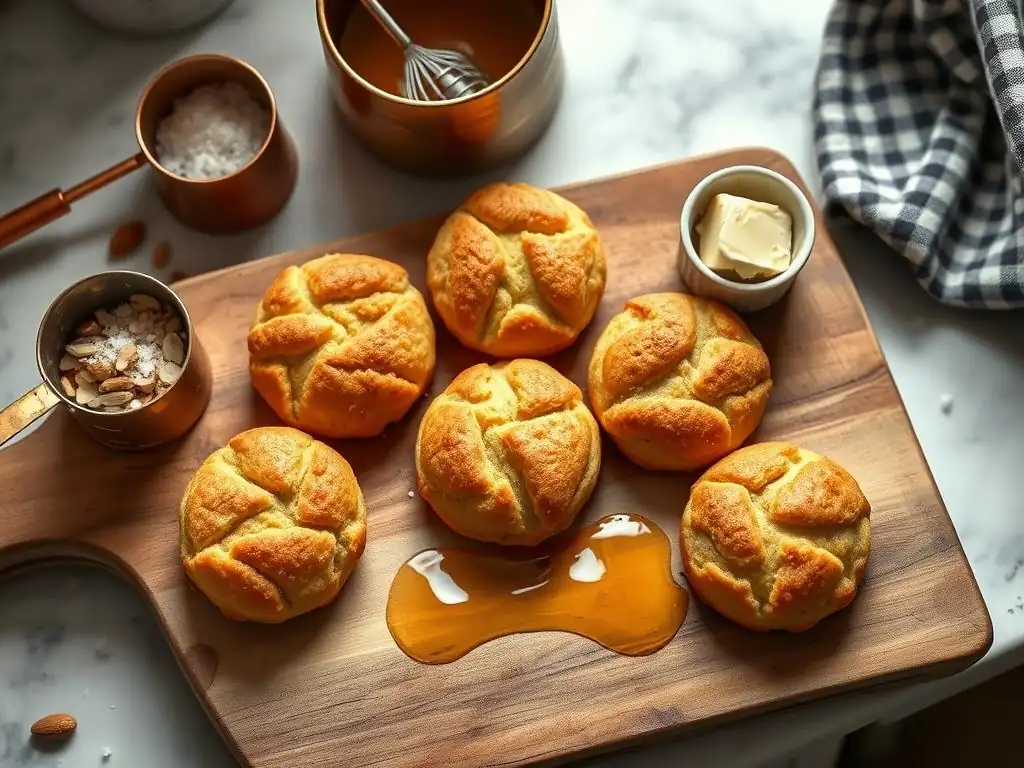
What are Financiers? A Brief History
Financiers are small French almond cakes traditionally made with brown butter, almond flour, egg whites, and sugar. Their origins are often traced back to the Lorraine region of France, but they gained significant popularity in Paris in the late 19th century. Legend has it that a pastry chef named Lasne, whose shop was located near the Paris stock exchange (Bourse), created them as a convenient, non-messy treat for the busy financiers who frequented the area.
The cakes were baked in small molds, making them easy to hold and eat without getting sticky fingers, a practical consideration for men in suits. Their golden color and rectangular shape, resembling gold bars, further cemented their association with the financial world, hence the name "financier". This historical context adds a touch of charm to these already delightful pastries, connecting each bite to a piece of Parisian history.
The Core Components of Authentic Financiers
Authentic financiers rely on a few key ingredients that work together to create their unique texture and flavor. Unlike many cakes that use whole eggs and leavening agents like baking powder, financiers primarily use egg whites and derive their lift and structure from the whipping of these whites and the specific ratio of ingredients. The magic truly happens through the combination of nutty almond flour, fragrant brown butter, and delicate egg whites.
Understanding the role of each component is crucial for mastering this easy French financiers recipe guide. The quality of these ingredients directly impacts the final product. Using high-quality almond flour provides the best flavor and texture, while properly browning the butter is non-negotiable for achieving that signature depth of taste. Let's look closer at the stars of the show.
Almond Flour: The Foundation of Flavor
Almond flour is the primary dry ingredient in financiers, typically making up a significant portion of the flour component. It provides the characteristic nutty flavor and contributes to the moist, tender crumb that financiers are famous for. Using finely ground almond flour ensures a smooth texture without grittiness. The natural oils in the almonds also help keep the cakes moist.
Compared to using only wheat flour, almond flour results in a denser yet incredibly tender cake. It pairs beautifully with the richness of brown butter and the sweetness of sugar. For the best results in this easy French financiers recipe guide, opt for blanched almond flour, which has a finer texture and lighter color than almond meal (which includes the skins).
Brown Butter (Beurre Noisette): Adding Depth and Aroma
Brown butter, or beurre noisette, is arguably the most crucial ingredient for achieving the authentic taste of financiers. It's made by gently heating unsalted butter until the milk solids separate and brown, creating a rich, nutty aroma and flavor reminiscent of toasted hazelnuts (noisette means hazelnut in French). This process caramelizes the milk solids, adding complex layers of flavor that regular melted butter simply cannot provide.
Making brown butter requires careful attention to prevent burning, but it's a simple technique that elevates these small cakes from good to extraordinary. The nutty depth it imparts is essential to the financier's identity. For this easy French financiers recipe guide, mastering beurre noisette is a key step towards truly authentic results.
Egg Whites: Achieving a Delicate Crumb
Financiers traditionally use only egg whites, not whole eggs. The protein in the egg whites contributes to the structure, while the absence of yolks keeps the cake relatively light and delicate despite its richness. The egg whites are typically gently whisked or lightly beaten, not whipped to stiff peaks like for meringues. This gentle handling helps create a moist, slightly dense, yet tender interior rather than a fluffy, airy one.
Using fresh egg whites is recommended for the best structure and texture. The amount of egg white needed will depend on the size of the eggs, but for a standard batch yielding about 12 financiers, you might need approximately 3-4 large egg whites (roughly 90-120 grams). This specific use of egg whites is a defining characteristic of the financier's unique crumb structure in any good easy French financiers recipe guide.
Step-by-Step Guide to Baking Financiers
Preparing Your Ingredients and Equipment
Before you begin baking, it's essential to have all your ingredients measured out and your equipment ready. This mise en place approach ensures a smooth baking process, which is key to any easy French financiers recipe guide. You will need standard baking equipment like mixing bowls, a whisk, measuring cups and spoons, a small saucepan for the brown butter, and crucially, financier molds or a muffin tin. Silicone molds are particularly helpful for easy release.
Ensure your ingredients are at room temperature (except for the butter you will brown). You'll need unsalted butter, almond flour, granulated sugar, all-purpose flour, egg whites, a pinch of salt, and any optional flavorings like vanilla extract or fruit. Having everything prepped beforehand minimizes stress and potential errors, making this easy French financiers recipe guide even simpler to follow.
Step 1: Creating the Brown Butter (Beurre Noisette)
Begin by melting the unsalted butter in a small, light-colored saucepan over medium heat. Watch it carefully as it melts and starts to foam. Swirl the pan occasionally. The butter will transition from foamy to clear, and then tiny brown bits will start to form at the bottom. You'll notice a distinct nutty aroma. Continue cooking until the milk solids are a deep amber-brown, but not black. This typically takes about 5-8 minutes depending on the amount of butter and heat.
Once the butter is browned to a beautiful nutty hue, immediately remove the pan from the heat and pour the brown butter, including the browned bits at the bottom, into a heatproof bowl. This stops the cooking process. Allow the brown butter to cool slightly before using it in the batter, perhaps for 5-10 minutes. This step is fundamental to this easy French financiers recipe guide and the flavor of your financiers.
Step 2: Blending Dry Ingredients: Almond Flour, Sugar, and Flour
In a medium mixing bowl, whisk together the almond flour, granulated sugar, all-purpose flour, and a pinch of salt. Ensure there are no lumps, especially in the flour. The sugar contributes sweetness and helps with moisture retention, while the small amount of all-purpose flour provides just enough structure to hold the cakes together.
Mixing the dry ingredients thoroughly at this stage ensures even distribution throughout the batter. This step is quick but important for the overall texture of your financiers. Use a whisk to lighten the mixture slightly and combine everything evenly before adding the wet ingredients, a standard practice in many baking processes including this easy French financiers recipe guide.
Step 3: Incorporating the Egg Whites and Brown Butter Mixture
Add the room temperature egg whites to the bowl with the dry ingredients. Gently whisk them in until just combined. Do not overmix; you're not trying to incorporate air as you would for a meringue or sponge cake. The mixture will be quite thick and paste-like at this stage.
Now, gradually pour the slightly cooled brown butter into the batter while whisking continuously. Continue mixing until the brown butter is fully incorporated and you have a smooth, glossy batter. Be sure to scrape in all the delicious browned bits from the bottom of the brown butter bowl – they are packed with flavor! You can also stir in any optional extracts like vanilla at this point. The batter should be relatively fluid but still hold its shape slightly. This step is crucial for developing the rich flavor profile in this easy French financiers recipe guide.
Step 4: Enhancing Flavor: Adding Raspberry Jam

While traditional financiers are plain, adding a dollop of fruit jam is a popular and delicious variation. For this step in our easy French financiers recipe guide, we suggest raspberry jam for its bright, slightly tart contrast to the rich, nutty cake. Once the batter is ready, you can gently fold in a few tablespoons of raspberry jam, swirling it through the batter without fully incorporating it.
Alternatively, you can add a small spoonful of jam to the center of each financier after pouring the batter into the molds before baking. This creates a lovely surprise filling. Using about 2-3 tablespoons of jam for a batch of 12 financiers is usually sufficient to add flavor without making the batter too wet. This simple addition elevates the standard recipe.
Step 5: Preparing the Financier Pan
Financiers are traditionally baked in small rectangular molds, but a standard muffin tin works perfectly well if you don't have financier molds. Regardless of the pan type, it needs to be properly prepared to prevent sticking. Even non-stick pans or silicone molds benefit from a light greasing and flouring, especially when using brown butter which can sometimes cause sticking.
Brush the molds generously with melted butter or baking spray, ensuring you get into all the corners. Then, lightly dust the greased molds with flour, tapping out any excess. For extra assurance, especially with intricate molds, you can chill the prepared pan in the refrigerator for 10-15 minutes before filling. This preparation step is vital for the easy release of your delicate financiers, making this easy French financiers recipe guide less frustrating.
Step 6: Baking Your Financiers to a Nutty Brown
Preheat your oven to 350°F (175°C). Fill the prepared molds about two-thirds to three-quarters full with the financier batter. Avoid overfilling, as the cakes will rise slightly. If you added jam in Step 4, ensure it's distributed evenly or placed in the center of each cavity.
Bake the financiers for approximately 12-18 minutes, depending on the size of your molds and your oven. They are done when they are golden brown around the edges and slightly darker brown on top, particularly where the brown butter has caramelized further. A gentle touch should reveal a slight spring back. The edges should look set and slightly crisp. Baking them to a good brown color is key to developing their nutty flavor, as highlighted in this easy French financiers recipe guide.
Step 7: Cooling and Releasing Your Financiers
Once baked, remove the financiers from the oven. Let them cool in the pan for just a few minutes, perhaps 5-10 minutes, before attempting to remove them. This allows them to firm up slightly. If using metal molds, carefully invert the pan onto a wire rack. If using silicone molds, they should pop out easily.
Transfer the financiers to a wire rack to cool completely. They are delicious served warm, but allowing them to cool fully will give them their characteristic slightly crisp exterior and moist interior. Handle them gently as they are delicate when warm. This final cooling step ensures the texture is just right, completing this stage of the easy French financiers recipe guide.
Tips and Tricks for Consistently Perfect Financiers
Achieving the Ideal Texture: Moist Interior, Crispy Edges
The hallmark of a great financier is its contrast in textures: a wonderfully moist, tender, and slightly dense interior coupled with delightfully crisp, nutty edges. Achieving this balance relies heavily on two factors: the brown butter and the baking time. The brown butter keeps the interior moist, while baking them just long enough allows the edges to caramelize and crisp up without drying out the center.
Ensure your oven temperature is accurate and check for doneness towards the lower end of the baking time range (e.g., starting at 12 minutes). The cakes should be deeply golden brown, especially around the perimeter. If they are too pale, they might be undercooked in the center and lack the desired crispness. Overbaking, however, will result in dry cakes. Practice helps you recognize the perfect color and texture for your oven and molds when using this easy French financiers recipe guide.
Troubleshooting Common Baking Issues
Even with an easy French financiers recipe guide, sometimes things don't go exactly as planned. Knowing how to identify and fix common issues is part of becoming a confident baker. Two frequent problems are financiers turning out too dense or sticking to the pan. Let's look at why these happen and how to prevent them.
Troubleshooting is key to mastering this easy French financiers recipe guide. Don't be discouraged if your first batch isn't perfect. Baking is often a process of learning and adjusting based on your specific ingredients and equipment. With a little understanding, you can easily overcome these hurdles and bake beautiful financiers every time.
Financiers Too Dense?
If your financiers are coming out too dense, almost heavy, there are a couple of potential culprits. One common reason is overmixing the batter after adding the egg whites and brown butter. Overmixing can develop the gluten in the small amount of all-purpose flour more than desired, leading to a tougher, denser texture. Another possibility is using ingredients that are too cold; room temperature ingredients emulsify better, creating a smoother batter.
To avoid overly dense financiers, whisk the dry ingredients, gently incorporate the egg whites until just combined, and then mix in the brown butter until the batter is smooth and uniform, but stop as soon as it comes together. Avoid vigorous whisking or beating. Also, ensure your egg whites and any liquid flavorings are at room temperature before adding them to the mix, following this easy French financiers recipe guide closely.
Financiers Sticking to the Pan?
Financiers are rich with butter, which usually helps them release easily, but sticking can happen, especially with metal pans or if not properly prepared. The high sugar content can also contribute to sticking as it caramelizes. Insufficient greasing and flouring of the molds is the most common reason.
To prevent sticking, ensure your molds are thoroughly greased and floured, getting into all the crevices. Using melted butter applied with a brush followed by a light dusting of flour (tapping out excess) is usually effective. Alternatively, a baking spray containing flour works well. For extra insurance, chilling the prepared pan before filling can help. Using silicone molds is another excellent way to ensure easy release when following this easy French financiers recipe guide.
Exploring Flavor Variations
While the classic financier is a delight on its own, its simple base makes it perfect for experimenting with different flavors. Once you've mastered the easy French financiers recipe guide for the basic version, you can easily add variations to suit your taste. These additions are typically incorporated with the wet ingredients or placed on top of the batter before baking.
Exploring variations keeps baking exciting and allows you to customize your financiers for different occasions or preferences. From nuts to fruit to citrus, the possibilities are vast. Here are a couple of popular and delicious variations to try, building upon the foundational easy French financiers recipe guide.
Pistachio Financiers: A Nutty Delight
Pistachio financiers offer a beautiful green hue and a distinct, slightly sweet nutty flavor that complements the brown butter perfectly. To make them, you'll need finely ground pistachios. You can replace a small portion of the almond flour (perhaps 20-30%) with ground pistachios, or simply add a few tablespoons of finely ground pistachios to the dry ingredients alongside the almond flour.
For an extra punch of pistachio flavor, you can also add a teaspoon or two of pistachio extract or paste to the batter with the brown butter. Toasted chopped pistachios can also be sprinkled on top of the batter before baking for added texture and visual appeal. This variation is a favorite for those who enjoy different nut profiles in their pastries.
Lemon Financiers: A Zesty Flavor Burst
Adding lemon zest provides a bright, zesty contrast to the richness of the brown butter and almond flour, creating a refreshing version of the classic financier. To make lemon financiers, simply add the finely grated zest of one or two lemons to the dry ingredients or stir it in with the wet ingredients.
For a more intense lemon flavor, you can also add a teaspoon of lemon extract. Sometimes, a small amount of fresh lemon juice (about 1-2 teaspoons) is added with the egg whites, but be mindful not to add too much liquid, which could alter the texture. Lemon financiers are particularly lovely served with fresh berries or a light glaze made from powdered sugar and lemon juice.
Serving and Storing Your Homemade Financiers

Serving Suggestions: Pairing with Berries and Cream
Financiers are wonderful served simply on their own, perhaps dusted lightly with powdered sugar. However, they pair beautifully with fresh fruit, particularly berries like raspberries, strawberries, or blueberries, which offer a lovely tart counterpoint to the cake's sweetness and richness. A dollop of whipped cream or crème fraîche can add an extra layer of indulgence.
Consider serving warm financiers alongside a scoop of vanilla ice cream for a simple yet elegant dessert. For a more elaborate presentation, arrange them on a plate with a berry coulis or a light glaze. Their size makes them perfect for a tea party or as part of a dessert platter. The simple elegance of financiers makes them versatile for many serving styles after mastering this easy French financiers recipe guide.
Storing Financiers: Maintaining Freshness
Financiers are best enjoyed on the day they are baked when their edges are crispiest. However, they can be stored and will remain delicious for a few days. Allow them to cool completely on a wire rack before storing. Once fully cooled, store them in an airtight container at room temperature.
To help maintain freshness and prevent them from drying out, you can place a piece of parchment paper between layers if stacking them. Stored properly, they will keep for 2-3 days. While the edges may soften slightly over time, the interior will remain moist and flavorful. For longer storage, they can be frozen for up to a month; thaw at room temperature before serving.
The Ultimate Financier Recipe: A Summary
Financiers are a testament to the beauty of simple ingredients prepared with care. This easy French financiers recipe guide has walked you through the process, from understanding their history and key components to baking and enjoying them. The combination of nutty brown butter, moist almond flour, and delicate egg whites creates a pastry that is both sophisticated and comforting.
Whether you stick to the classic version or experiment with variations like pistachio or lemon, mastering this recipe will add a truly elegant treat to your baking repertoire. Remember the key steps: perfect the brown butter, measure accurately, avoid overmixing, and bake until golden brown. With this guide, baking delicious French financiers at home is not only possible but genuinely easy and rewarding.
Mastering the Art of Brown Butter Financiers
Mastering the easy French financiers recipe guide ultimately hinges on perfecting the brown butter. This technique, while simple, requires attention to detail to ensure the butter is browned to the ideal stage – nutty and fragrant, not burnt. The depth of flavor that beurre noisette imparts is what truly distinguishes a financier from other almond cakes.
Once you are comfortable with the brown butter step, the rest of the recipe flows smoothly. The beauty of this easy French financiers recipe guide is its reliance on technique and quality ingredients over complexity. Practice makes perfect, and each batch of financiers you bake will bring you closer to achieving that ideal balance of moist interior and crisp, nutty exterior, a true pleasure for any baker.
Frequently Asked Questions
What exactly are financiers and what makes them special?
Financiers are small, rectangular French cakes known for their rich, nutty flavor and delicate crumb. They are traditionally made with beurre noisette (brown butter) and almond flour.
What makes the BakeWithEase recipe an "easy" guide for financiers?
The BakeWithEase recipe focuses on streamlined steps and readily available ingredients, making the process less intimidating for beginner bakers. It emphasizes clear instructions and helpful tips.
Can I substitute ingredients in the financier recipe, such as using a different nut flour instead of almond flour?
While almond flour is traditional, you can experiment with other nut flours, like hazelnut or pistachio, but it will alter the flavor profile and potentially the texture.
What is beurre noisette (brown butter) and why is it important in financiers?
Beurre noisette is browned butter, which adds a deep, nutty flavor and essential moisture to the financiers. Its distinct taste is a key characteristic of the cake.
What are the best tips for ensuring my financiers have the classic golden-brown color and crispy edges?
Use a well-greased mold, bake at the correct temperature, and monitor them closely during the last few minutes of baking. The beurre noisette also contributes to the color.
Final Reflection: The Enduring Allure of the Financiers
The delicate elegance of the financier, a seemingly simple almond cake, belies its complex history and enduring appeal. Its precise balance of texture and flavor continues to captivate bakers and eaters alike, making it a timeless classic in the ever-evolving world of pastry. This enduring popularity speaks to a deeper human desire for both refined simplicity and delightful indulgence.
The journey through the world of financier recipes, from the classic to the inventive, has highlighted not only the versatility of this small cake but also the power of tradition in the culinary arts. The meticulous attention to detail required in its creation mirrors the dedication and passion of those who have perfected this recipe over centuries. The best things in life are simple,
a sentiment that perfectly encapsulates the essence of the financier. Its seemingly uncomplicated nature masks a depth of flavor and technique that rewards both the baker and the eater.
Now, armed with a deeper understanding of the financier's history and a collection of recipes to try, I invite you to embark on your own culinary adventure. Don't be afraid to experiment, to adapt, and to personalize these recipes to reflect your own tastes and preferences. The beauty of baking lies in the creative process, and the financier, with its elegant simplicity, provides the perfect canvas for your culinary expression. So, gather your ingredients, preheat your oven, and let the delightful aroma of almond and butter guide you on your journey to baking perfection.
Unleash Your Inner Pâtissier: Bake Financiers Today!
Thanks for joining us on this delicious journey into the world of Financiers! We hope you've gained a newfound appreciation for these elegant little cakes. Now it's time to put your newfound knowledge to the test!
- Bake a batch of Financiers: This is your chance to experience the delicate almond flavor and melt-in-your-mouth texture firsthand. Don't be afraid to experiment with different flavor variations!
- Share your baking success (or even your struggles!) with us on social media: Use #BakeWithEaseFinanciers and tag us – we’d love to see your creations!
- Explore more French pastry recipes on BakeWithEase.com: Discover new baking adventures and expand your culinary horizons.
Ready to transform your kitchen into a Parisian patisserie? What unique flavor will you add to your Financiers?