
Exploring Regional French Pastry Specialties

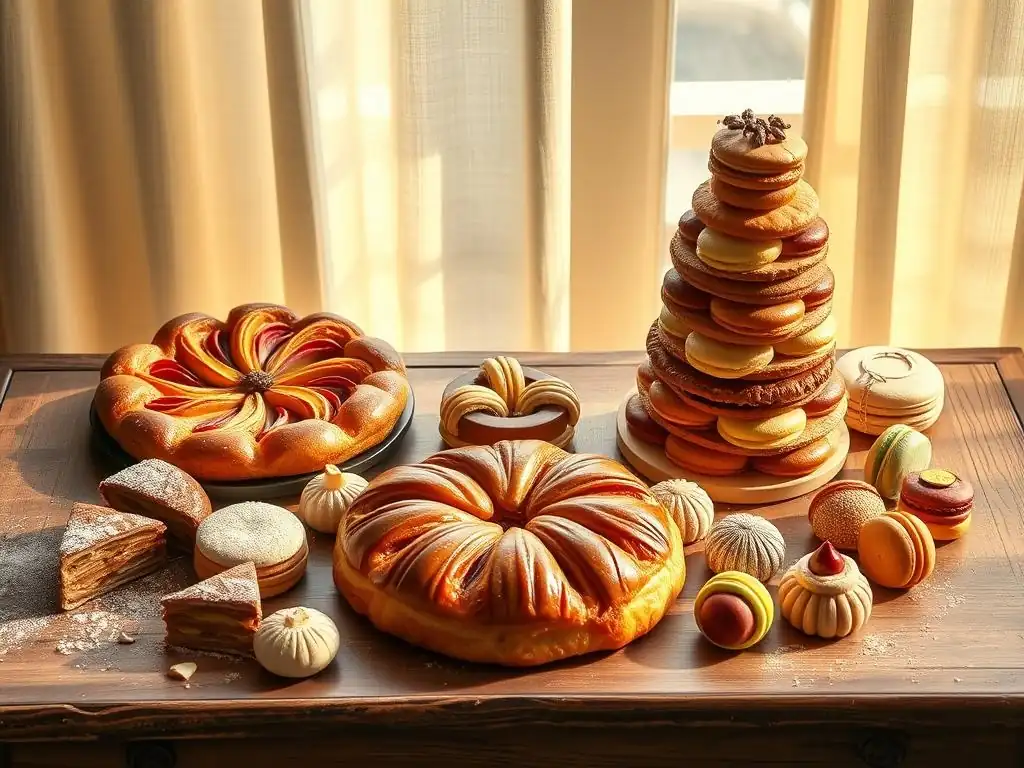
Welcome to BakeWithEase, your guide to unlocking the delicious secrets of baking! Ever wondered about the hidden gems of French pastry? Our journey starts here, diving into the fascinating world of French pastry regional specialties recipes. Prepare to be amazed by the diverse flavors and techniques waiting to be discovered – and find out how to recreate these authentic treats in your own kitchen!
- Discovering the Diverse World of French Regional Pastries
- Northern France: Pastry Delights
- Eastern France: Sweet Treats
- Central France: Pastry Treasures
- Southern France: Mediterranean Flavors
- Southwestern France: Basque and Pyrenean Pastries
- Baking French Pastry Specialties at Home: Tips and Techniques
-
Frequently Asked Questions
- What are some examples of regional French pastry specialties that BakeWithEase covers?
- Does BakeWithEase offer recipes for beginners interested in French pastry?
- Does BakeWithEase focus on French pastry recipes that use specific techniques?
- How does BakeWithEase help bakers find the ingredients they need for French pastry recipes?
- Can I find recipes beyond just French pastry regional specialties on BakeWithEase?
- Final Reflection: A Sweet Journey Through France's Pastry Heritage
- Unleash Your Inner Pâtissier!
Discovering the Diverse World of French Regional Pastries
France is renowned globally for its exquisite pastries, from the delicate macaron to the flaky croissant. However, beyond the well-known classics found in Parisian patisseries lies a rich tapestry of regional French pastry specialties, each telling a story of local ingredients, traditions, and history. Exploring these unique treats offers a delicious journey through the country's diverse culinary landscape.
From the buttery delights of the north to the sun-kissed flavors of the south, these regional French pastry specialties recipes showcase the ingenuity and passion of generations of bakers. Each region boasts its own signature creations, often tied to specific festivals, ingredients available locally, or historical events. Learning about these distinct pastries provides a deeper appreciation for the depth and variety of French baking.
Northern France: Pastry Delights
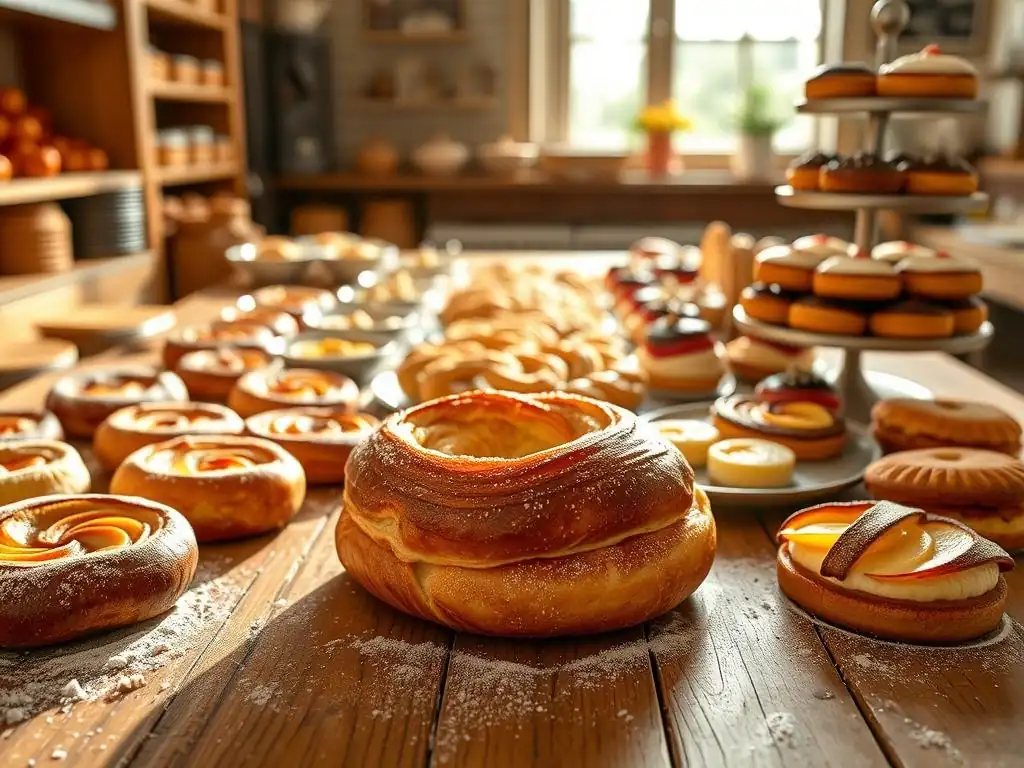
The northern regions of France, including Brittany and Normandy, are known for their strong dairy traditions, which heavily influence their pastries. Butter, cream, and apples feature prominently, creating rich and comforting treats that are perfect for enjoying with a hot drink on a cooler day.
Kouign Amann: The Buttery Breton Cake
Originating from Brittany, the Kouign Amann is often described as "butter cake" in Breton, and for good reason. This round, multi-layered cake is made with bread dough, generously folded with butter and sugar, similar to puff pastry but with the sugar incorporated into the layers. As it bakes, the sugar caramelizes, and the butter creates incredibly flaky layers, resulting in a pastry that is both tender and crisp with a delightfully sweet, buttery crust.
Creating a proper Kouign Amann requires significant skill in lamination – the process of folding butter into dough. A traditional recipe might call for a ratio of dough, butter, and sugar close to 40% dough, 30% butter, and 30% sugar by weight, making it one of the most indulgent French pastry regional specialties. The heat of the oven melts the butter, which steams and separates the layers of dough, while the sugar caramelizes, cementing the layers together in a golden, slightly sticky crust.
Crêpes: A Versatile Staple
While perhaps seen as simple compared to other pastries, crêpes are a fundamental and beloved part of Breton cuisine and are enjoyed throughout Northern France. These thin pancakes, typically made from wheat flour (or buckwheat flour for savory galettes), eggs, milk, and a touch of sugar or salt, are incredibly versatile and can be filled with anything from simple butter and sugar to elaborate fruit, cream, or chocolate fillings.
Crêpes are a staple of festivals and markets across the region, often cooked on large, round cast-iron griddles. A standard crêpe batter recipe is remarkably simple, often involving just mixing the wet and dry ingredients until smooth, then letting it rest for at least 30 minutes. This resting period allows the gluten to relax, resulting in a tender crêpe. While sweet crêpes are a popular dessert or snack, the savory buckwheat galettes (often filled with ham, cheese, and egg) are a complete meal in themselves, showcasing the practical side of these French pastry regional specialties recipes.
Tarte au Sucre: The Simple Sugar Tart
Popular in Flanders and Picardy in Northern France, the Tarte au Sucre is a comforting and straightforward pastry. It consists of a yeast-leavened dough base, similar to brioche, topped generously with butter and sugar before baking. Sometimes, a little crème fraîche or milk is drizzled over the top to create a slightly creamy, caramelized surface.
This tart highlights the beauty of simplicity, relying on good quality ingredients to shine. The dough is soft and slightly sweet, contrasting beautifully with the rich, caramelized sugar topping. It's a rustic pastry, often baked in a large round or rectangular tin and served in slices, perfect for breakfast or an afternoon treat. Its unfussy nature makes it one of the more approachable French pastry regional specialties recipes for home bakers.
Eastern France: Sweet Treats
Eastern France, bordering Germany and Switzerland, incorporates influences from these neighbors, particularly in its use of yeast-leavened doughs and spices. Alsace and Lorraine are famous for their comforting cakes and delicate almond confections.
Kougelhopf: The Iconic Cake
The Kougelhopf (or Kugelhopf), a distinctive ring-shaped yeast cake, is a symbol of Alsace. Traditionally baked in a special fluted ceramic mold, it's a rich dough enriched with butter, eggs, and sugar, often containing raisins soaked in Kirsch or rum, and sometimes flavored with almond extract or lemon zest. Almonds are typically placed in the bottom of the mold before the dough is added.
This cake is deeply embedded in Alsatian culture, often enjoyed for breakfast, afternoon tea, or special occasions. A typical Kougelhopf mold might be around 20-25 cm in diameter and produce a cake weighing over 1 kg. The texture is similar to brioche, soft and airy, with bursts of sweetness from the raisins and a delicate almond flavor. Mastering the rise of the yeast dough is key to achieving a perfect Kougelhopf, making it a rewarding challenge among French pastry regional specialties recipes.
Macarons de Nancy: A Chewy Almond Delight
Before the colorful, ganache-filled Parisian macarons took the world by storm, there were the humble and delicious Macarons de Nancy. Originating in the city of Nancy in Lorraine, these are much simpler biscuits made primarily from ground almonds, sugar, and egg whites. They are crisp on the outside and wonderfully chewy on the inside, with a strong almond flavor.
The history of Macarons de Nancy dates back to the 18th century when two Benedictine nuns, the "Sisters Macaron," started baking and selling them to support themselves during the French Revolution. Their secret recipe, reportedly using just three ingredients – almonds, sugar, and egg whites – has been passed down through generations. Unlike their Parisian cousins, they are baked as simple, slightly cracked discs, highlighting the pure taste and texture of the almond meringue. These classic French pastry regional specialties offer a taste of history.
Madeleines: The Classic Shell-Shaped Cakes
Famous partly due to Marcel Proust's literary association in "In Search of Lost Time," Madeleines are small, buttery sponge cakes with a distinctive shell shape, originating from Commercy or Liverdun in Lorraine. Made from a simple batter of flour, sugar, butter, and eggs, often flavored with lemon zest or vanilla, they are baked in special molds that give them their characteristic ribbed surface on one side and a hump on the other.
The key to a perfect Madeleine is often achieving that signature hump, which typically requires chilling the batter before baking and using a hot oven. The batter is rich with melted butter, contributing to a tender crumb and a slightly crisp edge. Despite their simple appearance, mastering the technique for achieving the ideal texture and shape makes Madeleines a beloved challenge for those exploring French pastry regional specialties recipes.
Central France: Pastry Treasures
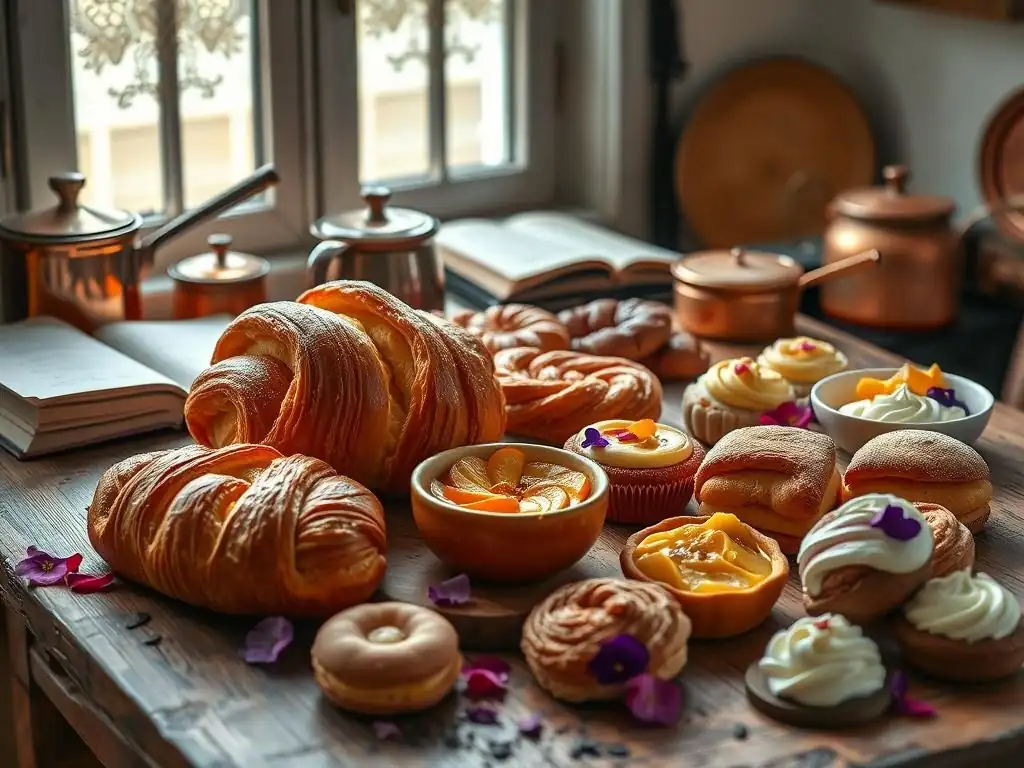
The central regions of France, including the Loire Valley and Limousin, offer pastries that often feature local fruits, particularly apples and cherries, in simple, comforting forms.
Tarte Tatin: The Upside-Down Apple Tart
Perhaps one of the most famous "accidental" French pastry regional specialties, the Tarte Tatin hails from Lamotte-Beuvron in the Loire Valley. Legend has it that the Tatin sisters, who ran a hotel and restaurant, were preparing an apple pie but accidentally overcooked the apples in butter and sugar. In a panic, they placed the pastry base over the caramelized apples and baked it, then flipped it onto a plate to serve. The result was so delicious it became their signature dish.
This iconic tart features caramelized apples baked under a layer of puff pastry (or sometimes shortcrust pastry), then inverted so the fruit is on top. The apples are cooked in generous amounts of butter and sugar until they turn golden and syrupy before the pastry is added. The contrast between the soft, sweet, caramelized apples and the flaky pastry makes the Tarte Tatin a timeless classic among French pastry regional specialties recipes.
Clafoutis: A Cherry-Filled Custard Dessert
Originating from the Limousin region, Clafoutis is a rustic, baked dessert made with a thick, flan-like batter poured over unpitted cherries. The name comes from the Occitan word "clafotís," meaning "to fill" or "to be filled." The batter is a simple mixture of flour, sugar, eggs, and milk or cream, similar to a thick crêpe batter.
Traditionally, Clafoutis is made with unpitted black cherries. The pits contain a compound that releases a slight almond flavor when heated, adding a subtle complexity to the dessert. While modern recipes often use pitted cherries for convenience, purists insist on using them whole. The result is a comforting, slightly wobbly custard studded with soft, warm cherries, typically served warm, sometimes dusted with powdered sugar. It's one of the simplest yet most satisfying French pastry regional specialties recipes.
Southern France: Mediterranean Flavors
Influenced by the Mediterranean climate and ingredients, Southern French pastries often feature almonds, candied fruits, olive oil, and orange blossom water, offering lighter and more aromatic flavors.
Calissons d'Aix: Candied Fruit and Almond Confections
Calissons d'Aix are elegant, diamond-shaped confections from Aix-en-Provence. They consist of a smooth paste made from finely ground almonds, candied melon, and orange peel, topped with a thin layer of white royal icing. Their texture is soft and chewy, with a delicate, sweet, and slightly floral flavor.
These sweets have a long history, possibly dating back to the 15th century. Legend claims they were first served at the wedding feast of King René of Provence. Production is centered in Aix-en-Provence, where strict standards ensure quality. The process involves grinding the fruit and almonds, mixing them with syrup, shaping them, and applying the icing – a delicate craft resulting in these beautiful French pastry regional specialties.
Tropézienne: A Cream-Filled Brioche Tart
The Tarte Tropézienne is a relatively modern classic among French pastry regional specialties, created in 1955 by baker Alexandre Micka in Saint-Tropez. It's a large, round brioche cake that is sliced horizontally and filled with a rich mixture of two creams – typically a pastry cream (crème pâtissière) and a buttercream or diplomat cream – and then topped with pearl sugar.
The story goes that actress Brigitte Bardot, filming nearby, tasted the tart and suggested its name, inspired by the town. The brioche is soft and slightly sweet, providing a perfect contrast to the smooth, luxurious cream filling. Its popularity in Saint-Tropez and along the French Riviera has made it a symbol of the region's relaxed elegance. Creating the perfect balance of brioche and cream is key to successful Tropézienne French pastry regional specialties recipes.
Navettes de Marseille are boat-shaped biscuits originating from Marseille, traditionally baked for the festival of Chandeleur (Candlemas) on February 2nd. Their distinctive shape is said to represent the boat that carried the patron saints of Provence to the shores near Marseille.
These biscuits are simple, dry, and crunchy, made from flour, sugar, eggs, and flavored prominently with orange blossom water. They are not overly sweet, allowing the aromatic floral notes to shine. While traditionally associated with Chandeleur, they are now available year-round. Their firm texture makes them perfect for dipping into coffee or tea. These aromatic French pastry regional specialties are a taste of Provençal tradition.
Southwestern France: Basque and Pyrenean Pastries
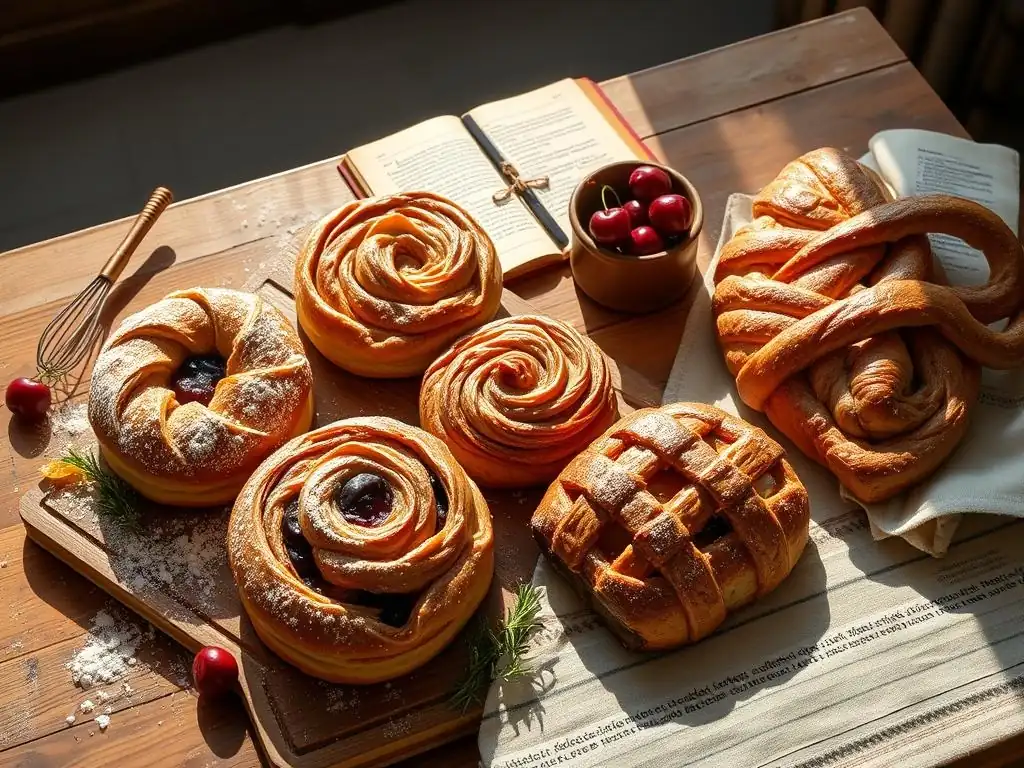
The Southwest, particularly the Basque Country and Gascony, features pastries with distinct textures, often incorporating local fruits, nuts, and sometimes regional spirits like Armagnac.
Gâteau Basque: Cherry or Cream-Filled Cake
The Gâteau Basque is a classic cake from the French Basque Country. It's made with a rich, crumbly, almond-flavored dough (similar to a sable dough) that encases a filling. The traditional filling is black cherry jam (often from Espelette cherries), but a pastry cream filling (crème pâtissière) is also very popular. The top of the cake is often decorated with a cross or other pattern scored into the dough.
The dough is firm enough to hold its shape but becomes tender when baked. The contrast between the slightly crisp, buttery crust and the soft, sweet filling is characteristic. The cake is typically quite dense and substantial. While the cherry version is considered the original, the cream-filled version is equally beloved, showcasing two delightful variations of this French pastry regional specialty.
Tourtière: Apple Tart
The Tourtière (also known as Tourtière Landaise or Tourtière Gasconne) from Gascony is a breathtakingly delicate apple tart known for its incredibly thin, almost transparent layers of pastry. This pastry is stretched by hand until it is paper-thin, then layered with apples (often flavored with Armagnac), sugar, and butter, before being folded into a round shape and baked.
The skill required to stretch the dough for Tourtière is considerable, a technique passed down through generations. As it bakes, the thin layers become incredibly crisp and flaky, almost shattering when cut. The filling is simple, allowing the quality of the apples and the unique texture of the pastry to be the stars. It's a truly unique and impressive example of French pastry regional specialties recipes.
Baking French Pastry Specialties at Home: Tips and Techniques
Bringing the flavors of French pastry regional specialties into your own kitchen can be a rewarding experience. While some recipes require specific techniques or ingredients, many are quite accessible to the home baker. Understanding the fundamentals and having quality ingredients are key.
Essential Ingredients for French Pastries
Quality ingredients are paramount when attempting French pastry regional specialties recipes. Butter, for example, is central to many pastries. Opting for a high-quality butter with a higher fat content (often labeled "European-style" butter, typically 82% fat) can make a significant difference in flakiness and flavor, especially for laminated doughs like those used in Kouign Amann or Tourtière.
Other essential ingredients include good quality flour (often a lower protein pastry flour for tender cakes and tarts), fresh eggs, and various types of sugar (caster sugar for meringues and creams, granulated sugar for caramelization). Flavorings like pure vanilla extract, orange blossom water (crucial for Navettes), and citrus zests are also vital for achieving authentic tastes. For fruit-based French pastry regional specialties recipes, using ripe, seasonal fruit will elevate the final result.
Mastering Basic Pastry Techniques
Embarking on French pastry regional specialties recipes often means encountering fundamental techniques that form the backbone of French baking. Learning how to make a good pastry cream (crème pâtissière) is essential for fillings like those in Tropézienne or Gâteau Basque. This involves tempering eggs and cooking the mixture gently to thicken without scrambling.
Techniques like creaming butter and sugar for cakes (Madeleines), folding batter gently to maintain air, and understanding how yeast works in enriched doughs (Kougelhopf, Tarte au Sucre, Tropézienne) are also critical. For laminated pastries, practicing the folding and rolling process is key to achieving those desired flaky layers. Don't be discouraged if they aren't perfect the first time; practice is how you master these classic French pastry regional specialties techniques.
Adapting Regional Recipes for Modern Kitchens
While traditional French pastry regional specialties recipes often call for specific equipment or methods, most can be successfully adapted for a modern home kitchen. If a ceramic Kougelhopf mold isn't available, a bundt pan can often be used as a substitute. Kitchen scales are highly recommended for accuracy, as French baking relies heavily on precise measurements by weight, which is more reliable than volume measurements.
Understanding oven temperatures is also important. French recipes often use Celsius (°C), so knowing how to convert to Fahrenheit (°F) is necessary (e.g., 180°C is approximately 350°F). While some recipes traditionally use wood-fired ovens, standard convection or conventional ovens can achieve excellent results with careful monitoring. Don't be afraid to make small adjustments based on your oven's performance. Exploring these French pastry regional specialties recipes at home is a delicious way to connect with French culinary heritage.
Frequently Asked Questions
What are some examples of regional French pastry specialties that BakeWithEase covers?
BakeWithEase provides simple recipes and guides for pastries like kouign amann (Brittany), canelés (Bordeaux), and clafoutis (Limousin). We focus on easy-to-find ingredients and clear instructions.
Does BakeWithEase offer recipes for beginners interested in French pastry?
Yes! Our site is designed for bakers of all levels, including beginners. We break down complex techniques into simple, step-by-step guides for success.
Does BakeWithEase focus on French pastry recipes that use specific techniques?
While we offer a range of recipes, we prioritize accessibility and ease. We explain techniques clearly, but our main focus is on achieving delicious results with simple methods.
How does BakeWithEase help bakers find the ingredients they need for French pastry recipes?
We strive to use easy-to-find ingredients commonly available in most supermarkets. We also offer substitutions when possible and link to online resources.
Can I find recipes beyond just French pastry regional specialties on BakeWithEase?
Absolutely! While we highlight regional French pastries, BakeWithEase also offers recipes for breads, cakes, cookies, and more, covering a wide range of baking categories.
Final Reflection: A Sweet Journey Through France's Pastry Heritage
The enduring allure of French pastry lies not just in its exquisite taste, but in its deep connection to regional identity and culinary history. These aren't simply desserts; they are edible stories, each bite whispering tales of local ingredients, time-honored techniques, and the passionate artisans who keep these traditions alive. The recipes presented here represent only a glimpse into the vast and delicious tapestry of French regional pastry, a testament to the country's rich culinary heritage.
The exploration of these regional specialties has been a deeply enriching experience, highlighting the incredible diversity within a single national cuisine. It's a reminder that food is more than sustenance; it's a powerful vehicle for cultural preservation and storytelling. The best things in life are simple, but not easy.
This quote perfectly encapsulates the dedication and skill required to create these masterpieces, each a testament to generations of bakers honing their craft. The subtle variations in flavor profiles, textures, and ingredients across different regions underscore the importance of preserving these unique culinary traditions.
Now, it's your turn. Consider the regional pastries you've encountered, or perhaps those you've yet to discover. I encourage you to embark on your own culinary journey, exploring the recipes presented here as a starting point. Seek out local bakeries, experiment with new ingredients, and most importantly, savor the experience. Let the sweet flavors of France transport you, reminding you of the beauty and richness found in the diverse culinary landscapes of the world. The journey of discovery is just as rewarding as the destination itself.
Unleash Your Inner Pâtissier!
Thanks for exploring the delightful world of regional French pastries with us! We hope you've discovered some new favorites and gained inspiration for your next baking adventure. Ready to put your newfound knowledge to the test?
- Bake your own masterpiece: Choose one of the featured pastries and try making it! We've included plenty of tips and tricks to ensure your success.
- Share your creation: Post a picture of your baked treat on social media and tag us – we'd love to see your culinary artistry! Use #BakeWithEaseFrenchPastries.
- Discover more regional delights: Explore our other articles on BakeWithEase.com to further expand your baking horizons – from classic croissants to intricate tarts, there's a world of flavors waiting to be explored!
Which regional French pastry will you tackle first, and why? Let us know in the comments below!