
Simple Guide to Creating Custom CitrusSpice Blends for Baking

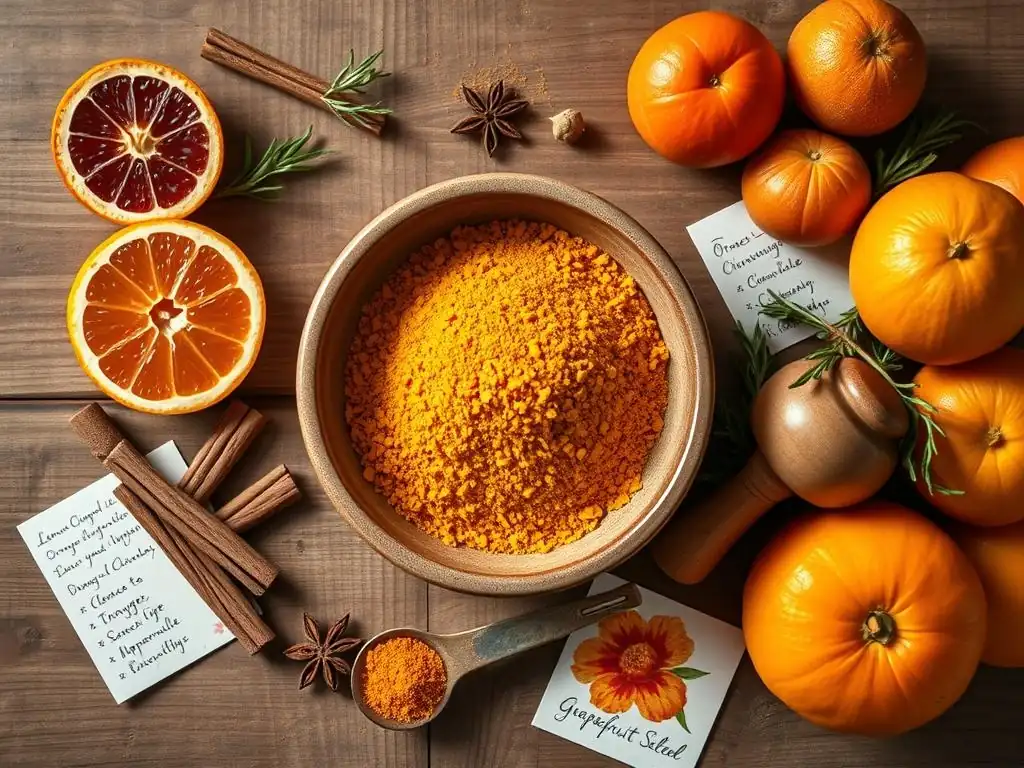
Welcome to BakeWithEase, your trusted guide to baking bliss! Ever wondered how to elevate your seasonal treats with a burst of sunshine and warmth? This season, we're diving deep into the vibrant world of citrus spice blend recipes. Unlock the secret to crafting your own custom blends that will transform your cakes, cookies, and pastries from ordinary to extraordinary. Intrigued? Discover how to create the perfect blend for your next baking adventure!
- Introduction to Apple Pie Spice Blends
- Understanding the Core Components of Apple Pie Spice Blends
- Crafting Your Own Apple Pie Spice Blend Recipes: A Step-by-Step Guide
- Apple Pie Spice Blend Recipe Ideas to Inspire You
- Storing Your Homemade Apple Pie Spice Blends
- Troubleshooting Your Apple Pie Spice Blends
- Conclusion: Elevate Your Apple Pie with Custom Spice Blends
-
Frequently Asked Questions
- What are the main benefits of using a citrus spice blend in baking?
- What types of citrus fruits are best suited for citrus spice blends used in baking?
- What spices typically complement citrus flavors in baking?
- How can I store my homemade citrus spice blend to maintain its freshness?
- Can I substitute pre-made citrus spice blends for individual spices in a recipe?
- Final Reflection: The Enduring Allure of Citrus Spice
- Unleash Your Inner Spice Alchemist!
Introduction to Apple Pie Spice Blends
Discover the Magic of Spice in Your Apple Pie
Apple pie is a classic comfort dessert, beloved for its warm, fruity filling and flaky crust. While the apples provide the star flavor, it's the careful selection and blending of spices that truly elevate this humble dish into something extraordinary. Spices don't just add flavor; they contribute aroma, depth, and a comforting warmth that defines a perfect apple pie. Think of cinnamon's sweet heat, nutmeg's earthy richness, and the subtle complexities brought by other aromatic additions.
Using the right combination of spices can transform a simple apple pie into a memorable culinary experience. A well-crafted spice blend recipe can complement the natural sweetness and tartness of the apples, enhance the buttery notes of the crust, and fill your kitchen with an irresistible aroma as it bakes. Understanding how different spices interact allows you to move beyond a standard pre-mixed jar and unlock new dimensions of flavor in your baking.
Why Create Your Own Apple Pie Spice Blends?
Creating your own apple pie spice blend recipe offers several distinct advantages over using pre-made options. Firstly, it gives you complete control over the flavor profile. Store-bought blends often rely heavily on cinnamon and may contain fillers or less potent spices. By making your own, you can adjust the proportions to suit your personal taste, whether you prefer a cinnamon-forward blend, a more ginger-spicy mix, or something with hints of cardamom or allspice.
Secondly, freshness is key to potent spice flavor. Whole spices, ground fresh just before blending, possess a far more vibrant aroma and taste than pre-ground spices that may have sat on a shelf for months or even years. Grinding and blending your own ensures you are working with ingredients at their peak potency, resulting in a more flavorful pie. This also allows you to experiment with unique spice blend recipes not available commercially, tailoring your blend not just to your taste but potentially even to the specific variety of apples you are using.
Understanding the Core Components of Apple Pie Spice Blends
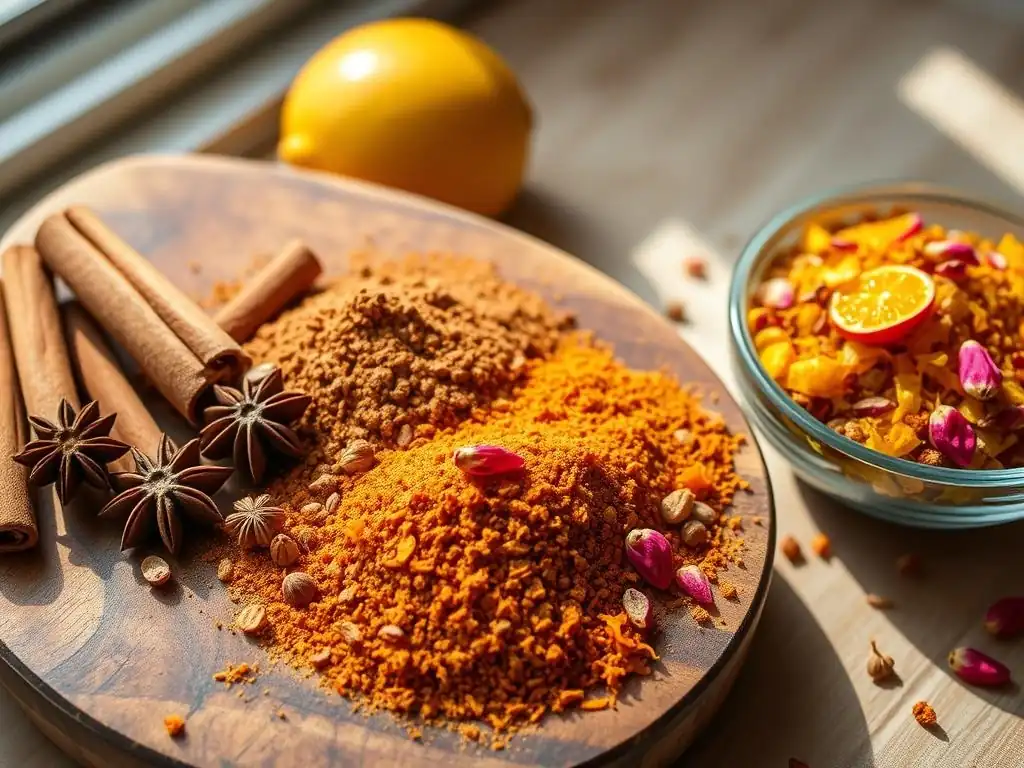
The Foundation: Choosing Your Base Spices
The foundation of most apple pie spice blend recipes rests on two essential spices: cinnamon and nutmeg. These two powerhouses provide the characteristic warmth and depth that we associate with classic apple pie. However, even within these staples, there are choices to be made that will significantly impact the final flavor profile of your blend.
Cinnamon offers various types, with Ceylon and Cassia being the most common. Nutmeg can be used whole and grated fresh, or purchased pre-ground. Understanding the nuances of these base spices is the crucial first step in crafting your perfect spice blend recipe for apple pie.
Cinnamon: Ceylon vs. Cassia
Cinnamon comes primarily in two main types: Ceylon ("true" cinnamon) and Cassia. Cassia is the most common type found in North American supermarkets, often simply labeled "cinnamon." It has a stronger, more pungent, and slightly spicier flavor due to a higher concentration of coumarin. This is the familiar taste in most apple pies.
Ceylon cinnamon, originating from Sri Lanka, is lighter in color and has a more delicate, complex, and subtly sweeter flavor with floral or citrusy notes. It contains much lower levels of coumarin. For a classic, bold apple pie flavor, Cassia is typically preferred. For a more nuanced, aromatic, and less intense spice note, Ceylon can be a wonderful choice, perhaps in a more gourmet spice blend recipe.
Nutmeg: Whole vs. Ground
Nutmeg provides a warm, slightly sweet, and earthy counterpoint to cinnamon. The difference between using freshly grated whole nutmeg and pre-ground nutmeg is significant. Whole nutmeg retains its volatile oils and aroma much better than ground nutmeg, which begins to lose potency quickly after grinding.
Using whole nutmeg and grating it directly into your blend or recipe just before use yields a far more vibrant and complex flavor. While pre-ground nutmeg is convenient and perfectly acceptable for many bakers, opting for whole nutmeg will noticeably improve the quality of your apple pie spice blend recipe. A small microplane grater makes grating whole nutmeg very easy.
The Supporting Spices: Selecting Complementary Flavors
Beyond the core of cinnamon and nutmeg, several other spices can be added to your apple pie spice blend recipe to enhance its complexity and create unique flavor profiles. These supporting spices fall into the category of warm spices and can include cloves, ginger, allspice, and cardamom, among others.
The selection and proportion of these supporting spices allow you to customize your blend significantly. Do you want a spicier kick? Add more ginger. A deeply aromatic and slightly peppery note? Increase the allspice. A hint of exotic warmth? Introduce cardamom. Experimentation here is key to finding your perfect spice blend recipe.
Warm Spices for Apple Pie: Cloves, Ginger, Allspice, Cardamom
Cloves offer intense, pungent warmth. A little goes a long way, as their flavor can be overpowering. They pair beautifully with apples but must be used sparingly in any apple pie spice blend recipe.
Ginger, especially ground ginger, adds a zesty, slightly peppery heat that brightens the blend and complements the sweetness of the apples. It's a great addition for those who like a little warmth in their pie.
Allspice, despite its name, is a single spice (the dried berry of the Pimenta dioica plant) that tastes like a combination of cinnamon, cloves, and nutmeg. It provides a harmonious blend of the core flavors and adds depth.
Cardamom brings an exotic, slightly floral, and citrusy note. It pairs wonderfully with apples and other warm spices, adding a layer of sophistication to your apple pie spice blend recipe. Green cardamom pods, ground just before use, offer the best flavor.
Other Spice Considerations: Mace, Star Anise
While less common in standard apple pie spice blend recipes, spices like mace and star anise can add intriguing complexity. Mace is the outer covering of the nutmeg seed and offers a similar but slightly more delicate, sweet, and floral flavor than nutmeg itself. It can be used alongside or in place of a small amount of nutmeg for a subtle variation.
Star anise provides a distinct licorice-like, sweet, and pungent flavor. Used sparingly, it can add a unique aromatic twist to an apple pie blend, particularly if you're aiming for a more modern or adventurous spice blend recipe. Like cloves, its flavor is potent, so careful measurement is necessary.
Crafting Your Own Apple Pie Spice Blend Recipes: A Step-by-Step Guide
Creating your own apple pie spice blend recipe is a rewarding process that allows for endless customization. It involves identifying the flavor profile you desire, experimenting with different proportions of spices, and testing your blend before incorporating it into your baking. Follow these steps to develop your signature blend.
This guide will walk you through the process, from selecting your spices based on the apples you plan to use to mixing and testing your creation. Remember that these steps are a starting point, and the real magic lies in tasting and adjusting until you achieve the perfect balance for your palate.
Step 1: Identifying Your Desired Flavor Profile
Before you start mixing, think about the kind of apple pie you want to create. Do you prefer a classic, comforting flavor, or something with a bit more kick or aromatic complexity? The variety of apples you plan to use can also influence your spice choices. Sweeter apples might benefit from a spicier blend to balance the sweetness, while tarter apples can handle a blend with more warmth and less perceived heat.
Consider the characteristics of different apples. A crisp, tart Granny Smith might pair well with a spicier blend including ginger and cloves. A sweeter Honeycrisp or Fuji might be enhanced by a classic blend or one with more aromatic notes like cardamom or allspice. Defining your desired outcome is the first crucial step in crafting your apple pie spice blend recipe.
Matching Spice Blends to Apple Varieties
Different apple varieties bring different levels of sweetness, tartness, firmness, and moisture to a pie. A well-chosen spice blend recipe can complement these characteristics. For instance, firm, slightly tart apples like Granny Smith or Honeycrisp can stand up to bolder spices like ginger, cloves, and a generous amount of cinnamon.
Softer, sweeter apples such as McIntosh or Golden Delicious might pair better with a more delicate blend featuring less clove, perhaps more allspice, and a focus on fresh nutmeg and quality cinnamon. Thinking about the apple's inherent flavor and texture will guide your spice proportions and help you create a truly harmonious apple pie spice blend recipe.
Step 2: Experimenting with Proportions and Ratios
This is where the art of creating your apple pie spice blend recipe truly comes alive. Start with a basic ratio as a guideline and then adjust based on your desired flavor profile. It's often helpful to mix small batches initially so you don't waste spices if a particular ratio doesn't work for you.
Using measuring spoons for consistency is important, but remember that these are starting points. A slight adjustment in the amount of ginger or clove can significantly alter the final taste. Don't be afraid to deviate from standard spice blend recipes to find your unique combination.
Start Small: Recommended Spice Ratios
A classic starting point for an apple pie spice blend recipe often looks something like this:
4 parts Ground Cinnamon
2 parts Ground Nutmeg
1 part Ground Allspice
1/2 part Ground Ginger
1/4 part Ground Cloves
This ratio provides a warm, balanced blend. If you prefer it spicier, increase the ginger. If you love the deep warmth of cloves, add a touch more (carefully!). For a more aromatic blend, consider adding a pinch of ground cardamom or mace. Mix just a teaspoon or two of the total blend first to test the aroma and taste a tiny amount.
Step 3: Combining and Testing Your Apple Pie Spice Blend
Once you have your desired proportions, it's time to combine the spices. Ensure all your spices are relatively fresh for the best results. If using whole spices like nutmeg or cardamom pods, grind them just before mixing the blend.
Mixing thoroughly is important to ensure that each spoonful of your apple pie spice blend recipe contains the correct ratio of spices. After mixing, the most important step is testing the blend before you bake.
Simple Mixing Techniques for Even Distribution
For small batches of your apple pie spice blend recipe, simply whisking the ground spices together in a small bowl works well. Ensure there are no clumps of individual spices. For larger batches, you can place all the spices in a jar with a tight-fitting lid and shake vigorously for a minute or two.
Using finely ground spices helps achieve an even mix. If you're grinding your own whole spices, aim for a consistent, fine powder similar to store-bought ground spices. A mortar and pestle or a dedicated spice grinder (or clean coffee grinder) can achieve this.
The Aroma Test: Assessing Aroma and Potential Flavor
Before baking, perform an "aroma test." Take a small pinch of your freshly mixed apple pie spice blend recipe and rub it gently between your fingers. Inhale deeply. What aromas stand out? Do you smell the dominant cinnamon, the earthy nutmeg, the pungent clove, or the zesty ginger?
You can also taste a tiny amount – just a pinprick on your tongue. This gives you an idea of the immediate flavor impact. While the flavor will change and mellow during baking, this initial test helps you gauge the balance of your spice blend recipe. Does one spice overpower the others? Is it too mild? Use this test to make small adjustments to your ratios if needed.
Step 4: Baking with Your Custom Apple Pie Spice Blend
Putting your apple pie spice blend recipe to the test in an actual pie is the ultimate evaluation. Incorporating the blend correctly into your filling is essential for even flavor distribution. The amount you use will depend on the potency of your blend and the quantity of apples in your pie.
Be prepared to make notes after baking. Was the spice flavor strong enough? Too strong? Did certain spices stand out more than you intended? This feedback is invaluable for refining your spice blend recipe for future use.
Incorporating the Blend into Your Recipes
The most common way to use your apple pie spice blend recipe is to toss it directly with the sliced apples before filling the pie crust. The amount typically used in a standard 9-inch double-crust apple pie ranges from 1 to 2 tablespoons, depending on the intensity of your blend and your personal preference.
Combine the spice blend with sugar (and sometimes flour or cornstarch for thickening) before adding it to the apples. This helps distribute the spices evenly throughout the fruit. Ensure the apples are well-coated before transferring them to the pie shell.
Adjusting Recipes for Optimal Spice Flavor
If you are substituting your custom apple pie spice blend recipe for the individual spices called for in a standard recipe, you'll need to estimate the equivalent amount. For example, if a recipe calls for 1 teaspoon cinnamon, 1/2 teaspoon nutmeg, and a pinch of cloves, you might start by using 1 to 1.5 teaspoons of your blend, depending on its composition.
After baking your first pie with the blend, evaluate the flavor. If it needs more punch, increase the amount slightly in your next pie. If it was too intense, reduce it. Keep notes on the amount used and the results to help you refine your apple pie spice blend recipe and its application.
Apple Pie Spice Blend Recipe Ideas to Inspire You
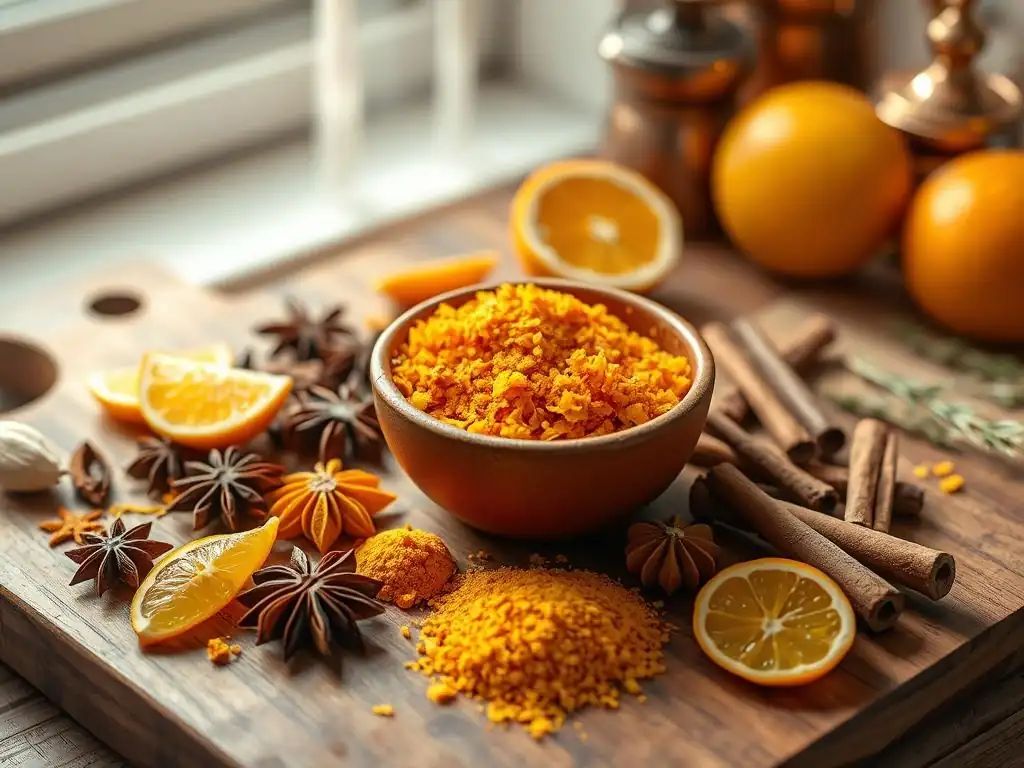
To get you started on your journey of creating custom spice blend recipes, here are a few ideas with approximate starting ratios. Remember these are just jumping-off points; feel free to tweak them to your liking!
These recipes represent different flavor profiles – a classic, a spicier version, and one focusing on aromatic notes. They demonstrate how adjusting the proportions of core and supporting spices can dramatically change the character of your apple pie spice blend recipe.
Classic Apple Pie Spice Blend
This blend aims for the familiar, comforting taste of traditional apple pie, with cinnamon and nutmeg taking center stage, supported by a touch of allspice and clove for depth.
4 tablespoons Ground Cinnamon (Cassia recommended)
2 tablespoons Ground Nutmeg (or grated fresh)
1 tablespoon Ground Allspice
1/2 teaspoon Ground Cloves
Combine all spices thoroughly. Store in an airtight container. Use 1 to 1.5 tablespoons per standard 9-inch apple pie. This spice blend recipe is a reliable workhorse for most apple varieties.
Warm & Spicy Apple Pie Spice Blend
For those who enjoy a little heat and zest in their pie, this blend increases the ginger and clove content for a more pronounced warmth that cuts through the sweetness.
3 tablespoons Ground Cinnamon (Cassia recommended)
2 tablespoons Ground Nutmeg (or grated fresh)
1 tablespoon Ground Ginger
1 teaspoon Ground Allspice
1/2 teaspoon Ground Cloves
Mix well. This spice blend recipe is particularly good with tarter apples or in pies where you want the spice notes to be more prominent. Start with 1 tablespoon per pie and adjust up to 1.5 tablespoons.
Sweet & Aromatic Apple Pie Spice Blend
This blend incorporates cardamom and mace for a more complex, slightly sweeter, and highly aromatic profile, moving beyond the standard flavors.
4 tablespoons Ground Cinnamon (Ceylon recommended)
2 tablespoons Ground Nutmeg (or grated fresh)
1 teaspoon Ground Allspice
1 teaspoon Ground Cardamom
1/2 teaspoon Ground Mace
Combine all spices thoroughly. This spice blend recipe offers a sophisticated take on apple pie spices, pairing well with sweeter, more delicate apple varieties. Use 1 to 1.5 tablespoons per pie.
Storing Your Homemade Apple Pie Spice Blends
Proper storage is crucial to maintaining the potency and flavor of your homemade apple pie spice blend recipes. Spices degrade over time due to exposure to air, light, and heat. Storing your blends correctly will ensure that your pies are as flavorful as possible every time you bake.
Follow these best practices to keep your custom spice blend recipe fresh and ready to use for many baking adventures to come. The goal is to minimize exposure to the elements that cause flavor loss.
Best Practices for Maintaining Freshness and Flavor
The enemies of spice freshness are air, light, heat, and moisture. To preserve the vibrant flavor of your apple pie spice blend recipe, always store it in an airtight container. This prevents oxidation and keeps moisture out, which can cause clumping and flavor degradation.
Keep your spice blends away from direct sunlight and sources of heat, such as your stove or oven. A cool, dark pantry or cupboard is the ideal location. While refrigeration isn't necessary for ground spices, consistent cool temperatures help prolong their life.
Recommended Storage Containers and Locations
Glass jars with tight-fitting lids (like canning jars or old spice jars) are excellent choices for storing your apple pie spice blend recipes. Opaque containers are even better as they block light. Avoid storing spices in plastic containers for extended periods, as plastic can sometimes absorb or leach odors.
Label your containers clearly with the name of the blend (e.g., "Classic Apple Pie Spice Blend") and the date you created it. While ground spice blends don't necessarily "go bad" in a way that makes them unsafe, they will lose potency over time. Aim to use your homemade blends within 6-12 months for optimal flavor. Storing them in a cool, dark pantry cupboard away from the stove is the best location.
Troubleshooting Your Apple Pie Spice Blends
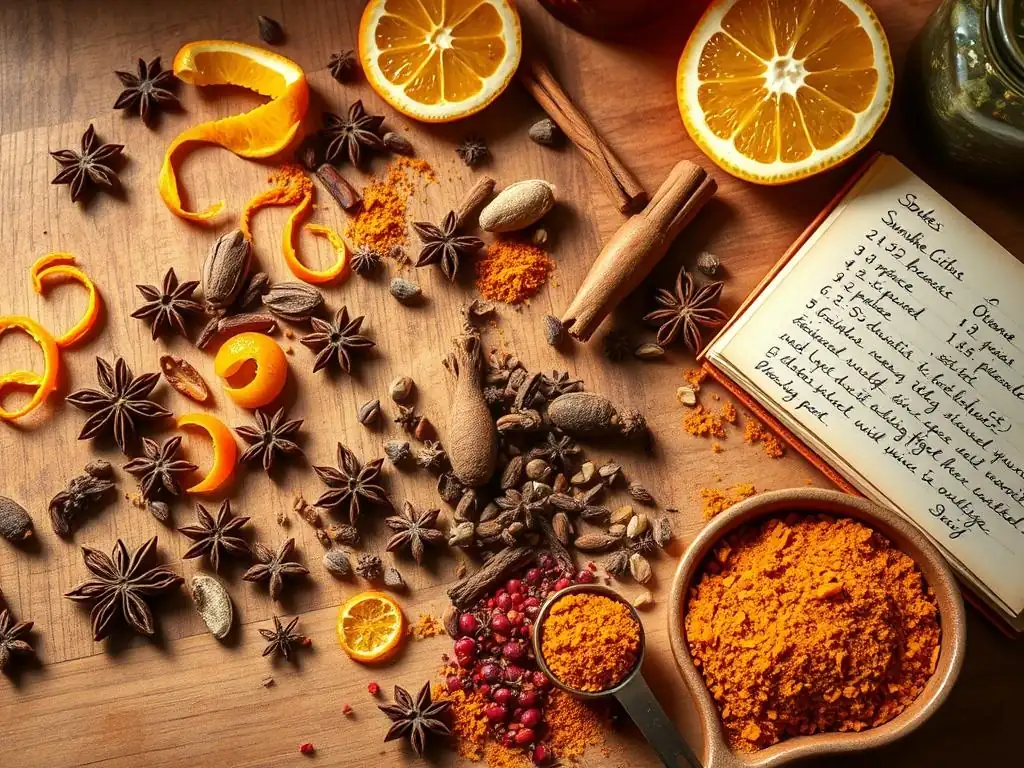
Even with the best apple pie spice blend recipe, things don't always turn out perfectly on the first try. Perhaps the flavor was too weak, too dominant, or a specific spice was overwhelming. Learning to troubleshoot your blends and baking results is part of the process of becoming a confident baker.
Identifying common issues and knowing how to adjust your blend or your baking method will help you achieve consistently delicious results with your custom spice blend recipes. Don't be discouraged by a less-than-perfect outcome; think of it as valuable feedback.
Common Mistakes and How to Avoid Them
One common mistake when using a custom apple pie spice blend recipe is using stale spices to begin with. Ensure your individual spices are relatively fresh before blending. Another is using too much or too little of the blend in your pie filling – start with a recommended amount and adjust in subsequent bakes.
Not mixing the blend thoroughly can lead to pockets of intense flavor from a single spice. Ensure your blend is homogenous. Over- or under-baking the pie can also affect how the spice flavors come through; ensure your pie is baked until the filling is bubbly and the crust is golden brown.
Adjusting Your Blend for Specific Flavors
If your baked pie reveals that your apple pie spice blend recipe is too cinnamon-heavy, reduce the cinnamon slightly in your next batch and perhaps increase the nutmeg or allspice. If it lacks warmth, consider adding a bit more ginger or a tiny pinch more clove (remembering how potent cloves are).
If the blend feels flat, ensure you're using fresh nutmeg, ideally grated whole. If it's too mild overall, you might simply need to use more of the blend in your pie filling next time, or check the freshness of all your individual spices. Keep notes on your adjustments to perfect your spice blend recipe over time.
Conclusion: Elevate Your Apple Pie with Custom Spice Blends
Crafting your own apple pie spice blend recipe is a simple yet incredibly impactful way to take your homemade apple pies from good to truly great. It allows you to control the quality, freshness, and flavor profile of the spices, resulting in a more vibrant and personalized dessert.
By understanding the role of each spice, experimenting with ratios, and testing your blends, you can develop a signature spice blend recipe that perfectly complements your favorite apple varieties and baking style. So, gather your spices, get blending, and prepare to bake the most delicious apple pie you've ever made!
Frequently Asked Questions
What are the main benefits of using a citrus spice blend in baking?
Citrus spice blends add a vibrant and complex flavor profile to baked goods. They enhance the natural sweetness of ingredients and provide a warm, aromatic experience. Plus, they can mask any unwanted aftertastes.
What types of citrus fruits are best suited for citrus spice blends used in baking?
Commonly used citrus fruits include orange, lemon, lime, and grapefruit. The zest of these fruits is preferred for its concentrated flavor and essential oils. Experiment with different ratios for unique flavor profiles.
What spices typically complement citrus flavors in baking?
Popular spices that pair well with citrus include cinnamon, nutmeg, ginger, and cloves. Cardamom and star anise can also add a more exotic touch. Adjust the amounts to match your desired level of spice.
How can I store my homemade citrus spice blend to maintain its freshness?
Store your citrus spice blend in an airtight container in a cool, dark, and dry place. This will help prevent the loss of flavor and aroma. Properly stored, the blend should last for several months.
Can I substitute pre-made citrus spice blends for individual spices in a recipe?
Yes, you can substitute pre-made blends. However, be aware that the flavor profile may vary. It's best to start with a smaller amount and adjust to taste. Make sure to consider the overall spice intensity of the blend.
Final Reflection: The Enduring Allure of Citrus Spice
The art of crafting custom citrus spice blends isn't just a culinary pursuit; it's a journey of sensory exploration that resonates deeply with our desire for unique and flavorful experiences. In a world of mass-produced, pre-packaged mixes, the ability to tailor your own blends offers a powerful sense of control and creativity in the kitchen. This simple act of combining spices and citrus zests transforms ordinary baking into an extraordinary adventure.
The influence of citrus and spice combinations on our culinary landscape is undeniable, weaving its way through countless traditions and cultures. From the warm embrace of gingerbread to the bright zest of a lemon poppy seed muffin, these flavor profiles evoke powerful memories and emotions. The simplest things are often the most beautiful,
and the same can be said for the magic created by thoughtfully combining simple ingredients. The process of creating your own blends allows you to personalize these classic flavors, making each bake a unique reflection of your own taste and creativity.
Now, I invite you to embark on your own citrus spice adventure. Don't be afraid to experiment, to deviate from recipes, and to discover your own signature blend. The possibilities are endless, and the rewards – the aroma filling your kitchen, the taste exploding on your palate, the joy of sharing your creations – are immeasurable. Let the simple act of blending spices and citrus become a source of personal expression and culinary delight.
Unleash Your Inner Spice Alchemist!
Thanks for diving into the world of custom citrus spice blends! We hope you now feel empowered to create unique and delicious flavor profiles for your baking. Ready to take your baking to the next level?
- Craft your signature blend: Grab those citrus peels and spices, and experiment with the ratios we discussed. Let your creativity flow! Don't be afraid to try unexpected combinations.
- Share your creation: Snap a picture of your masterpiece and tell us about your unique blend on our social media! We'd love to see what you come up with. Use #BakeWithEaseCitrus.
- Explore flavor pairings: Think about how your new blend would work in different baked goods. Would it be amazing in muffins, cookies, or even a savory dish?
What exciting flavor adventure will your next citrus spice blend take you on?