
DairyFree, GlutenFree Chocolate Cupcakes with Coconut Frosting

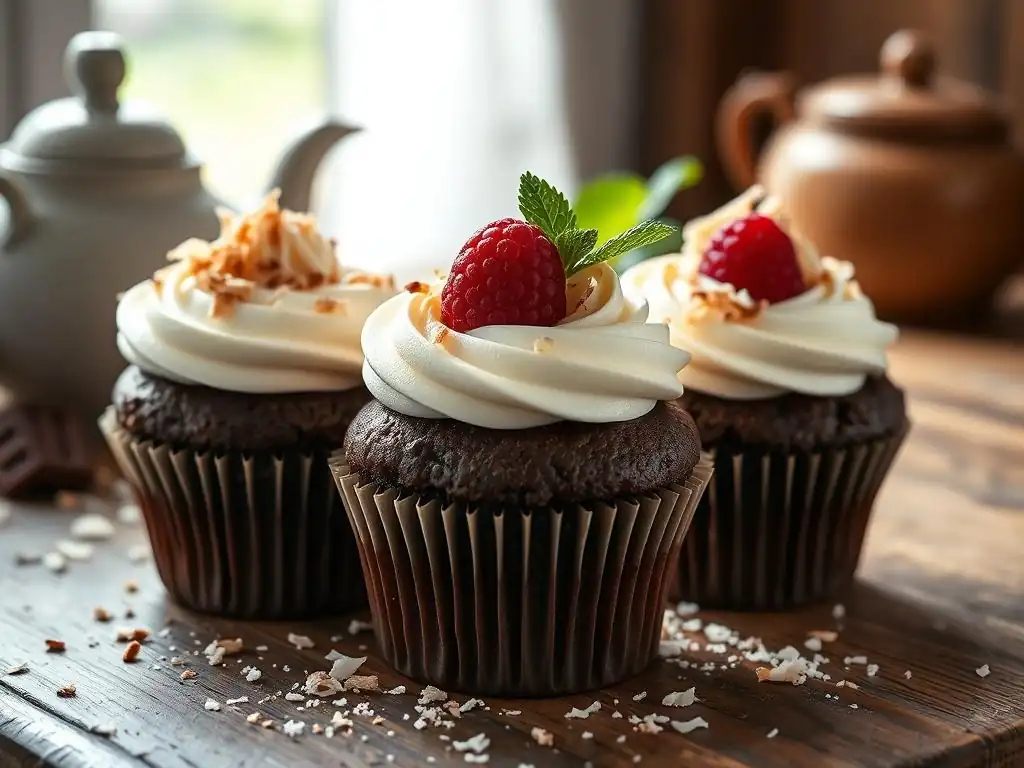
Welcome to BakeWithEase, your guide to effortless and delicious baking! Ever dream of indulging in a rich, decadent treat without the guilt or dietary restrictions? In this article, we unravel the secrets to creating irresistible DairyFree, GlutenFree Chocolate Cupcakes that even the most discerning palate will adore. Curious how we achieve that perfect fluffy texture and intense chocolate flavor, all while keeping it allergen-friendly? Read on to discover the magic!
- Rich Chocolate Avocado Cupcakes with Chocolate Ganache: A Plant-Based Delight
- Introduction to Decadent Plant-Based Chocolate Cupcakes
- Mastering Chocolate Avocado Cupcakes: Ingredients & Equipment
- Step-by-Step Guide: Baking Chocolate Avocado Cupcakes
- Whipping Up the Simple Chocolate Ganache
- Assembling and Decorating Your Chocolate Avocado Cupcakes
- Tips and Tricks for Perfect Plant-Based Cupcakes
- Storing Your Chocolate Avocado Cupcakes
- Conclusion: Enjoying Your Delicious Plant-Based Treat
-
Frequently Asked Questions
- How do I ensure my dairy-free and gluten-free chocolate cupcakes are moist?
- What's the best gluten-free flour blend for these chocolate cupcakes?
- Can I use a different frosting recipe besides coconut frosting?
- What kind of cocoa powder is recommended for the best chocolate flavor?
- Are there any substitutions I can make for the coconut frosting?
- Final Reflection: The Sweetness of Inclusion
- Unleash Your Inner Baker: Make These Delicious Cupcakes Today!
Rich Chocolate Avocado Cupcakes with Chocolate Ganache: A Plant-Based Delight
Introduction to Decadent Plant-Based Chocolate Cupcakes
Why Choose This Recipe for Moist and Fudgy Cupcakes?
Finding truly moist and fudgy dairyfree glutenfree chocolate cupcakes can sometimes feel like a quest. Many recipes for allergen-specific baking rely on alternative flours and binders that can result in a drier, crumbly texture. This recipe, however, introduces a secret ingredient that revolutionizes the outcome: avocado. Ripe avocado, when pureed and incorporated into the batter, acts as a natural fat source and emulsifier, contributing an unparalleled level of moisture and tenderness that's often missing in traditional dairy-free or gluten-free baked goods. It provides a rich, creamy mouthfeel without any lingering avocado flavor, letting the deep chocolate notes shine through.
Furthermore, opting for plant-based ingredients aligns with dietary choices and offers a fantastic alternative for those avoiding dairy or eggs. These chocolate avocado cupcakes prove that baking without traditional animal products doesn't mean sacrificing richness or flavor. The combination of quality cocoa and the natural creaminess from the avocado creates a depth of flavor and a luxurious texture that rivals, or even surpasses, conventional cupcakes. They are a testament to how creative substitutions in plant-based baking can yield truly decadent results that everyone can enjoy, whether they follow a specific diet or simply appreciate a wonderfully moist chocolate treat.
Plant-Based Baker's Guide: Your Resource for Vegan Baking
Welcome to your guide for exploring the delightful world of plant-based baking right here on BakeWithEase. We understand that navigating dietary restrictions or preferences, like seeking out dairyfree glutenfree chocolate cupcakes, can sometimes feel daunting. Our aim is to simplify the process, offering clear, step-by-step instructions and helpful tips that empower bakers of all skill levels. This recipe for chocolate avocado cupcakes with rich ganache is a perfect example of how accessible and rewarding plant-based baking can be.
Our resources are designed to demystify ingredients and techniques unique to baking without eggs and dairy. We delve into the science behind substitutions, explain the function of alternative flours, and provide guidance on achieving perfect textures and flavors. Think of us as your friendly co-baker, ready to share insights on everything from selecting the best plant milk for your batter to mastering the art of a smooth, glossy vegan ganache. By following our guides, you'll gain the confidence to tackle recipes like these incredible chocolate avocado cupcakes and expand your baking repertoire with delicious, inclusive treats.
Mastering Chocolate Avocado Cupcakes: Ingredients & Equipment
Key Ingredients for Chocolate Avocado Cupcakes
Crafting exceptional dairyfree glutenfree chocolate cupcakes begins with understanding the role of each component. While a full recipe would detail specific quantities, focusing on the quality and function of key ingredients is paramount. These chocolate avocado cupcakes rely on a blend of dry and wet elements, where the unconventional addition of avocado plays a starring role alongside classic chocolate flavors and plant-based alternatives. Ensuring your ingredients are fresh and measured accurately (using a kitchen scale for precision is recommended, especially for dry ingredients) will set you up for baking success.
Beyond the staples like sugar, leavening agents (baking soda and baking powder), and salt, the choice of cocoa powder, plant-based milk, and, of course, the avocado, significantly impacts the final texture and flavor. For a gluten-free version, a reliable gluten-free all-purpose flour blend that contains xanthan gum is typically used to provide structure. Understanding how these specific ingredients interact is key to achieving the desired moist, fudgy consistency characteristic of these delightful plant-based chocolate avocado cupcakes.
Avocado: The Secret to Moisture and Richness
Avocado might seem like an unlikely addition to a chocolate cupcake batter, but its contribution is invaluable. When ripe, avocados are rich in monounsaturated fats, which provide incredible moisture and create a tender crumb structure in baked goods. Unlike butter or oil, avocado also contains fiber, which can help with structure and moisture retention. For this recipe, the avocado must be very ripe and mashed or pureed until absolutely smooth – no lumps allowed!
Using avocado allows you to reduce the amount of traditional fats, resulting in cupcakes that feel rich and moist without being greasy. It imparts a subtle creaminess that enhances the fudgy chocolate flavor. Approximately one medium avocado (around 150-200 grams) can often replace a significant portion of the oil or butter in a standard cupcake recipe, depending on the desired texture and fat content. The key is its creamy texture and neutral flavor when combined with strong flavors like chocolate.
Unsweetened Cocoa Powder: Choosing the Right Type
The quality and type of unsweetened cocoa powder you use will dramatically affect the depth of flavor in your chocolate avocado cupcakes. There are two main types: natural cocoa powder and Dutch-processed cocoa powder. Natural cocoa powder is acidic and reacts with baking soda to provide lift; it has a sharp, intense chocolate flavor. Dutch-processed cocoa powder has been treated with an alkaline solution to neutralize its acidity, resulting in a darker color and a smoother, less bitter flavor.
For this recipe, either type can work, but the choice might influence the required leavening agents. If using natural cocoa (acidic), baking soda is essential for lift. If using Dutch-processed cocoa (neutral), baking powder becomes more important for leavening. Many recipes for fudgy chocolate cakes or cupcakes, including plant-based ones, benefit from the deep, mellow flavor of Dutch-processed cocoa. Using a high-quality brand ensures a richer, more complex chocolate taste in your dairyfree glutenfree chocolate cupcakes.
Plant-Based Milk: Options for a Creamy Batter
Plant-based milk is the liquid component that brings the batter together, hydrates the dry ingredients, and contributes to the overall moisture and texture of these chocolate avocado cupcakes. The good news is you have several excellent options, each offering slightly different characteristics. Common choices include almond milk, soy milk, oat milk, and cashew milk. Unsweetened varieties are typically preferred to control the sugar level in the recipe.
Soy milk is often recommended in vegan baking because its protein content is closer to dairy milk than some other alternatives, which can help with structure and browning. Oat milk is known for its creaminess, making it a popular choice for moist baked goods. Almond milk is lighter and more neutral in flavor. Regardless of your choice, ensure it is plain and unsweetened unless the recipe specifically calls for a flavored or sweetened version. The fat content can vary between types, which might slightly impact richness.
Essential Baking Equipment for Perfect Cupcakes
Having the right tools makes baking dairyfree glutenfree chocolate cupcakes much easier and helps ensure consistent results. While you don't need a professional kitchen setup, a few key pieces of equipment are highly recommended for these chocolate avocado cupcakes. A standard muffin tin is essential for shaping the cupcakes, and using cupcake liners makes removal clean and easy while helping to maintain moisture during baking.
Accurate measuring tools are non-negotiable. This includes dry measuring cups, liquid measuring cups, and measuring spoons. For best results, especially with gluten-free flours, a digital kitchen scale is invaluable for weighing ingredients precisely. You'll also need mixing bowls of various sizes, a whisk for combining dry ingredients and aerating the batter, and a spatula or wooden spoon for mixing. A stand mixer or hand mixer can make blending the wet ingredients and incorporating the avocado smoother, but manual mixing is also perfectly fine. Finally, a cooling rack is crucial for letting the cupcakes cool properly after baking.
Step-by-Step Guide: Baking Chocolate Avocado Cupcakes
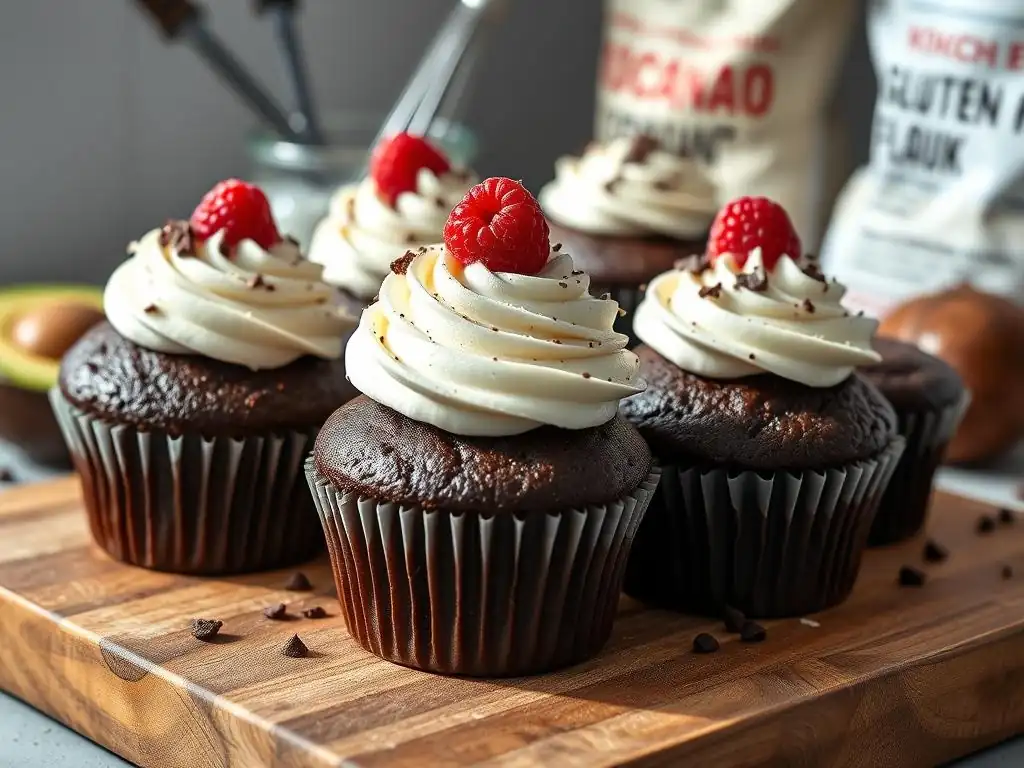
Preparing the Chocolate Avocado Cupcake Batter
Creating the batter for these dairyfree glutenfree chocolate cupcakes involves a few key stages to ensure all ingredients are well combined and the avocado is seamlessly integrated. The process typically starts with combining the dry ingredients, followed by whisking together the wet ingredients, and then combining the two phases. This method helps prevent overmixing and ensures even distribution of leavening agents and flavors throughout the batter.
Patience and proper technique at this stage are vital for achieving light and tender chocolate avocado cupcakes. Avoid rushing the process or aggressively beating the batter once the wet and dry ingredients are combined, as this can develop gluten (even in gluten-free blends) and lead to tough cupcakes. Gentle folding is usually sufficient to bring everything together.
Combining Dry Ingredients: Ensuring Even Distribution
The first step in preparing your batter for these dairyfree glutenfree chocolate cupcakes is to combine all the dry ingredients in a large bowl. This typically includes the gluten-free flour blend, unsweetened cocoa powder, sugar, baking soda, baking powder, and salt. Sifting these ingredients together is highly recommended. Sifting breaks up any clumps in the flour or cocoa, ensuring a smooth batter, and also helps to aerate the dry mixture, contributing to a lighter crumb.
Use a whisk to thoroughly combine the sifted dry ingredients. Whisking helps to evenly distribute the leavening agents (baking soda and baking powder) throughout the mixture. This uniform distribution is crucial for achieving an even rise and consistent texture in each chocolate avocado cupcake. Take your time with this step to ensure everything is fully incorporated before adding the wet ingredients.
Wet Ingredients: Creating a Smooth Emulsion
In a separate bowl, you will combine the wet ingredients for your chocolate avocado cupcakes. This usually includes the plant-based milk, a neutral-flavored oil (like canola, vegetable, or melted coconut oil), vanilla extract, and the pureed ripe avocado. It's essential that the avocado is completely smooth and free of any fibrous strings or chunks before adding it to the wet mixture. Using a food processor or a blender to puree the avocado is the most effective way to achieve this silky consistency.
Whisk or beat these wet ingredients together until you have a smooth, homogenous mixture. The goal is to create an emulsion where the oil and avocado are fully dispersed throughout the plant-based milk and vanilla. This smooth base is critical for incorporating evenly into the dry ingredients without requiring excessive mixing, which, as mentioned, can negatively impact the texture of your dairyfree glutenfree chocolate cupcakes.
Incorporating Avocado: Achieving a Seamless Blend
As detailed in the wet ingredients section, the avocado must be pureed to an incredibly smooth consistency before being added to the wet mixture. Once you have your smooth wet base (plant milk, oil, vanilla, pureed avocado), you will gently combine the wet ingredients with the dry ingredients. Make a well in the center of your dry ingredients and pour the wet mixture into it.
Using a spatula or a wooden spoon, gently fold the ingredients together. Mix only until just combined and no dry streaks of flour are visible. It's better to have a few small lumps than to overmix. The pureed avocado should disappear into the batter, contributing its creamy texture and moisture without leaving visible green flecks or a distinct avocado taste. The goal is a thick, rich chocolate batter ready to be scooped into cupcake liners.
Baking the Cupcakes to Perfection
Baking is where the magic happens, transforming your simple batter into delicious dairyfree glutenfree chocolate cupcakes. Proper oven temperature and timing are critical for ensuring the cupcakes bake through evenly, develop a tender crumb, and don't dry out. Preheat your oven fully before placing the cupcakes inside; an oven that hasn't reached the correct temperature can lead to uneven baking.
Fill your prepared muffin tin liners about two-thirds full with batter. This allows room for the cupcakes to rise without overflowing. Baking multiple batches? Allow the oven temperature to recover between batches. Pay close attention during the final few minutes of baking, as the difference between perfectly baked and slightly dry cupcakes can be minimal.
Oven Temperature and Baking Time for Moist Cupcakes
For most cupcake recipes, including these chocolate avocado ones, a standard oven temperature of 350°F (175°C) is ideal. This moderate temperature allows the cupcakes to bake through evenly without the outsides cooking too quickly before the center is done. Baking time can vary depending on your oven's calibration and the size of your cupcakes, but it typically ranges from 20 to 25 minutes.
Start checking for doneness around the 20-minute mark. Cupcakes baked at the correct temperature for the right amount of time should have a slightly domed top and feel set when gently pressed. Baking too long at too high a temperature is a common cause of dry cupcakes, so monitoring closely is key to achieving that desirable moist texture in your dairyfree glutenfree chocolate cupcakes.
Testing for Doneness: The Gentle Touch Test
One reliable method for testing if your chocolate avocado cupcakes are done is the gentle touch test. Once the cupcakes look visibly set and have risen, gently press the top of one of the center cupcakes with your fingertip. If the top springs back lightly, the cupcake is likely done. If your finger leaves an indentation, they need a few more minutes.
Another common test is inserting a toothpick into the center of a cupcake. While this works for many cakes, for fudgy chocolate cupcakes, it can be less precise as moist crumbs might still cling to the toothpick even when done. The gentle touch test, combined with observing the edges (which should look set and slightly pulled away from the liner), often provides a more accurate indication of doneness for these moist, dense chocolate avocado cupcakes.
Cooling the Cupcakes: Maintaining Moisture and Structure
Proper cooling is just as important as baking when it comes to maintaining the moisture and structure of your dairyfree glutenfree chocolate cupcakes. Once the cupcakes are removed from the oven and have passed the doneness test, let them sit in the muffin tin for a few minutes, typically around 5 to 10 minutes. This allows them to firm up slightly before being moved.
After this initial cooling period in the tin, carefully transfer the cupcakes to a wire cooling rack. Cooling on a wire rack allows air to circulate around the entire cupcake, preventing the bottoms from becoming soggy from trapped steam. Let the cupcakes cool completely on the rack before even thinking about frosting them. Frosting warm cupcakes will cause the ganache to melt and slide off, plus cooling fully helps the crumb structure set, ensuring your chocolate avocado cupcakes hold their shape beautifully.
Whipping Up the Simple Chocolate Ganache
A luscious chocolate ganache is the perfect topping for these rich chocolate avocado cupcakes. This plant-based version is surprisingly simple to make, requiring just two main ingredients: high-quality dark chocolate and plant-based cream. The result is a smooth, decadent frosting that complements the deep chocolate flavor of the cupcakes without being overly sweet.
The texture of the ganache can be adjusted based on the ratio of chocolate to cream and the temperature at which it's used. A warmer ganache will be pourable, ideal for a thin, glossy glaze. As it cools, it thickens, becoming spreadable – perfect for piping or a thicker layer on top of your dairyfree glutenfree chocolate cupcakes.
Ingredients for a Luscious Chocolate Ganache
Creating a superb plant-based chocolate ganache requires just a couple of key ingredients, but their quality is paramount. You'll need good dark chocolate and a suitable plant-based cream. Avoid using chocolate chips directly from the bag, as they often contain stabilizers that prevent them from melting smoothly into a ganache; opt for chopped chocolate bars or wafers specifically designed for melting.
For the plant-based cream, look for options with a relatively high fat content to achieve the desired richness and texture. Coconut cream (the thick part from a can of full-fat coconut milk, chilled) is a popular choice, offering a creamy texture and a subtle hint of coconut flavor that pairs beautifully with chocolate. Other options include plant-based whipping creams or even a blend of plant milk and vegan butter, though results may vary.
Dark Chocolate: Selecting High-Quality Chocolate
The flavor of your ganache is almost entirely dependent on the dark chocolate you use. Choose a high-quality bar or callets (small disks) with a cocoa percentage you enjoy, typically between 60% and 75% cocoa for a balanced flavor that's rich but not overly bitter. Ensure the chocolate is dairy-free if you are making dairyfree glutenfree chocolate cupcakes for dietary reasons. Check the ingredients list carefully.
Finely chopping the chocolate before melting is crucial. Smaller pieces will melt more evenly and quickly when the hot cream is poured over them, resulting in a smoother ganache without the risk of scorching. Avoid using compound chocolate or baking chips that don't list cocoa butter as the primary fat, as these won't create a true, smooth ganache texture.
Plant-Based Cream: Options for a Smooth Ganache
As mentioned, coconut cream is a fantastic option for plant-based ganache. To use it, chill a can of full-fat coconut milk in the refrigerator overnight. The thick cream will separate and rise to the top. Scoop out only the solid cream, leaving the liquid whey behind. This solid cream melts down beautifully and thickens as it cools, mimicking the texture of dairy cream in ganache.
Alternatively, you can use commercially available plant-based whipping creams (often made from soy, oat, or coconut) if they are suitable for heating. Read the product description to ensure it can be used in ganache. The goal is a liquid that can be heated and has enough fat to emulsify with the melted chocolate, creating that signature smooth, glossy finish for your chocolate avocado cupcakes.
Ganache Techniques for Professional-Looking Cupcakes
Making ganache is quite simple, but a few techniques ensure a perfect result. The basic method involves heating the plant-based cream until hot (but not boiling) and then pouring it over the finely chopped dark chocolate. Let the mixture sit undisturbed for a few minutes to allow the heat from the cream to melt the chocolate.
After letting it sit, gently whisk or stir the mixture starting from the center and working outwards. This process helps to create a smooth emulsion. Continue stirring until the ganache is completely smooth and glossy, with no streaks of un-melted chocolate. If there are a few stubborn pieces, you can gently warm the mixture over a double boiler or in short bursts in the microwave, stirring frequently, but be careful not to overheat it, which can cause the ganache to seize or become grainy.
Achieving a Glossy and Even Ganache Layer
A glossy finish is a hallmark of good ganache. To achieve this for your chocolate avocado cupcakes, ensure your chocolate is fully melted and emulsified with the cream. Stir gently to avoid incorporating too much air, which can make the ganache look dull. The temperature of the ganache is also key; it should be warm enough to be pourable or easily spreadable but not so hot that it melts the cupcake.
For a smooth, even layer, allow the ganache to cool slightly until it reaches your desired consistency – pourable for a drip effect or thicker for spreading. If pouring, place the cooled cupcake on a wire rack set over parchment paper to catch drips. Spoon or pour the ganache over the center of the cupcake, letting it naturally flow down the sides. For spreading, wait until the ganache is thick enough to hold its shape when scooped with a knife or spatula.
Drizzling Techniques for Elegant Cupcakes
Drizzling ganache over your chocolate avocado cupcakes adds a touch of elegance. For a controlled drizzle, allow the ganache to cool until it's still pourable but has thickened slightly. You can use a spoon to carefully drizzle thin streams back and forth over the top of the cupcake. The amount of ganache you use will determine how far down the sides it drips.
Alternatively, you can transfer the slightly thickened ganache to a piping bag fitted with a very small round tip, or simply snip a small corner off a Ziploc bag. Apply gentle, consistent pressure to create delicate drips along the edges or a random pattern over the top. Practice on a piece of parchment paper first to get a feel for the consistency and flow. This technique is perfect for adding a sophisticated touch to your dairyfree glutenfree chocolate cupcakes.
Assembling and Decorating Your Chocolate Avocado Cupcakes
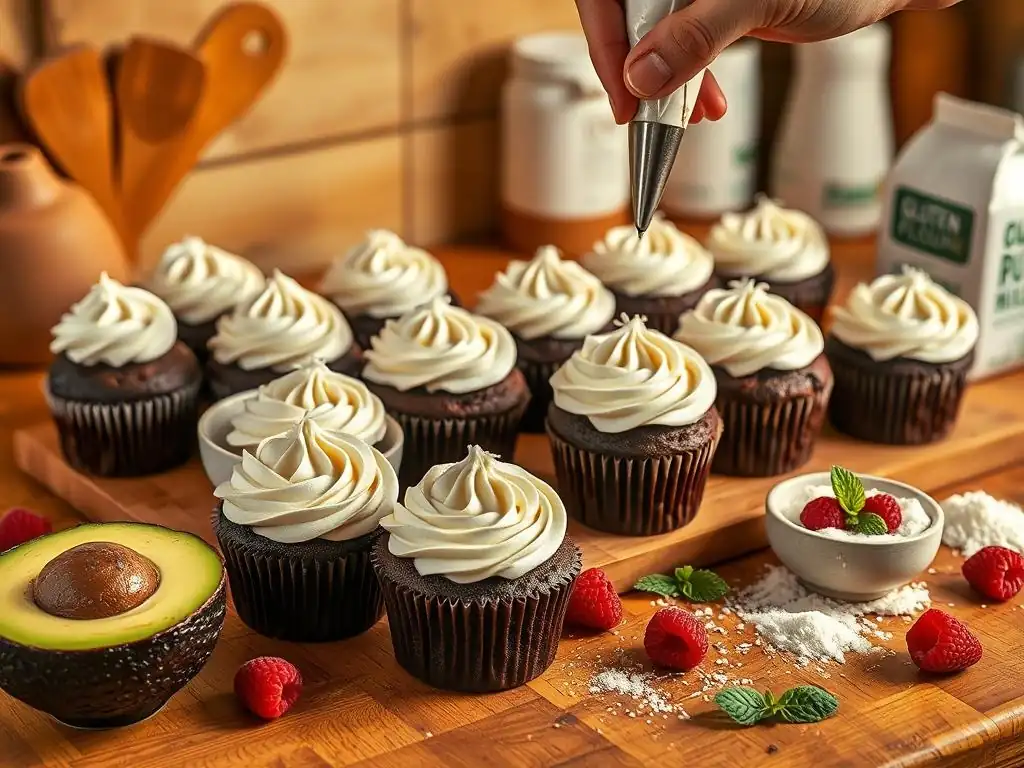
Once your chocolate avocado cupcakes are completely cool and your ganache has reached the desired consistency, it's time for the fun part: assembly and decoration! The rich, dark ganache provides a beautiful canvas for various toppings that can add texture, flavor, and visual appeal. Think about complementary flavors and colors that will enhance the look and taste of your dairyfree glutenfree chocolate cupcakes.
The way you apply the ganache can range from a simple pour or spread to more intricate piping if the ganache is thick enough. Consider the overall look you want to achieve, whether it's a rustic pour, a smooth dome, or a decorative swirl.
Ganache Application Tips for Optimal Presentation
Ensure your chocolate avocado cupcakes are fully cooled before applying the ganache. A warm cupcake will melt the ganache, resulting in a messy finish. If you want a smooth, spreadable ganache, let it cool at room temperature, stirring occasionally, until it reaches a frosting-like consistency. Avoid refrigerating it unless you need to speed up the thickening process significantly, as rapid cooling can sometimes make it harder to work with.
For a smooth, domed look, use an offset spatula to scoop a generous dollop of thickened ganache onto the center of the cupcake. Gently spread it outwards, creating a slight dome shape. If using a piping bag, fill it with thickened ganache and pipe a swirl or desired pattern onto the cooled cupcake. For a simple pour, ensure the ganache is warm enough to flow easily and pour a small amount onto the center, allowing it to cascade down the sides.
Creative Decorating Ideas for Chocolate Cupcakes
Decorating your chocolate avocado cupcakes is a chance to personalize them and add extra layers of flavor and texture. The dark chocolate ganache pairs well with a variety of toppings. Keep it simple or go elaborate – it's up to you! These simple additions can elevate your dairyfree glutenfree chocolate cupcakes from delicious to truly stunning.
Consider the occasion and the preferences of who you're baking for when choosing decorations. A minimalist look with a sprinkle of salt flakes is elegant, while chopped nuts or edible flowers add vibrant appeal.
Chopped Nuts: Adding Texture and Flavor
Adding chopped nuts is a classic way to provide a delightful contrast in texture to the smooth ganache and soft cupcake. Toasted nuts, such as almonds, walnuts, pecans, or hazelnuts, offer a richer flavor profile. Simply sprinkle them over the wet ganache immediately after applying it, so they adhere.
Ensure the nuts are finely chopped for easy eating. If you're catering to allergies, be mindful of nut restrictions and label your dairyfree glutenfree chocolate cupcakes appropriately or choose nut-free decorations like chocolate shavings or sprinkles. The crunch of the nuts against the soft cupcake and smooth ganache is incredibly satisfying.
Edible Flowers: Enhancing Visual Appeal
For a touch of natural beauty and elegance, consider decorating your chocolate avocado cupcakes with edible flowers. Choose food-grade flowers that are organically grown and free from pesticides. Varieties like violas, pansies, or borage can add a pop of color and sophistication.
Gently place the edible flowers onto the ganache before it fully sets. Their delicate appearance creates a stunning visual contrast against the dark chocolate. This is a beautiful way to make your dairyfree glutenfree chocolate cupcakes look extra special for events or gatherings.
Sea Salt Flakes: Balancing Sweetness
A sprinkle of flaky sea salt is a gourmet touch that perfectly balances the sweetness of the chocolate ganache and the richness of the cupcake. Just a small pinch of flaky salt on top of each ganache-covered cupcake can elevate the flavor experience by enhancing the chocolate notes and providing a subtle counterpoint to the sweetness.
Use large, flaky salt crystals like Maldon sea salt, rather than fine table salt. The flakes provide little bursts of salinity that are incredibly pleasant. Add the salt flakes just before serving or after the ganache has set slightly. This simple addition is a favorite among chocolate lovers and adds a professional finish to your dairyfree glutenfree chocolate cupcakes.
Tips and Tricks for Perfect Plant-Based Cupcakes
Baking plant-based treats, especially those aiming to be dairy-free and gluten-free, can sometimes present unique challenges compared to traditional baking. Understanding common issues and having solutions ready can make all the difference in achieving consistently perfect chocolate avocado cupcakes. Don't be discouraged by initial attempts; baking, like any skill, improves with practice.
These tips and tricks are designed to help you troubleshoot potential problems and understand why certain ingredients function the way they do in plant-based baking. Armed with this knowledge, you'll be better equipped to create moist, tender, and delicious dairyfree glutenfree chocolate cupcakes every time.
Troubleshooting Common Issues in Vegan Baking
One of the most frequent issues encountered in plant-based and gluten-free baking is achieving the right texture. Cupcakes can sometimes turn out dense, gummy, or dry. Uneven baking is another potential problem. Understanding the common culprits behind these issues allows you to adjust your technique or ingredients accordingly.
Factors like ingredient temperature, mixing method, oven temperature, and even humidity can influence the final outcome. By paying attention to these details and knowing how to react when things don't go exactly as planned, you can significantly improve your baking success rate with these chocolate avocado cupcakes and other plant-based recipes.
Dense Cupcakes: Solutions for Light and Airy Texture
Dense cupcakes are often a result of overmixing the batter or insufficient leavening. When mixing dry and wet ingredients, mix only until just combined. Overmixing can develop gluten (even in gluten-free blends, some contain starches that can become gummy when overworked) and make the cupcakes tough and dense. Gentle folding is key after the initial whisking of wet and dry ingredients separately.
Ensure your leavening agents (baking soda and baking powder) are fresh. Expired leaveners won't provide the necessary lift, resulting in flat, dense cupcakes. Also, check that you've used the correct amounts specified in your recipe. The reaction between baking soda and an acid (like cocoa powder if using natural, or added apple cider vinegar) is crucial for creating air bubbles that make cupcakes light and airy.
Uneven Baking: Adjusting Oven Temperature and Rack Placement
Uneven baking, where some cupcakes are done before others or have uneven tops, is frequently caused by inconsistent oven temperature or poor heat circulation. First, ensure your oven thermostat is accurate; an inexpensive oven thermometer can help you verify this. Ovens can often run hotter or cooler than the dial indicates.
Placing the muffin tin on the center rack of the oven usually provides the most even heat distribution. Avoid placing tins too close to the top or bottom heating elements. If you're baking multiple tins, rotate them halfway through the baking time to ensure they all bake evenly. Overcrowding the oven can also impede air circulation, so bake in batches if necessary to allow hot air to flow freely around each tin.
Plant-Based Baking Substitutions Explained
Understanding common plant-based substitutions is empowering and opens up a world of possibilities beyond traditional baking. While this recipe for chocolate avocado cupcakes uses specific plant-based ingredients, knowing about alternatives like flaxseed meal or apple cider vinegar is helpful for adapting other recipes or troubleshooting. These ingredients play vital roles in replicating the functions of eggs and dairy.
Learning how these substitutes work chemically allows you to predict their effects on texture and structure. It's not just about swapping one ingredient for another; it's about understanding the function of the original ingredient and finding a plant-based alternative that performs a similar role.
Flaxseed Meal: Egg Replacement for Binding
Flaxseed meal, often referred to as a "flax egg," is a popular plant-based substitute used primarily for binding ingredients together, much like eggs do in traditional baking. To make a flax egg, combine one tablespoon of finely ground flaxseed meal with three tablespoons of water and let it sit for about 5-10 minutes until it forms a gel-like consistency.
This gel provides structure and helps hold the baked goods together, preventing crumbling. While flax eggs work well as binders in recipes like muffins, quick breads, and these chocolate avocado cupcakes, they don't provide the same leavening power or richness as eggs. They are best used in recipes where eggs aren't the primary leavening agent, like dense, moist cupcakes.
Apple Cider Vinegar: Reacting with Baking Soda for Lift
In many plant-based recipes, especially those using baking soda as a leavener, an acid is needed to create a reaction that produces carbon dioxide gas, which causes baked goods to rise. Apple cider vinegar is a common acidic ingredient used for this purpose. When combined with baking soda (an alkaline ingredient), it fizzes and creates bubbles that lighten the batter.
Just a small amount, often one teaspoon to one tablespoon, is typically added to the wet ingredients. The reaction happens quickly once the wet and dry ingredients are combined, so it's important to get the batter into the oven relatively soon after mixing. While other acids like white vinegar or lemon juice can also work, apple cider vinegar is a popular choice due to its mild flavor profile, which is generally undetectable in the final baked product like these dairyfree glutenfree chocolate cupcakes.
Storing Your Chocolate Avocado Cupcakes
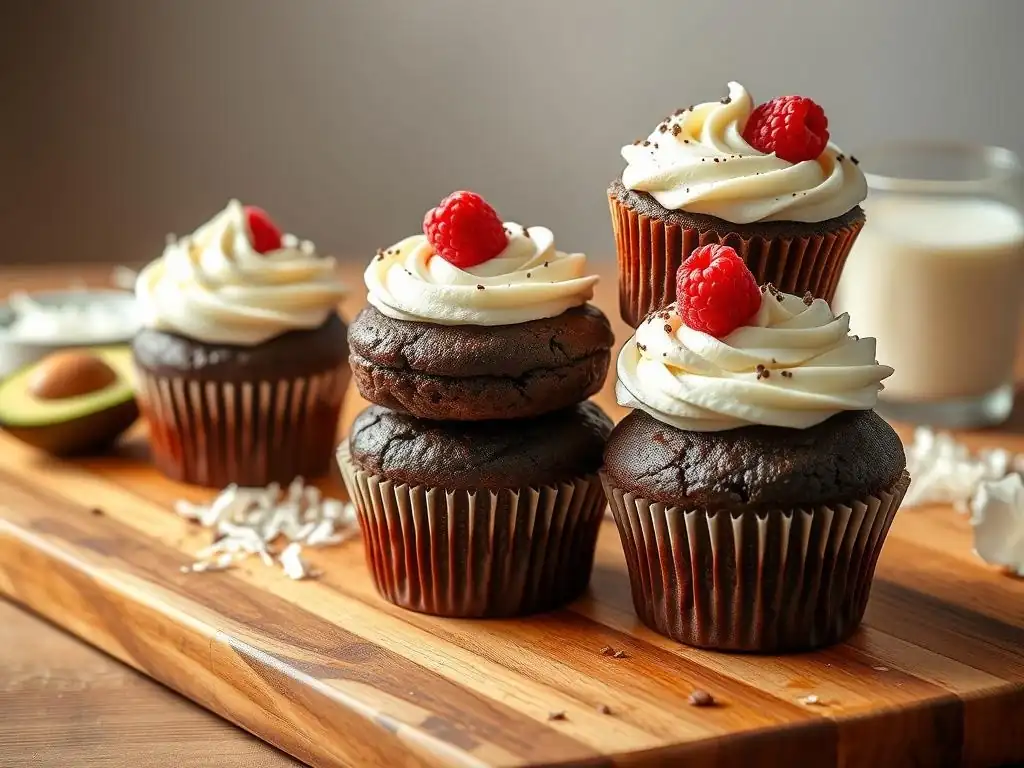
Once you've gone to the effort of baking these delicious dairyfree glutenfree chocolate cupcakes with rich chocolate ganache, you'll want to store them properly to maintain their freshness and flavor. Proper storage ensures that their moist texture and decadent taste last as long as possible, allowing you to enjoy them over several days.
The method of storage depends on how long you plan to keep them. For short-term storage, a simple airtight container at room temperature is usually sufficient. For longer periods, especially if you've baked a large batch, freezing is an excellent option.
Maintaining Freshness and Flavor
To keep your chocolate avocado cupcakes fresh for 2-3 days, store them in an airtight container at room temperature. Avoid refrigerating frosted cupcakes unless the frosting contains ingredients that require refrigeration (like some types of dairy-free cream cheese frosting, though not typically ganache). Refrigeration can sometimes dry out the cupcake crumb.
If your ganache is very soft, you might need to refrigerate the frosted cupcakes briefly to set the ganache, but then store them at room temperature in an airtight container once the ganache is firm. Placing a slice of bread in the container with the cupcakes is an old trick that can help keep them moist by donating its own moisture.
Freezing Cupcakes for Later Enjoyment
Freezing is a great way to preserve your dairyfree glutenfree chocolate cupcakes for up to 2-3 months. It's best to freeze unfrosted cupcakes. Allow them to cool completely after baking. Once cooled, wrap each cupcake individually in plastic wrap, then place them in a freezer-safe bag or container. This double layer of protection helps prevent freezer burn.
When you're ready to enjoy them, remove the desired number of cupcakes from the freezer and let them thaw at room temperature for a few hours. Once thawed, you can make a fresh batch of ganache or other frosting to decorate them. Frozen and thawed cupcakes can be just as moist and delicious as freshly baked ones if stored correctly.
Conclusion: Enjoying Your Delicious Plant-Based Treat
Baking these rich chocolate avocado cupcakes with luscious chocolate ganache is a rewarding experience that proves plant-based, dairy-free, and gluten-free treats can be incredibly decadent and satisfying. The unique addition of avocado creates a moist, fudgy texture that stands out, while the simple, rich ganache provides the perfect finishing touch. We hope you've found this guide helpful and feel inspired to try this recipe.
Whether you're navigating dietary needs or simply exploring plant-based baking, these chocolate avocado cupcakes are a fantastic recipe to add to your repertoire. They are perfect for celebrations, everyday treats, or sharing with friends and family who might have dietary restrictions.
We love seeing your baking creations! If you bake these dairyfree glutenfree chocolate cupcakes or any other recipe from BakeWithEase, share your success with us. Your experiences and photos inspire others in our community. Baking is a journey, and sharing the results makes it even sweeter.
Join our community of bakers exploring plant-based options. We're always here to provide tips, answer questions, and celebrate your achievements in the kitchen. These chocolate avocado cupcakes are just one example of the delicious possibilities that await you in the world of plant-based baking on BakeWithEase. Happy baking!
Frequently Asked Questions
How do I ensure my dairy-free and gluten-free chocolate cupcakes are moist?
Use high-quality ingredients such as applesauce or mashed banana as substitutes. Also, be sure not to over-bake them.
What's the best gluten-free flour blend for these chocolate cupcakes?
A rice flour blend with added starches like tapioca or potato starch usually works well. Look for blends specifically designed for baking.
Can I use a different frosting recipe besides coconut frosting?
Yes, you can! Consider a dairy-free chocolate ganache or a simple vegan buttercream frosting. Ensure the ingredients are also gluten-free.
What kind of cocoa powder is recommended for the best chocolate flavor?
Use a high-quality Dutch-processed cocoa powder for a richer, deeper chocolate flavor. It will significantly impact the overall taste.
Are there any substitutions I can make for the coconut frosting?
If you dislike coconut, you could use a cashew-based frosting or a dairy-free cream cheese frosting made with tofu. Be sure to check for gluten-free certification of ingredients.
Final Reflection: The Sweetness of Inclusion
The demand for delicious, allergy-friendly treats is not just a trend; it's a vital recognition of dietary needs and a celebration of inclusivity. These dairy-free, gluten-free chocolate cupcakes, with their decadent coconut frosting, represent more than just a recipe; they symbolize a commitment to making joy accessible to everyone. The rising popularity of recipes like this underscores a growing awareness and a desire to share culinary experiences without limitations.
Creating these cupcakes wasn't just about following a recipe; it was about understanding the impact of food choices on individuals and communities. The joy of baking is amplified when you know you're providing a treat that someone might otherwise miss out on. Food is symbolic of love when words are inadequate.
- Alan D. Wolfelt. This quote perfectly encapsulates the feeling of creating something delicious and inclusive, offering comfort and connection through a shared experience.
Now, I invite you to consider the power of mindful baking and cooking. Think about the people in your life who might benefit from allergy-friendly recipes. Perhaps you can adapt this recipe, or explore others, to create moments of joy and connection. Let's continue to build a culinary landscape where everyone can savor the sweetness of life, regardless of dietary restrictions. The kitchen is a place of creativity and compassion; let's use it to nourish both body and soul.
Unleash Your Inner Baker: Make These Delicious Cupcakes Today!
Thanks for joining us on this delicious journey into dairy-free and gluten-free baking! We hope you gained some valuable tips and inspiration. Now it's time to put your newfound skills to the test!
- Bake these amazing cupcakes: Grab your ingredients and get baking! We know you'll love the results. This recipe is easier than you think!
- Share your creation: Post a picture of your finished cupcakes on social media and tag us @BakeWithEase – we'd love to see your baking masterpiece!
- Explore more dairy-free recipes: Dive into our recipe collection for more delicious and allergy-friendly treats.
Ready to experience the joy of baking these incredible cupcakes? What’s your favorite dairy-free or gluten-free baking swap? Let us know in the comments below!