
The Easiest Way to Transport Your Baked Birthday Cake

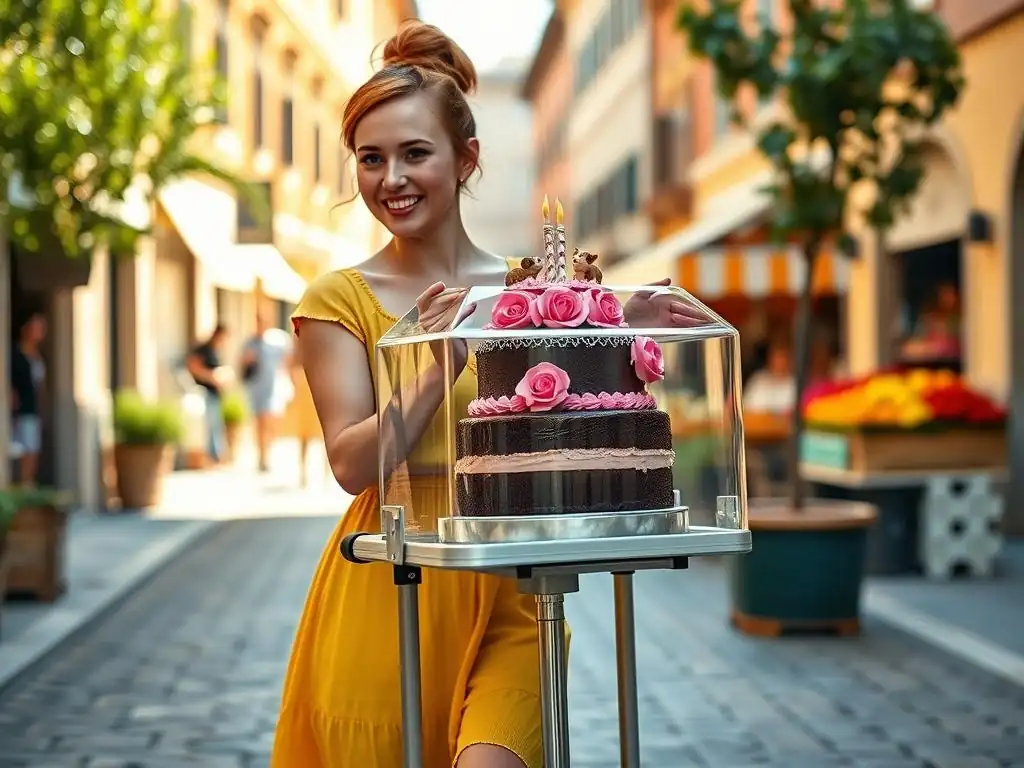
Welcome to BakeWithEase, your haven for turning baking dreams into delicious realities! Ever worried about your masterpiece crumbling before it reaches the party? This guide unveils the secrets to transporting birthday cakes safely, ensuring your creation arrives as stunning as it tastes. Ready to ditch the cake-carrying anxiety? Let's dive in!
- The Easiest Way to Transport Your Baked Birthday Cake: Tips for Transporting Birthday Cakes Safely
- Preparing Your Birthday Cake for Safe Transport
- Step-by-Step Guide to Transporting Birthday Cakes Safely
- Additional Techniques and Tools for Safe Birthday Cake Delivery
- Troubleshooting Common Issues When Transporting Birthday Cakes
- Expert Tips for Stress-Free and Successful Birthday Cake Transport
- Conclusion: Mastering the Art of Transporting Birthday Cakes Safely with BakeWithEase.
-
Frequently Asked Questions
- How can I prevent my birthday cake from sliding around during transport?
- What's the best type of box to use for transporting a birthday cake?
- How should I handle a birthday cake with delicate decorations during transport?
- What's the ideal temperature for transporting a birthday cake?
- What are some essential tools to have on hand when transporting a birthday cake?
- Final Reflection: The Sweet Success of Safe Cake Transport
- Unlock Cake Transportation Success!
The Easiest Way to Transport Your Baked Birthday Cake: Tips for Transporting Birthday Cakes Safely
Why Proper Birthday Cake Transportation Is Essential for Baking for Occasions
Creating a beautiful birthday cake is a labor of love, often involving hours of baking, cooling, decorating, and intricate details. Successfully transporting birthday cakes safely to their destination is just as crucial as the baking itself. A mishap during transit can undo all your hard work, leaving you with a damaged cake and a disappointed recipient. Ensuring safe transport protects your edible masterpiece and guarantees that the celebratory moment goes off without a hitch, presenting the cake exactly as you envisioned it.
Moreover, for those who bake cakes professionally or even semi-professionally for friends and family events, reliable cake transportation is paramount to maintaining your reputation. Imagine spending five hours crafting a stunning two-tier cake adorned with delicate sugar flowers, only for it to slide in the car and arrive smudged or tilted. This isn't just a minor inconvenience; it can significantly impact the presentation and overall enjoyment of the occasion. Mastering the techniques for transporting birthday cakes safely is an essential skill in the art of baking for occasions.
Understanding Common Challenges in Transporting Birthday Cakes Without Damage
One of the most frequent challenges when transporting birthday cakes is dealing with temperature fluctuations. Frosting, especially buttercream or whipped cream, can melt or soften rapidly in warm conditions, leading to smudges, drips, and structural instability. A cake that looks perfect in a cool kitchen might start to collapse or lean after just 30 minutes in a warm car interior, particularly during summer months when ambient temperatures can easily exceed 80°F (about 27°C). This requires careful planning and potentially temperature control measures when transporting cakes for birthdays.
Another significant hurdle is physical movement during transit. Sudden stops, sharp turns, or bumpy roads can cause the cake to shift within its box, leading to dents, collapses, or decorations falling off.
A study (or anecdotal evidence from many bakers) suggests that even minor vibrations over a long distance can cause delicate sugar work or tall structures to loosen. Cakes, particularly multi-tiered ones weighing several pounds (e.g., a typical 10-inch two-tier cake can weigh 5-7 pounds), require a stable base and secure packaging to withstand the dynamics of vehicle movement, making the process of transporting birthday cakes safely a careful undertaking.
Preparing Your Birthday Cake for Safe Transport
Choosing the Right Cake Base and Support for Secure Birthday Cake Transportation
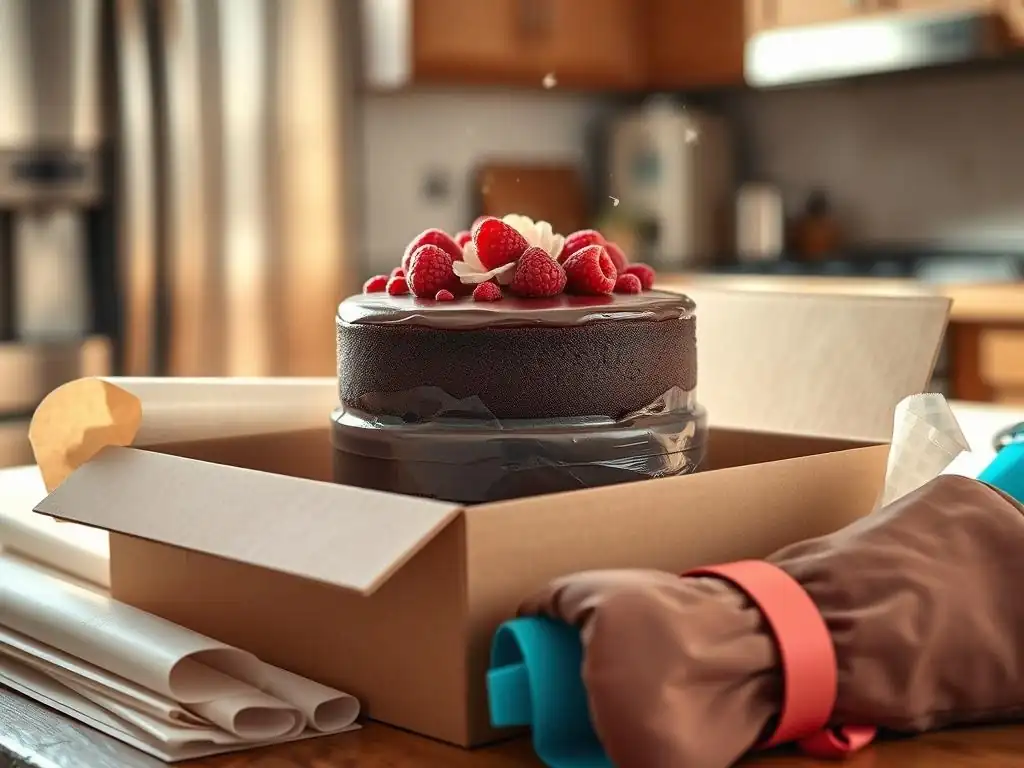
Selecting a sturdy cake base is the first critical step in ensuring secure birthday cake transportation. Avoid using flimsy cardboard rounds that can bend or warp. Instead, opt for reinforced cake drums (thicker, usually foil-covered cardboard) or even thin wooden or MDF boards, especially for larger or multi-tiered cakes. A base that is slightly larger than the cake itself provides a lip for handling and prevents the cake from sitting right on the edge of the support. For instance, a 9-inch cake should ideally sit on a 10-inch or 11-inch base.
Furthermore, for stacked cakes, internal support is non-negotiable. Dowels (plastic or wooden) inserted into the lower tiers help bear the weight of the tiers above, preventing collapse. A central dowel or support rod running through all tiers into the base board adds crucial stability, acting like a spine for the cake structure. This internal framework, combined with a robust external base, significantly enhances the cake's ability to withstand the stresses of movement when transporting birthday cakes safely.
How to Properly Chill and Set the Cake Before Transporting
Chilling your finished birthday cake is a vital step to firm up the frosting and cake layers, making them less susceptible to damage during transit. Once decorated, place the cake uncovered (or lightly tented if space is limited) in a refrigerator for at least 3-4 hours, or preferably overnight. This allows the buttercream, ganache, or other frosting to set firmly, creating a protective outer shell that can better resist minor bumps or temperature changes. A well-chilled cake is significantly more robust for the journey.
For cakes covered in fondant, chilling is also beneficial as it hardens the underlying ganache or buttercream, providing a solid structure beneath the fondant. However, be mindful of condensation when removing a very cold fondant cake into a warmer, humid environment. Allowing it to temper slightly in a cooler room before heading outside can help minimize this. Properly setting your cake through chilling is a simple yet highly effective technique for transporting birthday cakes safely.
Selecting the Best Cake Box and Packaging Materials for Safe Transit
Choosing the correct cake box is fundamental for safe transit. The box should be sturdy and tall enough to accommodate the cake's height, including any decorations or toppers, with at least an inch or two of clearance. A common mistake is using a box that is too small, leading to decorations getting smushed against the lid or sides. Standard bakery boxes made of corrugated cardboard are a good option, but ensure they are assembled securely. For larger or heavier cakes, consider using a heavy-duty transport box specifically designed for cakes.
In addition to the box, consider internal packaging to prevent the cake base from sliding. A non-slip mat or a few dabs of royal icing or melted chocolate on the box bottom can anchor the cake board. Crumpled parchment paper or paper towels can be gently placed in any gaps around the cake base within the box, but be careful not to touch the cake itself. These materials help absorb minor shocks and prevent lateral movement, greatly improving your success when transporting birthday cakes safely.
Step-by-Step Guide to Transporting Birthday Cakes Safely
Step 1: Packaging Your Birthday Cake to Prevent Shifting and Damage
Begin by ensuring your chilled cake is firmly attached to its base board. Place the cake onto the non-slip mat or secured spot within the cake box. Carefully lower the box lid, ensuring it doesn't touch the top of the cake. Secure the lid firmly – taping the corners of a standard bakery box adds extra stability and prevents it from popping open unexpectedly. Make sure the box is completely closed and sealed.
If using a multi-tiered cake, double-check all internal supports are in place and that the tiers are aligned. For very tall cakes, you might consider using a box with a window or a clear lid so you can visually check on the cake during transit without opening the box. The goal here is to create a secure, contained environment that minimizes any potential for the cake to move independently of its packaging while you are transporting birthday cakes safely.
Step 2: Loading the Cake into Your Vehicle for Optimal Stability
The best location in a standard vehicle for transporting birthday cakes safely is typically the floor of the passenger side, or the floor behind the passenger seat. These spots are usually flat and offer more stability than a car seat, which can be sloped. Clear the area completely of any debris or items that could shift and hit the box. Place the cake box directly onto the floor.
Avoid placing the cake on a seat, in the trunk (where temperatures can fluctuate wildly and fumes can be an issue), or on someone's lap unless it's a very small, light cake and the person is dedicated only to holding it steady. For larger cakes or longer journeys, securing the box gently so it cannot slide is crucial. You can use towels, non-slip mats, or even carefully positioned boxes or bags around the cake box to brace it and prevent it from shifting during acceleration or braking.
Step 3: Driving Tips and Precautions to Avoid Cake Damage During Transport
Once the cake is loaded and secured, drive slowly and smoothly. Pretend you have a fragile passenger (you do!). Avoid sudden acceleration, hard braking, and sharp turns. Take corners gradually and maintain a consistent speed. Pay extra attention to road conditions – large potholes, speed bumps, or uneven surfaces can cause significant jolts. If you anticipate hitting a rough patch, slow down considerably or try to navigate around it.
Allow ample following distance from other vehicles to avoid needing sudden stops. If possible, choose a route with fewer stops, turns, and smoother roads, even if it adds a few extra minutes to your journey. Turning off loud music can help you concentrate fully on your driving and the precious cargo you are transporting. These driving precautions are key to successfully transporting birthday cakes safely.
Step 4: Unloading and Setting Up the Cake at the Destination
Upon arrival, handle the cake box with extreme care. Lift it from the bottom, supporting its full weight evenly. Avoid tilting or rocking the box. Have a clear path to the final display location before you remove the cake from the car. Once inside, place the box on a sturdy, flat surface.
Before opening the box, allow the cake to acclimate to the room temperature for 15-30 minutes, especially if it was well-chilled or the destination is warmer. This helps prevent condensation issues. Carefully open the box and gently lift the cake by its base board. Place it on the display stand or serving platter. Make any minor touch-ups needed to the frosting or decorations immediately upon arrival. This careful unloading and setup process is the final step in transporting birthday cakes safely.
Additional Techniques and Tools for Safe Birthday Cake Delivery
Using Cake Carriers and Transport Boxes: Features and Benefits
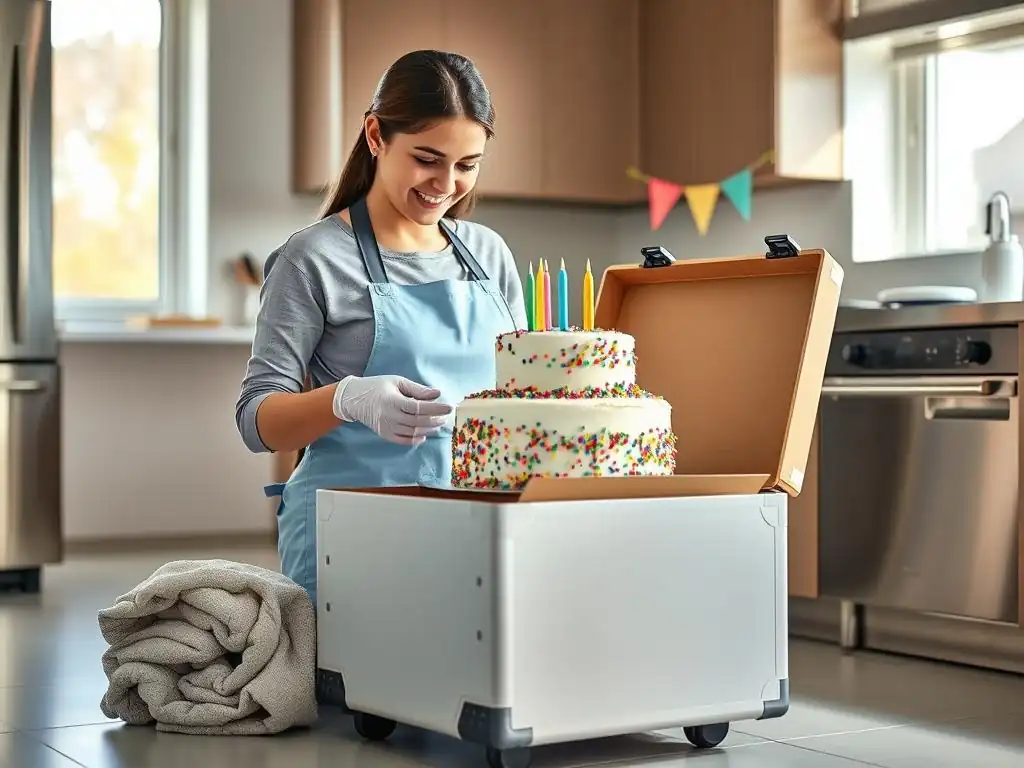
Investing in specialized cake carriers or heavy-duty transport boxes can significantly improve the safety and ease of transporting birthday cakes. These carriers often feature secure locking mechanisms, sturdy handles, and sometimes even internal bases designed to grip the cake board. Hard-sided carriers offer better protection against accidental bumps or impacts than standard cardboard boxes. Many are designed with specific cake sizes in mind, providing a snug fit that minimizes internal movement.
Some advanced cake carriers even include features like built-in cooling packs or insulated walls to help maintain temperature during transit, which is invaluable for cakes with delicate frostings or in warm weather. While a good quality carrier represents a small investment, the peace of mind and reduced risk of damage they provide make them worthwhile for anyone frequently transporting birthday cakes safely, whether for personal events or as part of a home baking business.
The Role of Temperature Control and Insulation in Cake Transportation
Maintaining a stable temperature is critical, especially when transporting cakes with temperature-sensitive components like whipped cream, cream cheese frosting, or delicate chocolate decorations. On warm days, the interior of a car can quickly become an oven, easily reaching 90°F (32°C) or higher. This can cause frosting to melt in minutes, leading to a disaster. Using air conditioning in the vehicle is essential – aim to keep the car's interior cool, ideally below 70°F (21°C).
For longer journeys or extremely hot weather, consider using insulated transport methods. Placing the boxed cake inside a large cooler (without ice directly touching the box, as condensation is an issue) can provide a temperature buffer. Reusable ice packs placed around the cake box (not on top or directly against it) within the cooler can help keep the temperature down. Insulated bags designed for grocery transport can also offer some protection. Proper temperature control is a non-negotiable aspect of successfully transporting birthday cakes safely.
How to Handle Multi-Tiered Birthday Cakes During Transit
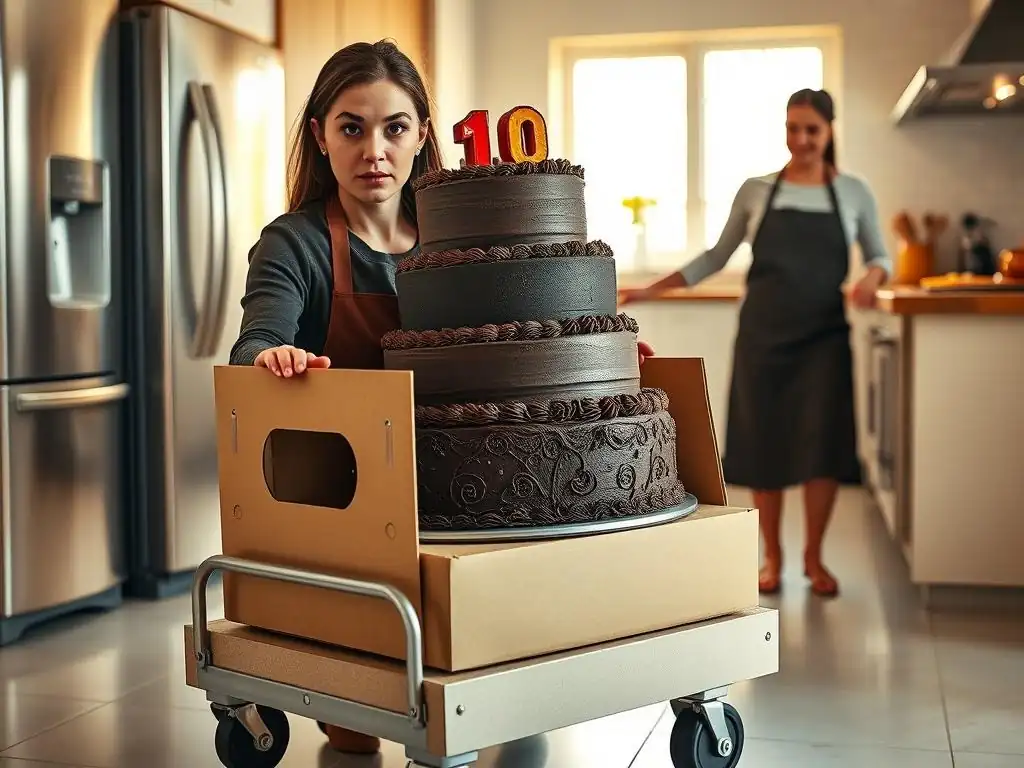
Transporting multi-tiered birthday cakes presents unique challenges due to their height and weight. As mentioned, internal doweling and a central support are crucial. For very large or tall tiered cakes (e.g., three tiers or more), some professional bakers opt to transport the tiers separately and assemble the cake at the destination. This significantly reduces the risk of structural damage during transit.
If transporting a pre-assembled tiered cake, ensure the base board is extra sturdy and large enough. The box must be exceptionally tall and robust. Consider using a non-slip mat under the box in the vehicle. The weight of the cake means any shift can cause significant damage. Drive even more cautiously than usual. While transporting assembled multi-tiered birthday cakes safely is possible with proper preparation, separating tiers is often the safest approach for complex designs or long distances.
Troubleshooting Common Issues When Transporting Birthday Cakes
How to Fix Minor Cake Damage After Transport
Despite your best efforts, minor damage can sometimes occur during transit. The key is to be prepared for quick fixes. Small smudges on buttercream can often be smoothed over gently with an offset spatula that has been dipped in warm water and wiped clean. For fondant, a tiny amount of shortening can sometimes help buff out minor scuffs. Keep a small piping bag with leftover frosting handy for touching up piped borders or covering small cracks.
If a decoration has fallen off, use a dab of frosting or melted chocolate to reattach it. For minor leans in a tiered cake, sometimes gently pushing it back into alignment is possible, but be very cautious not to cause more damage. Having a small emergency kit with basic tools like a spatula, extra frosting, and maybe some decorative elements can save the day. Being able to perform these quick repairs is part of mastering transporting birthday cakes safely.
Preventing Decoration Smudges and Frosting Meltdown on the Go
Preventing smudges and melt-down starts with proper chilling and temperature control during transit, as discussed earlier. However, delicate decorations like piped flowers, sugar figures, or chocolate work are particularly vulnerable. Ensure these are firmly attached to the cake. If possible, add very delicate elements like fresh flowers or fragile toppers upon arrival rather than before transport.
For cakes with intricate piped details, ensure the frosting is firm enough before placing the lid on the box. If the box height is tight, using a taller box is always a better option than risking the lid touching the decorations. In warm weather, even with AC, consider placing the cake in the coolest part of the car and minimizing stops where the car might heat up internally. These preventative measures are crucial for transporting birthday cakes safely and maintaining their visual appeal.
Expert Tips for Stress-Free and Successful Birthday Cake Transport
Planning Ahead: Timing and Route Considerations for Cake Delivery
Effective planning is perhaps the single most important factor in stress-free cake transport. Map out your route beforehand, looking for the smoothest roads and minimizing potential obstacles like construction zones or areas known for heavy traffic and sudden stops. Estimate the travel time, and then add buffer time – aim to arrive at least 30-60 minutes before the cake needs to be displayed. This extra time accounts for unexpected delays and provides a relaxed window for unloading and any necessary touch-ups.
Consider the time of day. Transporting a cake during rush hour on a Friday afternoon is inherently riskier than a mid-morning trip on a Saturday. If the destination is far, consider breaking up the journey if possible, or ensure you have adequate cooling measures in place for the extended travel time. Thinking through the logistics in advance is key to transporting birthday cakes safely and without last-minute panic.
Backup Plans and Emergency Kits for Unexpected Cake Transport Problems
Even with meticulous planning, unforeseen issues can arise. Having a small emergency kit can be a lifesaver. This kit might include:
- A small offset spatula
- A piping bag with leftover frosting (stored in a small cooler bag with an ice pack)
- A few extra sprinkles or simple decorations
- Paper towels and a small bottle of water for cleaning hands or tools
- Scissors and tape (for box repairs if needed)
- A non-slip mat or towel
Consider having a backup plan for extreme situations. If the weather is unexpectedly hot and you don't have adequate cooling, could you detour to a store to buy a cooler and ice packs? If your car breaks down, who could you call who has a suitable vehicle and is available to help immediately? While you hope never to use these, having them in mind significantly reduces stress and increases the likelihood of successfully transporting birthday cakes safely, no matter what happens.
Conclusion: Mastering the Art of Transporting Birthday Cakes Safely with BakeWithEase.
Transporting birthday cakes safely requires attention to detail at every stage, from the initial design and chilling to the final delivery. By choosing the right base and internal supports, properly chilling your creation, selecting appropriate packaging, and driving with caution, you significantly reduce the risk of damage. Utilizing specialized carriers, managing temperature, and having a plan for multi-tiered designs further enhance safety.
Remember that planning ahead and preparing for potential issues are your best defenses against cake transport mishaps. With these tips and techniques from BakeWithEase, you can confidently deliver your beautiful birthday cakes, ensuring they arrive in perfect condition to celebrate those special moments. Mastering the art of transporting birthday cakes safely means your delicious creation will be the highlight it was meant to be.
Frequently Asked Questions
How can I prevent my birthday cake from sliding around during transport?
To prevent sliding, use a non-slip mat beneath the cake box. You can also use damp paper towels to further secure the box in place.
What's the best type of box to use for transporting a birthday cake?
A sturdy cake box specifically designed for cakes is ideal. Ensure it's the right size to prevent the cake from shifting excessively.
How should I handle a birthday cake with delicate decorations during transport?
Keep the cake level and drive slowly, avoiding sudden stops. Consider chilling the cake beforehand to firm up the frosting and decorations.
What's the ideal temperature for transporting a birthday cake?
Avoid extreme temperatures. A slightly cooler environment is better to prevent melting or softening of the frosting. If possible, use your car's AC.
What are some essential tools to have on hand when transporting a birthday cake?
Keep paper towels for any unexpected spills or mishaps. Also, bring a small spatula or knife for quick frosting repairs if needed.
Final Reflection: The Sweet Success of Safe Cake Transport
The seemingly simple act of transporting a birthday cake holds far more significance than meets the eye; it's a testament to the care we put into celebrating life's milestones. A flawlessly transported cake isn't just about avoiding a sugary disaster; it's about ensuring a cherished memory remains intact, a symbol of shared joy preserved. This seemingly small act reflects a larger commitment to thoughtful planning and execution, qualities that extend far beyond the realm of baking.
The impact of a perfectly transported cake transcends the immediate event. It speaks to the effort we put into making special occasions truly memorable, a cultural tradition woven into the fabric of celebrations worldwide. A cake is a celebration of life, a symbol of joy and togetherness. Protecting it during transport is an act of preserving that joy.
This simple act, often overlooked, embodies a deeper appreciation for the moments we share and the effort we invest in creating lasting memories. It's a small detail that speaks volumes about our intentionality and care.
Now, consider your own upcoming celebrations. What special moments are you planning? How can you apply the principles of careful planning and secure transport – the lessons learned from this seemingly simple task – to other areas of your life? Think about the things you hold dear, the moments you want to cherish, and how you can ensure their safe passage, not just physically, but emotionally and spiritually. Let the journey of your cake transport inspire you to approach all your endeavors with the same thoughtful care and attention to detail.
Unlock Cake Transportation Success!
Thanks for taking the time to learn how to transport your beautiful birthday cake without a hitch! You've now got the secrets to a stress-free delivery. Ready to put your new skills to the test?
- Master the art of cake transportation: Practice your newly acquired techniques with your next baking project. Try different methods and find what works best for you and your cake creations!
- Share your cake-carrying triumphs (or challenges!) with us in the comments below. Let's build a community of cake-transporting experts!
- Explore our other articles on BakeWithEase for more baking tips and tricks – you might discover your new favorite recipe!
What ingenious cake transportation method will you try next?