
The Sweetest Escape: Why France is a Pastry Lover's Dream Destination

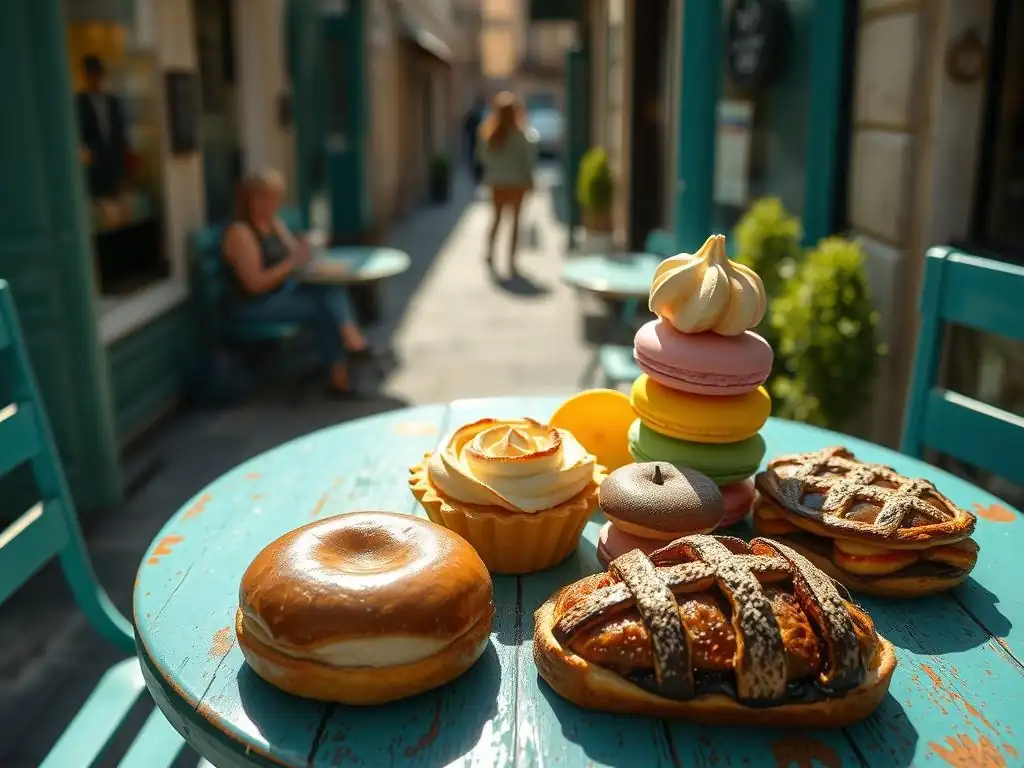
Welcome to BakeWithEase, your passport to a world of delicious possibilities! Ever dreamt of recreating the magic of a Parisian patisserie in your own kitchen? In this article, we're embarking on a culinary journey to explore French pastry recipes for beginners, uncovering the secrets to crafting exquisite treats. But first, let's delve into why France reigns supreme as a pastry lover's ultimate destination... Are you ready to unlock the secrets of authentic French baking?
- Discovering the Magic of French Pastries: A Beginner's Guide to Parisian Treats
- Mastering Basic French Pastry Recipes: A Baker's Toolkit for Beginners
-
Top 5 French Pastry Recipes for Beginners: A Step-by-Step Guide
- 1. Crêpes: The Quintessential French Breakfast Treat (Easy French Crepe Recipe)
- 2. Madeleines: Shell-Shaped Delights (Beginner-Friendly Madeleine Recipe)
- 3. Pain au Chocolat (Chocolate Croissant): A Weekend Baking Project (Easy Pain au Chocolat Recipe)
- 4. Macarons: The Colorful Confection (Easy French Macaron Recipe) - Advanced Beginner
- 5. Clafoutis: A Rustic Fruit Dessert (Easy Clafoutis Recipe)
- Beyond the Basics: Expanding Your French Pastry Repertoire
- The French Pastry Experience: Where to Taste and Learn in France
- From Beginner Baker to French Pastry Pro: Your Journey Starts Now
-
Frequently Asked Questions
- What makes French pastries so appealing, especially for beginners?
- Are there specific French pastry recipes that BakeWithEase recommends for beginners?
- What are some essential tools or ingredients needed to start baking French pastries at home?
- How does BakeWithEase help bakers of all levels learn French pastry techniques?
- Beyond recipes, what other resources does BakeWithEase offer for aspiring French pastry chefs?
- Final Reflection: A Slice of Heaven and a Recipe for Adventure
- Unleash Your Inner Pâtissier: Take the Next Step!
Discovering the Magic of French Pastries: A Beginner's Guide to Parisian Treats
Why France is the Ultimate Destination for Pastry Enthusiasts
France has long held the crown as the global capital of culinary excellence, and nowhere is this more evident than in its breathtaking array of pastries. For anyone dreaming of mastering French pastry recipes for beginners, a journey to France offers an unparalleled immersion into this rich tradition. Picture yourself strolling down cobblestone streets in Paris, the air perfumed with the irresistible aroma of freshly baked croissants and pain au chocolat wafting from countless pâtisseries.
It's an experience that ignites the senses and provides boundless inspiration. Beyond Paris, every region boasts its own specialties, from the buttery Kouign-amann of Brittany to the delicate Tarte Tatin of the Loire Valley, showcasing a diversity that is simply astounding.
This nation's dedication to the art of pastry is deeply ingrained in its culture, with generations of bakers honing techniques passed down through centuries. It's not just about enjoying the finished product; it's about appreciating the precision, the quality of ingredients, and the sheer passion that goes into every creation. Visiting France allows you to witness this artistry firsthand, perhaps even taking a class to learn the secrets behind those perfect layers or that glossy glaze.
This hands-on experience, combined with tasting the authentic flavors in their homeland, provides context and motivation that simply reading French pastry recipes for beginners cannot fully capture. It transforms a hobby into a profound appreciation for a true art form.
Embarking on a Culinary Journey: What Makes French Pastries Special?
The magic of French pastries lies in their exquisite balance of flavor, texture, and visual appeal. Unlike some baking traditions that prioritize sweetness, French pastries often feature nuanced profiles, combining rich butter, fresh fruit, fine chocolate, and delicate creams with a masterful hand.
The emphasis is on quality ingredients and refined techniques that result in treats that are both indulgent and surprisingly light. Consider the classic croissant: its perfect shatter, the airy interior, and the deep, buttery flavor are the result of meticulous folding and resting of the dough – a technique that takes practice but is achievable even for beginners tackling French pastry recipes.
Furthermore, French pastries are often miniature works of art. The presentation is paramount, with vibrant glazes, delicate garnishes, and elegant shapes that are as pleasing to the eye as they are to the palate. This attention to detail elevates the simple act of eating a pastry into a luxurious experience.
Think of the vibrant colors of macarons, the intricate layers of a Mille-feuille, or the glossy finish of an Opéra cake. While beginners might start with simpler French pastry recipes, understanding this dedication to aesthetics provides a goal and inspires care in their own baking projects. It’s this combination of sublime taste, refined texture, and artistic presentation that truly sets French pastries apart.
Mastering Basic French Pastry Recipes: A Baker's Toolkit for Beginners
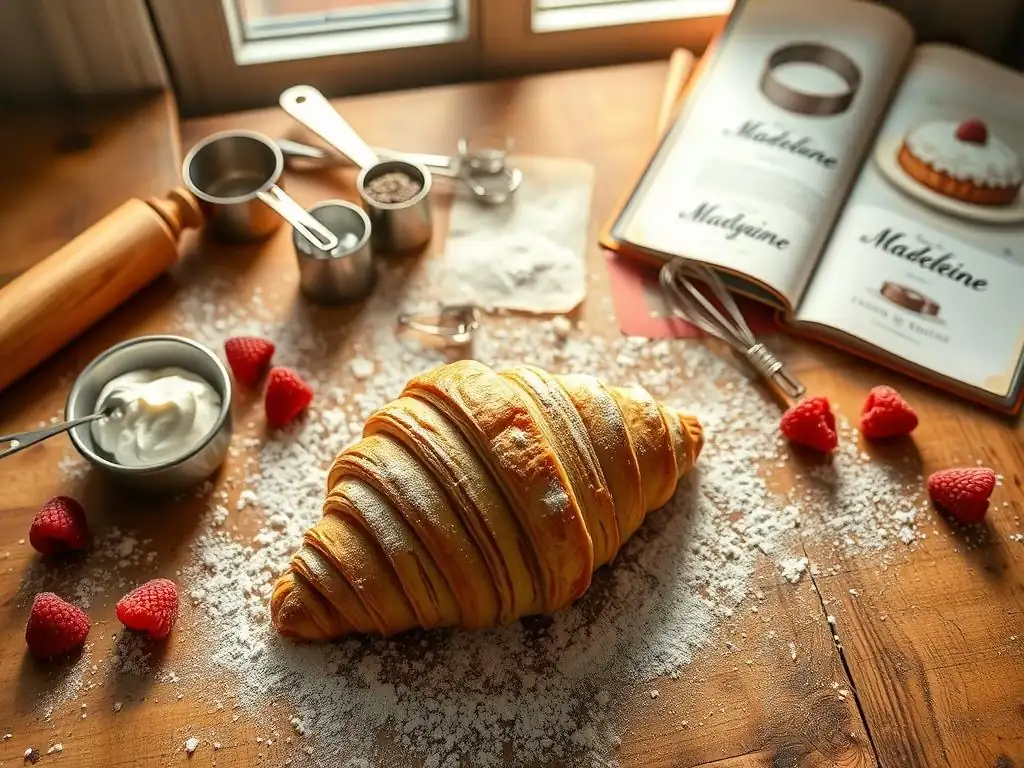
Essential Equipment for French Pastry Success: From Whisks to KitchenAid Stand Mixers
Embarking on the journey of learning French pastry recipes for beginners requires a few key tools to set you up for success. While you don't need a professional kitchen, having the right equipment can make a significant difference in the outcome of your bakes, especially when dealing with finicky doughs or delicate batters.
Basic items like a good set of whisks, rubber spatulas, measuring cups and spoons (preferably weighted for accuracy, as many French recipes use grams), and mixing bowls of various sizes are fundamental. A sturdy rolling pin is also crucial for working with pastry doughs like puff pastry or tart dough.
Beyond the basics, certain specialized items can greatly simplify the process and improve results. A kitchen scale is highly recommended for precise measurements, which is often critical in French baking. Fine-mesh sieves are excellent for sifting flour or powdered sugar, ensuring a smooth texture. Pastry brushes are useful for applying egg washes or simple syrups. While not strictly essential for every beginner recipe, a reliable stand mixer can be a game-changer for tasks like whipping meringue for macarons or kneading dough for brioche, saving time and effort and ensuring consistent results.
The KitchenAid Artisan Series Stand Mixer: A Must-Have for Effortless Pastry Making
For those serious about exploring French pastry recipes for beginners, a quality stand mixer like the KitchenAid Artisan Series can be an invaluable investment. Its powerful motor and planetary mixing action ensure thorough incorporation of ingredients, which is vital for developing gluten in doughs or achieving stiff peaks for meringues. The various attachments, such as the whisk, paddle, and dough hook, cover a wide range of tasks required in French baking, from creaming butter and sugar for cakes to kneading brioche or choux pastry dough.
Using a stand mixer provides consistency that can be challenging to achieve manually, leading to more predictable and successful results. For instance, when making macaron batter (a common advanced French pastry recipe for beginners), achieving the correct consistency during the "macaronage" phase is much easier with the controlled speed of a mixer. Similarly, whipping egg whites to the perfect stiffness for meringues or mousses becomes a straightforward process. While hand mixing is possible for many recipes, the efficiency and reliability of a stand mixer significantly lower the barrier to entry for mastering more complex French techniques.
Nordic Ware Baking Sheets: Achieving Perfect Golden-Brown Crusts
The baking sheet you use plays a surprisingly important role in the success of your French pastry recipes for beginners. High-quality baking sheets, such as those made by Nordic Ware, offer excellent heat distribution, ensuring that your pastries bake evenly and develop a beautiful golden-brown crust without burnt spots. These sheets are typically made from aluminum, which conducts heat efficiently, and often feature reinforced rims to prevent warping at high temperatures.
Even heat distribution is critical for delicate items like cookies, madeleines, or choux puffs, where consistent baking is key to achieving the desired texture and color. Using a reliable baking sheet prevents issues like uneven rising or bottoms that brown too quickly. For many French pastry recipes, especially those involving laminated dough like croissants, baking on a sturdy, even-heating sheet is essential for encouraging proper rise and creating those desirable flaky layers. Pairing a good baking sheet with parchment paper or a silicone mat further enhances non-stick properties and simplifies cleanup.
Key Ingredients for Authentic French Pastries: Sourcing the Best Flavors
The soul of French pastry lies in the quality of its ingredients. While you can certainly make delicious treats with standard pantry staples, using higher-quality versions of key ingredients will elevate your French pastry recipes for beginners from good to truly authentic. French baking often relies heavily on dairy, particularly butter and cream, and the difference in flavor and fat content compared to some standard options can be noticeable. Similarly, the quality of flour, sugar, and flavorings like vanilla or chocolate is paramount.
Seeking out ingredients that bakers in France would use, or equivalents known for their quality, is a worthwhile endeavor. This might mean investing in European-style butter with a higher fat content, using fine-grain sugar for delicate meringues, or selecting high-quality cocoa powder and chocolate. While it might cost a little more upfront, the impact on the final taste and texture of your pastries is significant, making your efforts with those French pastry recipes for beginners truly rewarding and bringing you closer to the authentic flavors of France.
President Butter: The Secret to Flaky Perfection
When tackling French pastry recipes for beginners, especially those involving laminated doughs like croissants or pain au chocolat, the type of butter you use is incredibly important. European-style butters like President Butter, imported from France, typically have a higher butterfat content (around 82% compared to the roughly 80% in many American butters) and a lower water content.
This difference is crucial for creating flaky layers. The higher fat content results in a more pliable butter that is easier to work with for folding into dough, and during baking, the lower water content produces less steam, allowing those distinct, buttery layers to form properly.
Using President Butter or a similar high-fat European-style butter contributes significantly to both the texture and flavor of your French pastries. The rich, pure dairy taste is more pronounced, and the flakiness achieved is superior. While you can certainly attempt these recipes with standard butter, the characteristic light, airy, and incredibly flaky texture that defines authentic French laminated pastries is best achieved with a butter specifically designed for this purpose. It's a simple swap that makes a big impact on the success of your French pastry recipes for beginners.
Nielsen-Massey Vanilla Extract: Enhancing the Aroma and Taste
Vanilla is a staple flavoring in countless French pastry recipes for beginners, from simple crêpes to delicate madeleines and creamy custards. The quality of your vanilla extract can dramatically influence the overall aroma and taste of your finished product. Nielsen-Massey is a brand renowned for its high-quality, pure vanilla extracts, made from carefully selected vanilla beans. Using a premium extract like theirs provides a complex, rich, and authentic vanilla flavor that synthetic or lower-quality extracts simply cannot replicate.
A good vanilla extract adds depth and warmth to baked goods, complementing other flavors without overpowering them. In recipes where vanilla is a primary flavor, such as vanilla bean crème brûlée or simple butter cookies, the difference is particularly noticeable. Even in recipes where it plays a supporting role, like chocolate mousse or fruit tarts, a quality vanilla enhances the overall profile. Investing in a good pure vanilla extract like Nielsen-Massey ensures that your efforts in following French pastry recipes for beginners are rewarded with the finest possible flavor.
Top 5 French Pastry Recipes for Beginners: A Step-by-Step Guide
1. Crêpes: The Quintessential French Breakfast Treat (Easy French Crepe Recipe)
Crêpes are arguably one of the easiest and most forgiving French pastry recipes for beginners to start with. These thin, delicate pancakes are a staple across France, enjoyed sweet or savory at any time of day. The batter is simple to whip up, requiring just a few common ingredients, and cooking them provides excellent practice for learning temperature control and pan handling. They are incredibly versatile, perfect for filling with anything from simple sugar and lemon juice to Nutella, fruit, or savory fillings like ham and cheese.
Mastering the basic crêpe technique builds fundamental skills applicable to other French pastries, such as understanding batter consistency and achieving even cooking. Unlike thicker American pancakes, crêpes are meant to be paper-thin, requiring a specific pouring and swirling technique in the pan. This easy French crepe recipe is a fantastic starting point, offering delicious results with minimal fuss and a chance to practice your pan skills before moving onto more complex French pastry recipes.
Recipe Breakdown: Simple Ingredients, Delicious Results
An easy French crepe recipe typically calls for just flour, eggs, milk, a pinch of salt, and maybe a little sugar and melted butter. The key is to whisk the batter until smooth, ensuring no lumps remain. Many recipes recommend letting the batter rest in the refrigerator for at least 30 minutes, or even overnight. This resting period allows the gluten to relax, resulting in more tender crêpes, and also gives the flour time to fully hydrate, leading to a smoother batter.
Cooking involves pouring a thin layer of batter into a hot, lightly greased crêpe pan, swirling quickly to coat the bottom evenly, and cooking for about 1-2 minutes per side until lightly golden and set. The first crêpe is often considered the "tester," helping you adjust the heat and batter amount. Once you get the hang of it, making a stack of perfect crêpes becomes a quick and satisfying task, perfect for enjoying with a variety of simple or elaborate fillings.
Recommended Crêpe Pan: De Buyer Blue Steel Crêpe Pan
For consistently perfect crêpes, a dedicated crêpe pan is highly recommended. The De Buyer Blue Steel Crêpe Pan is a favorite among both professional and home cooks for its excellent heat retention and even heat distribution. Made from carbon steel, these pans require seasoning, which builds a natural non-stick surface over time, ideal for the delicate nature of crêpes.
The low sides and flat surface of a crêpe pan make it easy to pour the batter, swirl it evenly, and flip the thin crêpes without tearing them. While you can use a regular non-stick skillet, a dedicated crêpe pan like the De Buyer, once properly seasoned, provides superior results for this specific task, making your easy French crepe recipe even more successful. Its robust construction means it will last for years, becoming a go-to pan for this classic French treat.
2. Madeleines: Shell-Shaped Delights (Beginner-Friendly Madeleine Recipe)
Madeleines are small, shell-shaped sponge cakes with a delicate crumb and a distinctive hump on one side. They are a beloved French classic and a wonderful entry point into learning French pastry recipes for beginners, particularly those involving simple cake batters. A beginner-friendly madeleine recipe is relatively quick to prepare, mixing a simple batter of flour, sugar, eggs, butter, and leavening. The magic happens during baking, where achieving the signature "bump" is the goal.
These elegant little cakes are perfect for serving with tea or coffee and are a testament to how simple ingredients, combined with proper technique, can create something truly special. While they require a specific mold, the batter itself is forgiving and the baking time is short. Mastering a madeleine recipe helps beginners understand the principles of leavening and proper mixing for a tender cake crumb, skills that are transferable to other baking projects.
Achieving the Perfect "Bump": Baking Tips and Tricks
The hallmark of a perfectly baked madeleine is its characteristic hump or "bump" on the back. Achieving this requires a few key steps in your beginner-friendly madeleine recipe. First, chilling the batter is crucial. After mixing, the batter should be refrigerated for at least an hour, or even overnight. This allows the ingredients to meld and, more importantly, creates a temperature shock when the cold batter hits the hot oven.
When you spoon the cold batter into a preheated, buttered, and floured madeleine mold, the edges set quickly while the center remains cooler. As the center heats up, the leavening agent produces gas, pushing the batter upwards and creating that coveted hump. Baking at a relatively high initial temperature (around 375-400°F or 190-200°C) for the first few minutes before potentially lowering the temperature slightly can also encourage a good bump. Don't overfill the molds; about two-thirds full is usually sufficient.
Madeleine Molds: Silikomart Silicone Madeleine Mold for Easy Release
To bake madeleines, you absolutely need a madeleine mold, which gives them their unique shell shape. While traditional metal molds are common, silicone molds like the Silikomart Silicone Madeleine Mold offer several advantages for beginners. Silicone is naturally non-stick, meaning your madeleines will release cleanly from the mold with minimal effort, even without heavy greasing and flouring (though a light application is still often recommended for flavor and browning).
Silicone molds are also flexible, making it easy to pop the finished cakes out without damaging them. They distribute heat relatively evenly, contributing to consistent baking. The Silikomart mold, made from high-quality silicone, is durable and easy to clean. Using a dedicated madeleine mold is essential for this specific French pastry recipe and makes the baking process much smoother for those just starting out.
3. Pain au Chocolat (Chocolate Croissant): A Weekend Baking Project (Easy Pain au Chocolat Recipe)
Pain au chocolat, often called a chocolate croissant, is a beloved viennoiserie (a category of baked goods made from a yeast-leavened dough enriched with eggs and butter). While working with puff pastry can seem daunting, an easy pain au chocolat recipe is an excellent weekend baking project for beginners looking to advance their skills. It introduces the fundamental techniques of lamination – creating many thin layers of dough and butter – which is key to many classic French pastries.
Successfully making pain au chocolat from scratch provides immense satisfaction and a deep appreciation for the process behind these flaky treats. While it requires time and patience due to resting and chilling periods, the individual steps are manageable for a beginner. It's a rewarding challenge that results in warm, buttery pastries filled with melted chocolate, a true taste of a French bakery at home. It's a step up from simpler French pastry recipes but well within reach for an enthusiastic beginner.
Working with Puff Pastry: A Beginner's Guide
The core of an easy pain au chocolat recipe is the puff pastry. Puff pastry is made by encasing a block of cold butter within dough and then repeatedly rolling and folding the dough (known as "turns"). Each fold creates more layers of dough separated by butter. During baking, the water in the butter turns to steam, forcing the layers apart and creating the characteristic puff and flakiness. This lamination process is the trickiest part for beginners.
Key tips for working with puff pastry include keeping everything cold – the butter, the dough, and your workspace if possible. This prevents the butter from melting into the dough before baking, which would result in a tough, greasy pastry instead of a flaky one. Don't rush the resting periods; chilling the dough between turns allows the gluten to relax and the butter to firm up, making it easier to roll without tearing.
Roll the dough evenly and handle it gently to maintain the layers. While it takes practice, mastering this technique is a fundamental step in learning many French pastry recipes.
Valrhona Chocolate Batons: The Filling That Matters
The quality of the chocolate used in pain au chocolat is just as important as the puff pastry itself. Traditional pain au chocolat uses batons de chocolat or chocolate sticks, specifically designed for baking within pastries. Valrhona, a renowned French chocolate maker, produces high-quality chocolate batons that are a favorite among professional bakers. These batons are made from couverture chocolate, which has a higher cocoa butter content, resulting in a smoother melt and richer flavor.
Using Valrhona chocolate batons ensures that the chocolate melts beautifully inside the pastry, creating a luscious, slightly gooey center that complements the flaky dough perfectly. Lower quality chocolate might contain stabilizers that prevent a smooth melt or have a less intense flavor. For your easy pain au chocolat recipe, choosing a premium chocolate like Valrhona makes a significant difference in the final taste experience, making the effort of working with puff pastry truly worthwhile.
4. Macarons: The Colorful Confection (Easy French Macaron Recipe) - Advanced Beginner
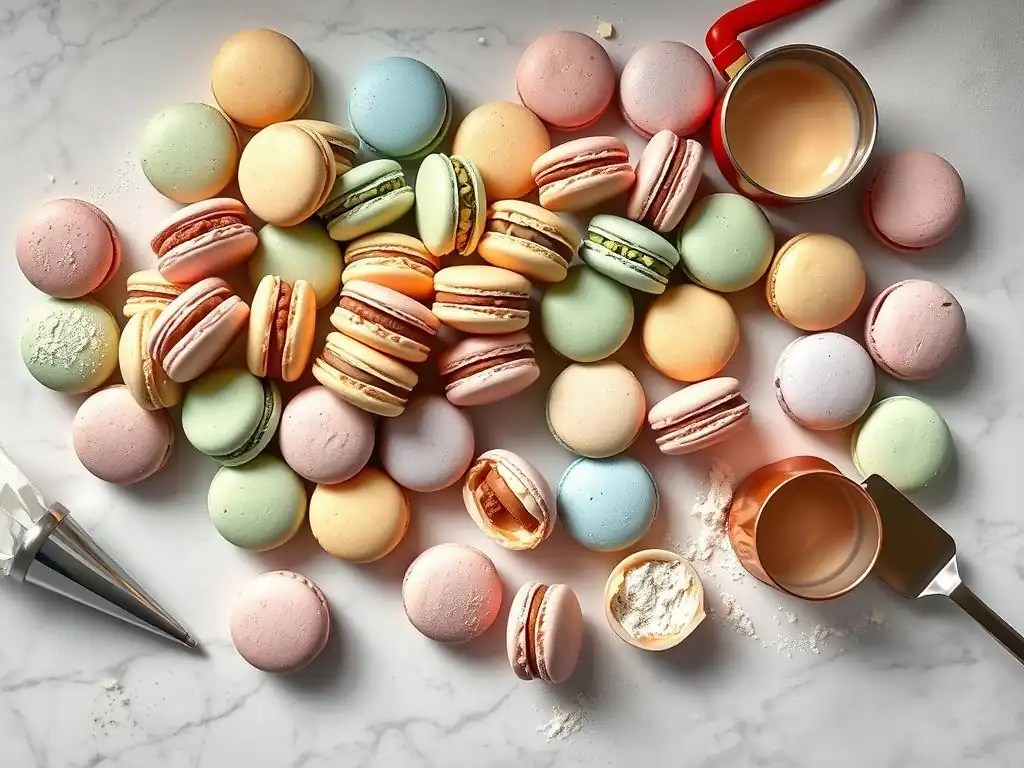
Macarons are perhaps the most iconic and visually stunning French pastry, known for their delicate, crisp shells and creamy fillings. While often considered challenging, an easy French macaron recipe is accessible to an advanced beginner baker willing to be precise and patient. They require careful technique, particularly in making the meringue and achieving the correct batter consistency, but the results are incredibly rewarding – beautiful, bite-sized delights in endless color and flavor combinations.
Successfully baking macarons involves understanding humidity, oven temperature, and the subtle art of "macaronage" (mixing the batter). While there's a learning curve, following a detailed easy French macaron recipe step-by-step can lead to success. Mastering macarons builds precision and attention to detail, skills invaluable for tackling other finicky French pastry recipes.
Mastering the Macaronage Technique: Tips for Success
"Macaronage" is the term for the crucial step of folding the dry ingredients (almond flour and powdered sugar) into the meringue (whipped egg whites and sugar). This process develops the batter's texture, allowing it to flow just enough to create smooth shells without air pockets, but not so much that they spread too thin. The goal is a batter that flows like lava or ribbon when lifted with a spatula.
Over-mixing the batter will result in flat, cracked shells, while under-mixing will lead to lumpy shells with no "feet" (the ruffled base). Practice is key here, and it's often the step that trips up beginners. Tips include using a gentle folding motion, scraping down the sides of the bowl frequently, and stopping as soon as the batter reaches the correct consistency – it should fall off the spatula in a continuous ribbon. Don't be discouraged if your first batch isn't perfect; macaronage takes feel, which comes with practice.
Silpat Macaron Baking Mat: Ensuring Uniform Size and Shape
A Silpat macaron baking mat is an incredibly useful tool for anyone attempting an easy French macaron recipe. These silicone mats are printed with circles, providing guides for piping macaron batter into uniform sizes and shapes. Consistency in size is important for pairing the shells after baking and ensuring they bake evenly.
Beyond providing size guides, Silpat mats offer a non-stick surface that ensures the delicate macaron shells release cleanly after baking, without sticking or breaking. They also help distribute heat evenly, contributing to a more consistent bake and promoting the development of the macaron's characteristic "feet." While parchment paper can be used, a Silpat mat simplifies the piping process and improves the chances of achieving professional-looking results with your French macaron recipe.
5. Clafoutis: A Rustic Fruit Dessert (Easy Clafoutis Recipe)
Clafoutis is a simple, rustic French dessert traditionally made with unpitted black cherries baked in a thick, flan-like batter. It's one of the most approachable French pastry recipes for beginners, requiring minimal effort for a delicious and comforting result. The batter is essentially a thick crêpe batter, poured over fruit and baked until set and golden. Its simplicity makes it a wonderful introduction to baked French desserts.
An easy clafoutis recipe is forgiving and versatile. While traditionally made with cherries, it works beautifully with a variety of fruits, allowing beginners to experiment with different flavors. It's served warm, often dusted with powdered sugar, and embodies the French philosophy of using fresh, seasonal ingredients in simple yet elegant ways. It's a great recipe for building confidence before tackling more complex baked goods.
Using Seasonal Fruits: Variations and Flavor Combinations
While the classic easy clafoutis recipe features black cherries (pits included, as they are said to impart an almond-like flavor! ), the dessert is wonderfully adaptable to other fruits. Using seasonal fruits is a fantastic way to explore variations and makes this French pastry recipe relevant year-round. In late summer, try sliced peaches or plums. Early fall calls for apples or pears, perhaps with a hint of cinnamon. Berries like blueberries or raspberries work well, though they can make the batter a little wetter.
When substituting fruits, consider their water content and sweetness. Fruits that release a lot of juice might require slightly less milk in the batter or a thicker batter overall. Pairing fruits with complementary flavors, like almonds with cherries or cinnamon with apples, can elevate the dish. This versatility makes clafoutis a perfect canvas for beginners to experiment and personalize their French pastry recipes.
Emile Henry Ruffled Ceramic Baking Dish: Perfect for Clafoutis Presentation
Clafoutis is typically baked and served in the same dish, making the choice of bakeware important for both cooking and presentation. An Emile Henry Ruffled Ceramic Baking Dish is an excellent choice for an easy clafoutis recipe. Made in France from high-fired Burgundy clay, these dishes provide even heat distribution, ensuring the clafoutis bakes uniformly and develops a lovely golden crust around the edges.
The ceramic material retains heat well, keeping the clafoutis warm at the table. The beautiful ruffled edge adds an elegant, rustic touch, making it perfect for serving directly from the oven. Emile Henry dishes are also durable and resistant to thermal shock, allowing them to go from the freezer to a hot oven (check specific product instructions). Using a beautiful dish like this enhances the simple charm of clafoutis and makes your beginner French pastry recipe feel even more special.
Beyond the Basics: Expanding Your French Pastry Repertoire
Once you've mastered a few basic French pastry recipes for beginners, you might be ready to delve deeper into techniques and more complex creations. Online courses offer a flexible way to learn from experienced instructors. A course titled "French Pastry Fundamentals," like those sometimes found on platforms such as Skillshare, can provide structured lessons covering key techniques such as choux pastry, various types of dough, creams, and classic French desserts.
These courses often include video demonstrations, making it easier to visualize techniques like tempering chocolate or folding dough. They break down seemingly complex recipes into manageable steps, perfect for beginners transitioning to intermediate levels. While specific course availability varies, seeking out titles focused on fundamentals ensures you build a strong base before tackling advanced patisserie.
"French Pastry Fundamentals" Review: Is it Worth the Investment?
Investing time (and sometimes money) in an online course like "French Pastry Fundamentals" is often worthwhile for serious beginners. Such courses typically cover essential concepts like understanding ingredient functions, proper mixing methods, and achieving desired textures. They often include several step-by-step recipes for foundational items like pâte à choux (for éclairs or cream puffs), pâte sucrée (sweet tart dough), or different types of mousses and ganaches.
For a beginner who learns well visually and wants structured learning beyond single recipes, a comprehensive course provides immense value. It helps demystify techniques and build confidence. While free resources exist, a dedicated course often offers more depth, expert tips, and a logical progression through fundamental skills needed to truly expand your French pastry recipes repertoire beyond the easiest options. Look for courses that emphasize technique and provide clear explanations.
French Baking Books for Beginners: "Patisserie: Mastering the Fundamentals of French Pastry" by Christophe Felder - A Comprehensive Guide
For those who prefer learning from physical books, "Patisserie: Mastering the Fundamentals of French Pastry" by Christophe Felder is often recommended as an excellent resource for serious beginners. Christophe Felder is a renowned French pastry chef, and his book is known for its clear explanations, detailed step-by-step photographs, and comprehensive coverage of essential French pastry techniques and recipes.
The book starts with the basics – explaining key ingredients, equipment, and fundamental preparations like various doughs, creams, and meringues. It then progresses to classic French pastries, providing detailed instructions that help beginners understand the why behind each step, not just the how. While some recipes can be challenging, the foundational sections are invaluable for building core skills needed to tackle a wide range of French pastry recipes.
"Patisserie: Mastering the Fundamentals of French Pastry" Summary and Key Takeaways
"Patisserie: Mastering the Fundamentals of French Pastry" is more than just a collection of recipes; it's a baking education in book form. Key takeaways from the book include the importance of precision and patience in French baking. Felder emphasizes technique, guiding the reader through processes like making puff pastry, choux pastry, or tempering chocolate with visual aids.
The book covers essential building blocks like crème pâtissière (pastry cream), ganache, and various types of meringue, which are used in countless French pastry recipes. It then applies these fundamentals to classic desserts like éclairs, religieuses, Saint-Honoré, and tarts. While some recipes are complex, the book's strength lies in teaching the core techniques that can be applied broadly, empowering beginners to understand and adapt French pastry recipes as they gain confidence. It's a book designed to build mastery from the ground up.
The French Pastry Experience: Where to Taste and Learn in France
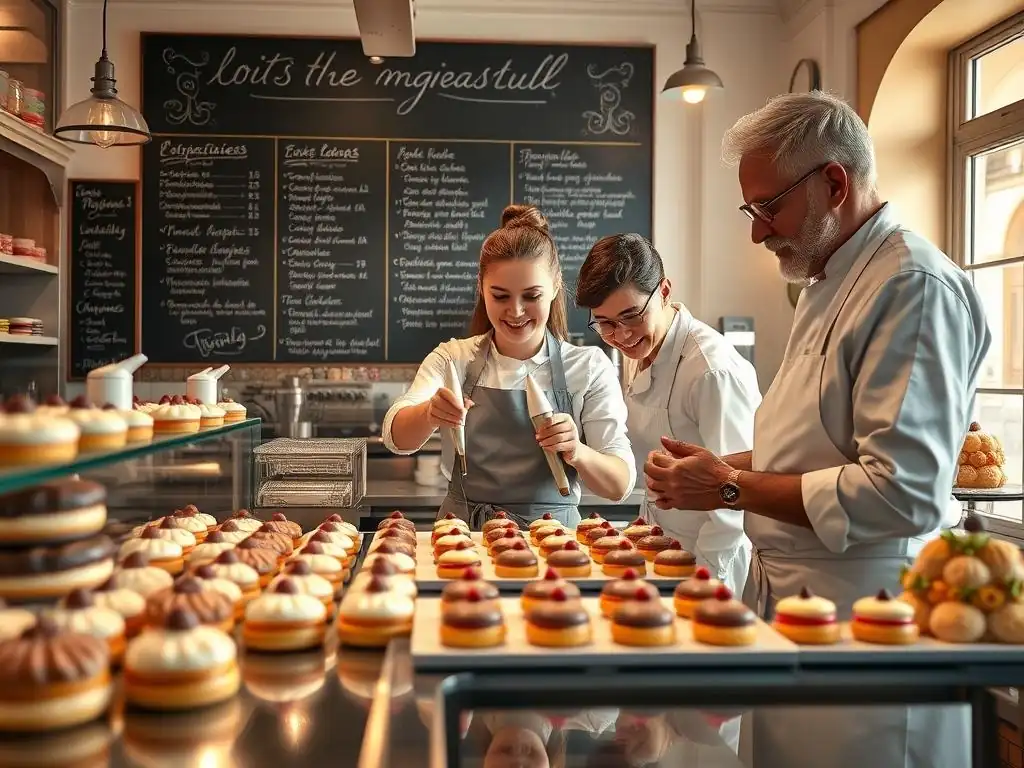
Parisian Pastry Shops You Can't Miss: Pierre Hermé and More
No exploration of French pastry recipes for beginners is complete without experiencing the peak of the art form in France itself. Paris, in particular, is home to legendary pâtisseries that offer unparalleled tasting experiences. Visiting these shops provides inspiration, sets a benchmark for quality, and allows you to taste the authentic flavors you're striving to recreate at home. Pierre Hermé, often dubbed the "Picasso of Pastry," is a must-visit, famous for his innovative macaron flavors and exquisite tarts.
Beyond Hermé, other iconic names include Ladurée, known for its classic macarons and elegant tea rooms; Angelina, famous for its rich hot chocolate and Mont-Blanc pastry; and countless smaller, equally talented neighborhood bakeries. Exploring these shops, perhaps sampling a classic croissant from one, a pain au chocolat from another, and a colorful macaron from a third, is an essential part of the French pastry journey. It fuels your passion for baking and provides delicious motivation to keep practicing those French pastry recipes for beginners.
Hands-On Baking Classes in France: Le Cordon Bleu Paris - Immerse Yourself in French Culinary Culture
For the ultimate immersive experience, taking a hands-on baking class in France is a fantastic opportunity. Institutions like Le Cordon Bleu Paris offer short courses and workshops specifically focused on French patisserie techniques, perfect for enthusiastic beginners or those looking to refine their skills. Learning in a professional kitchen environment with experienced French chefs provides invaluable insights and practical experience.
These classes cover everything from mastering classic doughs and creams to assembling intricate desserts. They offer personalized guidance and the chance to ask questions in real-time. While a full diploma program is a significant commitment, shorter workshops allow you to learn specific French pastry recipes and techniques in an authentic setting. It's an investment in your baking education that deepens your understanding and appreciation of French culinary culture.
From Beginner Baker to French Pastry Pro: Your Journey Starts Now
Resources and Further Learning: Continuing Your Baking Education
The path from a beginner baker to a confident French pastry enthusiast is one of continuous learning and practice. Once you've tackled the initial French pastry recipes for beginners, there's a vast world of techniques and recipes to explore. Utilize online resources like BakeWithEase.com for new recipes and tips, revisit sections of books like "Patisserie" as you feel ready for more complex challenges, and consider taking additional online courses focusing on specific areas like chocolate work or laminated doughs.
Practice is the most important ingredient. Don't be discouraged by failed attempts; every bake is a learning opportunity. Keep experimenting with different recipes and techniques. As you build confidence with fundamental French pastry recipes, you'll find that more advanced creations become accessible. The French pastry world is deep and rewarding, offering a lifetime of learning and delicious rewards.
One of the most enjoyable parts of learning French pastry recipes for beginners is sharing your delicious creations with others. Baking is often a way to show care and connect with friends and family. As you bake, take photos of your successes (and even your learning moments!) and share them.
Consider joining the BakeWithEase community or other online baking groups. Sharing your experiences, asking questions, and seeing what others are baking can provide motivation, support, and new ideas. It's a great way to celebrate your progress, get feedback, and connect with fellow baking enthusiasts who share your passion for French pastry recipes. Your journey from beginner to pro is best enjoyed with others!
Frequently Asked Questions
What makes French pastries so appealing, especially for beginners?
French pastries often emphasize precise techniques and high-quality ingredients. While some may seem daunting, many beginner-friendly recipes exist that introduce core concepts without overwhelming complexity.
Are there specific French pastry recipes that BakeWithEase recommends for beginners?
BakeWithEase offers several beginner-friendly French pastry recipes, including madeleines, crêpes, and simple fruit tarts. These recipes feature step-by-step guides and easy-to-find ingredients.
What are some essential tools or ingredients needed to start baking French pastries at home?
Key tools include a good-quality oven, measuring cups and spoons, mixing bowls, and a rolling pin. Essential ingredients often include butter, flour, eggs, and sugar, with variations depending on the recipe.
How does BakeWithEase help bakers of all levels learn French pastry techniques?
BakeWithEase provides simple recipes, detailed instructions, and helpful tips for bakers of all levels. Our focus is on breaking down complex techniques into manageable steps, making French pastries accessible.
Beyond recipes, what other resources does BakeWithEase offer for aspiring French pastry chefs?
Besides recipes, BakeWithEase offers articles on baking techniques, ingredient guides, and troubleshooting tips. We aim to be a comprehensive resource for anyone interested in mastering the art of baking, especially French pastries.
Final Reflection: A Slice of Heaven and a Recipe for Adventure
The allure of French pastries transcends mere culinary delight; it's a journey into artistry, history, and the simple pleasure of indulging in exquisite flavors. This exploration into the world of French baking, specifically tailored for beginners, highlights not only the accessibility of these iconic treats but also the rich cultural tapestry woven into each delicate layer and perfectly piped swirl. The recipes presented are more than just instructions; they are keys unlocking a world of sensory experiences.
The enduring influence of French pastry on global cuisine is undeniable. From the humble croissant to the elegant macaron, these creations have captivated palates and inspired countless imitations. The art of French pastry is a testament to the power of simplicity and precision, transforming humble ingredients into works of art.
This quote perfectly encapsulates the essence of what I've aimed to convey throughout this article – that while the techniques may seem daunting at first, the rewards are immeasurable, both in taste and in the personal satisfaction of creating something beautiful. The process itself becomes a meditative act, a mindful escape from the everyday.
Now, I invite you to don your apron, gather your ingredients, and embark on your own culinary adventure. Don't be intimidated by the seemingly complex techniques; embrace the challenge, savor the process, and allow yourself to be transported to the charming boulangeries of France, even from the comfort of your own kitchen. The sweetest escape awaits – begin your journey with a single recipe, and discover the joy of creating your own slice of Parisian heaven.
Unleash Your Inner Pâtissier: Take the Next Step!
Thanks for joining us on this delicious journey through France's pastry paradise! We hope you've gained a newfound appreciation for the artistry and tradition behind these delectable treats. Now it's time to turn your inspiration into action.
- Plan your French pastry adventure: Begin researching your dream French getaway, focusing on regions known for specific pastries that excite you most. Imagine yourself savoring a perfectly flaky croissant in a Parisian café!
- Dive deeper into French baking techniques: Explore our website for more recipes and tutorials inspired by the French pastry world. Learn to recreate some of these masterpieces in your own kitchen.
- Share your pastry passion: Tell us about your favorite French pastry or your baking adventures inspired by this article! Leave a comment below and let's spark some delicious conversation.
What incredible French pastry are you most excited to try – or bake – next?