
Beginner's Guide to Balancing Winter Flavors: Spice & Citrus

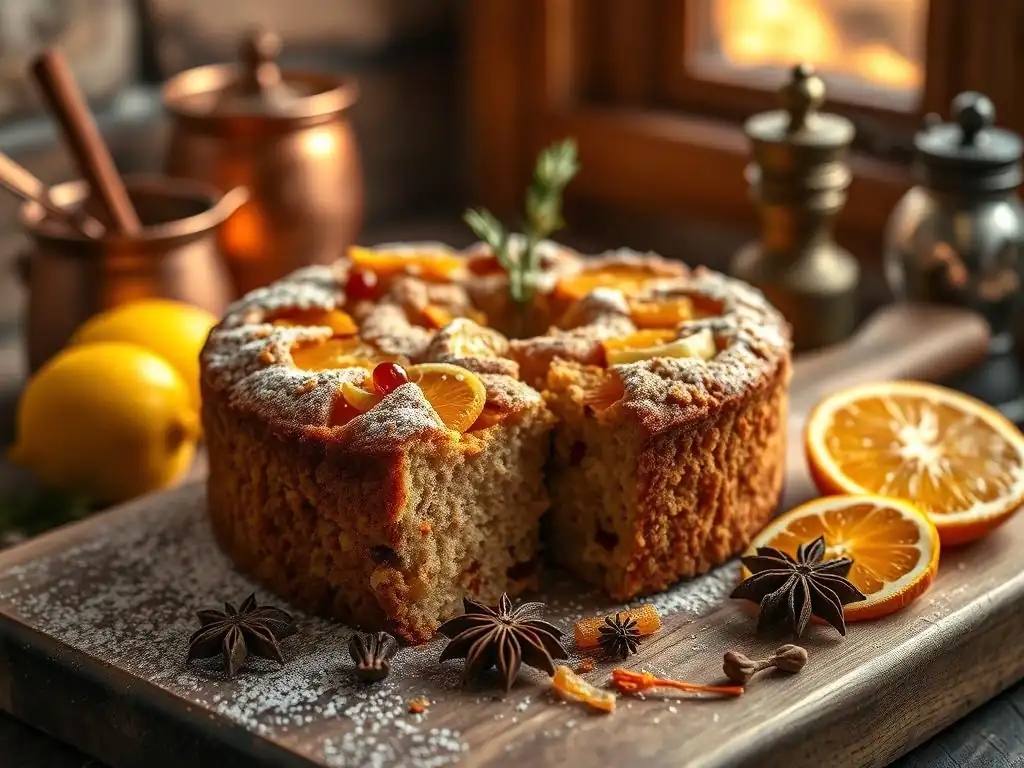
Welcome to BakeWithEase, your friendly guide to unlocking the joy of baking! Winter's chill calls for cozy flavors, and in this article, we'll be diving into the delightful world of the Winter Citrus Spice Cake. Ever wondered how to perfectly balance the zest of citrus with the warmth of spice? Prepare to embark on a flavorful journey as we reveal the secrets to crafting a cake that's both comforting and invigorating. Get ready to elevate your baking game – the secrets are just a scroll away!
- Beginner's Guide to Balancing Winter Flavors: Spice & Citrus for BakeWithEase
- Introduction to Winter Baking with Spices and Citrus
- Understanding Winter Citrus Fruits for Baking
- The Art of Spicing Winter Bakes
- The Key to Balancing Citrus and Spice Flavors
- Beginner-Friendly Recipes: Baking with Winter Citrus and Spices
- Tips & Tricks for Enhancing Your Winter Bakes
- Mastering the Clementine Spice Cake: A Recap
-
Frequently Asked Questions
- What makes a Winter Citrus Spice Cake different from other cakes?
- What are the best citrus fruits to use in a Winter Citrus Spice Cake?
- How can I adjust the spice levels in my Winter Citrus Spice Cake?
- What are some common mistakes to avoid when baking a Winter Citrus Spice Cake?
- What's the best way to store a Winter Citrus Spice Cake to keep it fresh?
- Final Reflection: A Symphony of Winter Flavors, Beyond the Cake
- Unleash Your Inner Pastry Chef: Master Winter Baking!
Beginner's Guide to Balancing Winter Flavors: Spice & Citrus for BakeWithEase
Introduction to Winter Baking with Spices and Citrus
Welcome to Winter Baking Season at BakeWithEase.com
As the days grow shorter and the air turns crisp, our kitchens beckon with the promise of warm, comforting aromas. Winter baking season is a truly special time, inviting us to explore rich flavors and cozy textures. It's the perfect opportunity to bake treats that not only satisfy the sweet tooth but also wrap you in a sense of warmth and nostalgia. Think of spiced gingerbread, rich fruitcakes, and, of course, delightful cakes that bring together the best of the season's produce and warming spices.
At BakeWithEase.com, we believe that mastering winter baking is all about understanding how different flavors interact. This season, we're focusing on a classic, yet incredibly versatile pairing: the bright, zesty notes of winter citrus fruits and the deep, comforting warmth of spices. Learning to balance these elements is key to creating memorable bakes that truly sing with the spirit of winter. Whether you're aiming for a simple spiced cookie or an impressive Winter citrus spice cake, getting the proportions right makes all the difference.
Discover the Magic of Combining Winter Citrus and Warm Spices
The combination of citrus and spice might seem simple, but its potential for creating complex and delicious flavors is immense. Winter citrus fruits like oranges, lemons, and mandarins offer a burst of acidity and freshness that cuts through the richness often found in cold-weather desserts. Their vibrant notes provide a beautiful contrast to the deep, earthy, and sometimes fiery characteristics of spices such as cinnamon, ginger, cloves, and cardamom.
When these two flavor families meet in a bake, magic happens. The bright citrus zest can lift the heaviness of a spiced batter, while the warm spices can mellow the tartness of the fruit, creating a harmonious and layered taste experience. Mastering this balance allows you to create everything from light and airy cakes infused with orange and cardamom to dense, moist loaves bursting with lemon and ginger. It’s a fundamental skill for any baker looking to elevate their winter repertoire and confidently tackle recipes like a classic Winter citrus spice cake.
Understanding Winter Citrus Fruits for Baking
Exploring Popular Winter Citrus Varieties
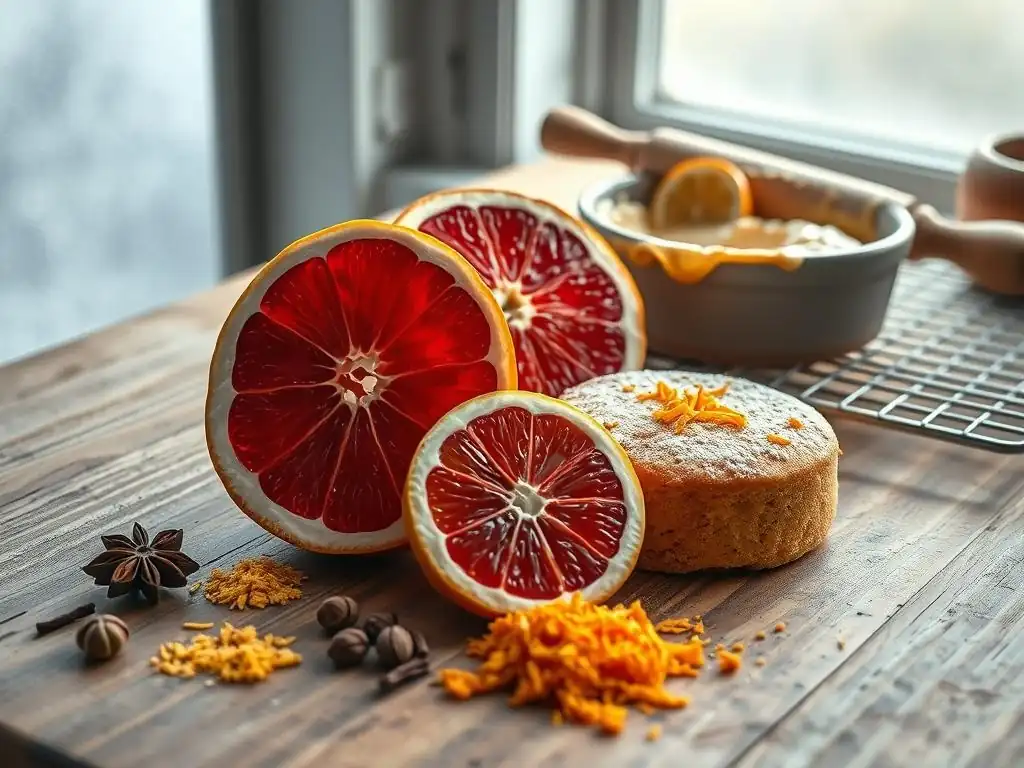
Winter is peak season for many citrus fruits, offering them at their freshest and most flavorful. Each variety brings its own unique profile to baking. Knowing these differences helps you choose the right fruit for your recipe, whether you need intense tartness, delicate sweetness, or a specific aromatic quality. Using fresh, in-season citrus is paramount for achieving the best results in your baked goods.
From the ubiquitous orange to the less common but equally delightful kumquat, the winter months provide a bounty of options. For instance, Navel oranges, widely available in winter, offer a good balance of sweetness and acidity, making their juice and zest versatile for cakes and glazes. Meyer lemons, often available in late winter, are less acidic and slightly sweeter than standard lemons, adding a nuanced brightness to tarts and cookies. Understanding these nuances is the first step in creating truly exceptional citrus-infused bakes.
Oranges: A Classic Choice for Winter Baking
Oranges are perhaps the most iconic winter citrus, and for good reason. Varieties like Navel and Cara Cara (which has a lovely pink flesh) are sweet enough to eat out of hand but also provide excellent juice and zest for baking. Orange zest is packed with aromatic oils that release intense flavor when heated, making it perfect for infusing batters and doughs.
Using orange juice adds moisture and a gentle tang, complementing spices like cinnamon and cloves beautifully. For example, a typical orange bundt cake might call for the zest of two large oranges and about 1 cup of fresh orange juice to achieve a prominent citrus note alongside warm spices. The natural sugars in the juice also contribute to browning and tenderness.
Grapefruit: Adding a Tangy Twist to Your Recipes
Grapefruit, particularly the ruby red varieties, offers a more pronounced tartness and a slight bitterness compared to oranges. While often enjoyed on its own, grapefruit can be a surprisingly sophisticated ingredient in baking. Its sharp flavor provides a wonderful counterpoint to sweet and rich components.
In baking, grapefruit zest is potent and fragrant, while the juice adds a bright, acidic punch. It pairs exceptionally well with spices like cardamom and ginger. Consider a recipe for a grapefruit and cardamom loaf cake; it might use the zest of one large grapefruit and about 1/2 cup of juice to give the cake a distinct, tangy edge that cuts through the richness of the butter and sugar, creating a complex and refreshing flavor profile.
Lemons and Limes: Brightening Up Your Winter Treats
Lemons and limes are powerhouses of acidity and brightness. While available year-round, their vibrant, sharp flavors are particularly welcome in winter baking to lift heavier, spiced batters. Lemon zest is intensely aromatic due to its high concentration of essential oils, delivering a pure, sunny citrus punch.
Lemon juice provides acidity which can interact with leavening agents (like baking soda) to create a lighter texture, and it balances sweetness. A classic lemon drizzle cake relies heavily on both zest and juice for its signature flavor. Similarly, lime zest and juice offer a slightly different, often more floral or herbal, brightness that pairs wonderfully with ginger or coconut in certain recipes. A simple lemon and ginger cookie might use the zest of one lemon and 1-2 tablespoons of juice to ensure a noticeable citrus kick.
Clementines and Mandarins: Sweet and Easy-to-Peel Options
Clementines and mandarins are small, sweet, and easy to handle, making them a joy to bake with. They offer a milder, sweeter citrus flavor compared to lemons or grapefruits, and their zest is less intensely perfumed than that of oranges, but still wonderfully aromatic.
These smaller citrus fruits are excellent for incorporating whole segments into cakes (after removing seeds and pith) or using their juice and zest for a more delicate citrus note. A Winter citrus spice cake specifically featuring clementines might use the zest of 3-4 fruits and about 3/4 cup of juice, providing a gentle sweetness and aroma that harmonizes beautifully with warm spices without being overly dominant. Their ease of peeling also makes them great for involving younger bakers.
The Unique Flavor Profiles of Each Citrus Fruit
Understanding the subtle differences in flavor profiles is crucial for successful baking. Oranges offer a classic sweet and tangy balance with a robust aroma. Grapefruits provide a more assertive tartness with a hint of bitterness, ideal for cutting richness. Lemons and limes deliver pure, sharp acidity and intense brightness, perfect for adding a zesty punch. Clementines and mandarins are sweeter and less acidic, offering a softer, more delicate citrus presence.
| Citrus Type | Primary Flavor Notes | Best Use in Baking | Typical Acidity (Approx. pH) |
|---|---|---|---|
| Orange | Sweet, Tangy, Aromatic | Cakes, Muffins, Glazes, Curds | 3.5 - 4.5 |
| Grapefruit | Tart, Slightly Bitter | Loaves, Scones, Tarts, Jams | 3.0 - 3.5 |
| Lemon | Tart, Bright, Pungent | Cakes, Cookies, Curds, Frostings | 2.0 - 2.5 |
| Lime | Tart, Zesty, Slightly Floral | Cookies, Pies, Tropical Bakes | 2.0 - 2.5 |
| Clementine/Mandarin | Sweet, Mild, Delicate | Cakes, Muffins, Quick Breads, Glazes | 3.5 - 4.5 |
Choosing the right citrus depends on the desired outcome: use lemon for maximum brightness, grapefruit for a sophisticated tang, or clementine for a gentle sweetness in your Winter citrus spice cake.
The Art of Spicing Winter Bakes
Essential Spices for Winter Baking
Spices are the soul of winter baking, providing the warmth, depth, and comforting aromas we crave during the colder months. Just like citrus, each spice has its own character and contributes differently to a recipe. Using fresh, high-quality spices is just as important as using fresh citrus for achieving vibrant flavors. Ground spices lose potency over time, so checking their freshness is key – a quick sniff should reveal a strong aroma.
Building a well-stocked spice cabinet is essential for any winter baker. While the possibilities are endless, a few key spices form the foundation of most classic winter recipes. These core spices pair exceptionally well with the various winter citrus fruits, making them indispensable for creating delicious baked goods, including any Winter citrus spice cake.
Cinnamon: The Warmth of Winter
Cinnamon is arguably the most quintessential winter spice. Its warm, sweet, and woody flavor is incredibly versatile and pairs well with almost everything, especially apples, pumpkins, and, of course, citrus. It's available in sticks or ground form; ground is generally preferred for batters and doughs as it disperses more evenly.
High-quality cinnamon, like Ceylon or Saigon varieties, offers a more complex flavor than standard Cassia cinnamon. A typical cake recipe might call for 1 to 2 teaspoons of ground cinnamon, providing a foundational warmth. Cinnamon's natural sweetness also helps to reduce the perceived tartness of citrus, creating a balanced flavor profile in a Winter citrus spice cake.
Nutmeg: A Nutty and Aromatic Spice
Nutmeg offers a warm, slightly nutty, and intensely aromatic flavor. It's best when freshly grated from a whole nutmeg using a fine grater, as its volatile oils dissipate quickly once ground. Just a pinch can add significant depth to baked goods.
Nutmeg pairs wonderfully with dairy and eggs, making it a natural fit for custards, cakes, and muffins. It complements cinnamon and ginger particularly well. In a spice blend for a Winter citrus spice cake, you might use about 1/4 to 1/2 teaspoon of freshly grated nutmeg alongside the cinnamon to add a layer of subtle complexity. Be cautious, as too much nutmeg can become overpowering or even bitter.
Ginger: Adding a Zesty Kick
Ginger brings a warm, pungent, and slightly peppery heat to baking. It's available fresh, ground, or crystallized. Fresh ginger is often used in syrups or grated into batters for a more vibrant, zesty flavor, while ground ginger provides a more consistent, earthy warmth.
Ground ginger is a staple in gingerbread, spice cookies, and many cakes. It pairs exceptionally well with lemon and lime, enhancing their brightness with its spicy notes. A recipe for ginger-spiced muffins might call for 1 teaspoon of ground ginger, while a more intensely flavored ginger cake could use 2 teaspoons or more, sometimes combined with grated fresh ginger for extra punch.
Cloves: A Deep and Earthy Flavor
Cloves are small but mighty, offering an intense, deep, and slightly earthy flavor with a pronounced warmth. Like nutmeg, they are very potent and should be used sparingly, especially when ground. A little goes a long way!
Ground cloves are often used in spice blends for gingerbread, pumpkin pie, and fruitcakes. They pair well with oranges and apples. In a spice mix for a Winter citrus spice cake, you might only need 1/8 to 1/4 teaspoon of ground cloves to add depth without overwhelming the other flavors. Their strong aroma and flavor are a key component in many traditional holiday spice mixes.
Cardamom: An Exotic and Fragrant Spice
Cardamom offers a unique, highly aromatic flavor that is slightly floral, citrusy, and subtly spicy. It's available as whole pods, shelled seeds, or ground. For the most potent flavor, it's best to grind whole green cardamom seeds just before use.
Cardamom is a staple in Scandinavian and Middle Eastern baking and pairs beautifully with oranges, lemons, and even grapefruit. Its complex aroma adds a sophisticated touch to cakes, cookies, and breads. In a Winter citrus spice cake, 1/2 to 1 teaspoon of ground cardamom can add an exotic layer that complements the citrus notes wonderfully, creating a memorable flavor profile.
How to Use Spices Effectively in Winter Baking
Using spices effectively involves more than just adding them to a recipe. Consider the form (whole vs. ground), the freshness, and how different spices interact. Ground spices should typically be added to the dry ingredients to ensure they are evenly distributed throughout the batter or dough. For maximum flavor extraction from whole spices (like cinnamon sticks or whole cloves), they can be steeped in liquids (milk, cream, syrup) that will be added to the recipe, then strained out before mixing.
- Check Freshness: Ground spices lose flavor over ~6-12 months. Rub a small amount between your fingers; if the aroma is weak, it's time for a fresh batch.
- Grind Whole Spices: Grinding whole nutmeg, cardamom, or cloves just before use yields significantly more vibrant flavor.
- Bloom Spices: Sometimes, spices benefit from being gently heated in a small amount of fat (like butter or oil) for 30-60 seconds before adding to the batter. This helps release their aromatic compounds.
- Consider Spice Blends: Many recipes use a blend of spices (e.g., cinnamon, nutmeg, ginger, cloves). The specific ratios create distinct flavor profiles. A common blend for a Winter citrus spice cake might be 2 parts cinnamon, 1 part ginger, 1/2 part nutmeg, and 1/4 part cloves.
#### Example Spice Blend Ratio for Citrus Cake
- 2 tsp Ground Cinnamon
- 1 tsp Ground Ginger
- 1/2 tsp Ground Nutmeg (freshly grated preferred)
- 1/4 tsp Ground Cloves
Adjusting these ratios allows you to emphasize certain flavors – more ginger for heat, more cinnamon for classic warmth, more cardamom for fragrance.
The Key to Balancing Citrus and Spice Flavors
Understanding Flavor Interactions
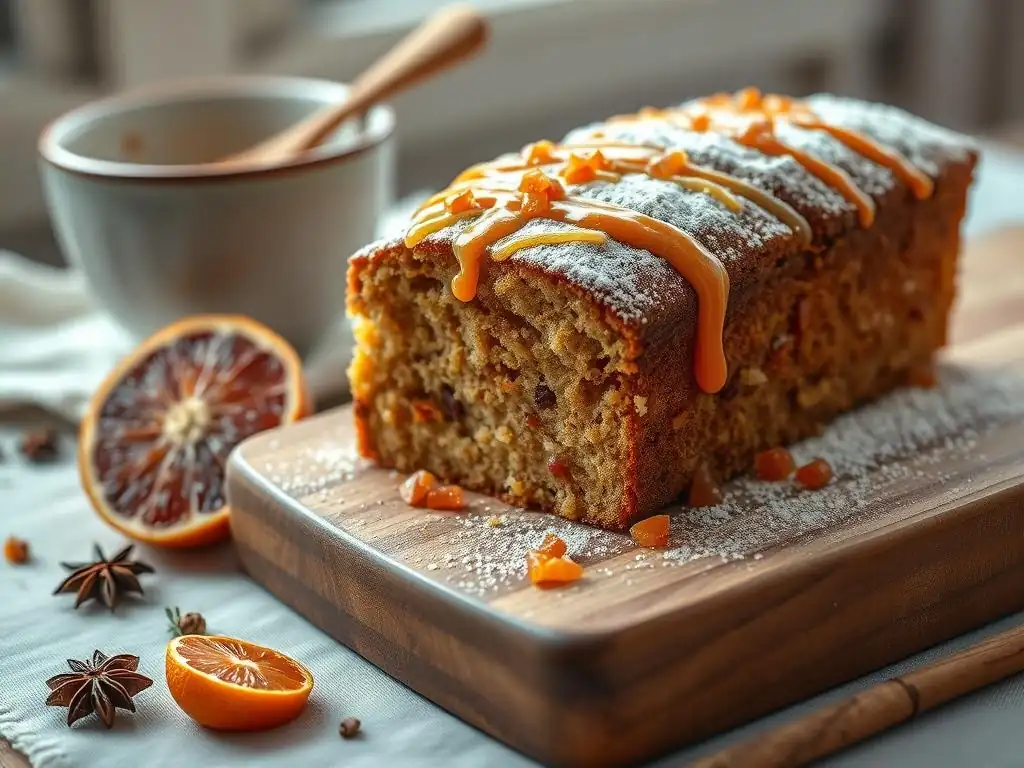
Achieving perfect flavor harmony in a Winter citrus spice cake is a delicate dance. Citrus flavors are primarily defined by acidity (sourness) and aromatic oils (fragrance). Spices offer warmth, pungency, sweetness, and often earthy or woody notes. When combined, acidity can brighten and lift heavy spice flavors, while the warmth and sweetness of spices can soften the sharp edges of citrus.
Consider the impact of sugar. Sugar is not just for sweetness; it also interacts with both citrus and spice flavors. It can enhance the perception of sweetness in spices like cinnamon and temper the sourness of citrus. Fat (like butter or oil) also plays a role by carrying fat-soluble flavor compounds from both citrus zest and many spices, distributing them throughout the bake and contributing to richness. Understanding these interactions is fundamental to adjusting recipes and creating your desired flavor profile.
Avoiding Overpowering Flavors in Your Winter Treats
One of the biggest challenges in combining citrus and spice is preventing one element from completely dominating the other. Too much spice can make a cake taste muddy or harsh, while excessive citrus can make it overly sour or bitter (especially if pith is included). The goal is a balanced profile where both the bright citrus and the warm spices are discernible and complementary.
To avoid overpowering flavors, start with recommended amounts in a recipe and taste as you go (if appropriate, like in frostings or glazes). For batters, rely on trusted recipes or make small test batches. Remember that flavors can change during baking; some spice notes become more pronounced with heat, while citrus can mellow slightly but its aroma remains. Using fresh ingredients is your best defense against weak or off flavors that tempt you to add too much. For instance, using stale ground ginger might lead you to add excessive amounts to get flavor, resulting in an unbalanced bake.
Tips for Achieving Perfect Flavor Harmony
Balancing citrus and spice requires careful measurement and thoughtful pairing. Here are some practical tips:
- Start with Zest: Citrus zest contains the majority of the aromatic oils. Use plenty of zest for vibrant flavor without adding excess liquid or acidity from juice. Aim for about 1-2 tablespoons of finely grated zest per standard cake recipe.
- Juice for Brightness and Moisture: Use juice to add acidity and moisture, but be mindful of the volume, as too much liquid can affect texture. About 1/4 to 1 cup of juice is common in a cake.
- Measure Spices Accurately: Especially potent spices like cloves and nutmeg. Use measuring spoons and level them off.
- Consider Spice Form: Freshly grated nutmeg is more potent than pre-ground. Using whole spices infused into liquids can give a different, often more subtle, flavor than ground spices mixed directly into the batter.
- Taste and Adjust (Where Possible): For glazes, frostings, or syrups, taste and adjust citrus juice/zest or spice levels before applying. For batters, note the flavor profile and make adjustments in future bakes.
- Pair Wisely: Some combinations are classic for a reason – orange and cinnamon/clove, lemon and ginger/cardamom, grapefruit and cardamom. Experiment but know these reliable pairings.
- [ ] Ensure citrus zest is finely grated to distribute flavor evenly.
- [ ] Use fresh spices for maximum potency and aroma.
- [ ] Start with slightly less spice than you think you need, especially for potent ones like cloves.
- [ ] Consider adding a pinch of salt to enhance both sweet and spice/citrus flavors.
Achieving the perfect Winter citrus spice cake is an iterative process. Don't be afraid to experiment and adjust ratios based on your personal preference after your first attempt.
Beginner-Friendly Recipes: Baking with Winter Citrus and Spices
Simple Clementine Spice Cake Recipe
This recipe is designed to be straightforward for beginners, focusing on the lovely, mild sweetness of clementines combined with classic warming spices. It's a perfect introduction to balancing these flavors in a simple loaf cake format.
Ingredients for Your First Clementine Spice Cake
Gathering your ingredients accurately is the first step to success. For this simple Clementine Spice Cake, you'll need standard baking staples plus fresh clementines and your spice blend.
*   1 and 3/4 cups (220g) All-purpose flour
*   1 tsp Baking powder
*   1/2 tsp Baking soda
*   1/4 tsp Salt
*   1 tsp Ground cinnamon
*   1/2 tsp Ground ginger
*   1/4 tsp Ground nutmeg (freshly grated preferred)
*   1/8 tsp Ground cloves
*   1/2 cup (115g) Unsalted butter, softened
*   3/4 cup (150g) Granulated sugar
*   2 Large eggs
*   1 tsp Vanilla extract
*   Zest of 3-4 Clementines (about 1 tbsp)
*   1/2 cup (120ml) Freshly squeezed Clementine juice (from approx. 3-4 fruits)
*   1/2 cup (120ml) Buttermilk (or milk mixed with 1/2 tsp lemon juice, let stand 5 mins)
These specific amounts are designed for a standard 9x5 inch loaf pan. Using buttermilk adds tenderness to the cake, which pairs well with the gentle citrus flavor.
Step-by-Step Baking Instructions
Follow these steps carefully for a delicious and moist Clementine Spice Cake. Precision in measuring and mixing is key for beginners.
- Preheat your oven to 350°F (175°C). Grease and flour a 9x5 inch loaf pan, or line it with parchment paper.
- In a medium bowl, whisk together the flour, baking powder, baking soda, salt, cinnamon, ginger, nutmeg, and cloves. Set aside.
- In a large bowl, cream together the softened butter and granulated sugar until light and fluffy (about 2-3 minutes with an electric mixer).
- Beat in the eggs one at a time, mixing well after each addition. Stir in the vanilla extract and clementine zest.
- In a small bowl, whisk together the clementine juice and buttermilk.
- Alternately add the dry ingredients and the wet ingredients (clementine juice/buttermilk mixture) to the butter mixture, beginning and ending with the dry ingredients. Add about a third of the dry ingredients, mix until just combined, then add a third of the wet, mix, and repeat. Do not overmix. Mix until just combined, with no dry streaks of flour visible.
- Pour the batter evenly into the prepared loaf pan.
- Bake for 50-65 minutes, or until a wooden skewer inserted into the center comes out clean. The top should be golden brown and spring back slightly when gently pressed.
- Let the cake cool in the pan for 10-15 minutes before inverting it onto a wire rack to cool completely.
This simple recipe provides a solid foundation for understanding how citrus and spice interact in a cake batter. The aroma while baking is truly indicative of a delicious Winter citrus spice cake!
Other Easy Winter Baking Recipes to Try
Once you've mastered the Clementine Spice Cake, you can explore other ways to combine winter citrus and spices. These recipes use similar principles but offer different textures and flavor combinations.
Spiced Orange and Cranberry Muffins
These muffins combine the classic pairing of orange and cranberry with warming spices. The tart cranberries provide bursts of flavor that contrast beautifully with the sweet orange and spice. A typical recipe would call for orange zest and juice, ground cinnamon, nutmeg, and perhaps a pinch of allspice, combined with fresh or frozen cranberries folded into a simple muffin batter. Baking time is usually shorter, around 20-25 minutes for standard-sized muffins.
Lemon and Ginger Cookies for Winter
Lemon and ginger are a match made in heaven, especially in a chewy cookie. The bright, zesty lemon cuts through the warmth and slight heat of the ginger. This recipe often involves creaming butter and sugar, adding eggs, vanilla, lemon zest and juice, then incorporating flour, baking soda, salt, and both ground and sometimes finely minced crystallized ginger for extra chew and flavor. Baking takes around 10-12 minutes, resulting in a cookie that is both comforting and invigorating.
Grapefruit and Cardamom Scones
For a more sophisticated pairing, grapefruit and cardamom in scones offer a delightful combination for breakfast or tea. The slight bitterness and tartness of grapefruit zest and juice are softened by the richness of the scone dough and the aromatic, slightly floral notes of cardamom. This recipe typically involves cutting cold butter into flour, sugar, baking powder, salt, and ground cardamom, then gently mixing in grapefruit zest and juice along with cream or buttermilk. Scones bake relatively quickly, usually in 15-20 minutes, producing tender, flavorful results.
Tips & Tricks for Enhancing Your Winter Bakes
Zesting and Juicing Citrus Like a Pro
Getting the most flavor from your citrus starts with proper technique.
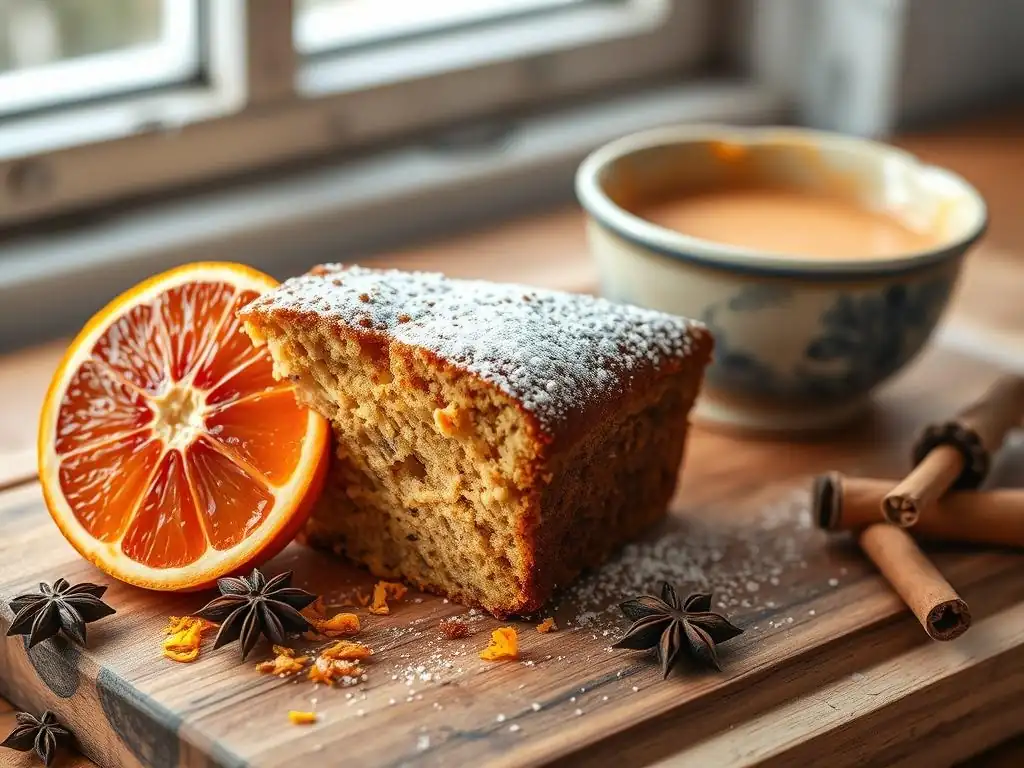
- Zesting: Use a microplane grater for fine zest that incorporates easily into batters without noticeable pieces. Only grate the colored part of the peel; the white pith underneath is bitter. Wash and dry the fruit thoroughly before zesting. For recipes calling for specific amounts, remember that one medium lemon or orange typically yields about 1 tablespoon of zest.
- Juicing: Roll the fruit firmly on a counter before cutting to help release more juice. Cut the fruit in half crosswise. Use a reamer or citrus press for efficient juicing. Strain the juice to remove seeds and pulp unless the recipe specifies otherwise. A medium lemon yields about 2-3 tablespoons of juice, an orange about 1/4 to 1/3 cup, and a clementine about 2-3 tablespoons.
Storing Winter Citrus and Spices for Optimal Freshness
Proper storage preserves the vibrant flavors of your ingredients.
- Citrus: Store whole citrus fruits at room temperature for up to a week, or in the refrigerator's crisper drawer for 2-3 weeks. Zest can be frozen in a small airtight container or bag for several months; it retains its aroma well. Juice can also be frozen in ice cube trays and then transferred to a bag.
- Spices: Store ground spices and whole spices in airtight containers away from heat, light, and moisture. A cool, dark pantry is ideal. Ground spices are best used within 6-12 months, while whole spices can last 2-3 years or longer. Label containers with the purchase date to track freshness.
Adjusting Spice Levels to Suit Your Taste
Recipes provide a starting point, but your personal preference dictates the perfect spice balance.
- Start Small: If you're unsure, use slightly less of a potent spice like cloves or nutmeg than the recipe calls for. You can't take it out once it's in!
- Increase Gradually: For future bakes, if you want more spice intensity, increase the amount by 1/4 or 1/2 teaspoon at a time for common spices like cinnamon and ginger, and by 1/8 teaspoon for stronger ones like cloves and cardamom.
- Focus on Blends: Experiment with the ratios within a blend rather than just increasing everything. Want more warmth? Increase cinnamon. More heat? Increase ginger. More fragrance? Increase cardamom.
- Consider Other Flavors: If your cake has other strong flavors (like chocolate or nuts), you might need slightly more spice to stand out.
Troubleshooting Common Winter Baking Issues
Even experienced bakers encounter challenges. Here are a few common ones when working with citrus and spice:
- Cake is Dense/Heavy: Possible causes include overmixing the batter (develops too much gluten), using ingredients that aren't at room temperature (especially butter and eggs), or incorrect leavening amounts/expired leaveners. Ensure ingredients are at room temp and mix gently until just combined after adding dry ingredients.
- Spice Flavor is Weak: Most likely culprit is old, stale spices. Replace ground spices regularly. Using whole spices ground just before use will give the most intense flavor.
- Citrus Flavor Isn't Bright: You might not be using enough zest, or the zest is from fruit that isn't fresh. Ensure you're only grating the colored part of the peel and using a microplane for maximum release of oils. Adding a citrus-based glaze or syrup after baking can also boost flavor.
- Cake Top Cracks Excessively: Oven temperature might be too high, causing the outside to set before the inside is fully risen. Your pan size might also be too small for the amount of batter.
By understanding these common issues, you can often diagnose and fix problems, leading to better results in your Winter citrus spice cake and other bakes.
Mastering the Clementine Spice Cake: A Recap
Key Takeaways for Balancing Flavors
Baking a successful Winter citrus spice cake, or any bake combining these flavors, hinges on understanding and balancing their unique characteristics. Remember that citrus brings brightness and acidity, while spices provide warmth and depth. Using fresh, high-quality ingredients is non-negotiable for vibrant flavor.
- Prioritize using zest for intense citrus aroma without excess liquid.
- Use freshly ground or fresh spices for maximum potency.
- Start with balanced spice ratios and adjust gradually based on preference.
- Consider how fat and sugar interact with and carry flavors.
- Proper technique for zesting, juicing, and mixing prevents common issues.
Mastering these points allows you to create bakes where neither the citrus nor the spice overpowers the other, resulting in a harmonious and delicious treat.
Further Exploration of Winter Baking Techniques on BakeWithEase.com
The world of winter baking is vast and exciting! The techniques learned while mastering a simple Winter citrus spice cake can be applied to countless other recipes. Explore our site for more on:
- Creating citrus glazes and syrups
- Infusing liquids with whole spices
- Working with different types of flours in spiced cakes
- Decorating winter-themed bakes
We offer step-by-step guides and tips for bakers of all levels looking to expand their skills and confidently tackle more complex recipes.
We love seeing what you bake! Share photos of your Clementine Spice Cake or other Winter citrus spice cake creations. Connect with us and the BakeWithEase community to celebrate the joys of winter baking. Your successes and questions inspire us all to keep learning and baking together. Happy baking!
Frequently Asked Questions
What makes a Winter Citrus Spice Cake different from other cakes?
It specifically combines the bright zest of winter citrus fruits like oranges and grapefruits with the warmth of spices such as cinnamon, cloves, and nutmeg. This creates a flavor profile perfect for the colder months.
What are the best citrus fruits to use in a Winter Citrus Spice Cake?
While oranges are popular, consider using blood oranges for color or grapefruit for a slightly bitter edge. You can also mix different citrus fruits for a complex flavor.
How can I adjust the spice levels in my Winter Citrus Spice Cake?
Start with the recommended amounts in the recipe and then taste the batter before baking. You can add more of your favorite spices a little at a time until you reach your desired flavor.
What are some common mistakes to avoid when baking a Winter Citrus Spice Cake?
Overmixing the batter can lead to a tough cake. Also, ensure your oven is properly preheated and avoid opening the door frequently during baking to maintain a consistent temperature.
What's the best way to store a Winter Citrus Spice Cake to keep it fresh?
Wrap the cake tightly in plastic wrap or store it in an airtight container at room temperature for up to 3 days. You can also freeze it for longer storage.
Final Reflection: A Symphony of Winter Flavors, Beyond the Cake
The harmonious blend of spice and citrus isn't just a delicious trend; it's a reflection of our innate desire for warmth and brightness during the colder months. This comforting combination, explored through the lens of baking in this beginner's guide, speaks to a deeper human need for balance – a counterpoint to the chill of winter with vibrant, invigorating flavors. The popularity of winter citrus spice cakes, and similar recipes, proves this desire is widespread and deeply felt.
The enduring appeal of these flavors transcends the simple act of baking; it's a cultural echo of centuries-old traditions, connecting us to the past while simultaneously shaping our present culinary landscape. Food is symbolic of love when words are inadequate.
- Alan D. Wolfelt. This quote perfectly encapsulates the emotional connection we forge with food, particularly during the holidays and colder months when the comforting warmth of spice and citrus becomes a source of solace and shared experience. The recipes shared here are more than just instructions; they are invitations to create meaningful connections through the shared act of cooking and enjoying delicious food.
Now, consider your own kitchen. What winter flavors resonate most deeply with you? Perhaps it's the sharp tang of orange against the warmth of cinnamon, or the subtle sweetness of cranberries paired with the pungent bite of ginger. I encourage you to experiment, to adapt these recipes to your own tastes, and to discover the unique symphony of flavors that speaks to your heart. Let the warmth of spice and the brightness of citrus guide you, not just in your baking, but in finding your own balance and joy this winter.
Unleash Your Inner Pastry Chef: Master Winter Baking!
Thanks for joining us on this flavorful journey into the world of winter baking! We hope you've discovered some exciting new ways to balance the warmth of spices with the bright zest of citrus. Ready to take your baking to the next level?
- Craft your signature winter spice blend: Experiment with different ratios of cinnamon, cloves, ginger, and nutmeg to create a unique flavor profile for your next creation. (Don't be afraid to get creative!)
- Share your baking triumphs (and challenges!): Post a picture of your masterpiece on social media using #BakeWithEaseWinterSpice. We'd love to see your creations!
- Explore our recipe archives for more seasonal inspiration. We've got a whole collection of winter baking delights waiting for you.
What unique winter spice and citrus combination are you most excited to try next?