
Simple Tips for Baking with Canned Pumpkin

Welcome to BakeWithEase, your trusted guide to effortless baking!
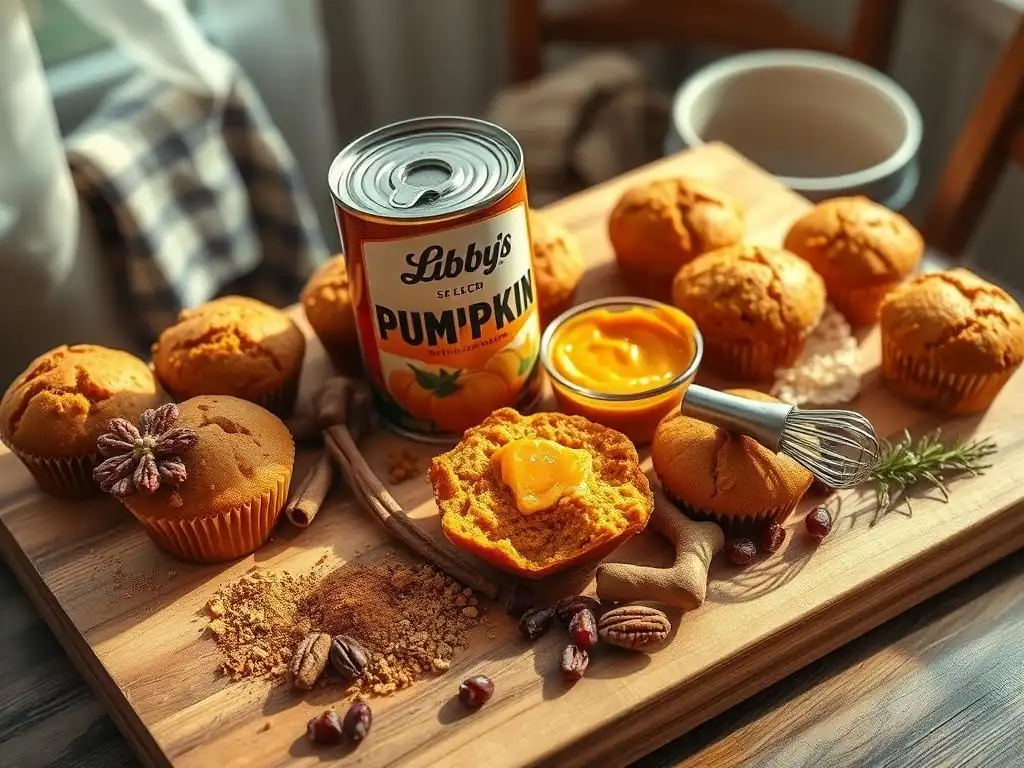
Ever wondered how to unlock the full potential of that can of pumpkin in your pantry? Get ready to transform it into something truly extraordinary. This week, we're diving deep into simple tips for baking with canned pumpkin, revealing secrets that will elevate your seasonal treats to a whole new level. Discover how to avoid common pitfalls and achieve consistently delicious results with our easy-to-follow guide. Ready to create pumpkin perfection? Let's get started!
- Mastering Canned Pumpkin Baking: Simple Tips for Delicious Treats
- Introduction to Canned Pumpkin Baking
- Essential Tips for Perfect Canned Pumpkin Baking
- Canned Pumpkin Baking Recipe Ideas to Try at Home
- Troubleshooting Common Canned Pumpkin Baking Problems
- Storing Canned Pumpkin Baking Ingredients
- Conclusion: Elevating Canned Pumpkin Baking to an Art Form
-
Frequently Asked Questions
- What are some common mistakes to avoid when baking with canned pumpkin?
- Can I substitute fresh pumpkin puree for canned pumpkin puree in recipes?
- How do I ensure my canned pumpkin baked goods are moist and flavorful?
- What are some easy recipes I can make using canned pumpkin?
- How long does canned pumpkin last, and how should I store leftovers from my baking?
- Final Reflection: Unlocking the Sweet Potential of Canned Pumpkin
- Unleash Your Inner Pumpkin Pie Pro!
Mastering Canned Pumpkin Baking: Simple Tips for Delicious Treats
Introduction to Canned Pumpkin Baking
Why Canned Pumpkin is a Versatile Baking Ingredient
Canned pumpkin is a true hero in the pantry, especially when fall baking season arrives. It's incredibly versatile, lending moisture, flavor, and a beautiful color to a wide range of baked goods. Unlike fresh pumpkin, which requires roasting, pureeing, and draining, canned pumpkin is ready to use straight from the can, making it a convenient and reliable option for bakers of all skill levels looking for simple canned pumpkin baking tips.
Its smooth texture integrates seamlessly into batters and doughs, providing a consistent result that's often harder to achieve with homemade puree due to varying moisture levels. From moist breads and muffins to rich pies and cookies, canned pumpkin offers an easy way to infuse that comforting, earthy flavor into your creations.
Beyond its convenience, canned pumpkin is also packed with nutrients like Vitamin A, adding a touch of healthfulness to your sweet treats. A typical half-cup serving contains over 200% of the daily recommended value for Vitamin A. This makes it not just a flavor enhancer but also a way to boost the nutritional profile of desserts, allowing you to enjoy delicious baked goods that offer a little something extra.
Its natural sweetness also means you can sometimes slightly reduce added sugars in recipes, depending on the application. Exploring the possibilities with canned pumpkin baking tips easy steps can really expand your baking repertoire.
Exploring Creative and Flavorful Canned Pumpkin Baking Recipes
Canned pumpkin isn't just for pie! Its neutral yet slightly sweet profile makes it a fantastic base for countless creative baking adventures. Think beyond the classic pumpkin pie and explore recipes like pumpkin cream cheese swirl brownies, spiced pumpkin scones, or even savory pumpkin cornbread. The key is understanding how the moisture and texture of canned pumpkin interact with other ingredients, allowing you to adapt existing recipes or create new ones. Using canned pumpkin baking tips easy methods can lead to delightful discoveries like pumpkin snickerdoodles or a layered pumpkin cake with maple frosting.
Furthermore, canned pumpkin pairs wonderfully with a variety of spices and flavors. While cinnamon, nutmeg, ginger, and cloves are traditional companions, don't hesitate to experiment with cardamom, allspice, or even a pinch of black pepper for a subtle kick. Add-ins like chocolate chips, nuts, dried cranberries, or a swirl of cream cheese frosting can elevate simple canned pumpkin recipes into extraordinary treats. By applying some easy canned pumpkin baking tips, you can transform a basic ingredient into a show-stopping dessert or a comforting everyday bake.
Essential Tips for Perfect Canned Pumpkin Baking
Tip #1: Selecting the Right Canned Pumpkin
Understanding Canned Pumpkin Varieties
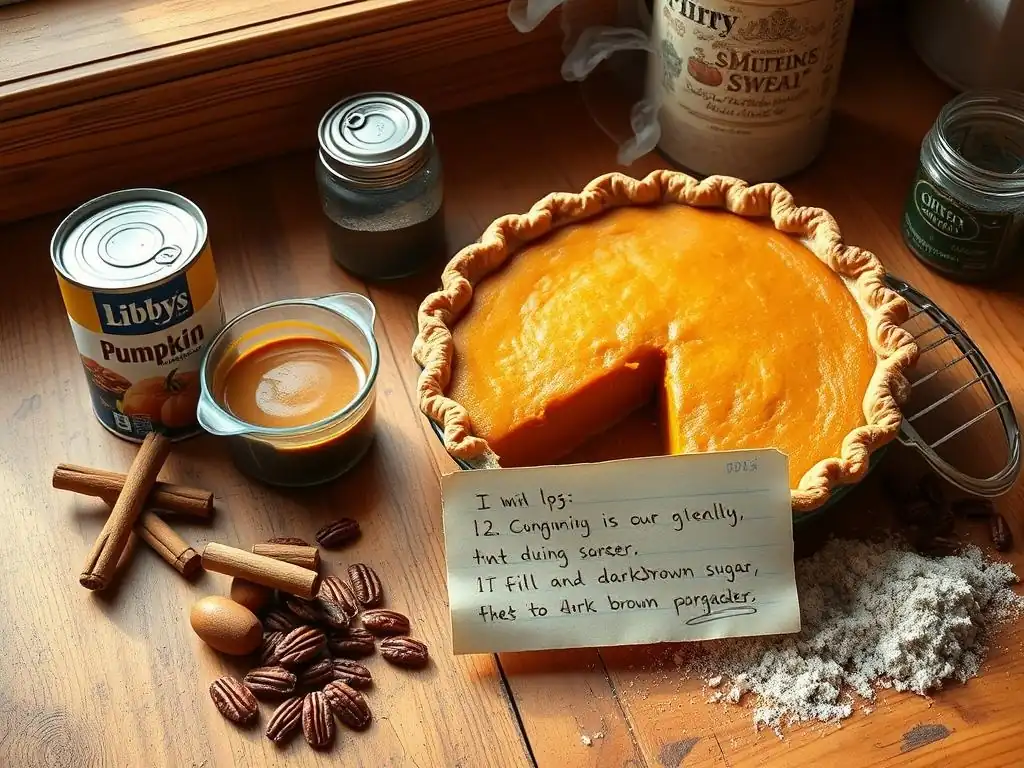
When you head to the grocery store for canned pumpkin, you'll typically find two main types: 100% Pure Pumpkin and Pumpkin Pie Filling. It is crucial to know the difference, as they are not interchangeable in most recipes. 100% Pure Pumpkin is simply cooked and pureed pumpkin with no added sugar, spices, or flavorings.
It has a natural, earthy taste and a relatively thick consistency. This is the type called for in the vast majority of baking recipes, from breads and muffins to pies where you add your own spices. Using pure pumpkin gives you complete control over the sweetness and spice levels of your baked goods.
Pumpkin Pie Filling, on the other hand, is a ready-to-use mixture that contains pumpkin puree along with sugar, spices (like cinnamon, nutmeg, and ginger), and often other ingredients like salt and thickeners. While convenient for making a quick pumpkin pie, its pre-sweetened and spiced nature makes it unsuitable for recipes that require plain pumpkin puree.
Using pie filling instead of pure puree will throw off the sugar and spice balance, potentially resulting in an overly sweet or intensely spiced bake with an incorrect texture. Always double-check the can label to ensure you have the correct type for your simple canned pumpkin baking recipe.
Choosing Canned Pumpkin Types (Puree vs. Pie Filling) for Flavor and Texture
The choice between pure pumpkin puree and pumpkin pie filling directly impacts the final flavor and texture of your baked goods. Pure pumpkin puree offers a blank canvas, allowing the other ingredients, particularly spices and sweeteners, to shine. Its moisture content is consistent across brands, though some home bakers prefer to drain excess liquid for certain recipes like cheesecakes or dense bars to prevent a watery texture.
This pure form is essential for recipes where you want to control the sweetness and spice profile precisely, which is a key part of mastering easy canned pumpkin baking tips. For instance, a recipe for pumpkin bread might call for 1 cup of pure pumpkin puree, allowing you to add exactly the amount of brown sugar and pumpkin pie spice you desire.
Pumpkin pie filling, conversely, provides a pre-defined flavor profile. While it saves a step for pies, its sweetness level is set, and the spices are already incorporated. Using it in a muffin or cookie recipe designed for pure puree would result in a much sweeter product, and the spice intensity might be overwhelming or not to your liking.
The texture can also differ; pie filling is often smoother due to added ingredients. Stick to 100% Pure Pumpkin for versatility and control in your easy canned pumpkin baking tips adventures, saving the pie filling specifically for its intended purpose: making a quick pie filling.
Tip #2: Handling the Canned Pumpkin
Selecting the Best Recipes for Canned Pumpkin
Not all recipes are created equal when it comes to using canned pumpkin. While pumpkin pairs well with many flavors, its high moisture content means it works best in recipes designed to handle that extra liquid. Recipes for moist quick breads, muffins, cakes, bars, and pies are ideal candidates.
These baked goods benefit from the moisture, which helps keep them tender and prevents dryness. Look for recipes specifically developed for canned pumpkin, as they will have the correct balance of flour, leavening agents, and fats to accommodate the puree. Simple canned pumpkin baking tips often revolve around recipes where the pumpkin is a primary flavor or moisture source.
Avoid substituting canned pumpkin directly into recipes that aren't designed for it, especially those that require precise moisture balance, like delicate cookies or flaky pastries, unless you are an experienced baker comfortable with significant recipe adjustments. A standard chocolate chip cookie recipe, for example, would likely become cakey and spread incorrectly if a large amount of pumpkin puree were added without modifying the other ingredients. Focus on trying easy canned pumpkin baking tips found in recipes specifically created for this ingredient to ensure the best results and avoid potential baking mishaps.
Techniques for Using Canned Pumpkin (Draining, Mixing)
While 100% pure canned pumpkin has a relatively consistent moisture level, some bakers find that certain brands or specific cans can contain excess liquid, particularly separated at the top. For recipes where moisture is critical, like cheesecakes, denser bars, or sometimes muffins, you might consider draining the pumpkin slightly. This can be done by placing the puree in a fine-mesh sieve set over a bowl for 15-30 minutes, allowing excess water to drip out.
However, for most quick breads, cakes, and standard muffins, draining isn't necessary and the recipe is formulated to include that moisture. Following specific recipe instructions is key here; if a recipe calls for draining, do it.
When incorporating canned pumpkin into your batter, ensure it is mixed thoroughly but avoid overmixing once the dry ingredients are added. Overmixing can develop the gluten in the flour too much, leading to tough baked goods. Gentle folding is usually sufficient after the wet and dry ingredients are combined. For recipes like pumpkin bread, you might combine the wet ingredients (including pumpkin) separately before adding them to the dry. These simple canned pumpkin baking tips, like mindful mixing, contribute to a tender crumb and even texture in your final product.
Tip #3: Enhancing Flavor with Spices and Add-ins
The Best Spices and Savory Pairings for Canned Pumpkin Baking (Cinnamon, Nutmeg, Ginger, Cloves, Sage)
Pumpkin's natural sweetness pairs beautifully with warm, earthy spices. The classic blend, often referred to as "pumpkin pie spice," typically includes cinnamon, nutmeg, ginger, and cloves. Cinnamon is usually the dominant spice, providing warmth and sweetness.
Nutmeg adds a slightly nutty depth, while ginger brings a touch of zesty heat, and cloves offer intense, pungent warmth. A common ratio for homemade pumpkin pie spice might be 2 teaspoons cinnamon to 1/2 teaspoon nutmeg, 1/2 teaspoon ginger, and 1/4 teaspoon cloves, but this can be adjusted to personal preference. Using fresh, potent spices is one of the most impactful easy canned pumpkin baking tips for maximizing flavor.
While pumpkin is primarily used in sweet applications, it also works surprisingly well in savory baking. Think pumpkin and sage biscuits, or pumpkin cornbread with a hint of chili powder. Sage's earthy, slightly peppery flavor is a natural partner for pumpkin, often seen in dishes like pumpkin ravioli or soup, and it translates well into savory baked goods.
Incorporating a pinch of salt also helps to bring out the sweetness and spice notes, even in sweet recipes. Don't be afraid to experiment beyond the traditional spice blend; a touch of cardamom can add an exotic note, or a tiny amount of black pepper can provide a subtle warmth.
The Best Sweet Add-ins and Pairings for Canned Pumpkin Baking (Brown Sugar, Maple Syrup, Chocolate Chips, Nuts)
To complement the flavor of canned pumpkin and the associated spices, various sweet add-ins work wonders. Brown sugar is a popular choice because its molasses notes enhance the warmth of the spices and contribute to a moist texture. Maple syrup is another excellent partner, offering a distinct, rich sweetness that pairs perfectly with pumpkin in things like glazes or as a sweetener within the batter. Using a mix of granulated sugar for structure and brown sugar for moisture and flavor is a common technique in simple canned pumpkin baking recipes.
Beyond sweeteners, textural and flavor add-ins elevate pumpkin baked goods. Chocolate chips (dark, milk, or white) are a classic pairing, providing pockets of melty sweetness that contrast with the spiced pumpkin base. Nuts like pecans, walnuts, or pepitas (pumpkin seeds) add crunch and nutty flavor. Dried cranberries or raisins bring chewy texture and bursts of tartness or sweetness. A swirl of cream cheese filling in bread or muffins provides a tangy, creamy counterpoint. These easy canned pumpkin baking tips involving add-ins can transform a basic recipe into something truly special.
Tip #4: Seasoning Your Pumpkin Batter
The Importance of Spices, Salt, and Sweeteners
Proper seasoning is paramount in canned pumpkin baking to ensure your treats aren't bland or one-dimensional. While canned pumpkin provides flavor, it's the spices that truly define the classic taste. Using the right amount and combination of cinnamon, nutmeg, ginger, and cloves (or a pre-mixed pumpkin pie spice blend) is crucial. Too little spice, and the pumpkin flavor can be muted; too much, and it can be overwhelming or bitter. Freshly ground spices often have a more potent aroma and flavor than pre-ground ones that have been sitting on the shelf for a long time.
Salt plays a vital, often overlooked, role in sweet baking. A small amount of salt doesn't make the baked good taste salty, but rather enhances the flavors of the other ingredients, making the sweetness taste sweeter and the spices more vibrant. Without salt, even a perfectly spiced pumpkin muffin can taste flat. Sweeteners, typically granulated sugar, brown sugar, maple syrup, or molasses, provide sweetness but also contribute to texture, moisture, and browning. Getting the balance of spices, salt, and sweeteners right is key to achieving delicious results with your simple canned pumpkin baking.
Exploring Different Spice Blends and Flavor Combinations
While the traditional pumpkin spice blend is popular for a reason, don't feel limited to it. Experimenting with different spice combinations can lead to unique and exciting results. Consider adding cardamom for an exotic, floral note, or allspice, which tastes like a combination of cinnamon, cloves, and nutmeg. A pinch of black pepper or a tiny dash of cayenne can add a surprising warmth and depth, especially in recipes like pumpkin chocolate chip cookies. These subtle additions can elevate your easy canned pumpkin baking.
Beyond spices, consider other flavor pairings. Adding orange zest or extract can brighten the flavor profile of pumpkin. A splash of vanilla extract is almost always a welcome addition, enhancing the overall sweetness and aroma. For a richer flavor, consider using bourbon or rum extract. Pairing pumpkin with caramel or toffee flavors is also delicious. Exploring these different combinations allows you to put your own spin on classic simple canned pumpkin recipes and discover new favorites.
Tip #5: Presentation Matters (for Baked Goods)
Tips for Visually Appealing Pumpkin Baked Goods
Even simple canned pumpkin baking can look stunning with a little attention to presentation. For muffins and quick breads, filling the pans evenly ensures uniform size and baking. Sprinkling the tops with turbinado sugar before baking adds a lovely sparkle and a slight crunch. For cakes, ensuring the layers are level and the frosting is applied smoothly makes a big difference. Using an offset spatula helps achieve clean lines. Simple techniques like swirling batter (e.g., pumpkin and cream cheese) with a knife or skewer before baking creates beautiful patterns.
Color is also a key element. Pumpkin baked goods naturally have a warm, inviting orange or golden hue. Complement this with contrasting colors from glazes, frostings, or garnishes. A bright white cream cheese frosting or a rich dark chocolate ganache provides visual appeal. For pies, crimping the crust edge neatly or using decorative cut-outs makes the pie look homemade and special. These easy canned pumpkin baking tips for presentation are about making the food look as good as it tastes.
Garnishing Ideas for Added Flavor and Texture (Frosting, Streusel, Seeds)
Garnishes not only enhance the appearance of your canned pumpkin baked goods but also add extra layers of flavor and texture. A classic cream cheese frosting is a perfect partner for pumpkin, providing a tangy sweetness and creamy texture that balances the spiced cake or muffin. A simple glaze made from powdered sugar and milk or maple syrup adds sweetness and a slight sheen.
Adding a streusel topping (a crumbly mixture of flour, sugar, butter, and spices) to muffins, breads, or pies provides a delightful crunchy texture contrast to the soft interior. Toasted nuts (pecans, walnuts) or seeds (pepitas) sprinkled on top just before or after baking add crunch and nutty flavor. A dusting of powdered sugar, a sprinkle of extra cinnamon, or a few chocolate shavings can provide a simple yet effective finishing touch. These easy canned pumpkin baking tips involving garnishes can turn a simple bake into a finished masterpiece.
Canned Pumpkin Baking Recipe Ideas to Try at Home
Classic Pumpkin Bread or Muffins
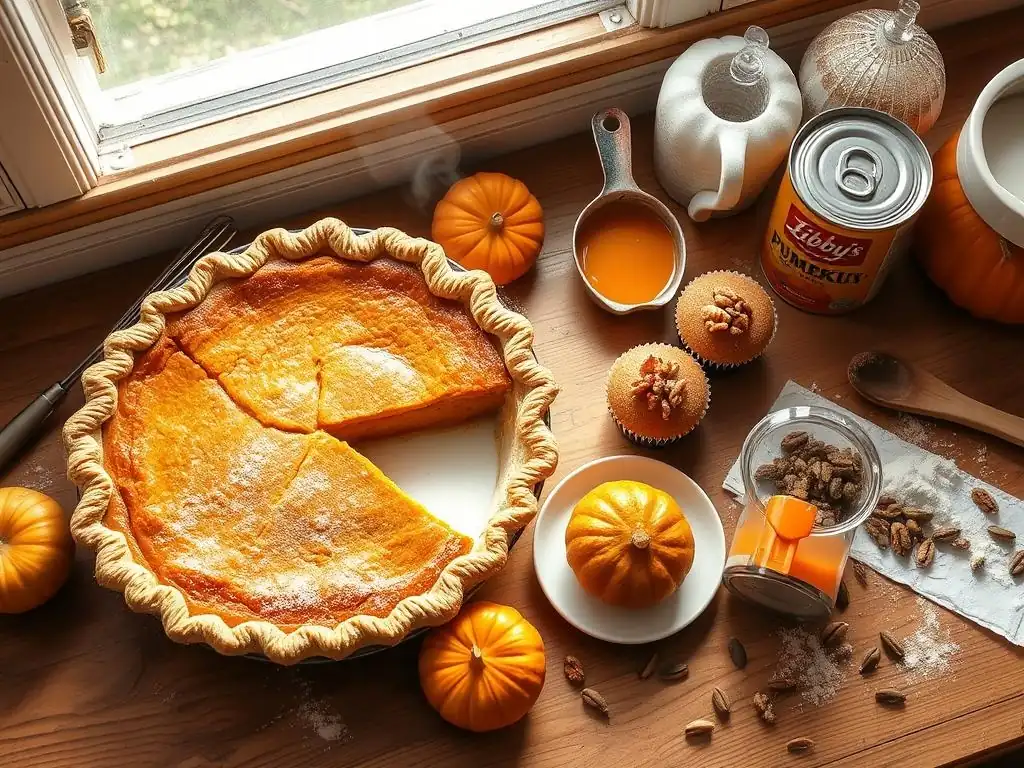
A quintessential application for canned pumpkin is classic pumpkin bread or muffins. These recipes are often quite forgiving and are excellent for beginners looking for simple canned pumpkin baking tips. Typically, they involve whisking together the wet ingredients (canned pumpkin, eggs, oil or butter, sugar, vanilla) and dry ingredients (flour, baking soda, baking powder, salt, spices) separately before combining them. The high moisture content from the pumpkin ensures a wonderfully moist and tender crumb.
A standard recipe using 1.5 cups of canned pumpkin puree can yield one large loaf or about 12-18 muffins. Baking time is usually around 50-70 minutes for a loaf at 350°F (175°C) and 20-25 minutes for muffins. These recipes are easy to customize with add-ins like chocolate chips, nuts, or cranberries. Mastering a basic pumpkin bread is an easy canned pumpkin baking tip foundation for many other recipes.
Pumpkin Pie or Pumpkin Cheesecake
Canned pumpkin is the star of the show in traditional pumpkin pie. A classic pumpkin pie filling uses canned pumpkin puree combined with evaporated milk or heavy cream, eggs, sugar (often a mix of granulated and brown), spices, and vanilla, all baked in a pie crust. The puree provides the essential flavor and smooth texture. Achieving the perfect custard set requires careful baking at the right temperature to prevent cracking.
Pumpkin also makes a fantastic cheesecake. Swirling pumpkin puree mixed with spices and sugar into a classic cream cheese batter creates a beautiful visual effect and a delicious flavor combination. Pumpkin cheesecakes often require a water bath during baking to ensure even cooking and prevent cracks. Using 1.5 to 2 cups of canned pumpkin is common for a 9-inch cheesecake. These recipes demonstrate more advanced, yet achievable, easy canned pumpkin baking tips.
Canned pumpkin can add moisture and flavor to cookies and bars, though it requires careful recipe formulation due to its moisture level. Soft, cake-like pumpkin cookies are popular, often featuring spices and add-ins like chocolate chips or raisins. Pumpkin bars, similar to a moist sheet cake baked in a pan, are often topped with a rich cream cheese frosting and are incredibly easy to make in large batches.
For cookies, using too much pumpkin can result in a dough that doesn't hold its shape or cookies that are too cakey. Recipes specifically designed for pumpkin cookies will balance the flour and fat correctly. Pumpkin bars, on the other hand, welcome the moisture and bake up thick and tender. A recipe using 1 cup of canned pumpkin might yield 2-3 dozen cookies or a 9x13 inch pan of bars. Exploring these recipes offers more easy canned pumpkin baking tips for different textures.
Troubleshooting Common Canned Pumpkin Baking Problems
Problem: Baked Goods are Too Wet or Too Dry
Solution: [Managing Moisture from Canned Pumpkin]
One of the most common challenges in canned pumpkin baking is managing the moisture. Canned pumpkin adds significant moisture, which is great for keeping baked goods tender but can lead to a dense or even soggy texture if not balanced correctly. If your baked goods are consistently too wet, ensure you are using 100% pure pumpkin puree and not pie filling, which has a different consistency. If you suspect your puree is particularly watery (sometimes excess liquid separates in the can), you can try draining it slightly through a fine-mesh sieve for about 15-30 minutes before measuring.
Conversely, if your pumpkin baked goods are dry, it might not be the pumpkin's fault. Ensure you are measuring your flour correctly (spooning it into the measuring cup and leveling, rather than scooping) and not overmixing the batter, which can develop gluten and lead to toughness and dryness. Also, check your oven temperature with a separate thermometer; an oven that runs hot can cause baked goods to dry out quickly. Following tested recipes and these easy canned pumpkin baking tips for moisture management will help prevent these issues.
Problem: Baked Goods are Dense or Don't Rise
Solution: [Balancing Ingredients and Leavening]
Density or poor rise in canned pumpkin baked goods can stem from several factors, often related to the balance of ingredients and leavening agents. Pumpkin puree adds weight and moisture to batter, which can sometimes inhibit rise if the recipe doesn't have enough leavening (baking soda and/or baking powder) or if the leavening agents are old and inactive.
Check the expiration dates on your baking soda and powder; they lose potency over time. You can test baking soda by adding a pinch to vinegar (it should fizz vigorously) and baking powder by adding a pinch to hot water (it should fizz).
Overmixing the batter after adding dry ingredients is another common culprit for dense baked goods. This develops the gluten, making the texture tough and heavy. Mix just until the dry ingredients are incorporated. Also, ensure you are using the correct type of flour specified in the recipe (e.g., all-purpose, cake flour), as different flours have varying protein contents that affect structure. Proper measurement of all ingredients, especially flour and leavening, following tested simple canned pumpkin baking tips recipes, is key to achieving a light, airy texture.
Problem: Baked Goods Lack Flavor
Solution: [Enhancing Flavor with Spices and Extracts]
If your canned pumpkin baked goods taste bland or don't have that signature warm spice flavor, the issue is likely with your spices or other flavorings. Ensure you are using fresh spices. Ground spices lose their potency over about 6-12 months. Smell your spices; if they don't have a strong aroma, it's time to replace them. Don't be shy with the spices; pumpkin can handle a good amount of cinnamon, nutmeg, ginger, and cloves. A standard pumpkin bread recipe using 1.5 cups of pumpkin might call for 1-2 teaspoons of cinnamon and smaller amounts of the others.
Beyond spices, ensure you are using enough salt and vanilla extract, as these amplify the other flavors. Consider adding other flavor enhancers like orange zest, bourbon extract, or a touch of molasses or maple syrup to deepen the flavor profile. Tasting your batter (before adding eggs for safety, or a tiny amount after) can give you an indication of the flavor intensity before baking. Adjusting spices slightly based on preference and ensuring your flavorings are fresh are essential easy canned pumpkin baking tips for delicious results.
Storing Canned Pumpkin Baking Ingredients
Properly Storing Open Canned Pumpkin
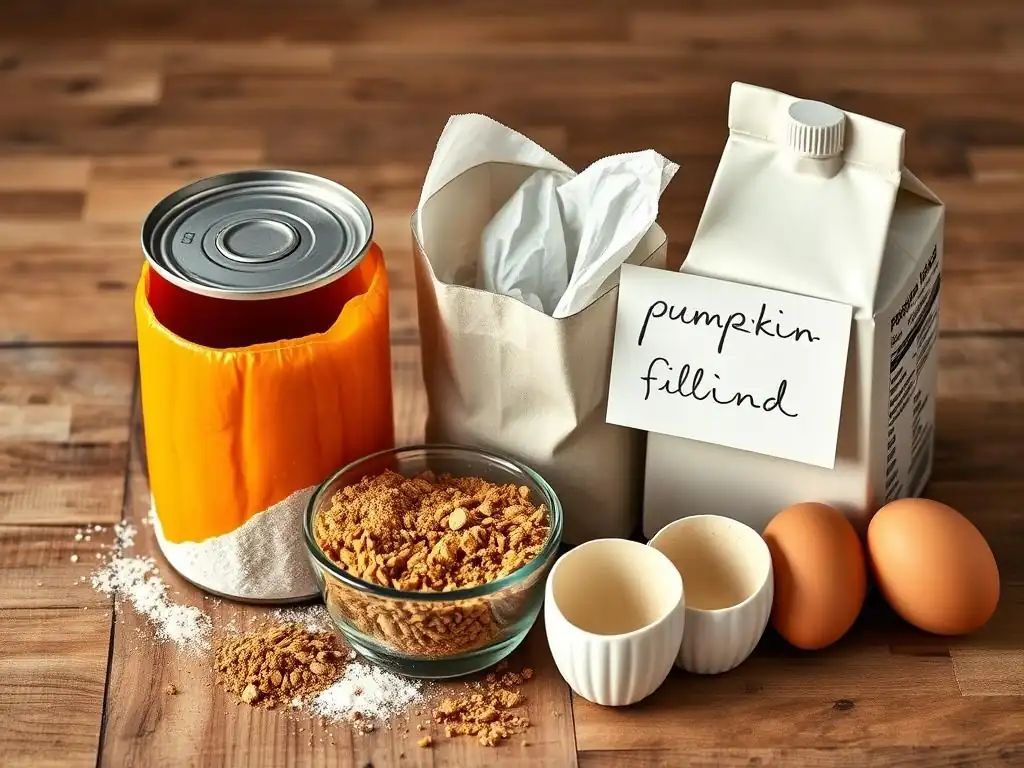
Once opened, canned pumpkin should be treated like any other perishable food. Do not store it in the opened can in the refrigerator; the metal can react with the food. Instead, transfer any unused canned pumpkin puree to an airtight container, such as a plastic container or a glass jar with a tight-fitting lid. Label the container with the date.
Stored properly in the refrigerator, open canned pumpkin puree is typically good for 5-7 days. If you won't use it within that timeframe, it freezes exceptionally well. Scoop the puree into freezer-safe containers or heavy-duty freezer bags, removing as much air as possible. Frozen canned pumpkin can last for several months (up to 6-12 months for best quality). Thaw it in the refrigerator before using. Following these easy canned pumpkin baking tips for storage prevents waste.
Best Practices for Flour and Sugar Storage
Proper storage of your dry ingredients is crucial for successful baking. Flour should be stored in a cool, dry, dark place, away from heat and moisture, which can cause it to become rancid or attract pests. An airtight container (plastic, glass, or metal) is ideal to protect it from air, moisture, and insects. All-purpose flour stored properly can last for 6-12 months. Whole wheat flour has a shorter shelf life due to its higher oil content, typically 3-6 months.
Sugars (granulated, brown, powdered) are less susceptible to spoilage but can suffer from moisture issues. Granulated sugar should be stored in an airtight container to prevent clumping. Brown sugar is prone to hardening as it dries out; store it in an airtight container, and if it hardens, you can soften it by placing a slice of bread or a marshmallow in the container overnight. Powdered sugar should also be kept airtight to prevent clumping. These simple storage tips ensure your ingredients are ready for your easy canned pumpkin baking projects.
Keeping Spices and Extracts Fresh
The potency of your spices and extracts significantly impacts the flavor of your canned pumpkin baked goods. Store ground spices in airtight containers in a cool, dark place, away from direct sunlight and heat sources like the stove. Heat and light degrade the flavor compounds quickly. While they don't technically "spoil" in a way that makes you sick, they lose their flavor and aroma over time. Aim to replace ground spices like cinnamon, nutmeg, ginger, and cloves every 6-12 months for optimal flavor.
Whole spices last longer, often several years, but should be ground just before use for the best flavor. Extracts, like vanilla, should also be stored in a cool, dark place, tightly capped. While they have a long shelf life, exposure to air can cause the alcohol to evaporate, concentrating the flavor but also potentially changing it. Keeping your flavorings fresh is one of the most important, yet easy, canned pumpkin baking tips for ensuring delicious results every time.
Conclusion: Elevating Canned Pumpkin Baking to an Art Form
Enjoy Delicious Baked Goods with Canned Pumpkin Using These Tips
Mastering baking with canned pumpkin is an achievable goal for anyone, regardless of experience level. By following these simple canned pumpkin baking tips, you can consistently create moist, flavorful, and comforting treats. From understanding the difference between pumpkin puree and pie filling to properly seasoning your batter and managing moisture, each tip contributes to a better final product. Canned pumpkin offers convenience without sacrificing quality, making it an indispensable ingredient for fall baking and beyond.
Remember that baking is also about experimentation and finding what works best for you. Don't be afraid to adjust spice levels to your preference or try new add-ins. With a little practice and these easy canned pumpkin baking tips, you'll be whipping up delicious pumpkin breads, pies, muffins, and more with ease, bringing warmth and cozy flavors into your home.
Your Resource for Canned Pumpkin Baking Inspiration
Whether you're baking your very first loaf of pumpkin bread or looking to perfect your pumpkin pie, BakeWithEase.com is here to help. We offer a variety of simple canned pumpkin recipes designed for bakers of all levels, providing step-by-step guidance and helpful hints. Explore our collection of fall baking recipes featuring canned pumpkin and discover new ways to use this versatile ingredient. With the right easy canned pumpkin baking tips and a reliable recipe, you're well on your way to baking success.
Frequently Asked Questions
What are some common mistakes to avoid when baking with canned pumpkin?
One common mistake is not draining excess liquid. This results in soggy baked goods. Also, be sure to use canned pumpkin puree, not pumpkin pie filling, as the latter contains added spices and sugar.
Can I substitute fresh pumpkin puree for canned pumpkin puree in recipes?
Yes, you can! Just ensure the fresh puree has a similar consistency to canned. Drain any excess liquid from the fresh pumpkin puree after roasting and pureeing it.
How do I ensure my canned pumpkin baked goods are moist and flavorful?
Adding spices like cinnamon, nutmeg, and ginger enhances the flavor. Also, using ingredients like brown sugar and oil can contribute to a moist texture.
What are some easy recipes I can make using canned pumpkin?
Pumpkin bread, muffins, and cookies are excellent starting points. These recipes are generally quick and simple and require minimal ingredients.
How long does canned pumpkin last, and how should I store leftovers from my baking?
Unopened canned pumpkin lasts for years, but check the expiration date. Once opened, store it in an airtight container in the fridge and use within 5-7 days. Baked goods should also be stored properly to maintain freshness.
Final Reflection: Unlocking the Sweet Potential of Canned Pumpkin
The humble can of pumpkin puree holds a surprising amount of baking power, far beyond just pies. This simple ingredient, readily available year-round, offers a gateway to countless delicious and surprisingly easy baked goods. Mastering a few key techniques, as explored in this article, unlocks a world of flavor and texture possibilities for even the most novice baker.
The ease and accessibility of canned pumpkin have significantly democratized baking. It's no longer a skill reserved for experienced bakers with access to seasonal ingredients. This readily available ingredient allows anyone, regardless of skill level or location, to create comforting and delicious treats. Baking should be a joy, not a chore,
and canned pumpkin helps make that a reality for many. This simple ingredient empowers home bakers to experiment, create, and share their culinary creations with loved ones, fostering a sense of connection and accomplishment.
Now, it's your turn. Consider the recipes you've already enjoyed, and imagine the possibilities that await when you incorporate canned pumpkin into your next baking adventure. Don't be afraid to experiment with different spices, add-ins, and baking techniques. The journey of culinary discovery is a rewarding one, and with a simple can of pumpkin, the possibilities are truly endless. So, grab a can, gather your ingredients, and let the baking begin!
Unleash Your Inner Pumpkin Pie Pro!
Thanks for taking the time to explore the wonderful world of baking with canned pumpkin! We hope you discovered some delicious and easy recipes to try. Now it's time to put your newfound knowledge into action.
- Bake your masterpiece! Choose your favorite recipe from the article (or even try all of them! ), and get baking. Let the delicious aroma fill your kitchen.
- Share your creation! Post a picture of your pumpkin treat on social media and tag us – we'd love to see what you bake!
- Experiment with flavors! Try adding spices or ingredients you haven't used before – maybe even a hint of maple or cardamom? Let your creativity shine!
Ready to transform those canned pumpkins into something truly special? What's your first baking adventure going to be?