
Easy Apple Fritters (Taste Like the Fair!)

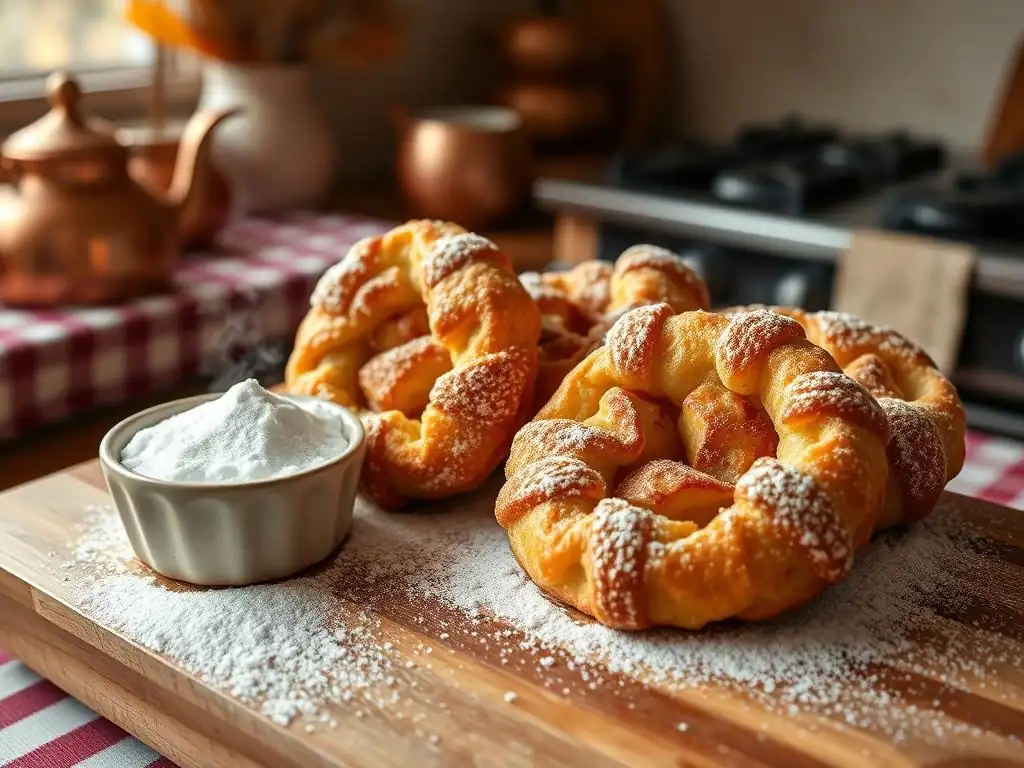
Welcome to BakeWithEase, your trusted guide to unlocking the joy of baking! Ever dreamt of creating those irresistible treats you find at the fair, right in your own kitchen? Get ready, because our Easy Apple Fritter Recipe is here! Discover how to whip up these crispy, sweet delights with simple ingredients and straightforward steps. What's the secret to achieving that perfect golden-brown crisp and fluffy interior? Let's find out...
- Classic Apple Fritters Recipe - BakeWithEase
- Introduction to Homemade Apple Fritters: A Fall Baking Tradition
- The Apple Fritter Recipe: Simple Ingredients & Steps
- Apple Fritter Glaze: The Finishing Touch
- Tips & Tricks for Perfect Apple Fritters
- Serving Suggestions
- Troubleshooting Common Problems
- Embrace Fall Baking with this Apple Fritter Recipe
-
Frequently Asked Questions
- How easy is this Easy Apple Fritter Recipe from BakeWithEase.com, really?
- What kind of apples are best to use in this fritter recipe?
- Can I bake these apple fritters instead of frying them?
- What makes these apple fritters taste like they came from a fair?
- How long will these apple fritters stay fresh?
- Final Reflection: The Enduring Allure of the Simple Apple Fritter
- Unlock Your Inner Fair Baker!
Classic Apple Fritters Recipe - BakeWithEase
Introduction to Homemade Apple Fritters: A Fall Baking Tradition
Why This Apple Fritter Recipe is Perfect for Fall Mornings
As the leaves begin to change and a crispness fills the air, there's a natural pull towards warm, comforting baked goods. This easy apple fritter recipe captures the essence of autumn, transforming simple pantry staples and fresh apples into a delightful treat.
Imagine waking up to the scent of cinnamon and fried apples drifting from your kitchen – it’s a quintessential fall experience that this recipe makes incredibly accessible, even for novice bakers. The simplicity of the ingredients and steps ensures that you can whip up a batch quickly, perfect for a spontaneous weekend breakfast or a cozy afternoon snack.
Beyond the sensory appeal, this easy apple fritter recipe is designed for success, minimizing common pitfalls. Unlike more complex pastries, fritters are forgiving. The batter comes together quickly, and the frying process, while requiring attention, yields results far faster than baking. This makes it an ideal project for a busy morning or when you crave something warm and sweet without a long wait. It’s a chance to bring the comforting, nostalgic flavors of a bakery or fair right into your home with minimal fuss, proving that delicious fall baking doesn't have to be complicated.
Recreating Bakery-Style Apple Fritters in Your Home Kitchen
Achieving that perfect bakery-style apple fritter involves striking a balance between a fluffy, apple-studded interior and a delightfully crispy exterior, all finished with a sweet, slightly crackly glaze. Our homemade apple fritters recipe focuses on key techniques to replicate this.
The batter is designed to be thick enough to cling generously to the apple pieces but light enough to expand and cook through without becoming dense or doughy. Using a neutral oil heated to the correct temperature, typically between 350°F and 375°F (approximately 175°C to 190°C), is crucial for achieving that desirable golden-brown crust while ensuring the inside cooks thoroughly.
Furthermore, the generous inclusion of chopped apples ensures that every bite is bursting with tender, sweet-tart fruit, just like the fritters you'd find at your favorite stand. The final touch, a simple powdered sugar glaze, is applied while the fritters are still warm. This allows the glaze to melt slightly and adhere beautifully, creating that signature sweet coating that is both visually appealing and adds another layer of texture and flavor. This simple apple fritters approach demystifies the process, showing that those craveable textures and tastes are well within reach for the home baker.
The Apple Fritter Recipe: Simple Ingredients & Steps
Gathering Your Ingredients
Key Ingredients for Authentic Apple Fritter Flavor
The heart of a great apple fritter lies in a few core ingredients that work together harmoniously. You'll need all-purpose flour, granulated sugar, baking powder (for lift), salt (to balance sweetness), ground cinnamon and nutmeg (essential fall spices), milk, an egg, and a touch of melted butter or oil for richness. Of course, the star ingredient is apples! For the glaze, you'll typically just need powdered sugar and a small amount of milk or water. These components are readily available and form the foundation of this easy apple fritter recipe.
- All-purpose flour
- Granulated sugar
- Baking powder
- Salt
- Ground cinnamon
- Ground nutmeg
- Milk (dairy or non-dairy)
- Egg
- Melted butter or neutral oil (like vegetable or canola)
- Apples (about 2 medium)
- Powdered sugar (for glaze)
- Milk or water (for glaze)
- Neutral frying oil (like vegetable, canola, or peanut oil)
Granny Smith Apples: The Best Choice for Fritters
While many apple varieties can be used, Granny Smith apples are often considered the top choice for fritters. Their firm texture holds up well during the frying process, preventing them from turning into mush. More importantly, their distinct tartness provides a wonderful contrast to the sweet batter and glaze, creating a more balanced and flavorful fritter. The acidity in Granny Smiths also helps to cut through the richness of the fried dough.
Other good options include Honeycrisp or Fuji, which are firmer and offer a good balance of sweet and tart. Avoid apples that become very soft when cooked, such as Red Delicious. Using about two medium apples will provide plenty of apple chunks for a typical batch, ensuring a good apple-to-batter ratio in your homemade apple fritters. Peel, core, and chop the apples into roughly 1/2-inch pieces so they distribute well throughout the batter and cook tenderly.
Step-by-Step Guide to Making Apple Fritters
Preparing the Apple Fritter Batter
Creating the batter for this easy apple fritter recipe is straightforward. In a large bowl, whisk together the dry ingredients: flour, sugar, baking powder, salt, cinnamon, and nutmeg. In a separate medium bowl, whisk together the wet ingredients: milk, egg, and melted butter or oil. Pour the wet ingredients into the dry ingredients and stir just until combined. It's important not to overmix; a few lumps are perfectly fine and can even contribute to a lighter texture. The batter should be thick, similar to a very thick pancake batter or a drop biscuit dough.
Next, gently fold the chopped apples into the batter. Ensure the apple pieces are evenly coated. The batter needs to be thick enough to suspend the apples rather than letting them sink to the bottom. If the batter seems too thin after adding the apples, you can stir in a tablespoon or two more flour, but avoid making it overly stiff. This technique ensures that each fritter is packed with delicious apple pieces, a hallmark of a great best apple fritter recipe.
Cutting and Preparing the Apples
As mentioned, selecting the right apple is key, with Granny Smith being a popular choice for its tartness and firmness. Once you've chosen your apples (about 2 medium-sized for a standard batch), wash them thoroughly. Peel the apples using a vegetable peeler or paring knife. Then, core the apples to remove the seeds and tough inner section. Finally, chop the peeled and cored apples into roughly 1/2-inch cubes. Consistency in size helps ensure they cook evenly during frying.
Some people like to toss the chopped apples with a little extra cinnamon or a tiny pinch of sugar before folding them into the batter, though it's not strictly necessary for this easy apple fritter recipe. The goal is bite-sized pieces that integrate well into the dough. Preparing the apples before you start the batter ensures they are ready to go, allowing you to work efficiently once the batter is mixed and the oil is heating.
Frying the Apple Fritters to Golden Perfection
Frying is the step that transforms the batter and apples into glorious fritters. Pour about 2-3 inches of neutral oil (like vegetable, canola, or peanut oil) into a heavy-bottomed pot or deep fryer. Heat the oil over medium-high heat until it reaches 350°F to 375°F (175°C to 190°C).
Using a thermometer is highly recommended for consistent results. Carefully drop spoonfuls of the apple fritter batter into the hot oil, using two spoons or a small ice cream scoop. Don't overcrowd the pot; fry only a few fritters at a time to maintain the oil temperature and prevent them from sticking together.
Fry for about 2-4 minutes per side, or until they are golden brown and cooked through. You may need to flip them gently halfway through frying using a slotted spoon or spider. The exact time will depend on the size of your fritters and the oil temperature. Once golden and cooked, carefully remove the fritters from the oil and place them on a wire rack set over a baking sheet lined with paper towels to drain excess oil. This step is vital for preventing greasy fritters and is a key part of making the best apple fritter recipe.
Tips for Achieving a Crispy Exterior and Soft Interior
Achieving that sought-after contrast between a crispy shell and a tender inside is all about temperature control and batter consistency. First, ensure your oil is hot enough (350-375°F). If the oil is too cool, the fritters will absorb too much oil and become greasy and heavy. If it's too hot, the outside will burn before the inside is cooked. Maintaining a steady temperature is key, which is why a thermometer is so useful for this easy apple fritter recipe.
Secondly, don't overcrowd the pot. Adding too many fritters at once will drastically lower the oil temperature, leading to soggy results. Fry in batches, allowing the oil to come back up to temperature between batches if necessary. Finally, ensure your batter is the correct consistency – thick enough to hold the apples but not overly dense. The leavening from the baking powder helps create a light interior structure. Removing the fritters to drain on a wire rack immediately after frying allows air circulation, which helps maintain crispness as they cool slightly before glazing.
Apple Fritter Glaze: The Finishing Touch
Making a Simple Glaze
The glaze is the sweet crown jewel of the apple fritter, adding a final layer of sweetness and a slightly crisp texture as it sets. A simple powdered sugar glaze is traditional and incredibly easy to make. It requires just two main ingredients and comes together in seconds. The key is getting the consistency right so it coats the fritters beautifully without being too thin or too thick.
You'll need powdered sugar (also known as confectioners' sugar) and a liquid, typically milk or water. Some recipes might suggest a touch of vanilla extract for extra flavor. The amount of liquid needed is quite small, usually just a tablespoon or two per cup of powdered sugar. This allows you to create a thick, opaque glaze that adheres well to the warm fritters. It’s a quick step that elevates your homemade apple fritters to bakery quality.
Glaze Ingredients and Proportions
For a standard batch of fritters made with two medium apples, you'll likely need about 1 to 1.5 cups of powdered sugar. To this, you'll gradually whisk in a liquid. Start with about 1-2 tablespoons of milk or water. You can always add more liquid a few drops at a time until you reach your desired consistency.
A common starting point is:
- 1 cup powdered sugar
- 1-2 tablespoons milk or water
Optional:
- 1/4 teaspoon vanilla extract
Combine the powdered sugar in a bowl. Add the liquid and vanilla (if using) and whisk until smooth and all lumps are gone. The goal is a thick but pourable glaze that will generously coat the fritters. If it's too thick, add a tiny bit more liquid. If it's too thin, whisk in a little more powdered sugar. This simple ratio makes glazing your easy apple fritter recipe a breeze.
Achieving the Perfect Glaze Consistency
The ideal glaze consistency for apple fritters is thick enough to provide a good coating but thin enough to drip slightly and set smoothly. Think of it like thick pancake syrup or honey. If the glaze is too runny, it will simply soak into the fritter and disappear, or drip off completely. If it's too thick, it will be clumpy and difficult to coat the irregular surface of the fritters evenly.
To test the consistency, lift your whisk or spoon out of the glaze. The glaze should drizzle back into the bowl in a thick stream, holding its shape for a moment before melting back into the rest of the glaze. If it runs off immediately like water, it's too thin. If it stays in a rigid peak, it's too thick. Adjust by adding a tiny bit more liquid or powdered sugar as needed, whisking well after each addition. A perfectly mixed glaze ensures your simple apple fritters have that beautiful, sweet finish.
Glazing Your Freshly Fried Apple Fritters
Timing is everything when glazing fritters. The best time to glaze is while the fritters are still warm, but not piping hot straight out of the oil. Let them drain on the wire rack for a minute or two to cool slightly and allow excess oil to drip away. This slight cooling period helps the glaze adhere better and prevents it from melting completely.
Once slightly cooled, you have a couple of options for glazing. You can dip each fritter individually into the bowl of glaze, ensuring all sides are coated, then return them to the wire rack to let the excess drip off and the glaze set. Alternatively, if you have a lot of fritters and a large enough bowl, you can gently toss a few fritters at a time in the glaze until they are coated.
Place the glazed fritters back on the wire rack (you might want to put fresh paper towels underneath if the old ones are oily) and let the glaze set for about 10-15 minutes before serving. This final step completes your delicious homemade apple fritters.
Tips & Tricks for Perfect Apple Fritters
Ensuring Even Cooking and Preventing Soggy Fritters
Preventing soggy fritters and ensuring they cook evenly requires attention to detail during the frying process. As previously mentioned, oil temperature is paramount. Maintain the oil between 350°F and 375°F (175-190°C). Use a thermometer and adjust the heat as needed. If you see the oil smoking, it's too hot; turn off the heat immediately and let it cool before resuming. If you drop a small bit of batter in and it sinks to the bottom without bubbling, the oil is too cool.
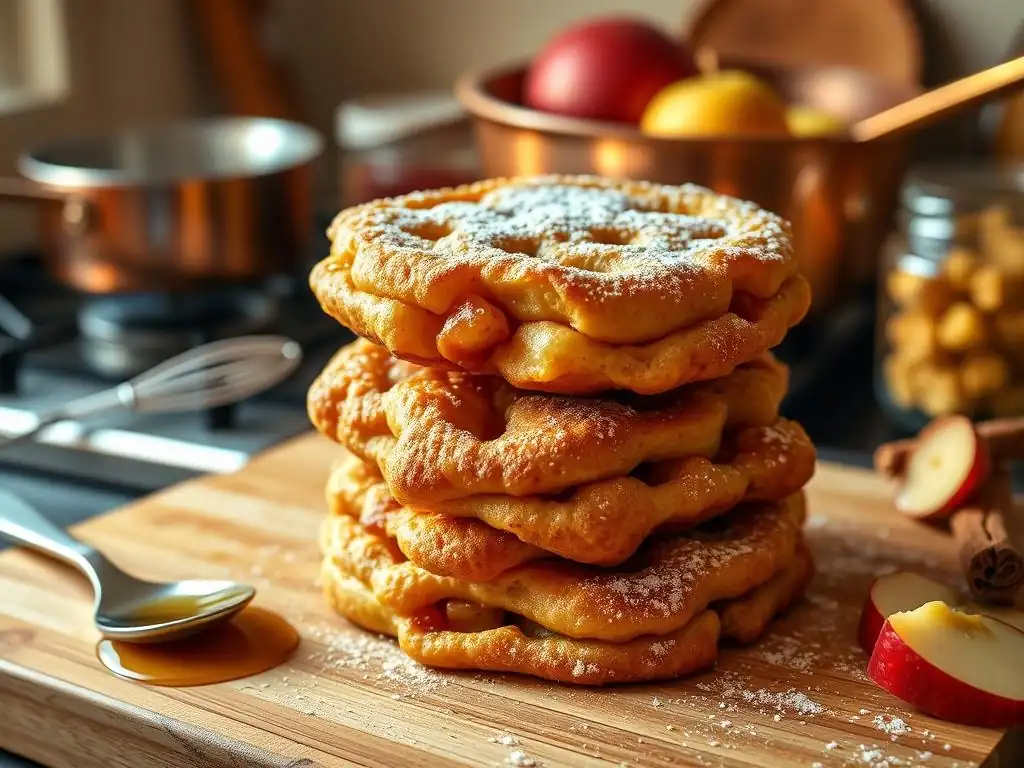
Equally important is not overcrowding the frying vessel. Frying in small batches (typically 3-4 fritters at a time in a medium pot) prevents the oil temperature from dropping significantly. This allows the fritters to brown properly and cook through to the center. Once fried, transferring them immediately to a wire rack set over paper towels allows air to circulate around them, preventing condensation that can lead to sogginess. These steps are crucial for a truly best apple fritter recipe.
Storing and Reheating Apple Fritters
Apple fritters are undeniably best enjoyed fresh and warm, ideally within an hour or two of frying and glazing. However, if you have leftovers, they can be stored. Allow them to cool completely before storing them in an airtight container at room temperature for up to 1-2 days. The glaze may become slightly sticky or soft over time, and the fritters will lose some of their initial crispness.
Reheating can help restore some of the texture. The best way to reheat apple fritters is in an oven or toaster oven. Place them on a baking sheet and warm them at a low temperature, around 300°F (150°C), for about 5-10 minutes, or until heated through. Avoid microwaving, as this will make them soft and rubbery. While not quite the same as fresh, reheating in the oven is the closest you'll get to enjoying your easy apple fritter recipe leftovers.
Variations and Add-ins
While the classic easy apple fritter recipe with a simple glaze is wonderful on its own, you can easily customize it with variations and add-ins to suit your taste.
Apple Fritters with Cinnamon Sugar
A popular alternative to the glaze is a simple cinnamon sugar coating. Instead of glazing, simply toss the warm, drained fritters in a mixture of granulated sugar and cinnamon immediately after frying. A good ratio is about 1/2 cup granulated sugar mixed with 1-2 teaspoons of ground cinnamon. This creates a delightful crunchy, spicy-sweet exterior that many people prefer.
Apple Fritters with Maple Syrup
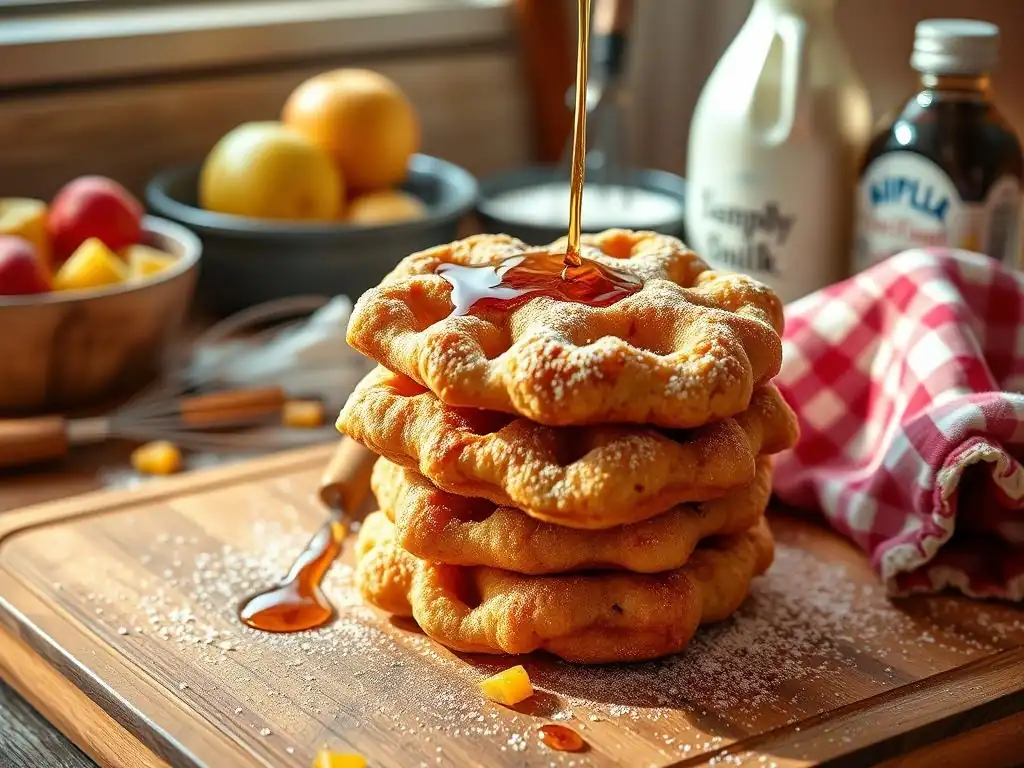
For a richer, more decadent finish, you can drizzle warm maple syrup over the glazed or unglazed fritters just before serving. A maple glaze can also be made by substituting some or all of the milk/water in the powdered sugar glaze with maple syrup. Combine about 1 cup powdered sugar with 2-3 tablespoons of maple syrup and whisk until smooth. This adds a deeper, caramel-like sweetness that pairs beautifully with the apples and cinnamon in your homemade apple fritters.
Serving Suggestions
Pairing Apple Fritters with Complimentary Flavors
Warm apple fritters are delicious on their own, but pairing them with certain beverages or sides can enhance the experience. A hot cup of coffee, tea, or apple cider is a classic companion, providing a warm, comforting contrast to the sweet fritters. For a heartier breakfast or brunch, they pair well with savory items like bacon or sausage, creating a sweet and salty balance.
If you want to lean into the dessert angle, a scoop of vanilla ice cream melting over a warm fritter is absolutely divine. A dollop of whipped cream or a sprinkle of toasted pecans can also add extra texture and richness. These simple pairings can elevate your easy apple fritter recipe from a snack to a full sensory experience.
Enjoying Apple Fritters Warm or Cold
As mentioned, apple fritters are best enjoyed warm, shortly after they've been fried and glazed. The warmth enhances the aroma of cinnamon and apple, and the texture is at its peak – crispy outside, soft and tender inside. Serving them while still warm allows the glaze to be slightly soft and melty, which is incredibly satisfying.
While they can be eaten cold after storage, the texture changes significantly, becoming softer throughout. Reheating is recommended to bring back some of that desirable crispness. So, while you technically can eat them cold, for the full "taste like the fair" experience of this best apple fritter recipe, serving them warm is definitely the way to go.
Troubleshooting Common Problems
Avoiding Common Mistakes
Making homemade apple fritters is relatively straightforward, but a few common mistakes can derail your efforts. One frequent issue is having oil that isn't hot enough, which leads to greasy, soggy fritters. Always use a thermometer to ensure the oil is within the 350-375°F range. Another mistake is overcrowding the pot, causing the oil temperature to drop and resulting in uneven cooking and greasiness. Fry in small batches.
Overmixing the batter can lead to tough fritters, so mix only until the dry and wet ingredients are just combined. Using the wrong type of apple (too soft) can result in mushy apple bits instead of tender chunks. Stick to firm, tart varieties like Granny Smith. Lastly, not draining the fritters properly on a wire rack after frying leaves excess oil on the surface, contributing to a less pleasant texture. Avoiding these pitfalls will significantly improve your easy apple fritter recipe results.
What to Do if Your Fritters are Too Doughy or Not Crispy Enough
If your fritters turn out too doughy in the center, it's usually a sign that the inside didn't cook through before the outside browned. This can happen if the oil is too hot (browning the exterior too quickly) or if the fritters are too large. Try lowering the oil temperature slightly (staying within the recommended range) and frying for a minute or two longer per side. Ensure you are dropping reasonably sized spoonfuls into the oil, not excessively large blobs.
If your fritters aren't crispy enough, the oil temperature might be too low, causing them to absorb too much oil rather than crisping up. Double-check your oil temperature with a thermometer and increase the heat if necessary. Also, ensure you are draining them on a wire rack after frying; leaving them on paper towels on a flat surface can trap steam and make them soft.
Sometimes, simply letting them rest on the wire rack for a few minutes before glazing can help the exterior firm up. Adjusting your frying technique based on these pointers will help you perfect your simple apple fritters.
Embrace Fall Baking with this Apple Fritter Recipe
This easy apple fritter recipe is more than just a list of ingredients and steps; it's an invitation to embrace the warmth and comfort of fall baking. The process of making them fills your home with incredible aromas, and the result is a deeply satisfying treat reminiscent of cozy autumn days and visits to the fair. Whether you're an experienced baker or just starting out, these homemade apple fritters are a rewarding project that delivers delicious results every time.
From selecting the perfect tart apples to achieving that golden, crispy exterior and sweet glaze, each step is designed to be manageable and enjoyable. So, gather your ingredients, heat your oil, and get ready to experience the simple joy of making your own apple fritters from scratch. It's a taste of autumn tradition that you can create right in your own kitchen, perfect for sharing with loved ones or savoring all by yourself.
We absolutely love seeing what you bake! After you've whipped up a batch of these delicious easy apple fritters, we encourage you to share your creations. Tag us on social media or send us a picture! Seeing your golden, glazed fritters is a highlight for the BakeWithEase community.
Whether you stuck to the classic recipe, experimented with a cinnamon sugar coating, or added a unique twist, your baking journey is inspiring. Don't hesitate to share any tips or tricks you discovered along the way as well. Let's celebrate the joy of fall baking together with this fantastic best apple fritter recipe!
Frequently Asked Questions
How easy is this Easy Apple Fritter Recipe from BakeWithEase.com, really?
This recipe is designed with all skill levels in mind. It features simple steps and easily accessible ingredients, making it a great choice for beginners. The detailed instructions ensure success.
What kind of apples are best to use in this fritter recipe?
For the best flavor and texture, BakeWithEase recommends using crisp, tart apples like Granny Smith or Honeycrisp. These hold their shape well during frying and provide a delightful contrast to the sweetness.
Can I bake these apple fritters instead of frying them?
While the recipe is optimized for frying, baking is possible. However, expect a different texture. Baked fritters will be less crispy and more cake-like than fried ones.
What makes these apple fritters taste like they came from a fair?
The recipe incorporates classic fairground flavors, such as cinnamon and vanilla, in a perfectly balanced batter. The frying process then creates that signature golden-brown, slightly greasy texture.
How long will these apple fritters stay fresh?
Apple fritters are best enjoyed fresh, but they can be stored in an airtight container at room temperature for up to two days. Reheating them briefly can help to restore some of the crispness, though they will be best when freshly made.
Final Reflection: The Enduring Allure of the Simple Apple Fritter
The humble apple fritter, a seemingly simple treat, holds a surprising power to evoke nostalgia and joy. Its crispy exterior and warm, spiced apple interior offer a comforting experience that transcends generations, proving its enduring popularity in a world of increasingly complex culinary creations. This easy recipe aims to bring that joy to your kitchen, making this fair-favorite accessible to everyone.
The apple fritter's influence extends beyond mere taste; it's a symbol of community and shared experiences. The aroma alone can transport you back to county fairs, bustling farmer's markets, or cherished family gatherings. It's a reminder of simpler times, of the pleasure found in uncomplicated pleasures. The best things in life are simple,
a sentiment perfectly encapsulated by this delightful treat. The recipe's ease of preparation only enhances this accessibility, allowing anyone to recreate these happy memories or create new ones.
Now, I invite you to consider the power of simple pleasures in your own life. Don't underestimate the impact of a warm, homemade treat, shared with loved ones or enjoyed in quiet contemplation. Take the time to bake these fritters – not just for the delicious taste, but for the opportunity to connect with something timeless and deeply satisfying. Let the aroma fill your kitchen, and let the simple act of baking bring a touch of joy to your day.
Unlock Your Inner Fair Baker!
Thanks for joining us on this delicious journey to creating the perfect apple fritters! We hope you've gained the confidence to tackle this tasty treat at home. Now, let's take your baking skills to the next level:
- Bake a batch today! Use our recipe as a springboard – experiment with different spices or glazes to create your signature fritter.
- Share your creations! Post a picture on social media and tag us – we'd love to see your delicious results! #BakeWithEaseAppleFritters
- Challenge a friend: See who can make the fluffiest, most flavorful fritters! Let the friendly competition begin!
What unexpected ingredient will you add to your next batch of apple fritters to elevate the flavor?